
Modern Jewish living isn’t about doing it perfectly; it’s about making it yours. Whether you’re bringing back Friday night dinners, finding your footing in a Jewish family, or quietly finding your way back home after years away, Jewish life holds space for it all.
But, tradition can look rigid from the outside, like there’s only one right way to live, and you’re already behind. Only, it’s far more flexible than it seems. A candle lit on a Friday, a blessing said imperfectly, or a table set with care, these small, intentional rituals add up to something real, and that counts.
What Does Modern Jewish Living Mean?
Modern Jewish living is the practice of building Jewish life around your actual home, not the home you think you should have, the one you have right now.
It's tempting to imagine this as a sliding scale, with "very religious" on one end and "barely religious" on the other. But Jewish life was never meant to be measured that way; there isn’t a pass or fail test, and the reason is simple: Jewish life encompasses so many aspects of life. It includes all things cultural, spiritual, religious, and everything in between. Some families keep kosher and walk to synagogue. Others light candles, eat challah, and tell the same stories their grandparents told. Both are living Jewishly.
Modern Jewish living meets you where you are, and holds space for you exactly as you are. Your version of Jewish living might lean cultural, with food, language, and family memory at its center. Or, it might lean religious, with weekly observance and study. Or, it might look like marking the holidays with your family, even if the rest of the year feels ordinary. All of that counts.
The question isn't, how observant am I? It's, what rhythm of Jewish life fits my home? That’s when it starts to feel like yours.
Shabbat as the Anchor of the Jewish Week
Shabbat is the Jewish day of rest, observed from sundown Friday to sundown Saturday. It's the single most accessible way into Jewish home life, a weekly ritual that quietly structures everything else.
You don't need to plan months ahead or master a holiday calendar. Shabbat comes every week, on schedule, asking only that you pause. That consistency builds the rhythm.
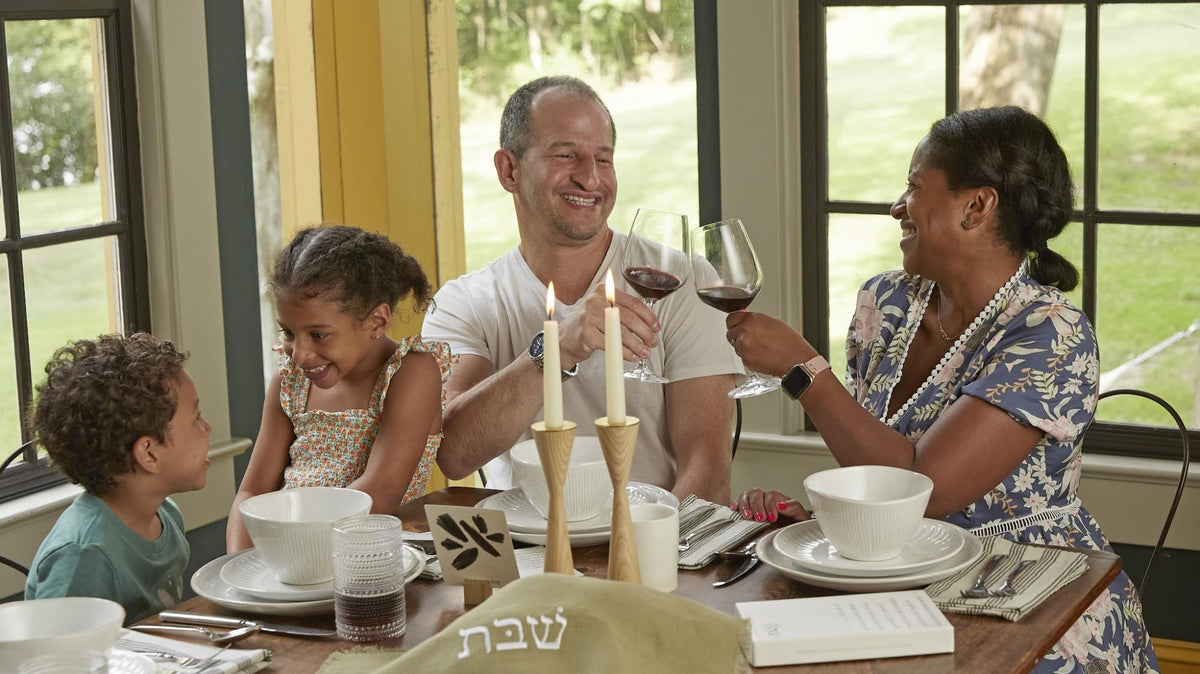
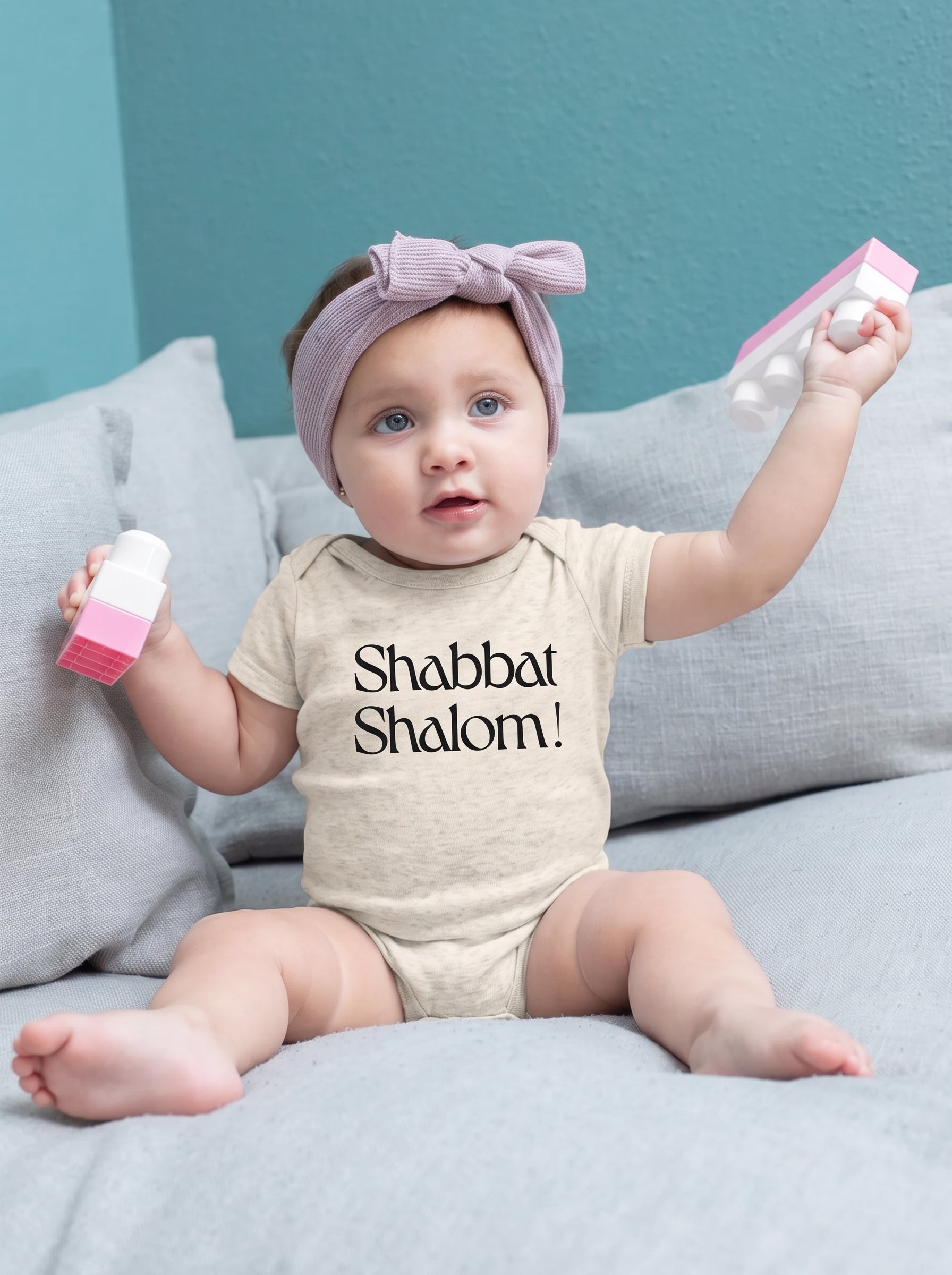
In a modern home, Shabbat can look like many things. You might light two candles just before sunset, say a blessing over wine, and bless the challah before dinner. You might gather the whole family with your phones tucked away in another room or, you might keep your phone nearby because you’re waiting on a call, that's okay too. The point of Shabbat isn't a perfect ritual; it's the intentional pause.
Whether you burned the chicken, forgot half the blessing, or started forty minutes late because the kids melted down, an imperfect Shabbat still counts. The tradition is sturdy enough to hold a messy Friday night; what matters is that you showed up.
If you're just getting started, our beginner's guide to Shabbat walks you through everything you need to know: what is Shabbat, why does it matter, and how do you begin.
Making Jewish Traditions Work for Your Family

Life doesn’t always make room for tradition. You might have work that follows you home, a partner who didn't grow up with Jewish traditions, or kids who can't seem to sit still for ninety seconds. Yet, none of that disqualifies you from Jewish living. It just means that your practice has to fit the family and life you have.
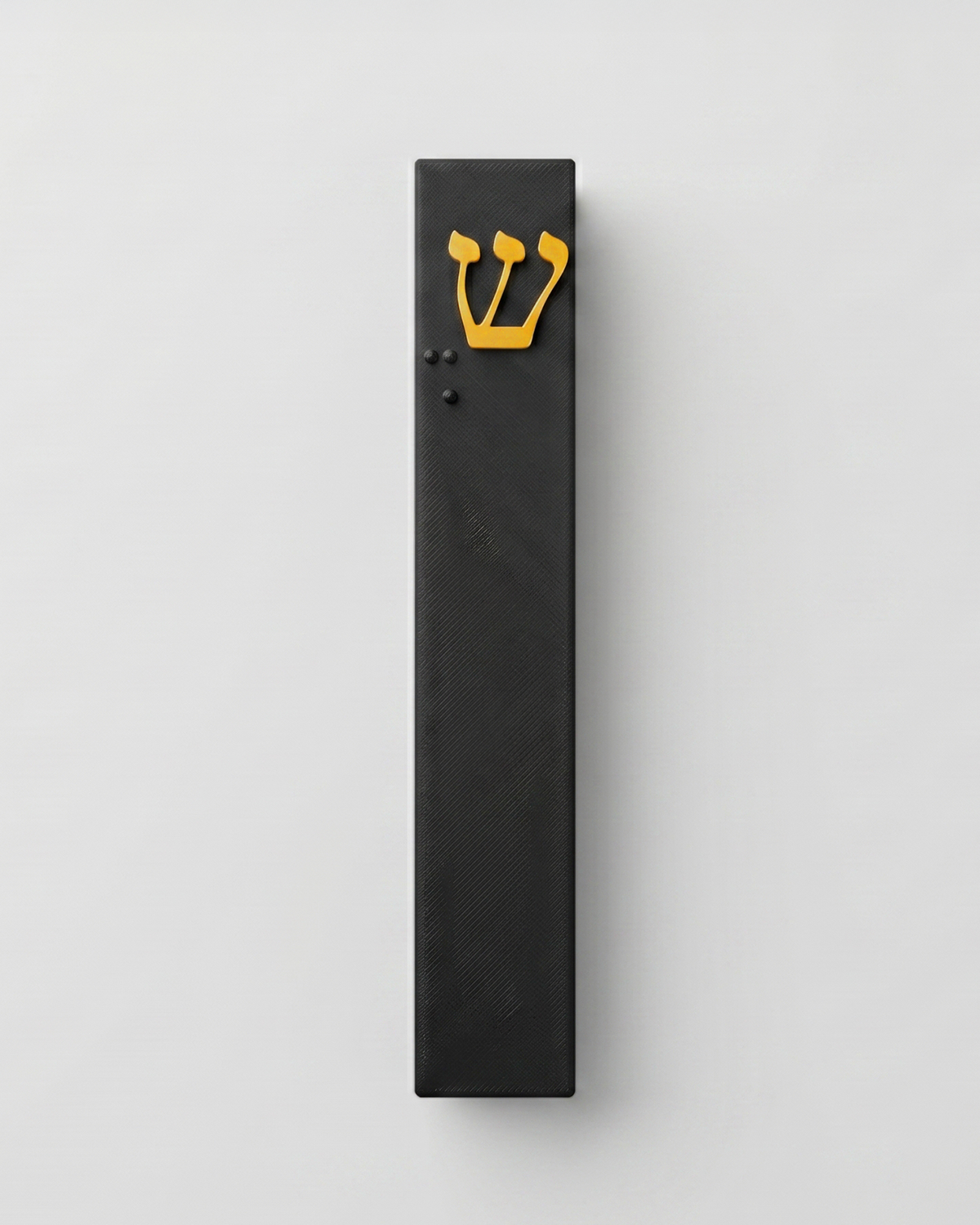
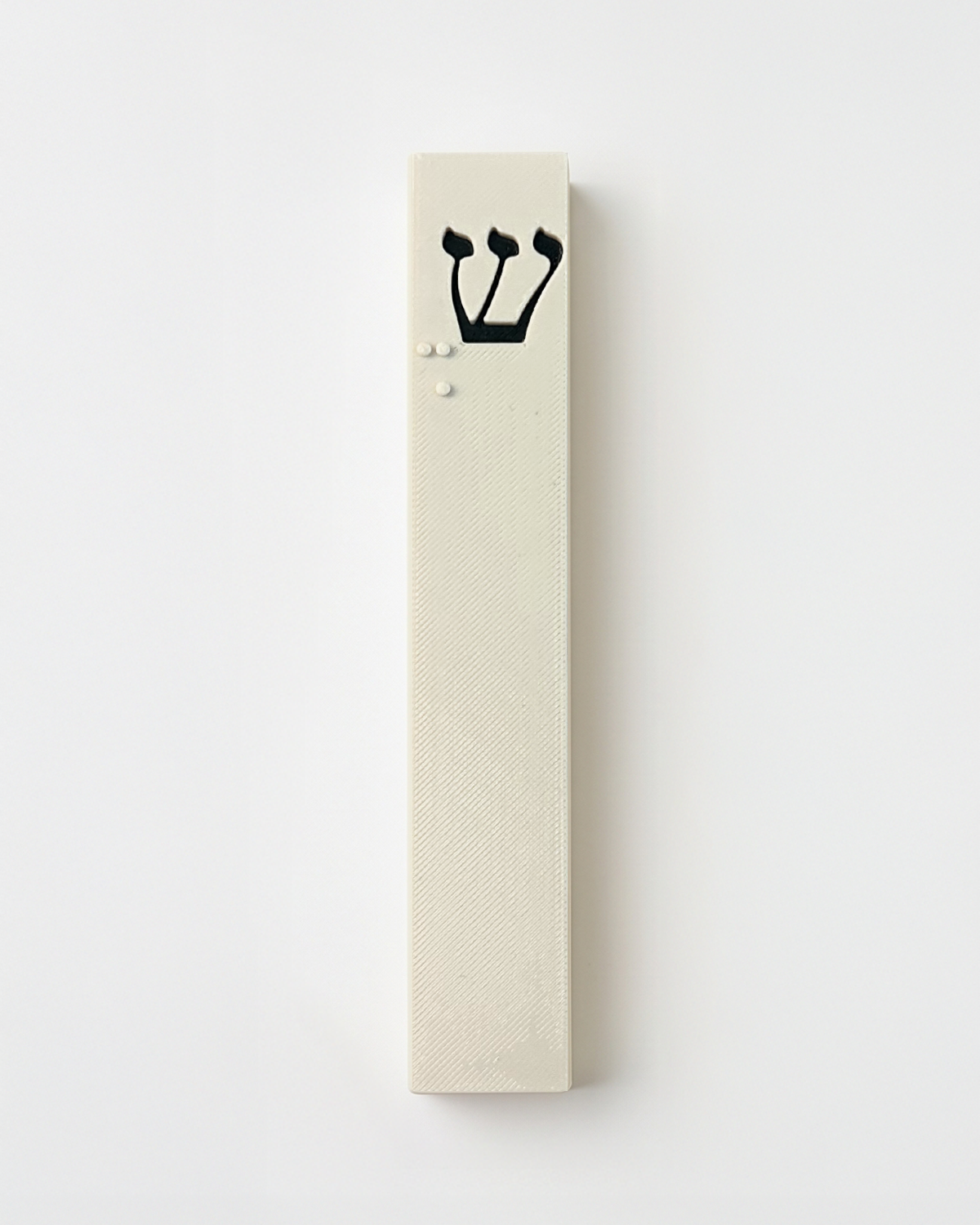
This is where ritual objects earn their place; they aren't merely relics meant to be stored behind glass. They can be modern tools for connection, small anchors that tell everyone at the table, something is different about tonight.
-
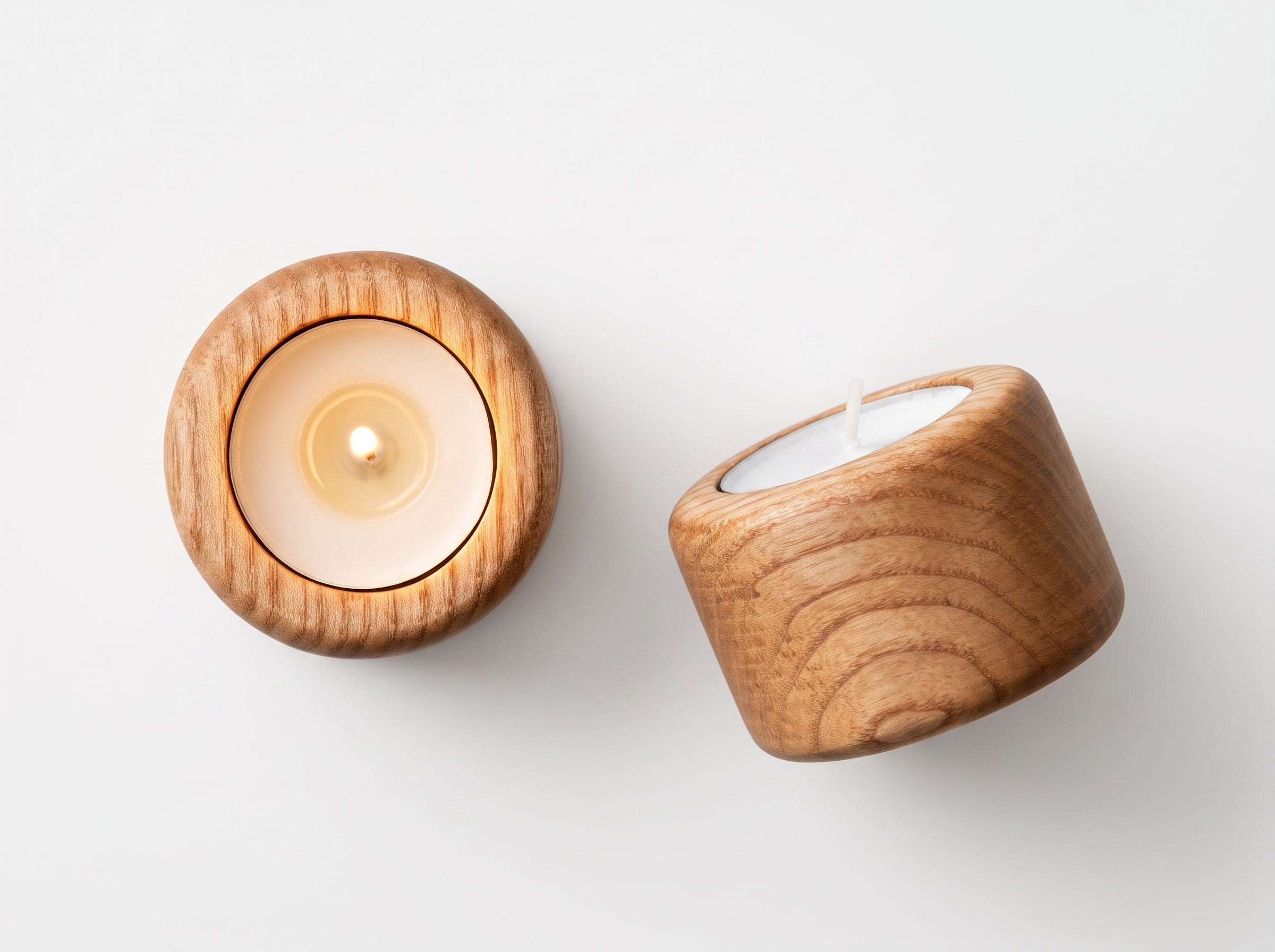
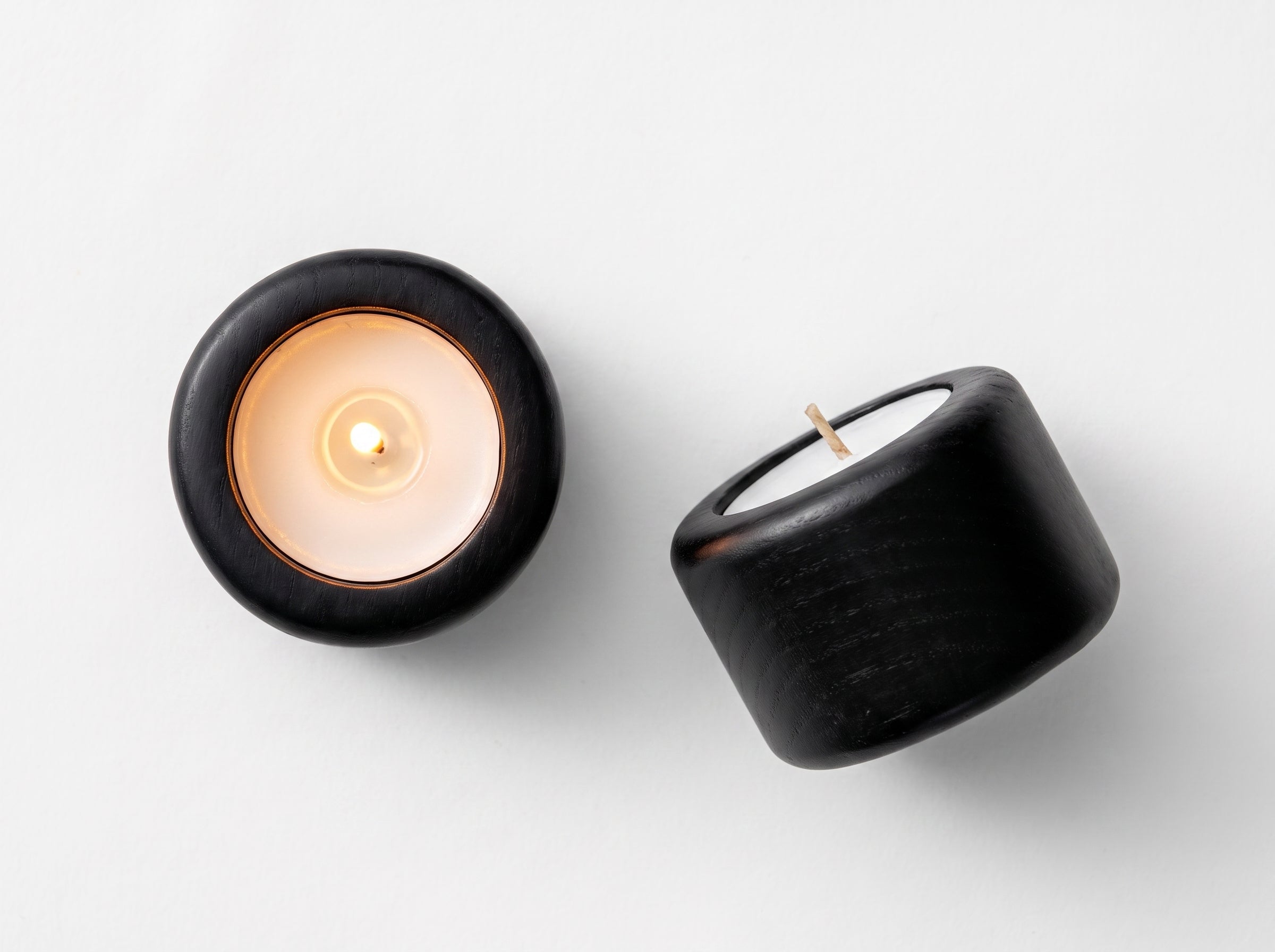
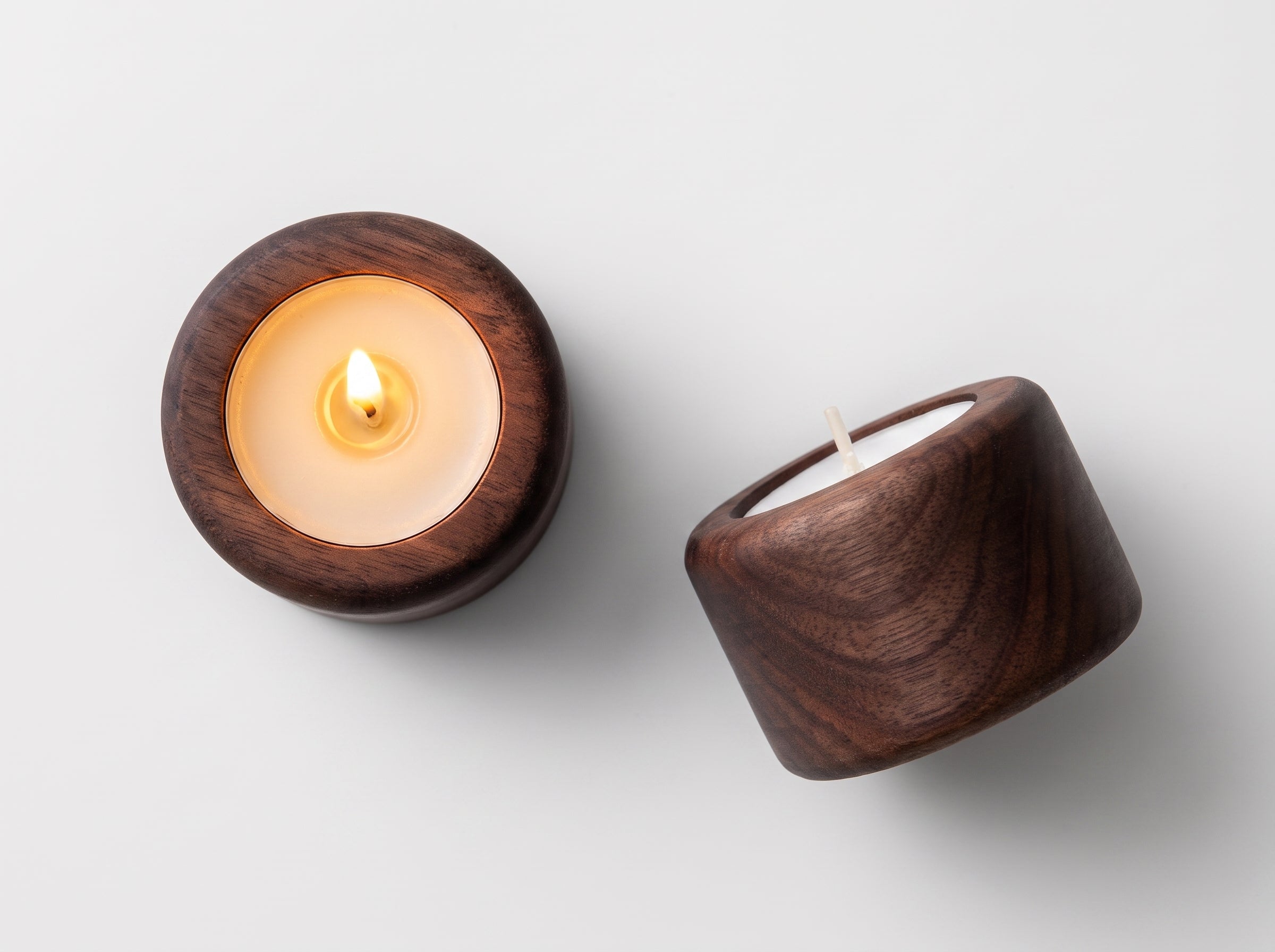
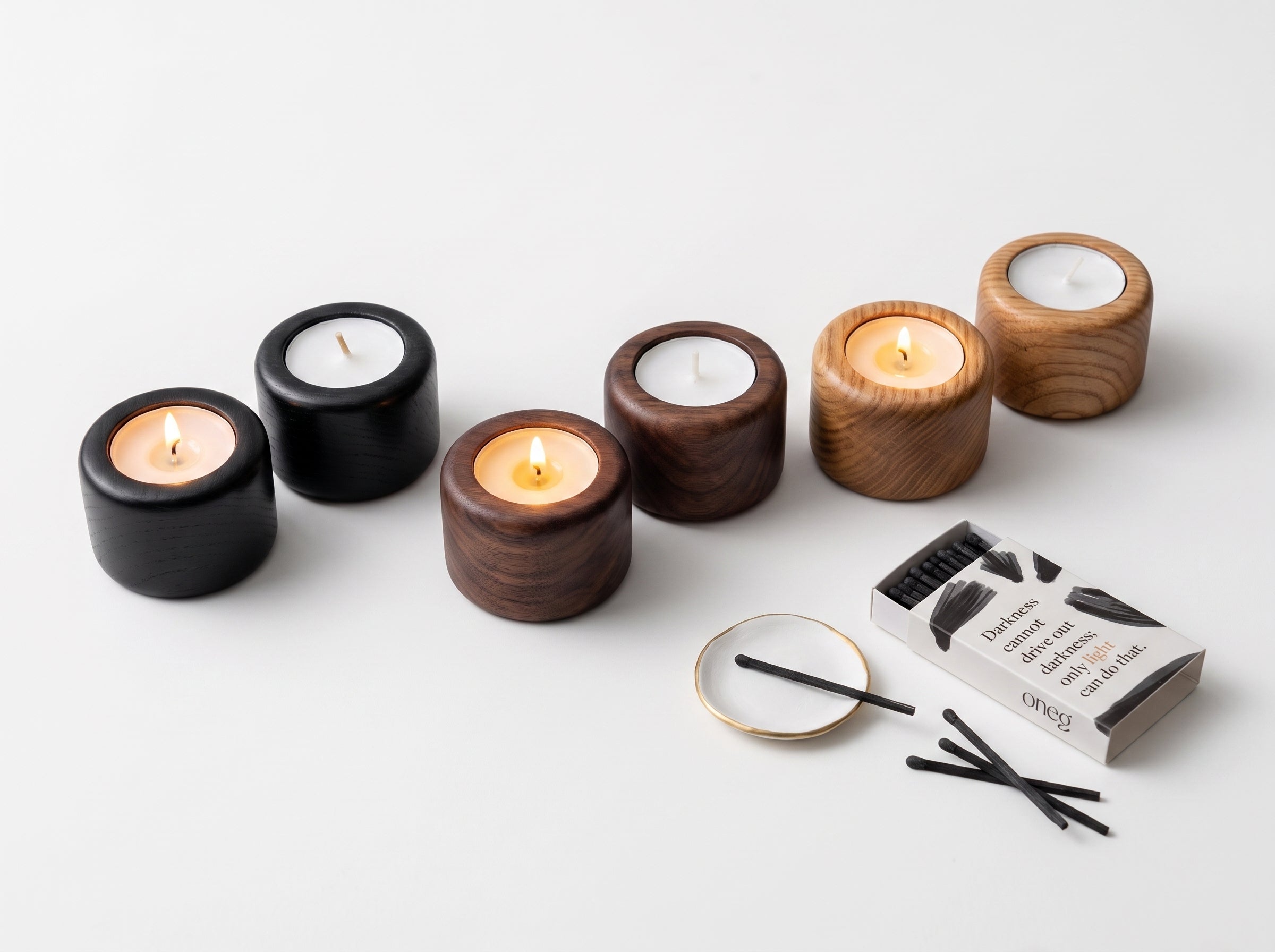
Candlesticks: Lighting the candles marks the start of Shabbat. The small flame gives even restless kids something to focus on, and the act takes about two minutes.
-
Kiddush cup: The blessing over wine, called Kiddush, is said over a single cup that is passed or poured for the table. A dedicated kiddush cup sets the moment apart from any ordinary weeknight, and it often becomes the object kids reach for first.
-
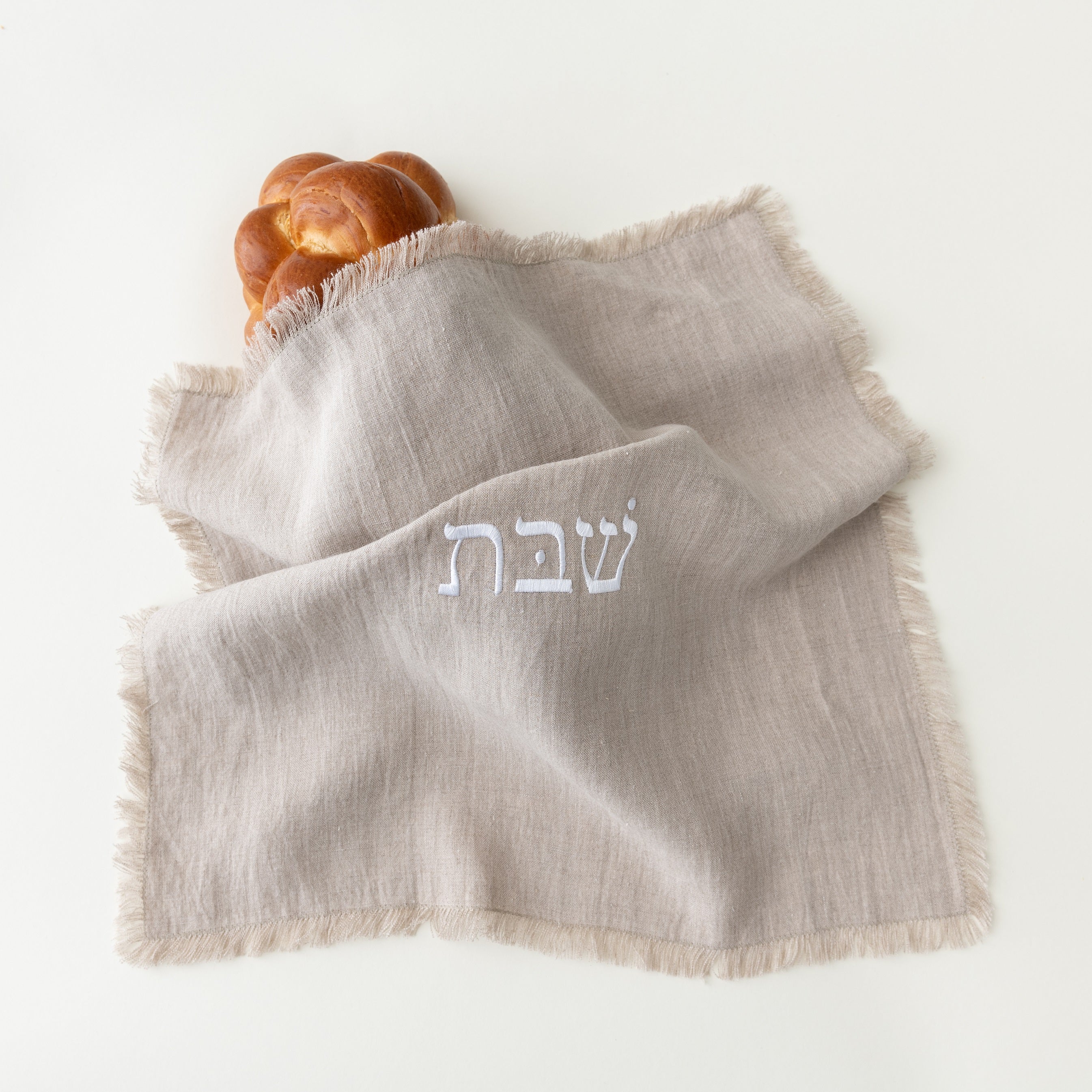
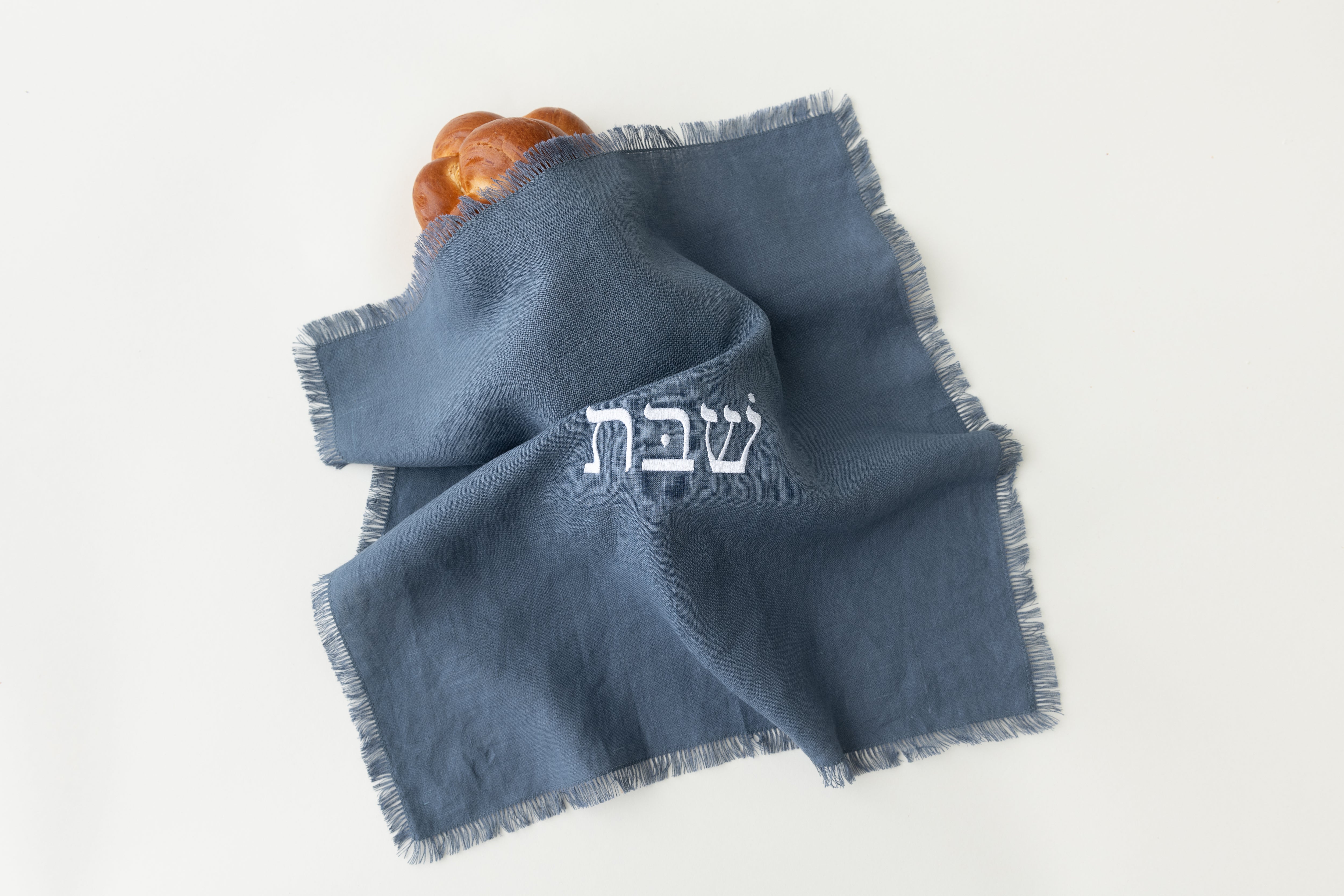
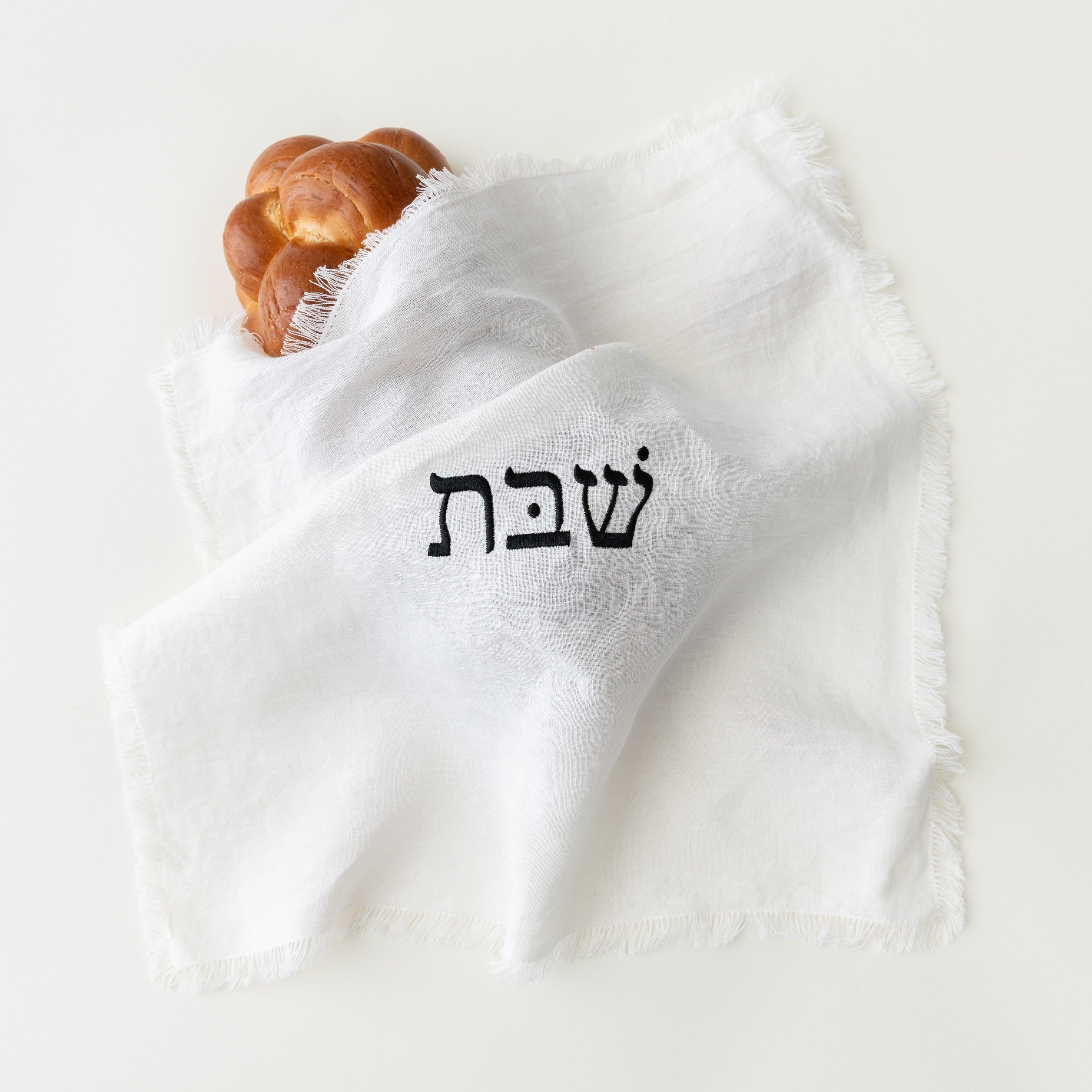
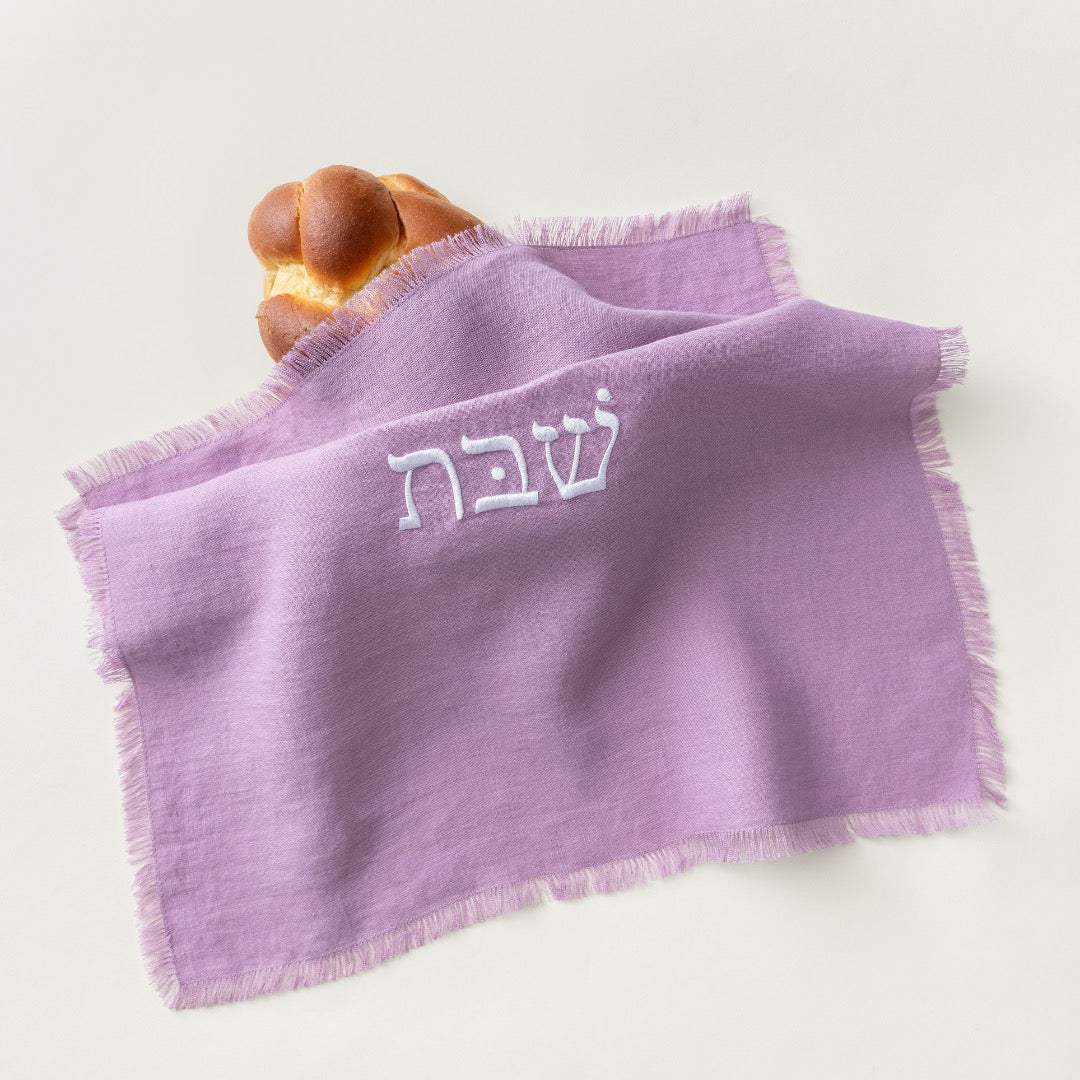
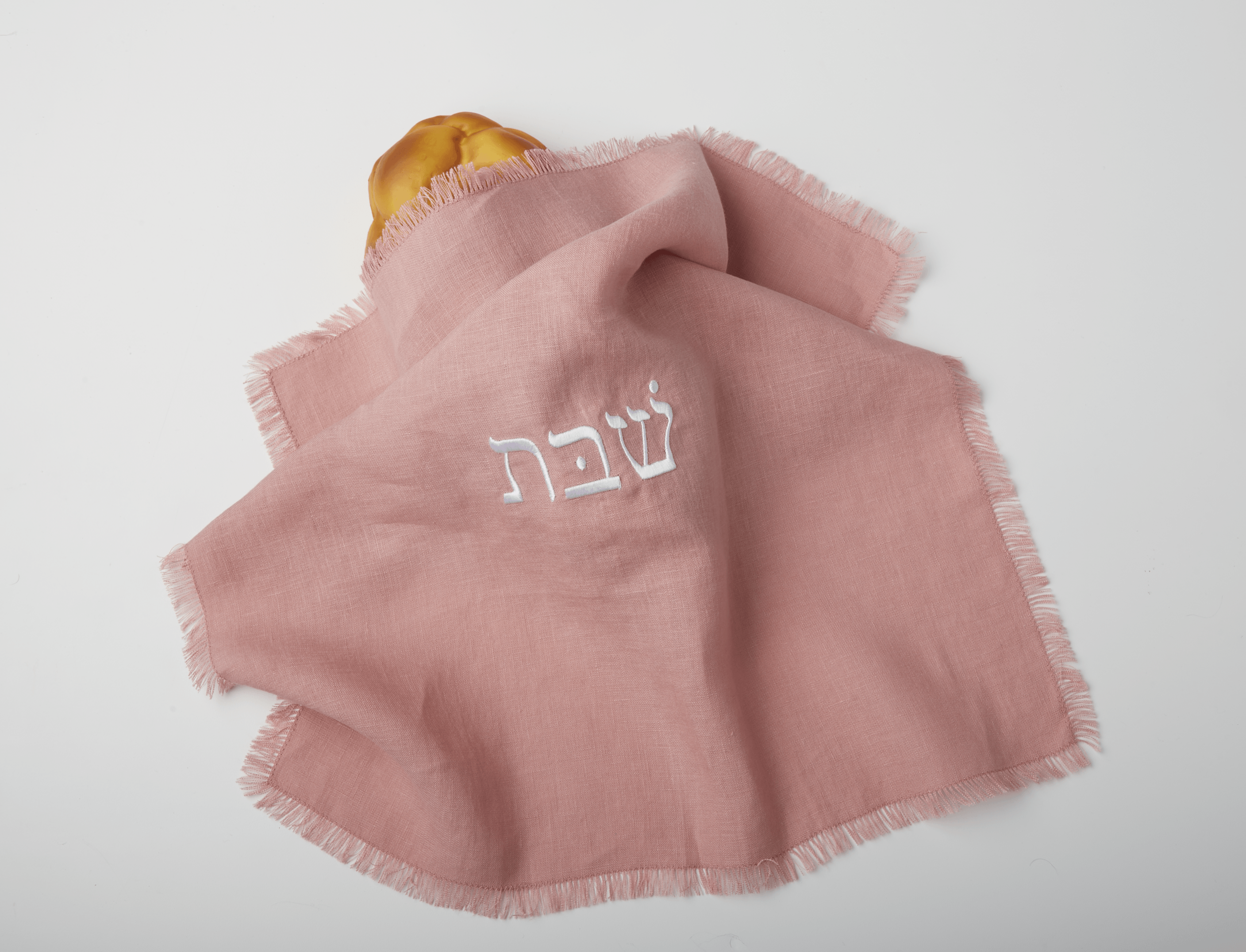
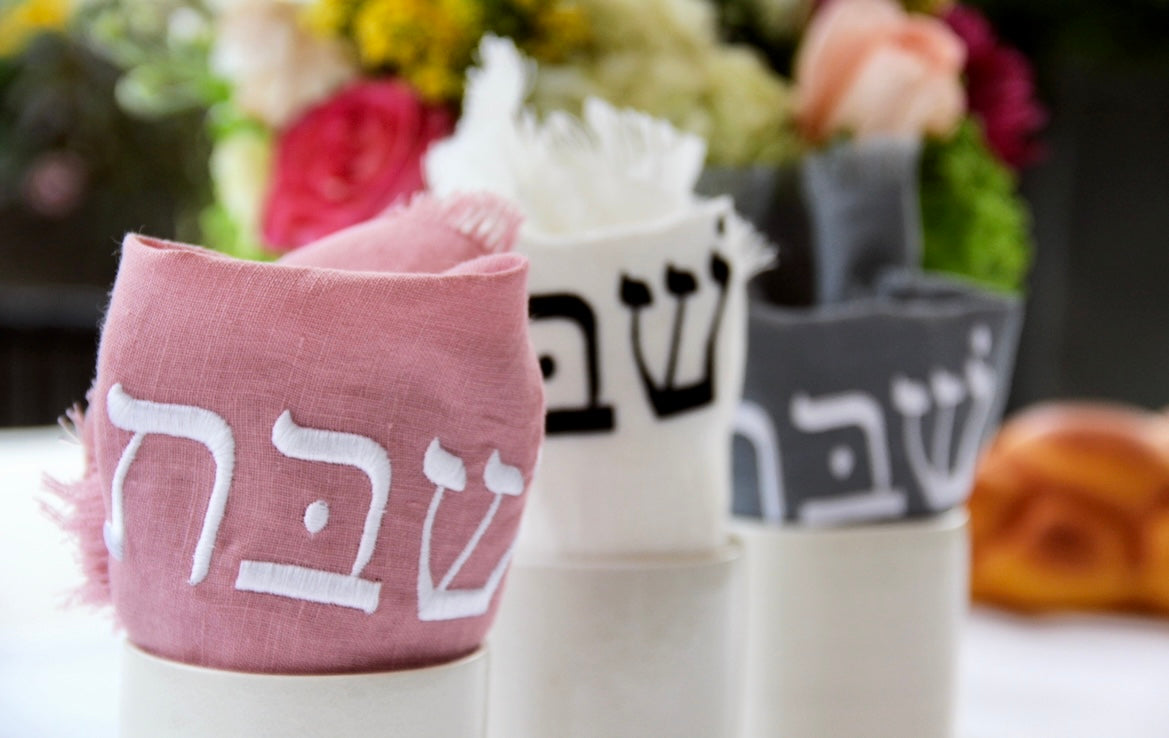
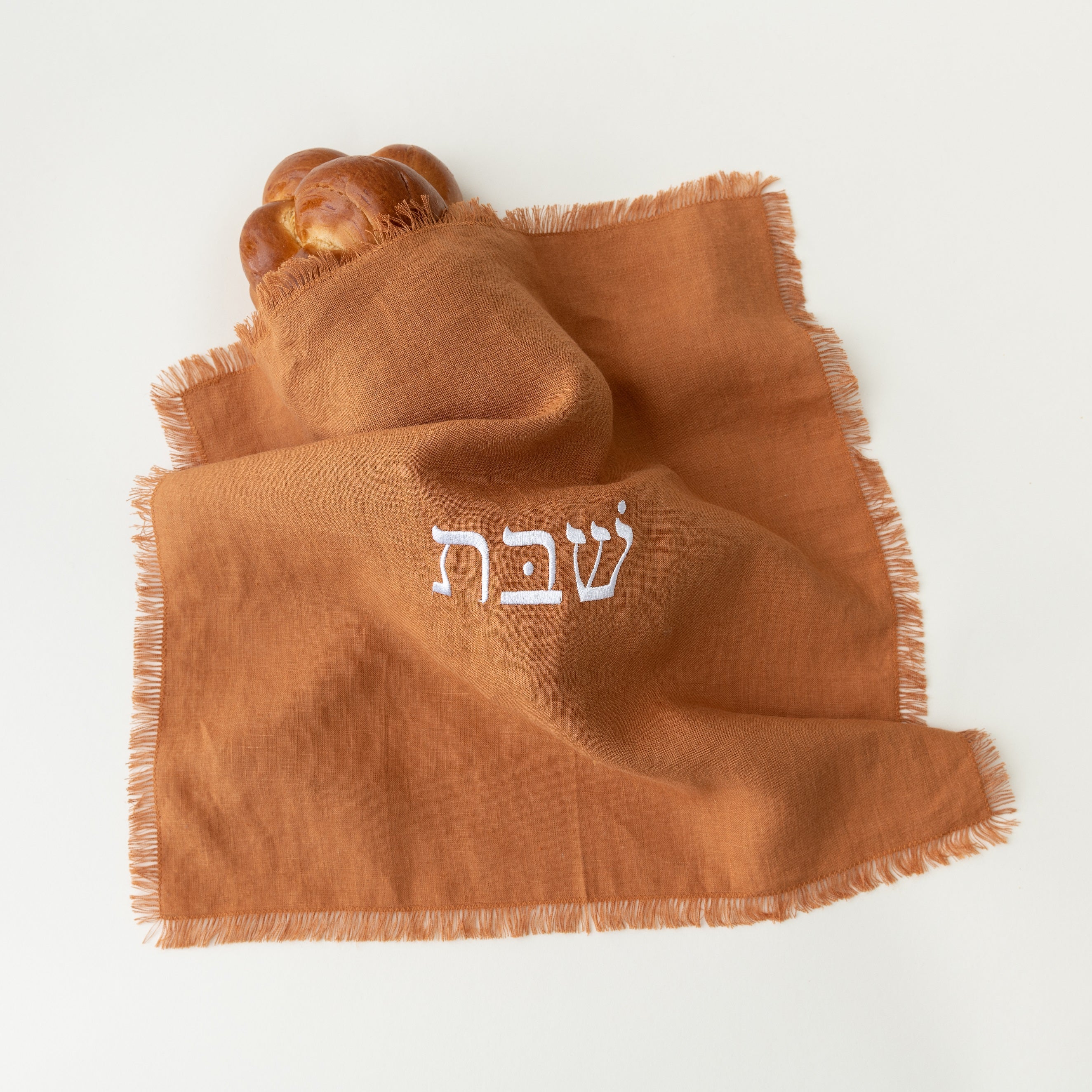
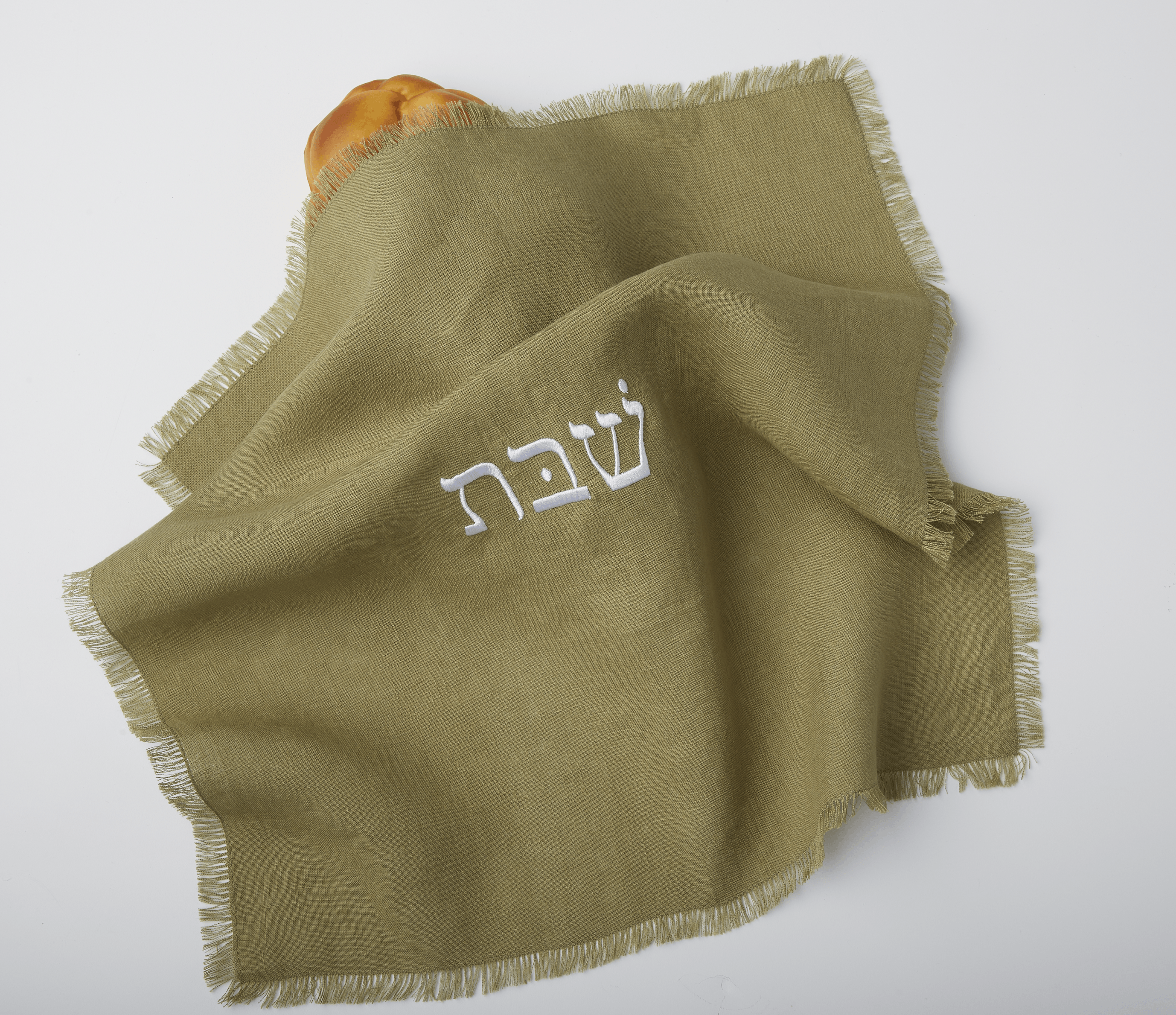
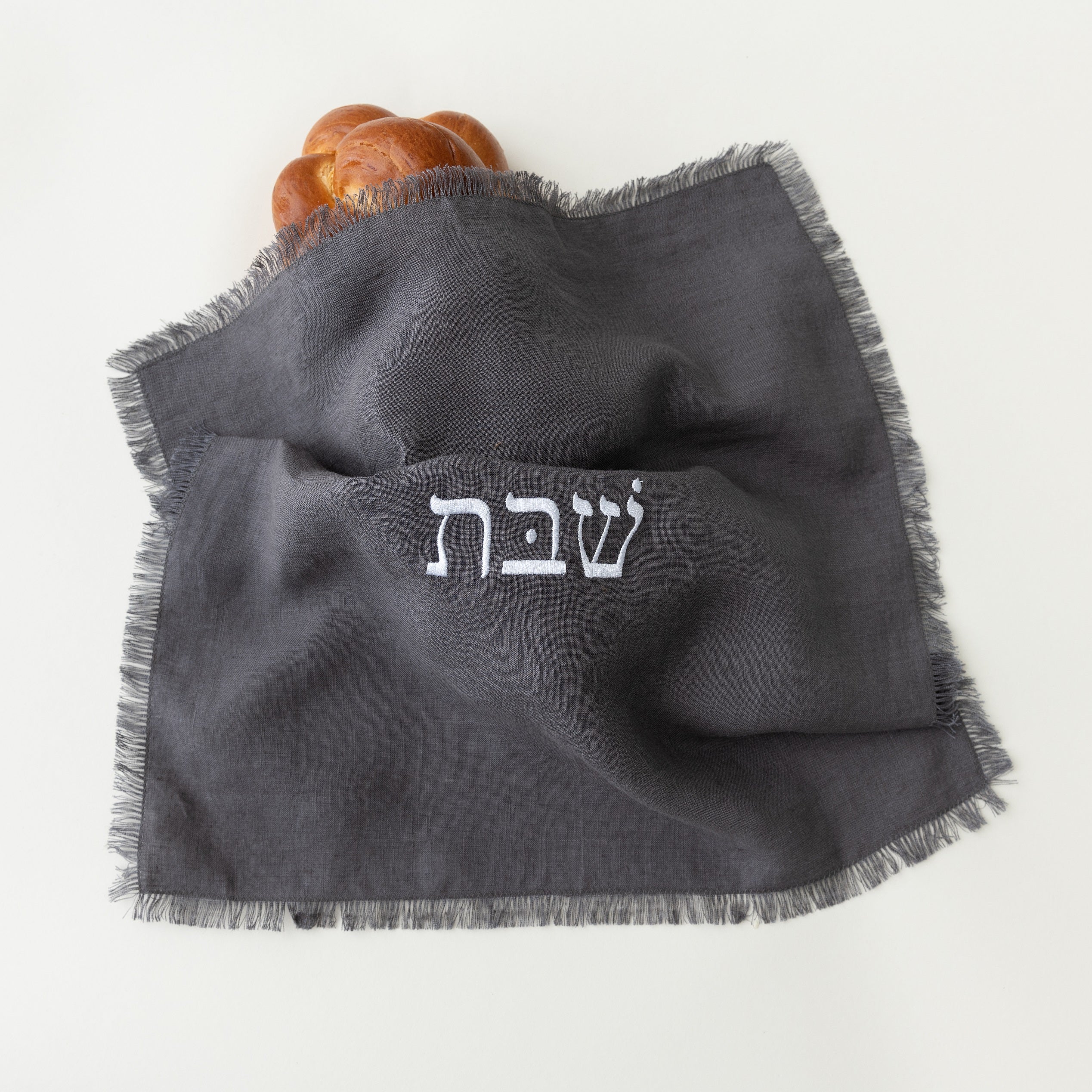
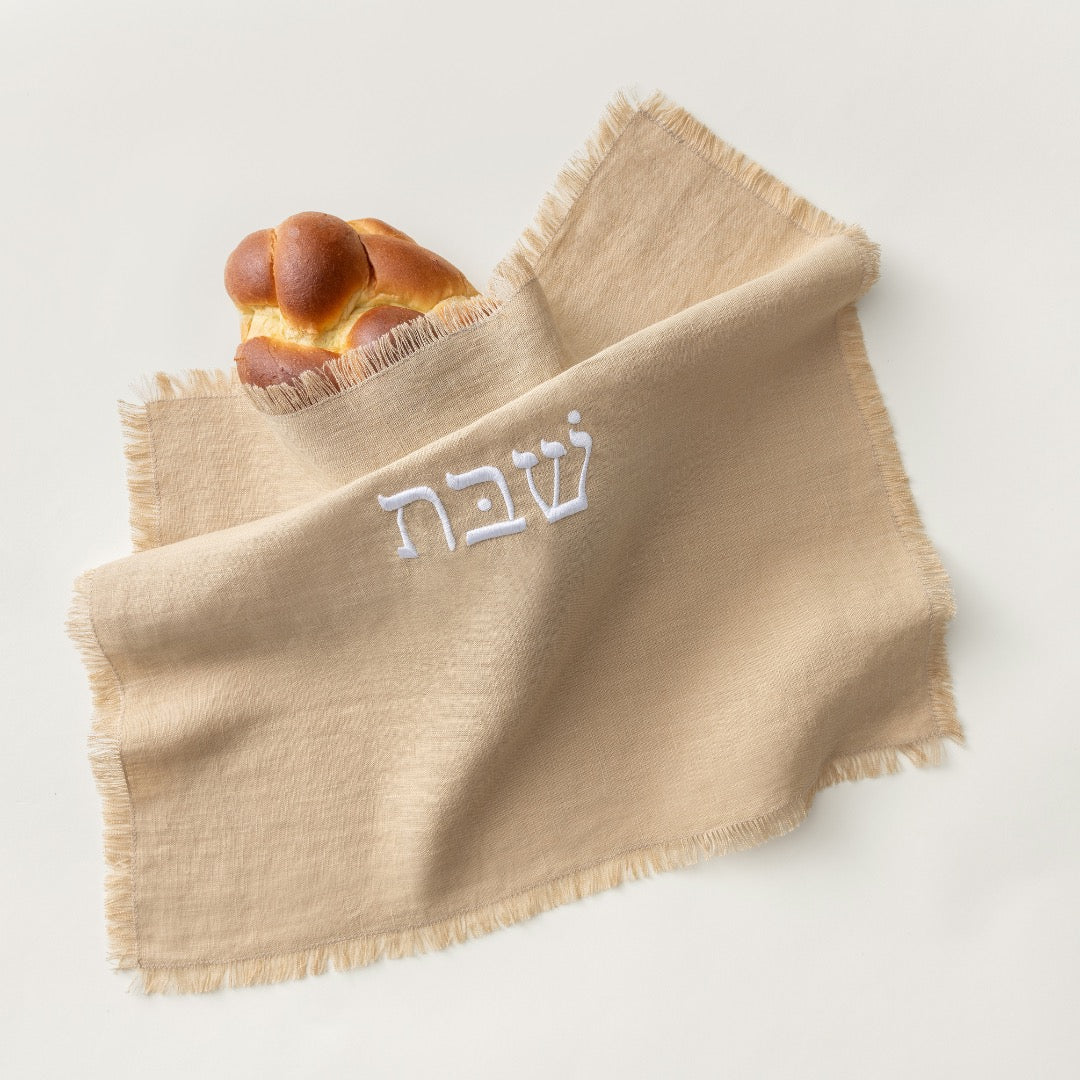
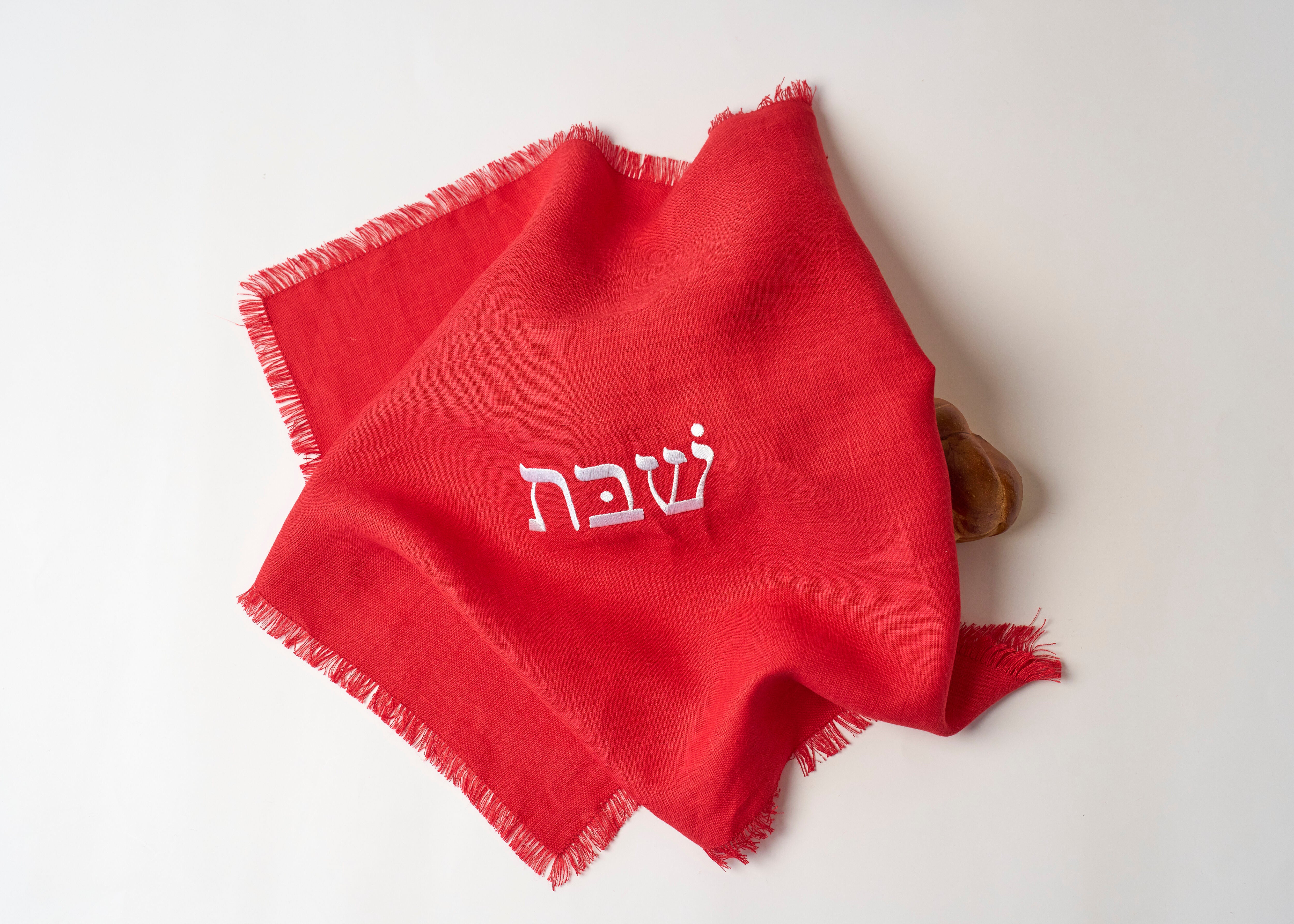
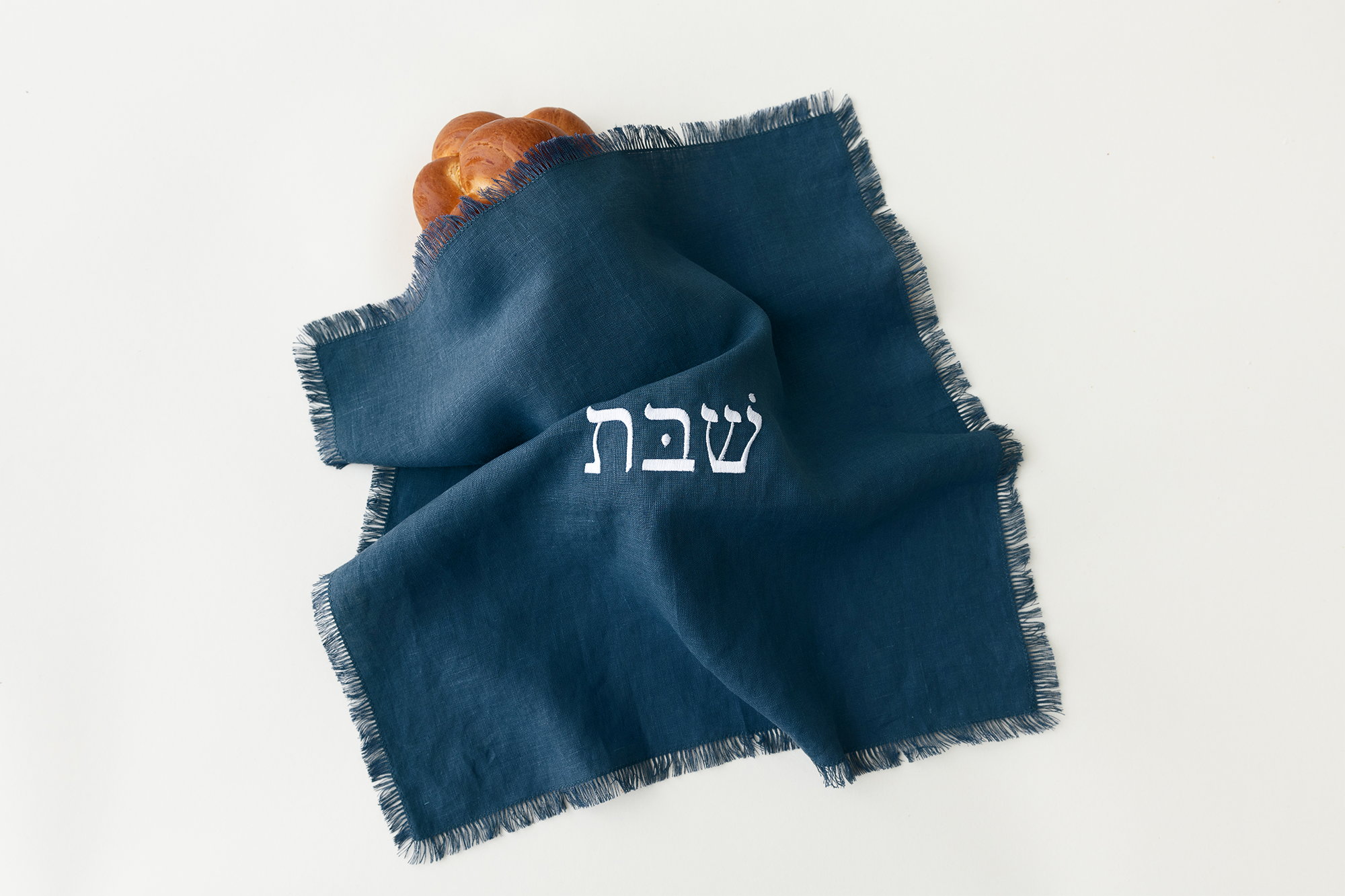
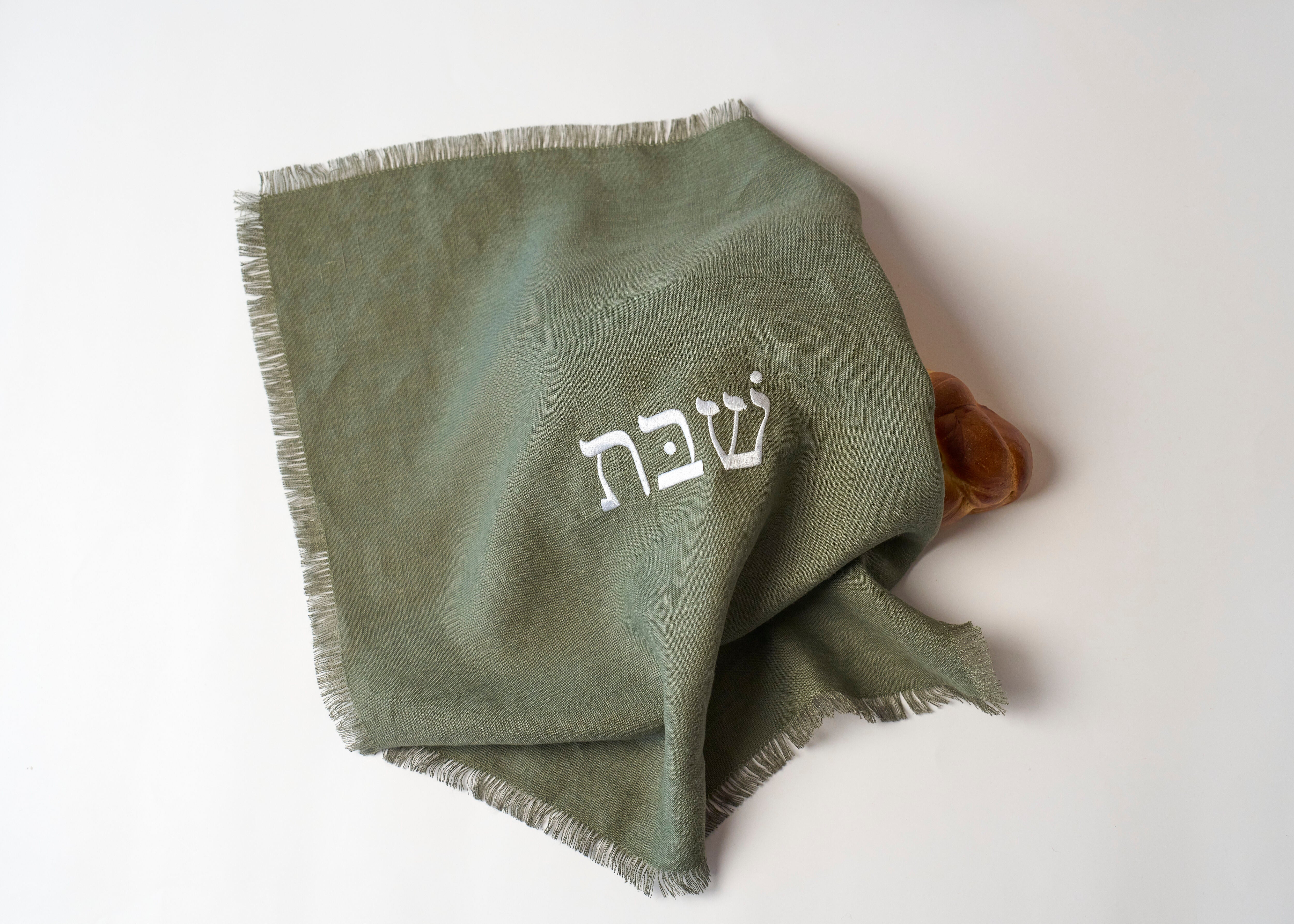
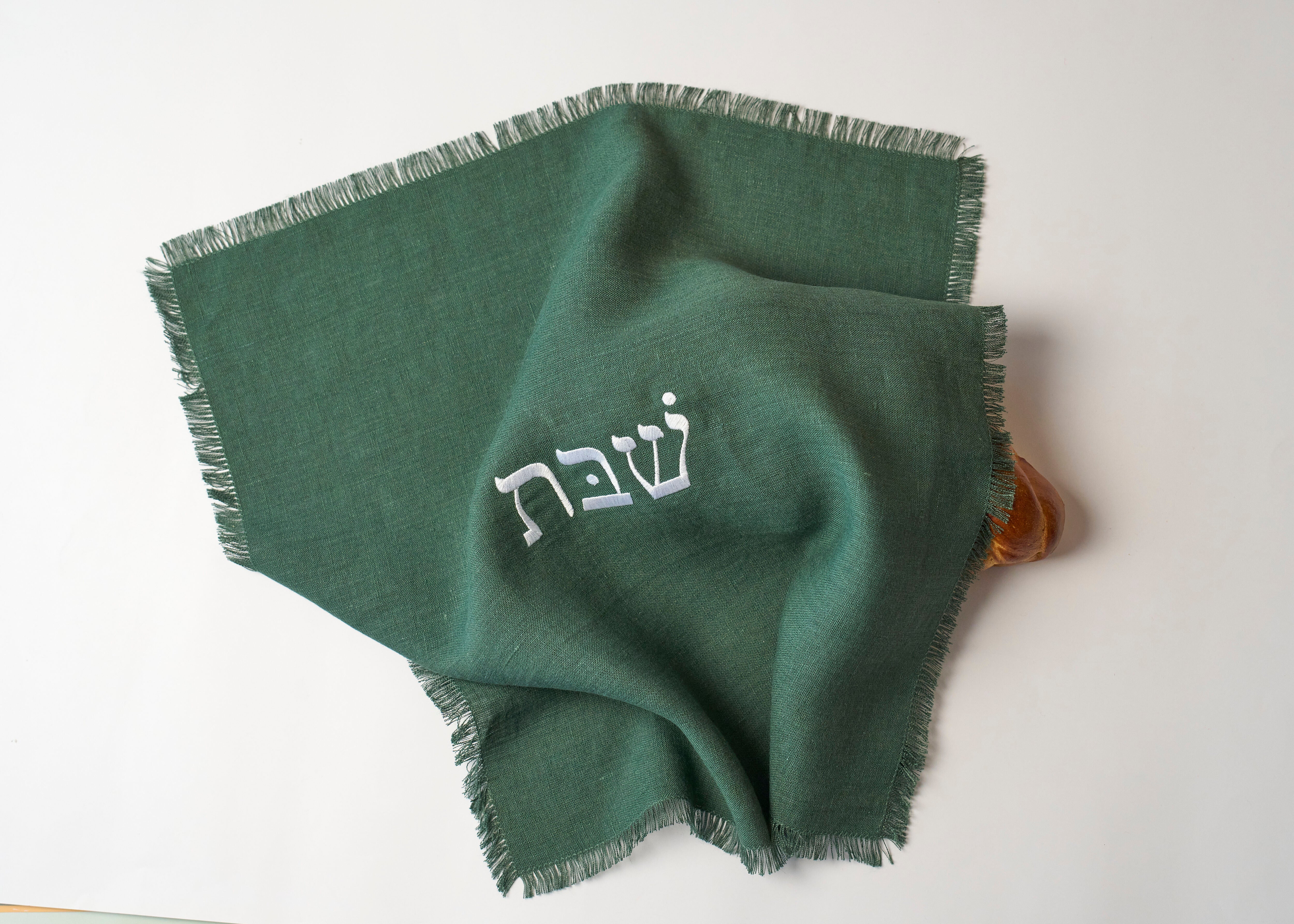
Challah cover: The braided bread stays covered until the blessing is said. Lifting the cloth is a simple, tactile cue that children love to take charge of.
Each ritual object gives children something to do while quietly signaling that this night is different, that’s something that children can feel before they can even explain it. This helps tradition take root.
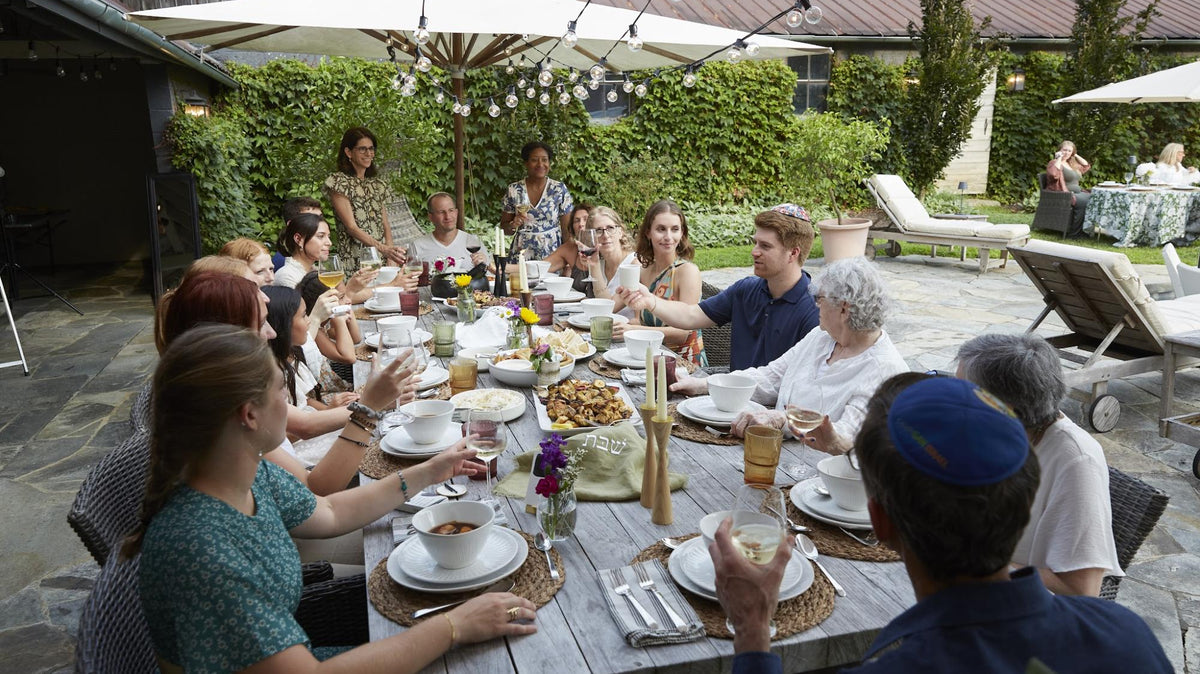
And, these dinners don’t have to be perfect, either, a short, slightly chaotic Friday dinner you do most weeks will shape your family far more than an elaborate one you manage twice a year. Keep it small, keep it regular, and let it grow.
For families with young children, our guide to Shabbat with kids shows how to make Friday nights meaningful for the whole family, restless toddlers included.
Interfaith Families and Jewish Living
 You don’t have to share the same background to build a Jewish home together. Interfaith households are increasingly common in modern Jewish life, that comes with some thoughtful navigating: who leads, who participates, and how to make sure no one feels like an outsider in their own home.
There’s more room at the table in modern Jewish living than one might expect. For example, you don't have to be Jewish to hold the kiddush cup, and you don't have to convert, or recite Hebrew flawlessly. Participation isn't the same as conversion. A non-Jewish partner can still light candles, pour the wine, bless the challah, or simply sit at the table and be present, all of it is welcome.
Those small acts of participation, however, are where shared ritual begins, which is one of the best tools you have for building connections across different backgrounds.
When two people from different traditions create a Friday night practice together, they're not erasing anyone's story, they're weaving a new one. There’s no template for an interfaith home, only what fits yours. That might mean folding in other family traditions alongside the Jewish ones. The goal is a practice that fits your family, whatever that looks like.
We wrote a full guide to navigating Shabbat as an interfaith family, which includes the questions people quietly wonder about.
Building a Jewish Home, One Object at a Time
The objects in your home are the most visible expression of Jewish living. A kiddush cup on the shelf, a challah cover folded and waiting, candlesticks that catch the afternoon light, these simple things carry more weight than they appear to. Your home becomes what Jewish tradition calls a mikdash me'at, a small sanctuary.
After the ancient Temple was destroyed, the family table became the holy center of Jewish life. Your dining room, in other words, is the center of Jewish tradition. The objects you keep there turn an ordinary space into something unique and meaningful.
However, you don't need to buy everything at once. Start small: one pair of candlesticks and one cup. Add as your practice grows and with time, certain objects start to really feel yours. Many of these pieces become heirlooms, passed down with stories attached.
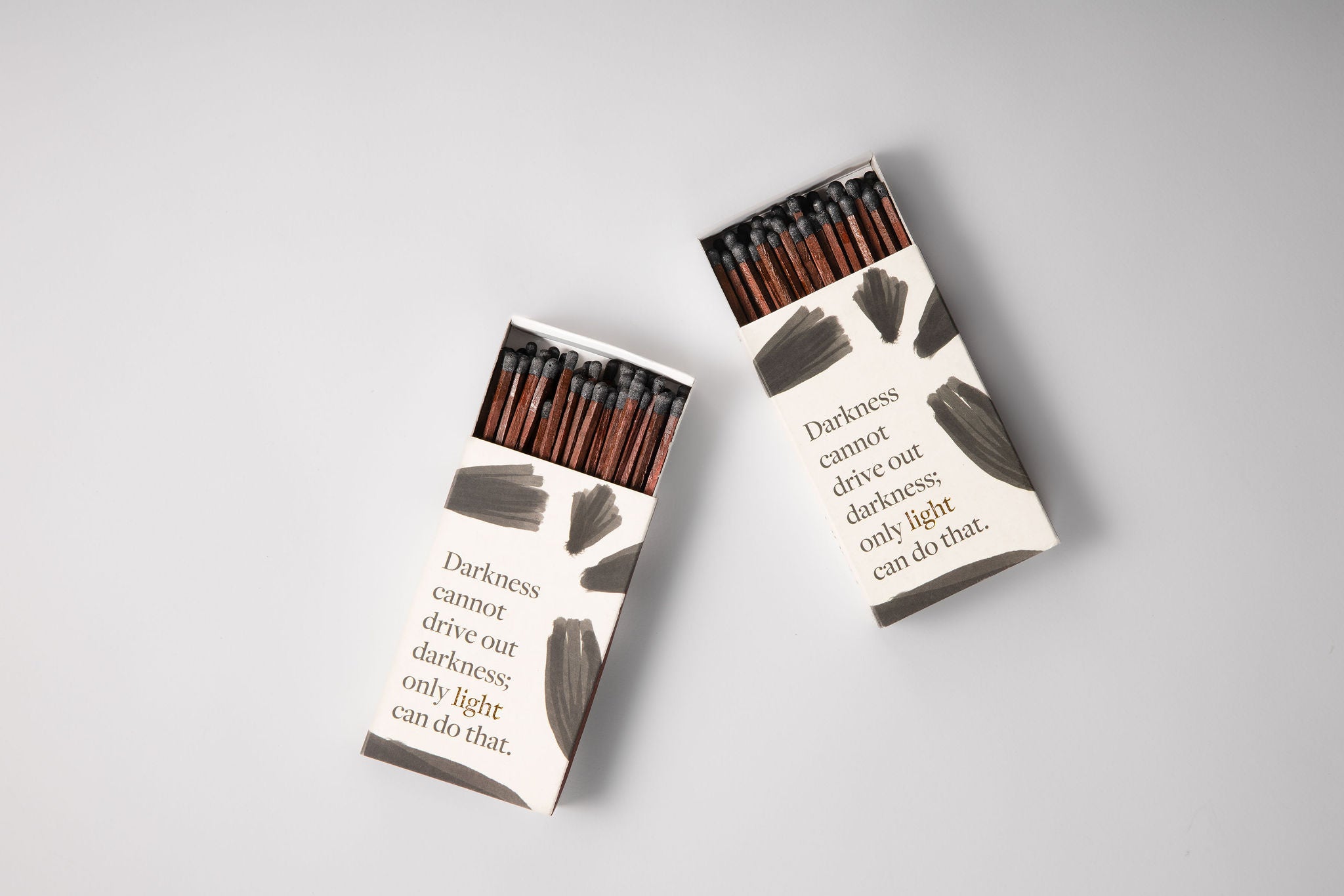
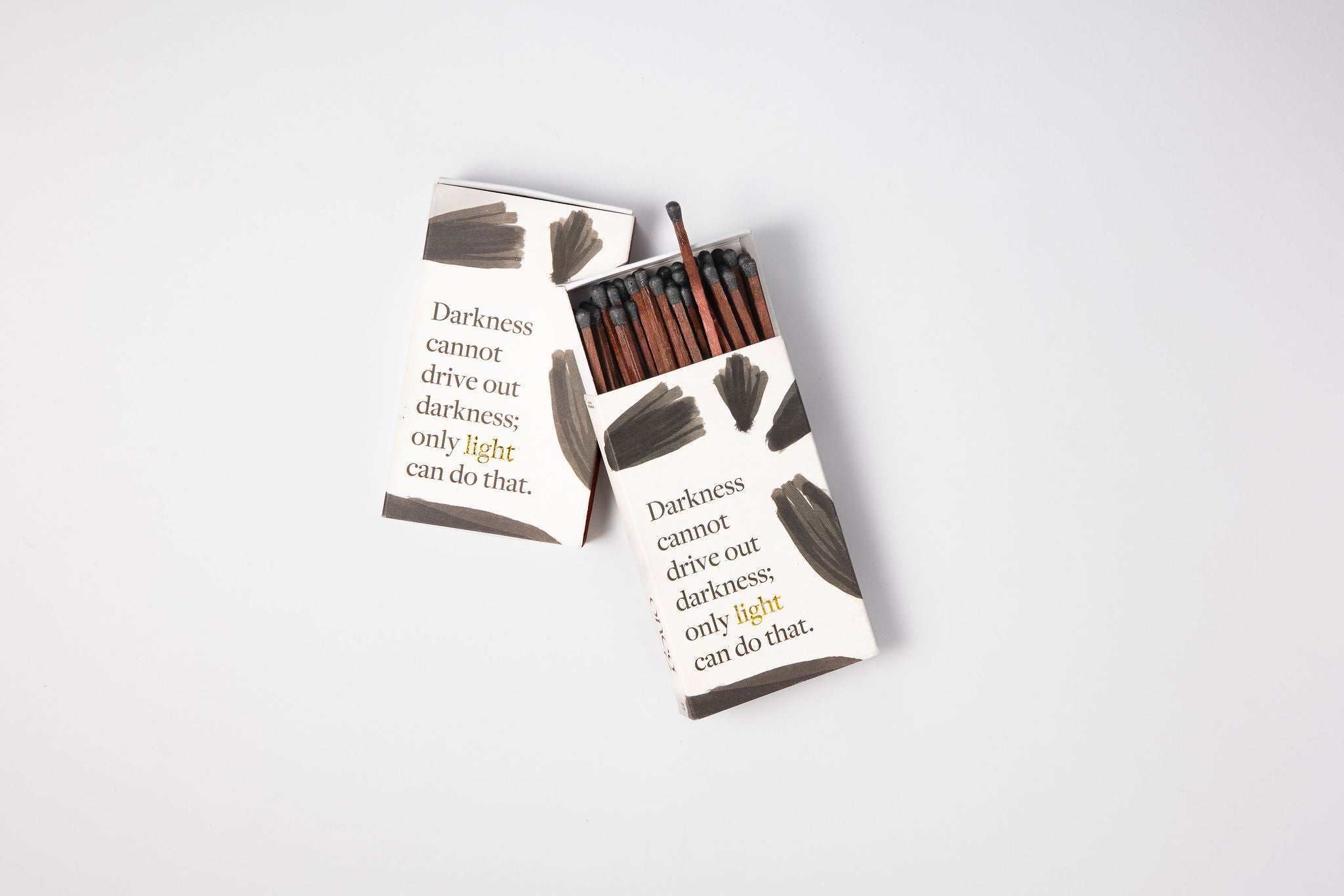
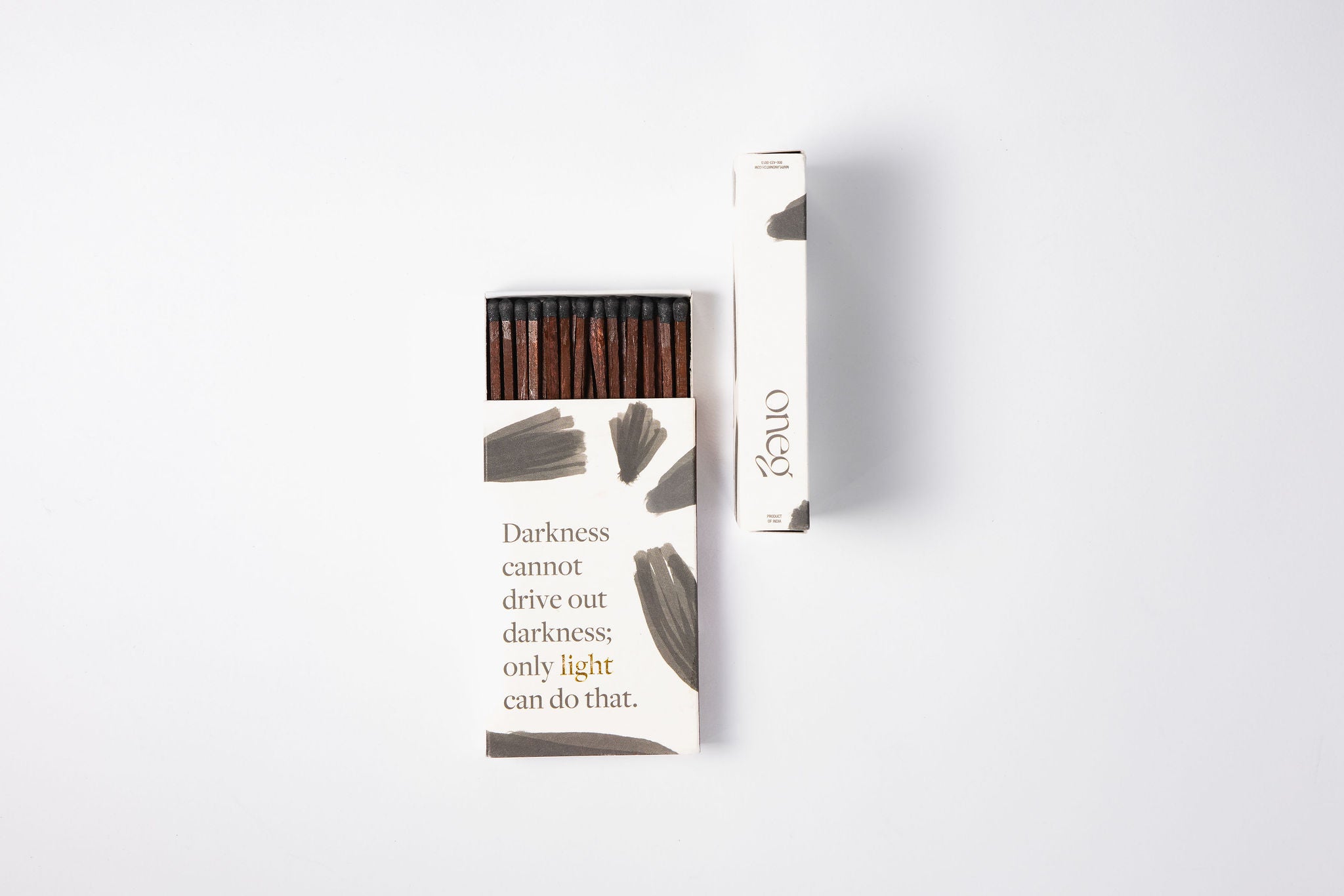
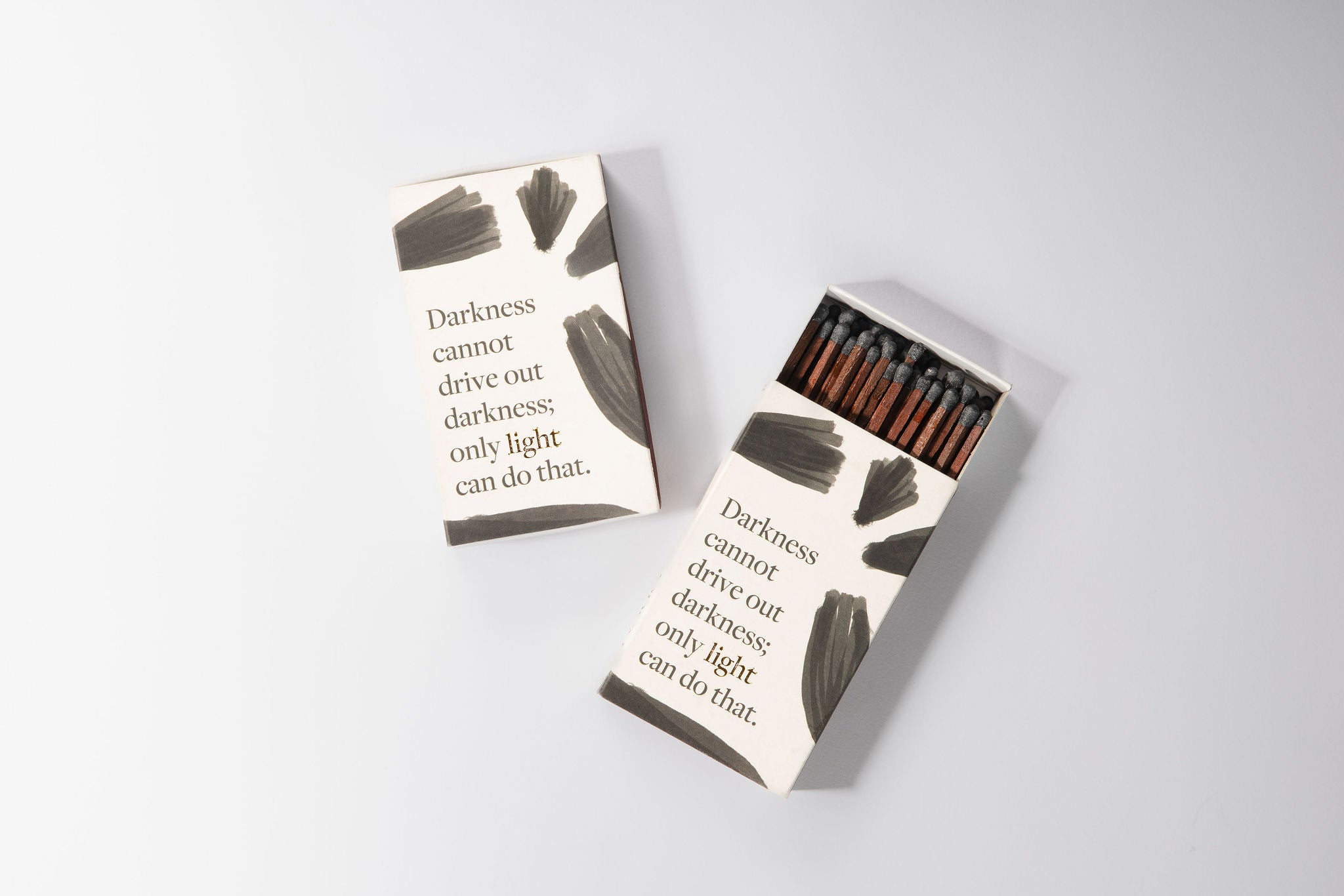
If you're building out your Shabbat table for the first time, the Signature Shabbat Box is a thoughtful place to begin. It gathers the core ritual objects and gentle guidance you need, in one place, so you're not piecing it together alone.
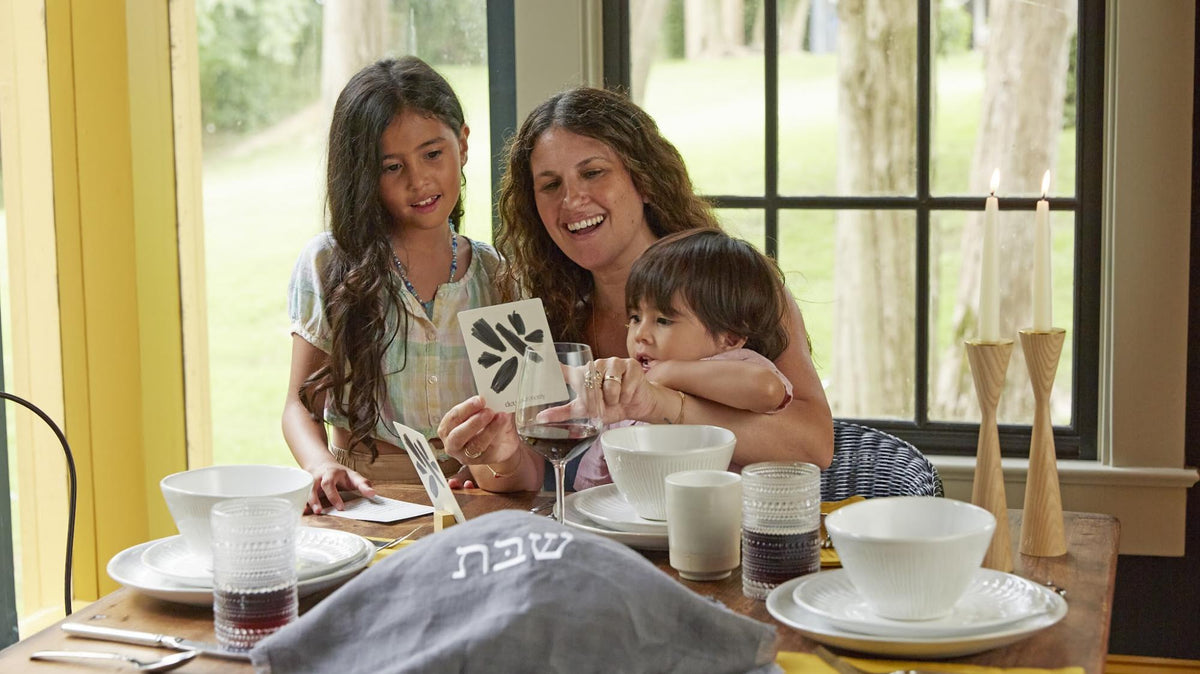
And if you want Friday night to feel like more than just dinner, Conversation Cards give your table a prompt, a question that turns a quick meal into the kind of evening people actually remember. They’re small things that make a big difference.

Your Table, Your Tradition
There’s no single version of a Jewish life. There’s only yours, it’s the candles you light most Fridays and the blessing you're still learning. It’s your partner from a different background pouring the wine, and the kids fighting over who lifts the challah cover. Whatever version of Jewish life you're building, the tradition has room to hold it all.
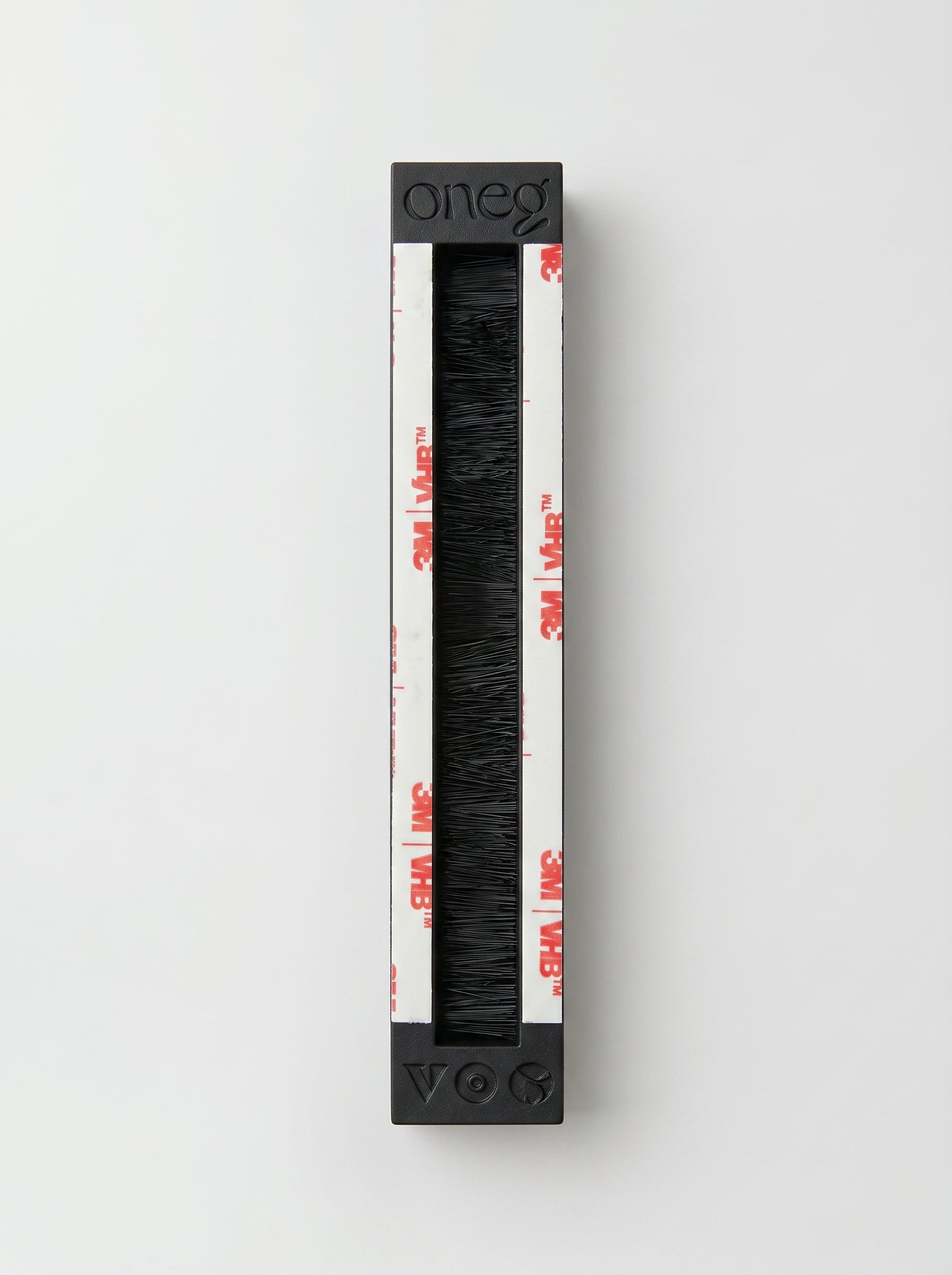
That's the heart of what we do at Oneg, making the ritual objects that anchor these moments, and offering the gentle guidance to begin. Not so you can do it perfectly, but so you can do it your way. Start small and build from there.
FAQs About Modern Jewish Living
Can I practice Jewish traditions if I'm not very religious?
Yes. You don’t have to be religious to live Jewishly. You can light Shabbat candles, share holiday meals, and pass down stories without weekly synagogue attendance or strict observance. What matters is connection, not how religious you are.
How do interfaith families approach Jewish holidays and rituals?
With intention and openness. Participation doesn't require conversion, a non-Jewish partner can fully take part in lighting candles, blessing the challah, or simply being present. Many interfaith families blend traditions thoughtfully, building a practice that honors both backgrounds. The goal is a rhythm that feels right for your family.
What's the easiest Jewish tradition to start with?
Lighting Shabbat candles. It takes about two minutes, once a week, and happens just before sunset on Friday. To do so, you light two candles on the dining table, say a short blessing, and pause. It's a small ritual that creates a real sense of transition, and an easy, sustainable place to begin.
Do I need special items to observe Shabbat at home?
Not strictly. Any candles, any cup of wine, and a loaf of bread will do. That said, dedicated ritual objects, a kiddush cup, candlesticks, a challah cover, add meaning and make the moment feel distinct from an ordinary weeknight. They give the evening a shape your family can recognize.
How do I raise kids with Jewish identity in a secular household?
Consistency and stories matter more than formal observance. A regular Friday night ritual, family recipes, and the stories of your ancestors leave a deeper mark than occasional grand gestures. Give kids small, hands-on roles in the ritual. Showing up most weeks teaches more than perfection ever could.
Ready to begin your Shabbat practice?