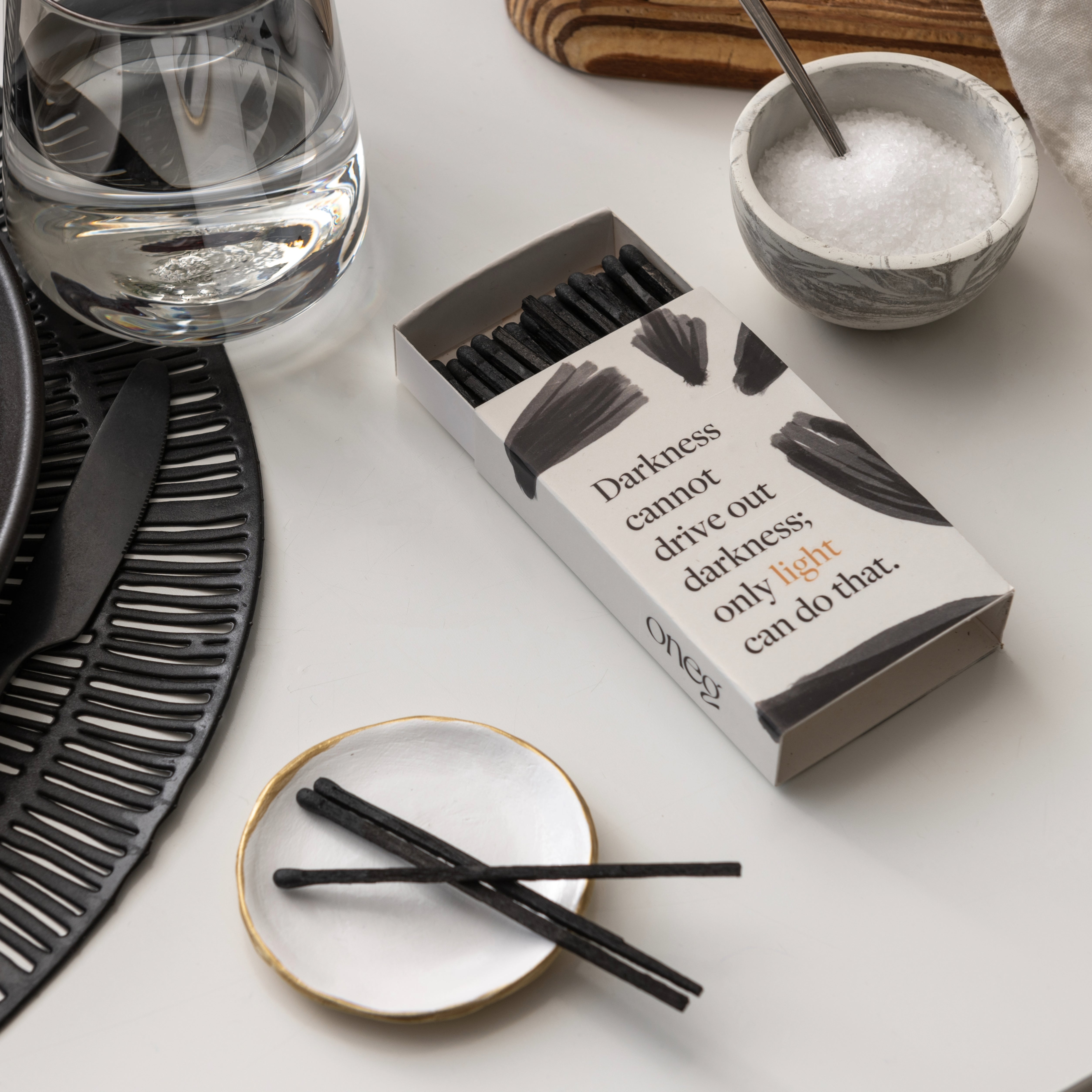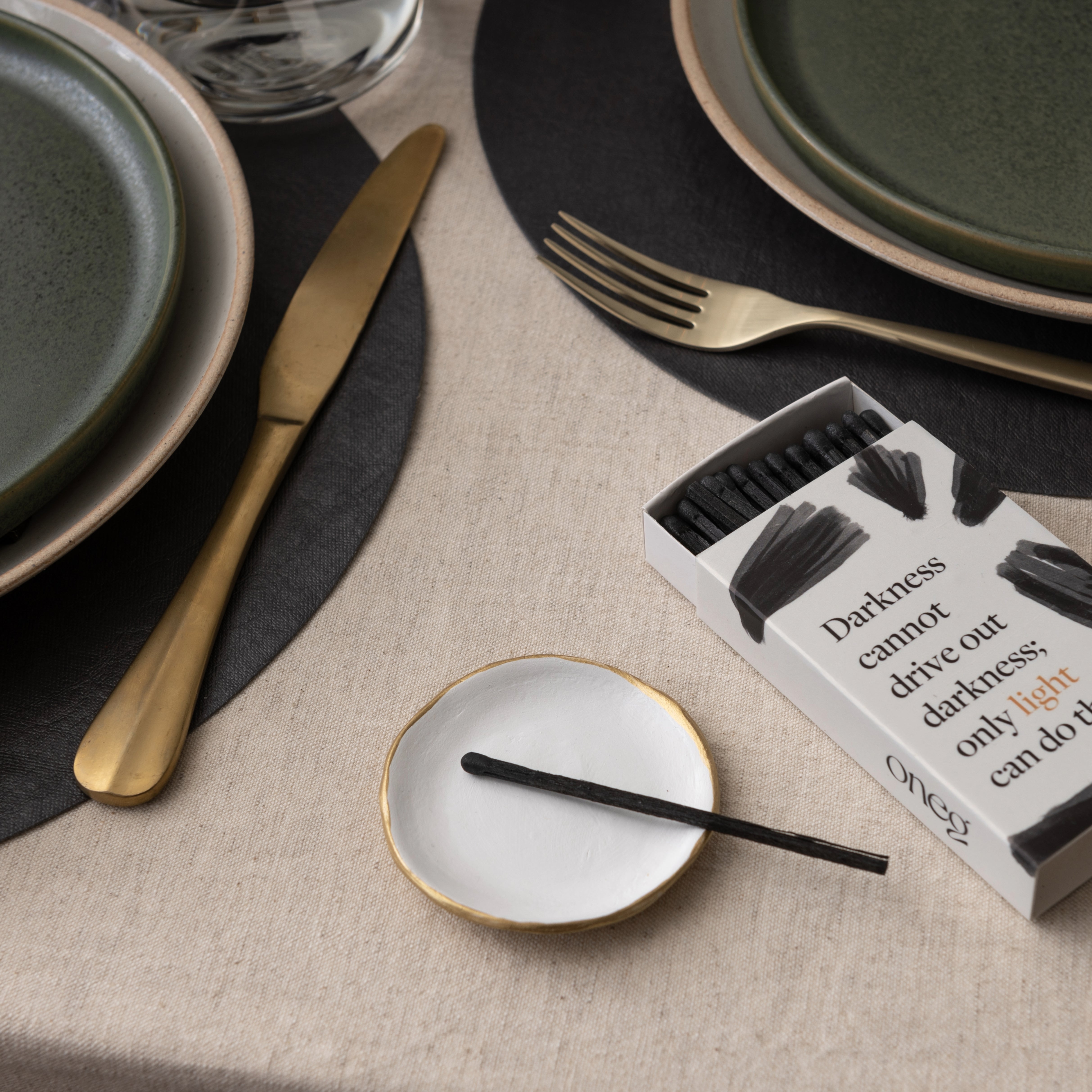

Hosting your first Shabbat dinner can feel a little intimidating. Between preparing the meal, setting the table, learning the blessings, and memorizing the traditions, many worry they’re going to do it “wrong.”
The good news is, Shabbat isn't about perfection. It’s about creating a peaceful and welcoming space to pause and connect with the people around you. Whether you’re hosting friends and family or attending your first Shabbat meal, this guide will walk you through everything you need to know.
What is Shabbat Dinner?
Shabbat is the Jewish day of rest. It’s a weekly celebration that is observed from sunset on Friday through sunset on Saturday. Each Shabbat begins with the same tradition: Shabbat dinner. This ceremonial meal marks the official beginning of Shabbat and serves as a transition into the celebration.
Depending on the families level of observance, Shabbat dinner can look a little different. That said, it always focuses on slowing down and welcoming peace into the home. Typically, Shabbat dinner includes:
-
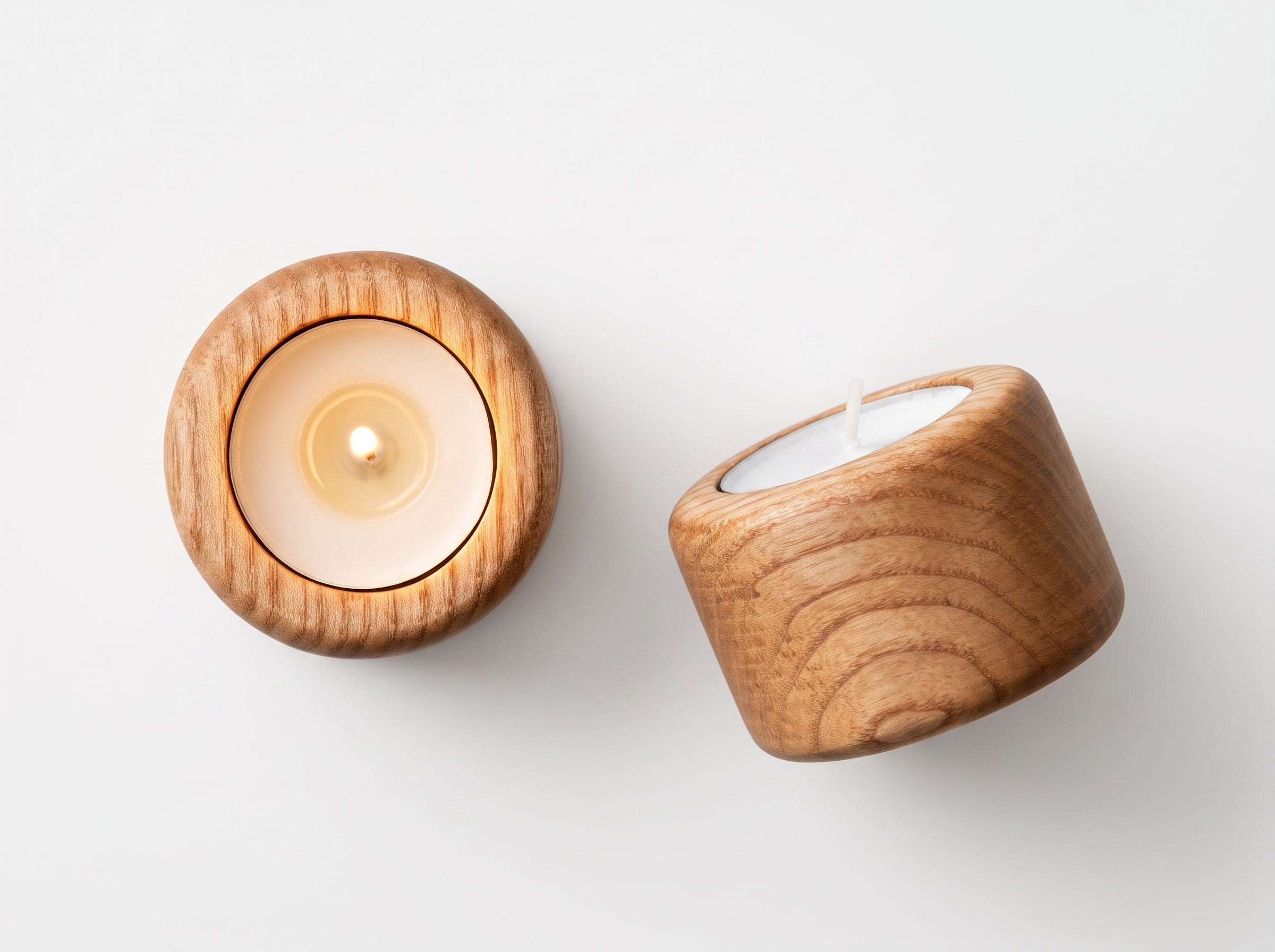
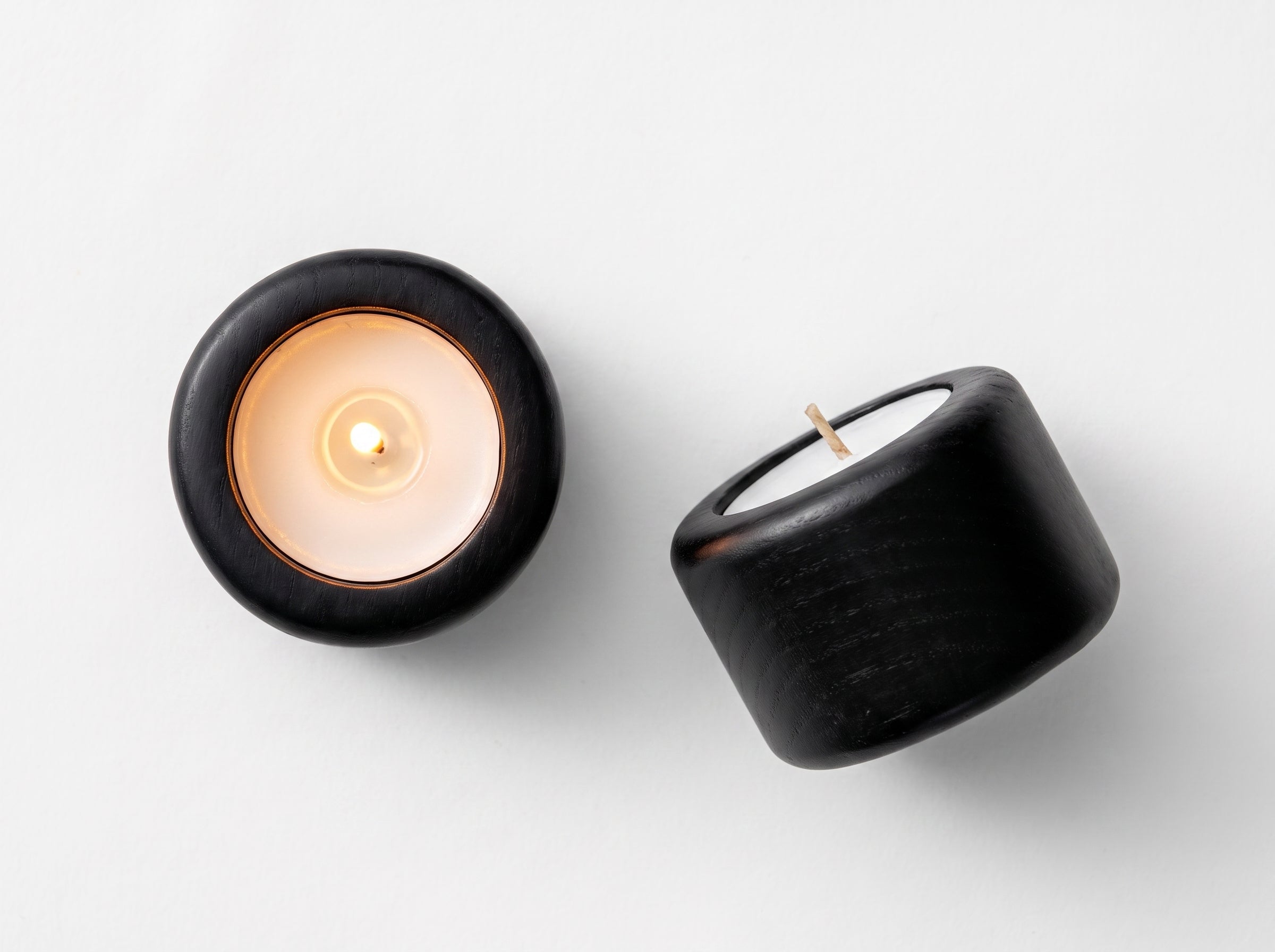
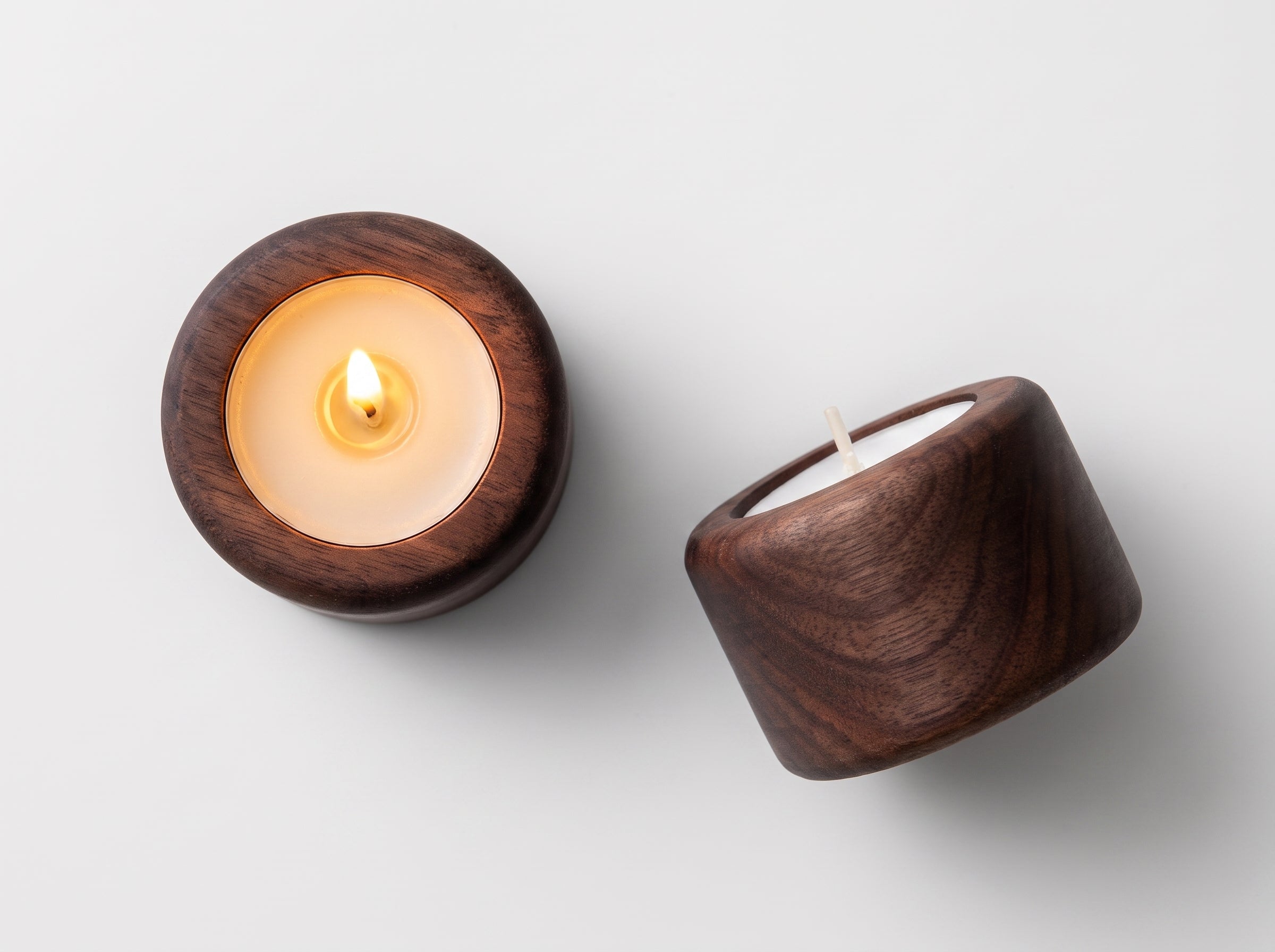
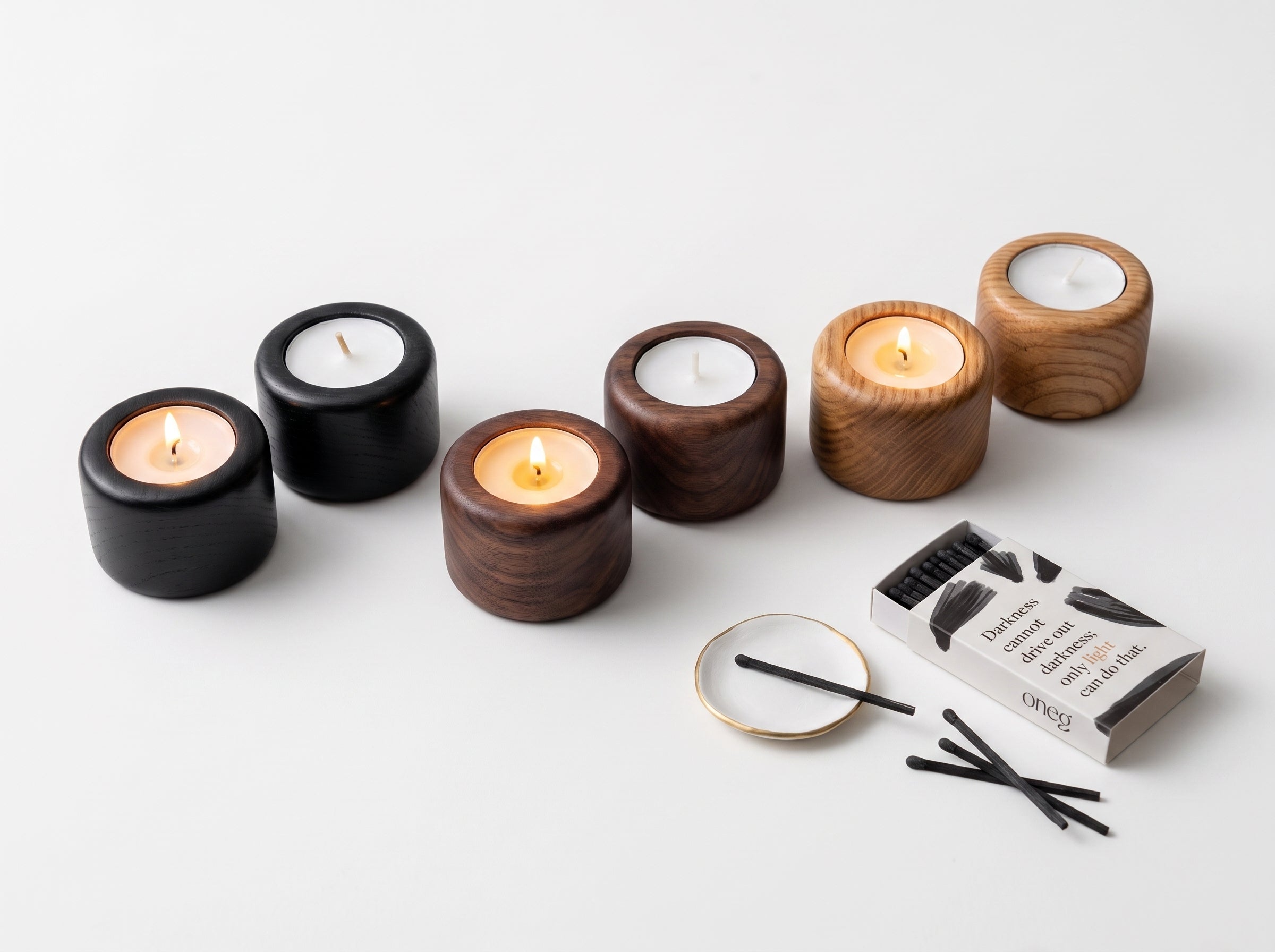
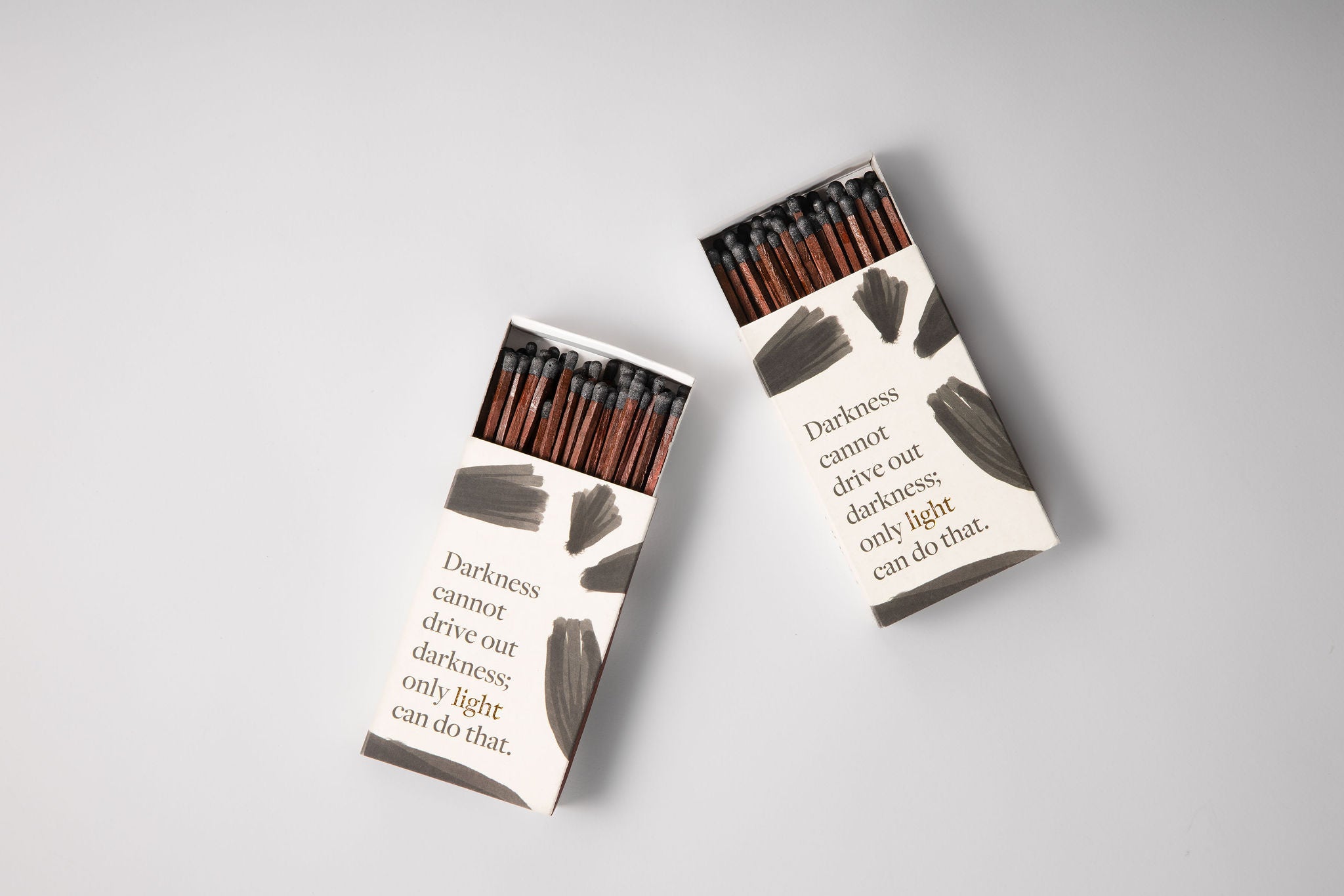
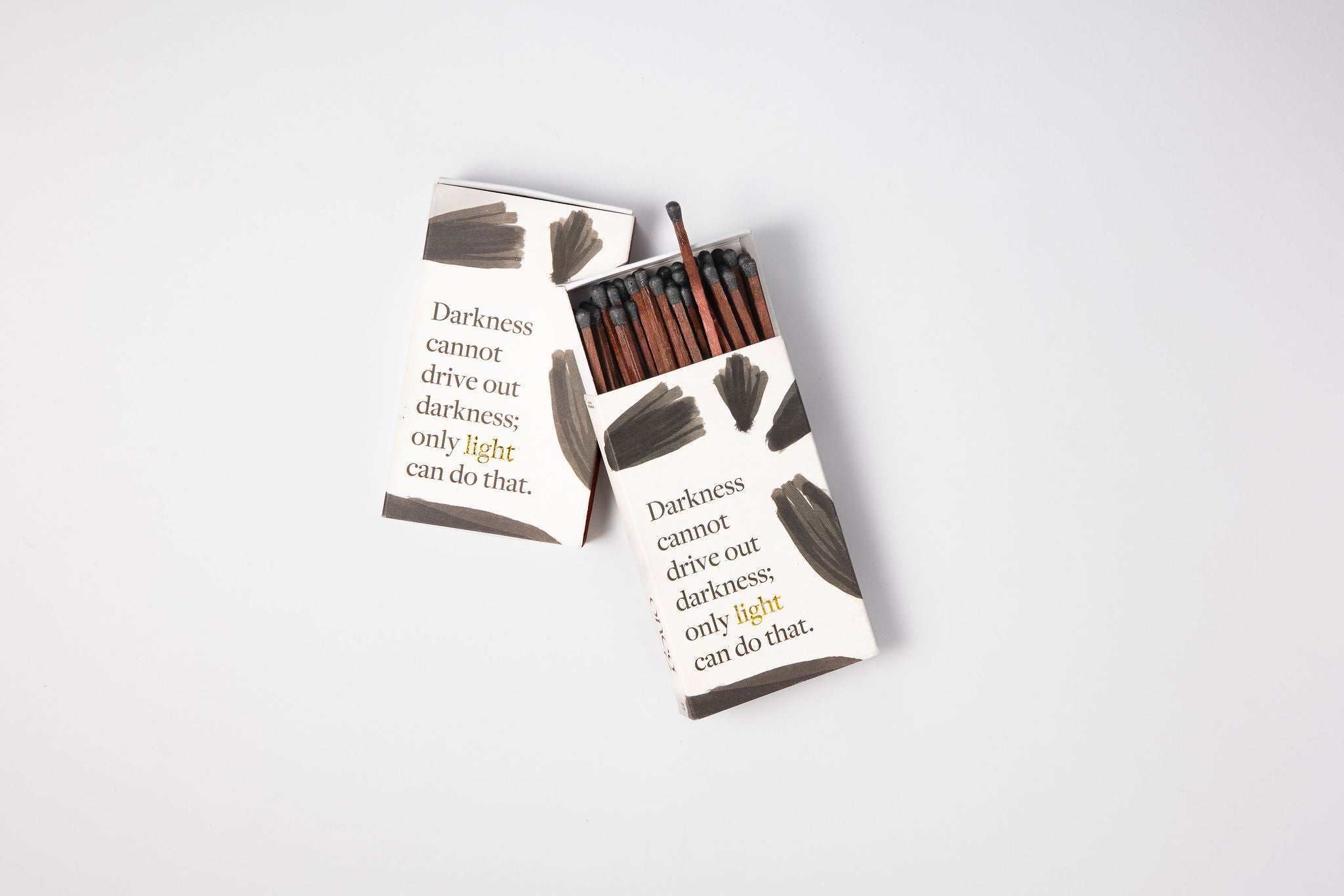
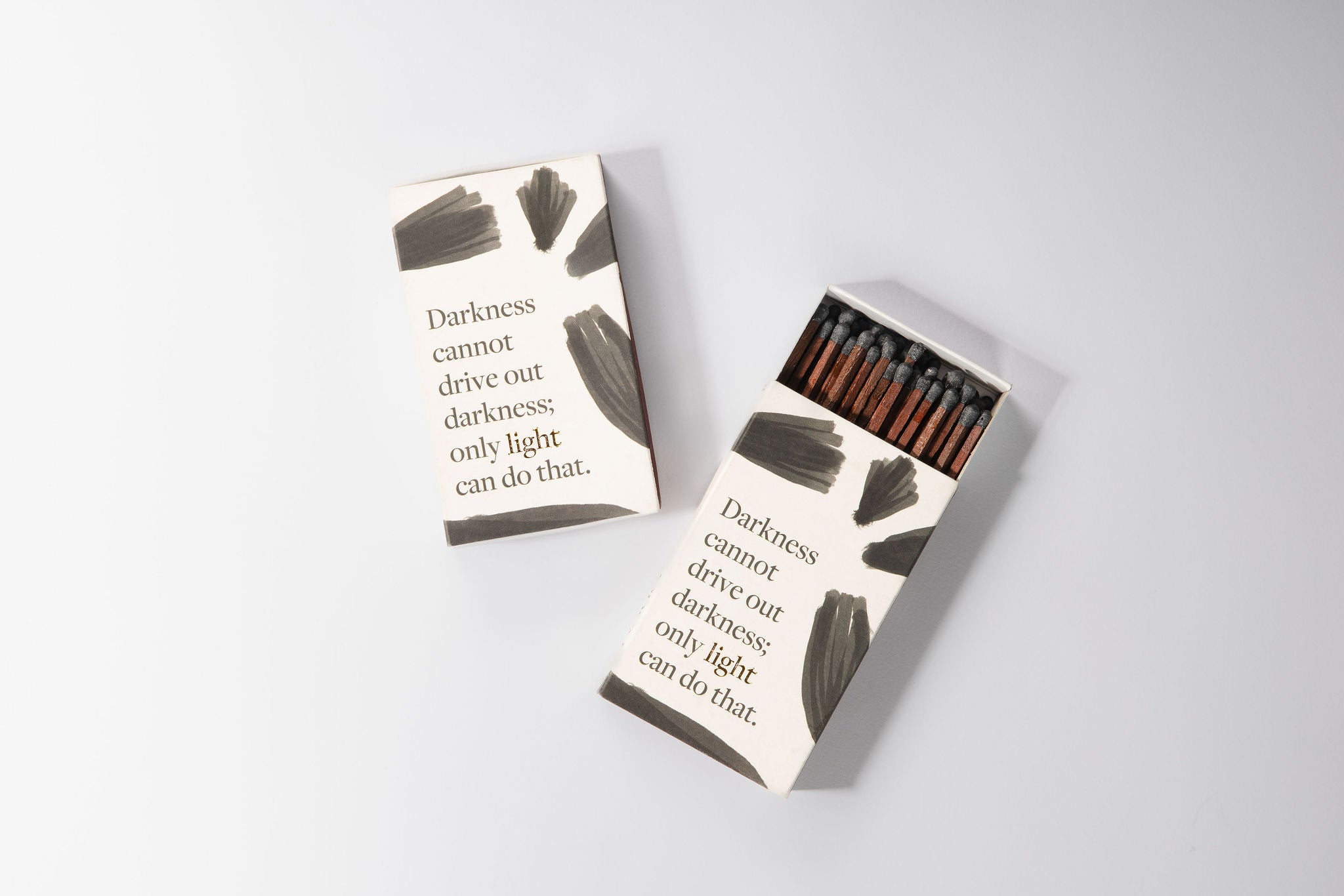
Lighting candles
-
Reciting blessings
-
Eating challah and drinking wine
-
Enjoying a meal together
-
Setting aside intentional time for connection
How to Host a Shabbat Dinner

One of the biggest misconceptions about hosting a Shabbat dinner is that you need to be religious or knowledgeable to celebrate. The truth is, you do not. Many people begin hosting Shabbat dinner as a way to connect to Judaism, or because they simply want more family traditions. Whatever your reason for hosting a Shabbat dinner, read on to learn how to do it.
Step 1: Decide Who You’re Inviting
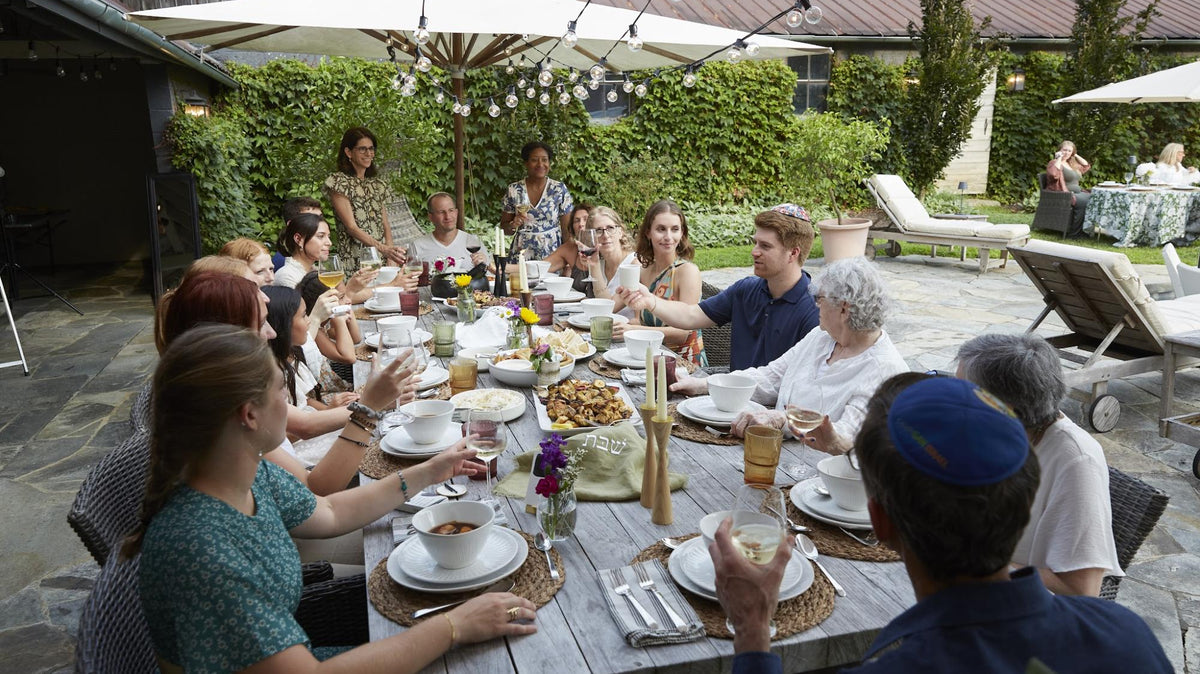
First, it’s time to decide who to invite to Shabbat dinner. Remember, your first Shabbat dinner doesn’t need to be large or elaborate. A small gathering is often easier and more comfortable for your first Shabbat. You may invite family members, close friends, neighbors, or anyone else interested in spending intentional time together. It’s totally up to you!
Step 2: Plan a Simple Menu
A beginner-friendly Shabbat dinner should be simple. Choose easy dishes that can be prepped ahead of time. That way, you can spend time enjoying the meal, rather than rushing around. Consider these dishes:
-
Appetizers: Hummus and veggies, olives, crackers and dips, or chicken soup.
-
Main dish: Roast chicken or brisket are traditional on Shabbat, but you can make salmon or even roasted veggies for a vegetarian main.
-
Side dishes: Potatoes, rice, and seasonal veggies all make great options. Plus, you can always snack on challah!
-
Dessert: Cookies, fruit, or a simple cake are perfect after a big meal.
Step 3: Set the Table Thoughtfully
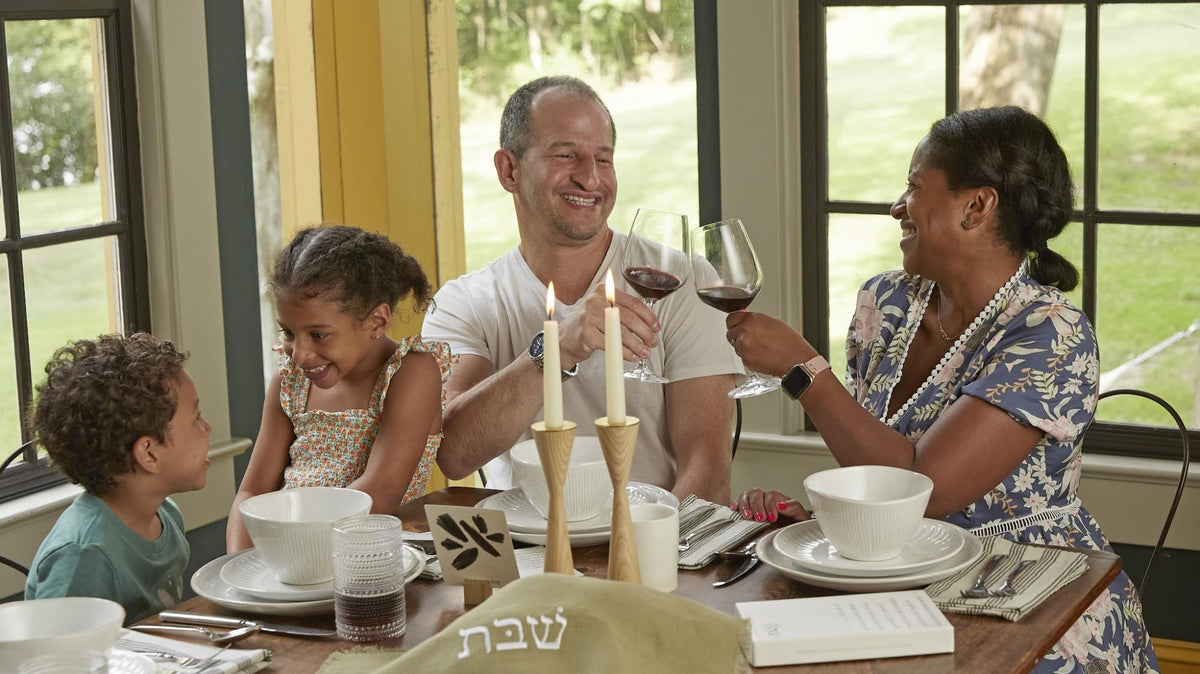
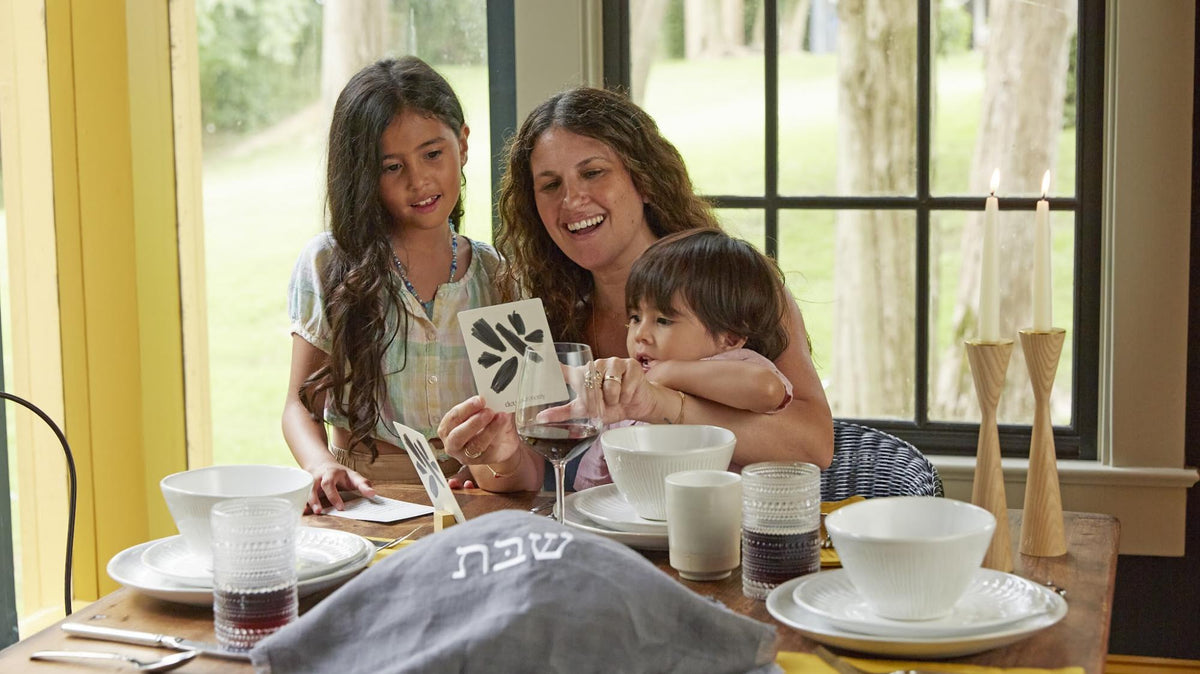
The Shabbat table is one of the central facets of Shabbat. In addition to your standard dinner table items, you’ll want to include several traditional ritual objects. A traditional Shabbat table often includes:
-
Kiddush cup and wine
-
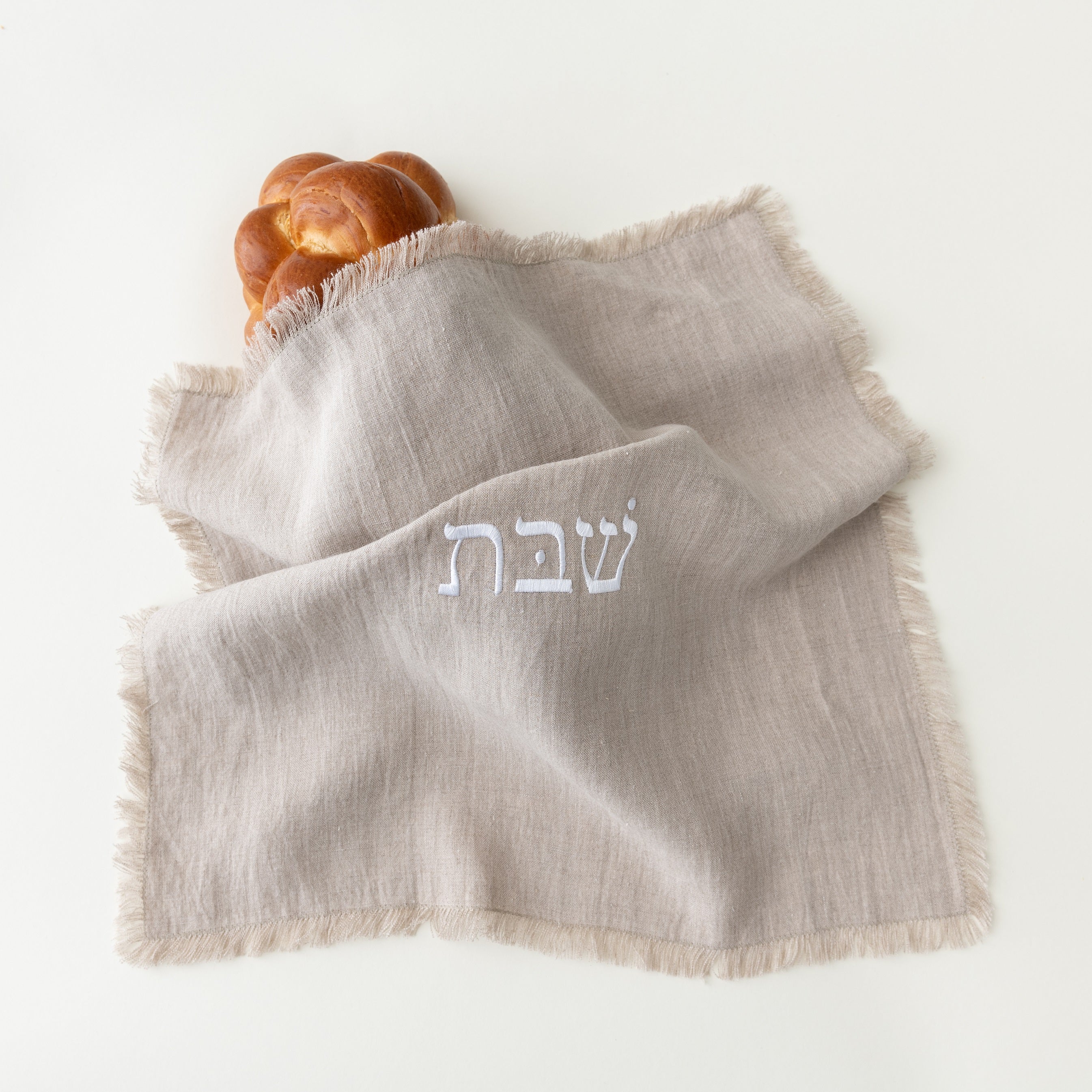
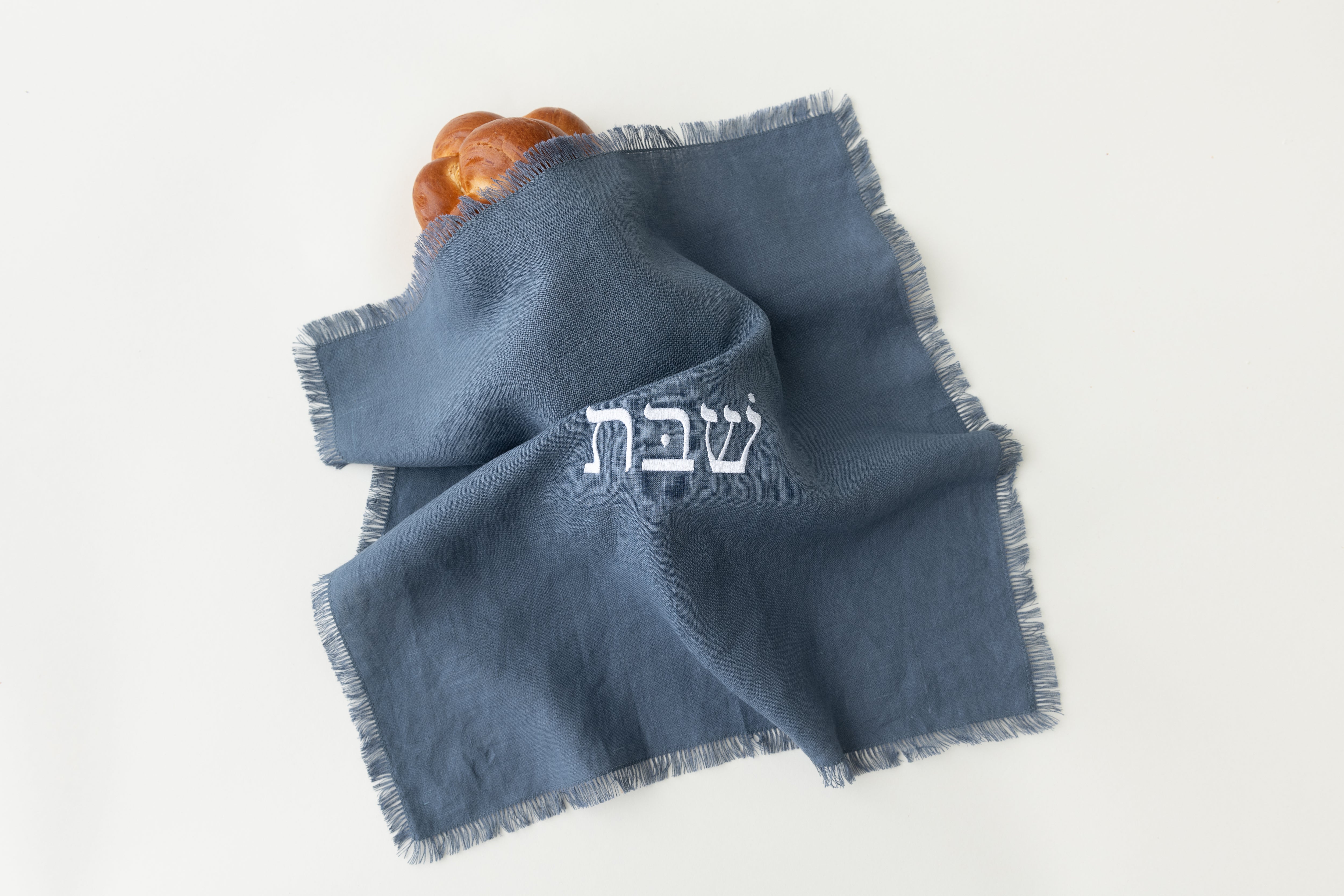
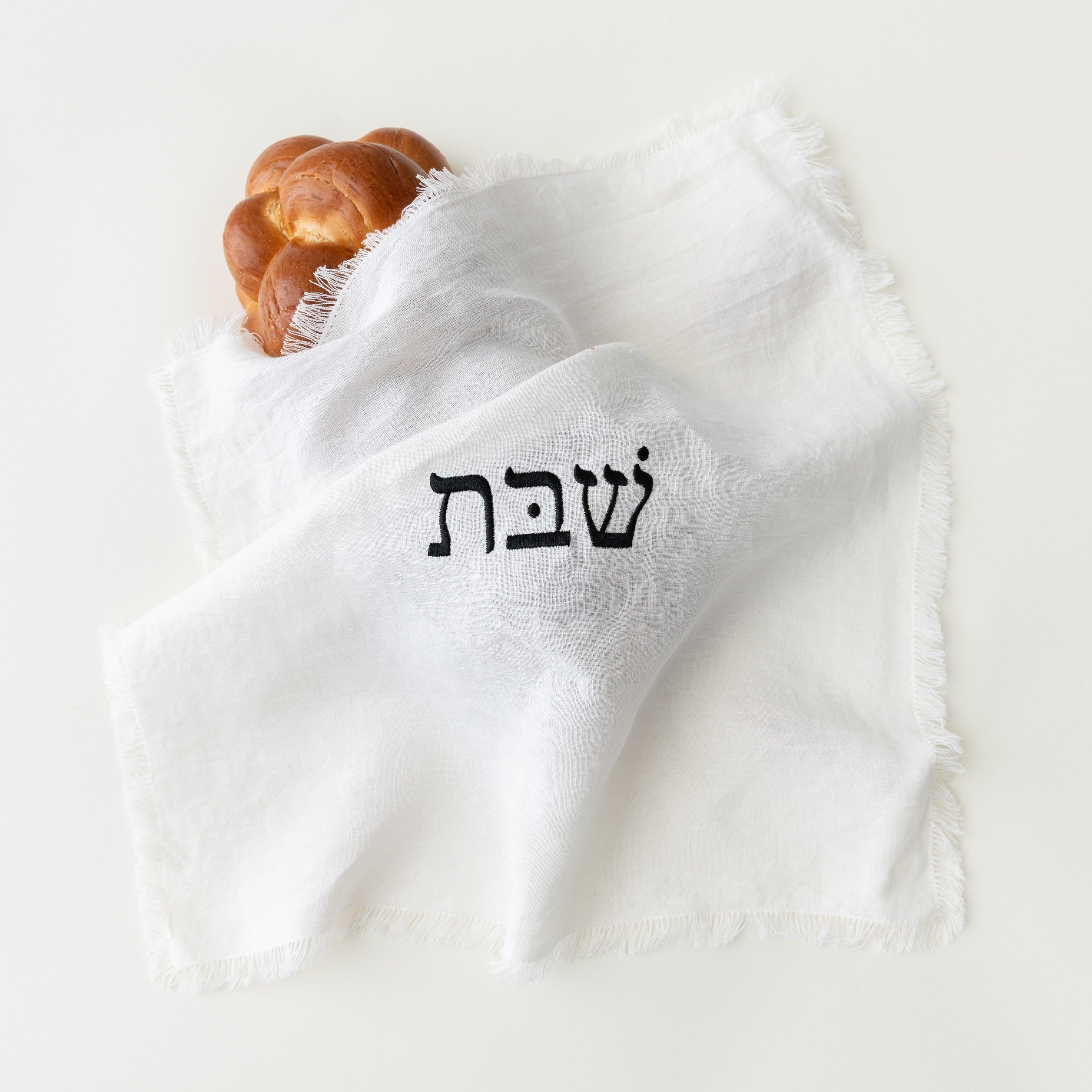
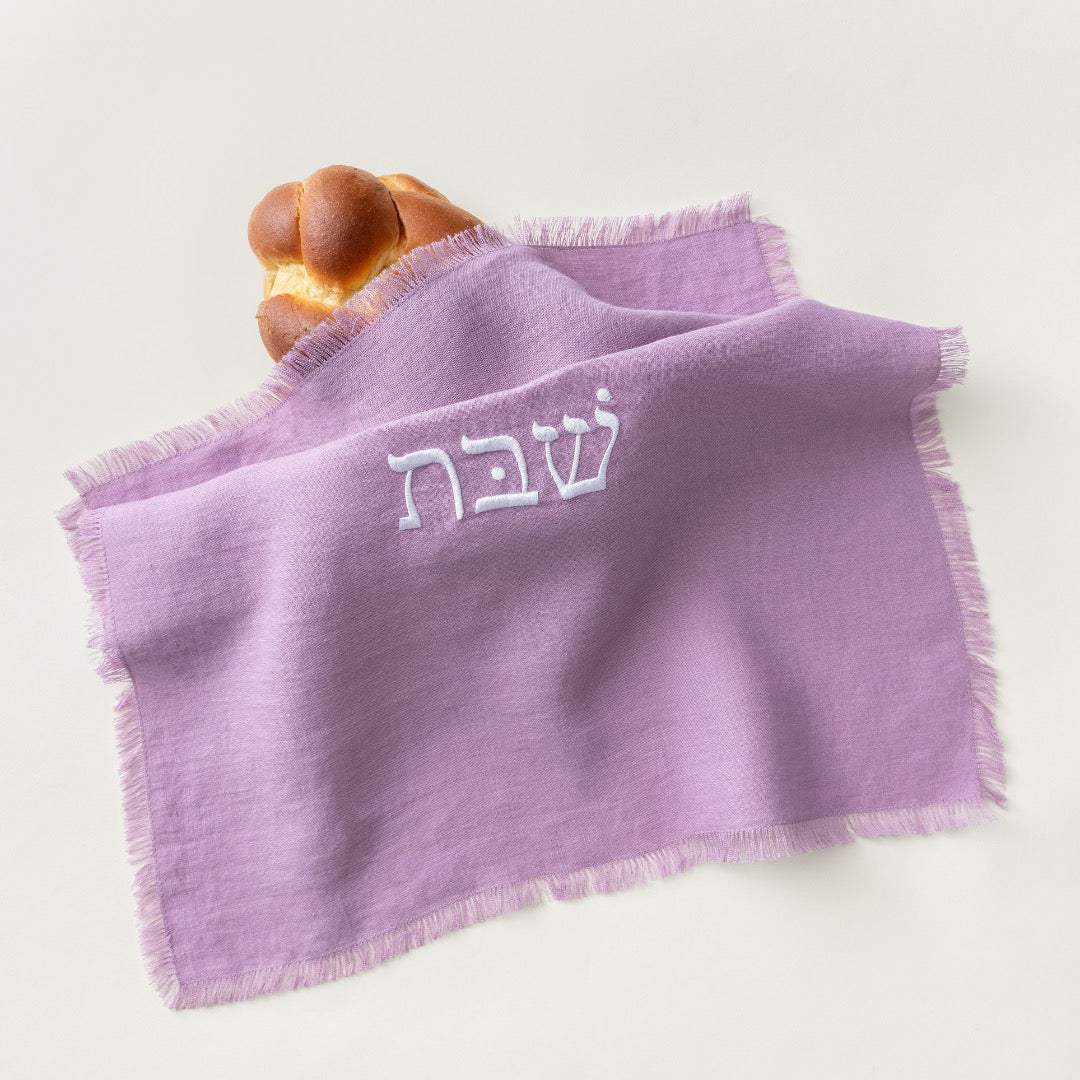
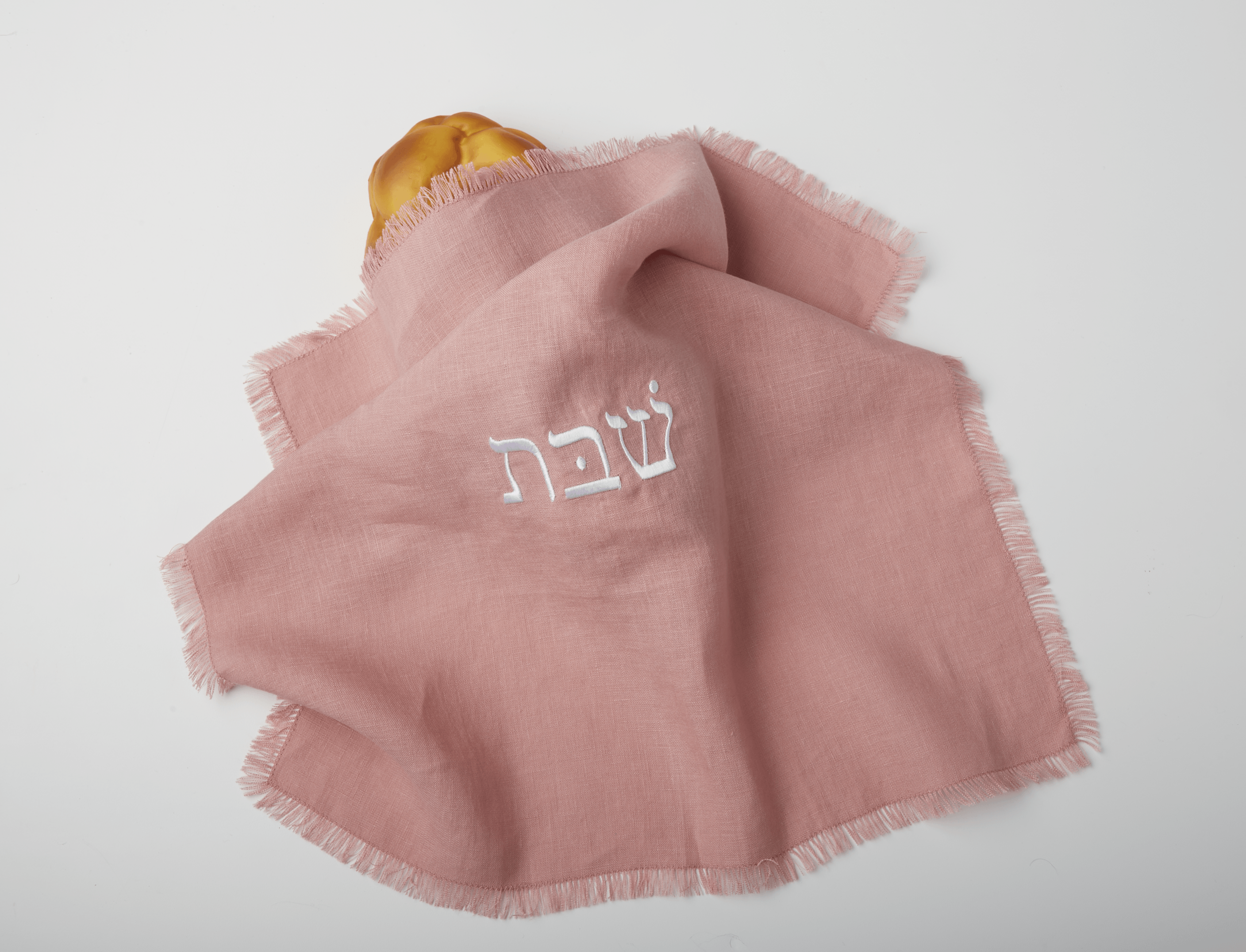
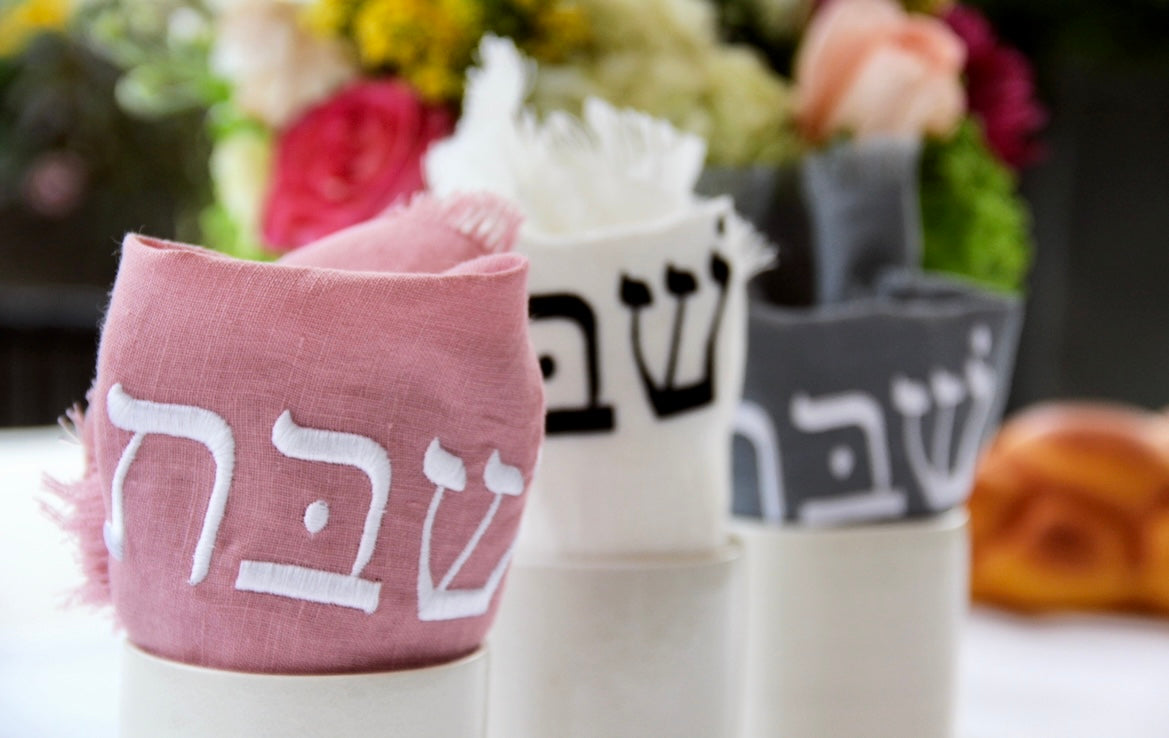
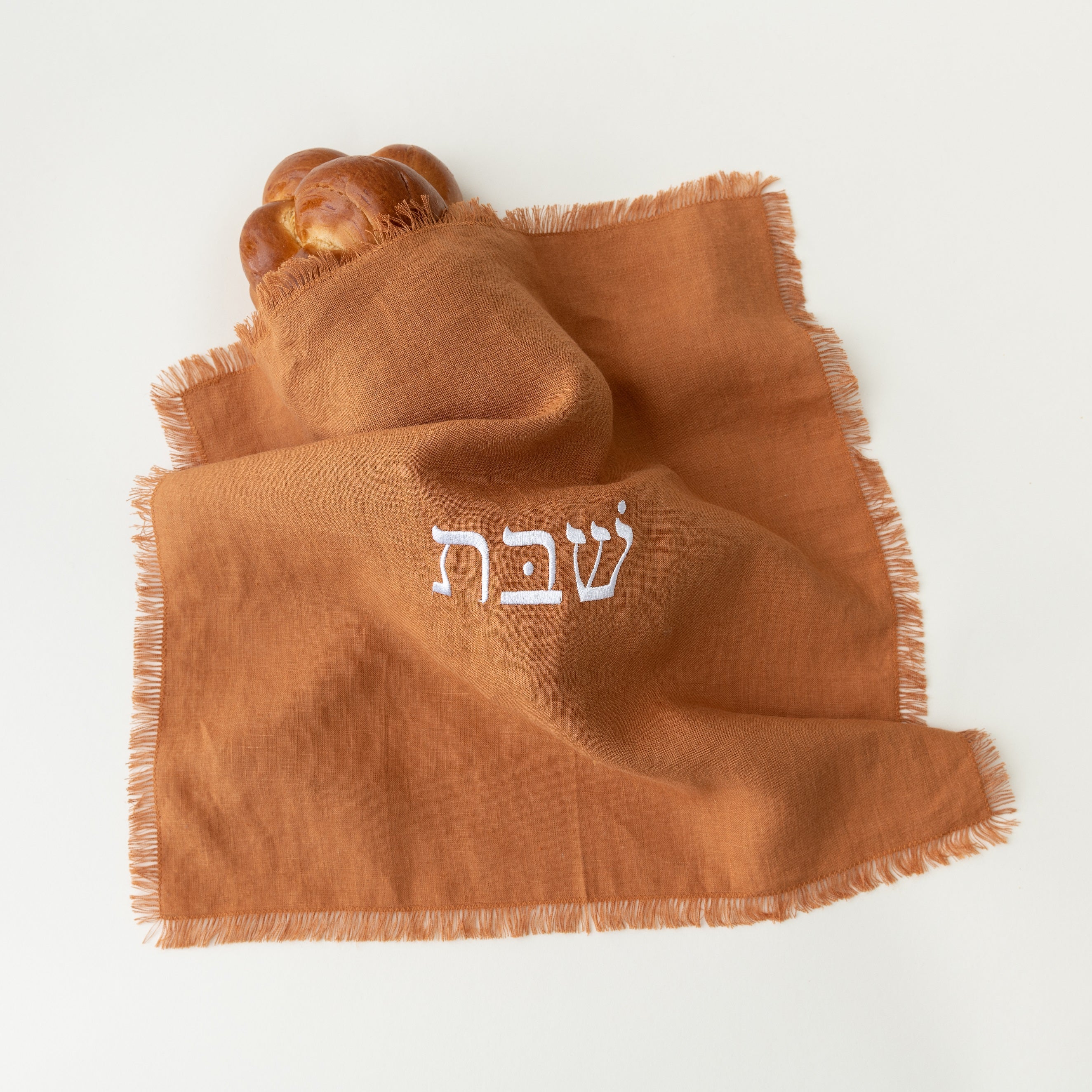
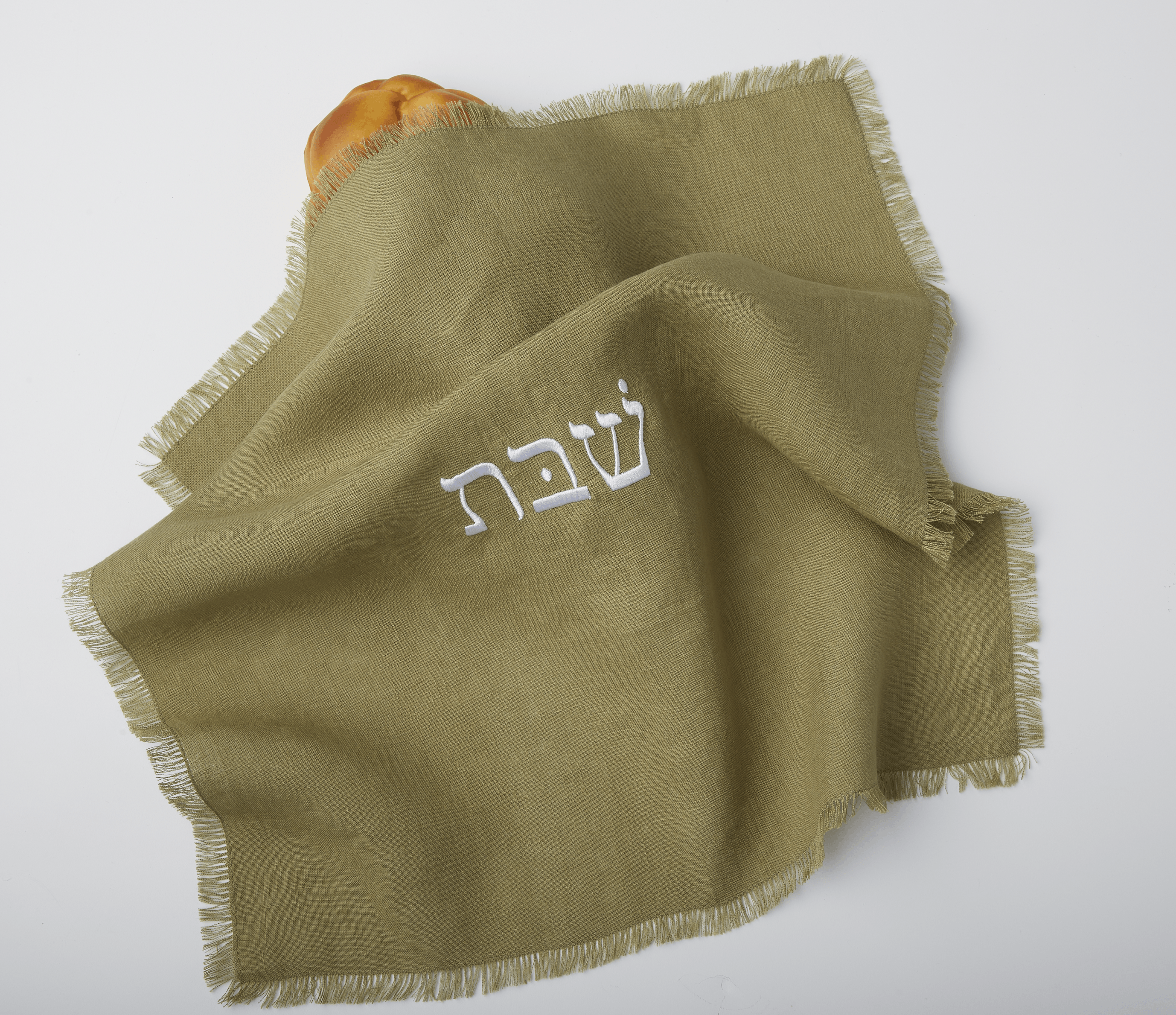
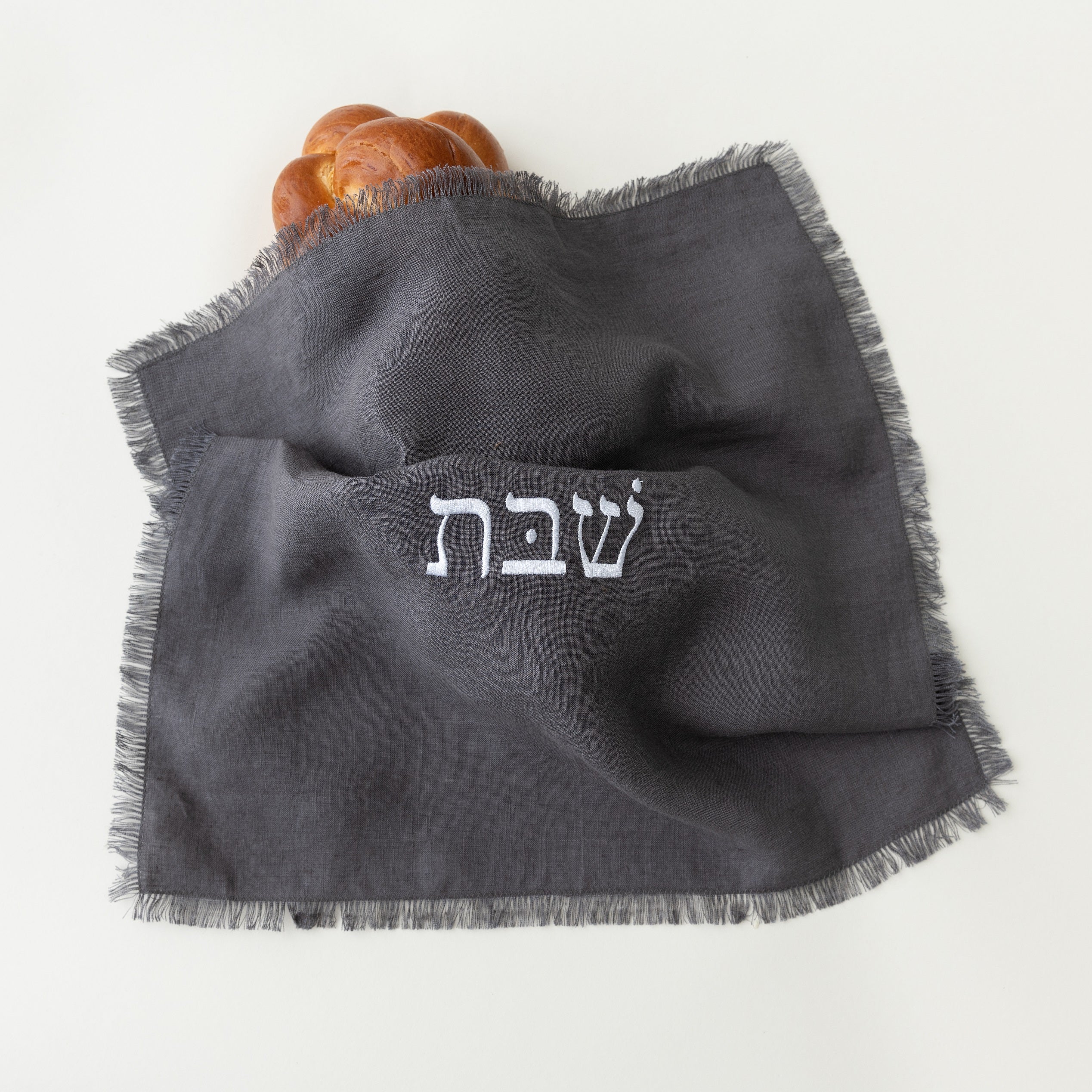
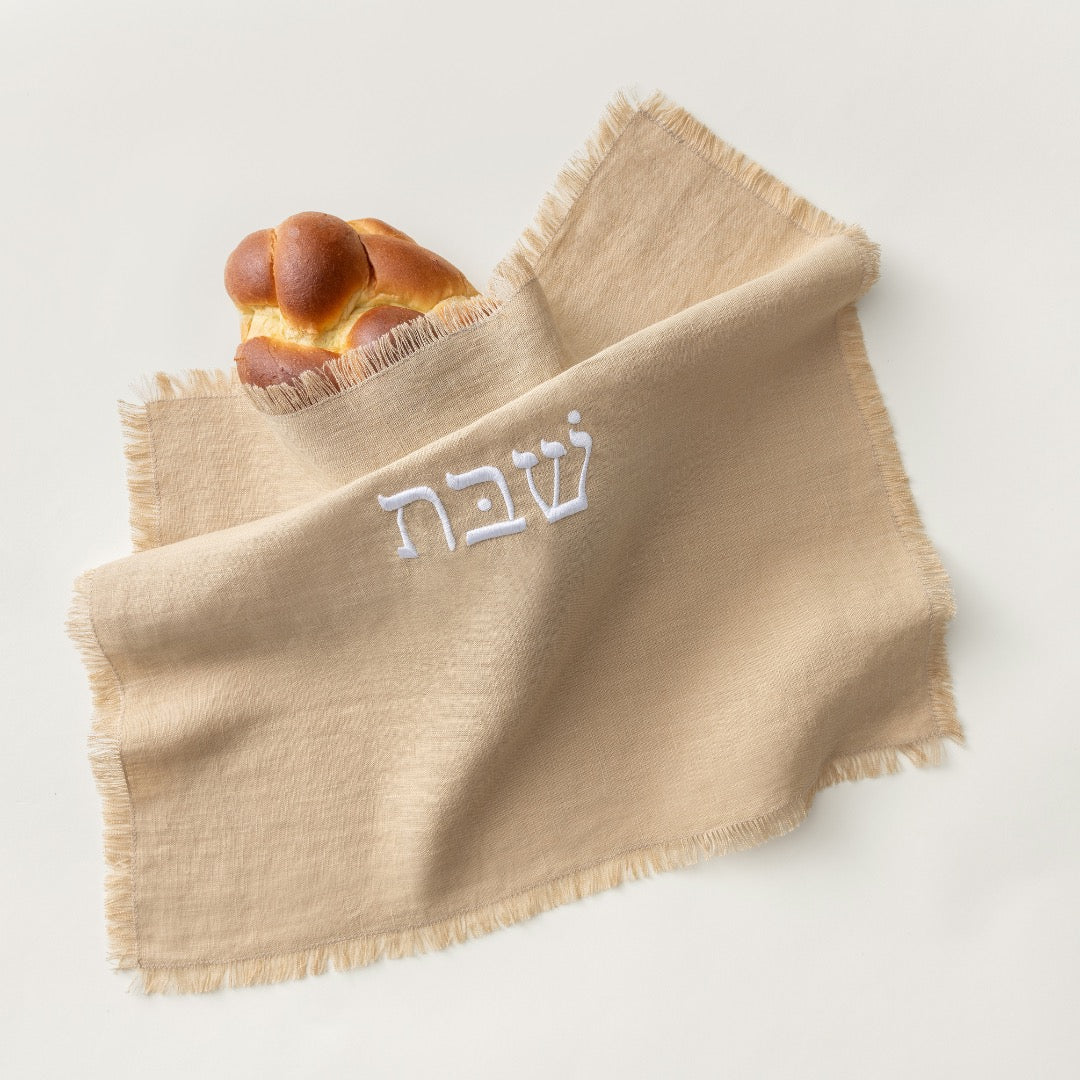
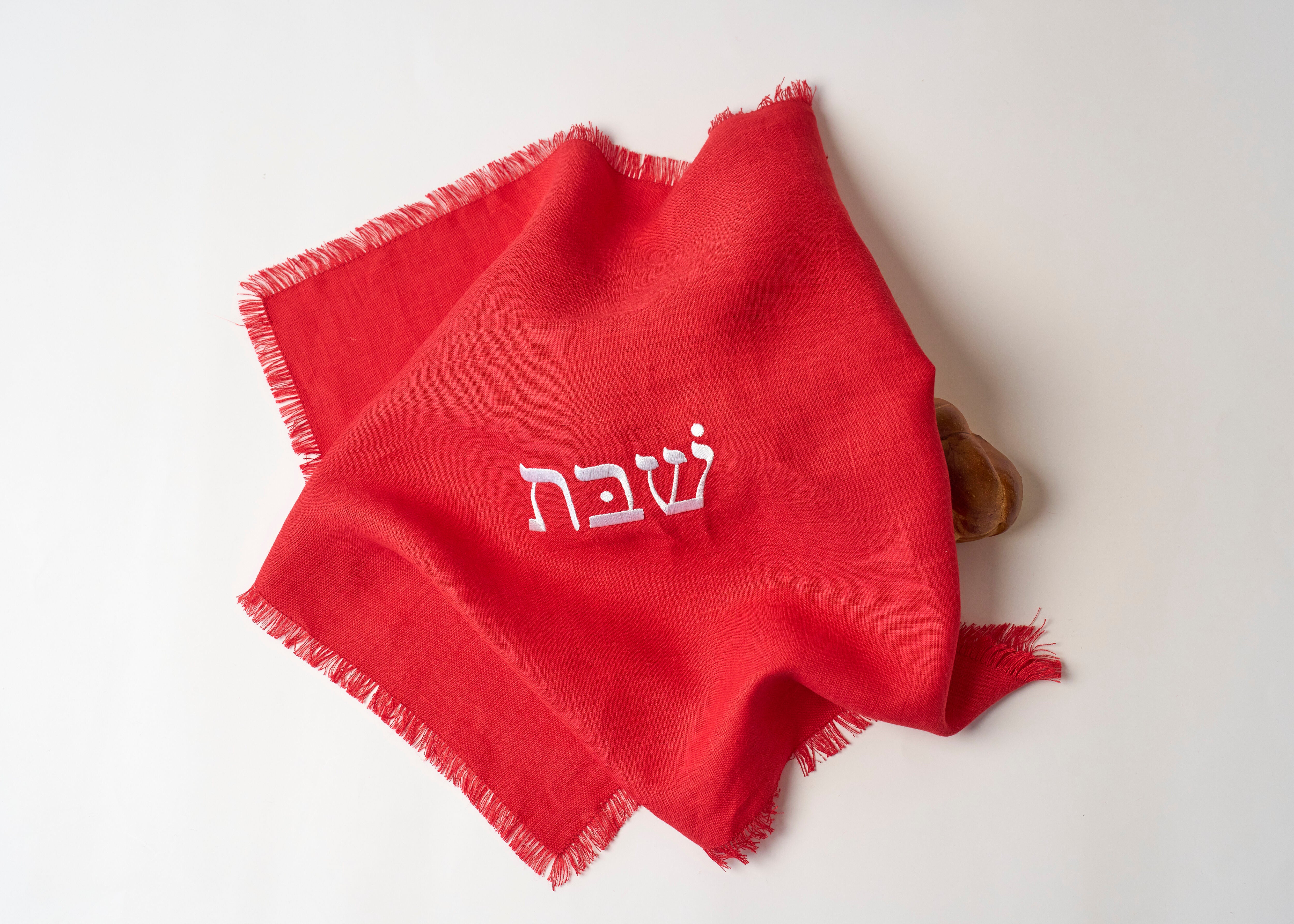
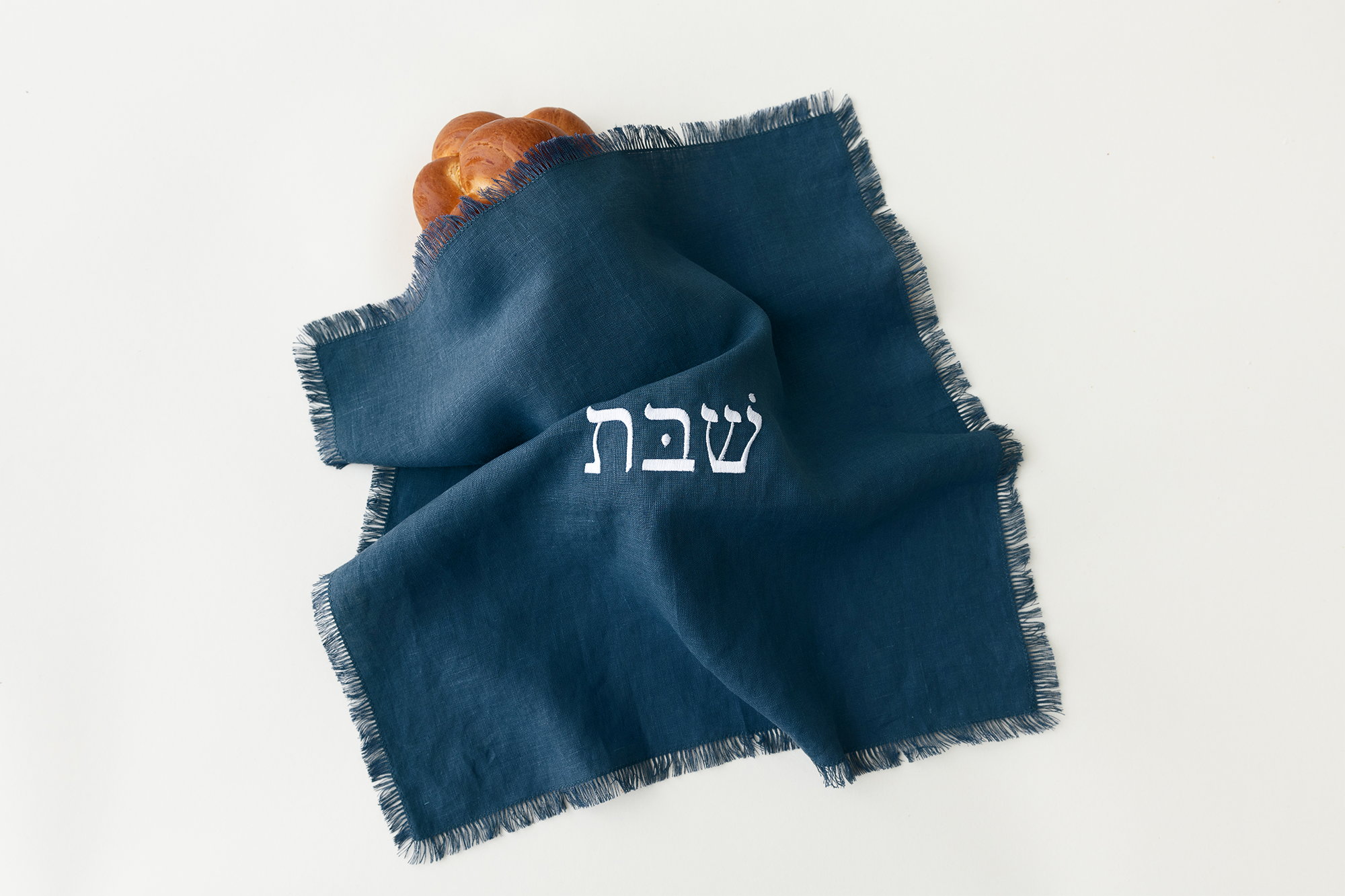
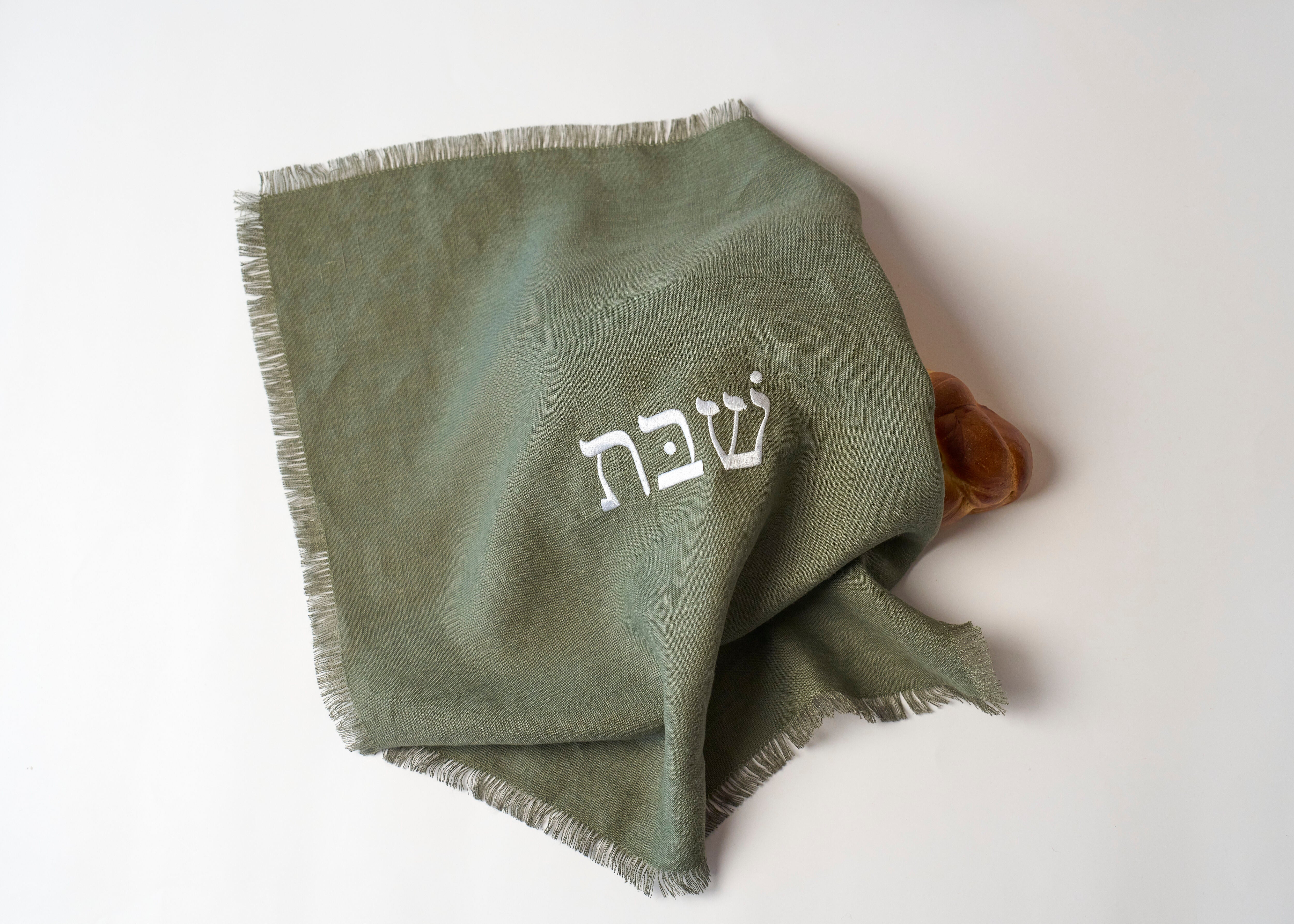
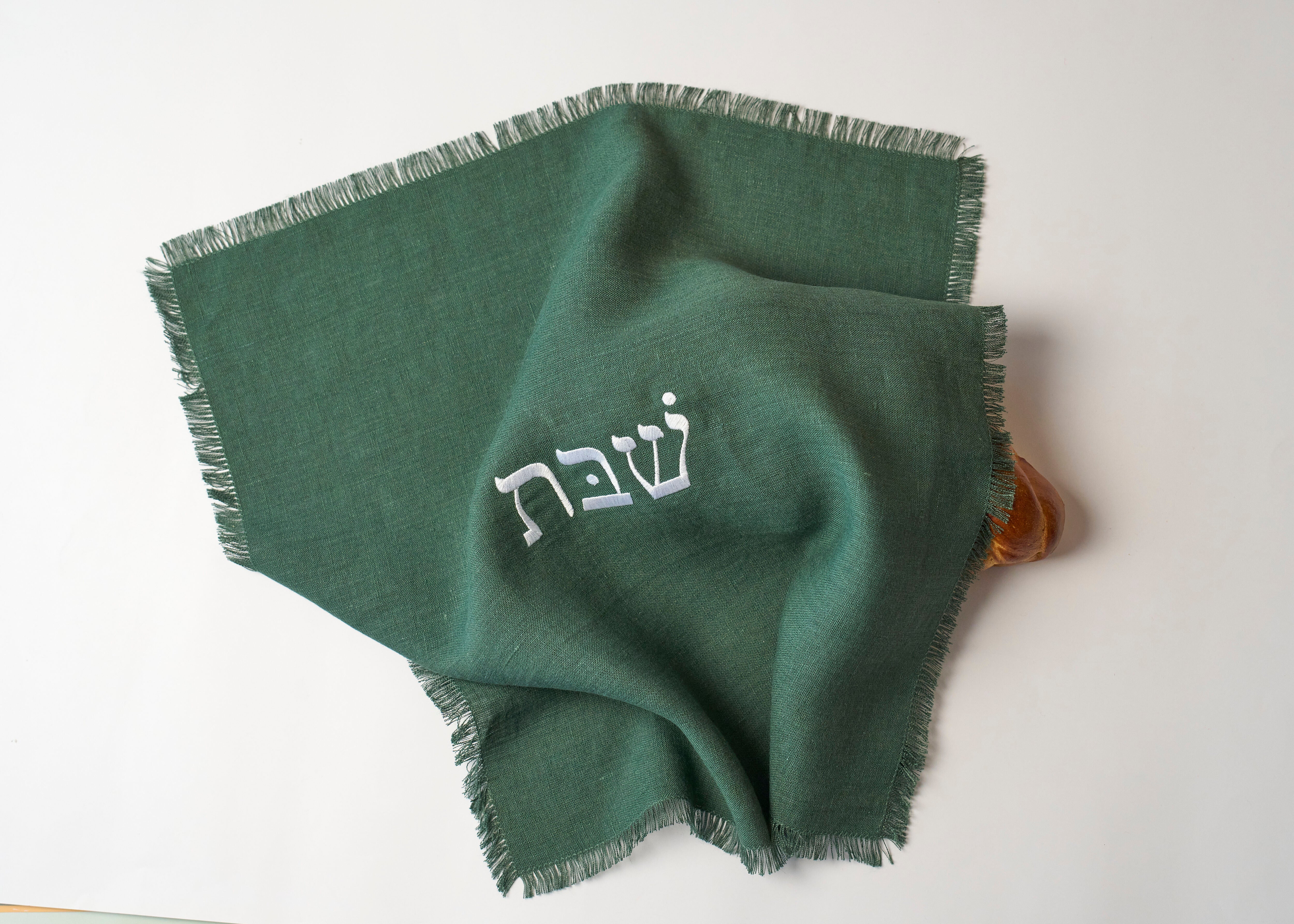
Challah, challah plate, and challah cover
These ritual objects aren’t just decorative. They’re central to celebrating Shabbat. Plus, beautiful ritual objects often become meaningful family heirlooms.
Step 4: Understand the Ritual Items
Let’s review the meaning of each ritual item on the Shabbat table:
-
Shabbat candles: Every Shabbat starts with the lighting of the candles. They’re lit just before sunset to welcome Shabbat into the home, and are allowed to extinguish on their own.
-
Kiddush cup: The Kiddush cup is used during the blessing over the wine. Many families have special Kiddush cups used only on Shabbat, but any cup will do.
-
Challah and challah cover: Challah, a braided egg bread, is also a part of the Shabbat ritual. It’s placed on the table, covered, and then uncovered once the blessing is said.

Step 5: Learn the Basic Shabbat Ceremony
Remember, your first Shabbat doesn’t have to be perfect. Try to follow this flow to celebrate the holiday.
-
Light the candles: Just before sunset, light the Shabbat candles while reciting the blessing over them. This serves as your transition into Shabbat.
-
Recite Kiddush: The Kiddush, blessing over the wine, is said next. Then, everyone takes a sip.
-
Bless the Challah: Recite the blessing over the challah, then pass it around for everyone to tear off a piece and enjoy.
-
Enjoy the meal: Lastly, it’s time to eat! Enjoy the meal, share in meaningful conversation, and connect with one another.
Building Your Own Shabbat Traditions

After you’ve hosted a few Shabbat dinners, you can start to build your own Shabbat traditions. You may find favorite recipes, special songs or prayers, unique table settings, or a regular set of guests that make the celebration special. Ritual items can become a part of these traditions, too.
Find Beautiful Ritual Objects for Your First Shabbat Dinner from Oneg Home
Hosting a Shabbat dinner for the first time doesn’t require perfection or elaborate planning. The most important part is setting aside a space to rest, connect, and be present.
To ensure you have everything you need for your first Shabbat, discover the Oneg’s Signature Shabbat Box. This curated mix of ritual objects and guiding materials is an easy way to explore the Shabbat tradition. Build your own box with the colors and materials you like best, for something that you can cherish for years to come.
Hosting Shabbat Dinner: FAQ
Do I need to keep Kosher?
No, you don’t need to keep Kosher to celebrate Shabbat. Many Jewish people host meaningful Shabbat dinners each week without a Kosher meal. That said, if one of your Shabbat guests keeps Kosher, you may want to plan accordingly.
What if I don’t know Hebrew?
That’s totally okay! You can find many transliterations of the Shabbat prayers online. There are also plenty of videos available to help you practice.
How formal should dinner be?
It’s entirely up to you. Shabbat dinner can be anything from casual to elegant. For your first, be mindful of how much capacity you have to go all-out. Keeping it simple is often best.
What time does Shabbat start?
Technically speaking, Shabbat starts when 3 stars are visible in the sky. If you’re unsure, check out the Shabbat candle lighting time online.
Ready to begin your Shabbat practice?