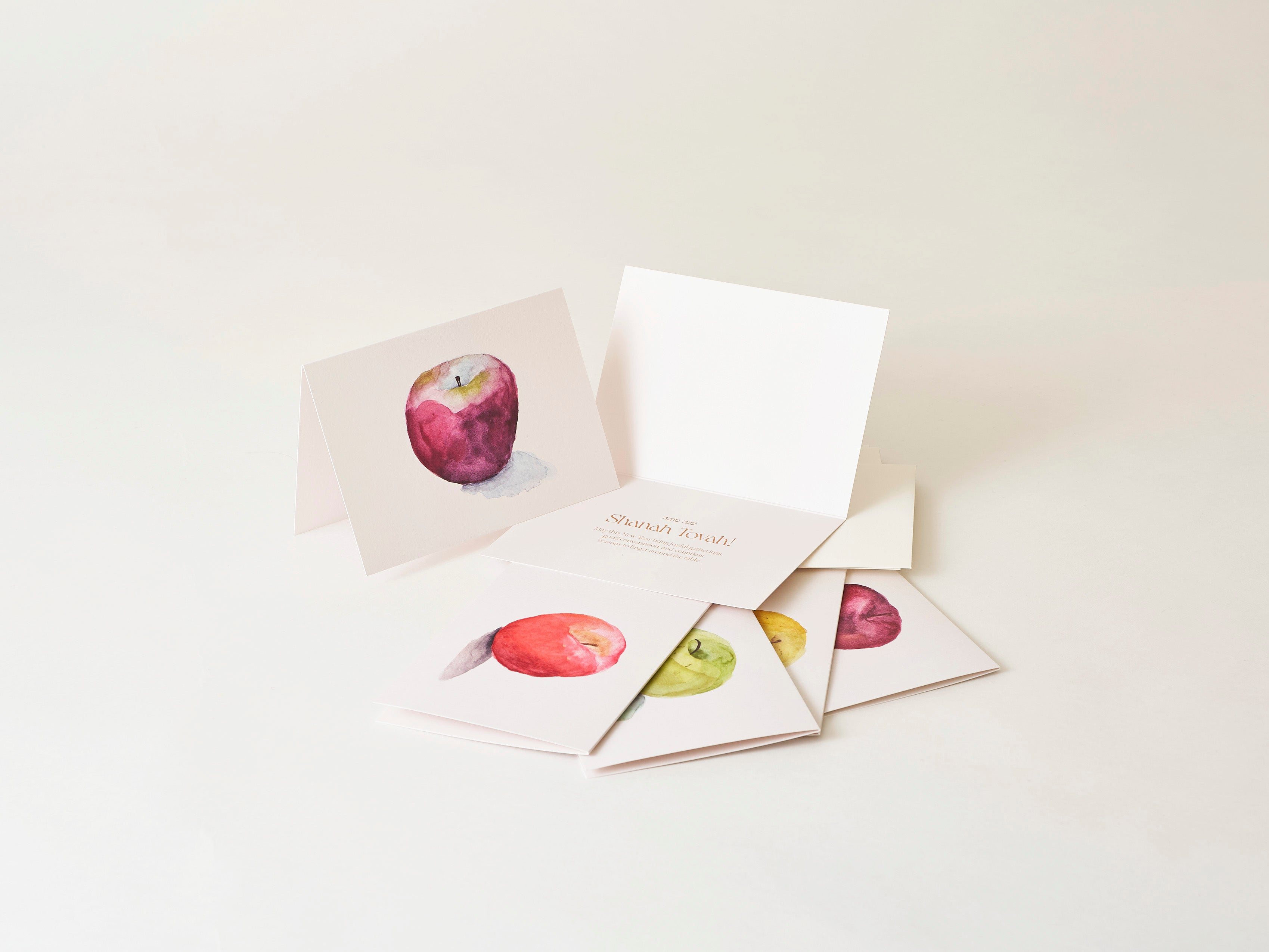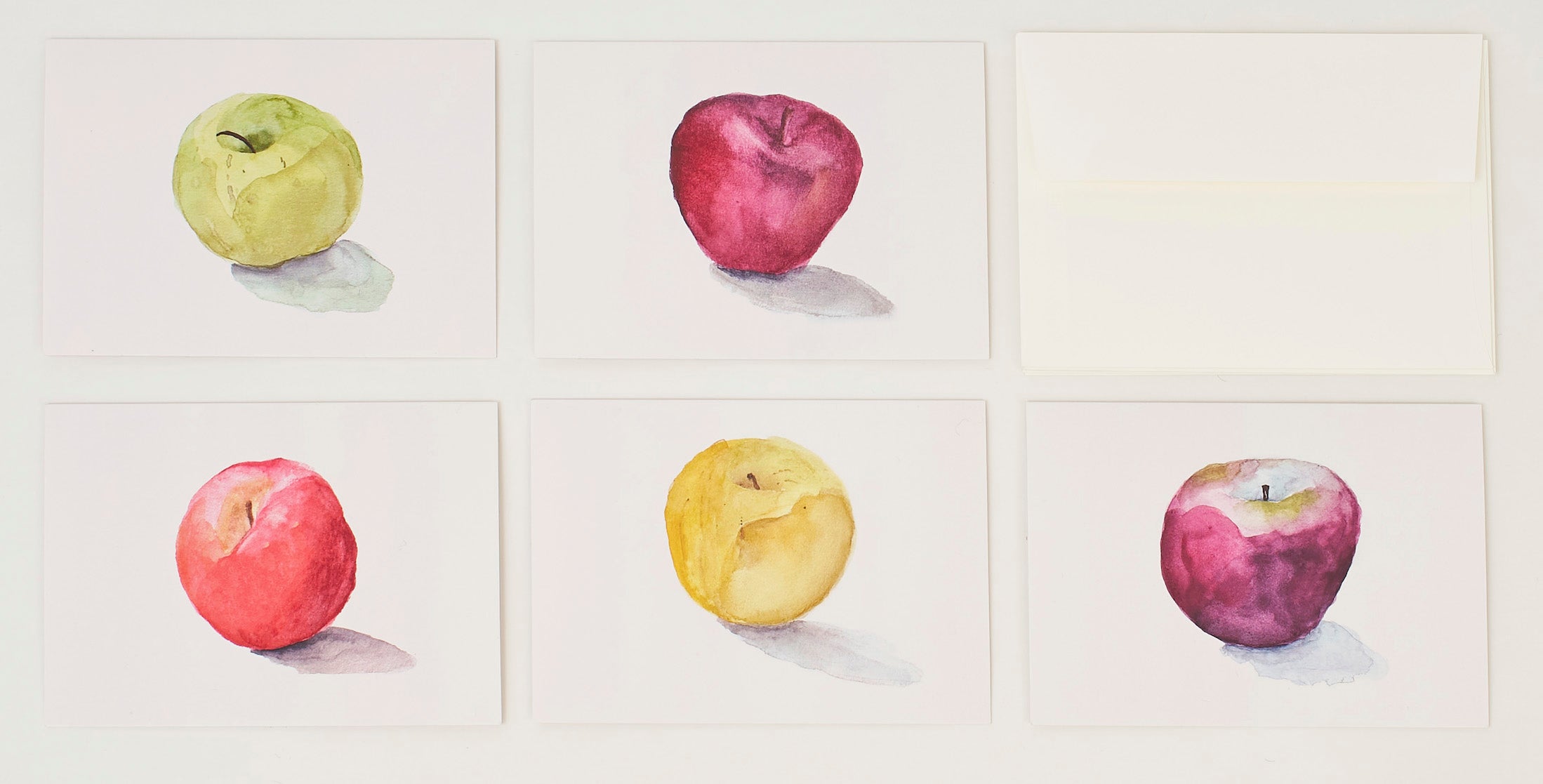

Each year, Jewish people eat apples and honey on Rosh Hashanah and wish one another a “shanah tovah u’metukah,” or sweet and good new year. But why has this combination become so synonymous with the Jewish new year? Read on to learn all about the tradition of apples and honey on Rosh Hashanah, as well as more about this important Jewish holiday.
What is Rosh Hashanah?

Rosh Hashanah is the Jewish new year. Like all Jewish holidays, it’s celebrated according to the Jewish calendar, rather than the secular one. In 2026, Rosh Hashanah begins on September 11th and runs through September 13th.
The Meaning of Rosh Hashanah
While the secular new year is a time for partying, the Jewish new year is more spiritually charged. It’s the first holiday in a pair known as the High Holidays, along with Yom Kippur.
According to Judaism, Rosh Hashanah begins a period of judgement. God opens the Book of Life on Rosh Hashanah and begins to consider each Jewish person’s fate. On Rosh Hashanah it is written, and on Yom Kippur it is sealed. Everyone has the 7 days between Rosh Hashanah and Yom Kippur to reflect on their actions and identify and repent for wrongdoings. On Yom Kippur, their fate for the next year is set.
How is Rosh Hashanah Celebrated?
Like most Jewish holidays, Rosh Hashanah is celebrated with plenty of prayer. Rosh Hashanah traditions include:
-
Morning prayer: There’s a special synagogue service on Rosh Hashanah, and it’s generally one of the most highly attended services of the year. The service is guided by a special prayer book known as the Machzor.
-
Blowing of the shofar: The shofar, a traditional instrument made from a ram’s horn, is blown in distinct blasts throughout Rosh Hashanah services. It’s believed to spiritually awaken people for the new year.
-
Tashlich: Tashlich is one of the most unique Rosh Hashanah customs. It’s observed in the afternoon of the first full day of Rosh Hashanah. People gather by a body of water to symbolically cast away their sins. They throw breadcrumbs into the water and shake out their clothing for a fresh start.
Why Do We Dip Apples in Honey on Rosh Hashanah?

One of the widest known Ashkenazi traditions on Rosh Hashanah is the custom of eating apples dipped in honey. Like many Jewish traditions, there are several theories as to why. Read on to learn the primary explanations for dipping apples in honey on Rosh Hashanah.

Sweet New Year
Perhaps the most widely known explanation for this custom is that it’s a toast to a sweet new year. By eating sweet food, we set ourselves up for sweet things to come.
This explanation stretches back to ancient times. The Talmud, a central Jewish text, teaches that Jewish people should eat sweet foods like beets and dates on Rosh Hashanah. Ashkenazi Jews who lived in Europe couldn’t fulfill this tradition, as they lived in places where these foods don’t grow. In order to partake in the same sweetness, they began the tradition of eating apples dipped in honey, which was much more accessible.
Garden of Eden
Another explanation stretches even further back to the Torah. When Jacob asked for blessings from his father, Isaac, his father suggested that he smelled like the Garden of Eden and an apple orchard. On Rosh Hashanah, we ask to be blessed just like Jacob was by his father, so we eat apples to invoke the same aroma.
Pure Even From an Impure Place
According to halachah, or Jewish law, food that is derived from an unkosher animal is inherently unkosher. For that reason, you couldn’t eat milk from a pig or eggs from an ostrich. The only exception to this rule is honey. Although bees aren’t kosher to eat, their honey is. The rabbis suggest that people are the same way. Although we are impure, our prayers are pure.
Other Ways to Eat Apples and Honey on Rosh Hashanah
While dipping apples in honey is the most traditional way to indulge on Rosh Hashanah, it’s not the only way. Try one of these ways to partake in the sweet treat:
-
Apple and honey charcuterie board: Serve sliced apples and honey alongside other treats, like dates, honey goat cheese, and figs.
-
Apple honey pie: Make an apple pie sweetened with honey instead of brown sugar. Brush it with honey after it comes out of the oven.
-
Apple honey cake: Honey cake is a classic treat for Rosh Hashanah. Include diced apples for a complete apple and honey combo.
-
Apple honey challah: On Rosh Hashanah, it’s traditional to eat a sweet, round challah. Rather than sweetening it with raisins, sweeten it with apples. Then, dip in honey before eating.
Other Customary Foods for Rosh Hashanah
Apples and honey aren’t the only way to celebrate Rosh Hashanah. Include these customary foods in your Rosh Hashanah traditions:
-
Round challah: Rosh Hashanah is the only Jewish holiday that’s celebrated with a sweet, round challah, rather than a traditional loaf. It’s believed that the round shape symbolizes the cycle of the year or God’s crown as King.
-
Pomegranates: Pomegranates are a very symbolic food in Judaism. Tradition teaches that each pomegranate has 613 seeds, one for every commandment. We eat pomegranates to represent the commandments we will fulfill in the year to come.
-
Whole fish: It’s customary to serve a whole fish with the head still attached to represent the head of the year, the literal translation of “Rosh Ha’Shanah.”
Enjoy Rosh Hashanah With Ritual Objects From Oneg Home
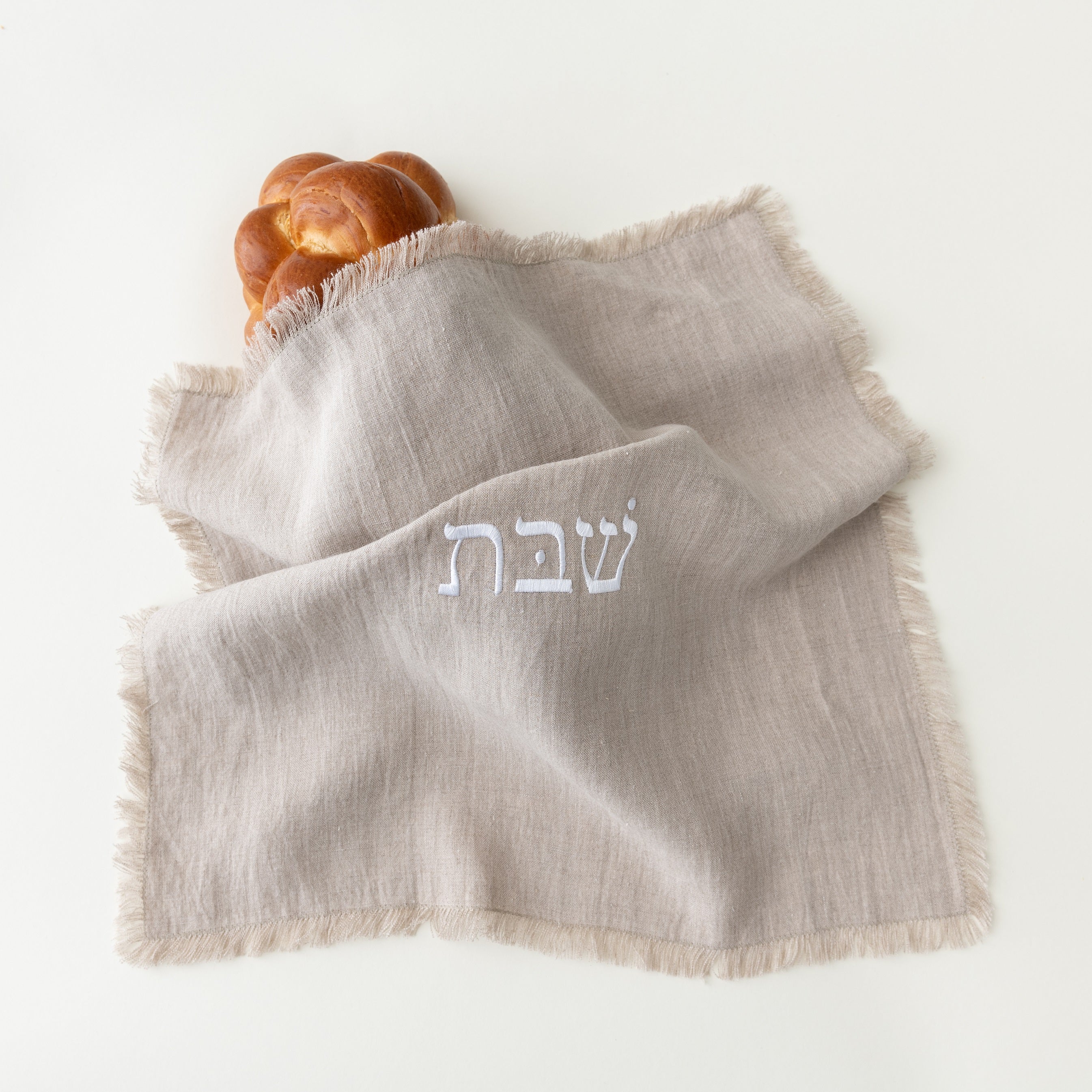
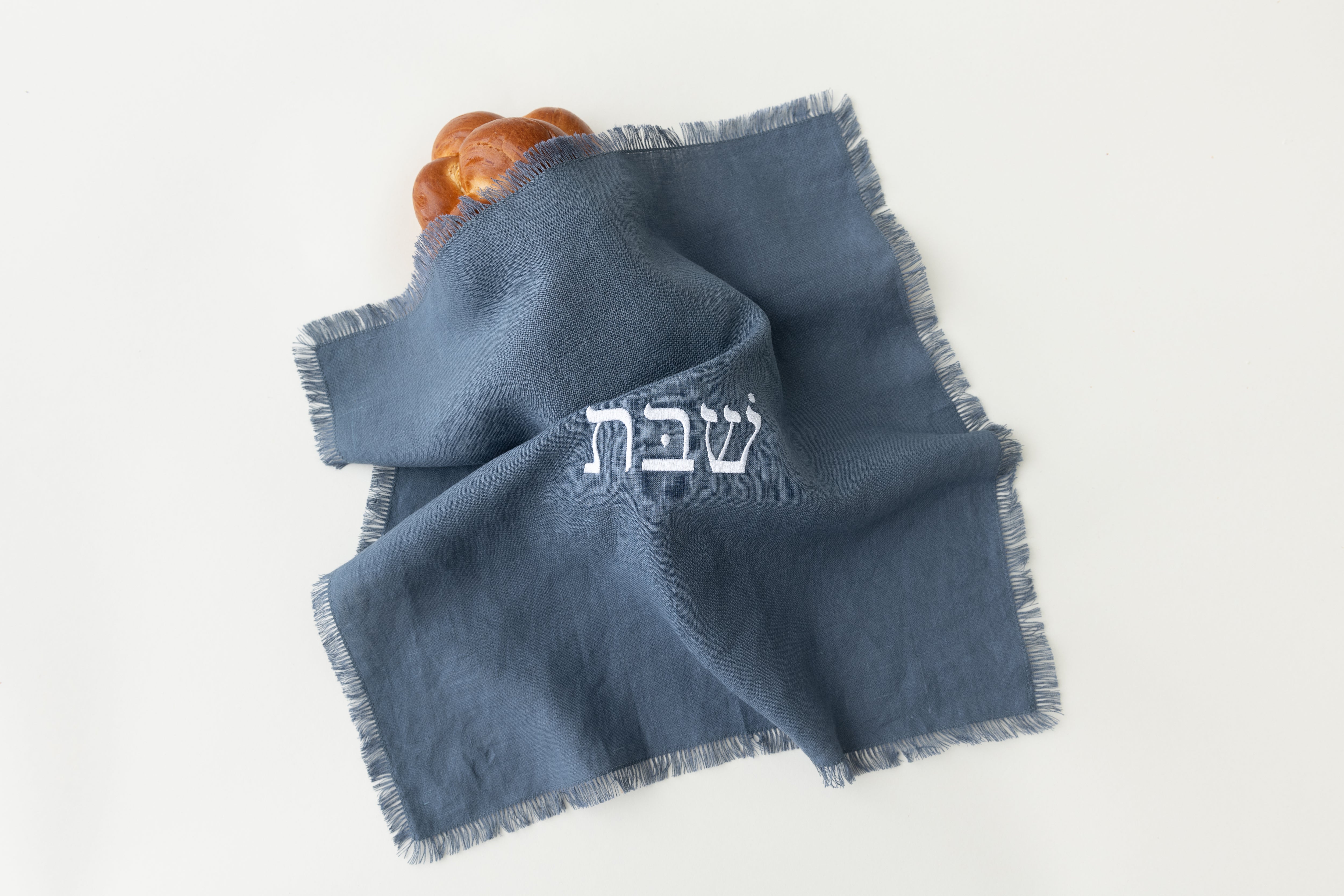
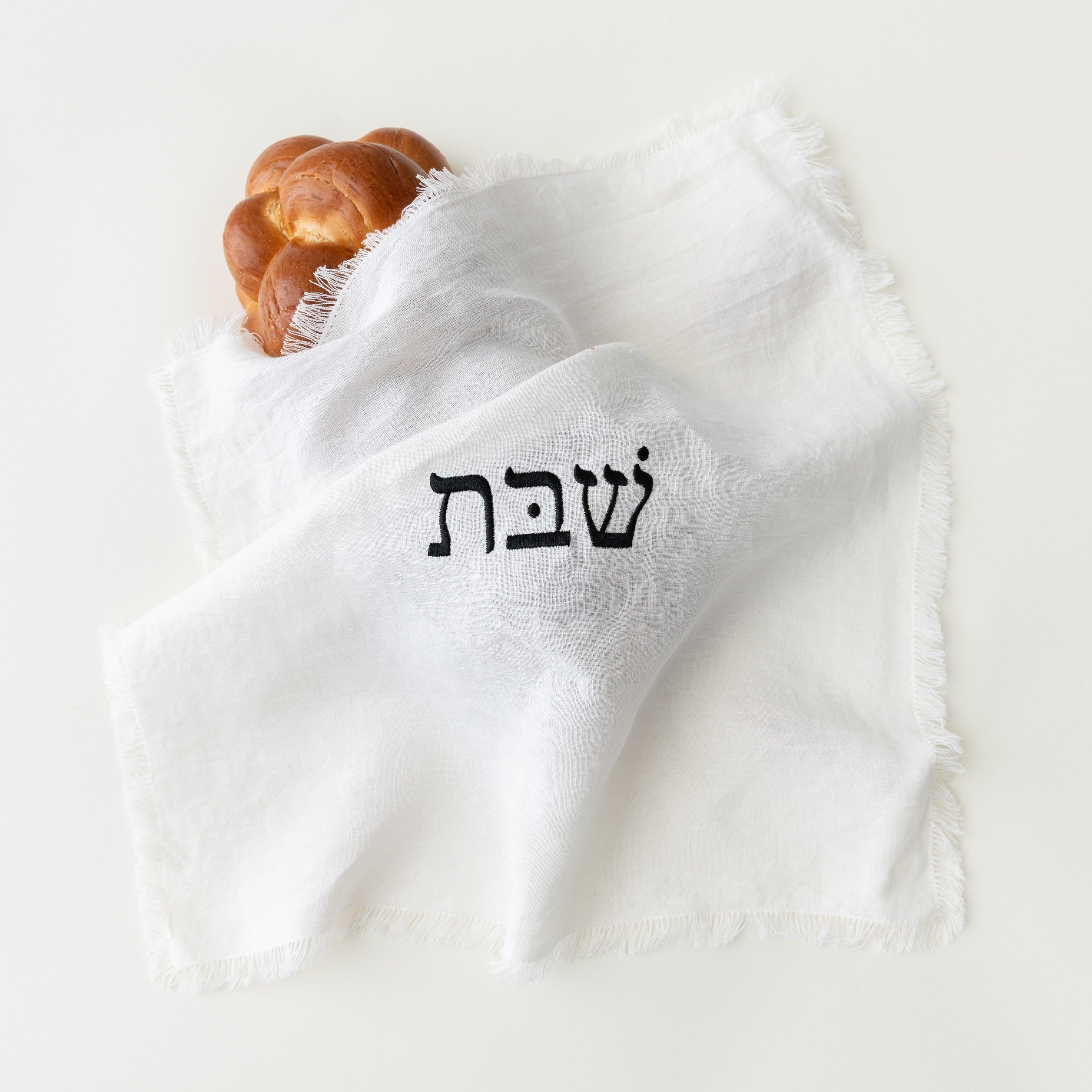
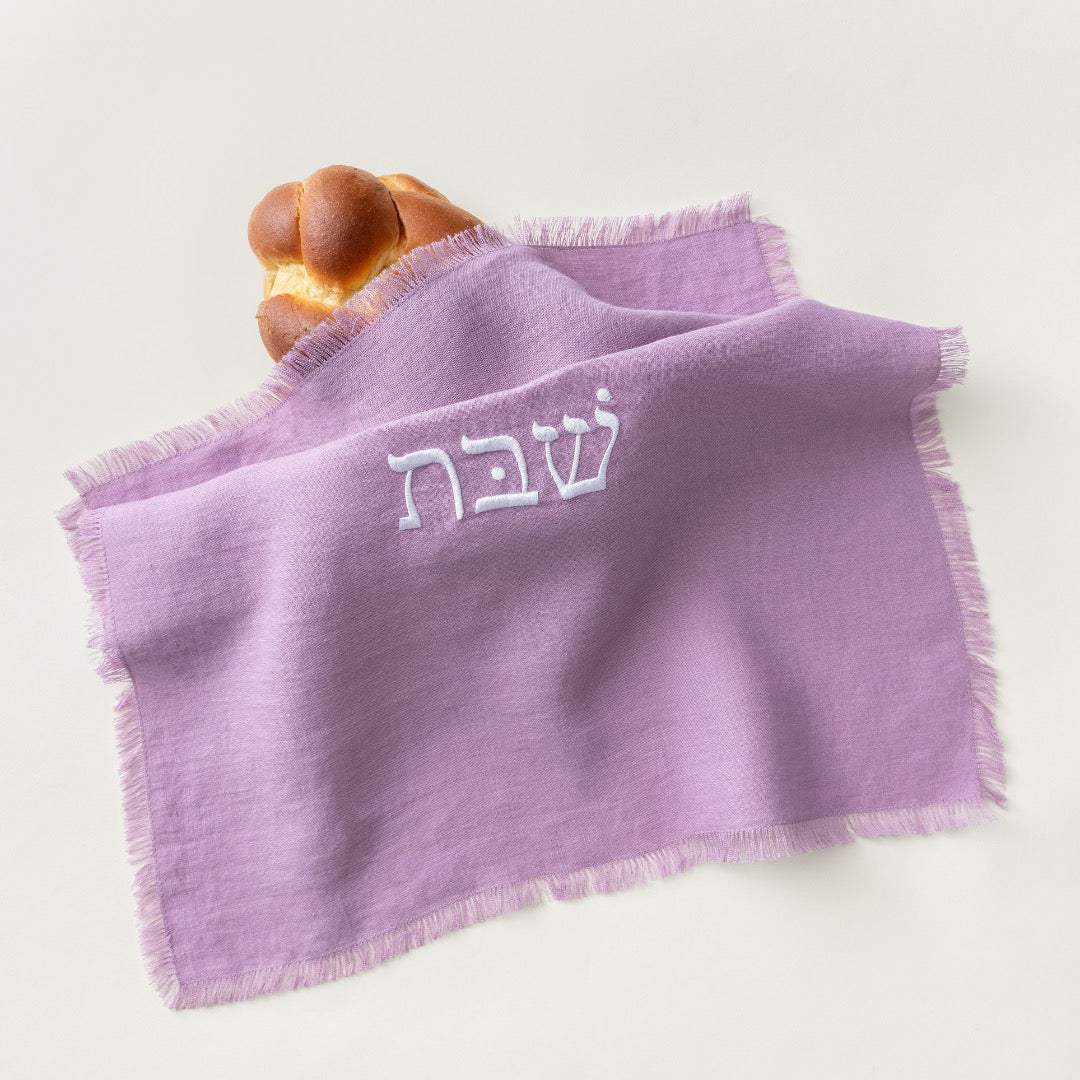
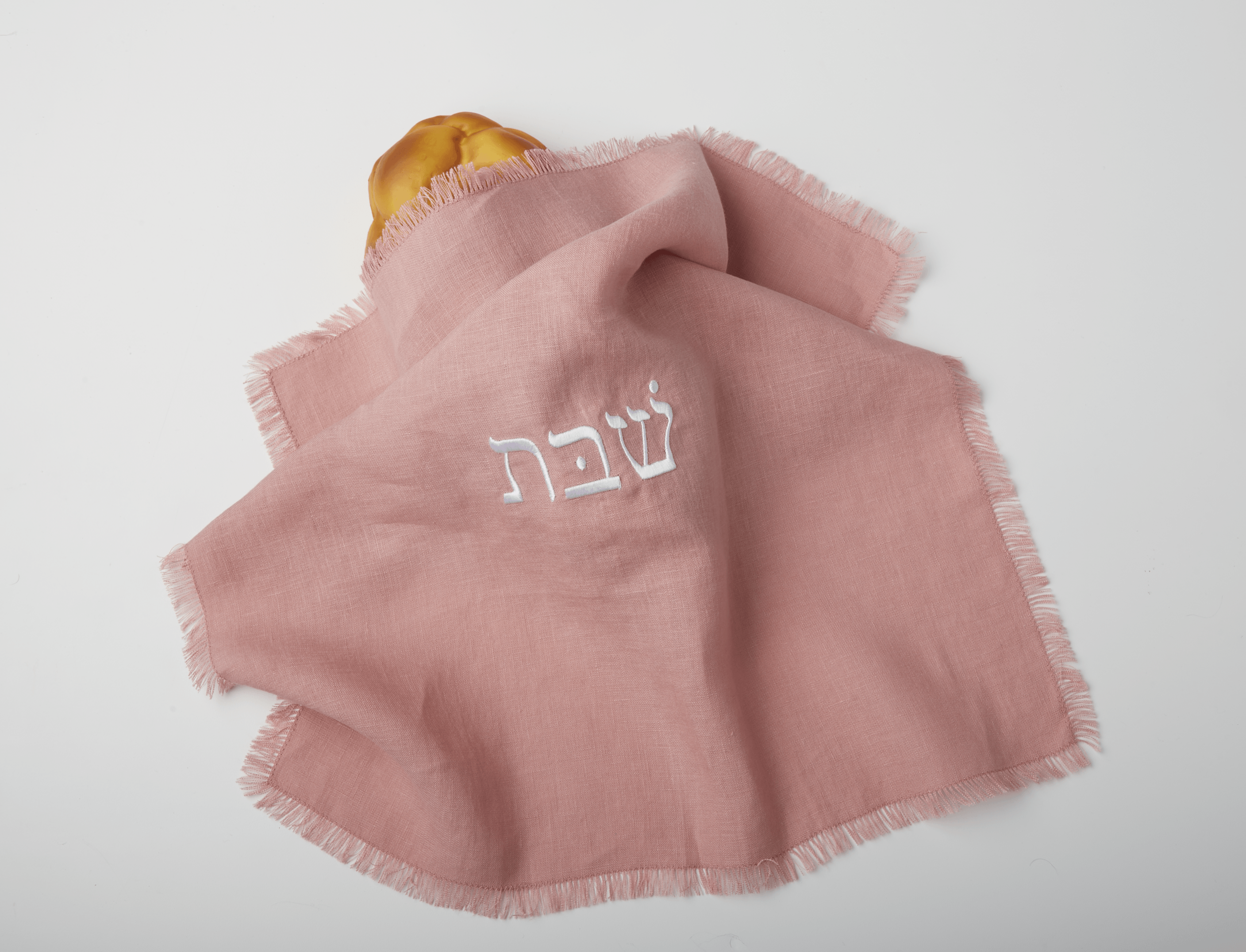
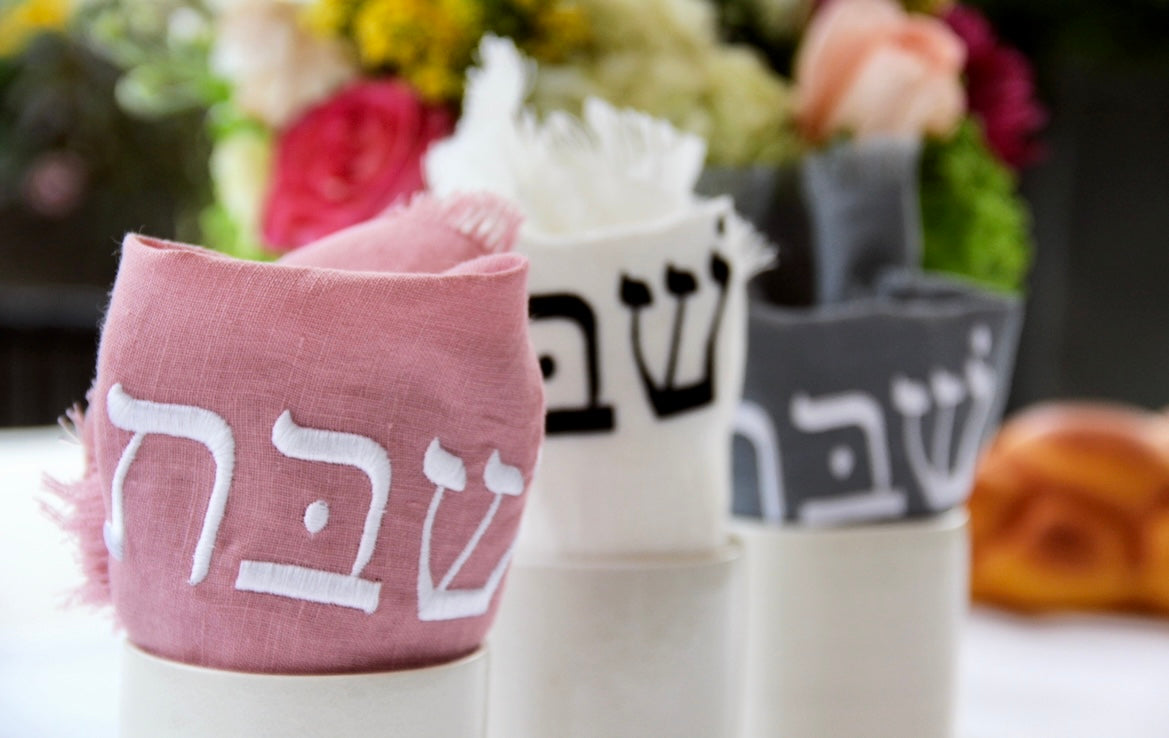
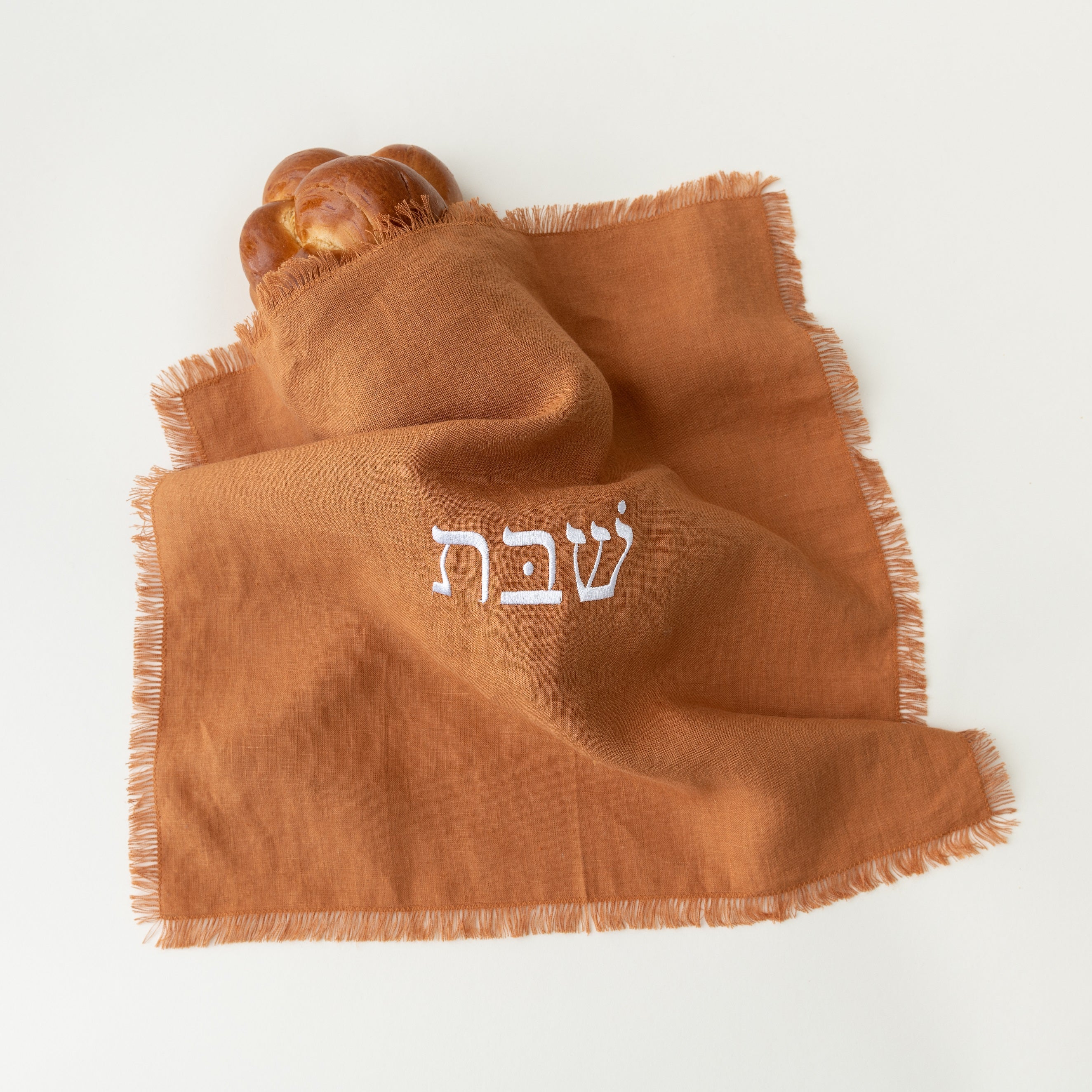
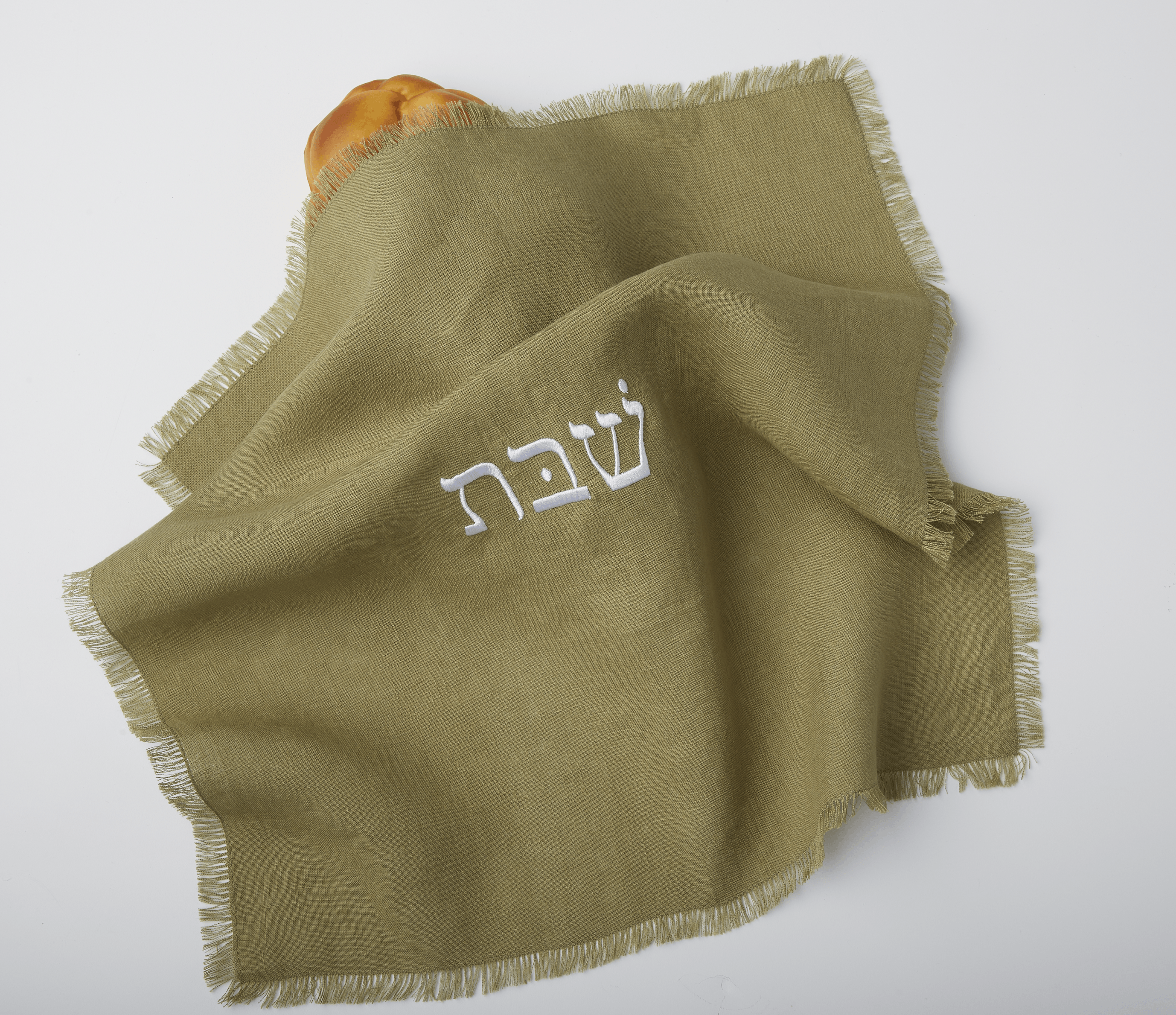
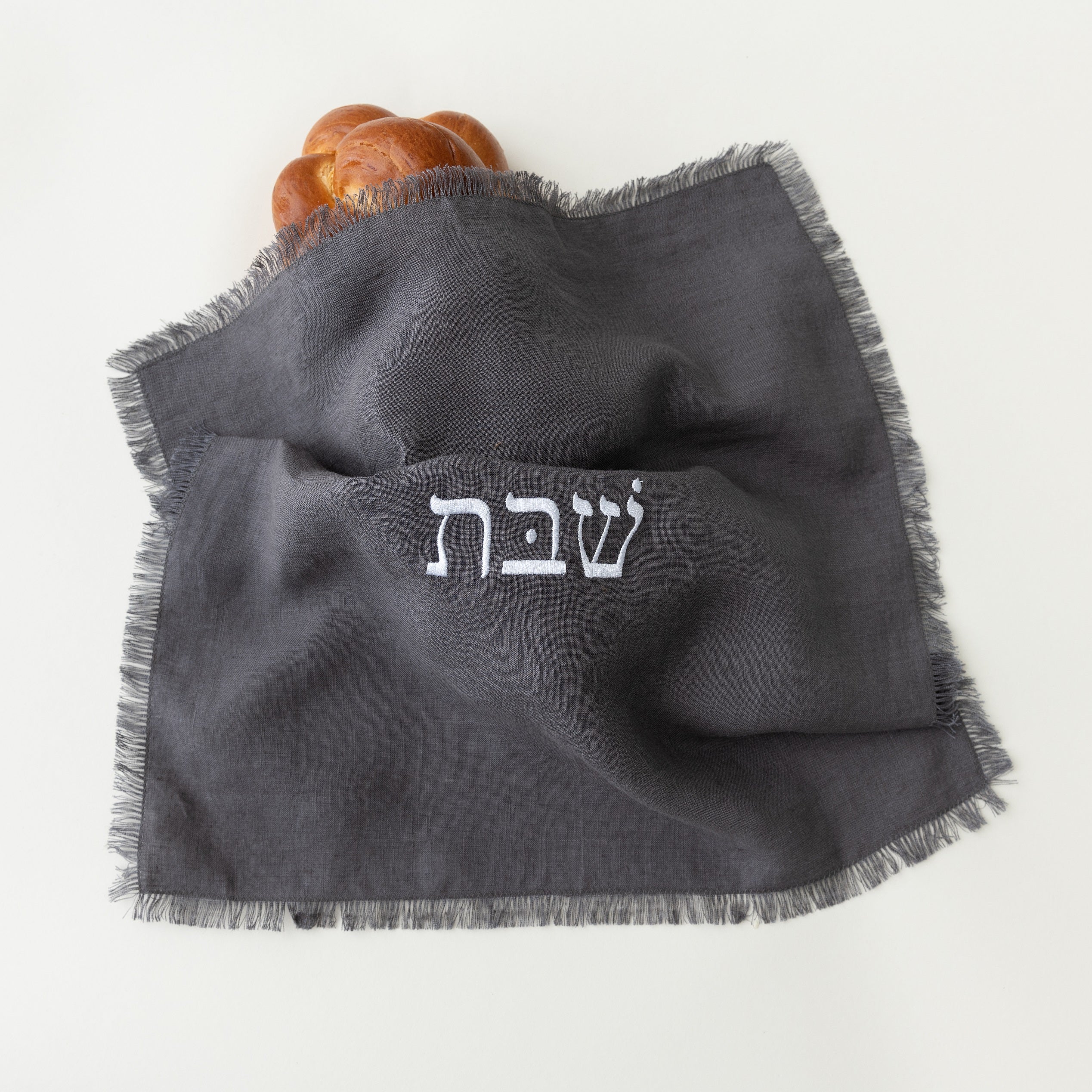
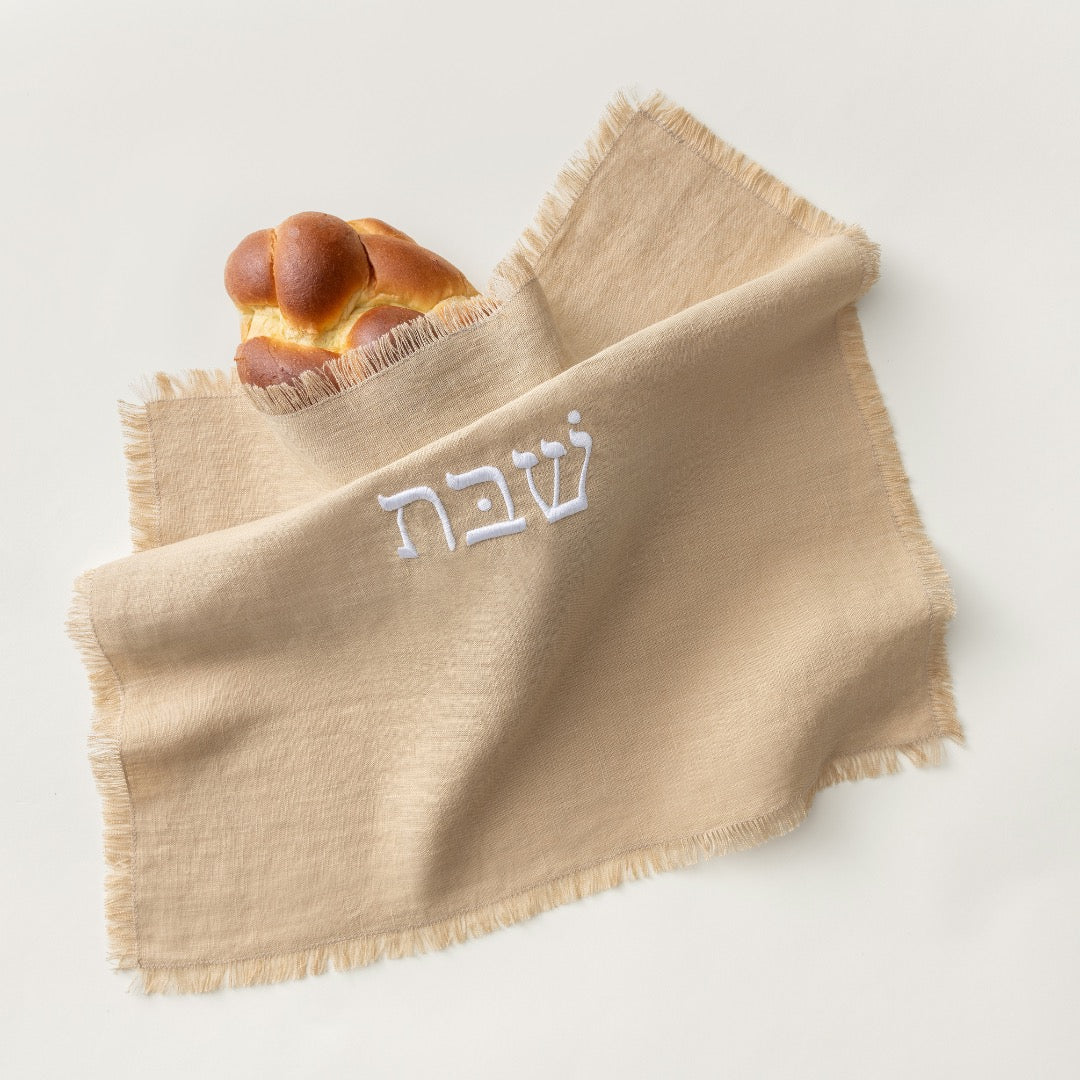
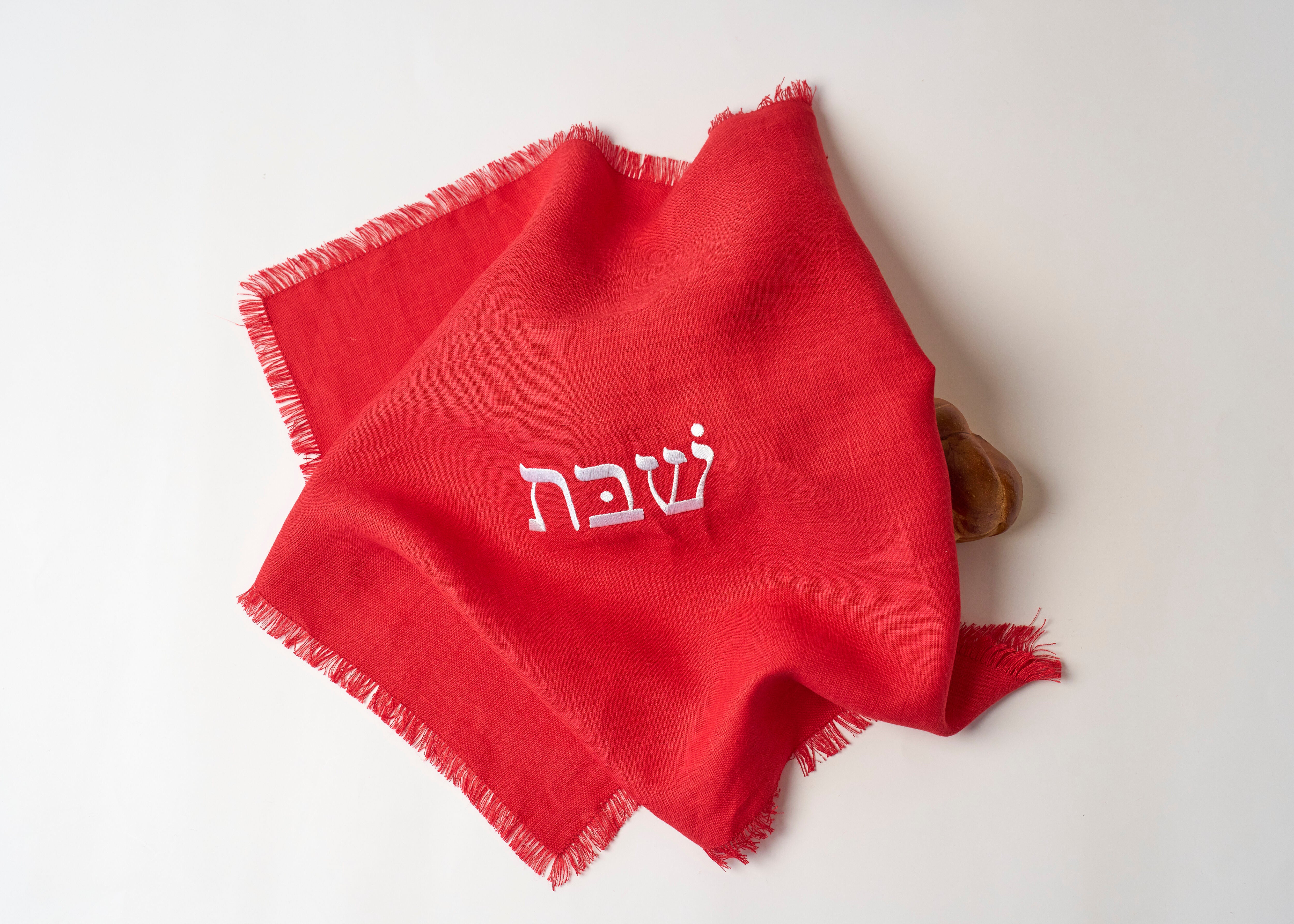
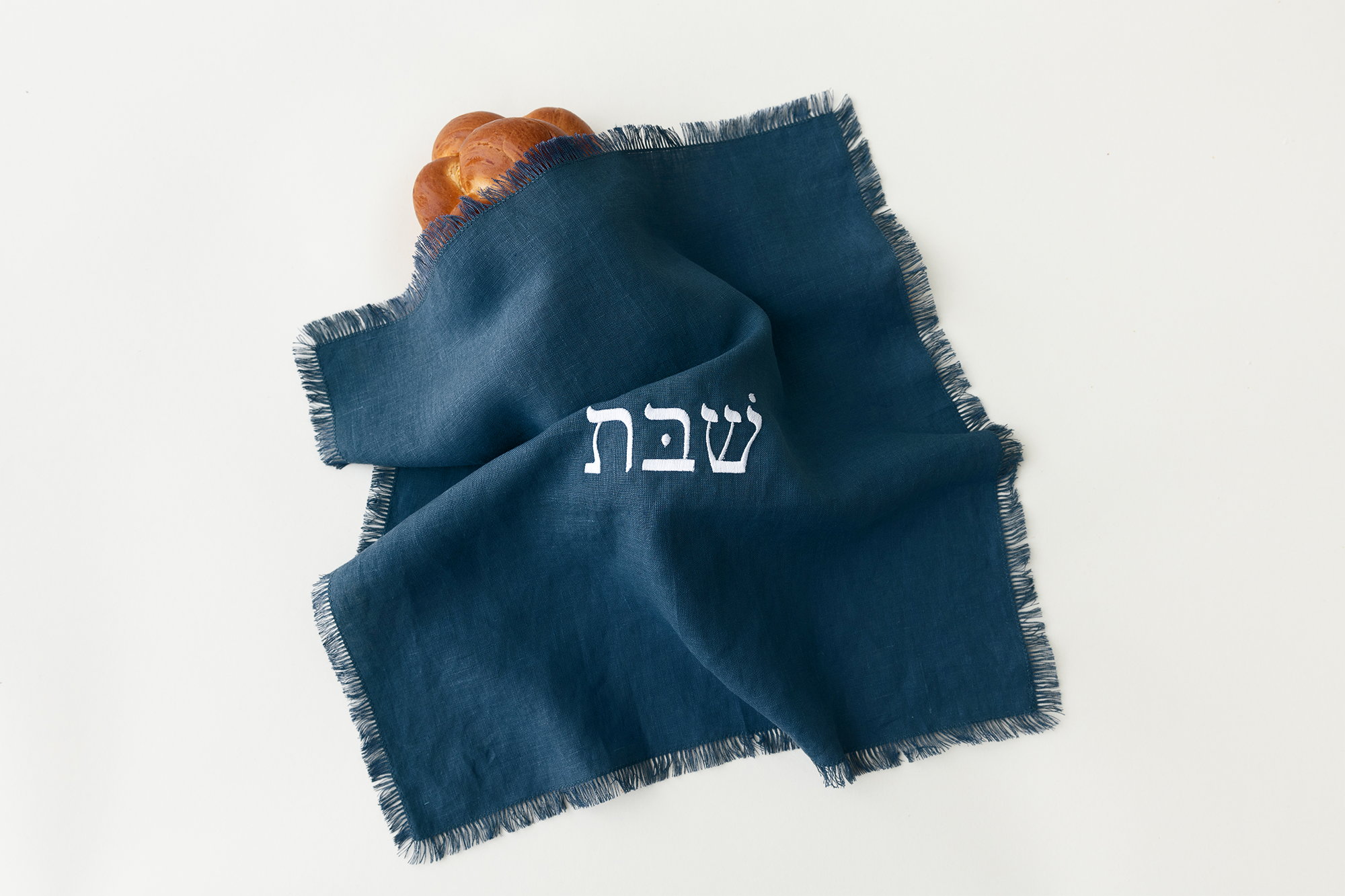
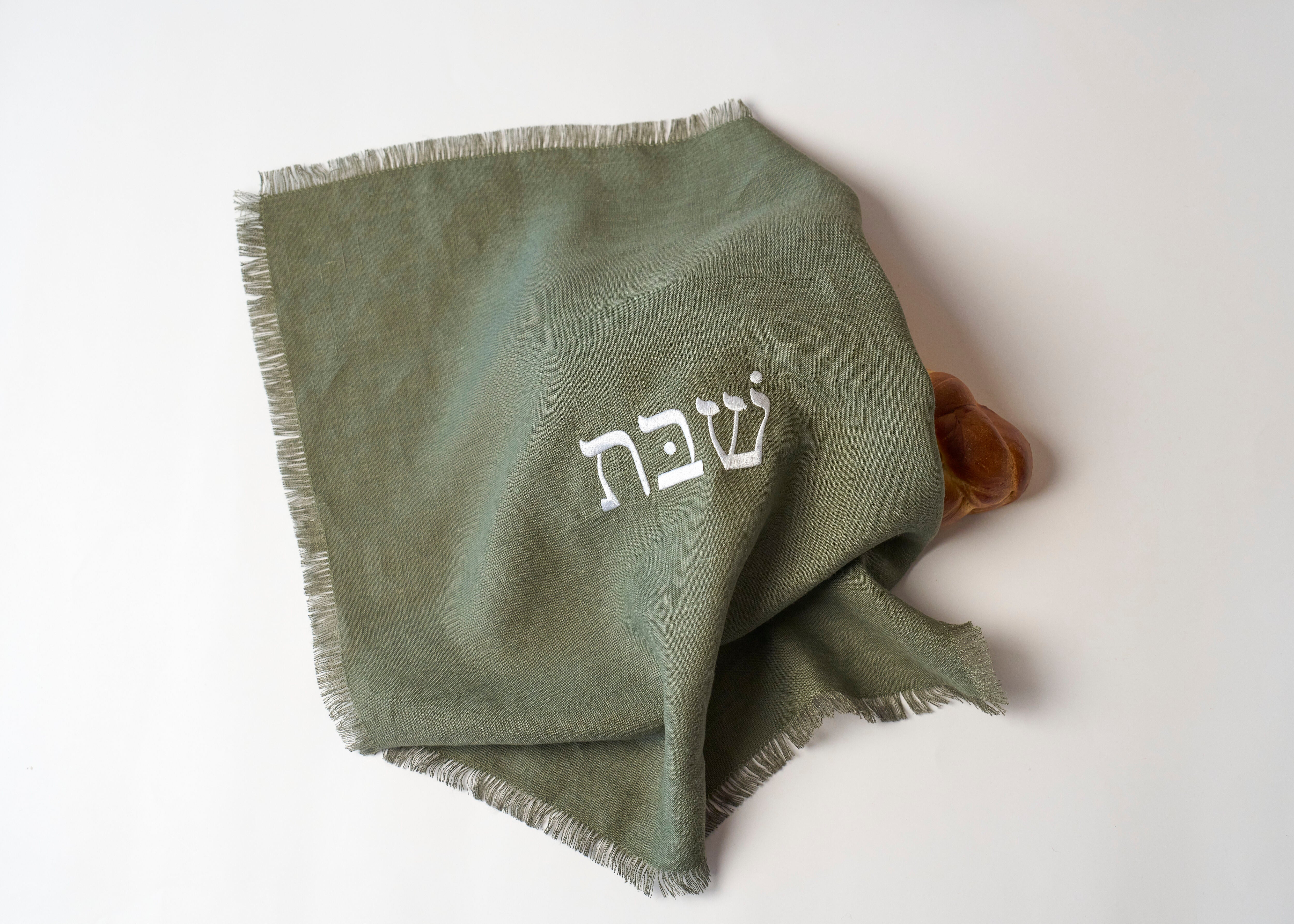
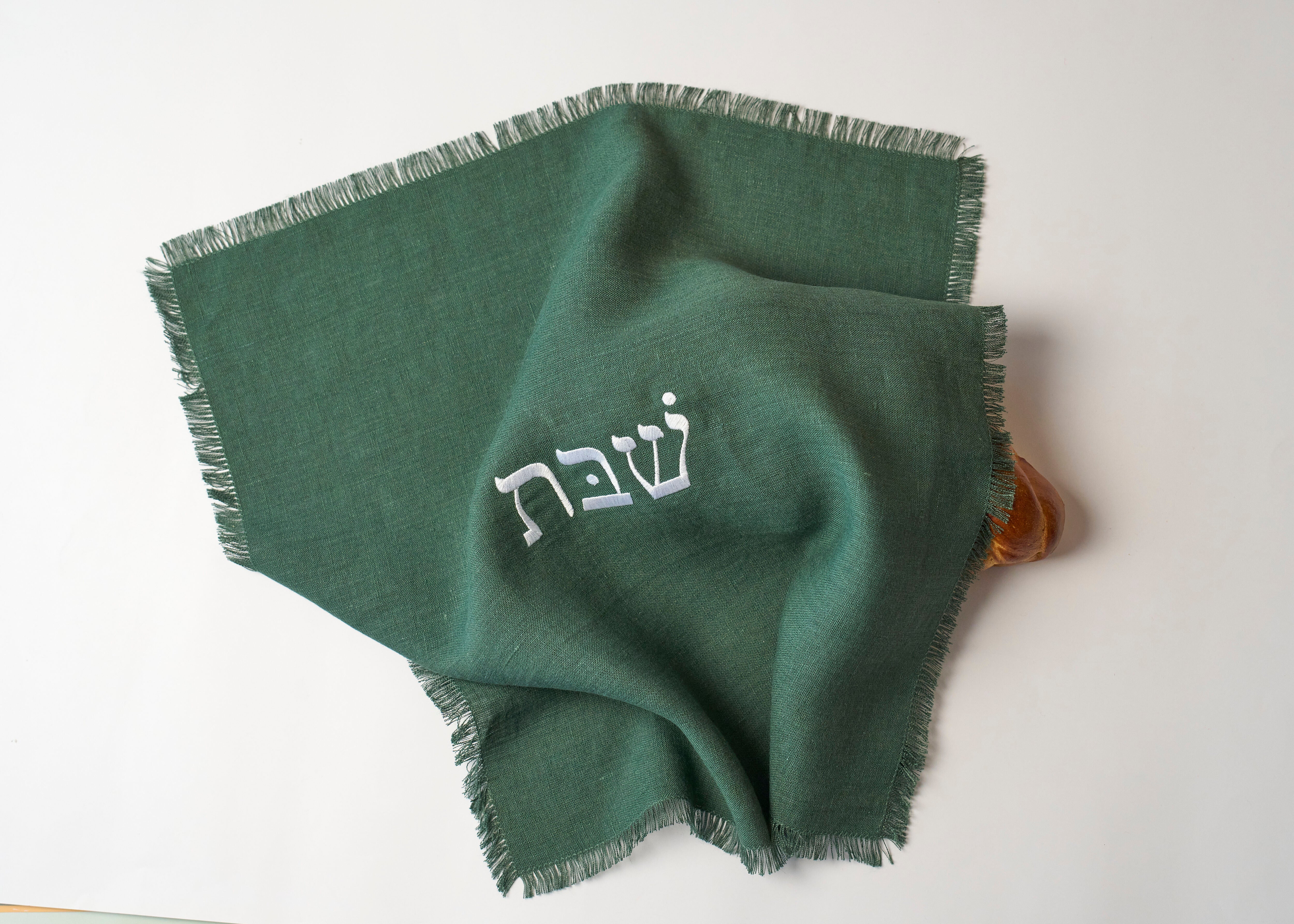
Ready to bring your Rosh Hashanah celebration to life? Begin by building your collection of Judaica to celebrate the holiday from Oneg Home. We carry holiday essentials with a contemporary touch, like honey jars, candleholders, challah covers, and more. Begin your own Rosh Hashanah traditions with the help of Oneg Home.
Ready to begin your Challah Cover?