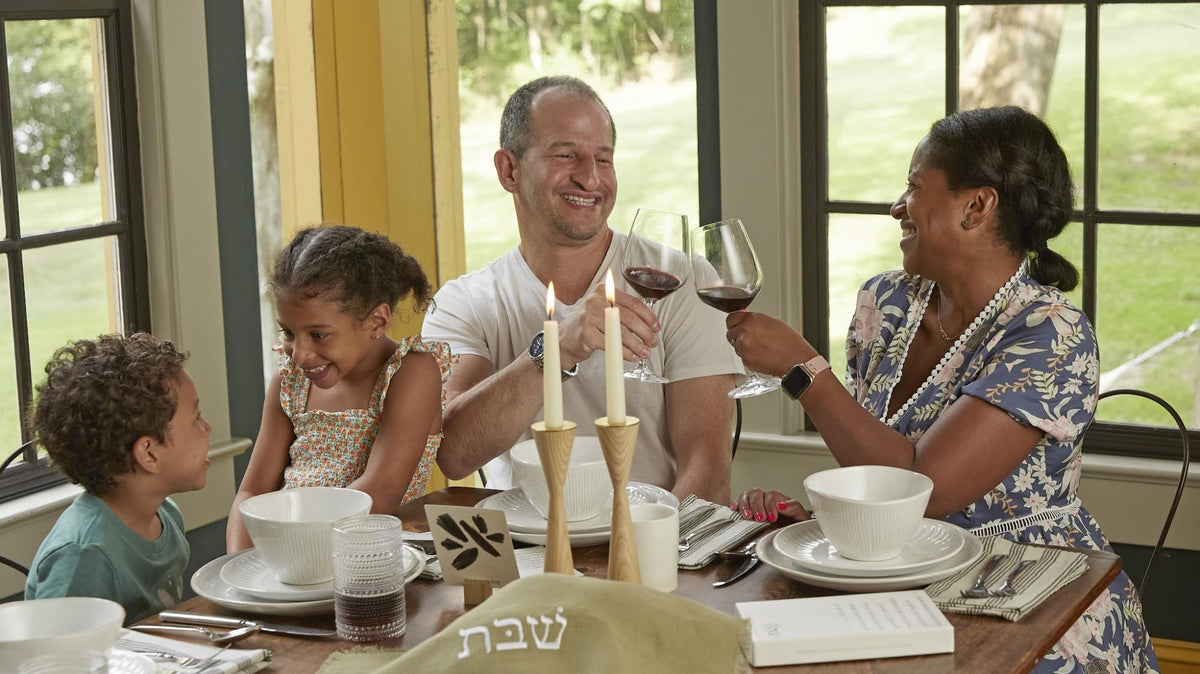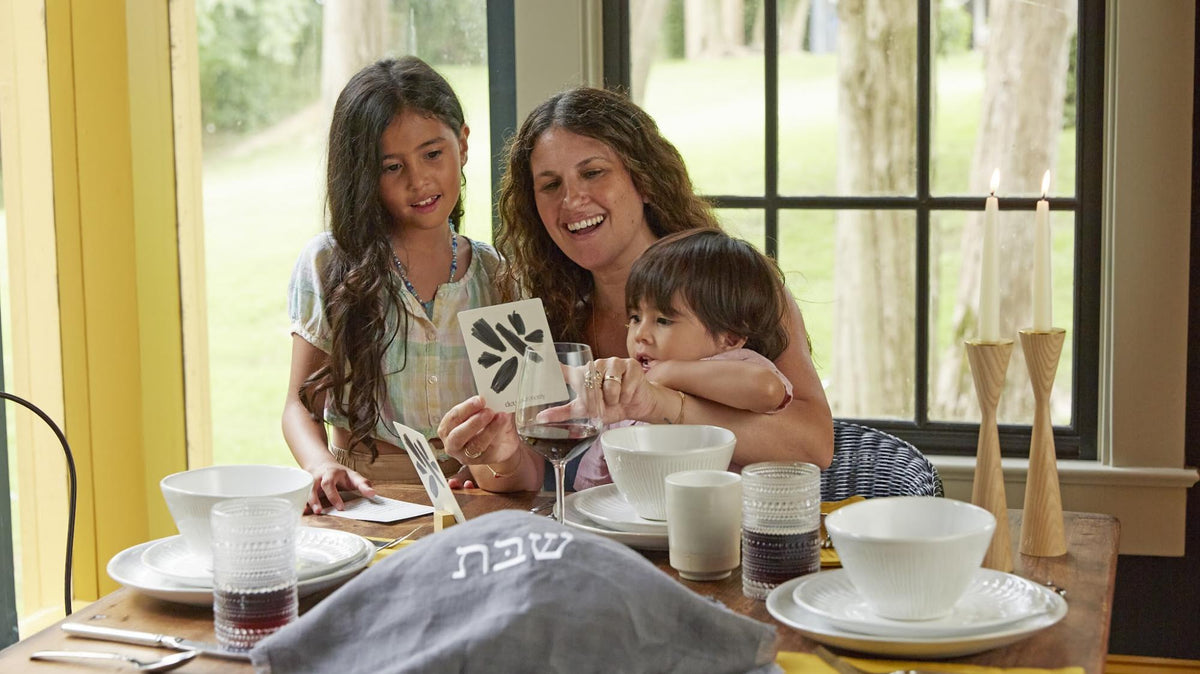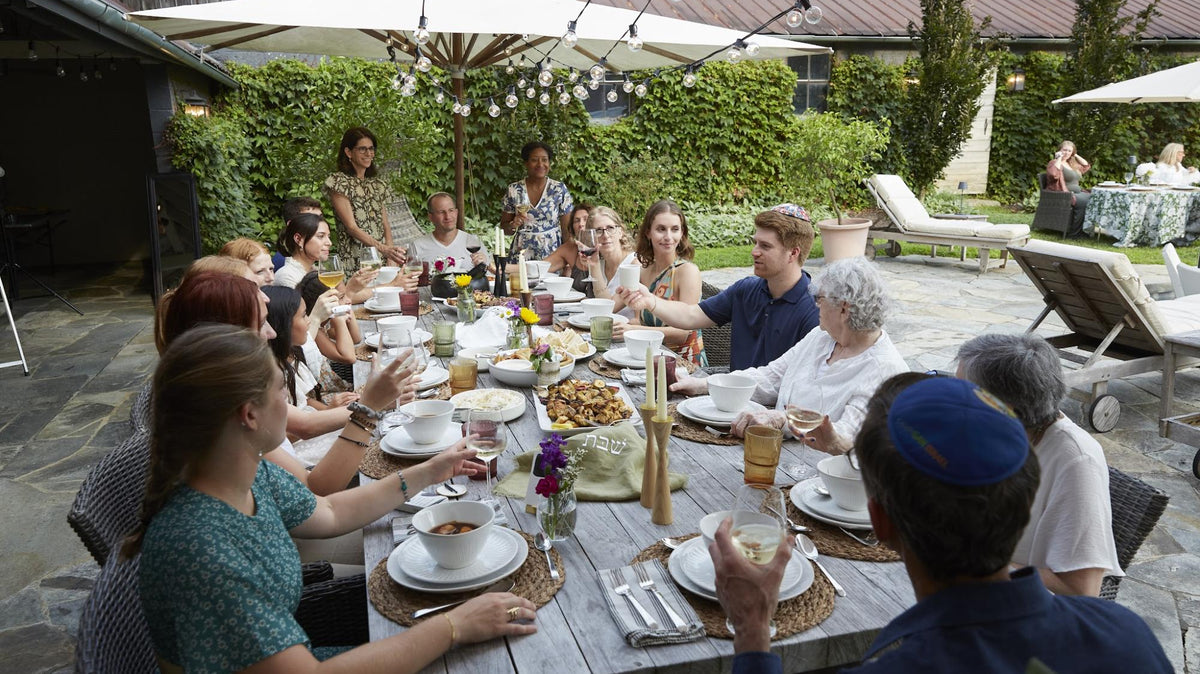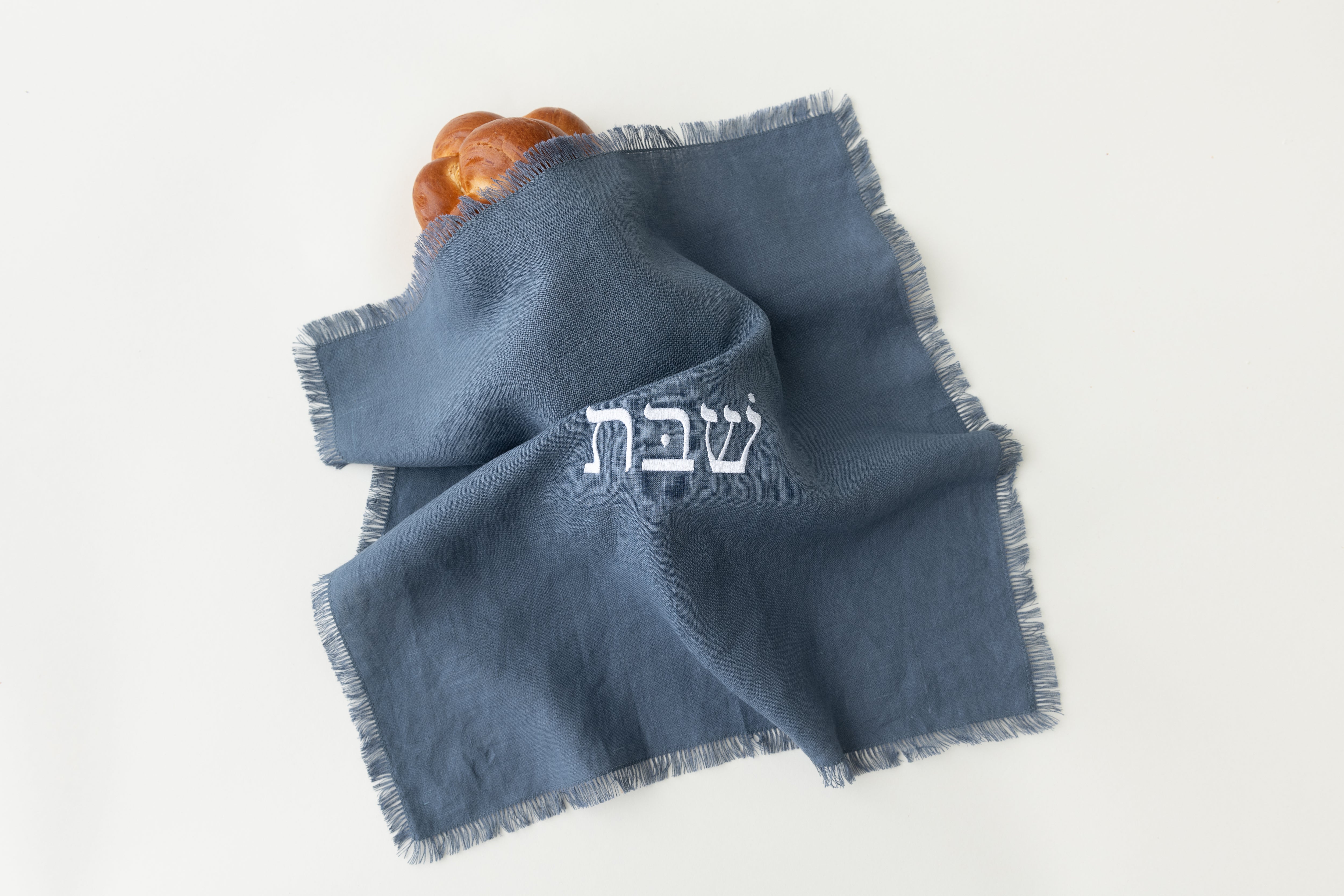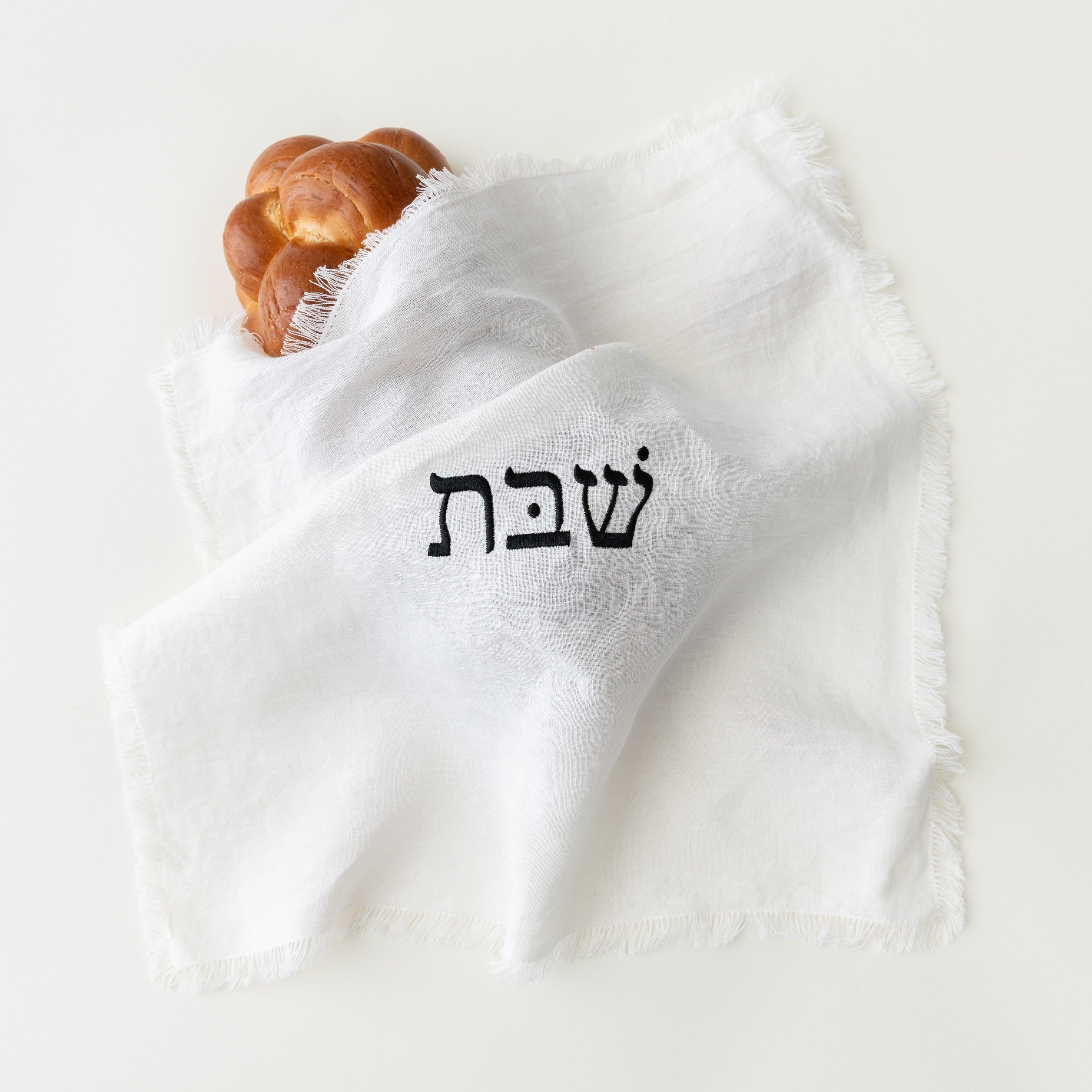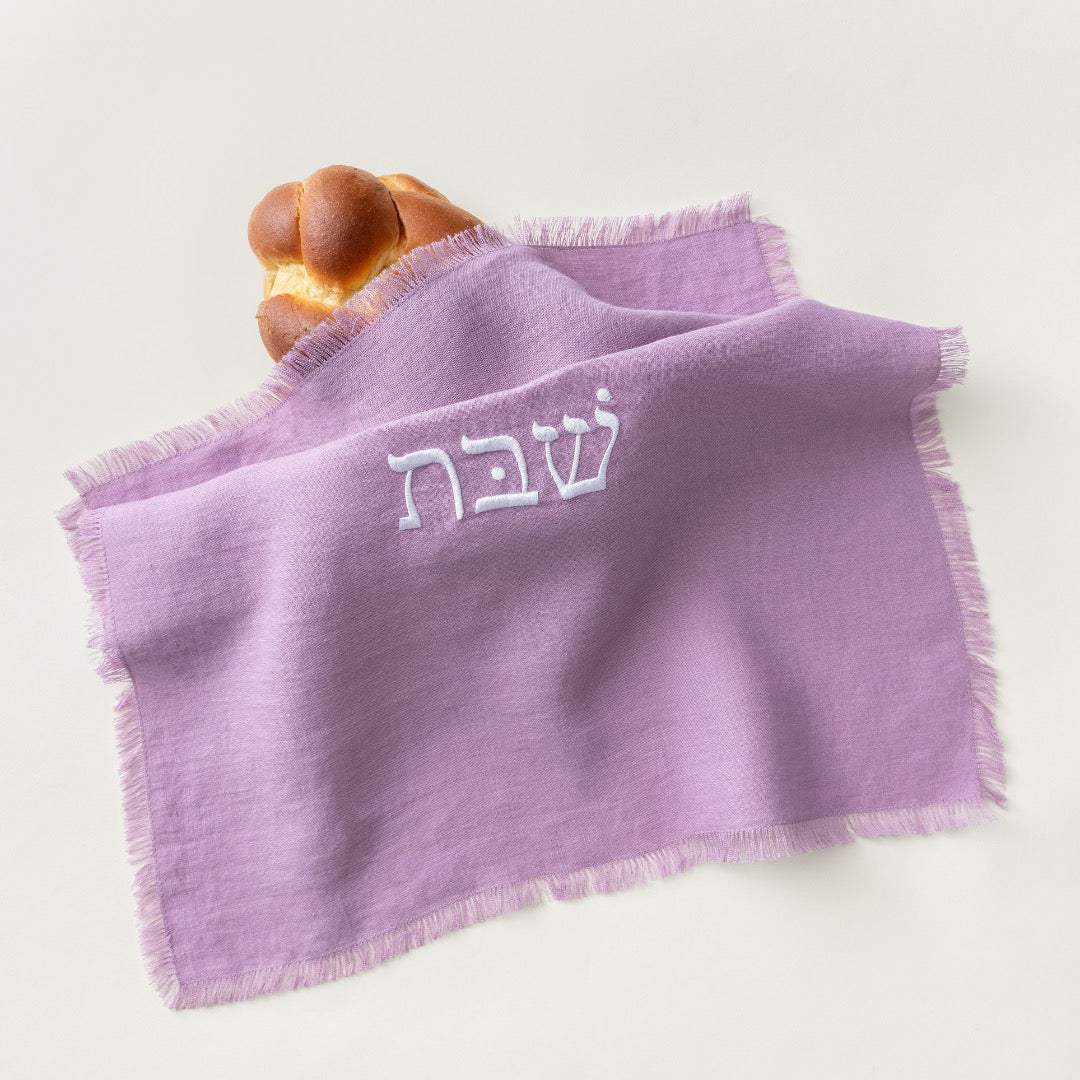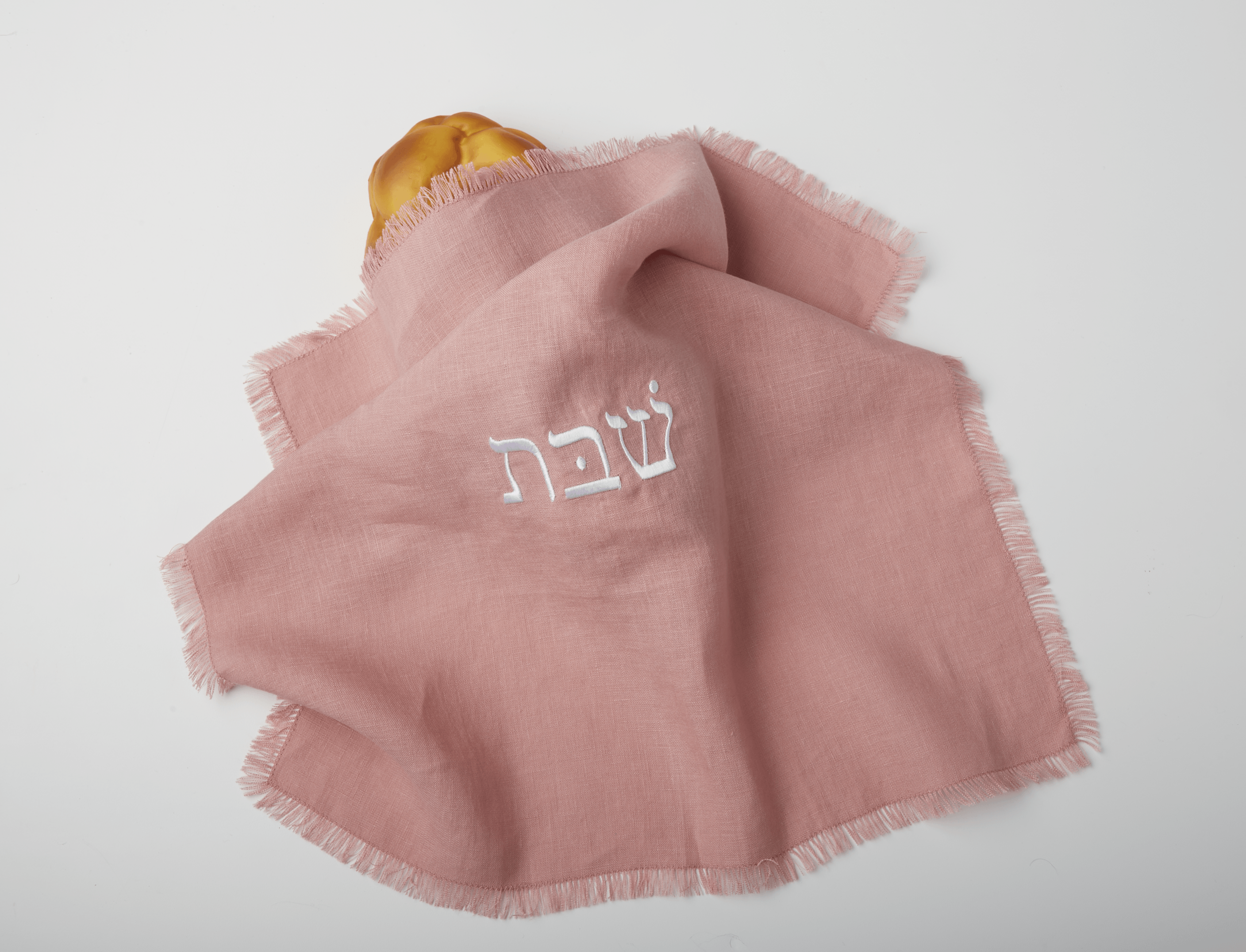

It’s sundown on one of the most important evenings of the year for most Jewish families. Among the beautiful spread of mouthwatering, festive dishes on the Rosh Hashanah table, you’ll often find a bowl of honey and apples sitting beside another iconic Rosh Hashanah dish: the round challah bread.
This dinner marks the beginning of a two-day long holiday that celebrates more than the start of a new year; it’s personal, it’s transformative, and deeply spiritual. What is Rosh Hashanah, and why do so many around the world observe this holiday?
In this guide, we explore the deeper meaning behind the spirit of the season and go over some of the most important foods and traditions of the Rosh Hashanah holiday.
What is Rosh Hashanah?
Rosh Hashanah, which translates to “head of the year” in Hebrew, marks the beginning of the Jewish New Year. Unlike most non-religious or secular New Year’s, which are often accompanied by loud and joyous celebrations, Rosh Hashanah carries a more reflective and contemplative spirit to the new year.
During Rosh Hashanah, it is believed that the Book of Life, one of God’s three heavenly books that contain the names of God’s most righteous followers, opens. Each year, Jewish people hope and pray to be written in the Book of Life for another year, which requires sincere repentance and spiritual salvation.
During this pivotal time of the year, we are asked to reflect on the past year and think about how we have lived, what did I do this year that made me most proud? Where did I fall short this year? Have I been a good friend, partner, parent, or child? Was I honest with others and myself?
These questions, and many more, help guide us in how we want to show up in the coming year; we set the intention to clarify our life’s priorities to become the best versions of ourselves.
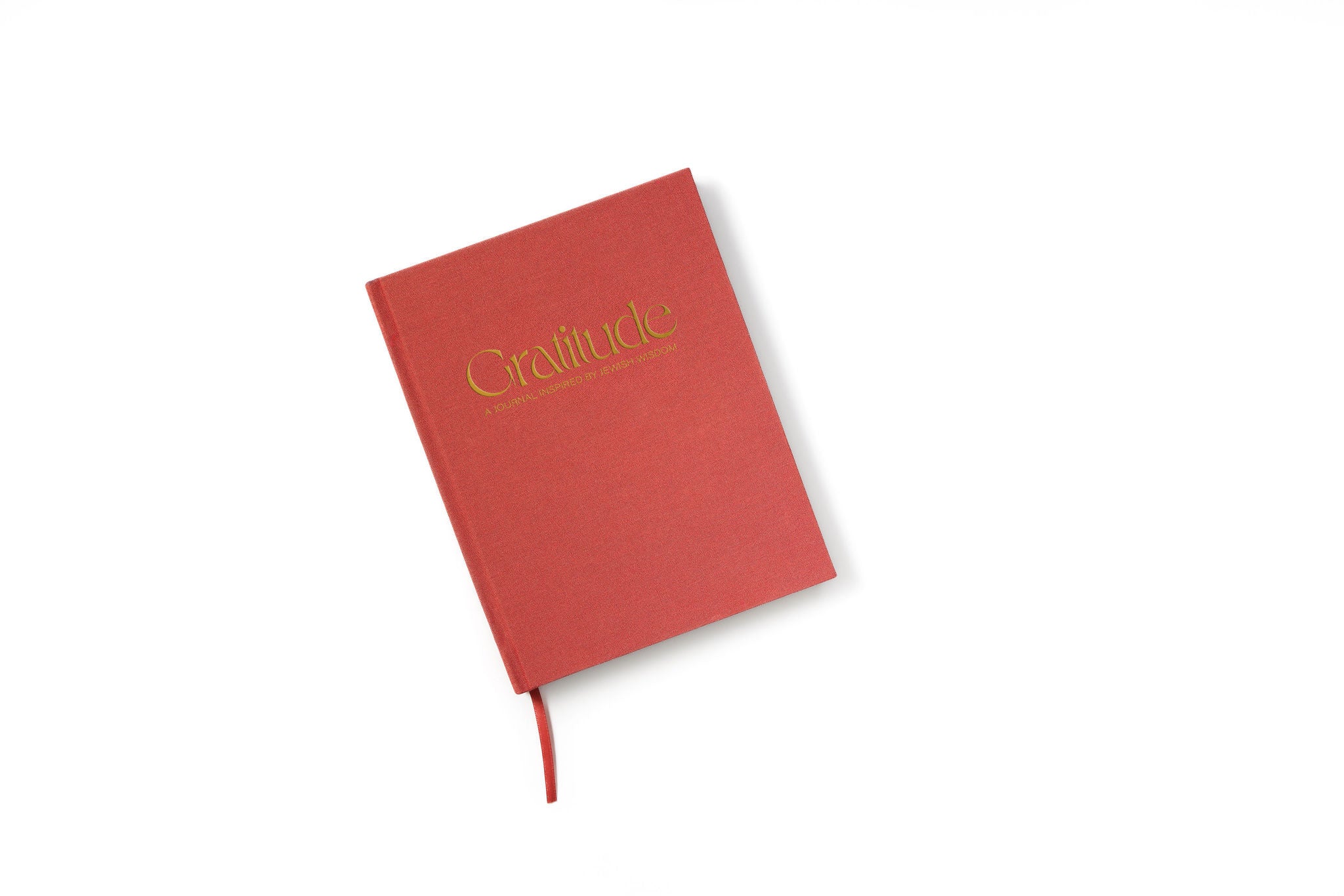
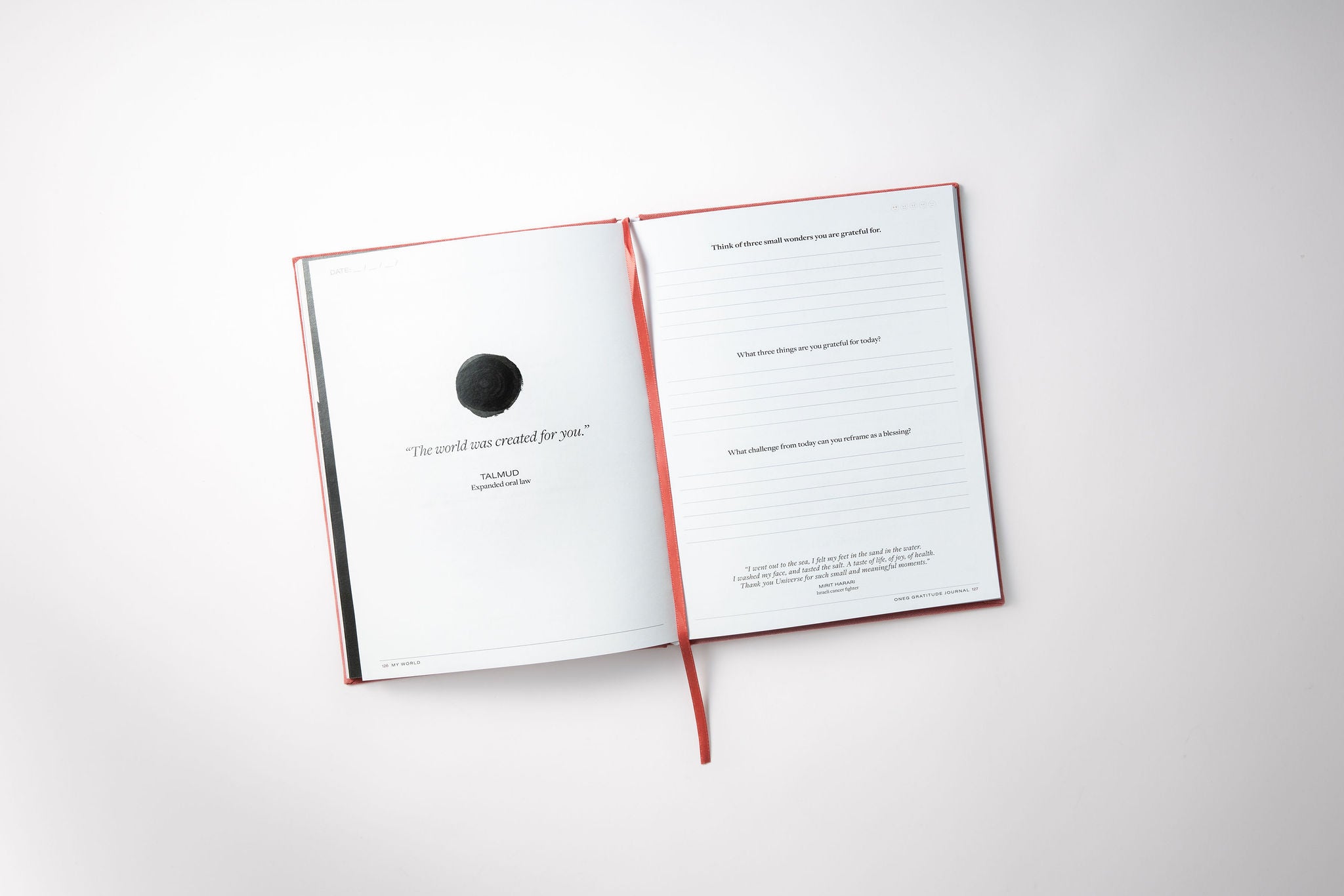
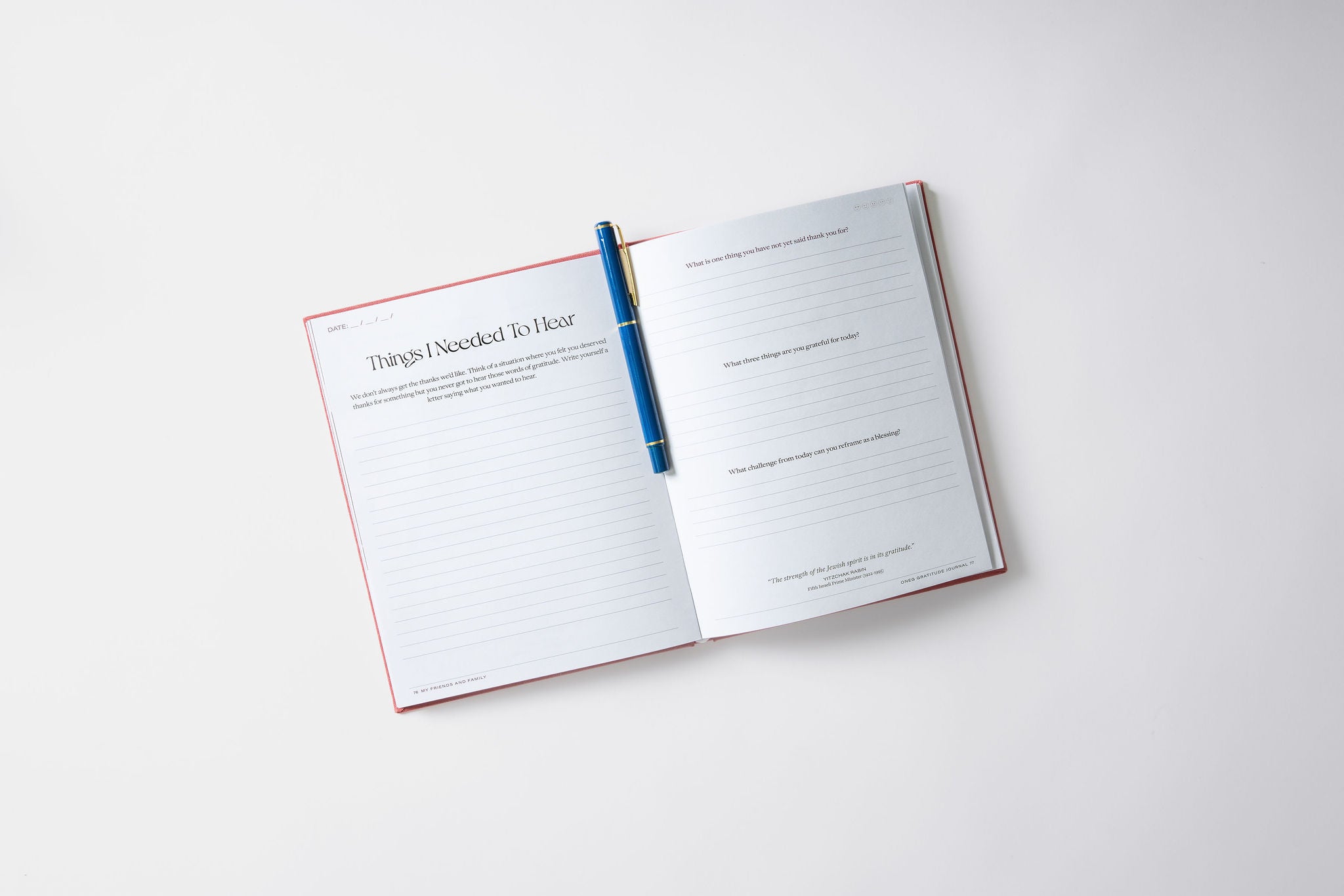
Our Gratitude Journal is designed for exactly this moment, a place to capture your reflections, set your intentions, and step into the new year with clarity and purpose.

When is Rosh Hashanah 2026?

Rosh Hashanah, the Jewish New Year, falls in September or October each year, as the ancient Hebrew calendar follows a lunisolar calendar, which is based on the positions of the sun and the moon, rather than the Gregorian calendar. The holiday occurs on the first and second days of Tishrei, the first month of the civil year, which occurs in the fall due to ancient agricultural connections.
In 2026, Rosh Hashanah begins on the evening of Friday, September 11, 2026, and ends at sundown on Sunday, September 13, 2026.
Rosh Hashanah kicks off a ten-day period of self-reflection, repentance, and spiritual and self-development, known as the High Holidays, or the High Holy Days, which ends with the closing of the Book of Life on Yom Kippur, the second major observance of the High Holidays. In 2026, Yom Kippur begins on the evening of Sunday, September 20, 2026, and ends at nightfall on September 21, 2026.
Key Rosh Hashanah Foods and Traditions
To welcome the new year, many Jewish families will pray at the synagogue and at home, wishing for a good, sweet, and prosperous year ahead. These manifestations are grounded in small, intentional, and meaningful traditions, like eating apples with honey or listening to the blowing of the Shofar.
Here are a few Rosh Hashanah foods and traditions we consume and follow:
Apples and Honey
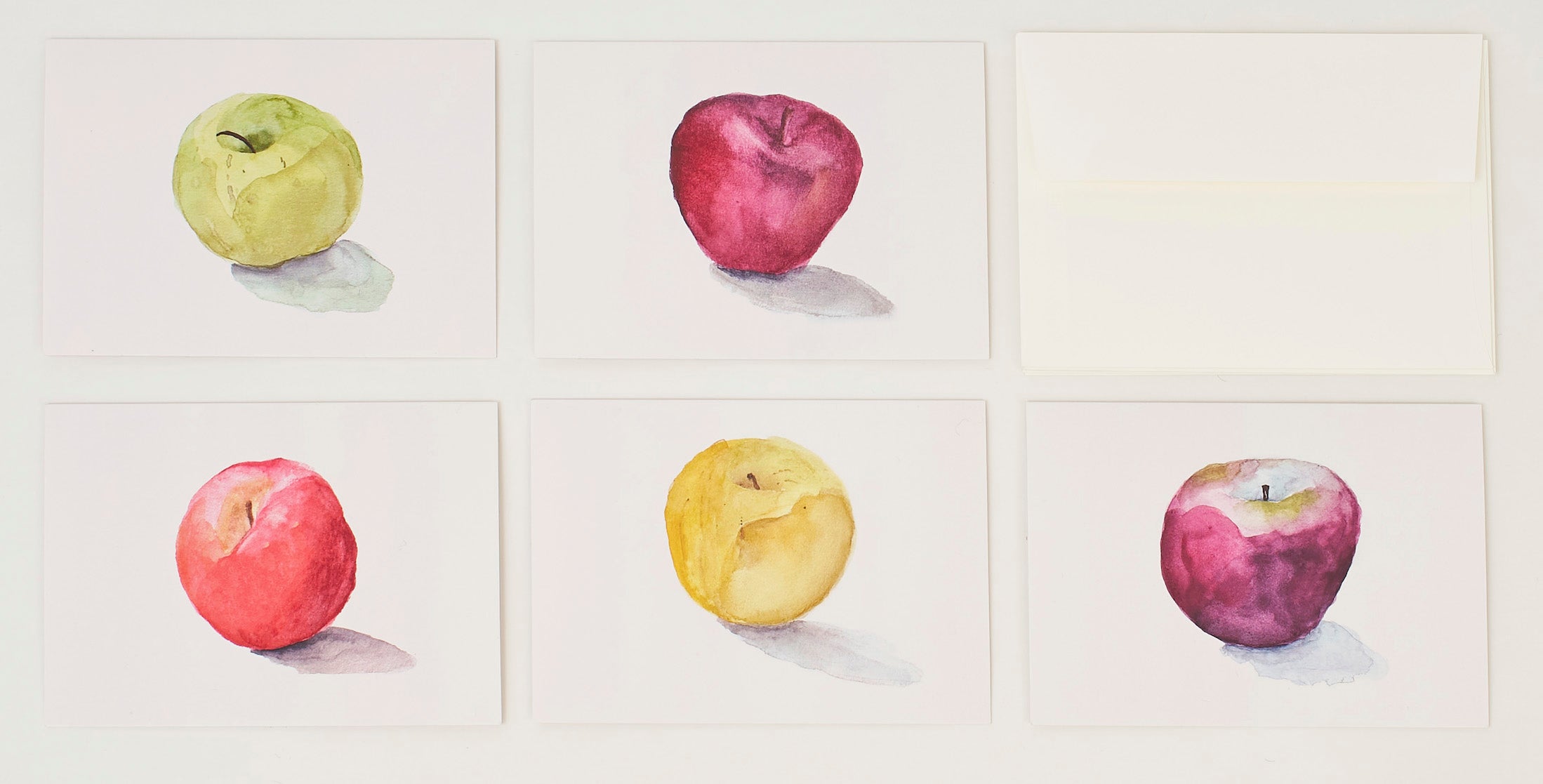
 Apples and honey are a staple pair found among a Rosh Hashanah spread. We pray for a good new year by dipping apples in honey and reciting a blessing over the food before eating it.
The honey represents abundance and sweetness; the apple represents a widely accessible, seasonal sweet fruit that naturally pairs well with honey. By praying over the sweet pair and eating it, you’re manifesting a year of abundance and fruitfulness ahead.
Some Jewish communities substitute apples for other sweet fruits, including pomegranates, figs, pears, dates, etc.
Round Challah
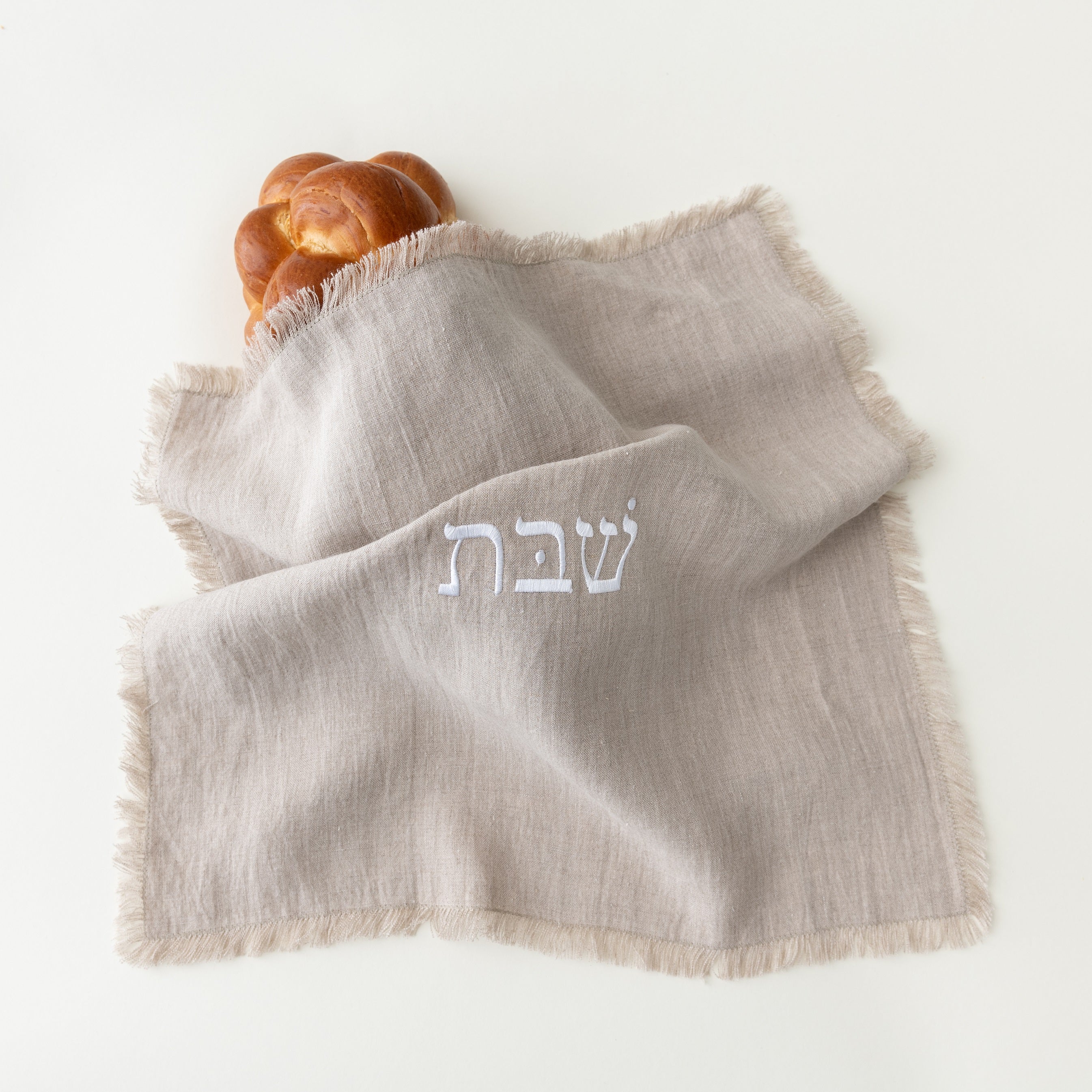
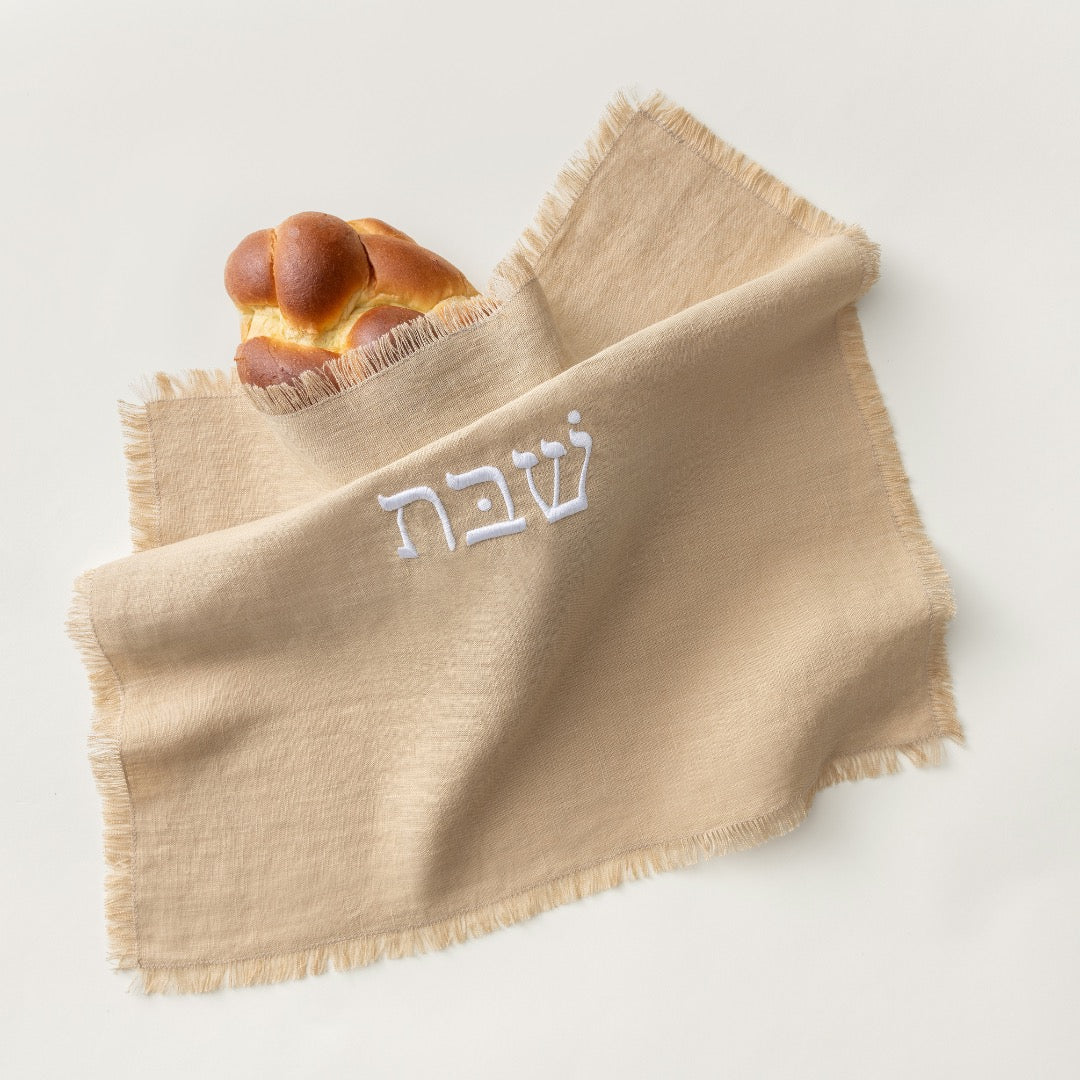
Challah (pronounced: “khah-luh”) is a special type of bread in Jewish cuisine, commonly eaten on special occasions, such as during Shabbat or the High Holidays. You will typically find the bread braided or twisted to represent the unity and intertwining of Jewish core values, including truth, peace, love, and justice.
On Shabbat, challah is dipped into salt as a symbolic action of turning the home dining table into a place of worship, similar to an altar. However, for Rosh Hashanah, the challah isn’t only dipped into honey, to represent a sweet prayer for the new year, the bread is also shaped into a round loaf, as opposed to a long loaf, to symbolize the cycle of life.
Shofar
Another key Rosh Hashanah tradition is the blowing of the shofar (pronounced: “shoh-far”), a long musical instrument traditionally made from a ram’s horn. The shofar produces deep reverberations meant to awaken one’s spirit to the deeply reflective and spiritual nature of the holiday.
During Rosh Hashanah, the shofar is blown during morning services after the Torah reading. Jewish practice requires the horn to be blown at a minimum of 30 times per day, and only during the daytime, during Rosh Hashanah, however, some synagogues will blow the shofar 100 or 101 times per day.
Synagogue Services
The High Holidays are one of the most attended services of the year, but even more so at the start, for Rosh Hashanah.
Many families attend services at their local synagogues to pray together and usher in the new year as a community, or as a minyan. Rosh Hashanah communal services include prayers and liturgy unique to the season that highlight themes of the ten-day High Holidays period, including judgment, repentance, and God’s Kingship.
Aside from the communal experience, showing up at the synagogue for service represents an intention to repent and return to God.
Tashlich
Tashlich (pronounced: “tahsh-likh”), which translates to “cast” or “casting off” in Hebrew, is the Rosh Hashanah tradition of casting away one’s sins into a natural body of flowing water.
Typically, on the first afternoon of Rosh Hashanah, communities will gather at a river, lake, stream, or ocean to perform this water ceremony. Rabbis or cantors recite prayers and verses, the community throws little breadcrumbs into the water, symbolic of purging one’s sins, and many will shake the corners of their clothes as a final shedding of sin.
Embrace the Spirit of Rosh Hashanah with Essentials from Oneg Home
Intention matters, as seen in every aspect of Rosh Hashanah’s custom foods and traditions. From wishing for a sweet and abundant new year through symbolic foods, to casting away one’s sins into a flowing body of water, each act is intention made visible. This is a reminder that how we show up in these moments shapes how we show up in the year ahead.
Celebrate Rosh Hashanah with Oneg’s curated collection of simple, contemporary ritual items that bring intention and beauty to every tradition.
Rosh Hashanah Frequently Asked Questions
Do you have to be Jewish to celebrate Rosh Hashanah?
While many of the Rosh Hashanah foods and customs are rooted in Jewish faith and religious teachings, you don’t necessarily have to be Jewish to celebrate or participate in the holiday.
Rosh Hashanah encourages people to self-reflect and make plans to improve themselves and their lives , these are universal practices, not exclusive to any one group. The Rosh Hashanah holiday merely offers a meaningful occasion to do so.
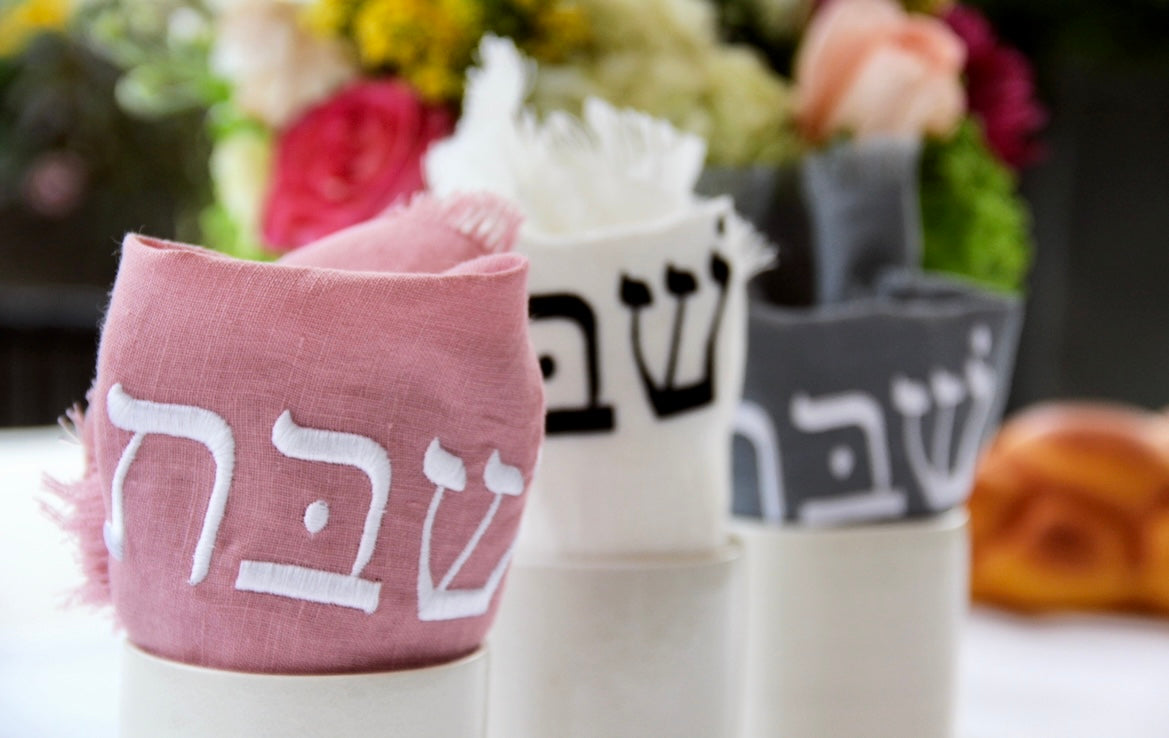
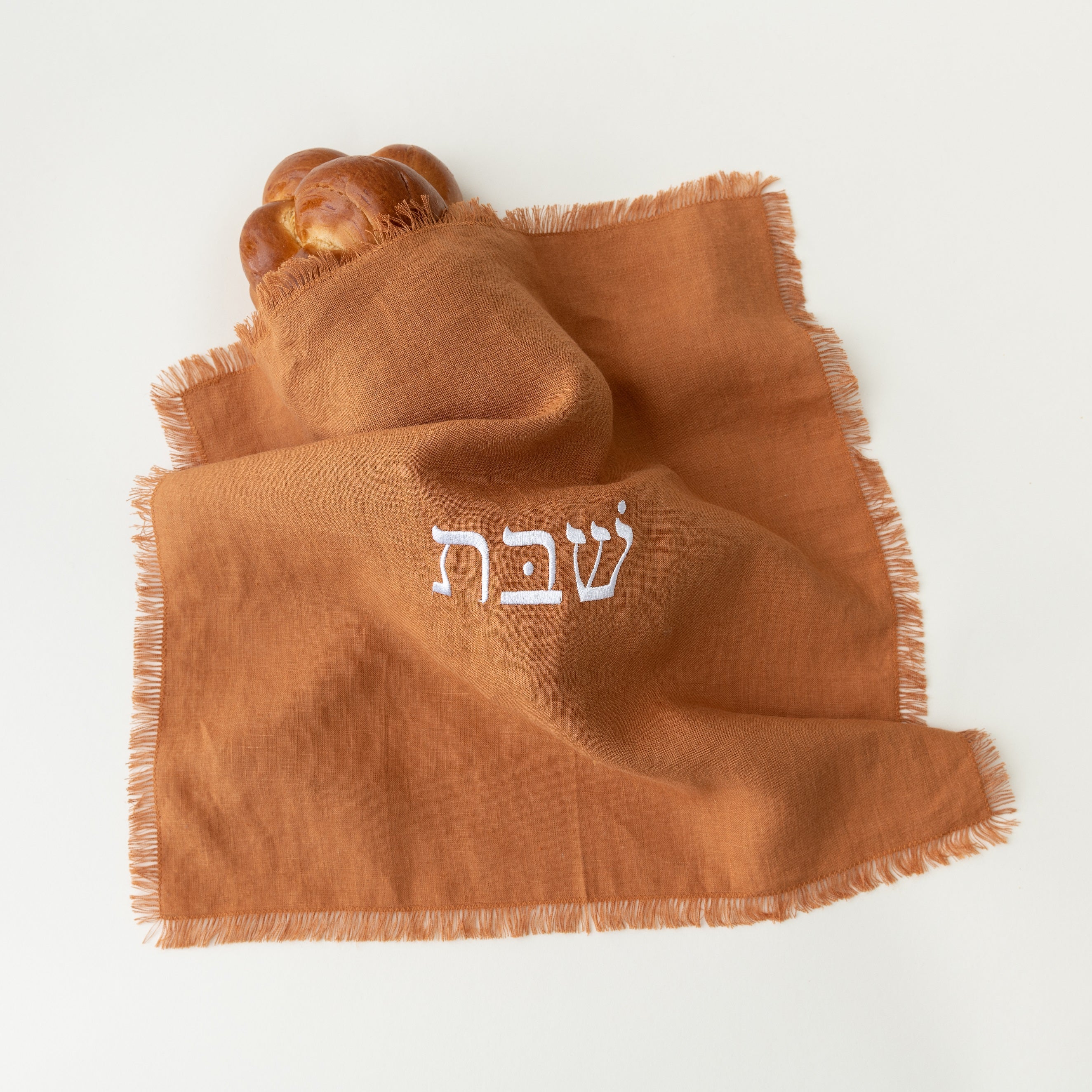
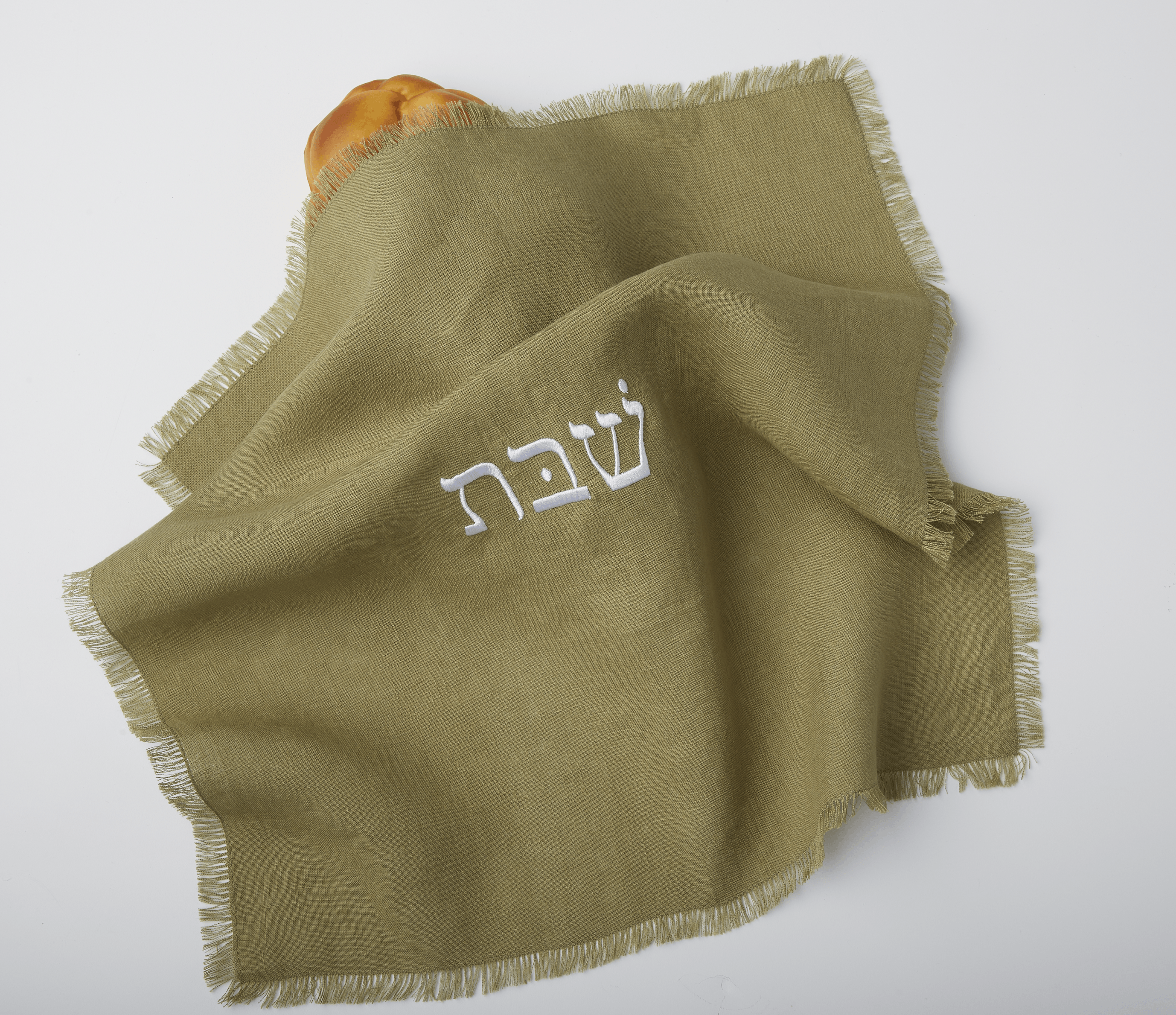
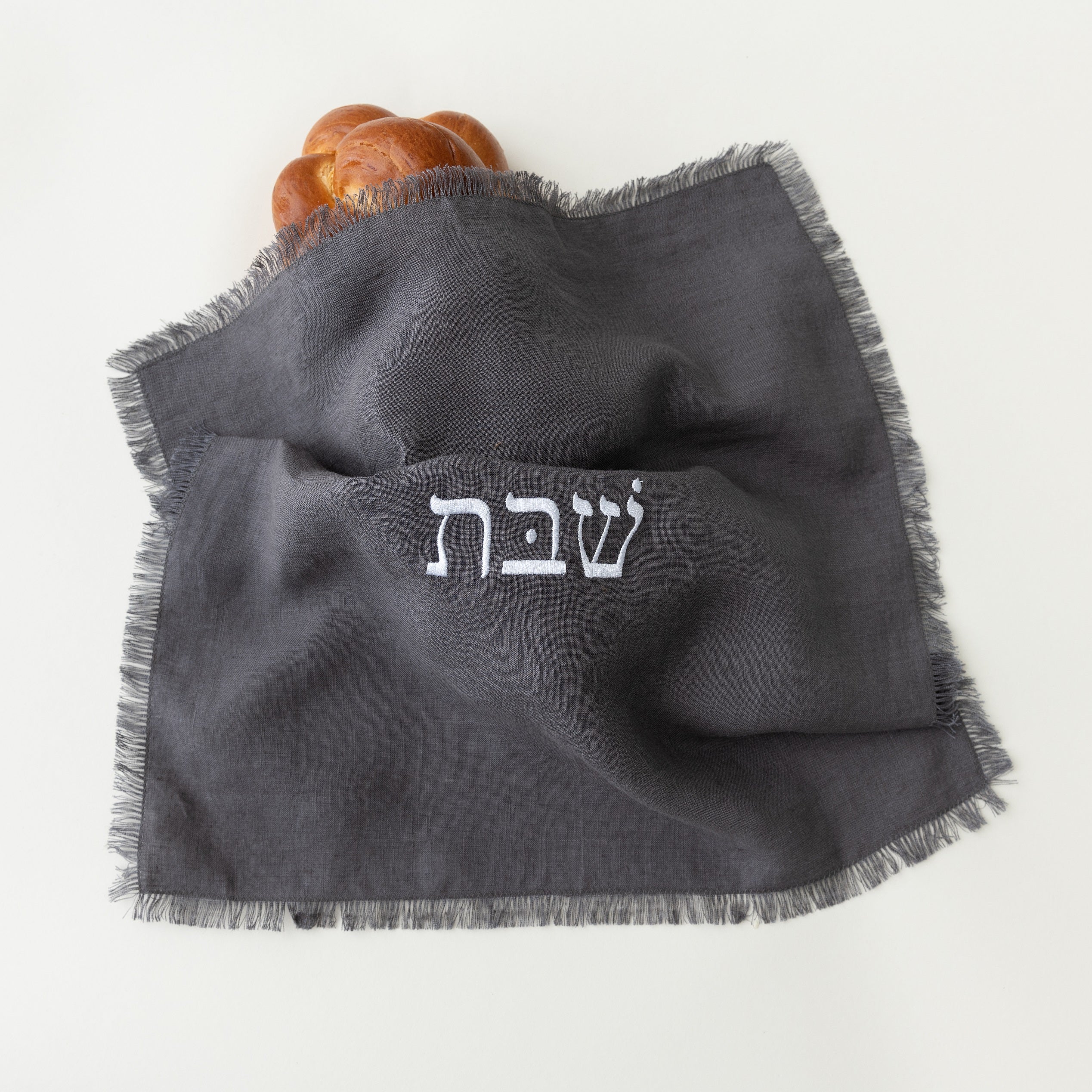
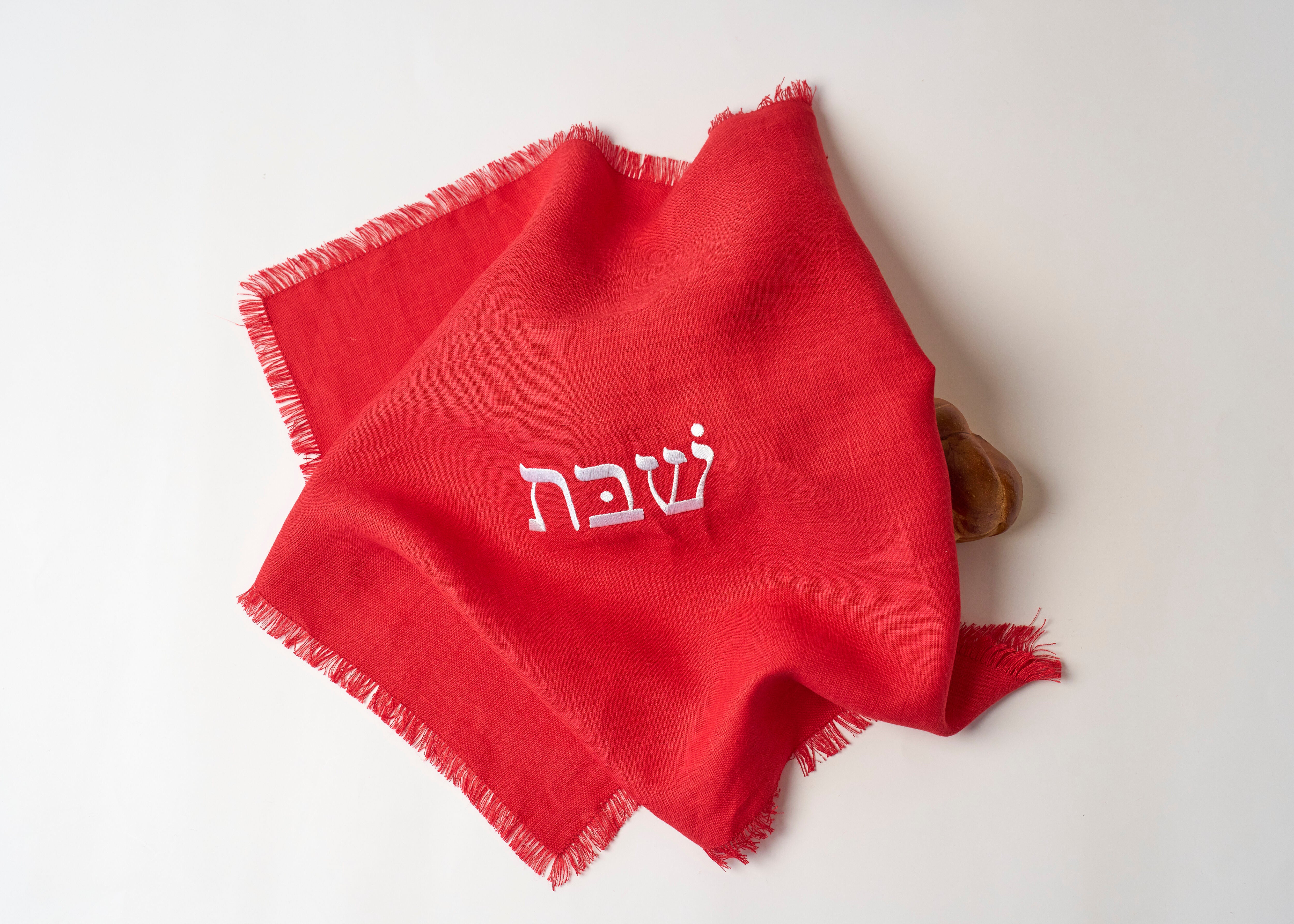
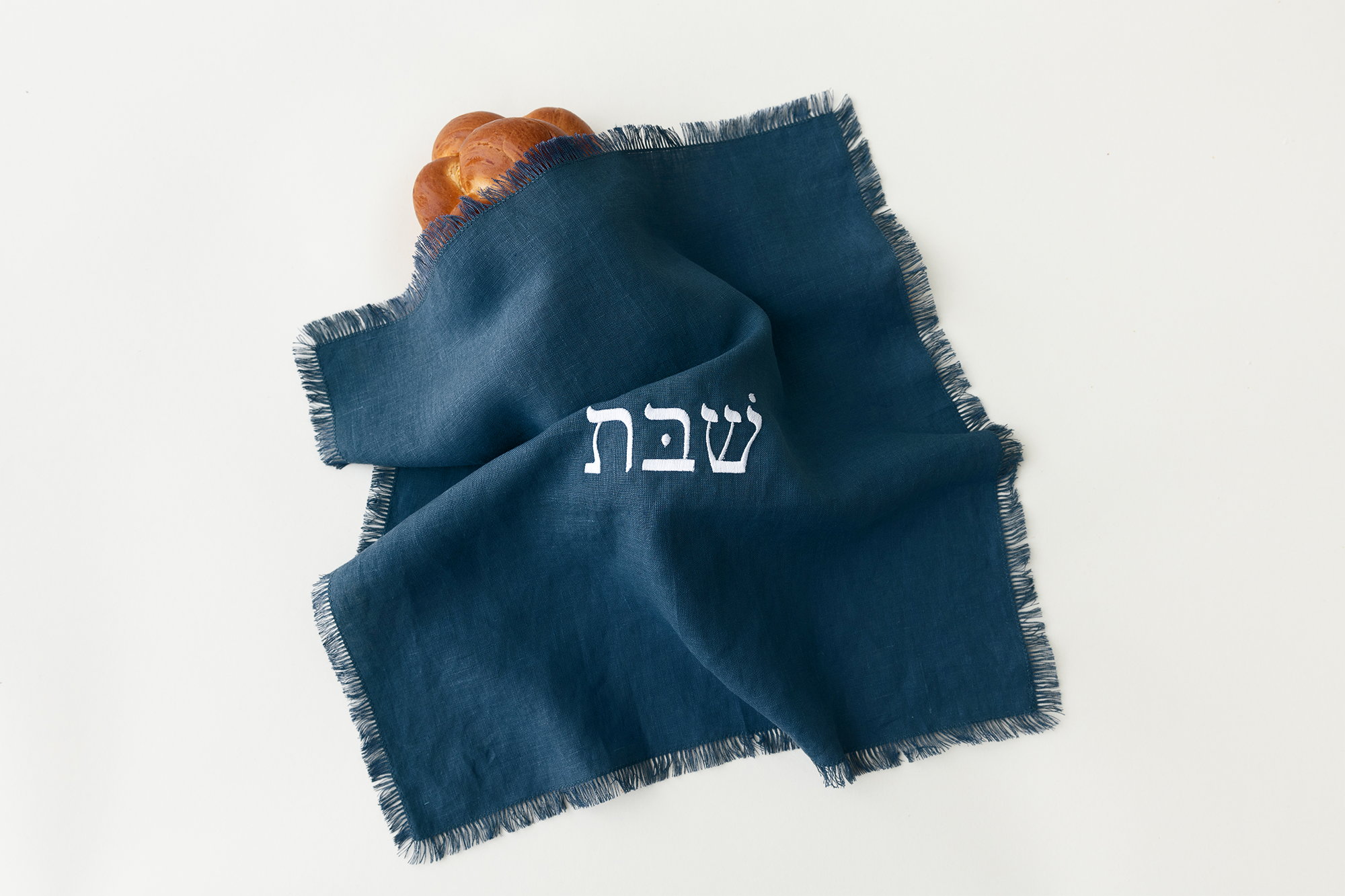
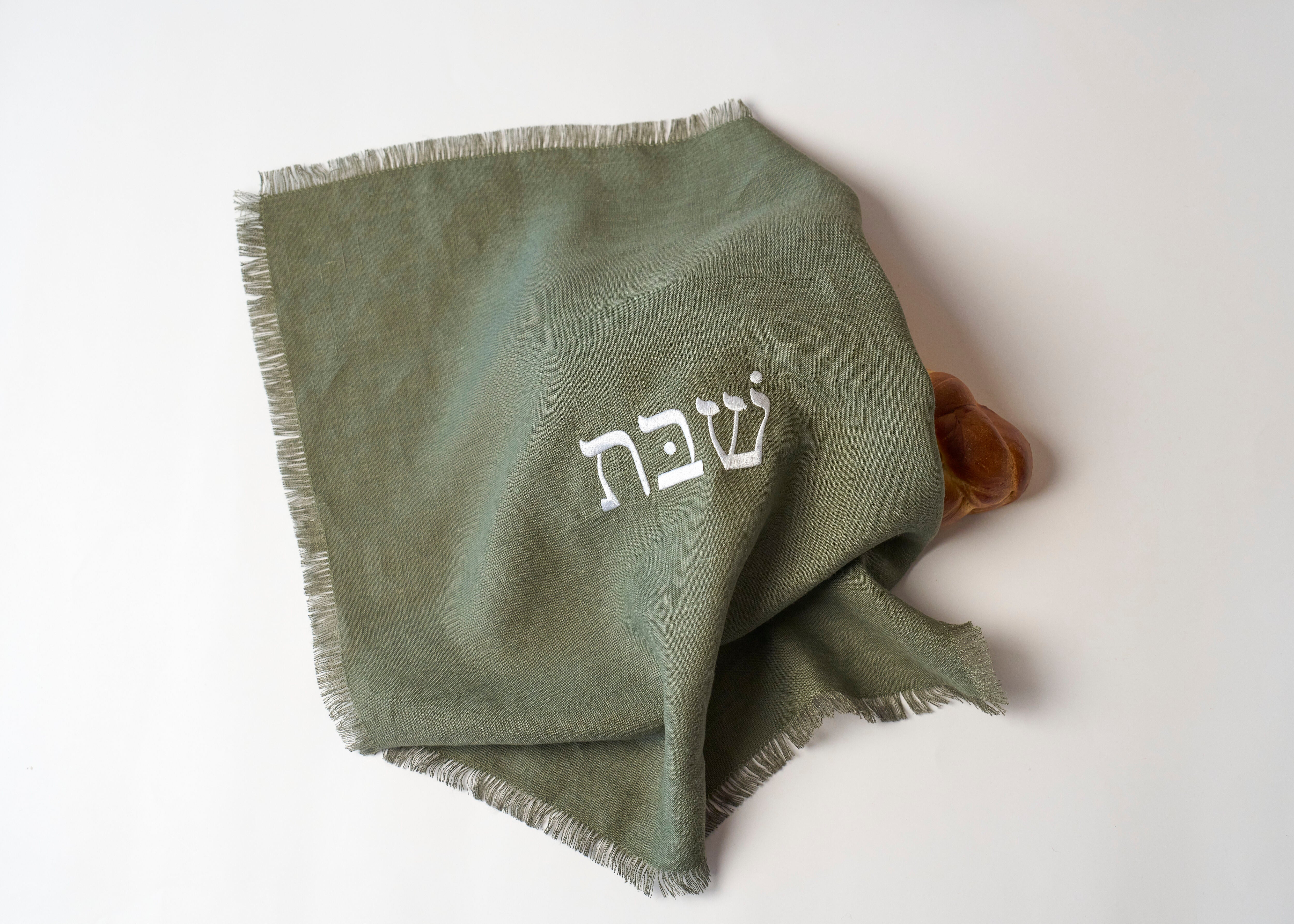
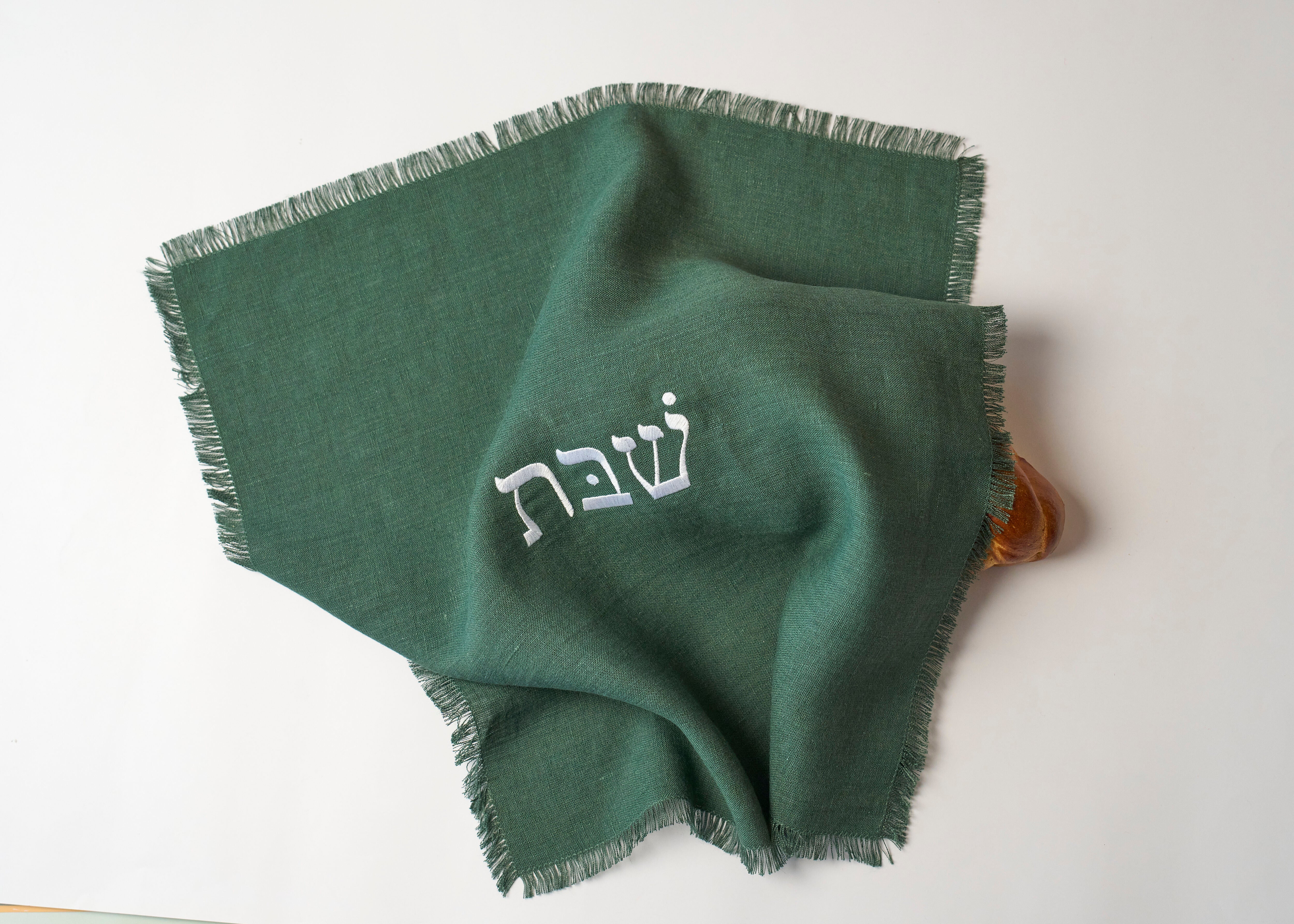
Non-Jewish people can still celebrate or participate in Rosh Hashanah by joining in on a Rosh Hashanah dinner if invited. Bring a thoughtful gift for your host, such as a challah cover, a honey jar, or baked treats to help lighten your host’s load.
You can also simply wish your Jewish friends and peers a happy new year.
What’s the difference between Rosh Hashanah and Yom Kippur?
Rosh Hashanah and Yom Kippur are the two main observances that make up the Jewish High Holidays, or the High Holy Days. These observances coincide with the opening and closing of the Book of Life, which is where God inscribes and judges each person’s fate for the coming year.
The difference between Rosh Hashanah and Yom Kippur is that Rosh Hashanah celebrates the new year with symbolic foods and traditions, and sets the tone for self-reflection and repentance during the ten-day period leading up to Yom Kippur.
Yom Kippur, one of the holiest days of the Jewish calendar, also known as the Day of Atonement, is the last chance to repent and seek forgiveness from God before the Book of Life is sealed. On this day, Jewish people commit to a day of complete fasting.
How do you say Happy Rosh Hashanah?
Taking a moment to wish your Jewish friends and loved ones a happy new year during Rosh Hashanah can make them feel seen, valued, and remembered.
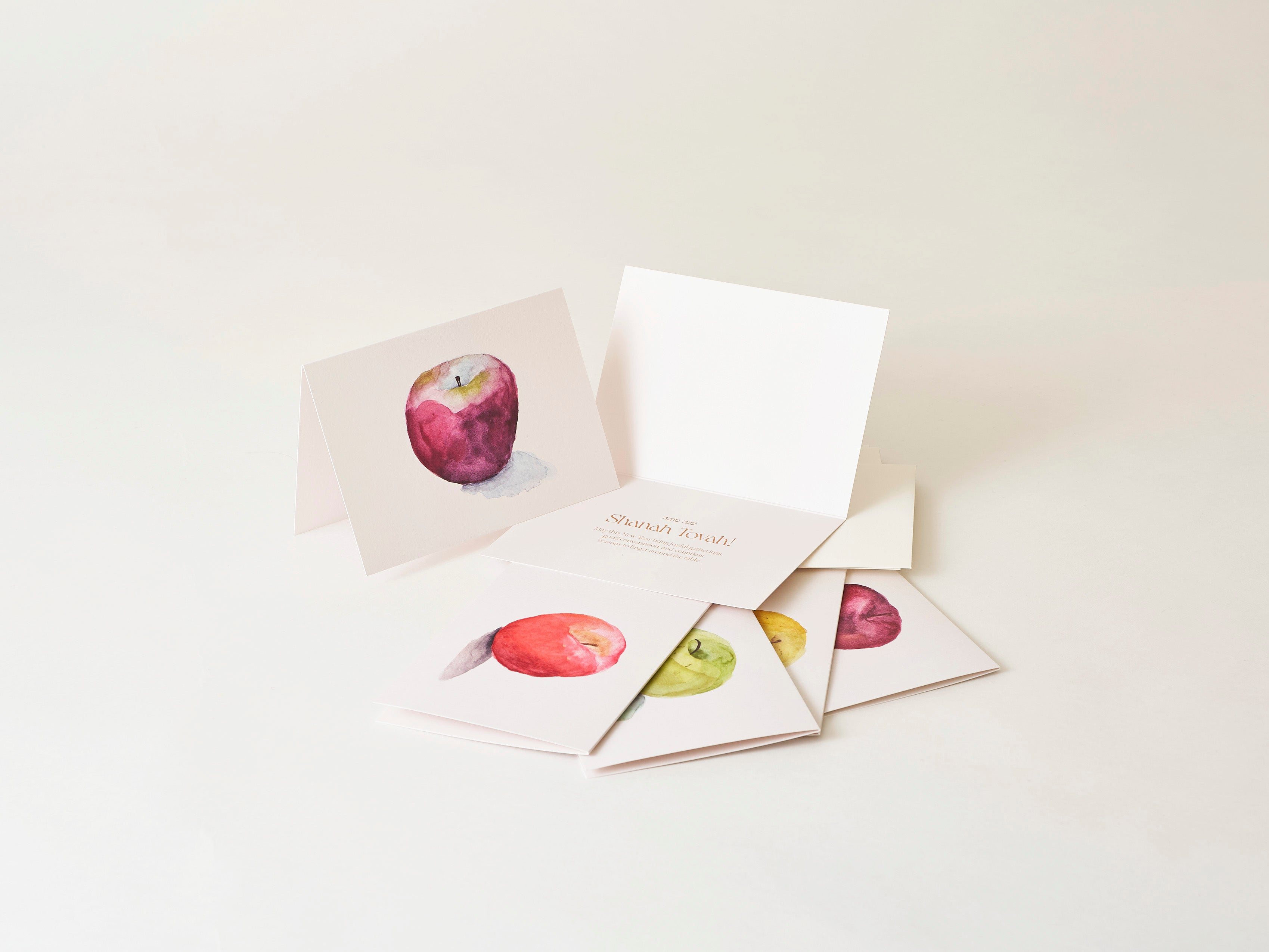
One of the most common phrases to greet a Jewish person on Rosh Hashanah is: “Shanah Tovah” (pronounced: “shah-nah toe-vah”), which translates to “a good year” in Hebrew, meaning, “happy new year.” “L’shanah tovah” (pronounced: “luh-shah-nah toe-vah”) means “to or for a happy new year.”
Ready to begin your Wood Honey Jar?