
Whether you’ve been invited to a Jewish celebration and want to understand more about it, or you’re Jewish and looking to connect more with your religion, Shabbat is a great place to start. This weekly holiday focuses on rest, presence, and intentional time spent, and is one of Judaism’s most beloved practices.
Our Shabbat for beginners guide is designed to help you learn all about the holiday. We’ll cover the basics: what Shabbat is, why it matters, how it's observed, and the ritual objects that play a key role in its celebration.
What is Shabbat?
Shabbat is the Jewish day of rest. It’s a weekly holiday that begins at sundown on Friday and goes until Saturday night, roughly 25 hours in total. The origins of the holiday stretch back to the Torah. It teaches that God created the world in six days and spent the seventh resting. Shabbat honors that rest, commanding Jewish people to set aside busy, ordinary life and focus on being present, instead.
Even the name Shabbat connects to intentional rest. In Hebrew, the word Shabbat comes from the meaning “to cease” or “to rest.” That said, it’s not a holiday of sleep. It’s a celebration of food, family, conversation, and connection.
Why Do Jewish People Celebrate Shabbat
Shabbat is one of the most recognized and cherished parts of Jewish life, across a range of denominations and levels of observance. Each person has their own reasons for celebrating Shabbat, but the holiday serves a few key purposes:
-
It’s a religious practice: Shabbat isn’t just a suggestion; it’s a commandment. God commands the Jewish people to honor Shabbat. For observant Jews, this weekly holiday is one of the most important commandments. Its time is sacred and should be treated as such.
-
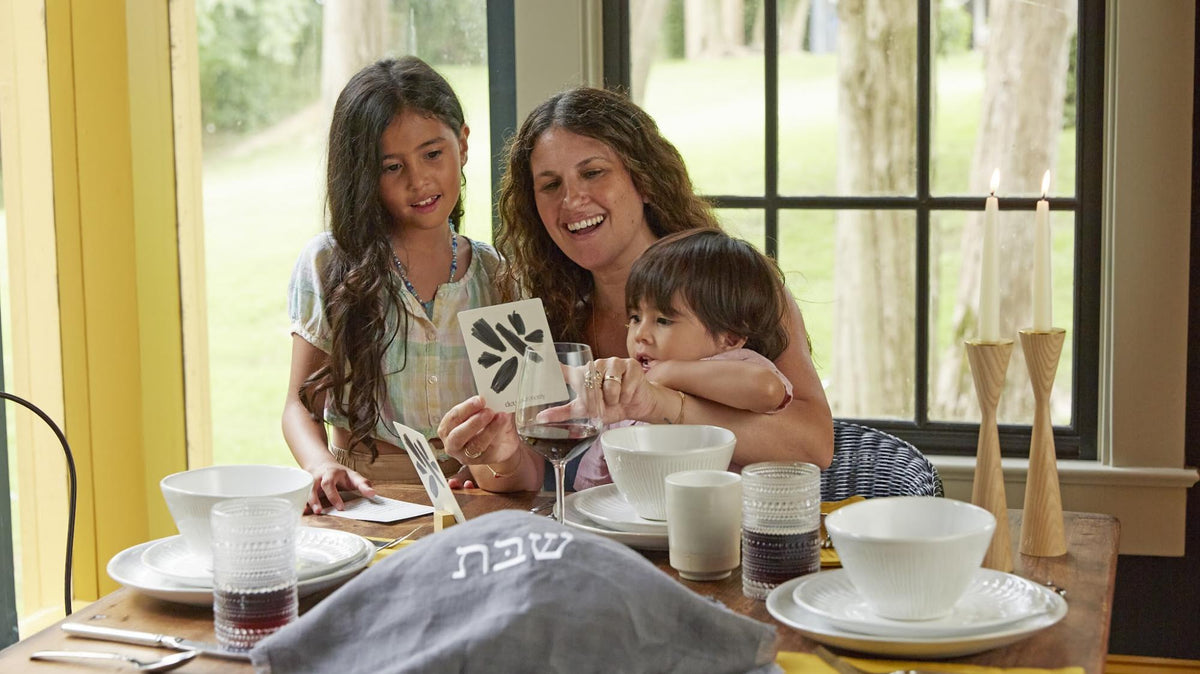
It’s a family ritual: For many Jewish families, Shabbat is the anchor of the week. It’s a time for family members to gather around the table and share a meal together. For those who observe the entirety of Shabbat, this means 25 hours of connection and presence with family and friends.
-
It’s an ancient tradition: Shabbat dates all the way back to the Jewish people’s exodus from Egypt, more than 3,000 years ago. Many people celebrate the holiday to feel connected to tradition, their ancestors, and something greater than themselves.
How is Shabbat Celebrated?
The celebration of Shabbat varies widely according to the type of Judaism a person practices and how observant of Jewish law they are. Depending on the person, celebration of Shabbat may include a range of different elements. Read on to learn the rituals of Shabbat for beginners.
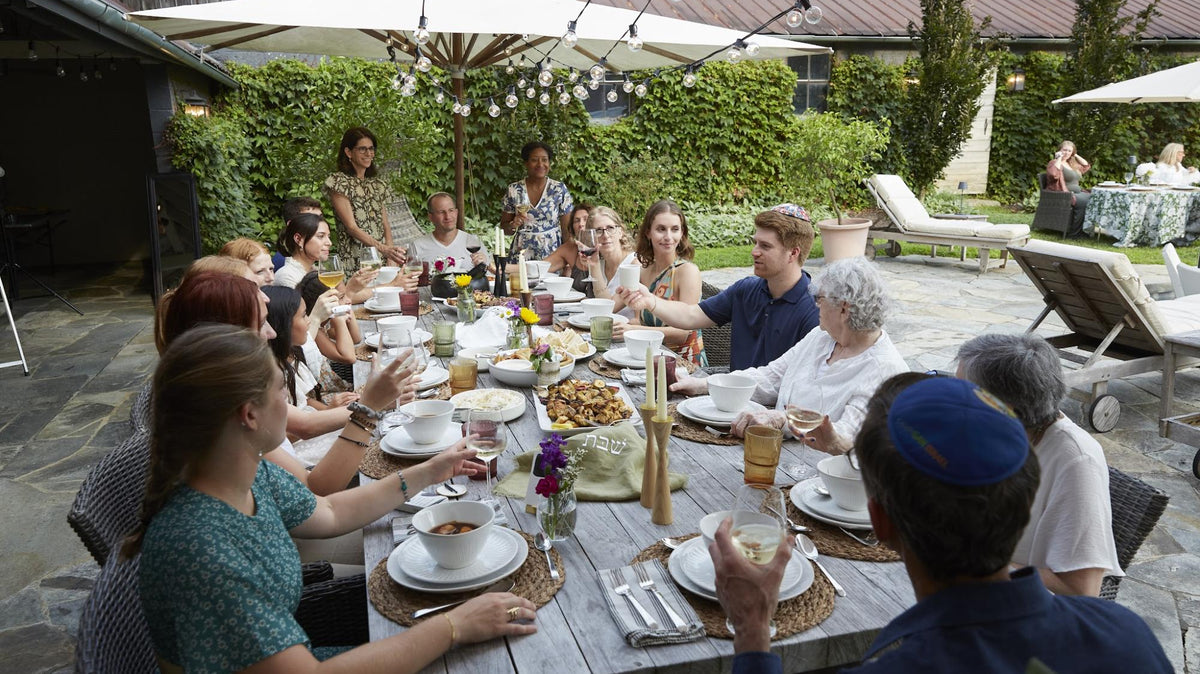
Friday Night Dinner
Friday night dinner is the most widely celebrated part of Shabbat, and what most people think of when they think of the holiday. This meal is preceded by a series of rituals that welcome the holiday and serve as a transition into a more spiritual time. They include:
-
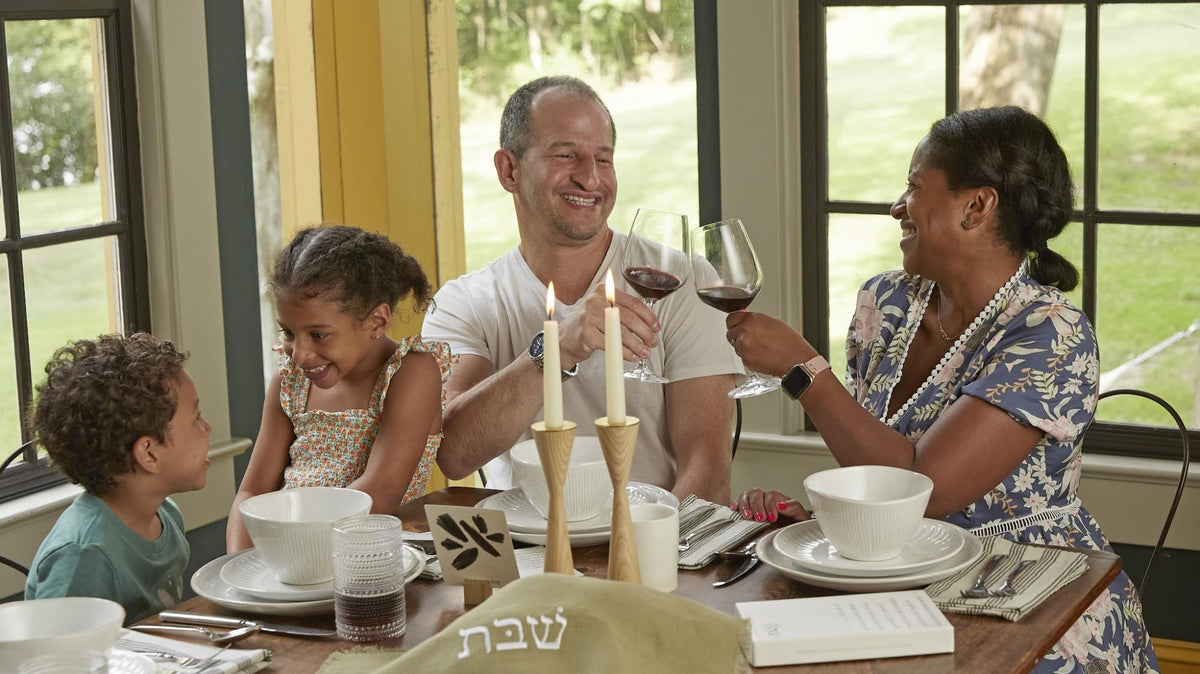
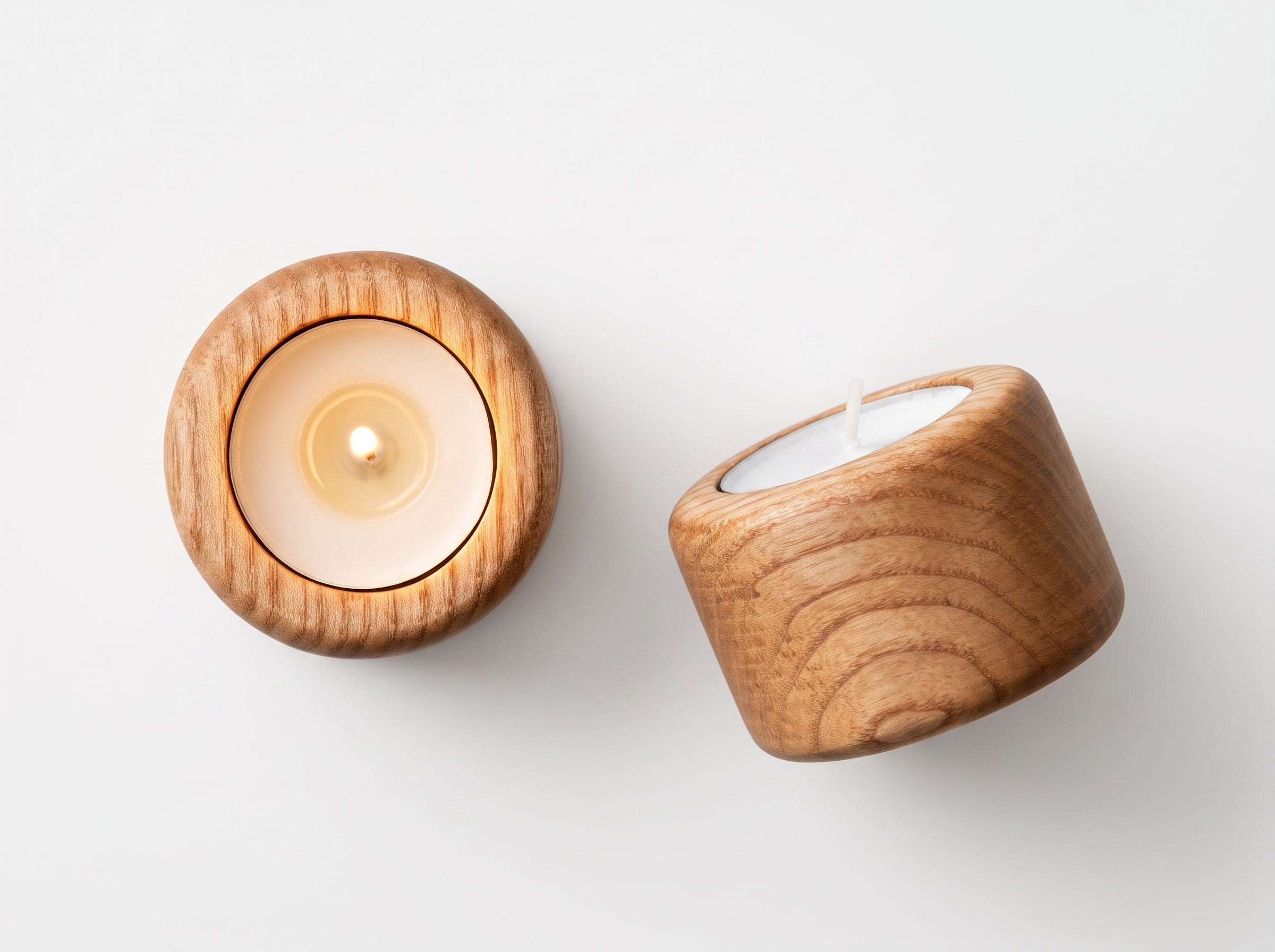
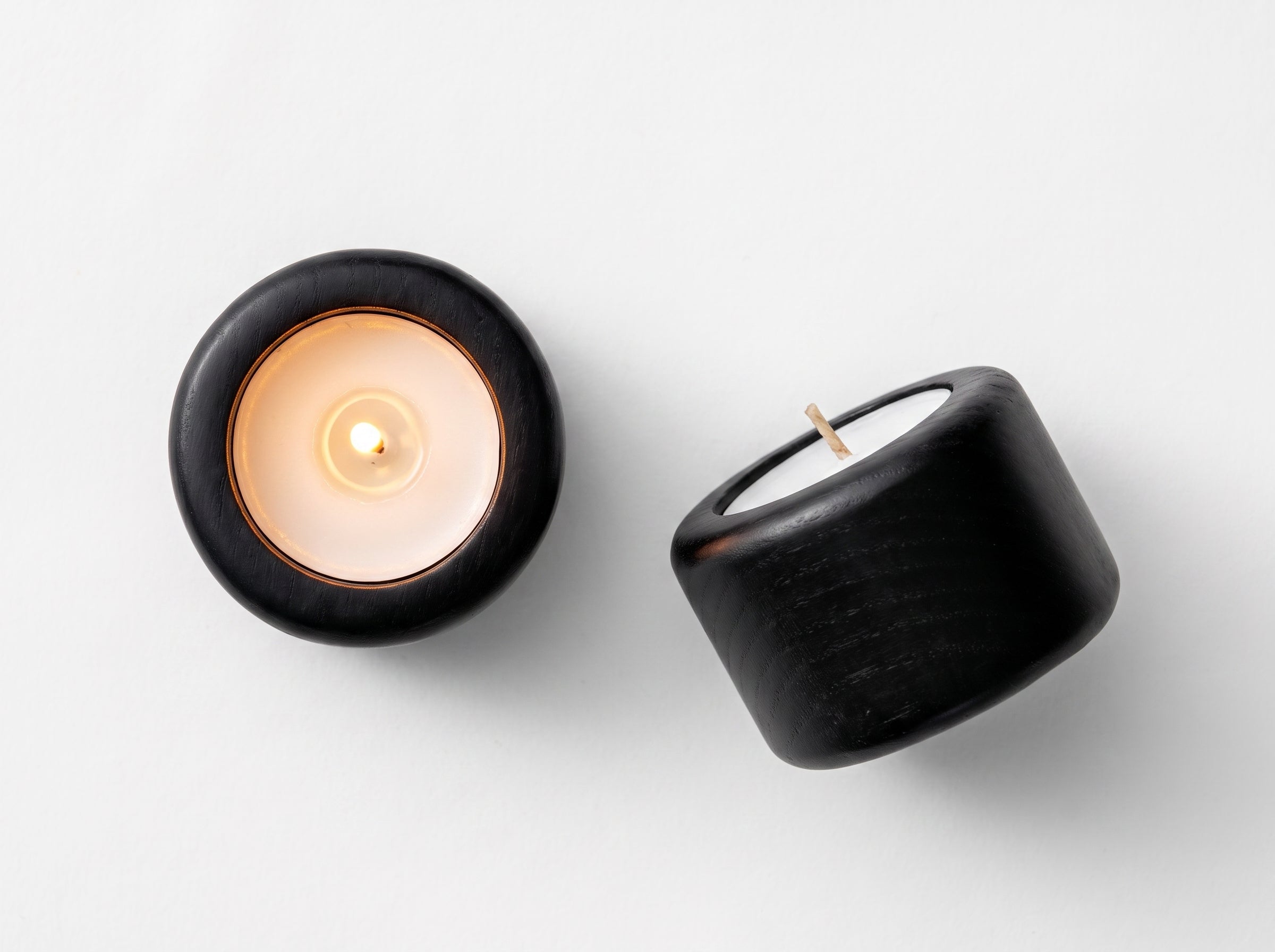
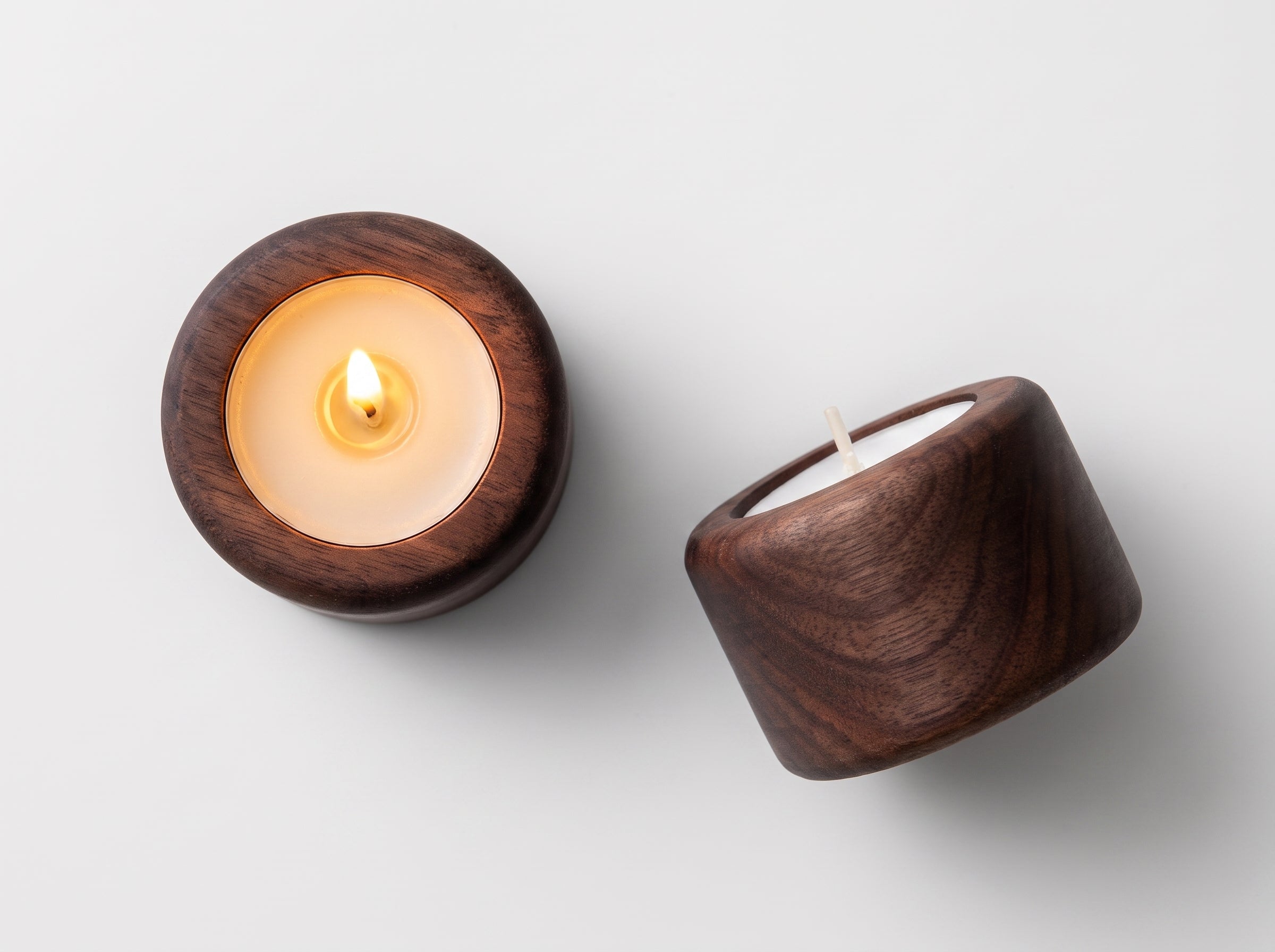
Candle lighting: Shabbat begins with the lighting of the candles. Just before sundown, two candlesticks are lit, representing the two core commandments of Shabbat: to remember the Sabbath and to keep it holy. Along with the candle lighting, a prayer is recited, and Shabbat officially begins.
-
Kiddush: Next, we say the Kiddush. This is a blessing that sanctifies Shabbat, said over a glass of wine or grape juice.
-
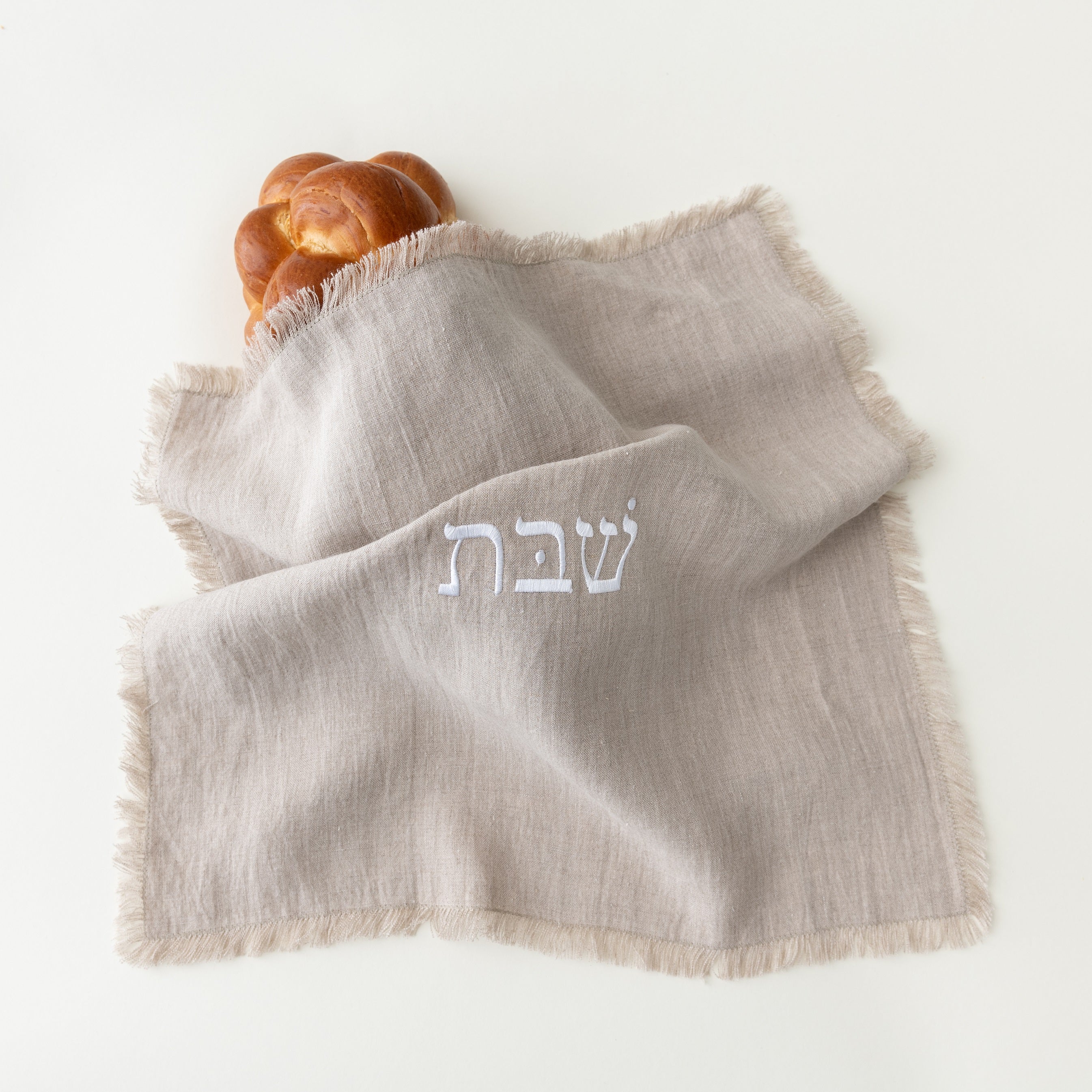
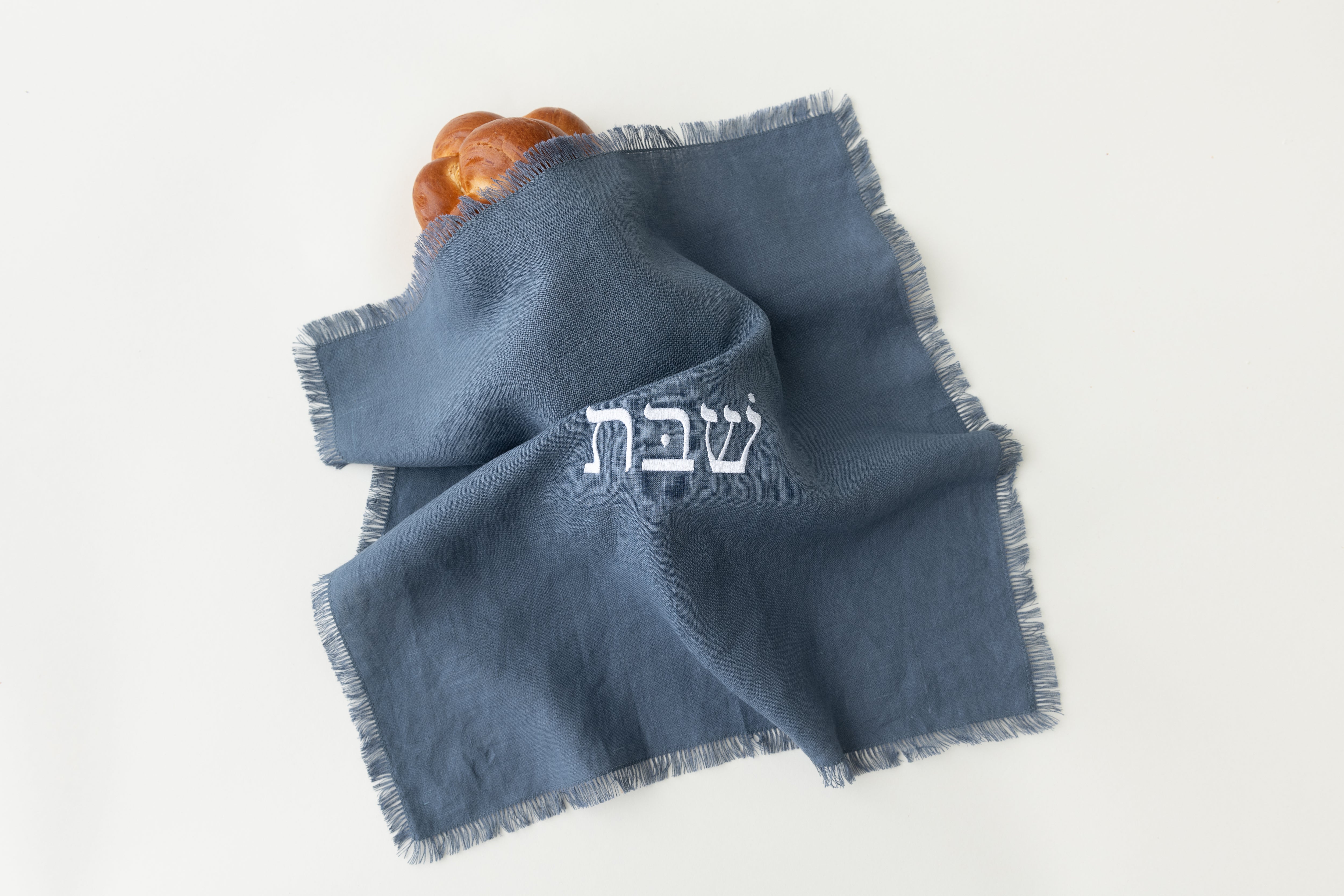
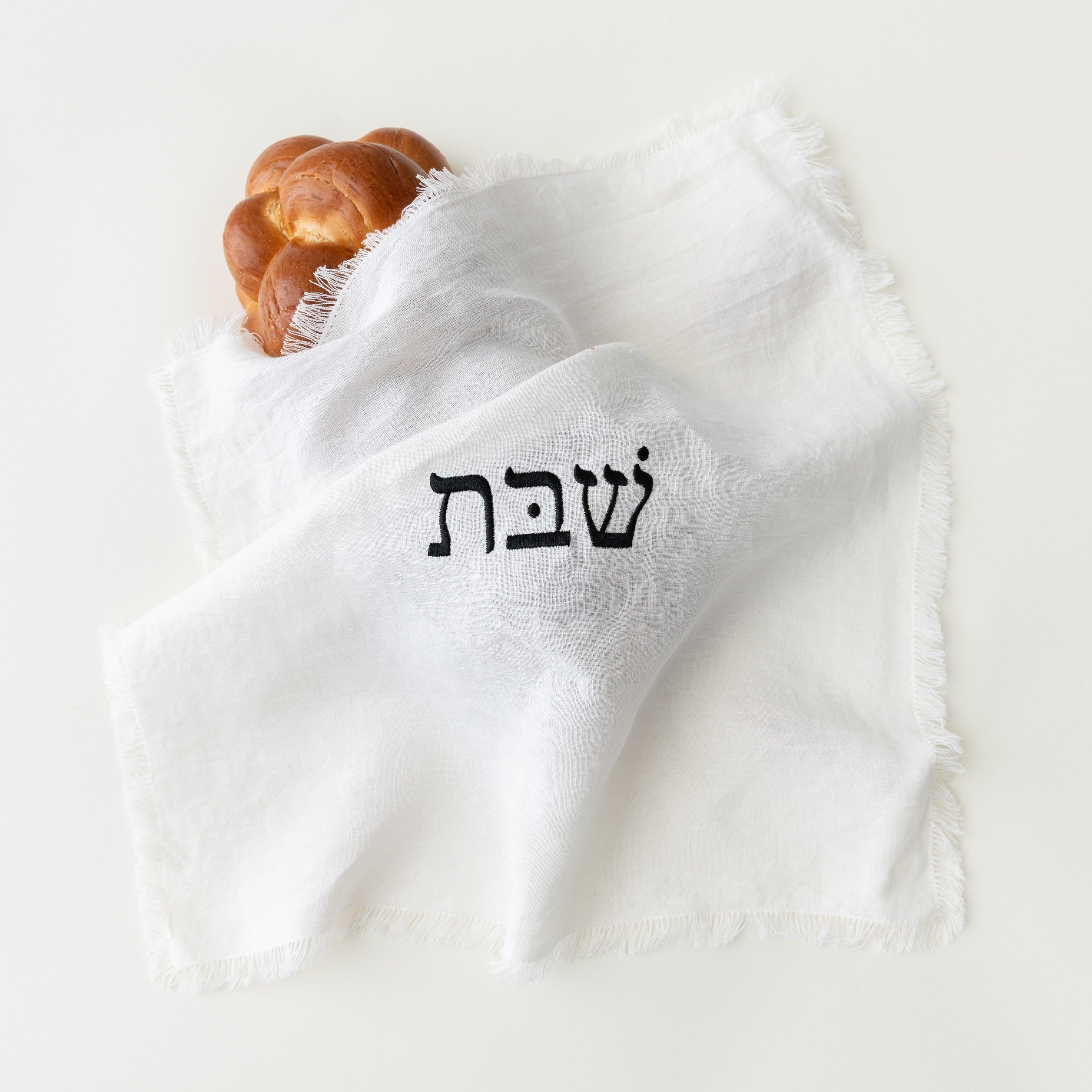
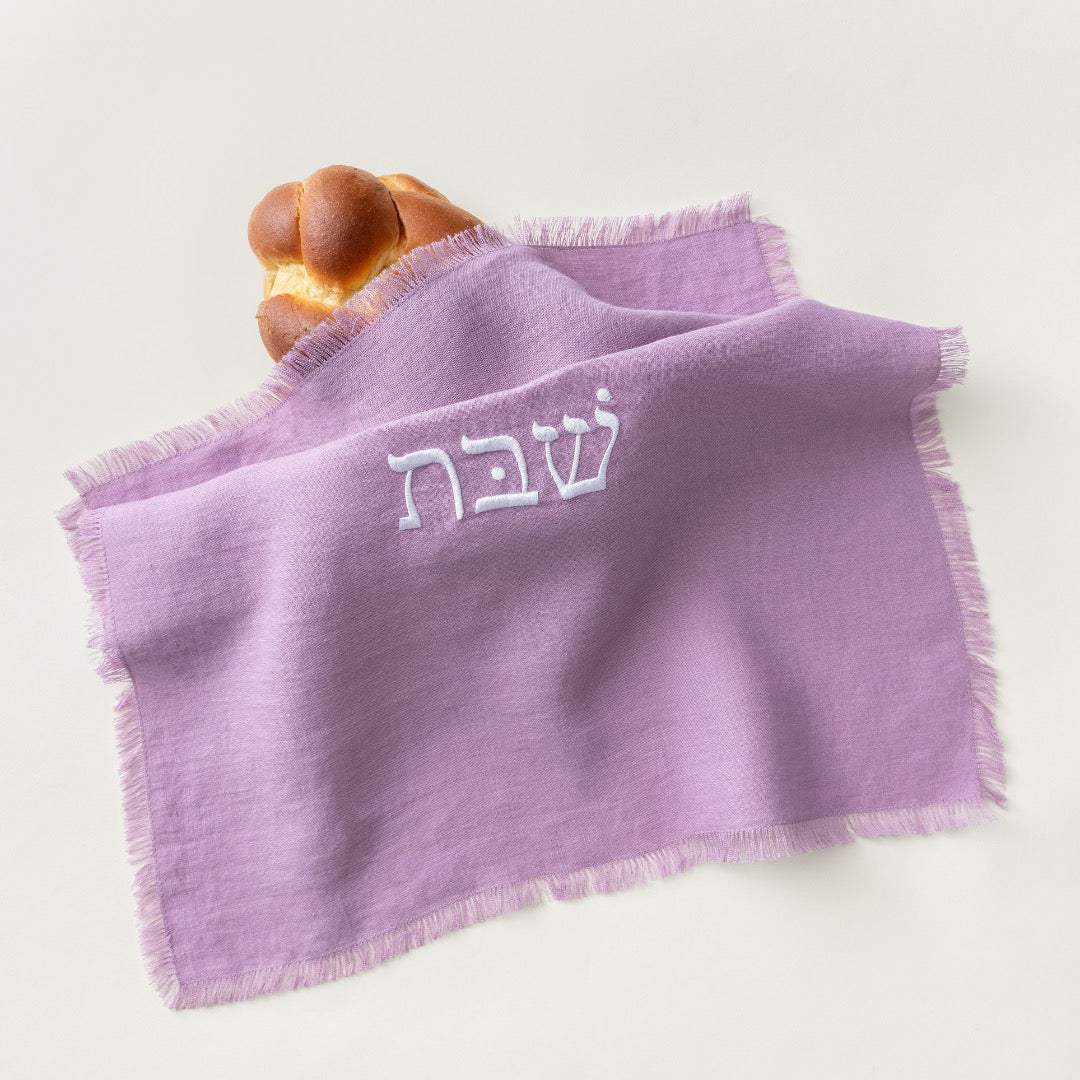
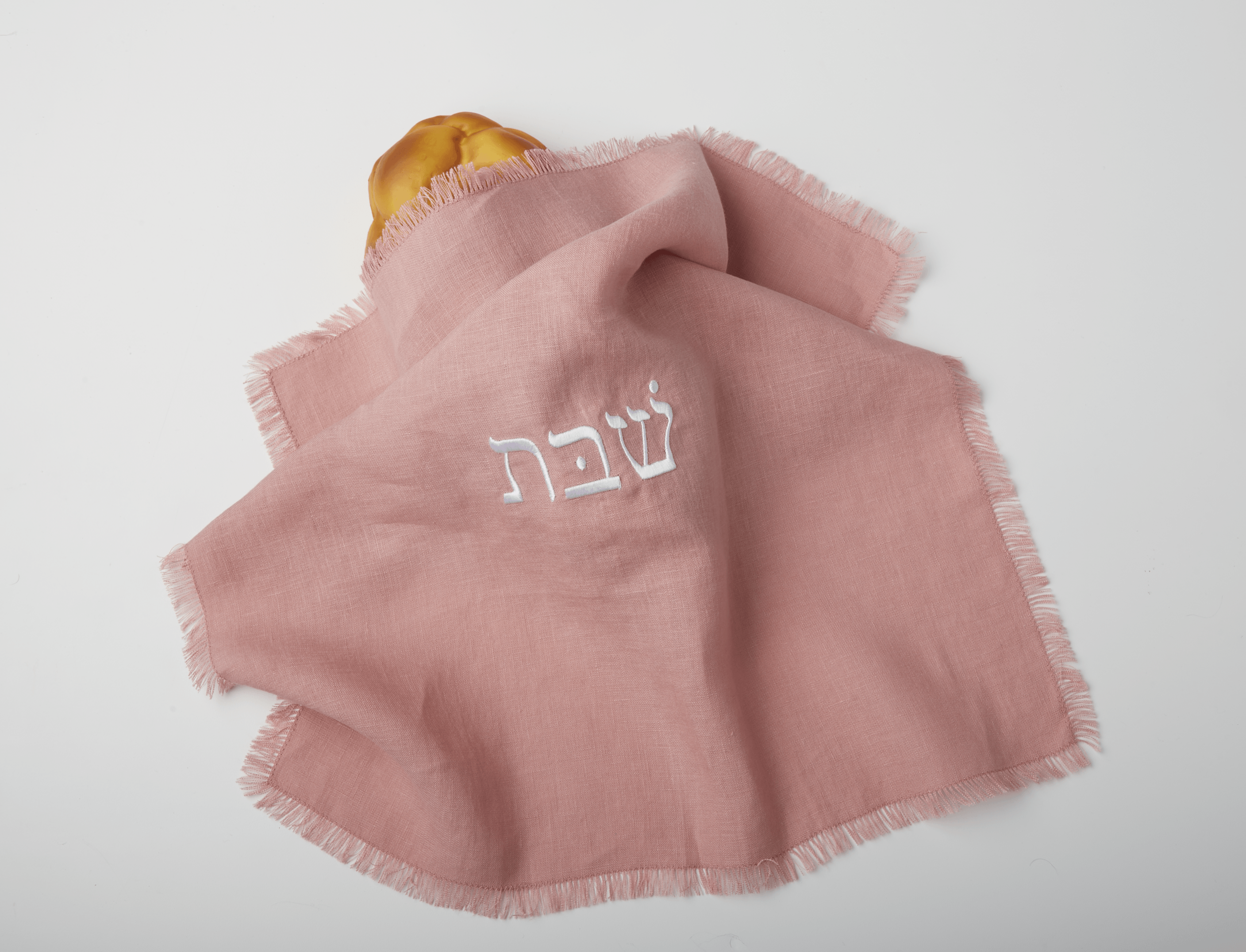
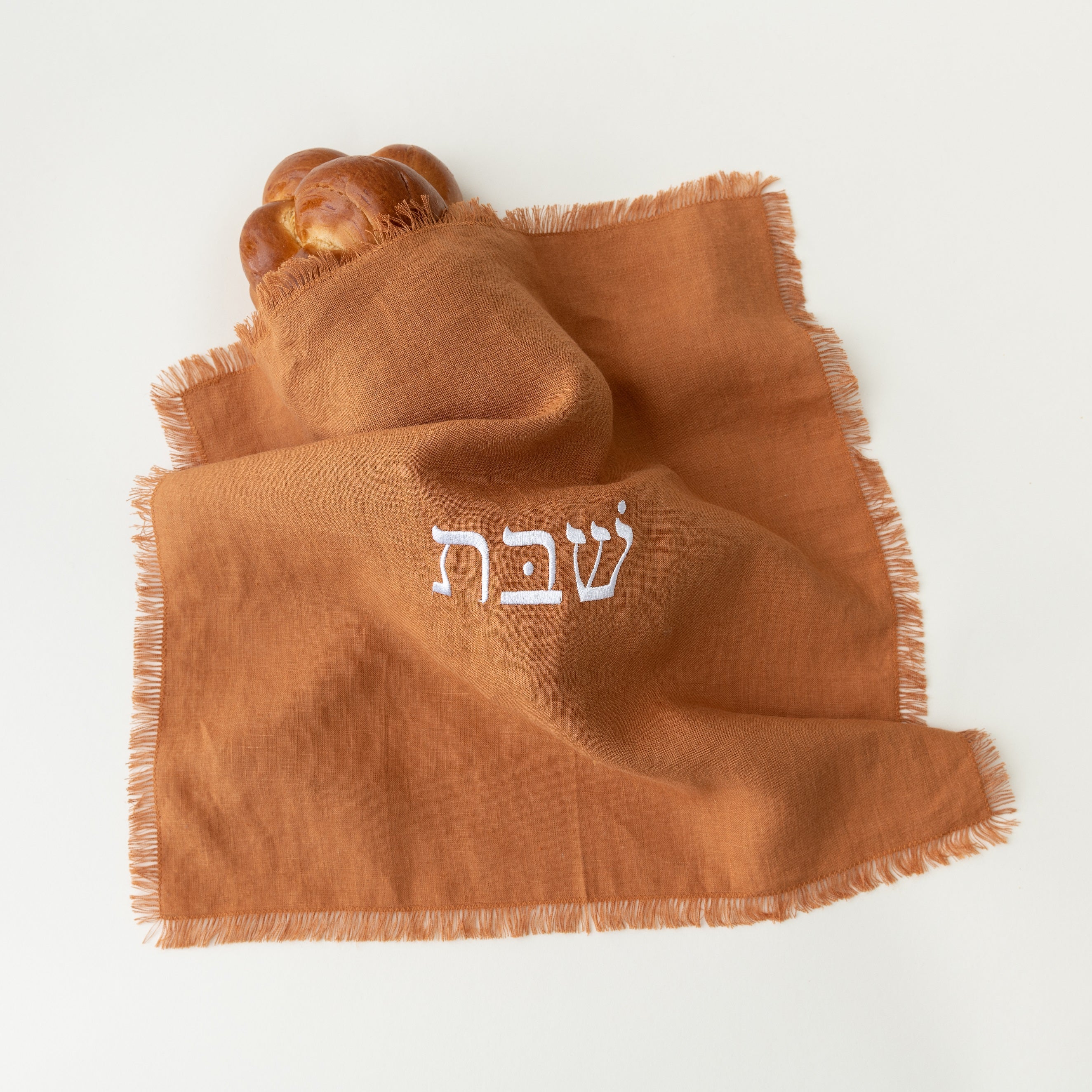
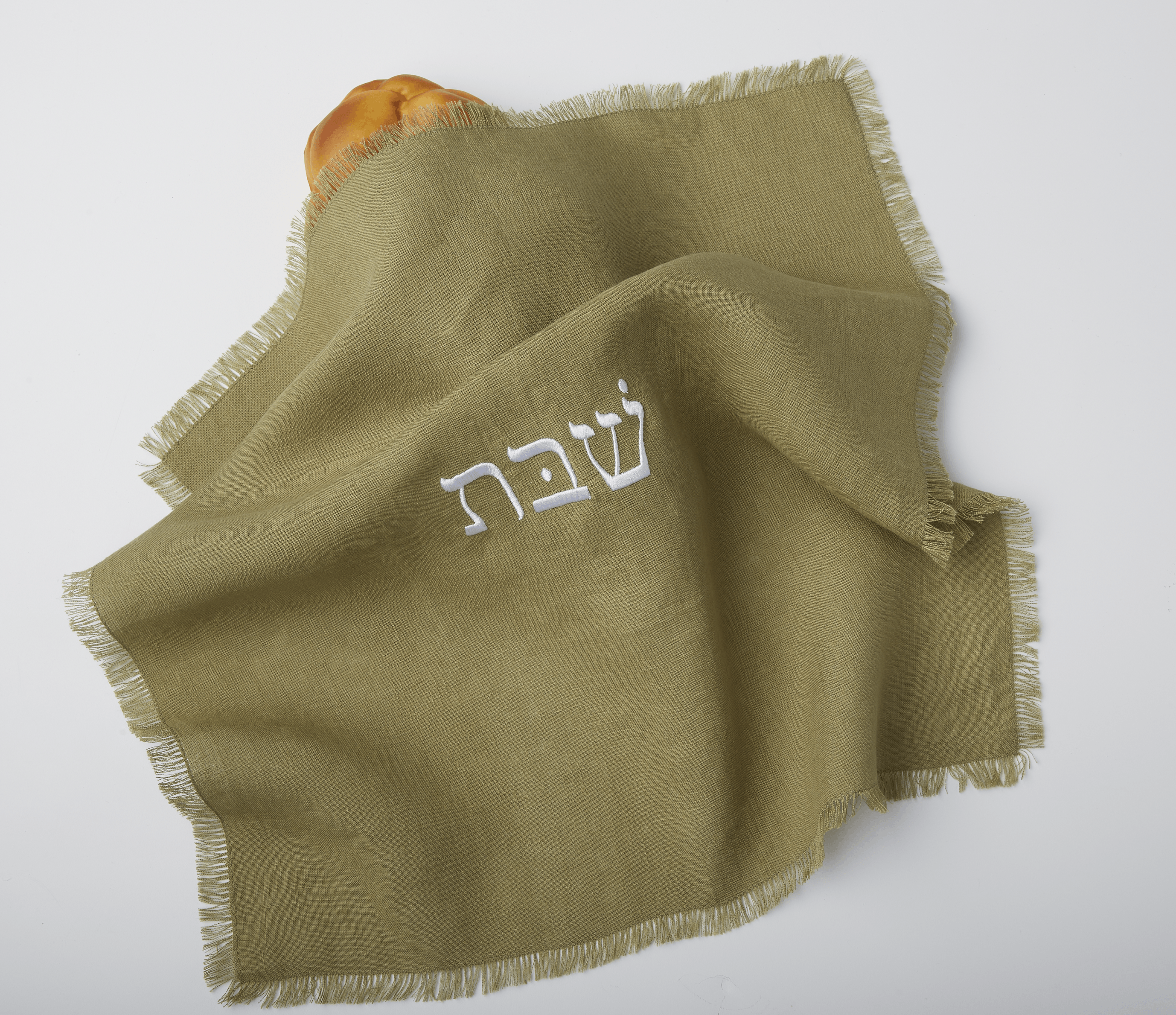
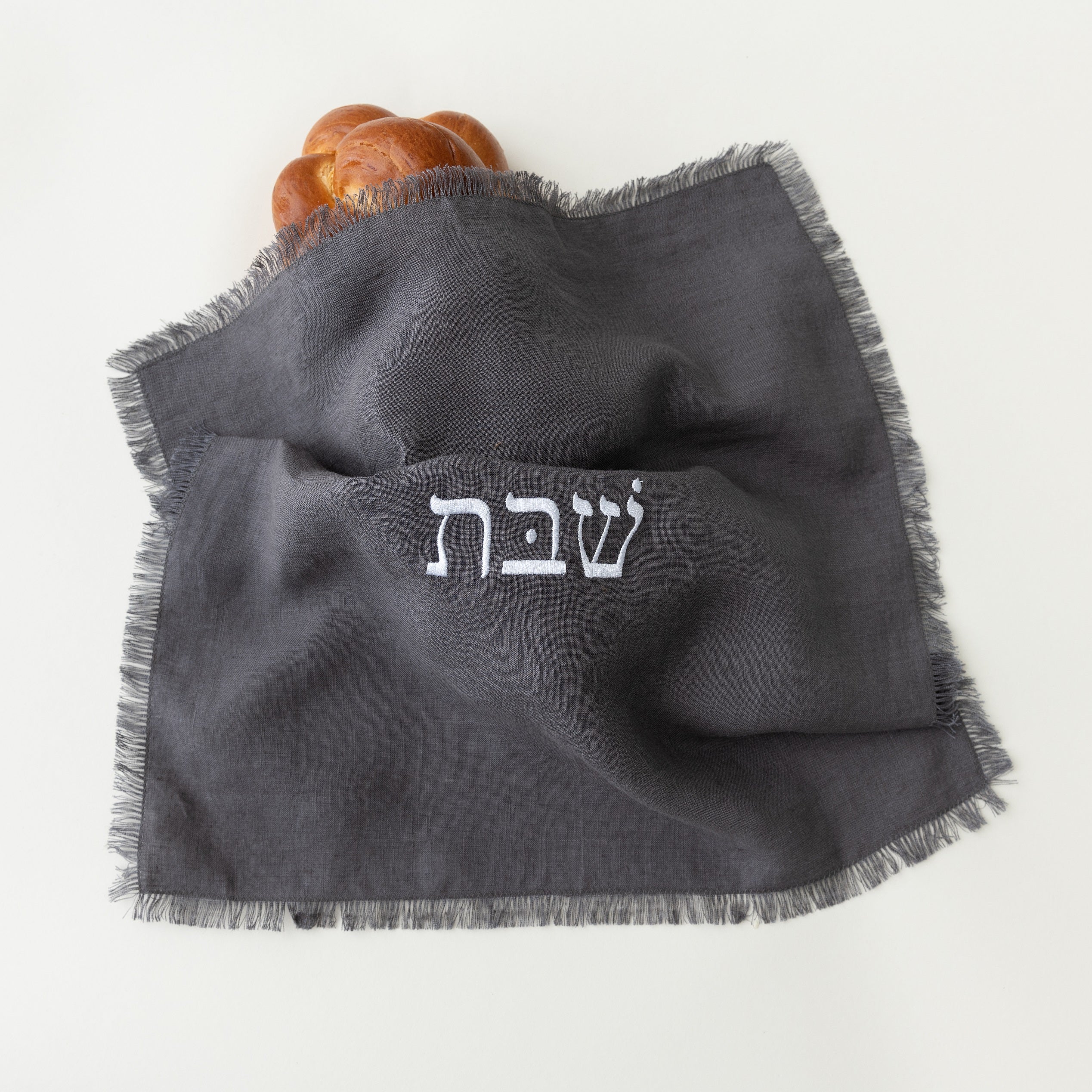
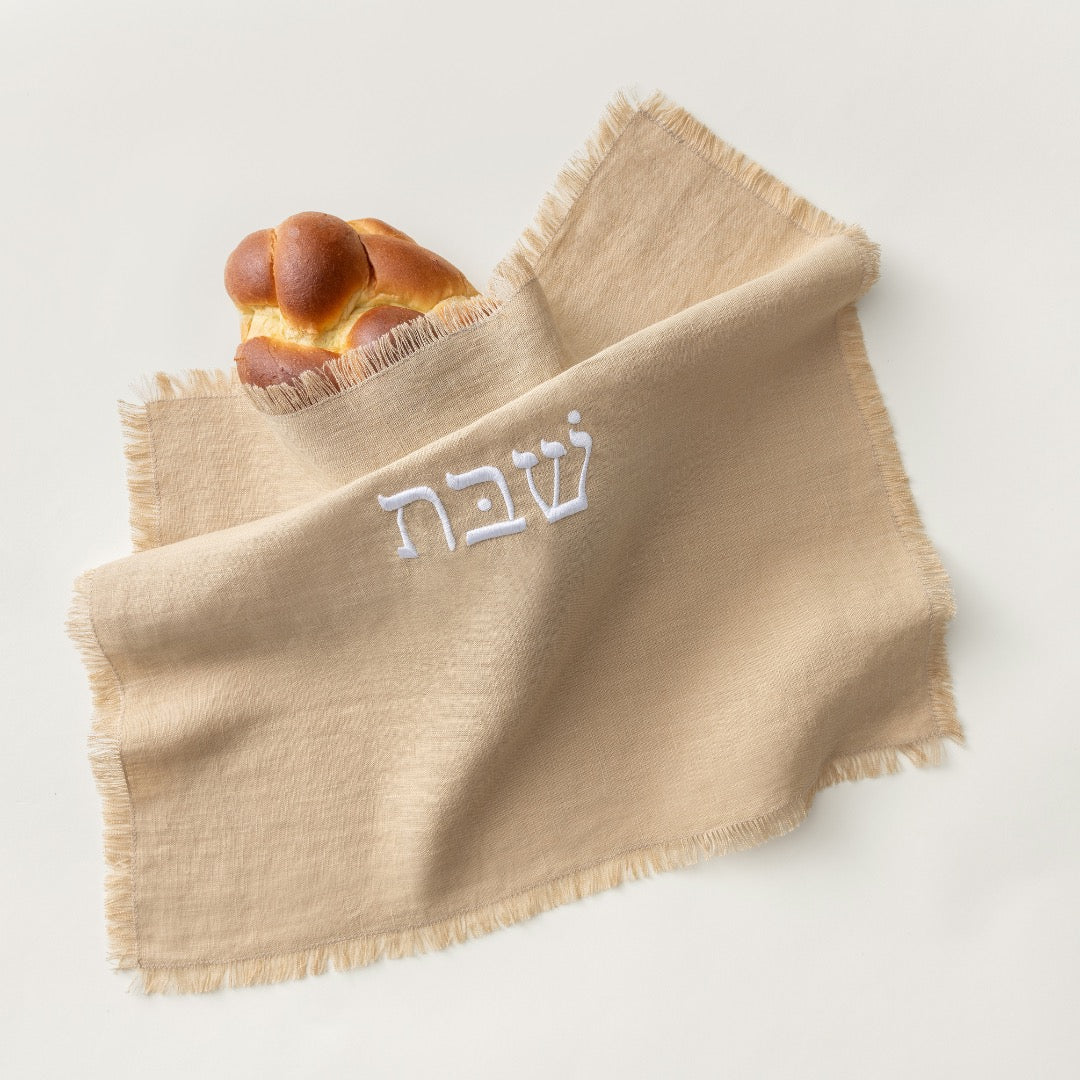
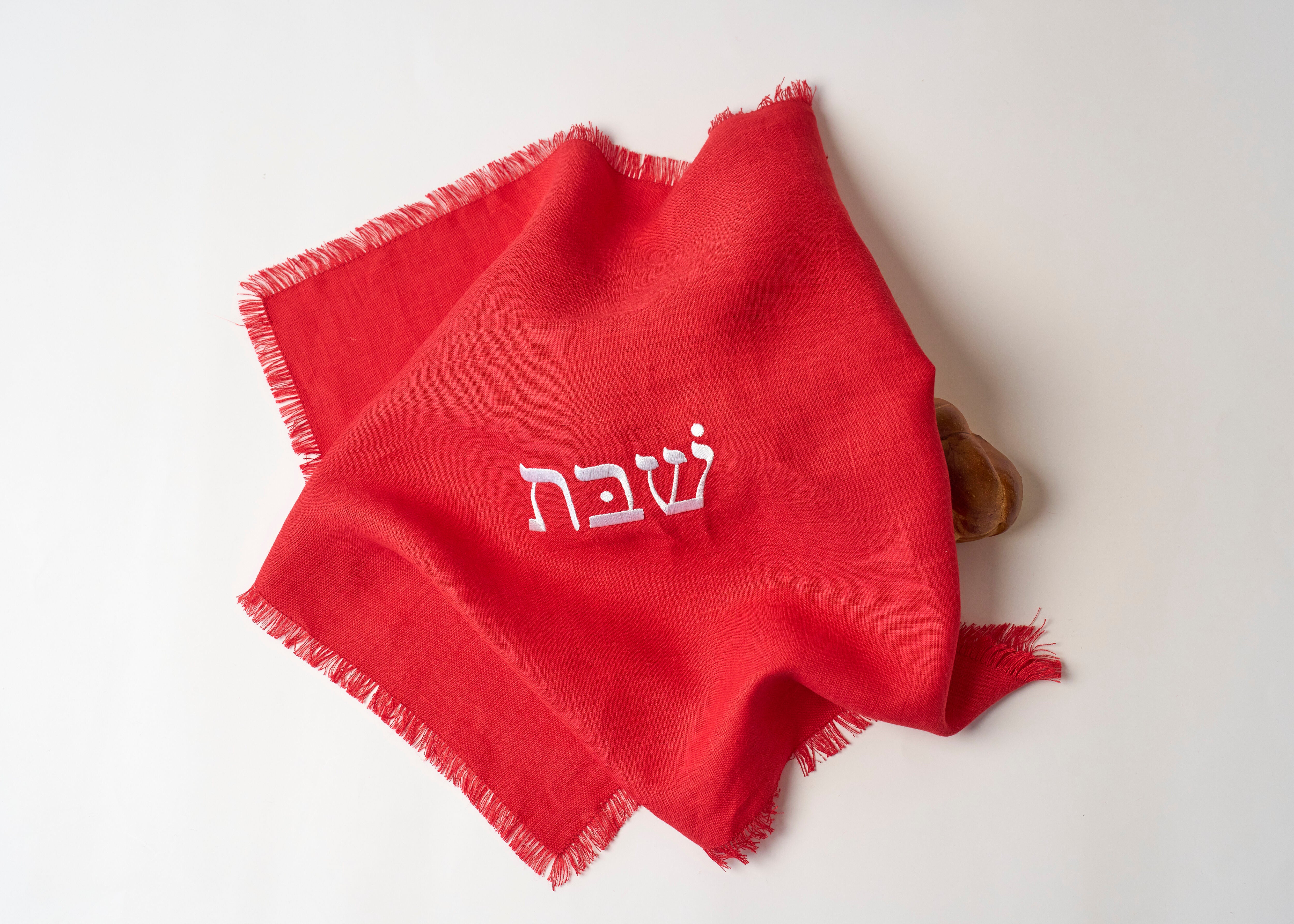
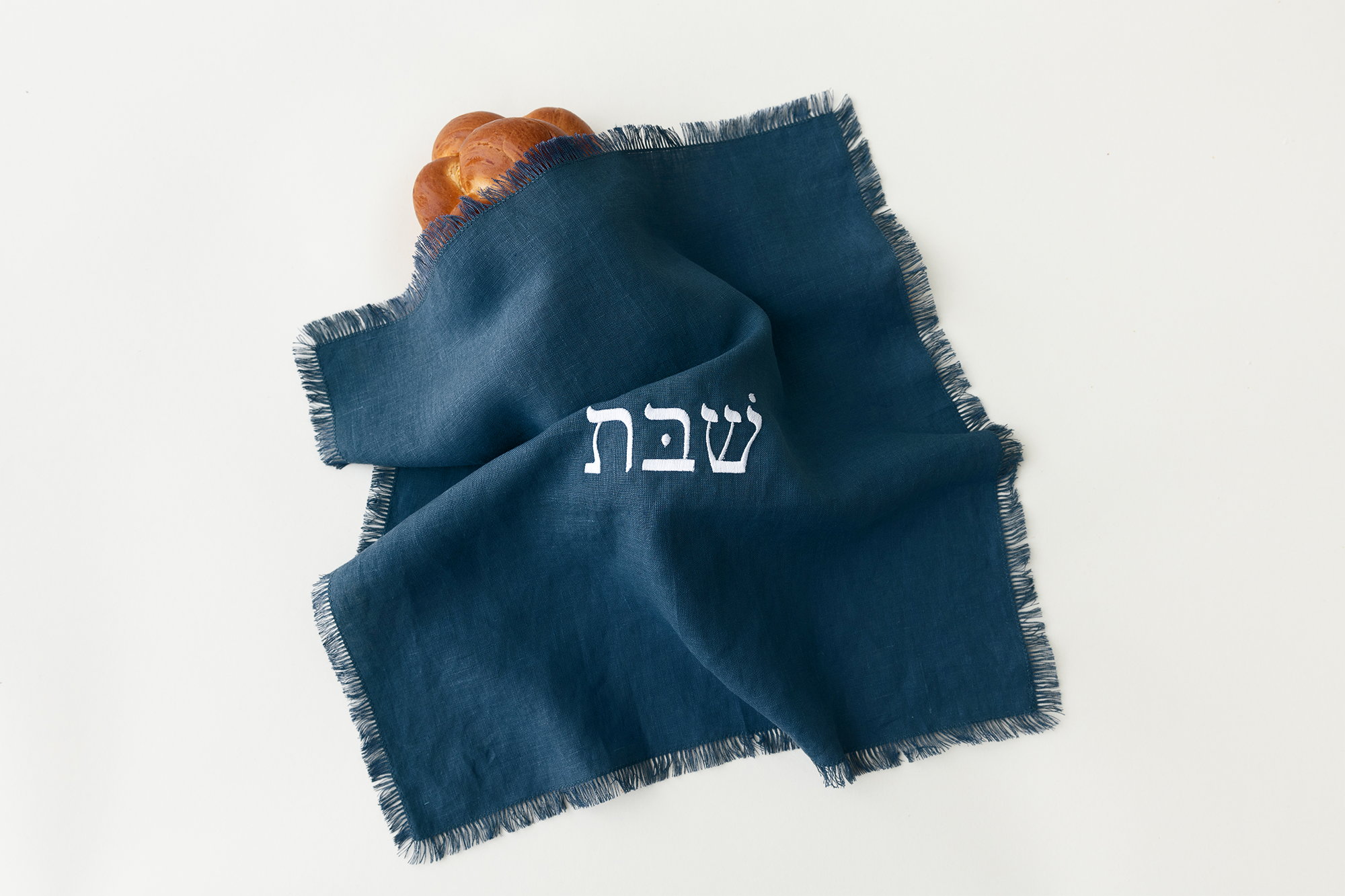
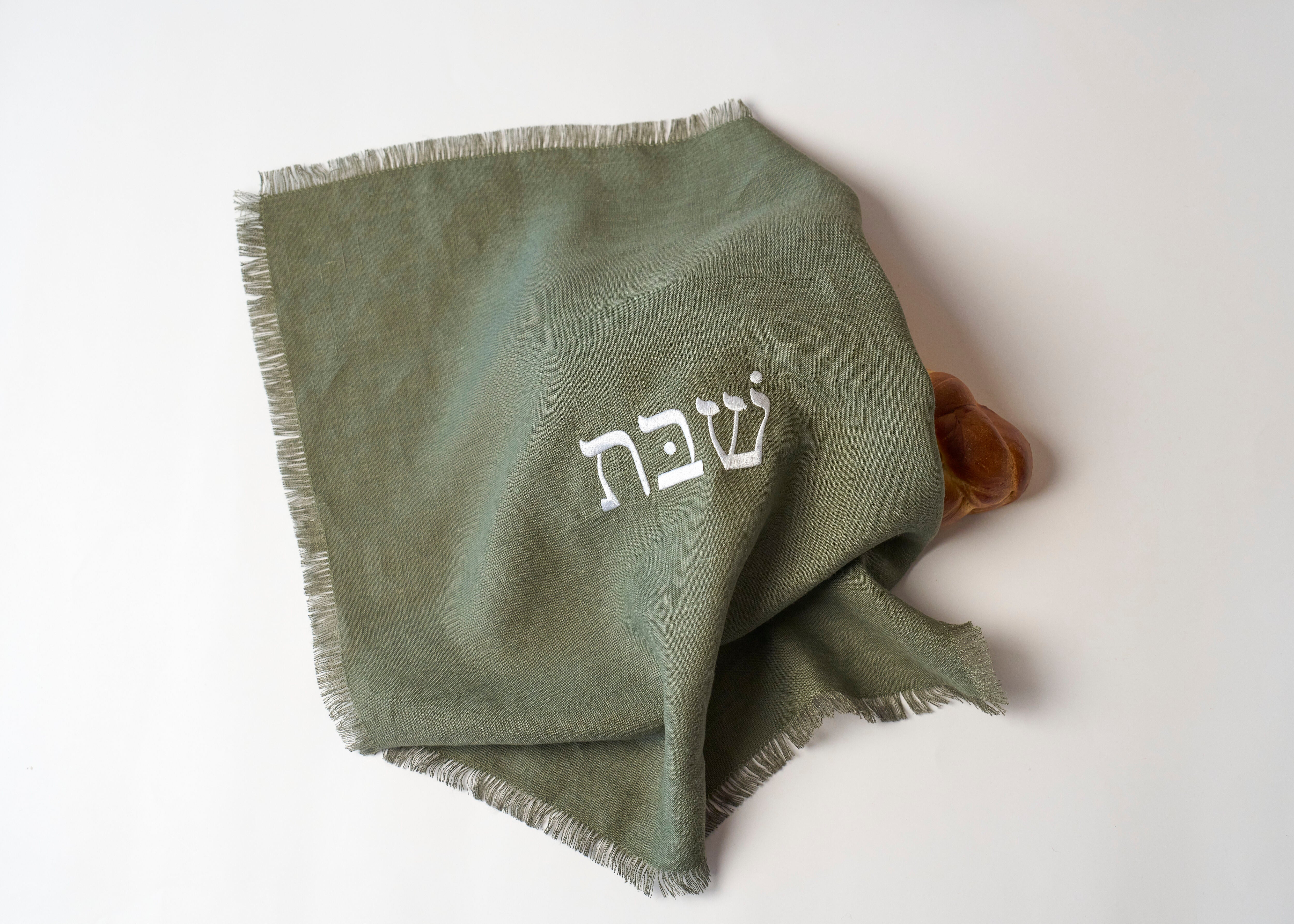
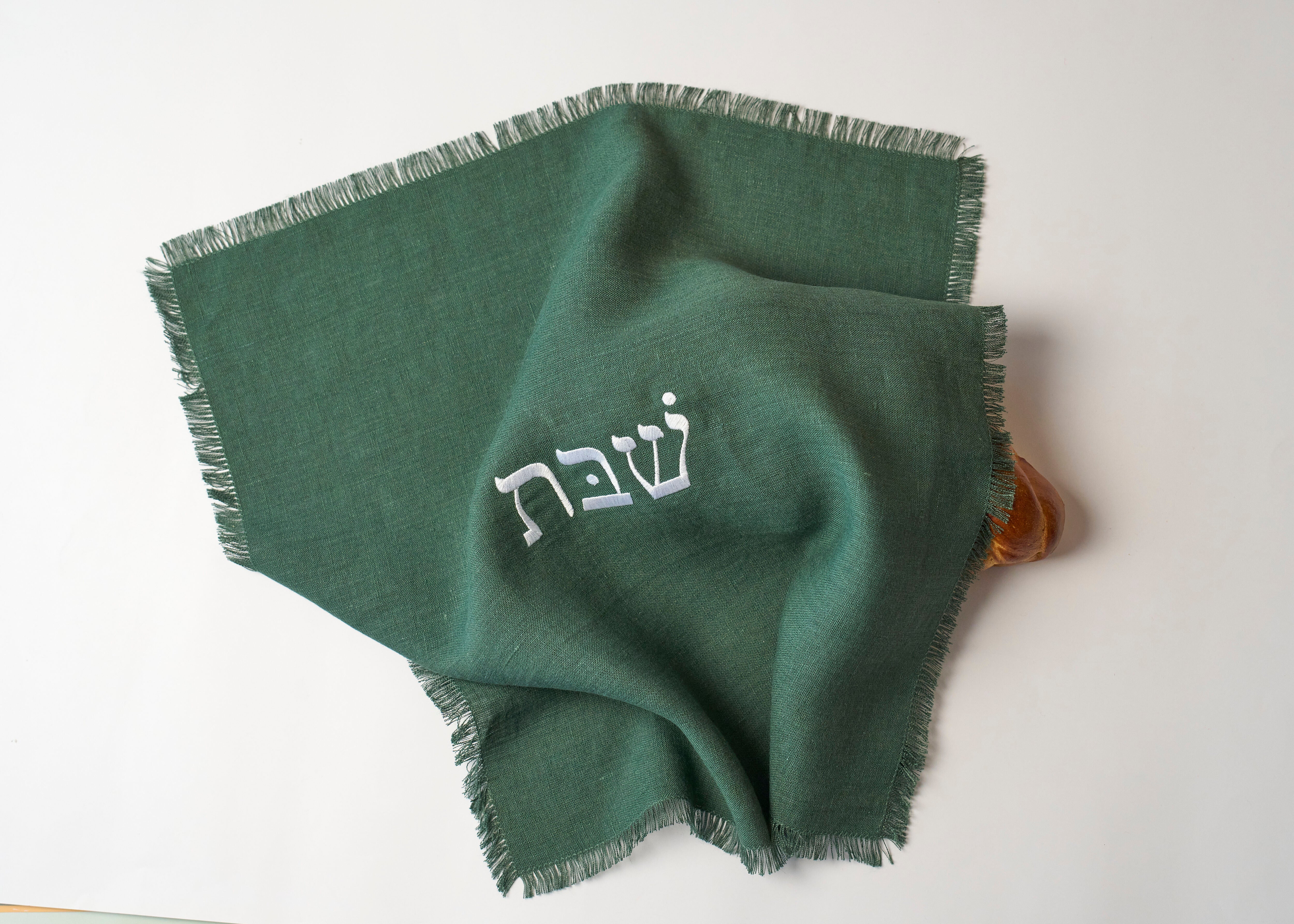
Blessing over the challah: The last ritual of Shabbat’s Friday night dinner is the blessing over the challah. This braided egg bread is left covered by a challah cover until the blessing is recited. Then, it’s passed around the table for everyone to tear off a bite.
Once these rituals are complete, it’s time to eat. Shabbat dinners traditionally include roast chicken, homemade chicken soup, and other comforting dishes.

Saturday Morning Services
Saturday morning is time for synagogue. Services include morning prayers, known as Shacharit, a reading of that week’s Torah option, and a sermon led by the rabbi, known as a d’var Torah.
Saturday services are often followed by a luncheon of cold cuts, salads, or cholent, a hearty stew. The day is spent away from work and technology, instead celebrating and connecting with friends and family.
Saturday Evening Havdalah
Shabbat ends with a special ceremony known as Havdalah. This immersive ceremony engages all five senses, touch, taste, sound, smell, and sight, and offers a full transition back into daily life. Its practices include:
-
Joining arms: friends and family link arms together, reminding one another of their community.
-
Drinking wine: Again, wine serves as a way to sanctify the ceremony.
-
Prayer: Havdalah prayers are bittersweet. They celebrate the hope of the holiday, but also the sorrow that Shabbat is ending.
-
Havdalah candle: The ceremony includes a special braided candle known as the havdalah candle. This candle represents the unity of the Jewish people.
-
Spice box: A bag or box of warming spices, including cinnamon, clove, and nutmeg, is passed around for friends and family to smell.
Ritual Items of Shabbat
Like many Jewish holidays, Shabbat employs a collection of ritual objects that each serve a different purpose in the holiday. These include:
-
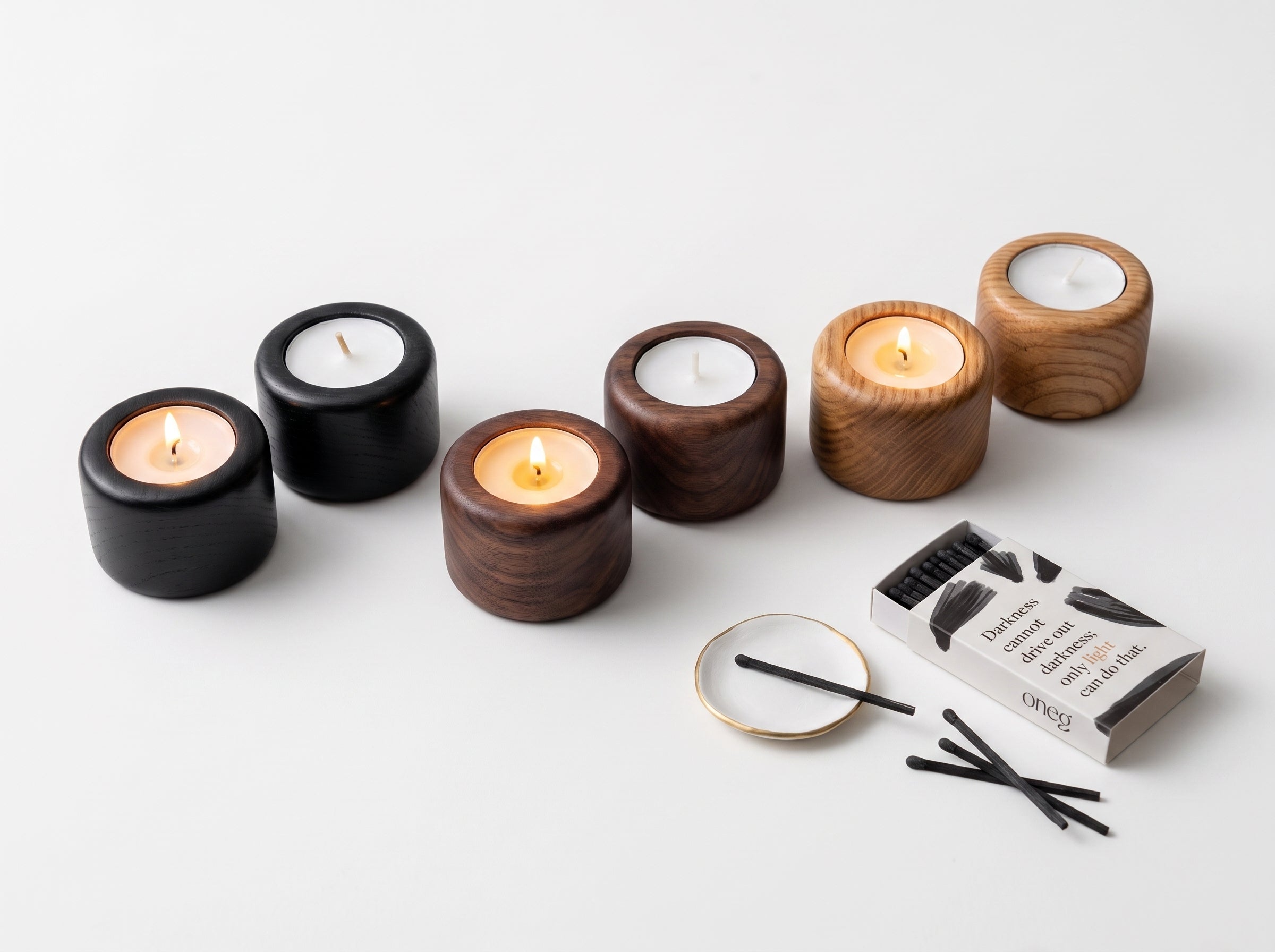
Candles and candleholders: Shabbat candles are long, white candles that sit in decorative candleholders. In some families, Shabbat candleholders have been passed down through generations, while others use candleholders that match their decor.
-
Kiddush cup: The Kiddush cup holds wine and is used to say Kiddush. It’s one of the most meaningful objects in a Jewish home. It can be made from silver, glass, or may even be a ceramic Kiddush cup.
-
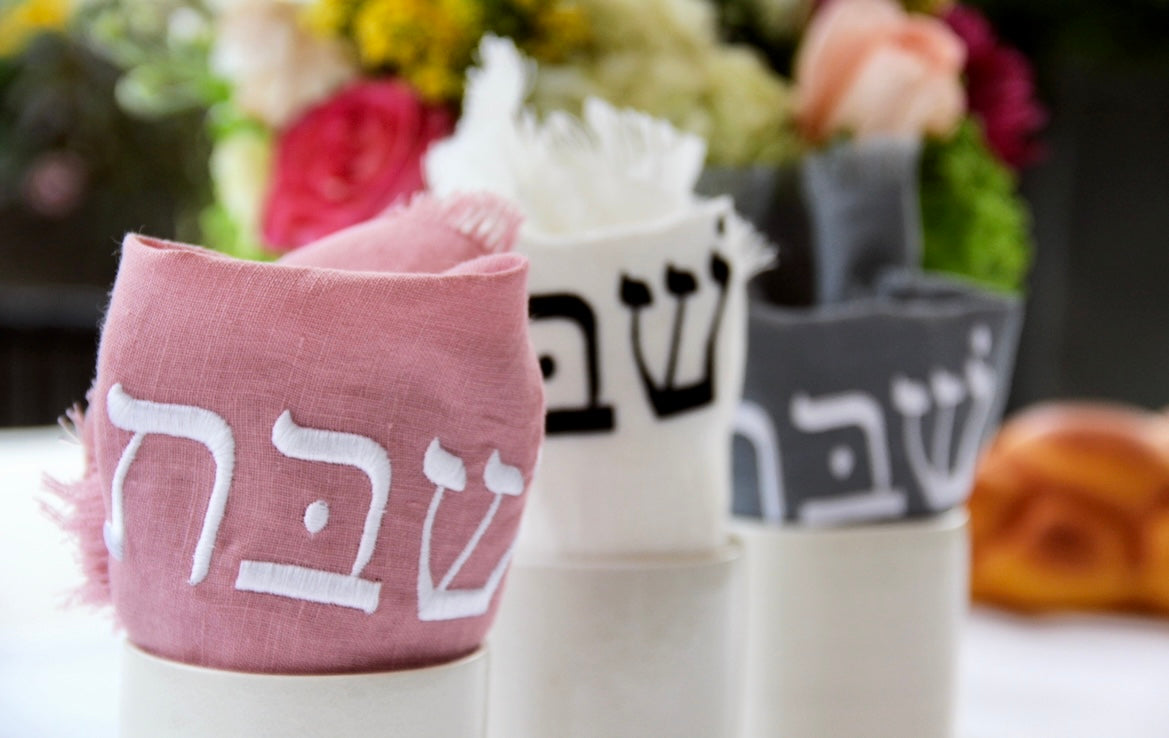
Challah plate and cover: The challah rests on a plate that is typically designed for this purpose, often engraved with Hebrew words or Jewish motifs. The challah cover sits on top of the challah until the blessing is said.
Oneg Home: Ritual Items with a Modern Twist
If you’re looking for an easy way to celebrate Shabbat for beginners, try the Shabbat Box from Oneg Home. This all-in-one box holds everything you need to begin celebrating the holiday, from ritual objects to accessible guiding materials. Mix and match colors and materials to build a Shabbat Box that fits perfectly into your home and your life.
Ready to begin your Shabbat practice?