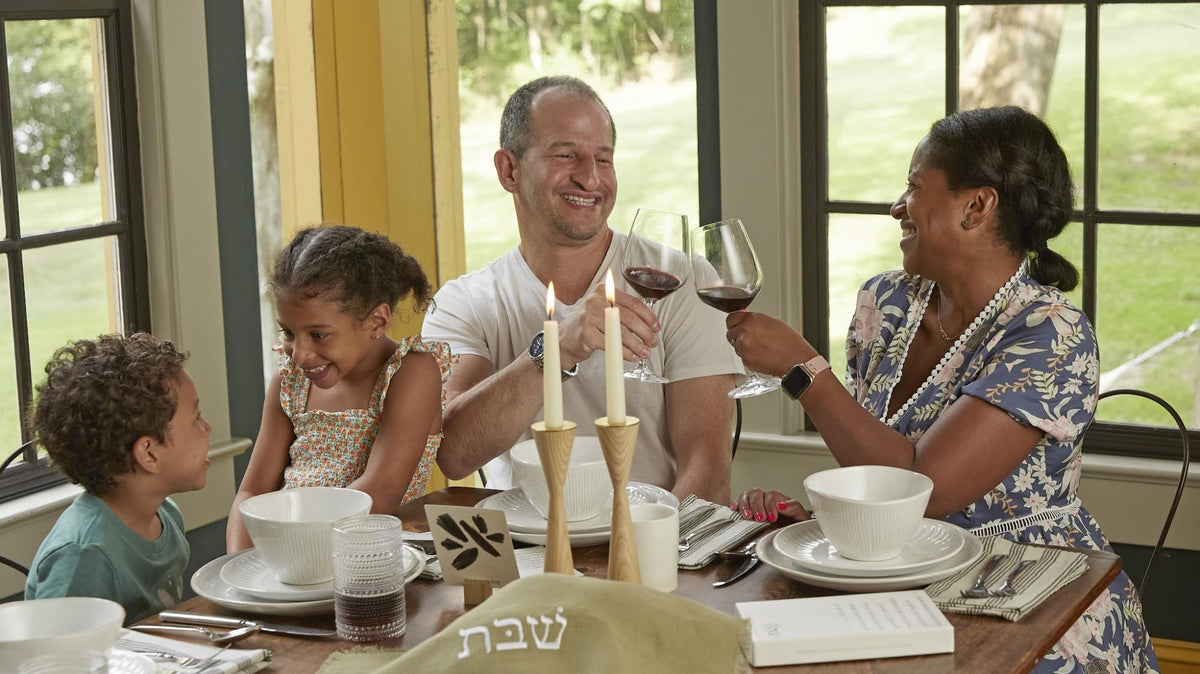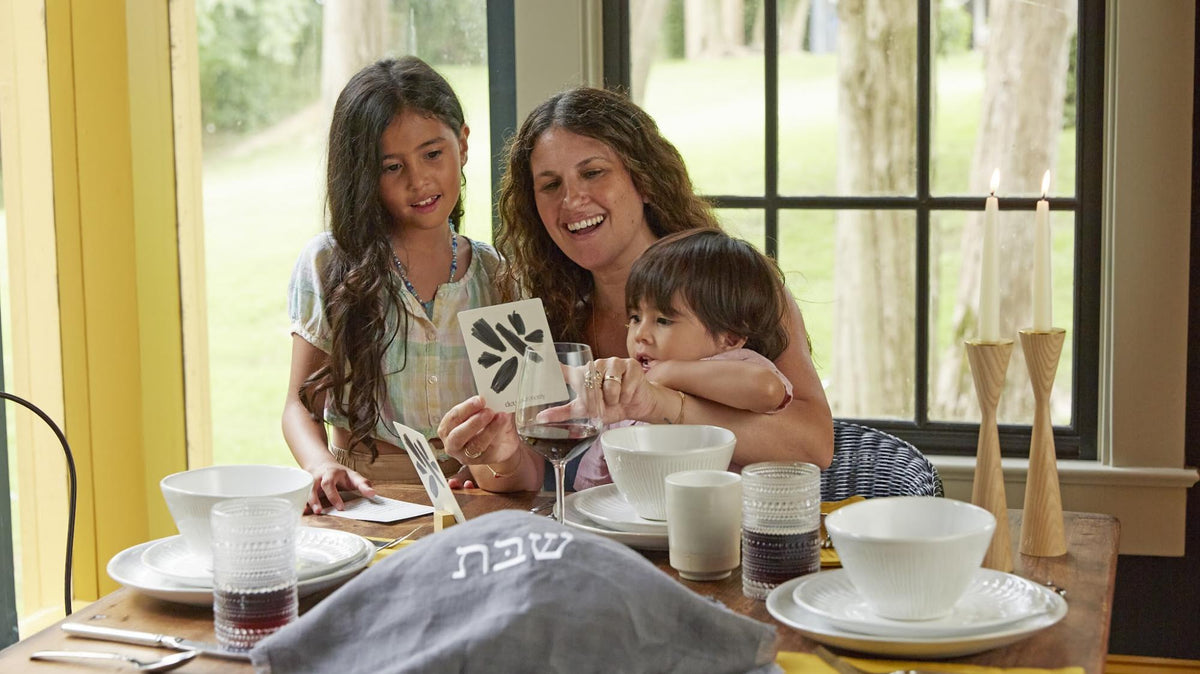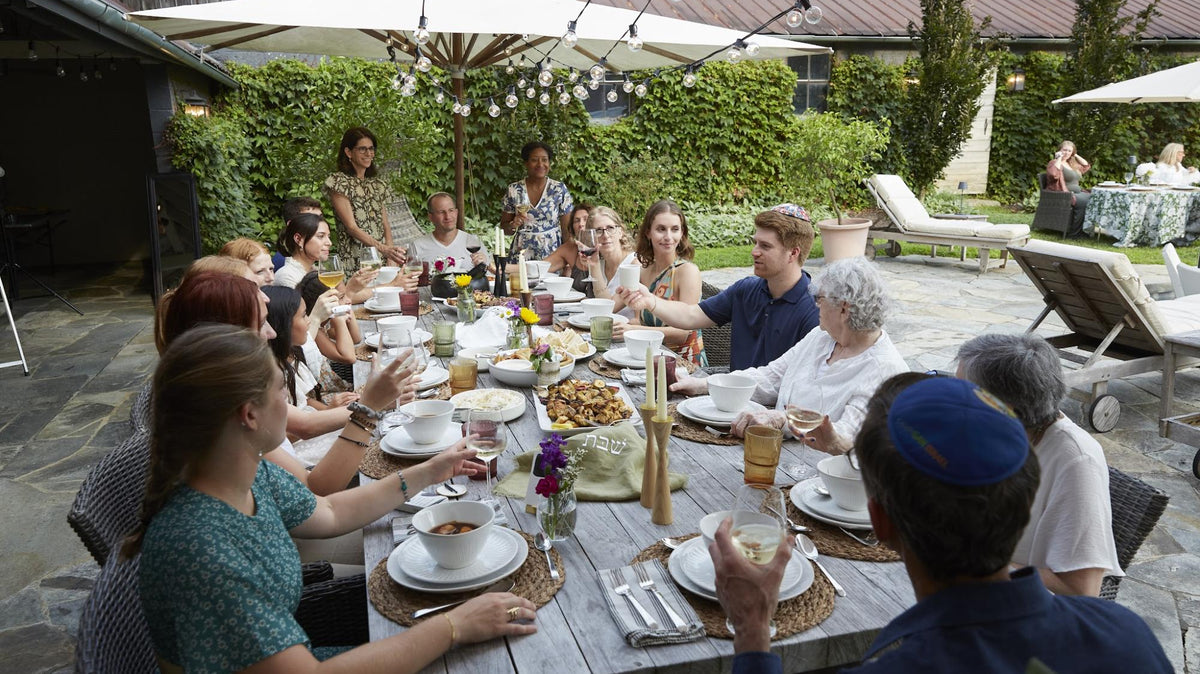

Shabbat, the Jewish day of rest, is one of the most accessible and meaningful traditions in Jewish life. It doesn’t require synagogue membership, Hebrew fluency, or years of religious study. All you need is a few ritual objects and a bit of guidance.
For interfaith families, Shabbat is a great place to start exploring Jewish tradition. This guide will walk you through what interfaith Shabbat looks like, the ritual objects needed to celebrate, and how to personalize Shabbat for your family.
What is Shabbat?
Shabbat is the weekly Jewish day of rest, rooted in the biblical story of creation. According to the Torah, God created the world for 6 days and rested on the 7th, and so do we. Shabbat begins at sunset every Friday night and ends when three stars appear in the sky on Saturday night.
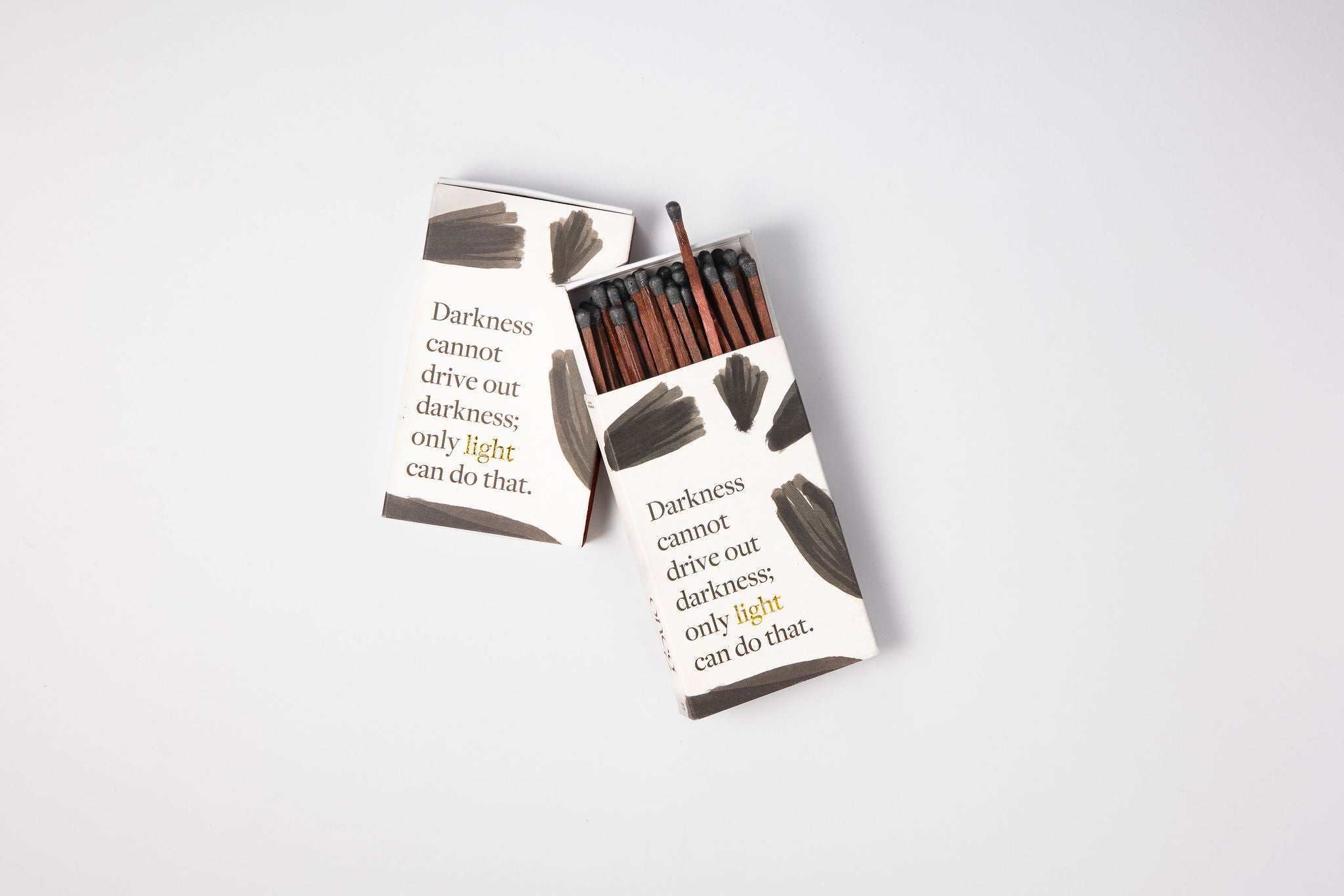
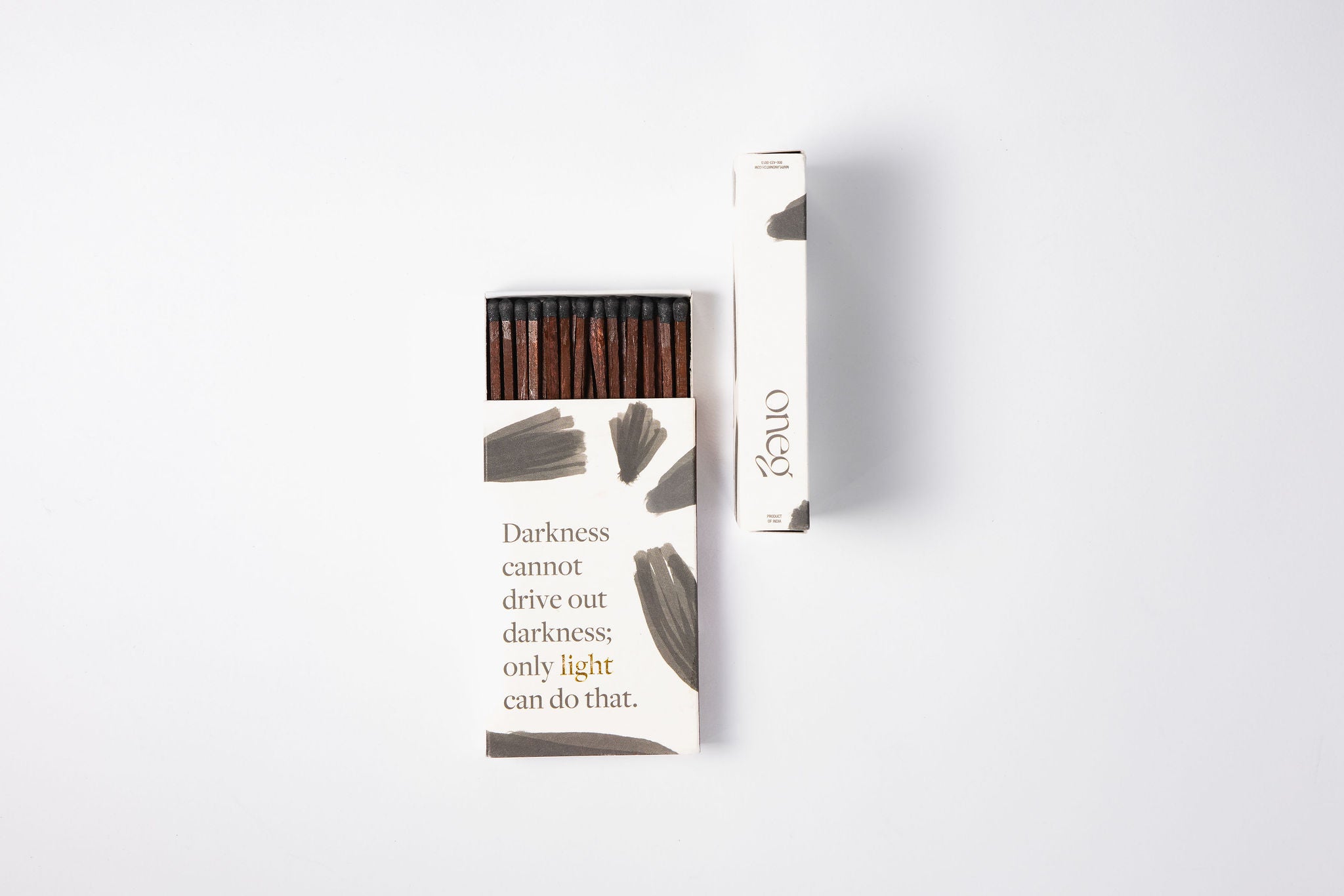
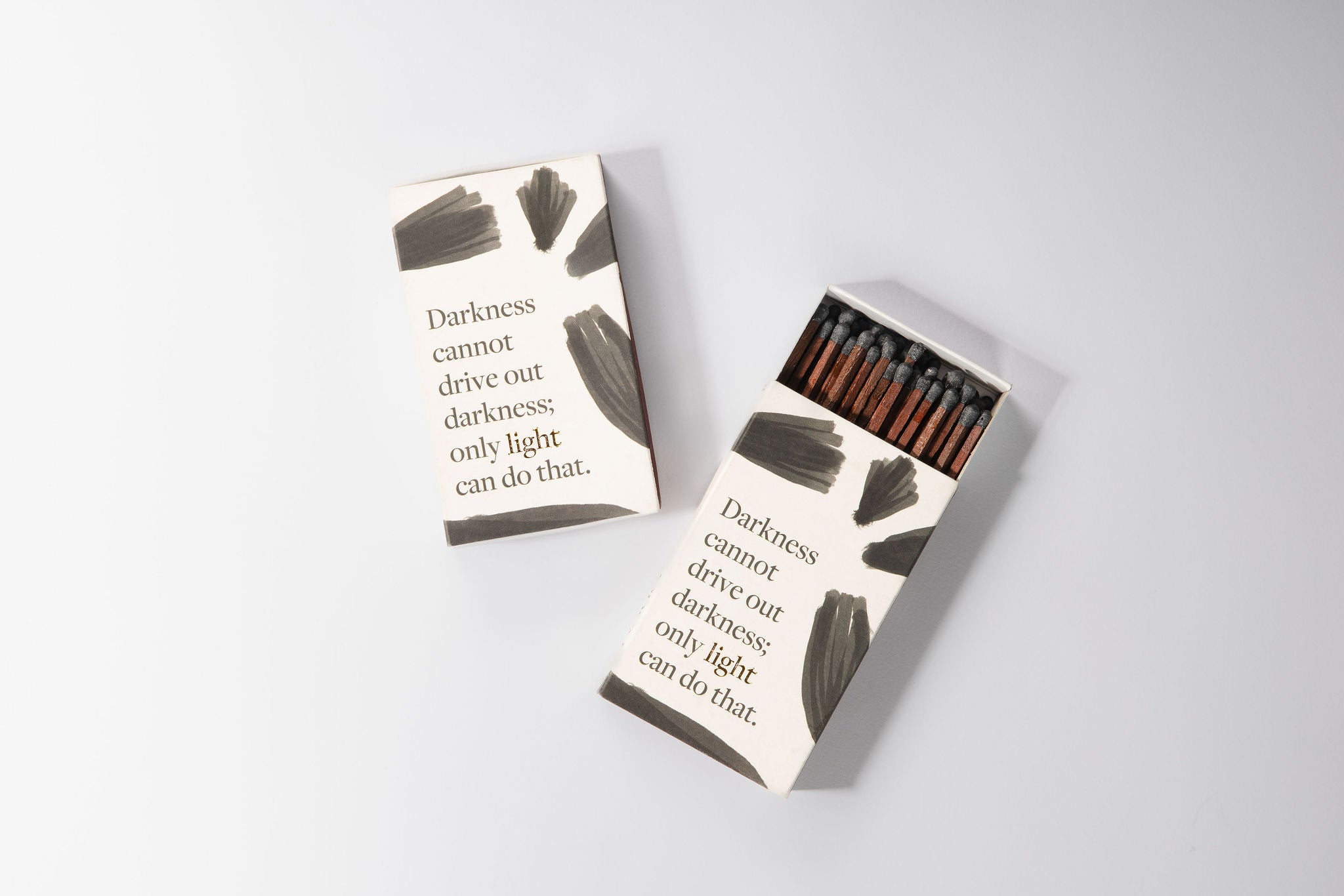
Central to Shabbat is the concept of sacred time. You’re marking the end of everyday life and beginning something totally different. This is seen in practice by the unique ritual objects we use on Shabbat, like candles, wine and grape juice, and challah. These objects aren’t used during our everyday life. This time is different from all other times.
Can Interfaith Families Practice Shabbat?

Yes, interfaith families can practice Shabbat. Jewish law has long-included the concept of hospitality, and Shabbat is a shared meal as much as it is a religious ritual. This Jewish tradition is welcoming and inclusive. Non-Jewish partners and family members are invited to the table. You don’t need to be Jewish to appreciate the ritual of stopping, gathering, and being present together.
The Ritual Objects of Shabbat

You don’t need a lot to start your shabbat practice, but a few key objects help in the facilitation of the ritual.
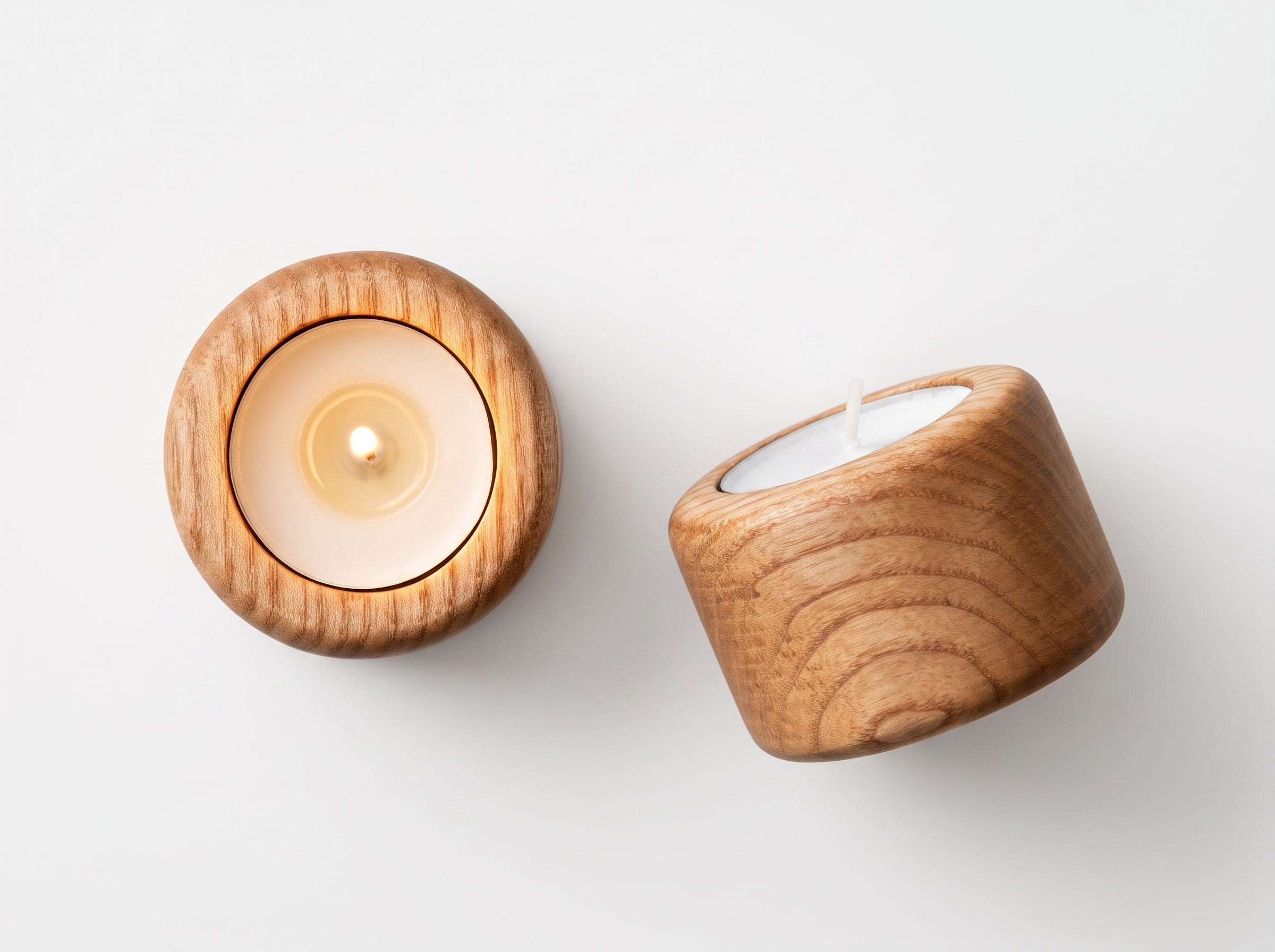
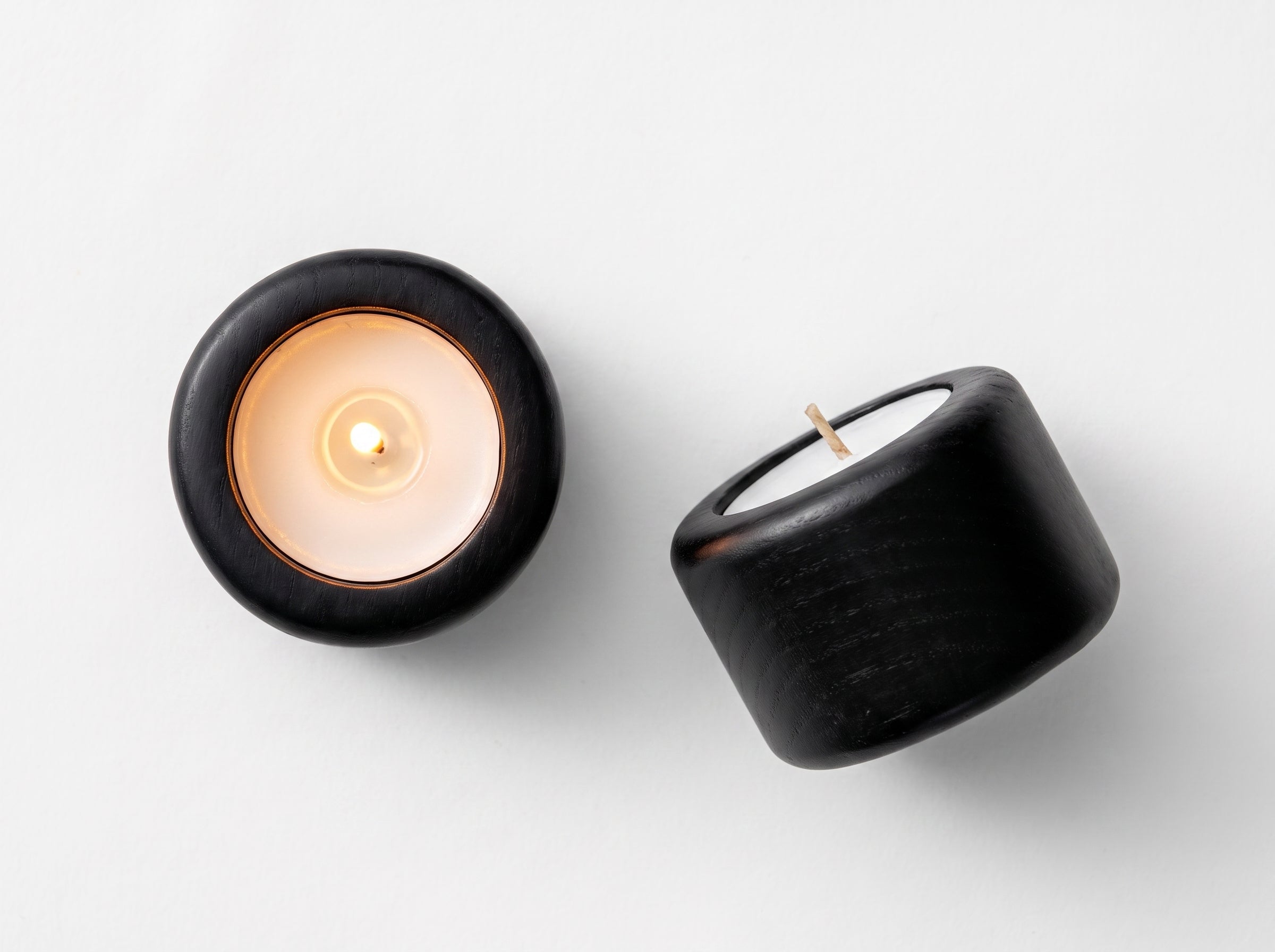
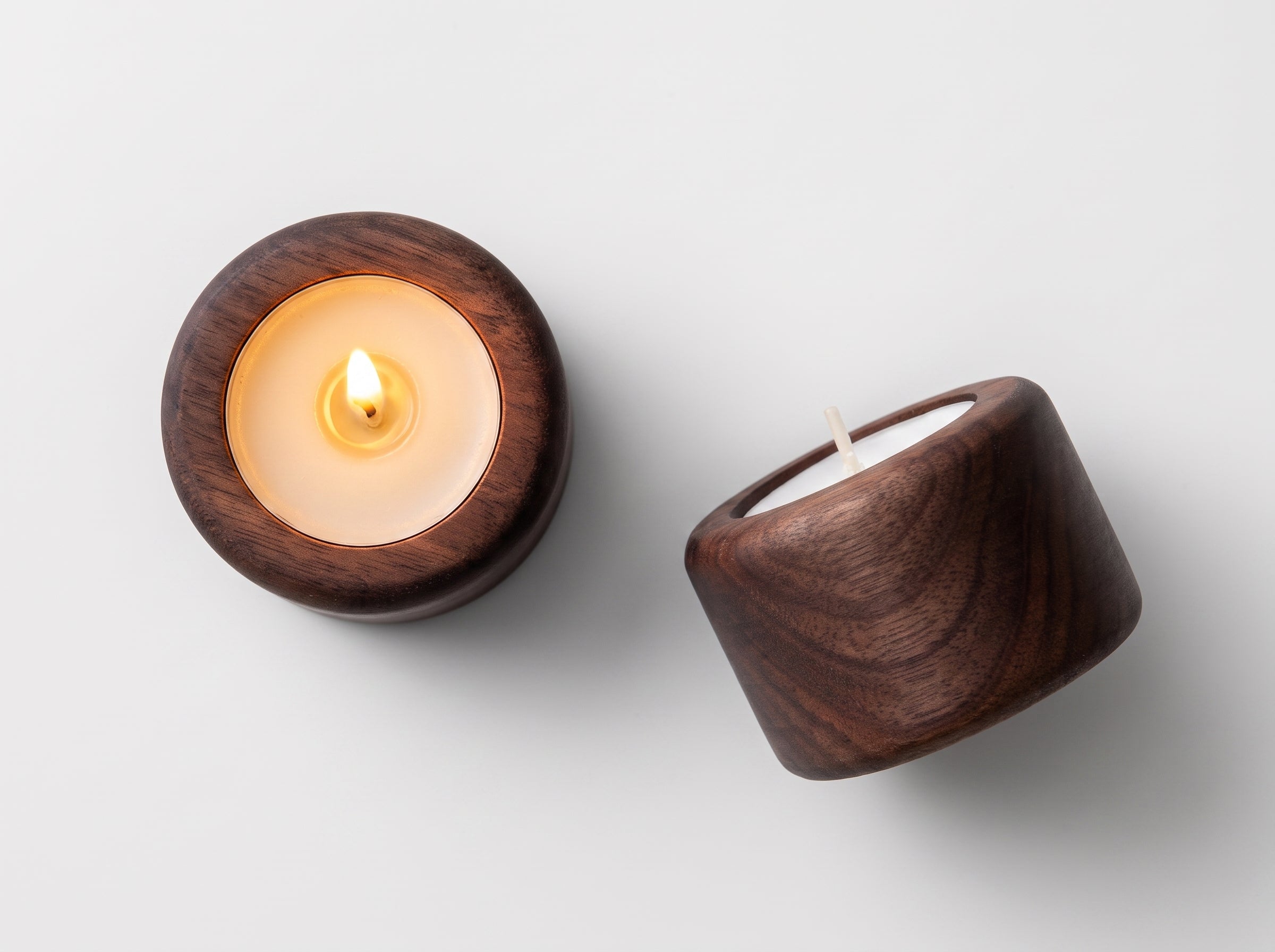
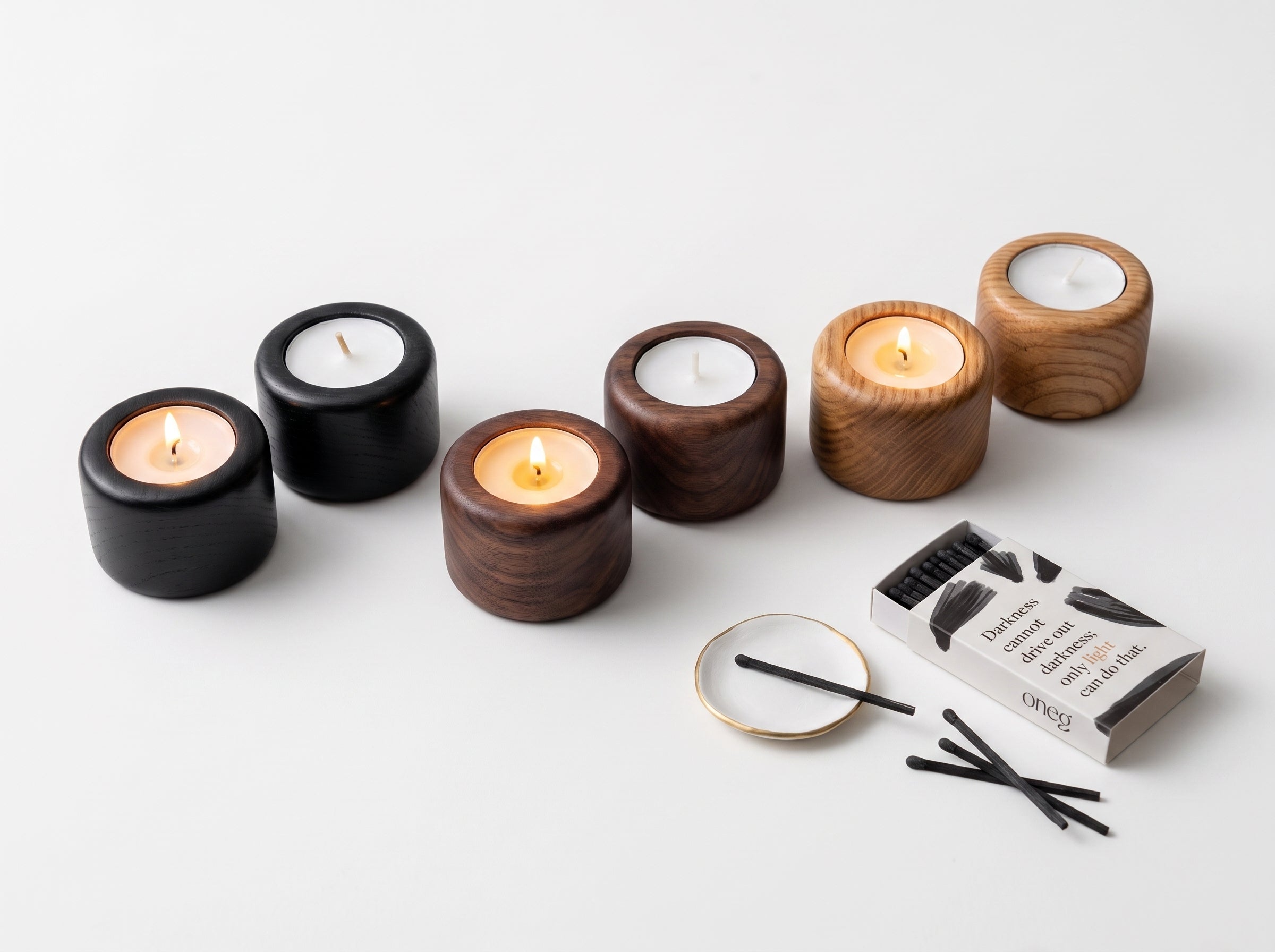
Shabbat Candlesticks
Lighting candles is the act that officially begins Shabbat. Traditionally, two candles are lit by the woman of the household, but this isn’t a rule. Anyone can light the candles. In fact, some families have a set of candles for each person, so everyone can light their own.
Along with the lighting of the candles, a blessing over the candles is recited. It can be recited in Hebrew, English, or both. There are lots of translations and transliterations available.
Kiddush Cup
The Kiddush, Hebrew for sanctification, is a blessing recited over wine or grape juice. It’s one of the central blessings of Shabbat. In order to recite the Kiddush, wine or grape juice are poured into a special cup known as a Kiddush cup.
While traditional Kiddush cups tend to be ornate silver cups decorated in religious scenes and symbols, this isn’t necessary to celebrate the holiday. Handmade ceramic Kiddush cups are a beautiful alternative, particularly for interfaith Shabbats. They don’t feel like religious artifacts, but like beautiful objects everyone can appreciate.

Challah and Challah Cover
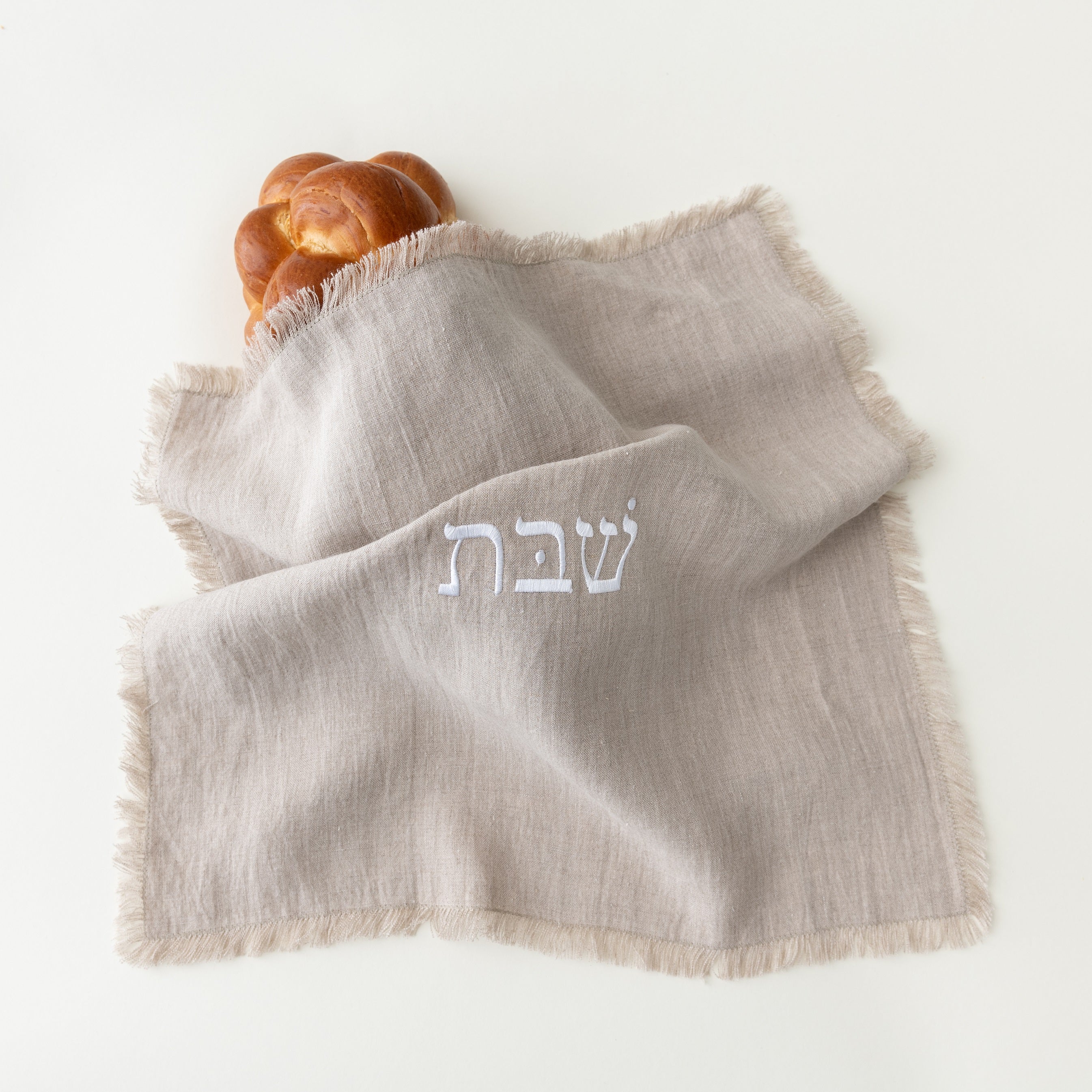
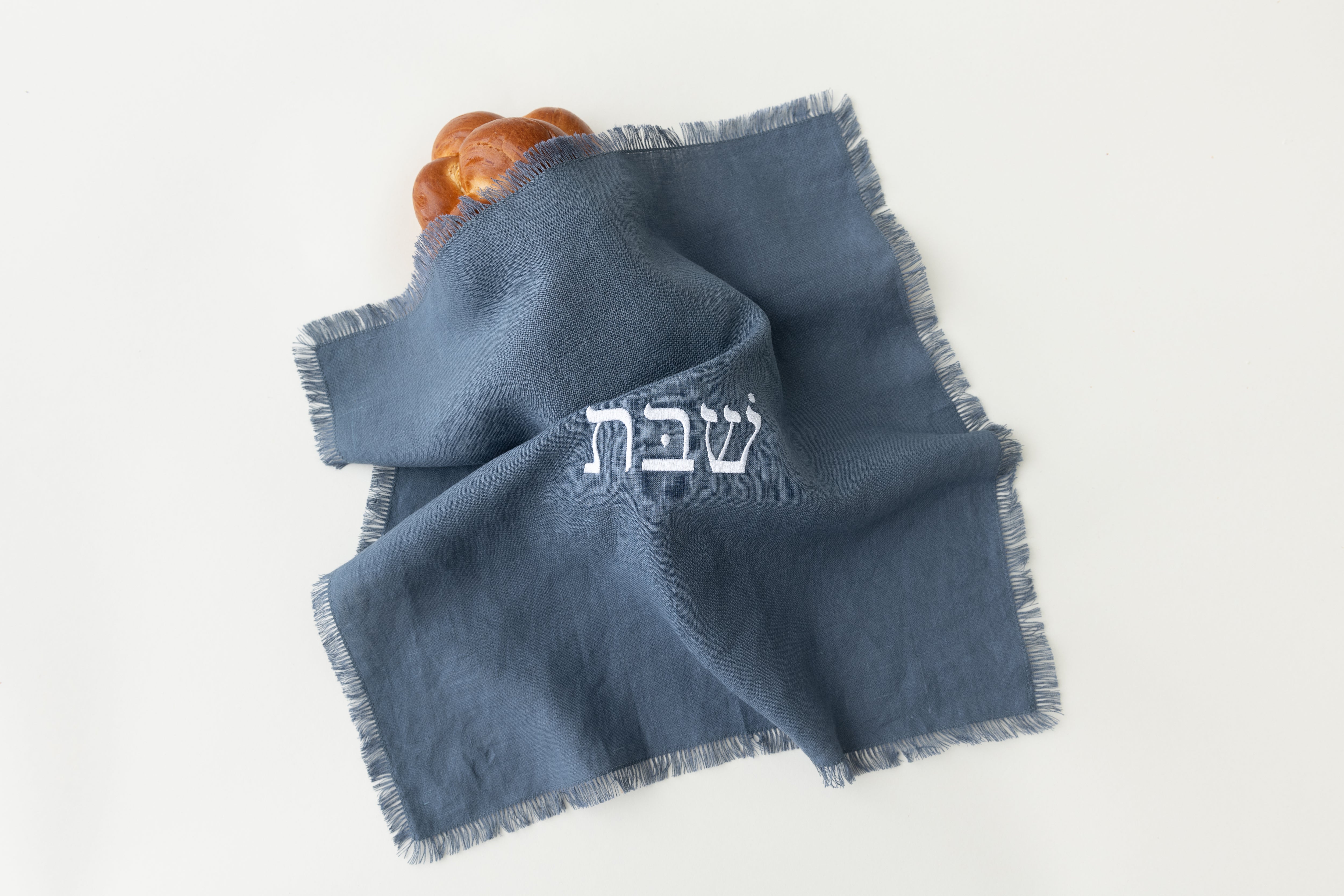
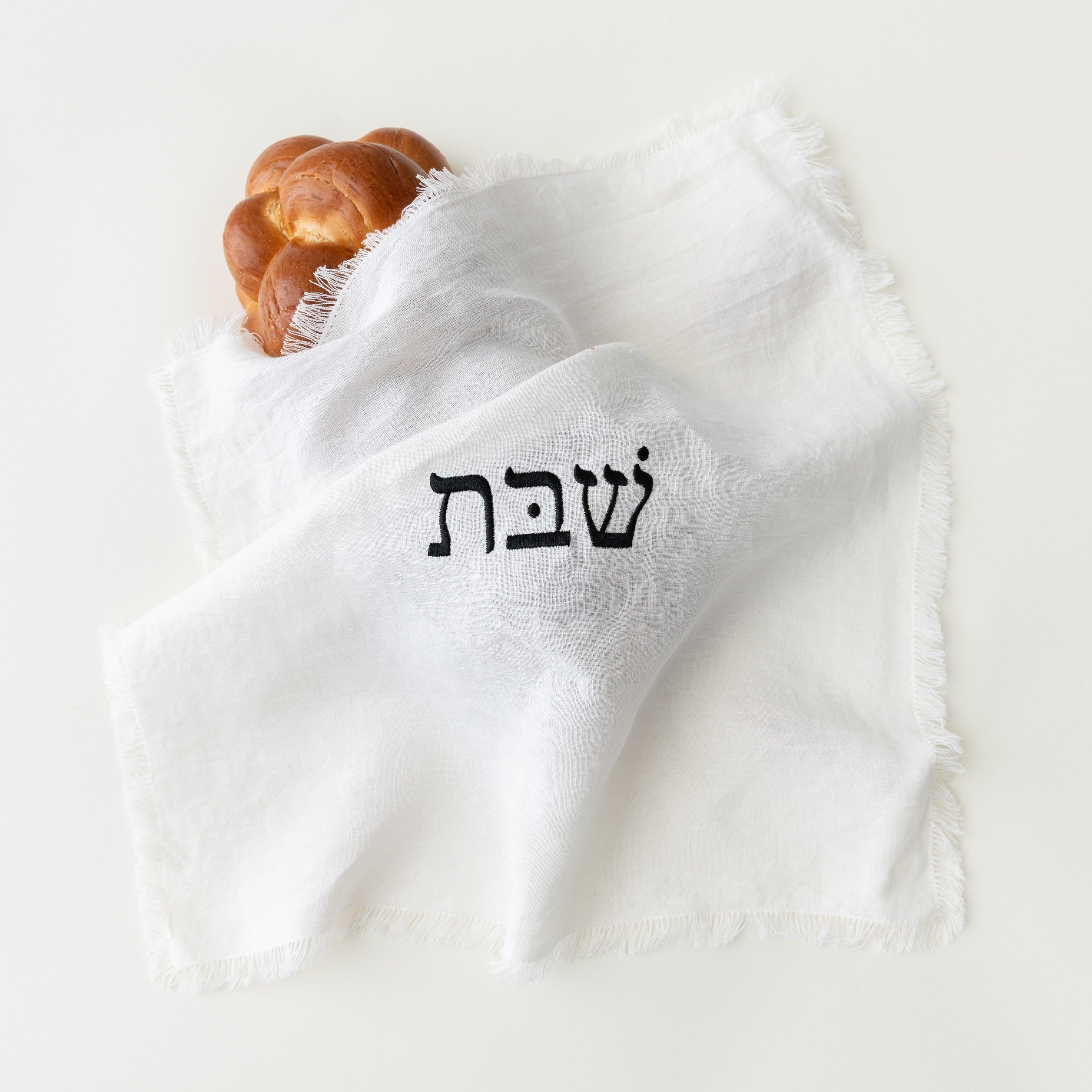
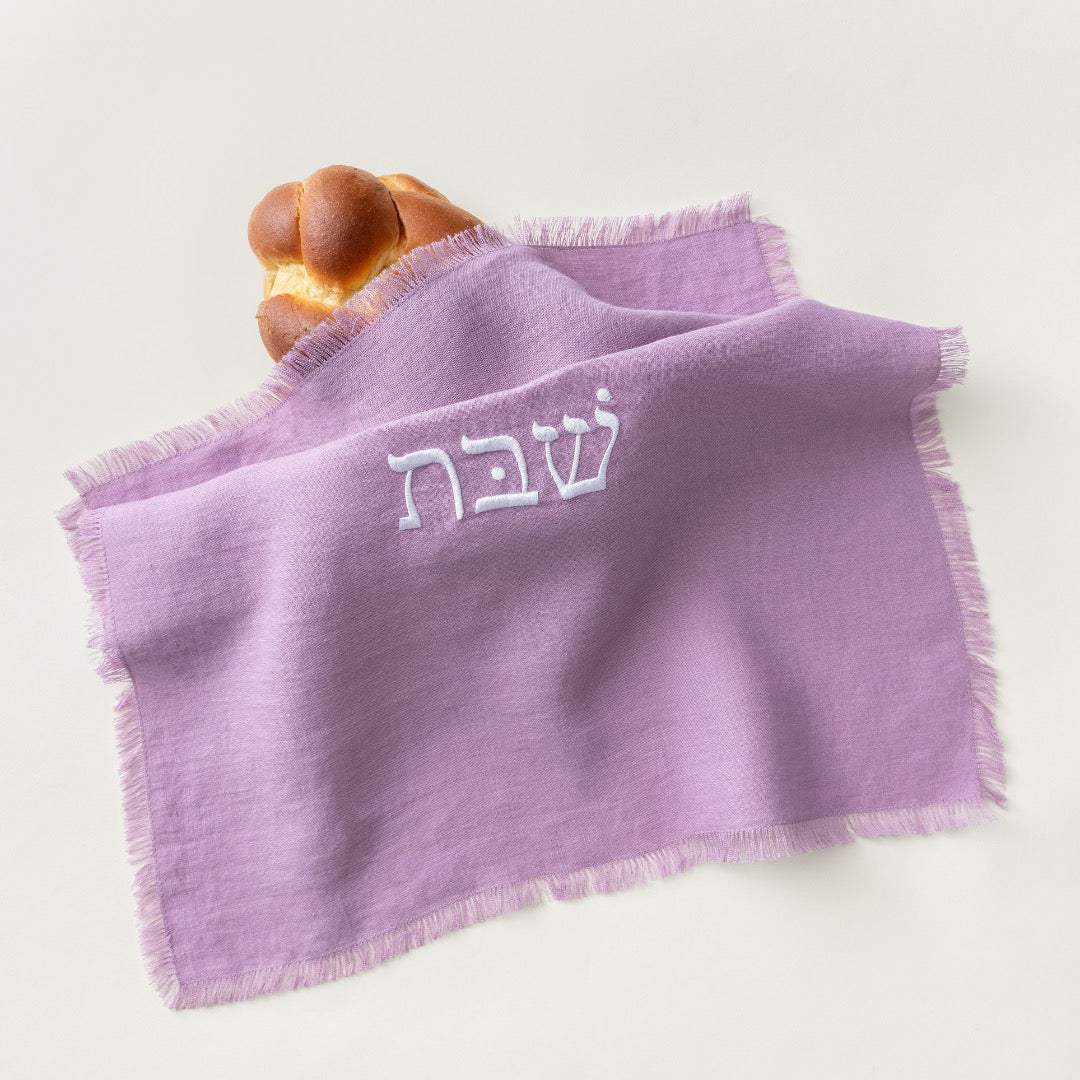
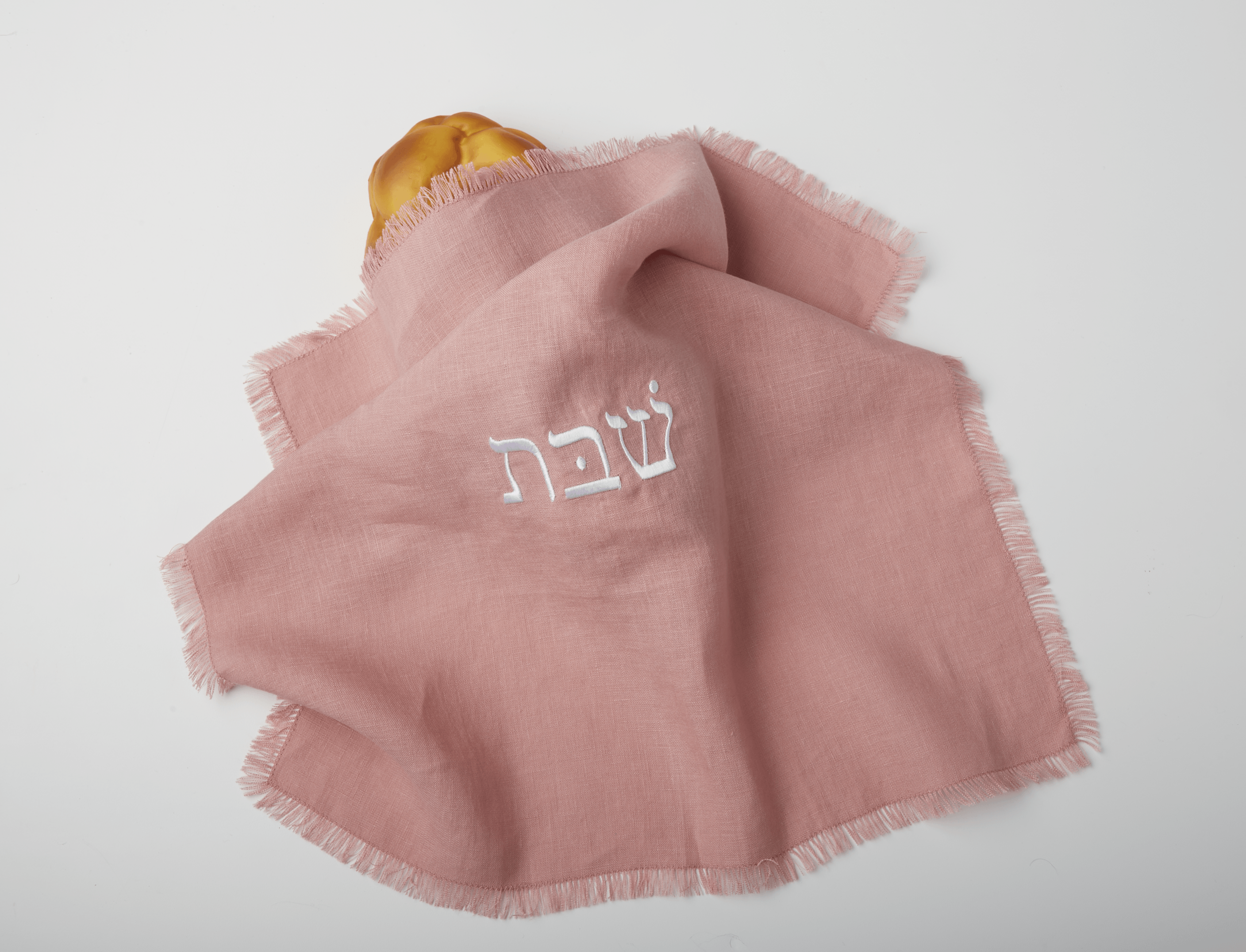
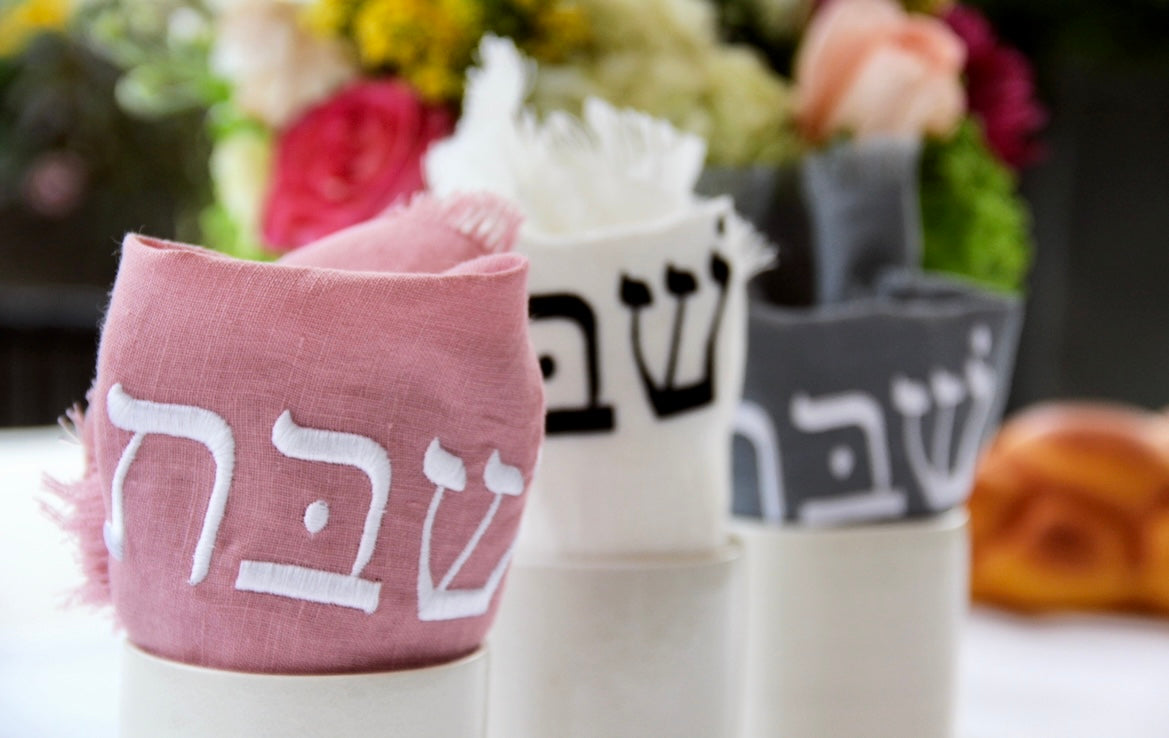
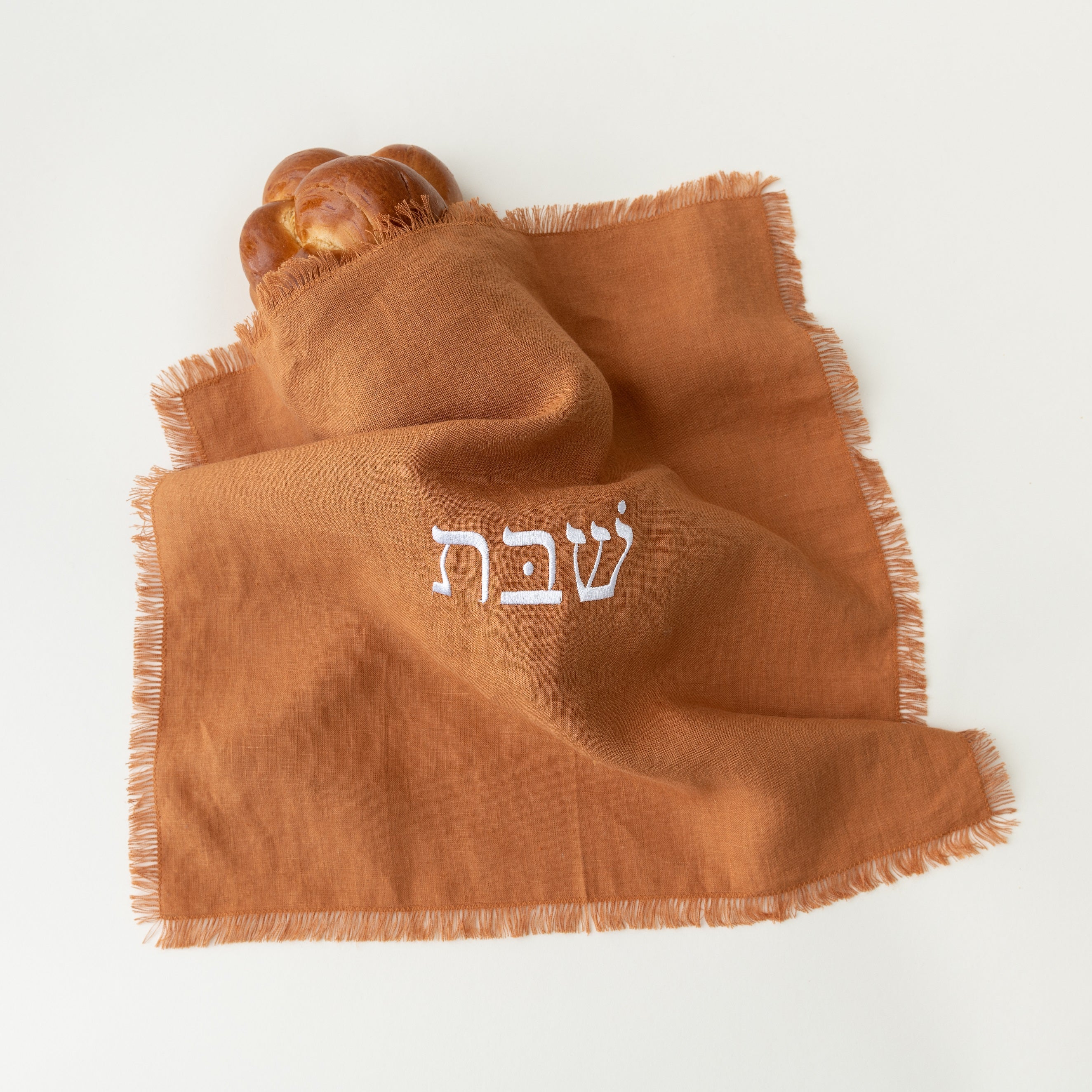
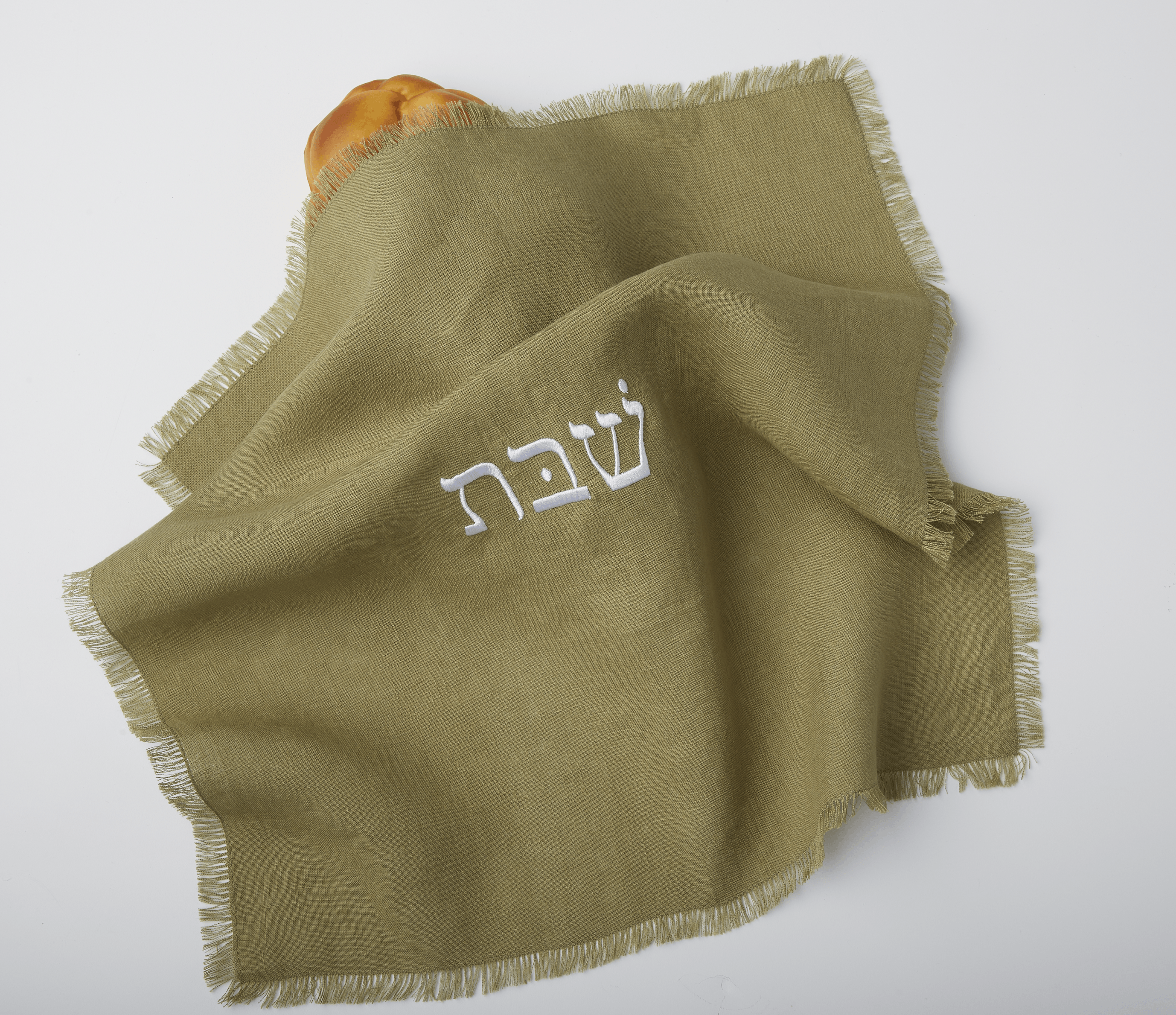
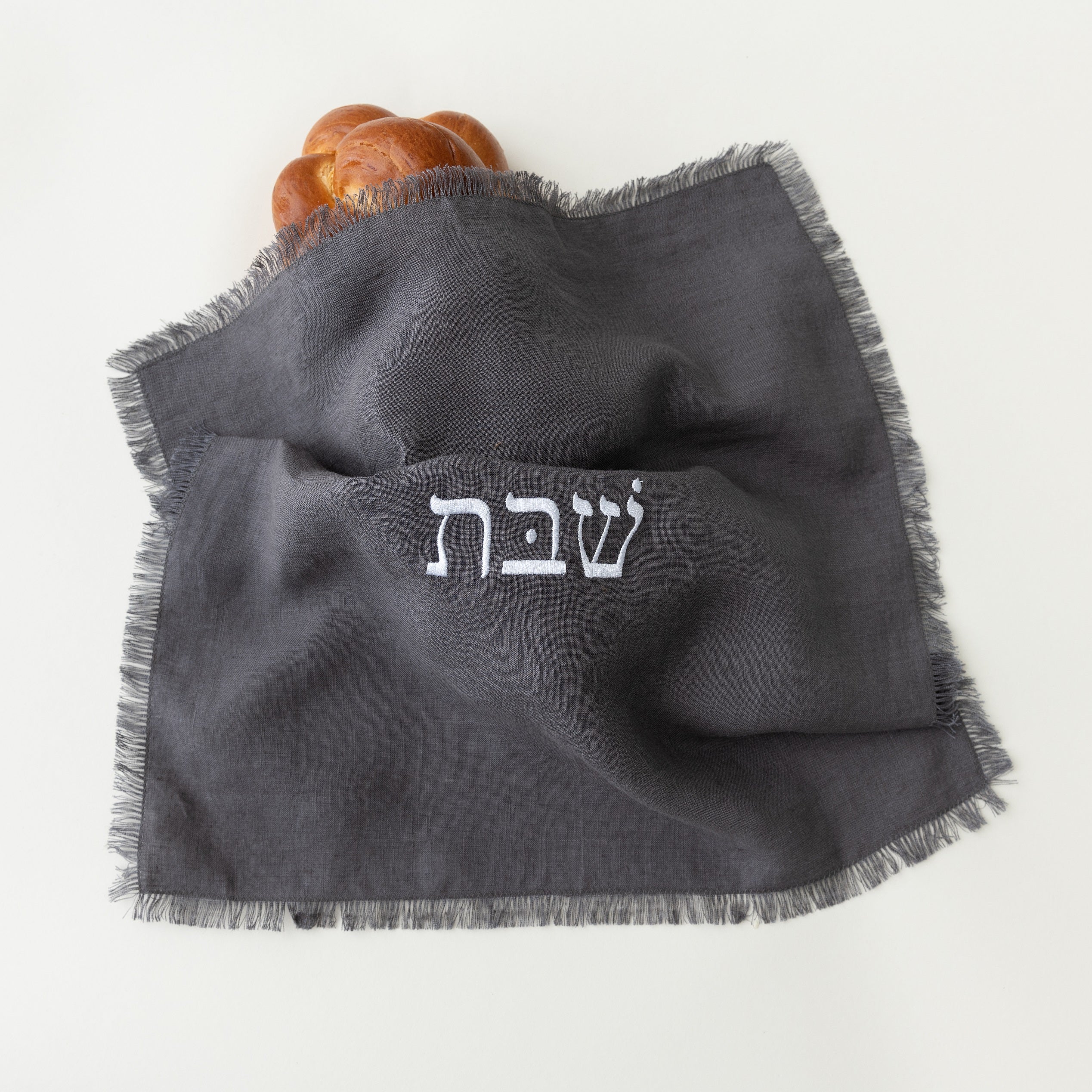
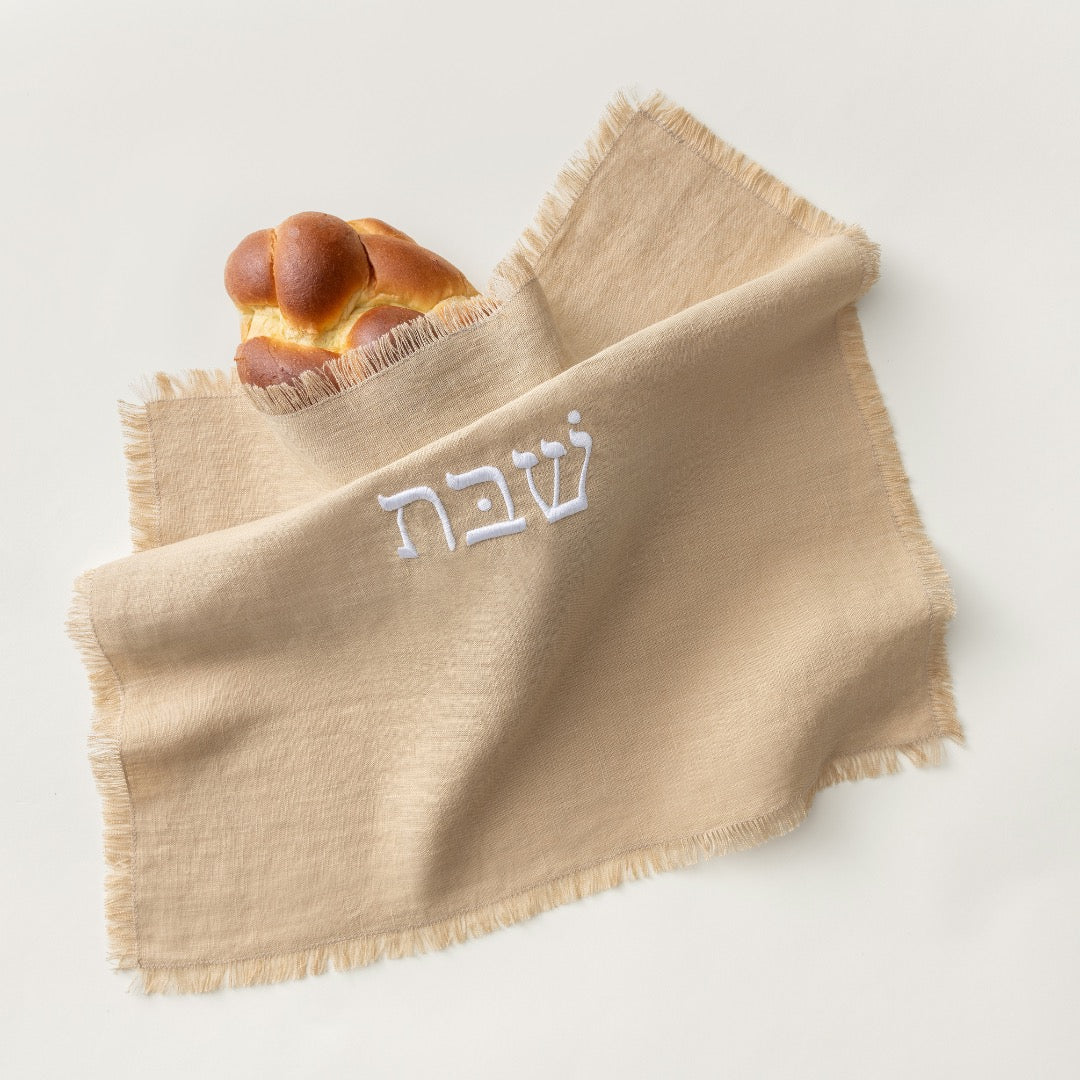
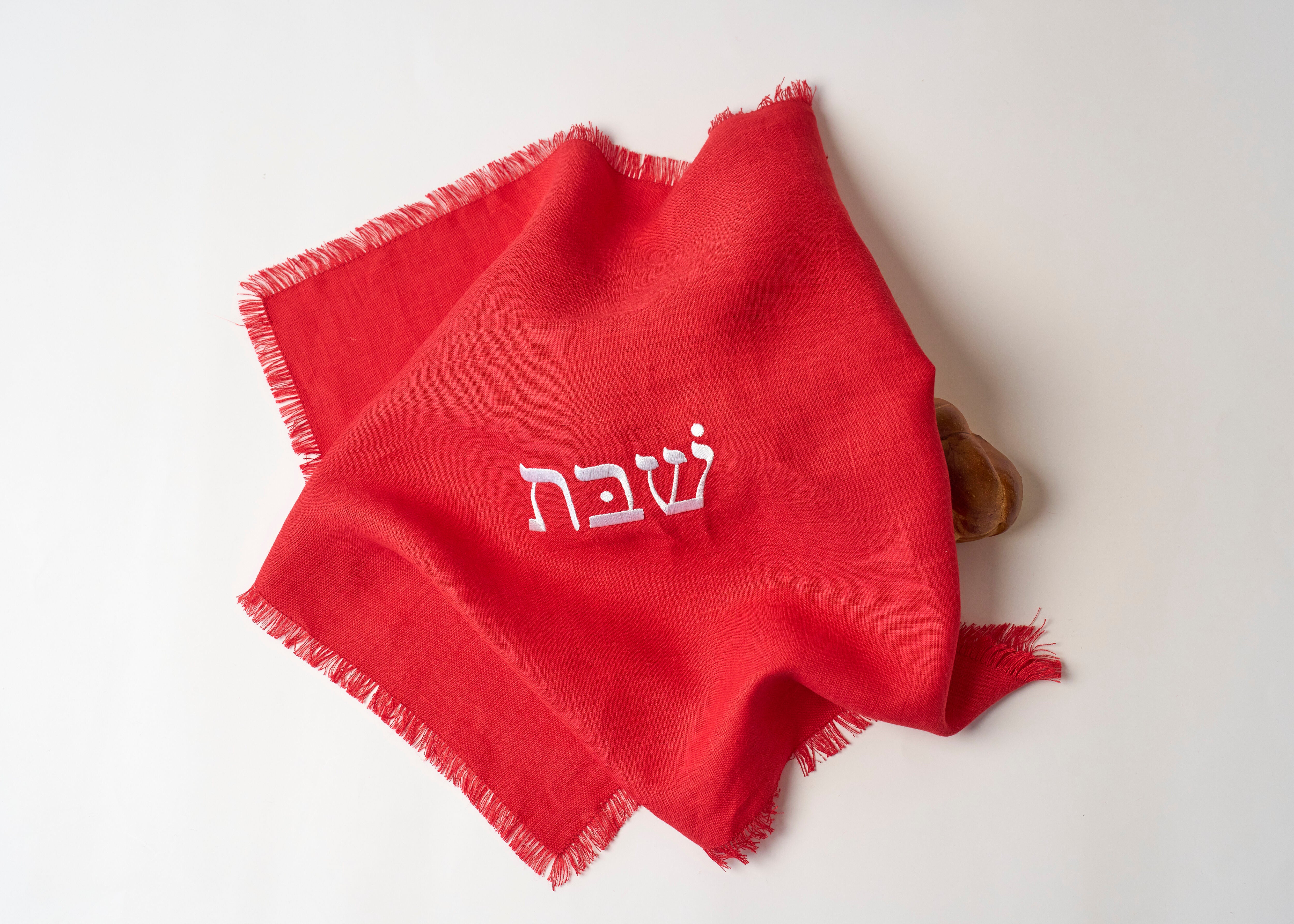
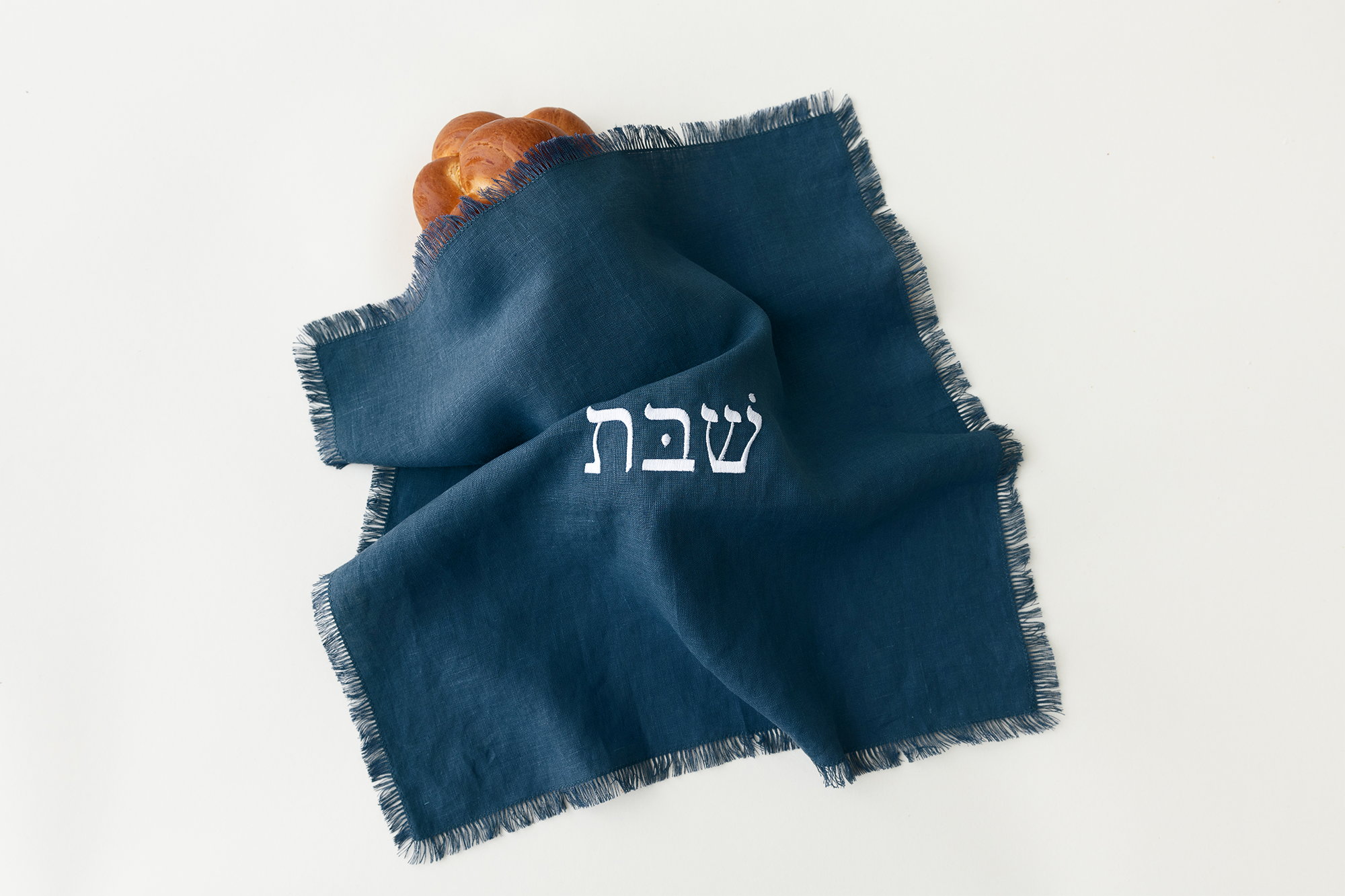
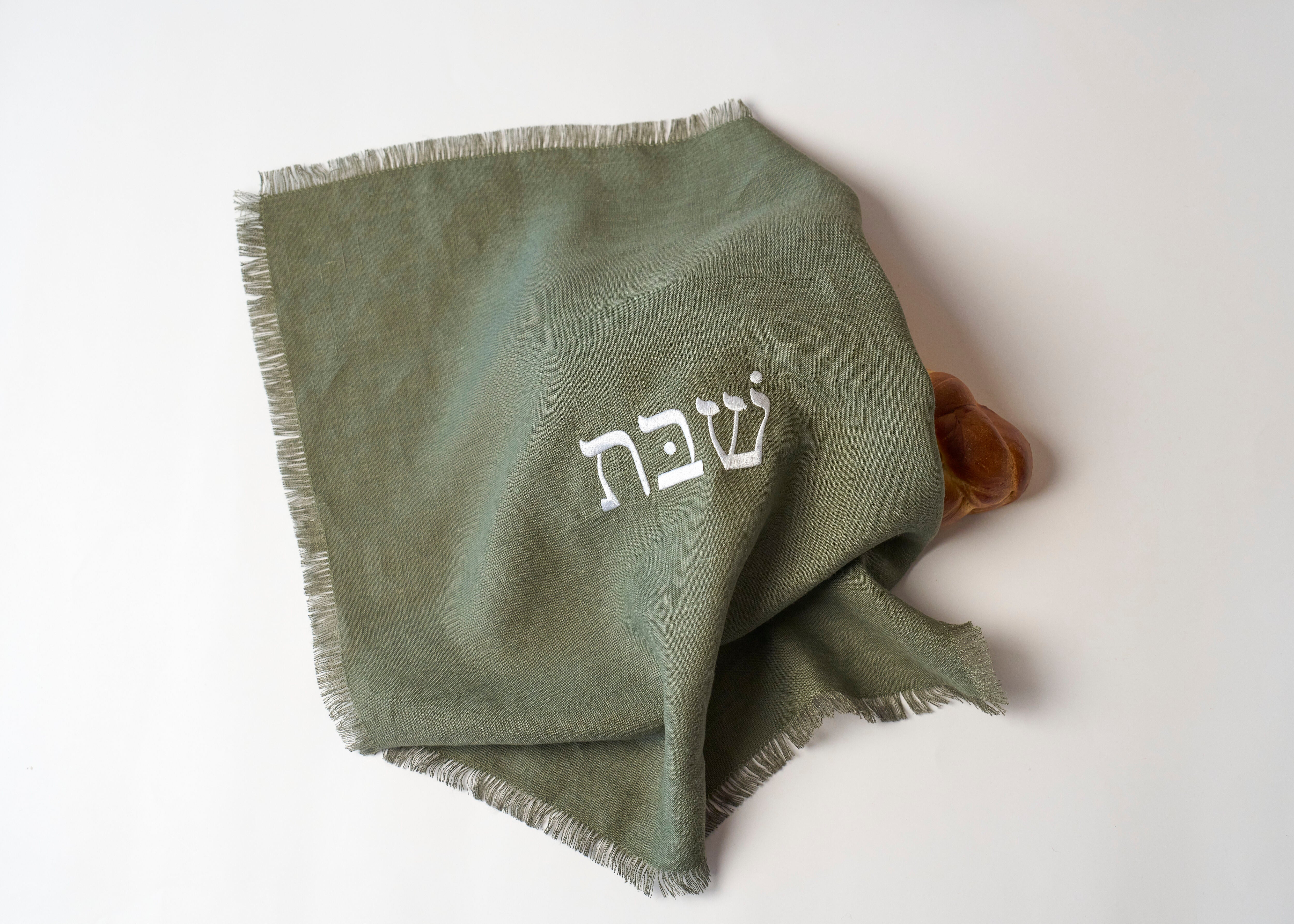
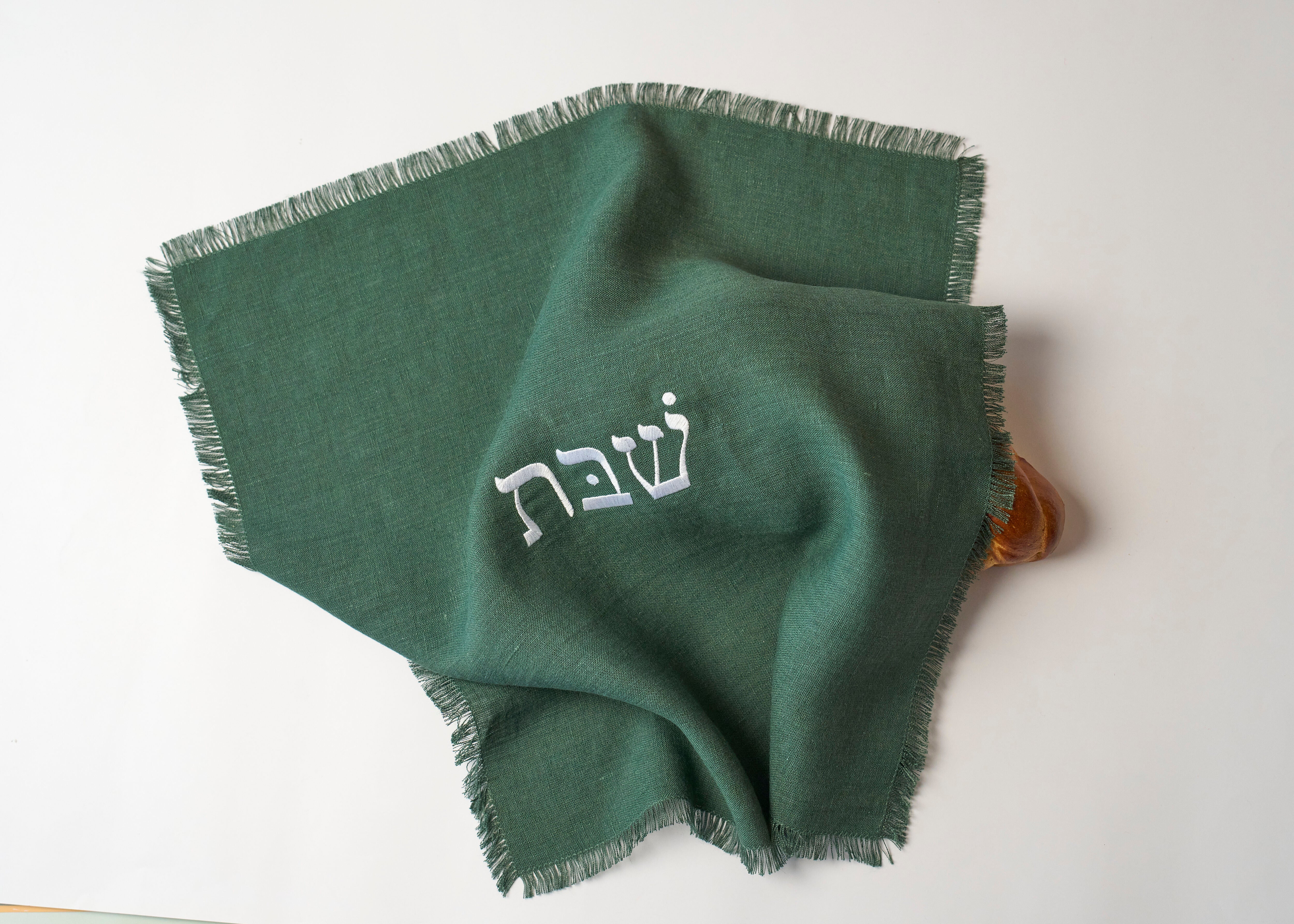
A loaf of challah, a braided egg bread, always sits on the Shabbat table, covered by a special cloth known as a challah cover. Typically, challah covers feature religious themes or phrases, but there are no requirements for their decoration. Once the blessings over the candles and wine are said, it’s time to recite the blessing over the challah. Then, the cover is removed and everyone tears off a piece to enjoy.
A Shabbat Guidebook
While a Shabbat guidebook isn’t required to celebrate the holiday, it’s a helpful addition to any interfaith Shabbat. It’s important to choose a clear, approachable guide to the blessings and rituals, like the Shabbat guidebook included in our Signature Shabbat Box, rather than a dense prayerbook. Look for a book that includes transliteration and translation, so that everyone can follow along without being lost.
How to Start an Interfaith Shabbat Practice

Aside from these ritual objects, you don’t need much to start an interfaith Shabbat tradition in your home. Just follow these steps, but don’t put pressure on yourself to be perfect:
-
Put your phones away: The first and most important step in any Shabbat is to be present. That means putting away phones and other distractions and focusing on spending time with family.
-
Light the candles: At sundown, light the Shabbat candles and try to say the prayers.
-
Say Kiddush: Fill your Kiddush cups with wine or grape juice and say the Kiddush. If the prayer feels too complicated, simply say something meaningful from the heart.
-
Bless the challah: Next comes the blessing over the challah. Recite it, uncover it, then pass it around for everyone to enjoy.
-
Eat: Finally, it’s time to eat! Traditional Shabbat dinners include roast chicken or brisket, matzo ball soup, and other slow-cooked foods, but you can eat anything your family enjoys.
Personalizing Your Interfaith Shabbat
The most sustainable interfaith Shabbat practice is one that feels personal to you. At an interfaith Shabbat, that may mean incorporating other family traditions alongside your Jewish traditions. The important thing is to focus on making a practice that feels right for your family, rather than on perfection.
Begin Your Shabbat Practice with Oneg Home
Ready to try your hand at an interfaith Shabbat? Oneg’s Signature Shabbat Box includes everything your family needs to get started: handmade candlesticks, a ceramic Kiddush cup and an embroidered challah cover, along with a guidebook and conversation cards tied to the weekly Torah portion. It’s designed to make Shabbat feel accessible for families at every level of observance and from every background.
Ready to begin your Shabbat practice?