
Shabbat, the Jewish Sabbath, happens each week from sundown on Friday to sundown on Saturday. It’s a weekly pause from daily life that gives Jewish people the chance to be present, reflect on the week, and connect with one another.
Jewish tradition teaches that the history of Shabbat stretches all the way back to the creation of the world. God created the world in 6 days, and on the 7th day he rested. To commemorate this, Jewish people rest on the 7th day of each week, too. In fact, its name comes from the Hebrew word “lishbot,” which means to rest.
Shabbat Traditions
Shabbat traditions can vary greatly from family to family, depending on one’s level of observance and how closely they align with the teachings of the Torah.
In Orthodox families, Shabbat is observed as it is commanded to do so in the Torah. God forbids the Jewish people from “working” on Shabbat. In some cases, this may be interpreted to mean that one cannot turn on or off electricity, ride in cars, do chores, and more during the Sabbath. To prepare for Shabbat, strict observers will set all lights on timers, cook all food for the day ahead, turn off phones, computers, and televisions, and more.
In less traditional families, Shabbat is celebrated in other ways. Some simply see the holiday as a chance to spend time being present with family, while others may attend religious services, relax, and more.
Why Shabbat is Central in Jewish Life
While each family may celebrate Shabbat differently, Shabbat in Judaism is a cornerstone of the religion across all denominations. Orthodox, Conservative, Reform, and other Jewish sects all celebrate the special day. It provides a sacred time each week to step away from daily life and connect with spirituality, community, and oneself.
What is a Shabbat Dinner?
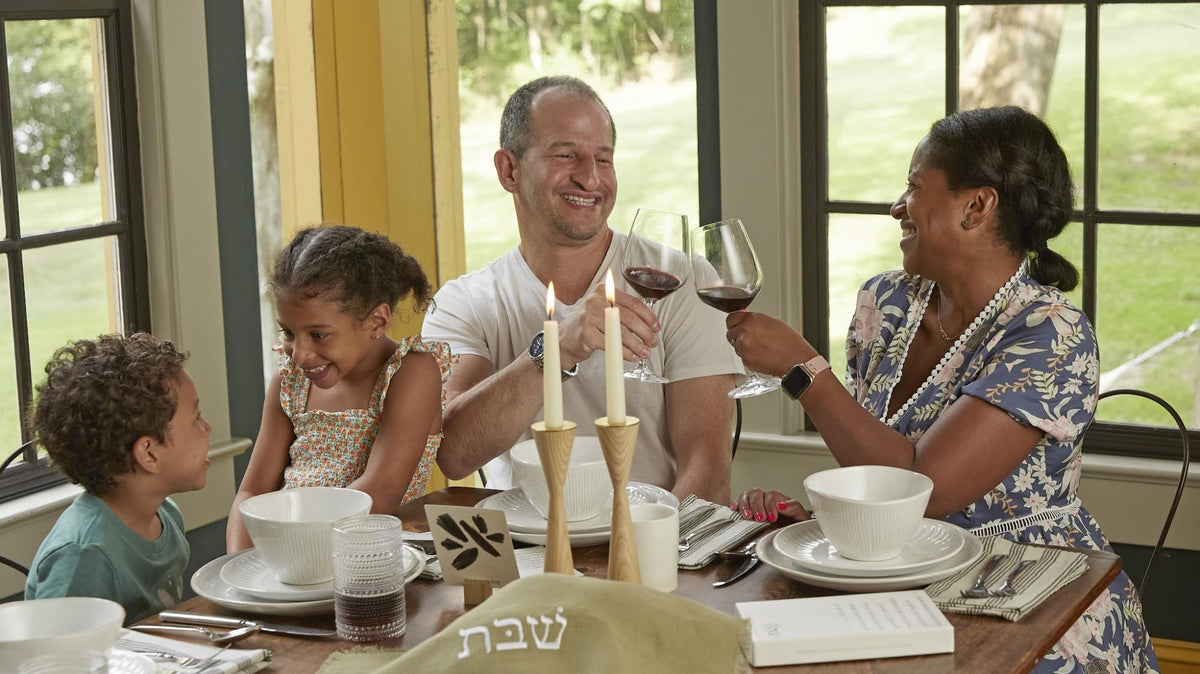
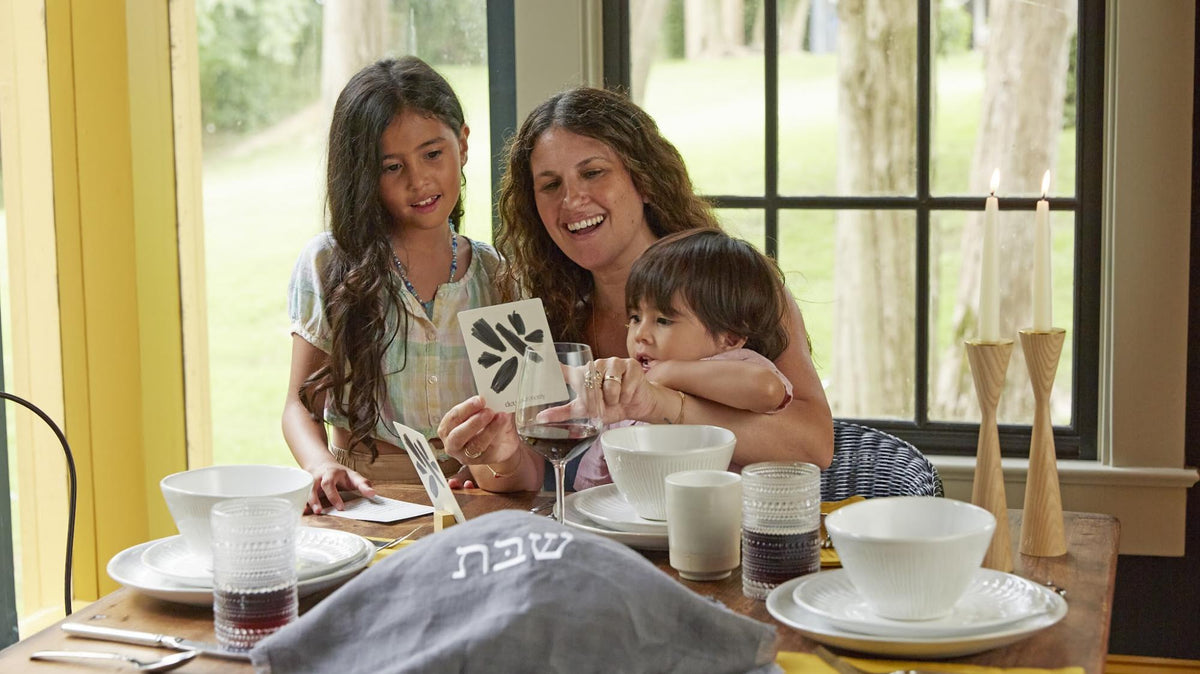
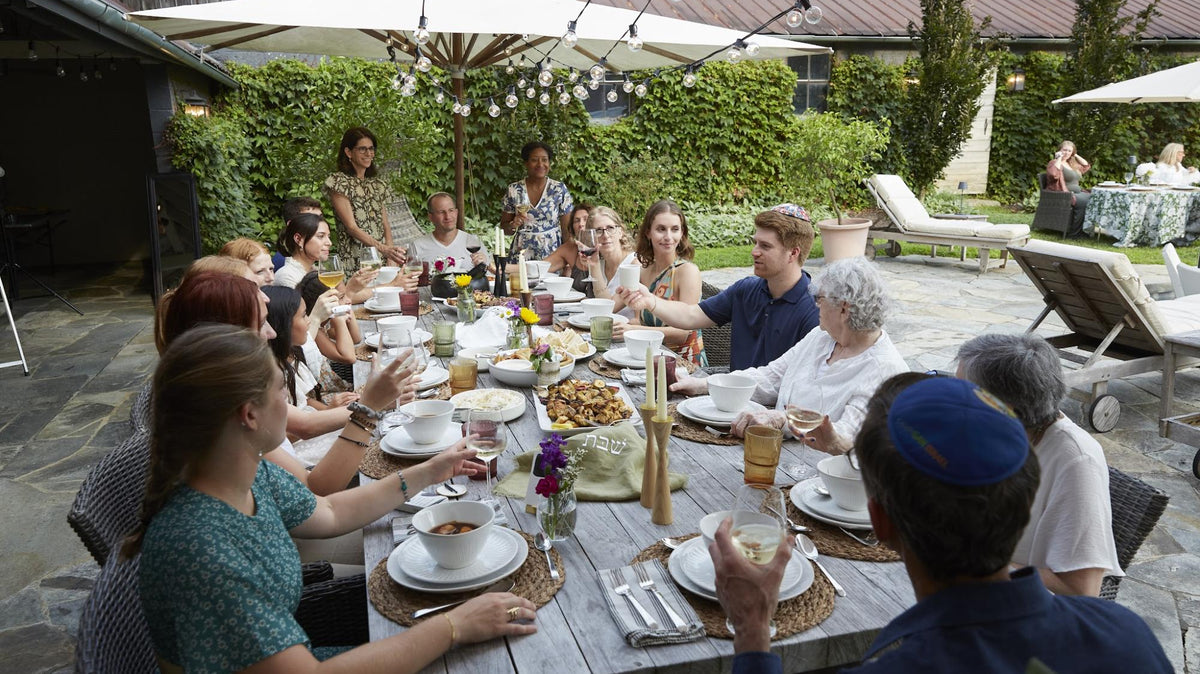
The Sabbath begins with a tradition colloquially known as Shabbat dinner. This is a shared meal that’s accompanied by a series of rituals and special Shabbat items. This tradition welcomes the Sabbath. Here’s what to expect:
-
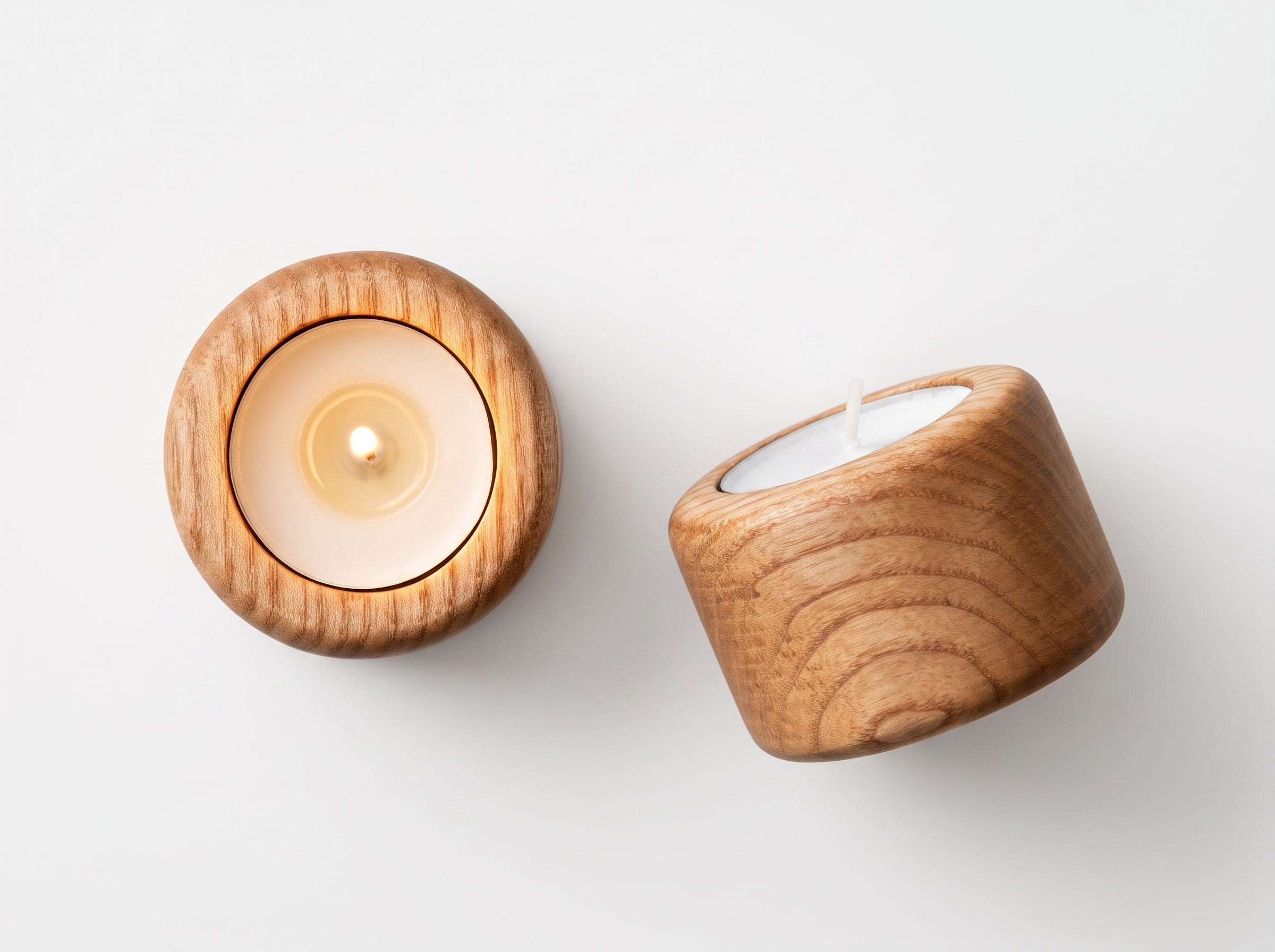
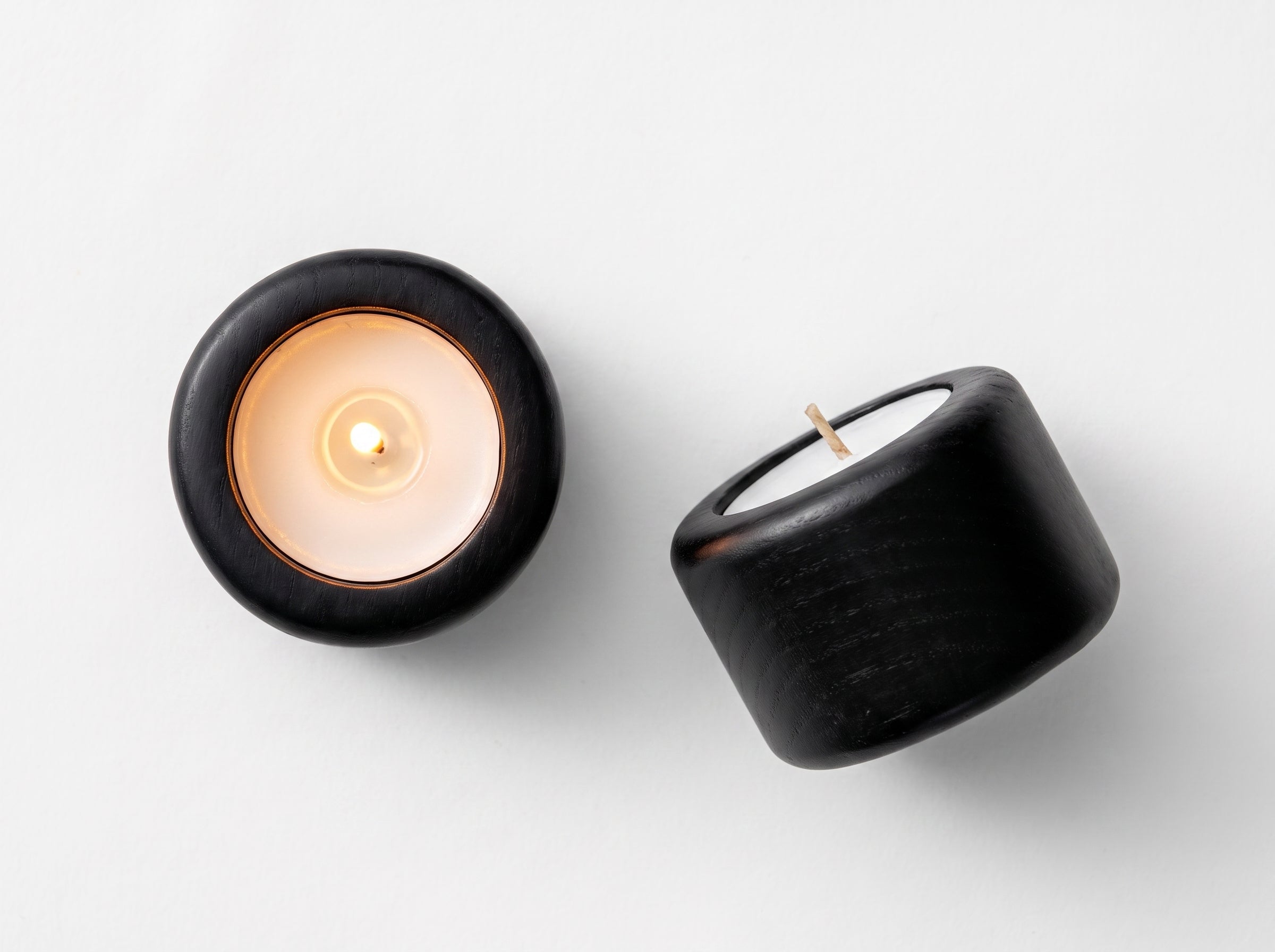
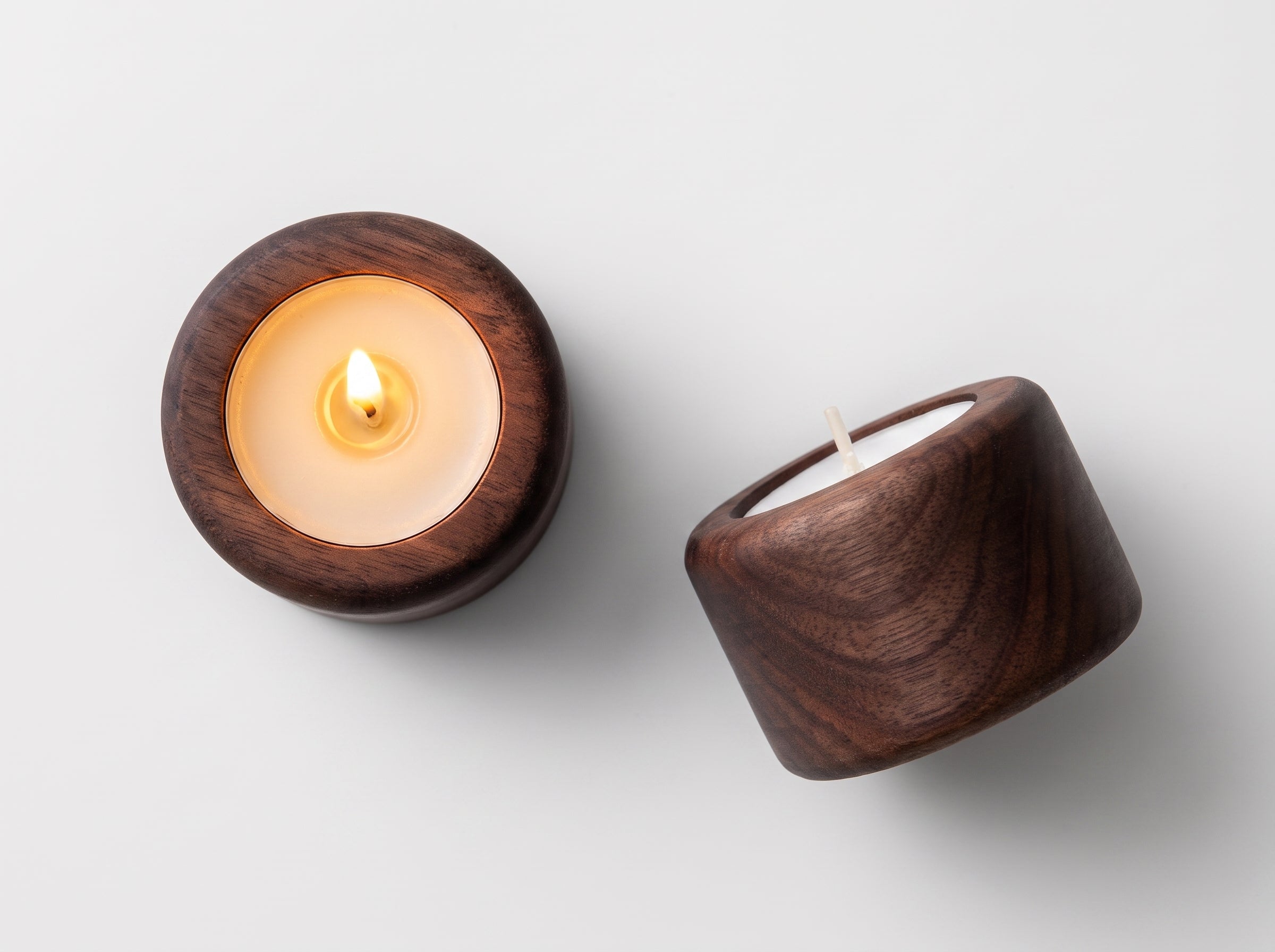
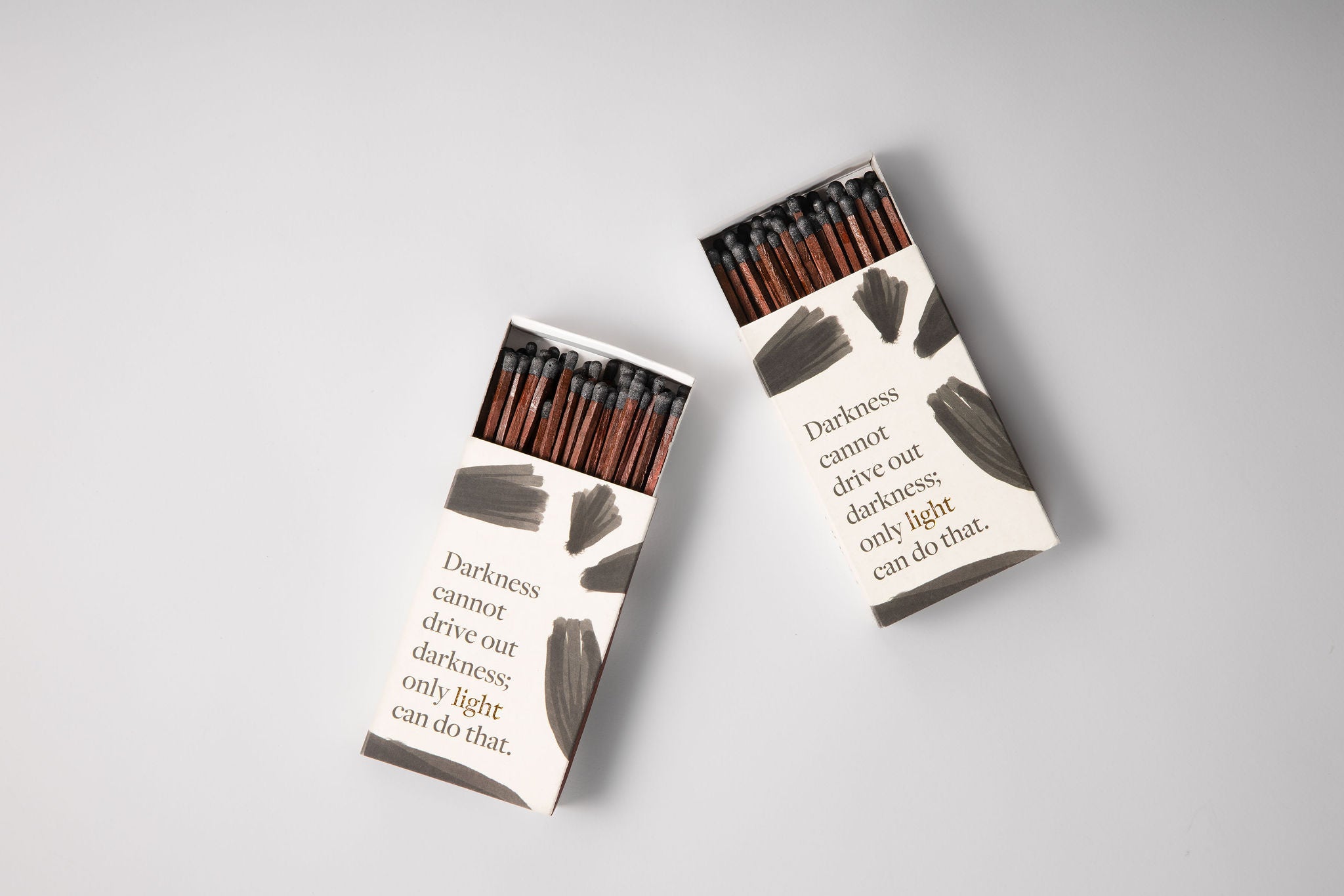
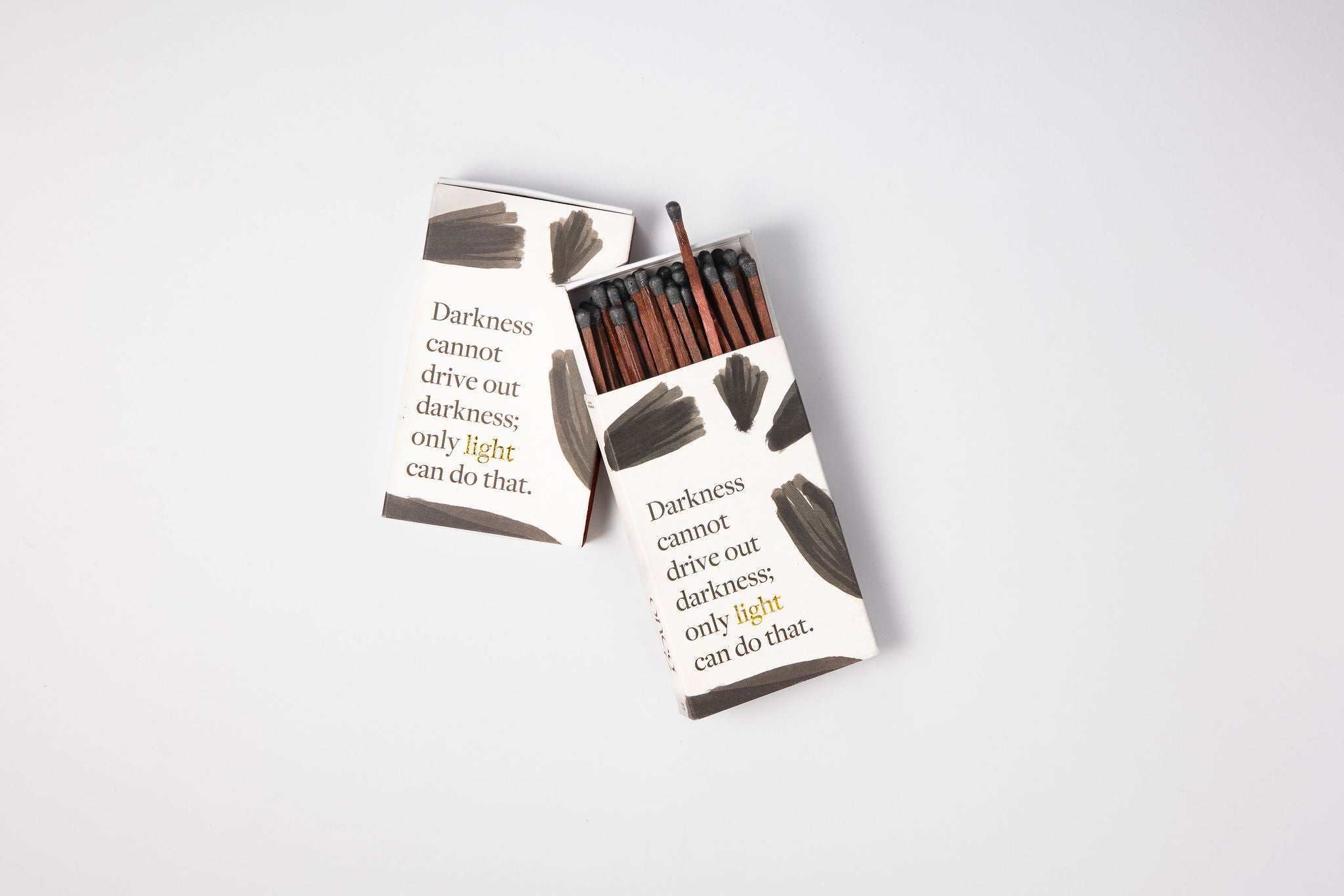
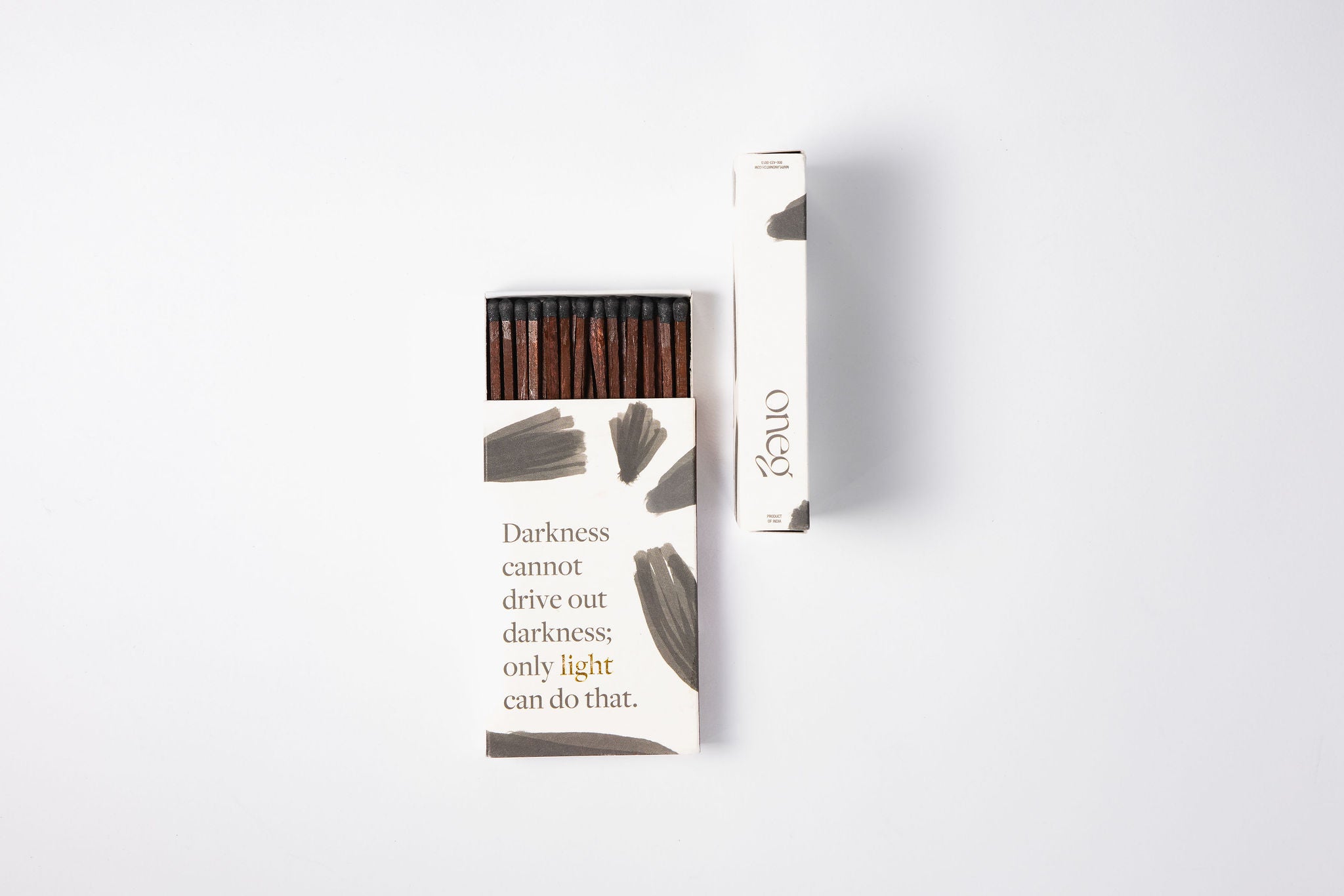
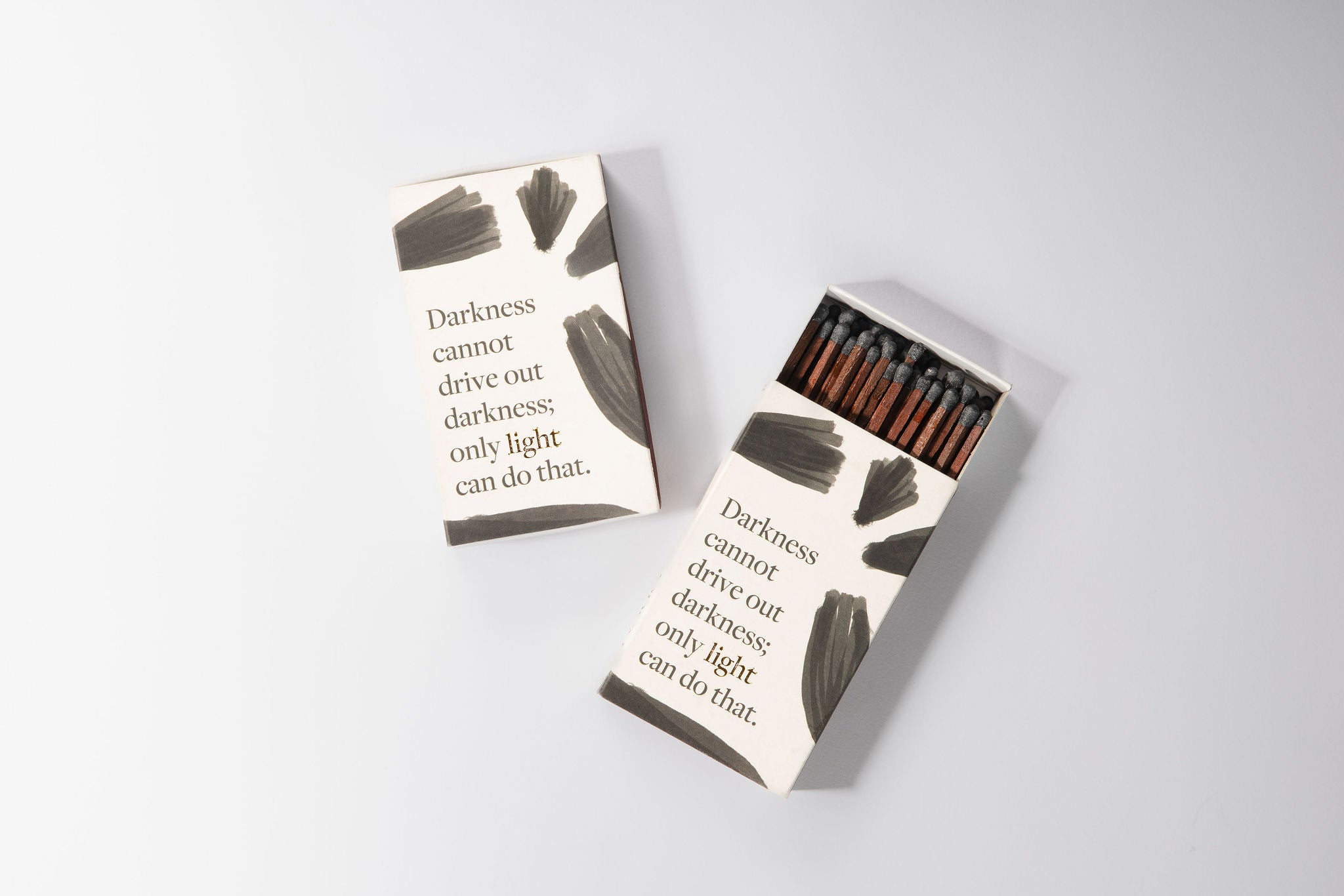
Candle lighting: Shabbat begins by lighting two Shabbat candles and singing a prayer.
-
Kiddush: Next, a blessing known as the Kiddush is said over Shabbat wine, which is then drunk.
-
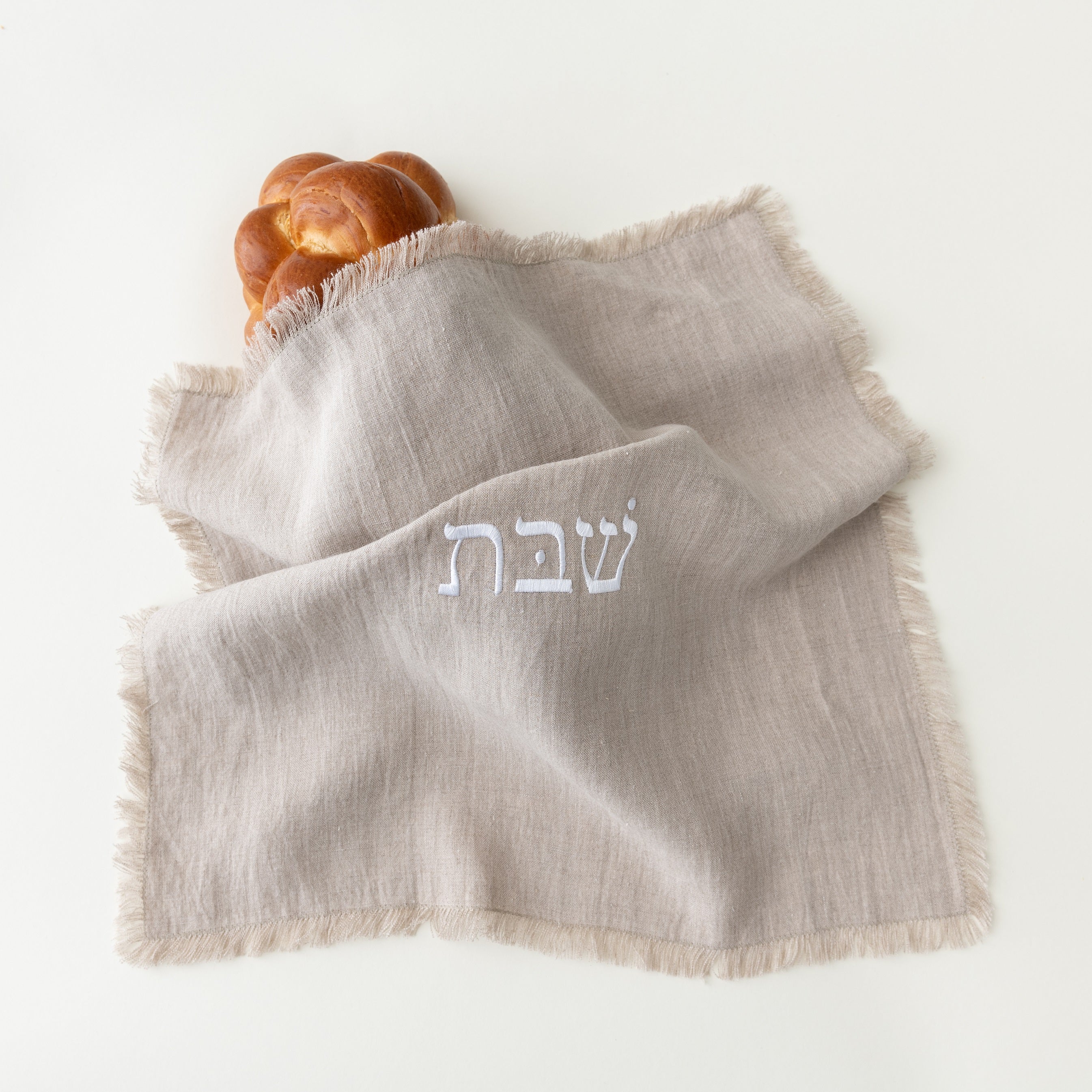
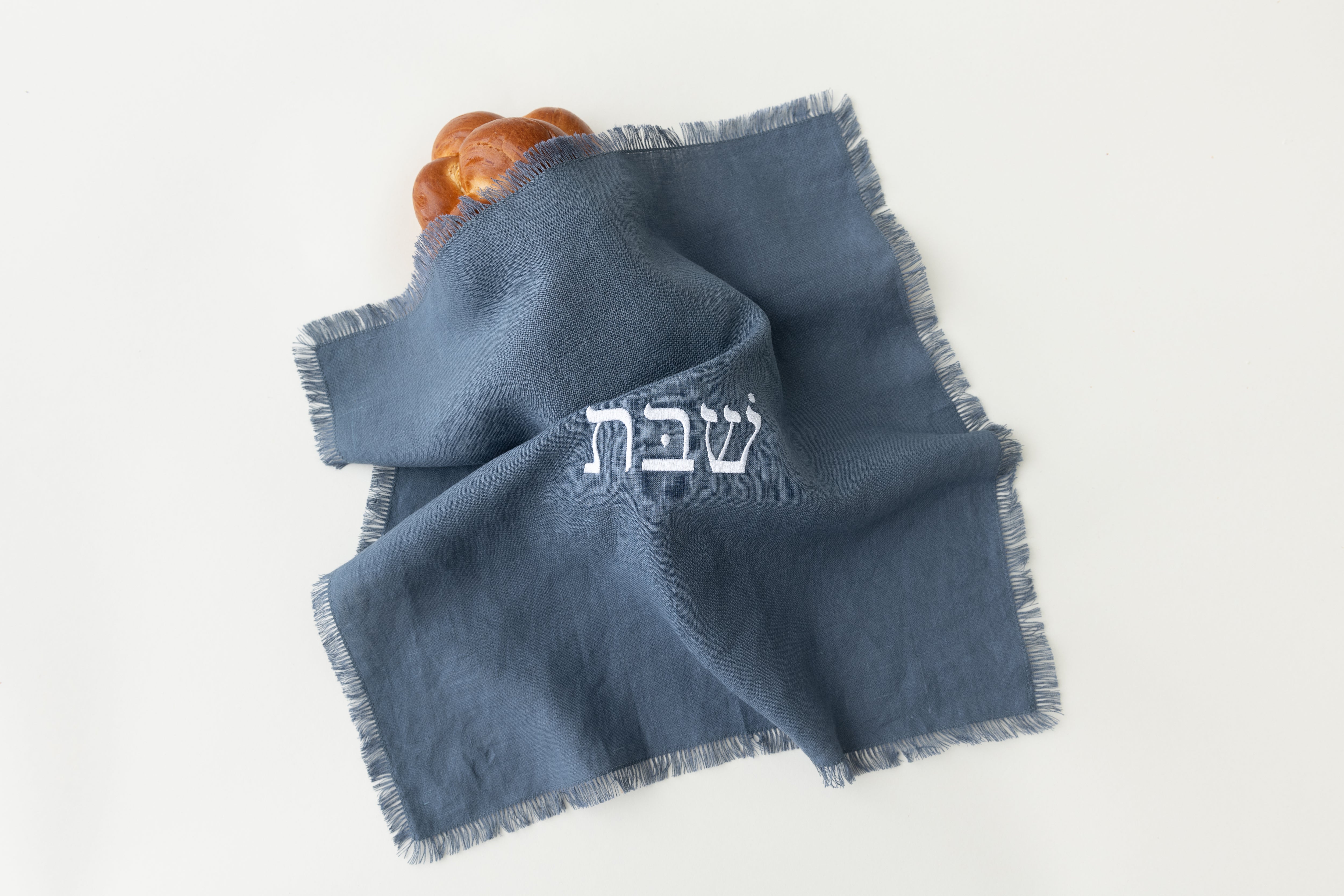
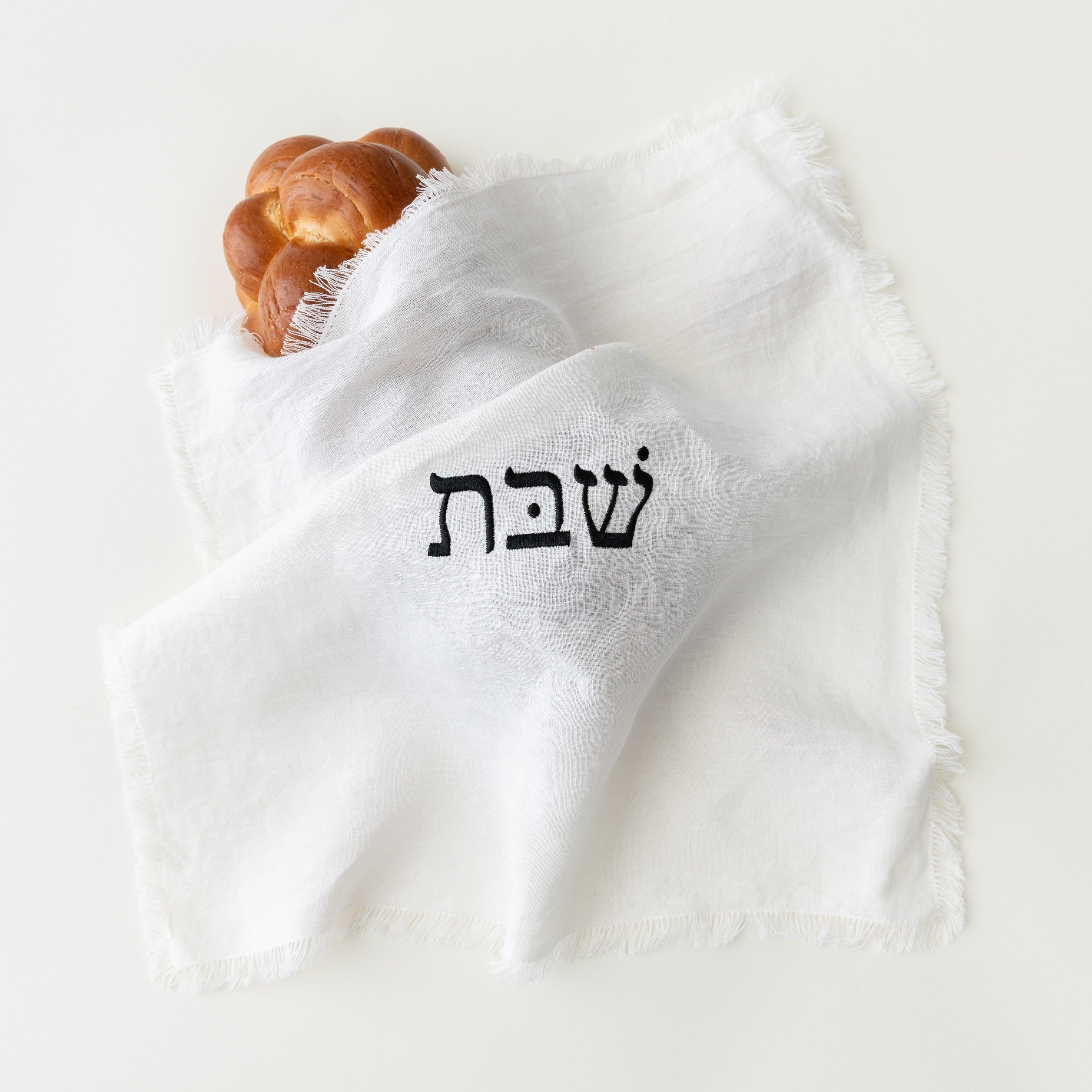
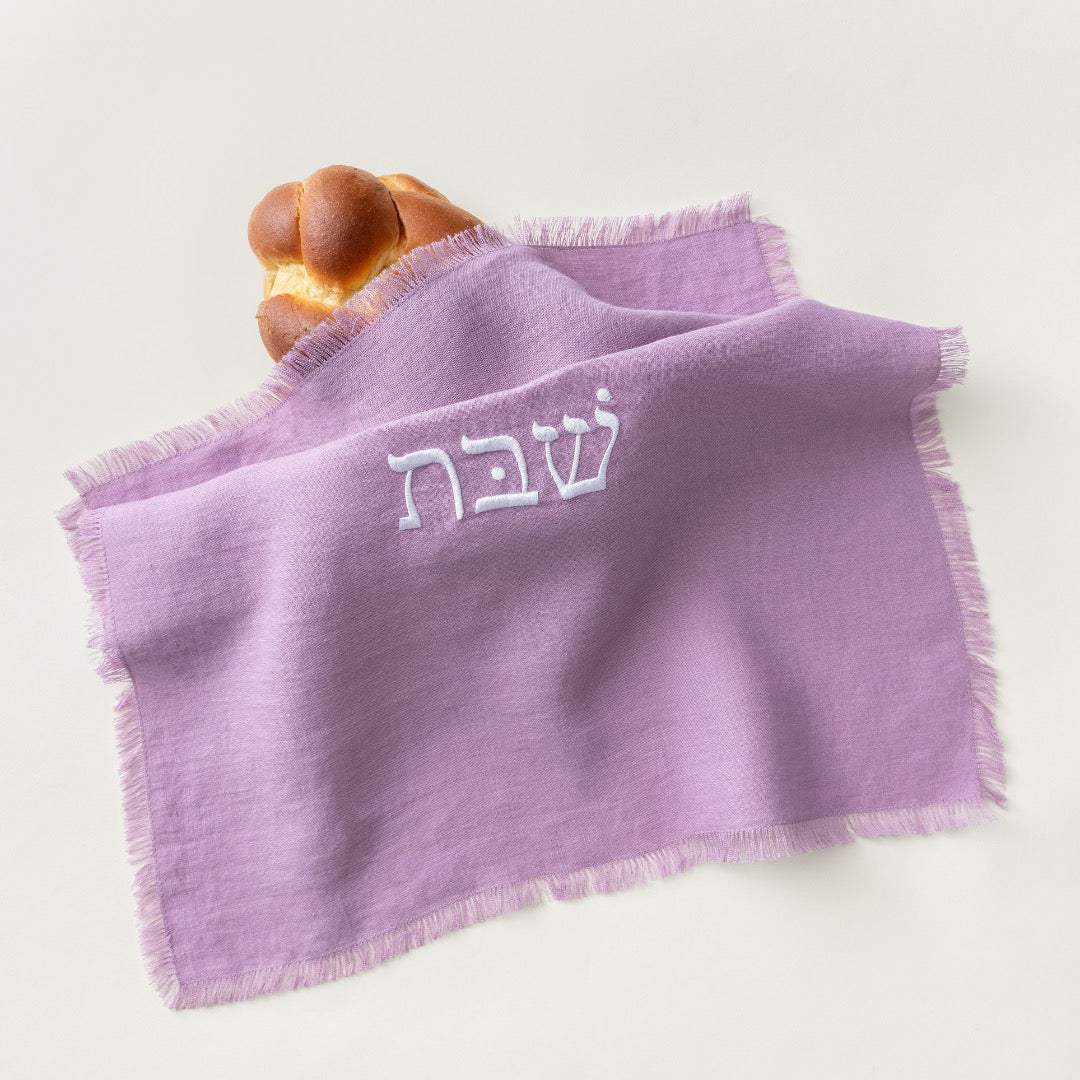
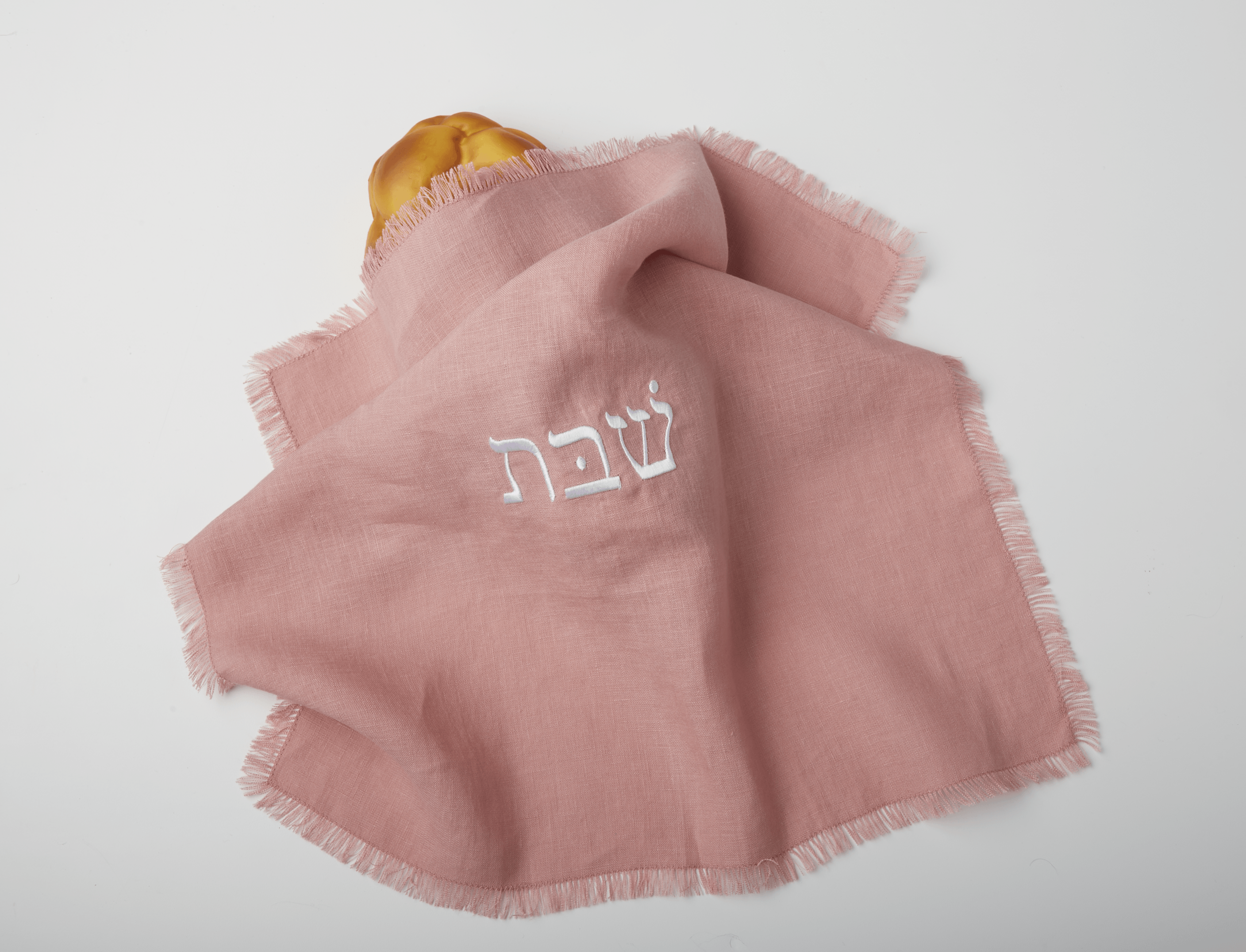
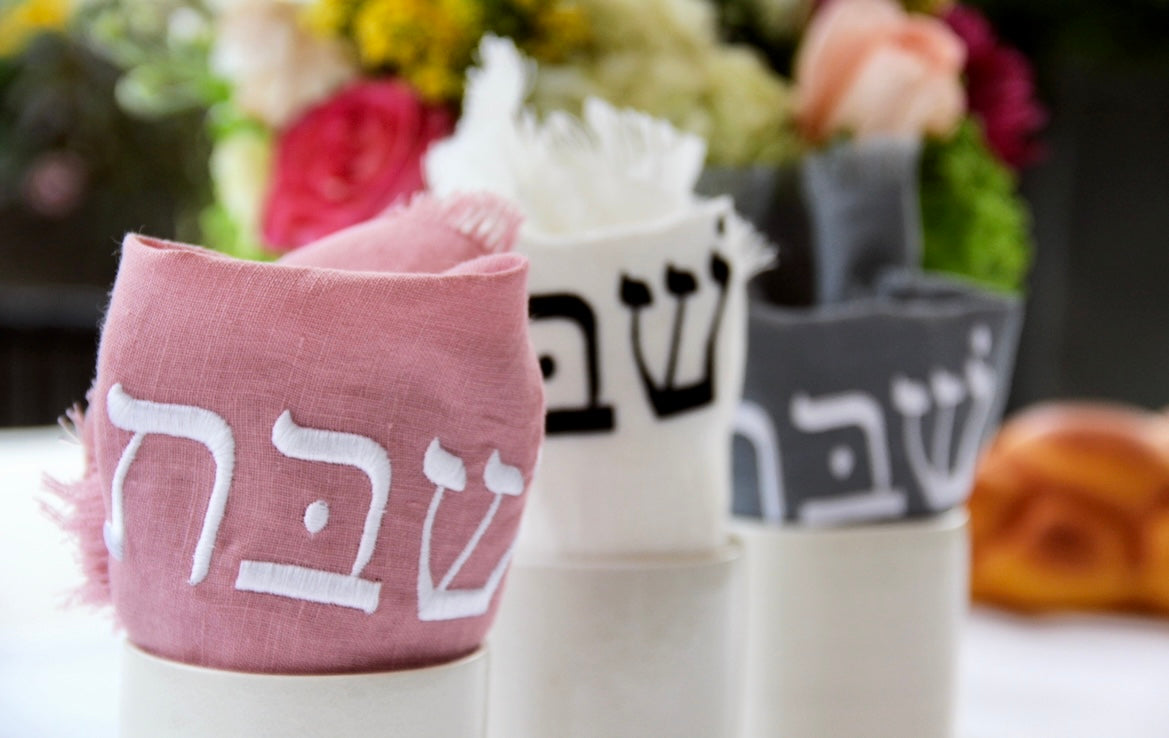
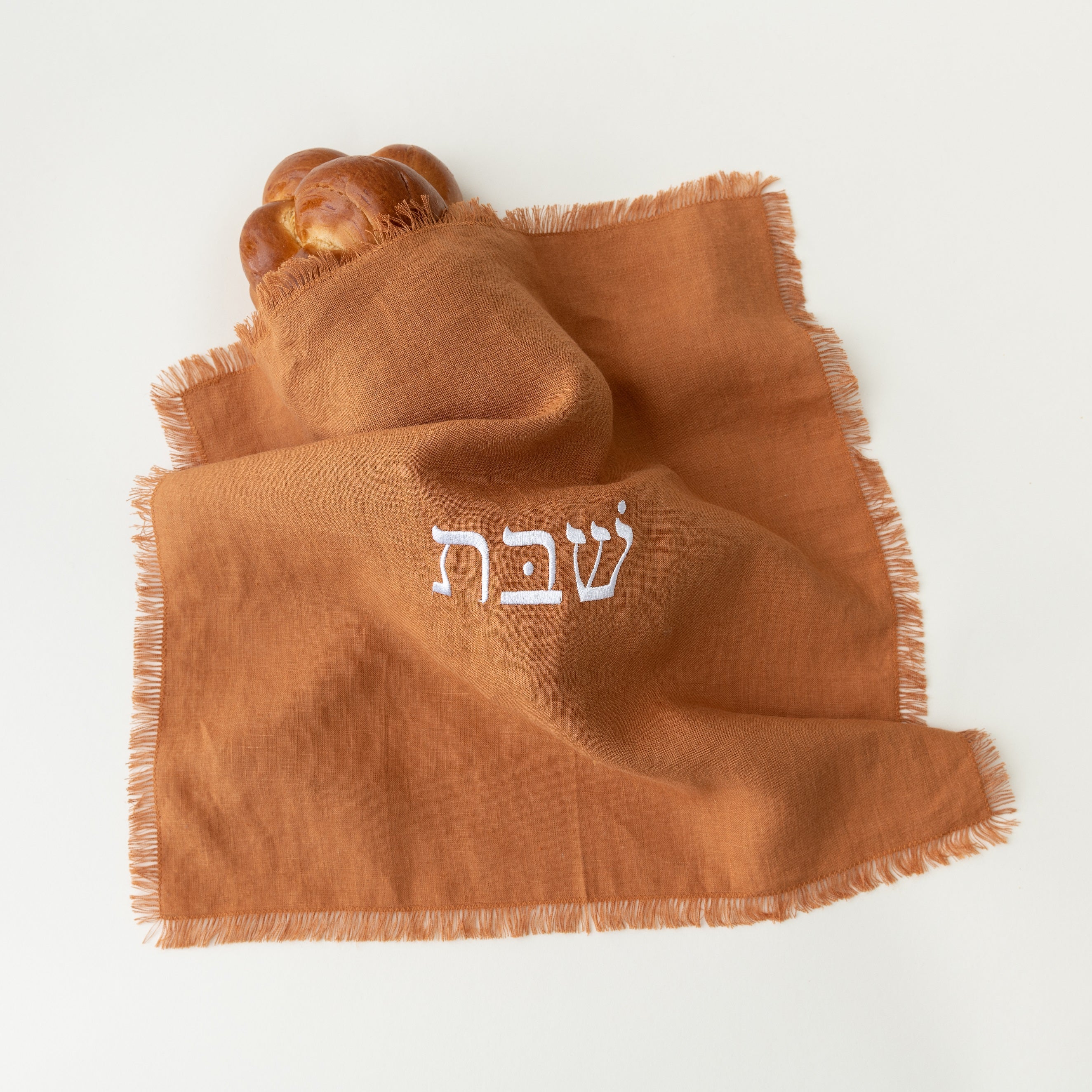
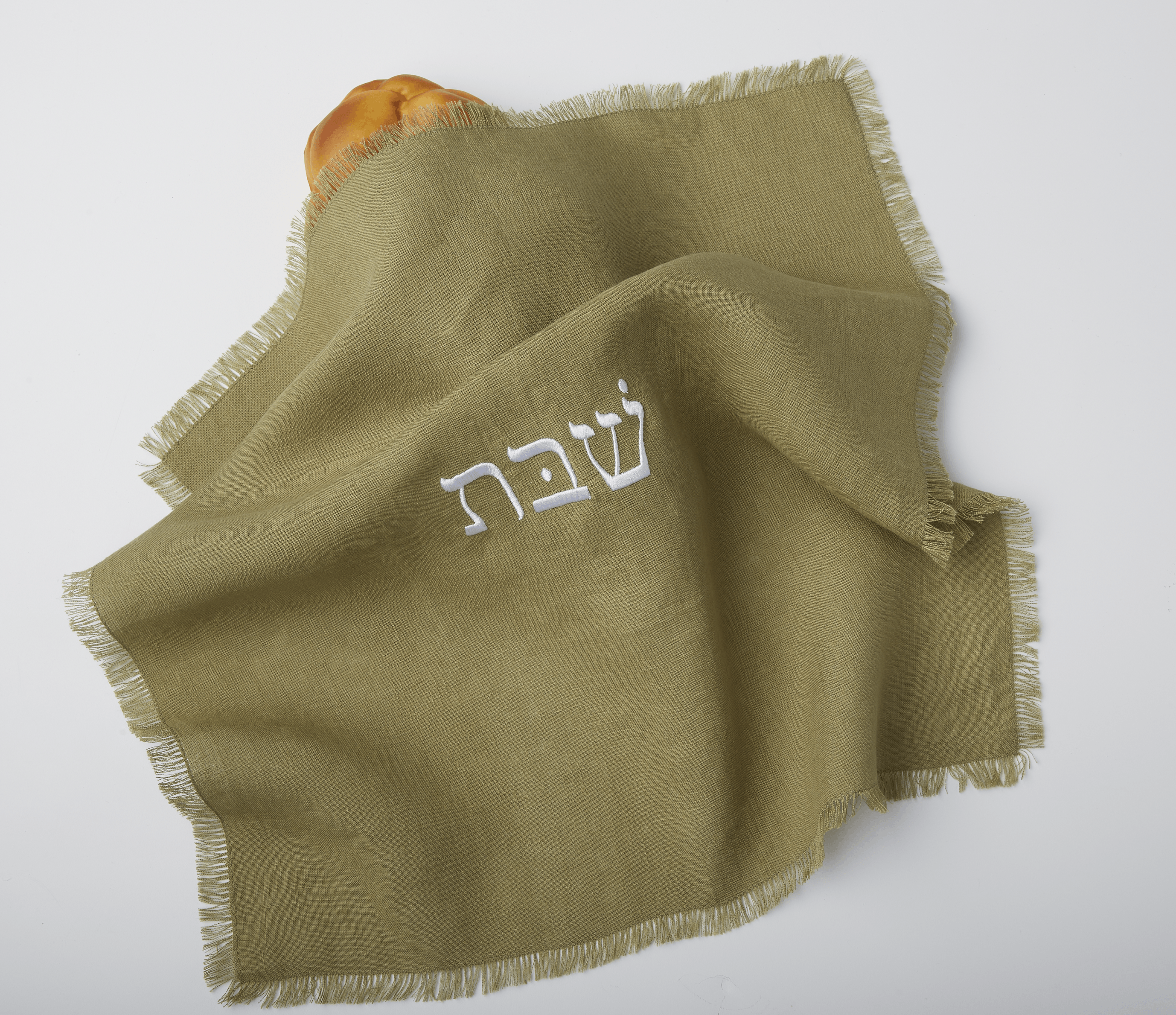
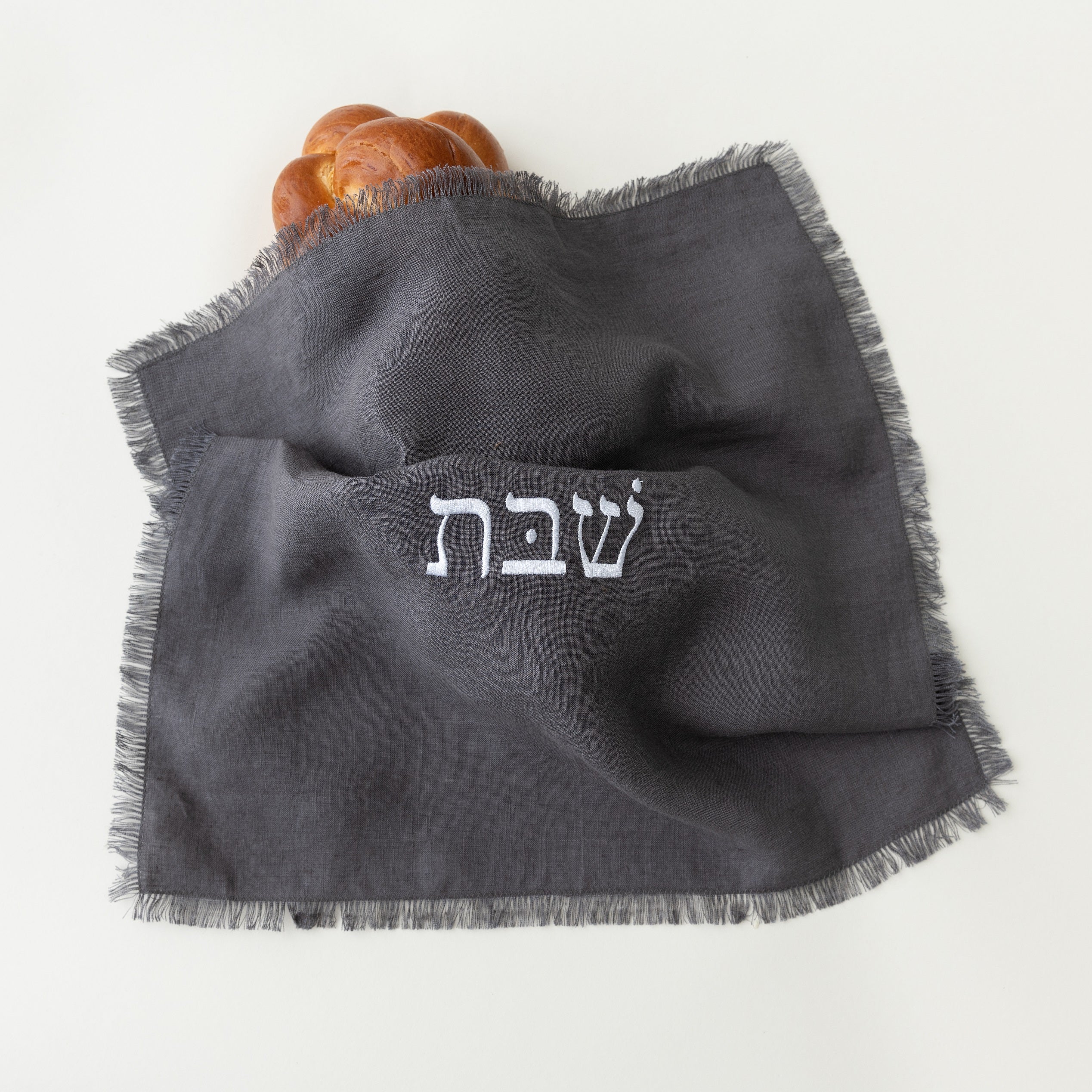
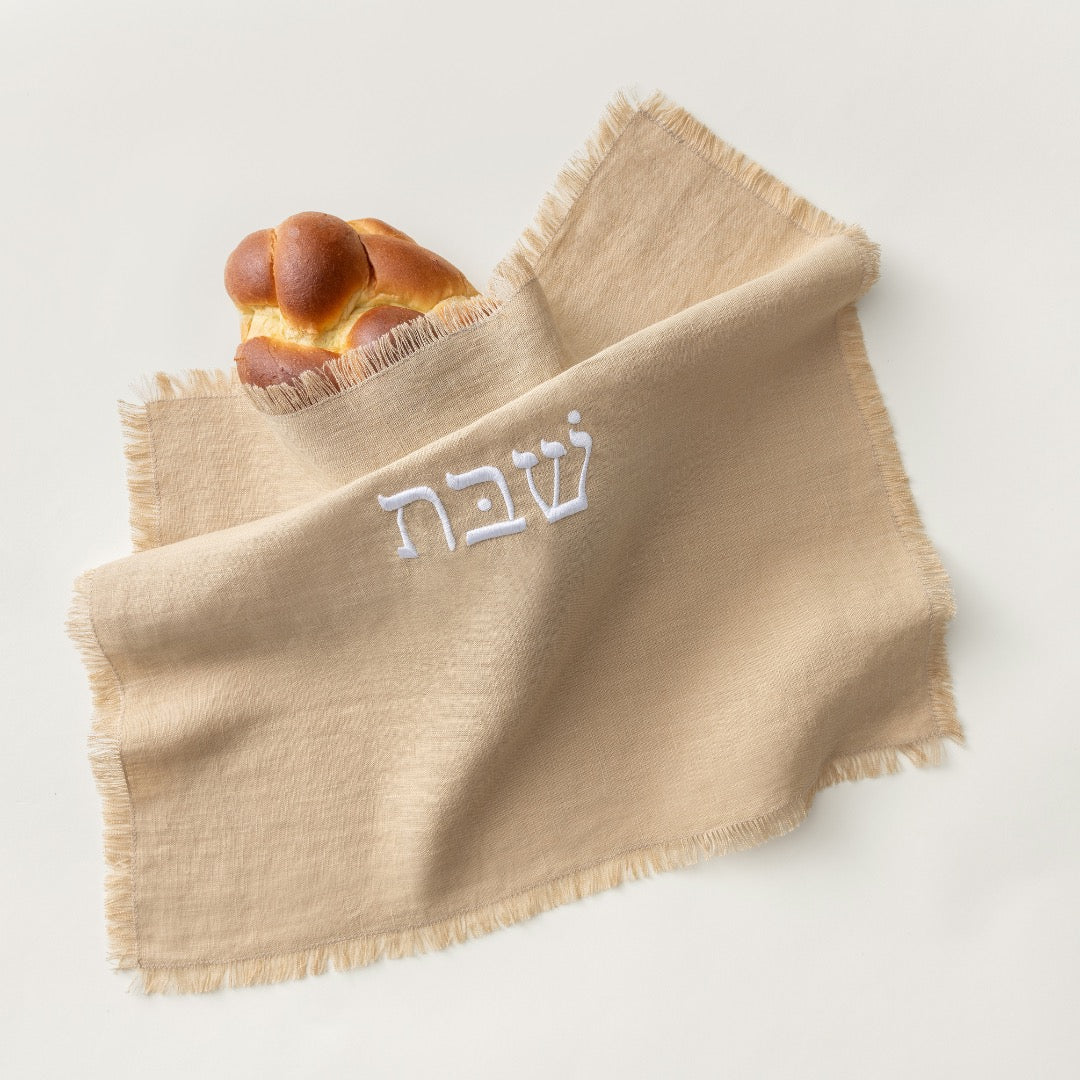
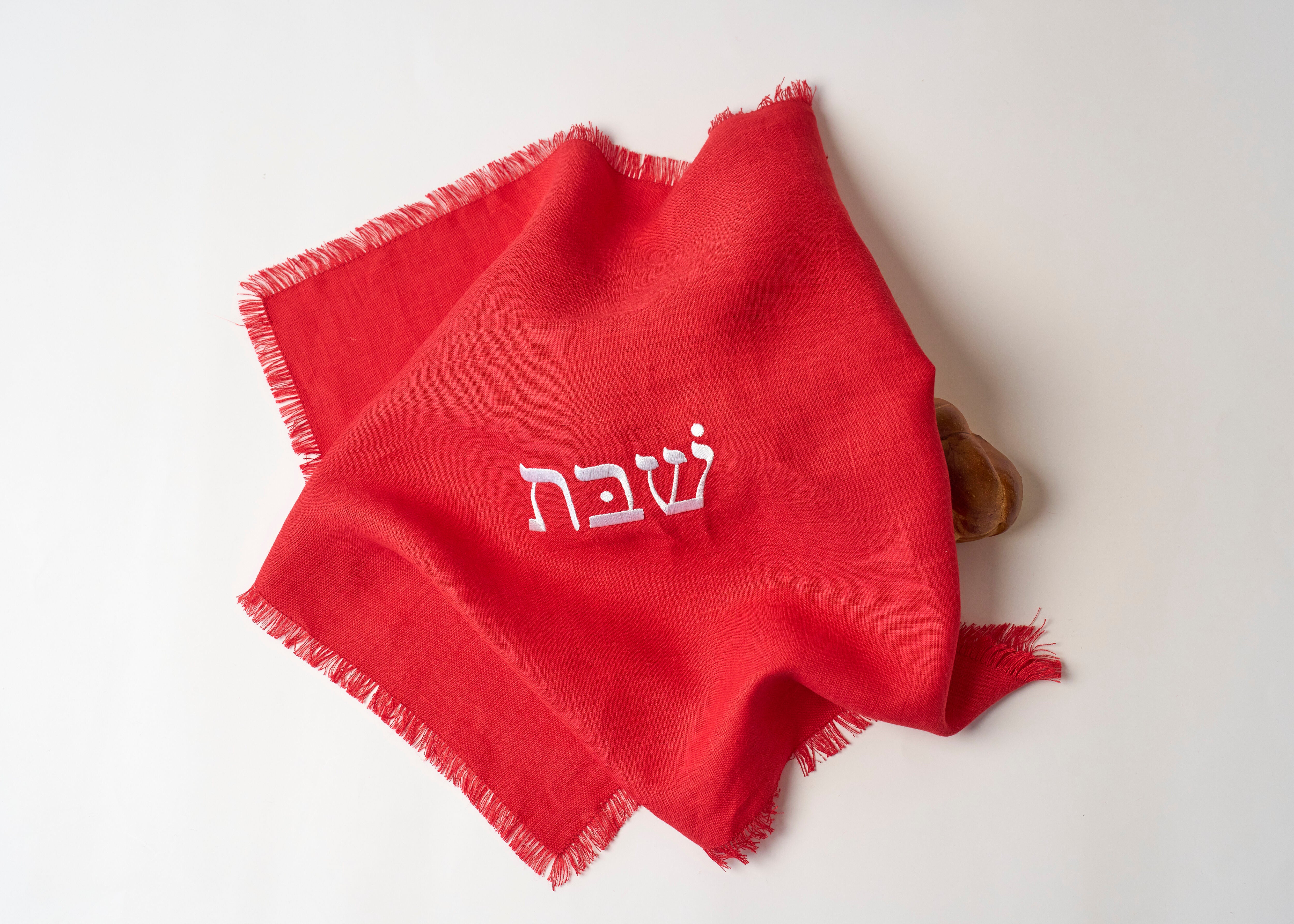
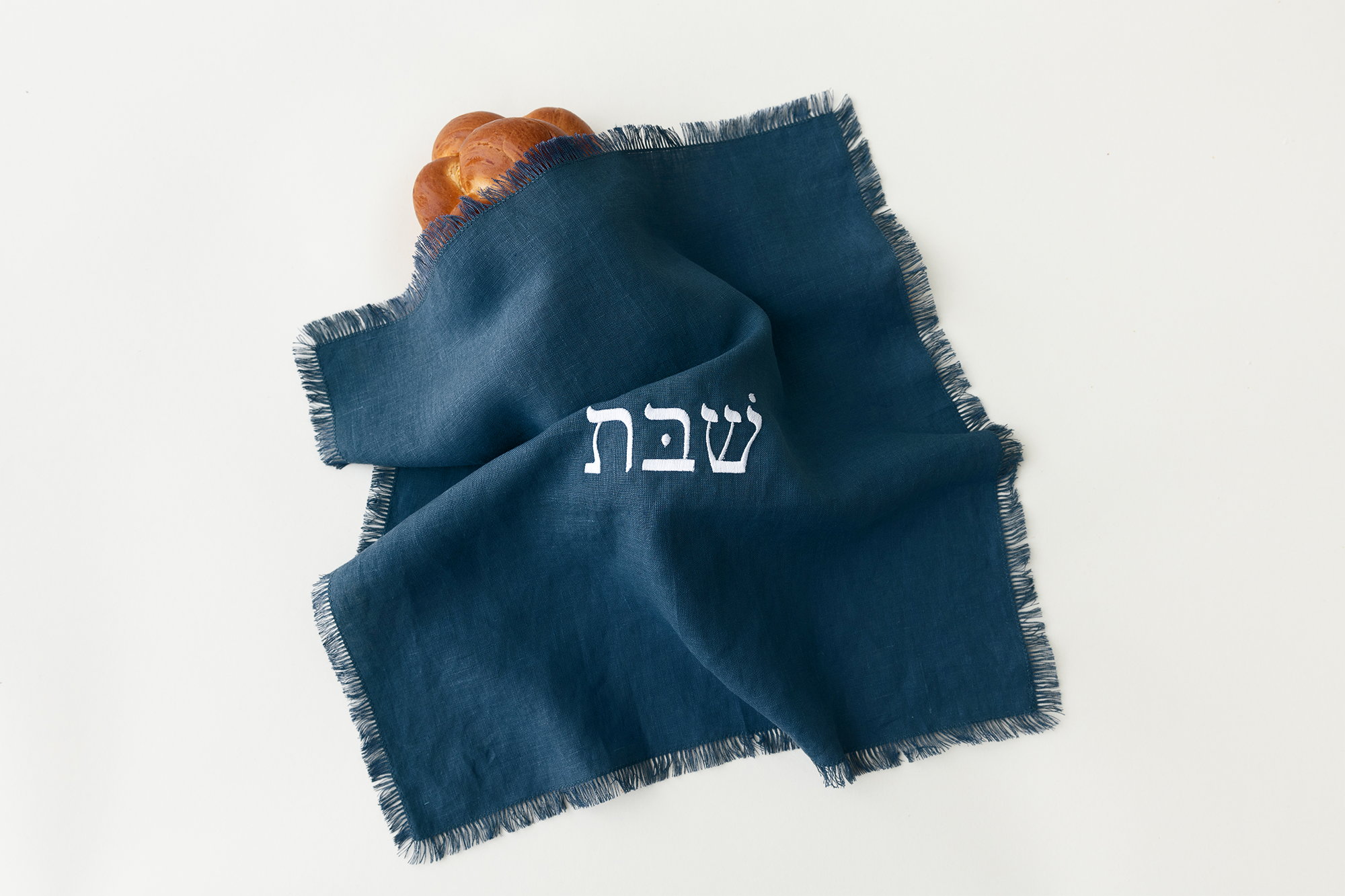
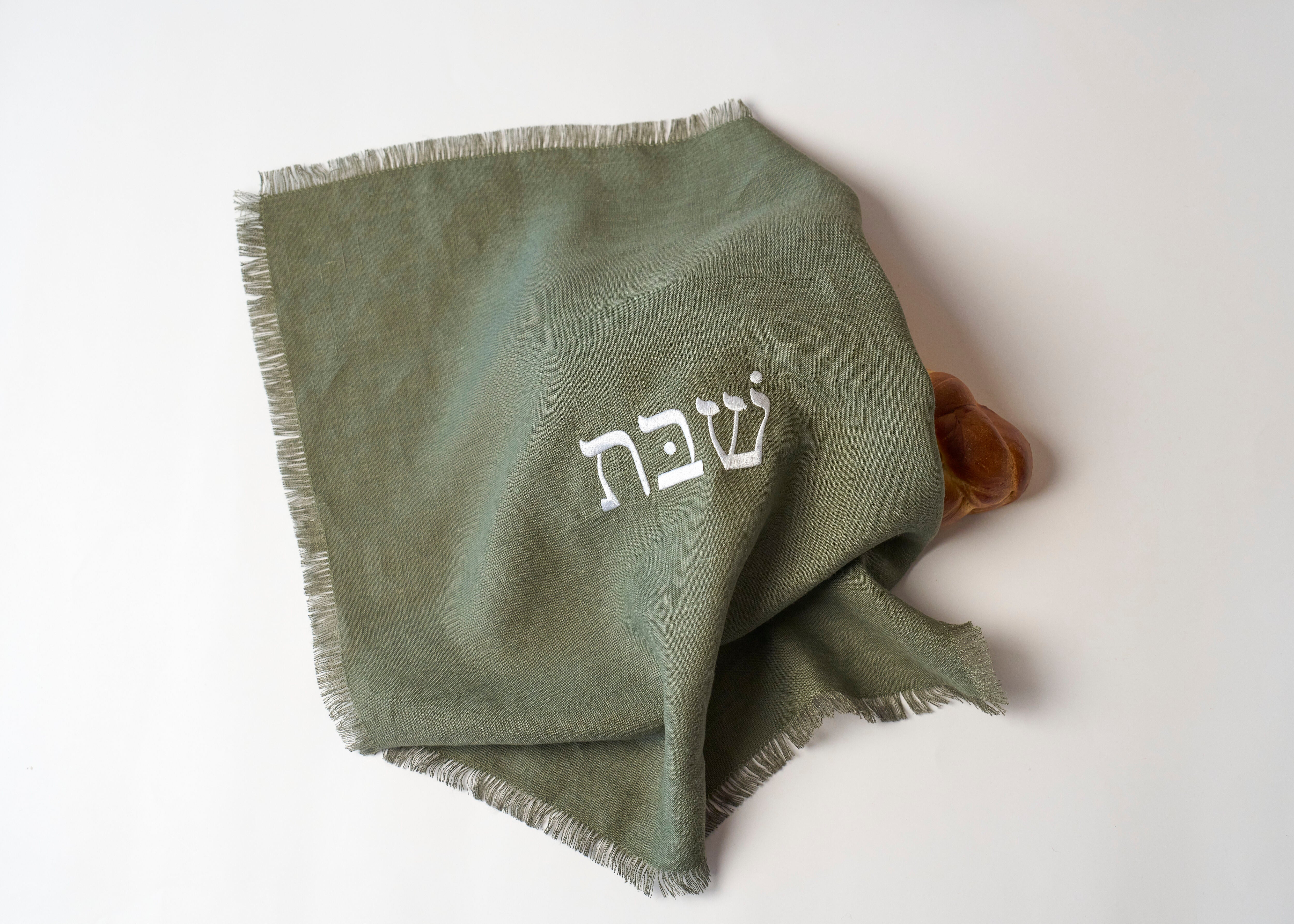
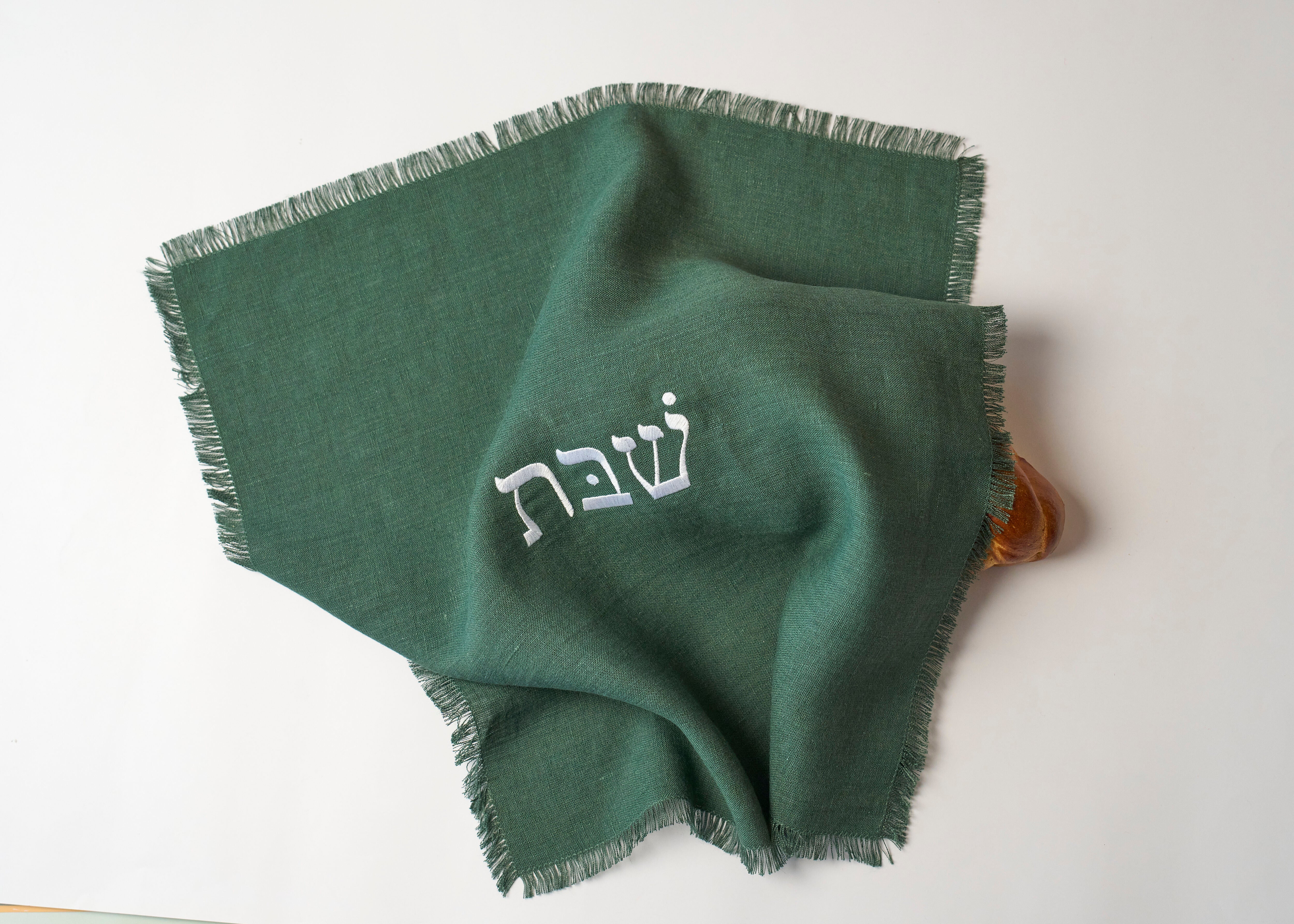
Hamotzi: A blessing is then said over the challah, a special, braided bread eaten every Shabbat. The challah cover is removed and everyone enjoys a bite.
-
Meal: Finally, it’s time to eat. The Shabbat dinner doesn’t have a required menu, but often involves roasted chicken, soup, and other comforting dishes. This is time to be present and connect with one another, setting the stage for the rest of the holiday.
Depending on the family, Shabbat dinner may include other traditions like a blessing said over the children, ritualistic washing of the hands, Shabbat songs, and more.

What Happens During Shabbat Day?
Shabbat extends through Saturday at sundown. Shabbat Day may hold different things for different people, including:
-
Religious services: Some observe Shabbat by attending services at a synagogue. There, a portion of the Torah is read and a sermon is given by the Rabbi. The most religious walk to synagogue, while others may drive.
-
Avoiding technology: In many cases, Shabbat will be spent away from technology. No phones, computers, TVs, or other devices provides an opportunity to rest and reflect.
-
Time connecting with others: Some may simply spend Shabbat being present with friends and family. They may visit, share a meal, or learn together.
How Does Shabbat End?
Shabbat in Judaism ends when the sun goes down on Saturday. A special ceremony known as Havdalah signifies the end of Shabbat and provides a gentle transition back to daily life. Havdalah includes:
-
Reciting prayers: As with other aspects of Shabbat, Havdalah begins with reciting a series of prayers.
-
Blessing the wine: Another blessing is said over a glass of wine, known as the Kiddush cup.
-
Blessing the spices: Spices are used as a way to physically transition the brain back into daily life. A bag of sweet smelling spices is passed around and everyone has the chance to sniff them.
-
Blessing the candle: The last item to be blessed is a braided candle known as the Havdalah candle. It’s then lit and everyone has the opportunity to hold their hands up to the flame.
-
Extinguishing the candle: Lastly, the candle is extinguished in the remains of the wine and Shabbat ends.
Observe Shabbat at Home with Oneg Home
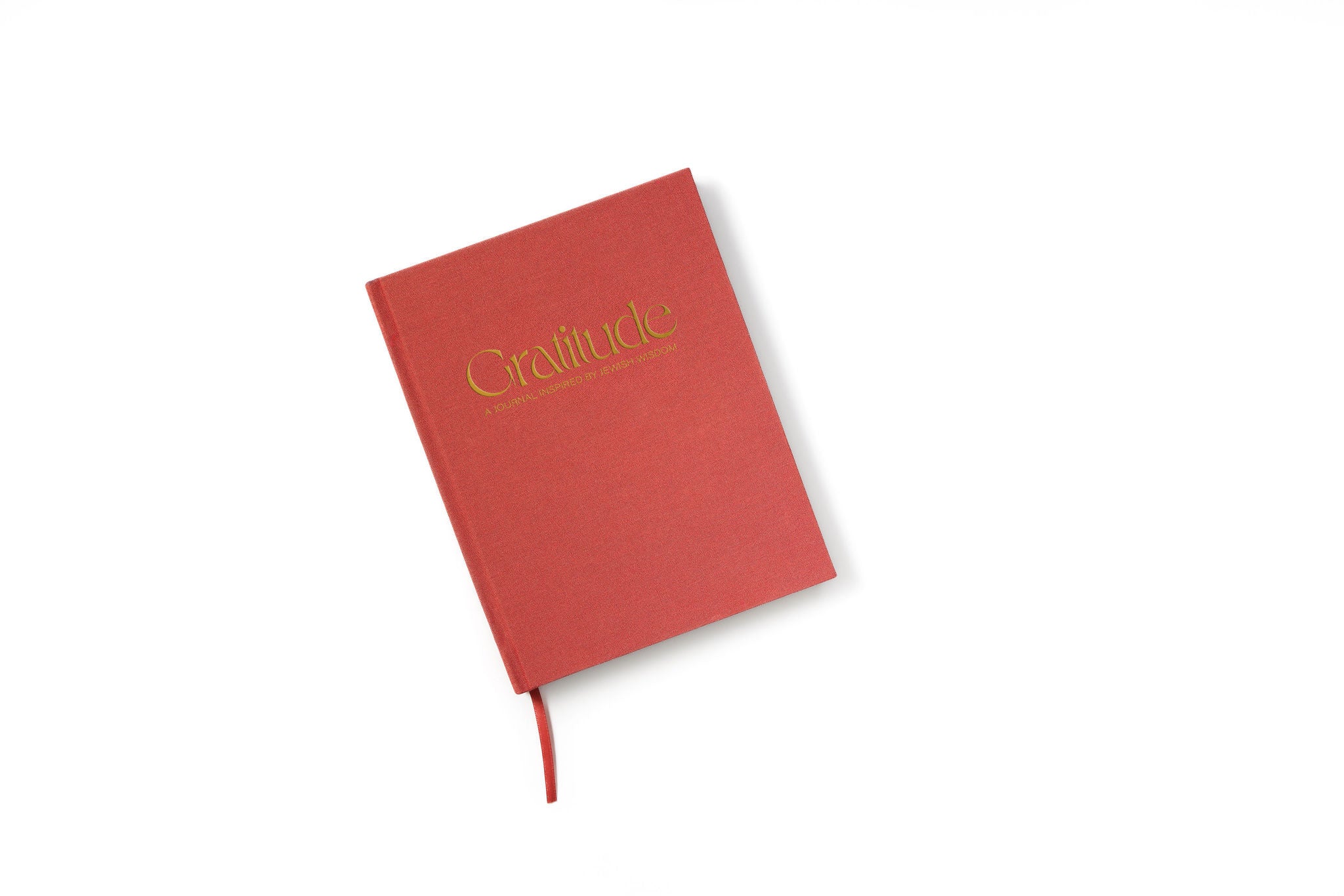
Celebrating Shabbat doesn’t have to be hard. It provides a respite from daily life and a chance to connect with family, friends, and yourself. Shabbat dinner provides the easiest entry into the weekly ritual. Find everything you need to observe the holiday, from shabbat candles to Kiddush cups, challah covers, and more, at Oneg Home. Shop Shabbat essentials today.
Ready to begin your Shabbat practice?