
Challah (braided egg bread) is one of the most popular Jewish foods. This braided bread is eaten by Jewish people on Shabbat, the weekly day of rest, and many other Jewish holidays. But what exactly is challah, why is it eaten, and where does it come from? Read on to learn more.
What is Challah?
Challah is a traditional bread eaten on Shabbat and all other Jewish holidays. This rich, buttery egg bread holds religious significance. As a part of the Shabbat rituals, a blessing is said over the challah before eating it. Then, everyone at the table is invited to tear off a piece and enjoy. For many Jewish people, challah is one of the most delicious parts of any Jewish holiday.
Origins of Challah
Like most parts of Judaism, challah has a number of different origin stories. Each helps us understand the significance of this loaf of bread.
Kohanim
The word “challah” comes from the Torah. In the time of the Holy Temple, there was a priestly family known as the Kohanim. Unlike the rest of the Israelites, the Kohanim didn’t own land or grow their own crops. Their job was to work in the Holy Temple. Because of this, the rest of the Israelites were asked to set aside a small piece of dough for the Kohanim which was called “challah,” meaning a portion.
After the destruction of the Holy Temple, it was no longer possible to give bread to the Kohanim in the way that the Torah outlined, but the practice still continued. Since then, it’s traditional to tear off a small piece of dough when baking challah and set it aside as a symbolic gesture. This ritual is called “taking challah.”
Mannah from Heaven
Long before this tradition with the Kohanim and the Holy Temple, there’s another story that connects to the tradition of challah. After the Israelites’ exodus from Egypt, they wandered the desert without any reliable source of food. Miraculously, a bread known as manna appeared on the ground every morning. The Israelites were told to only take as much as they needed for the day, as any extra would spoil.
On Fridays, a double portion of manna appeared, known as “lechem mishneh,” which was meant to sustain them for Friday and Saturday. That way, the Israelites wouldn’t need to gather or prepare any food on Shabbat, a time during which work was forbidden.
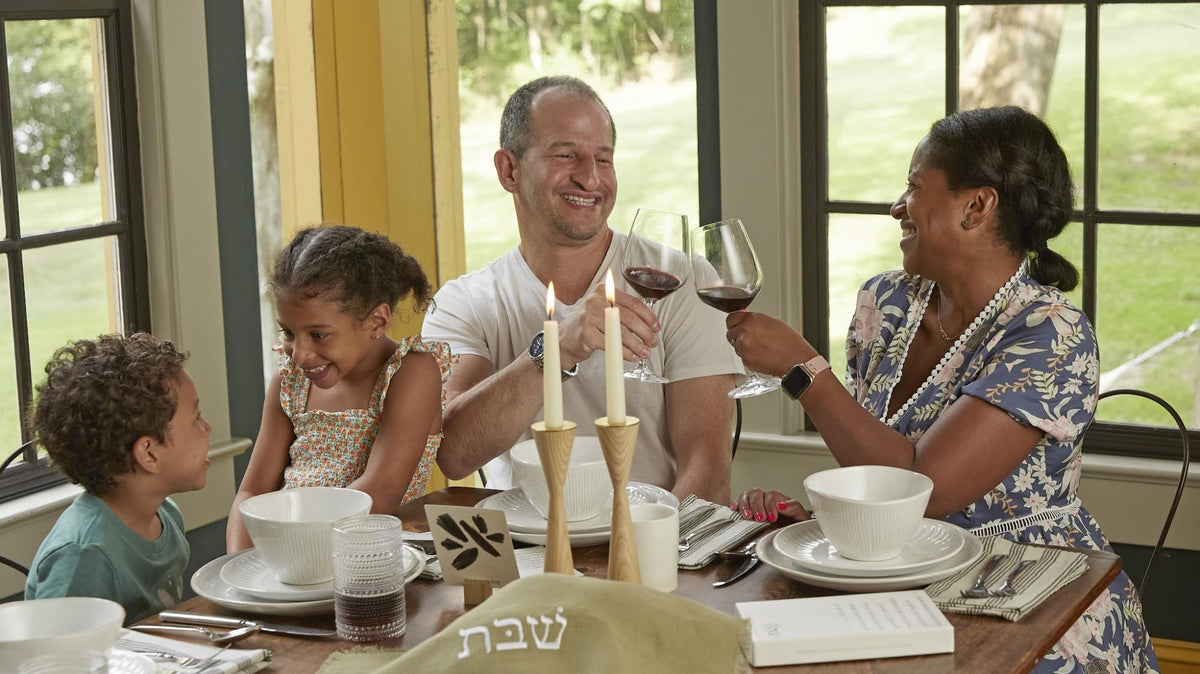
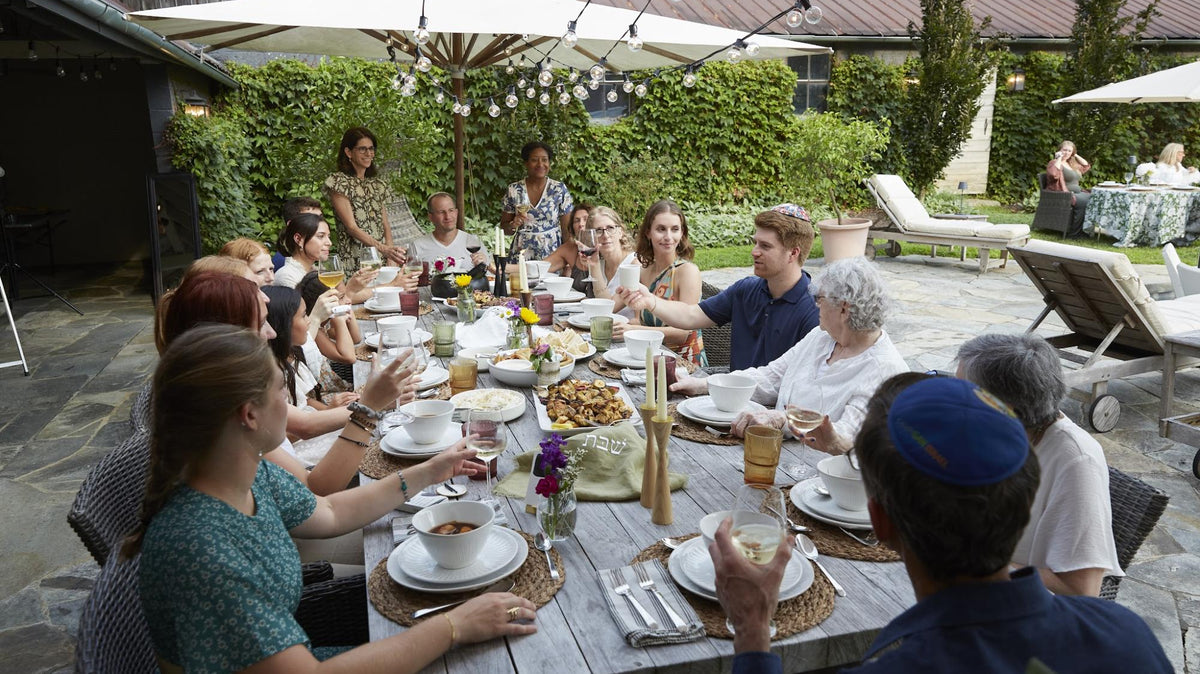
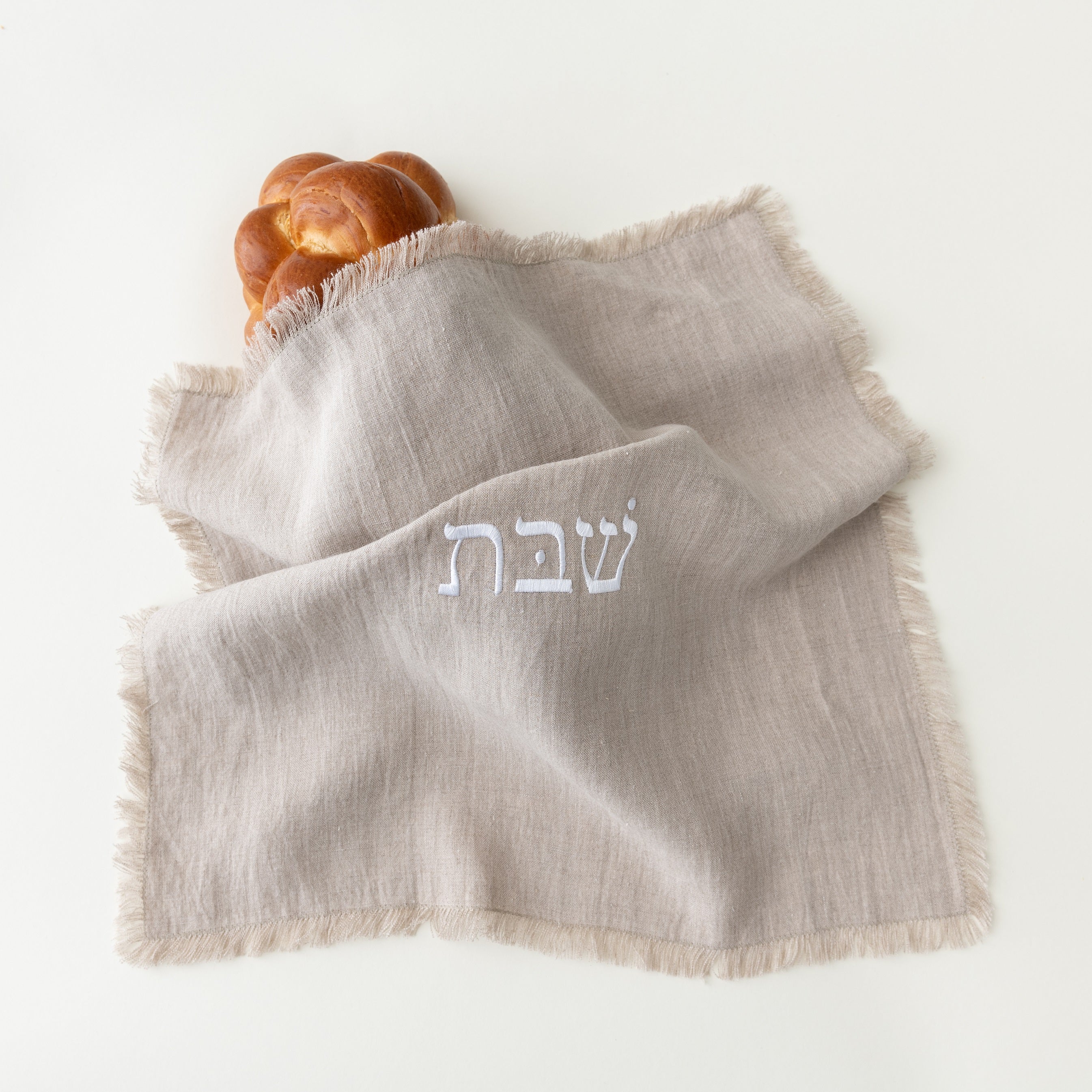
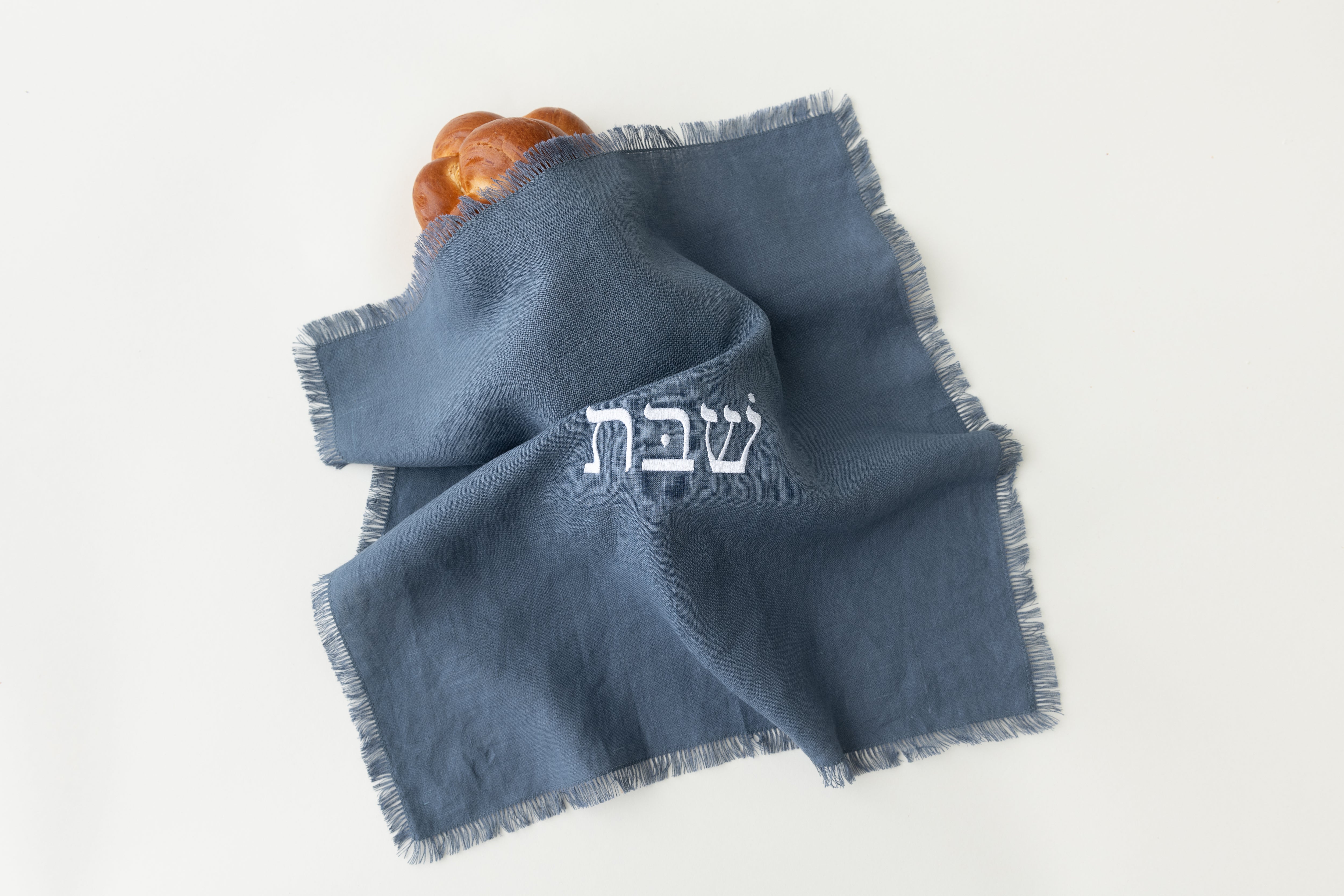
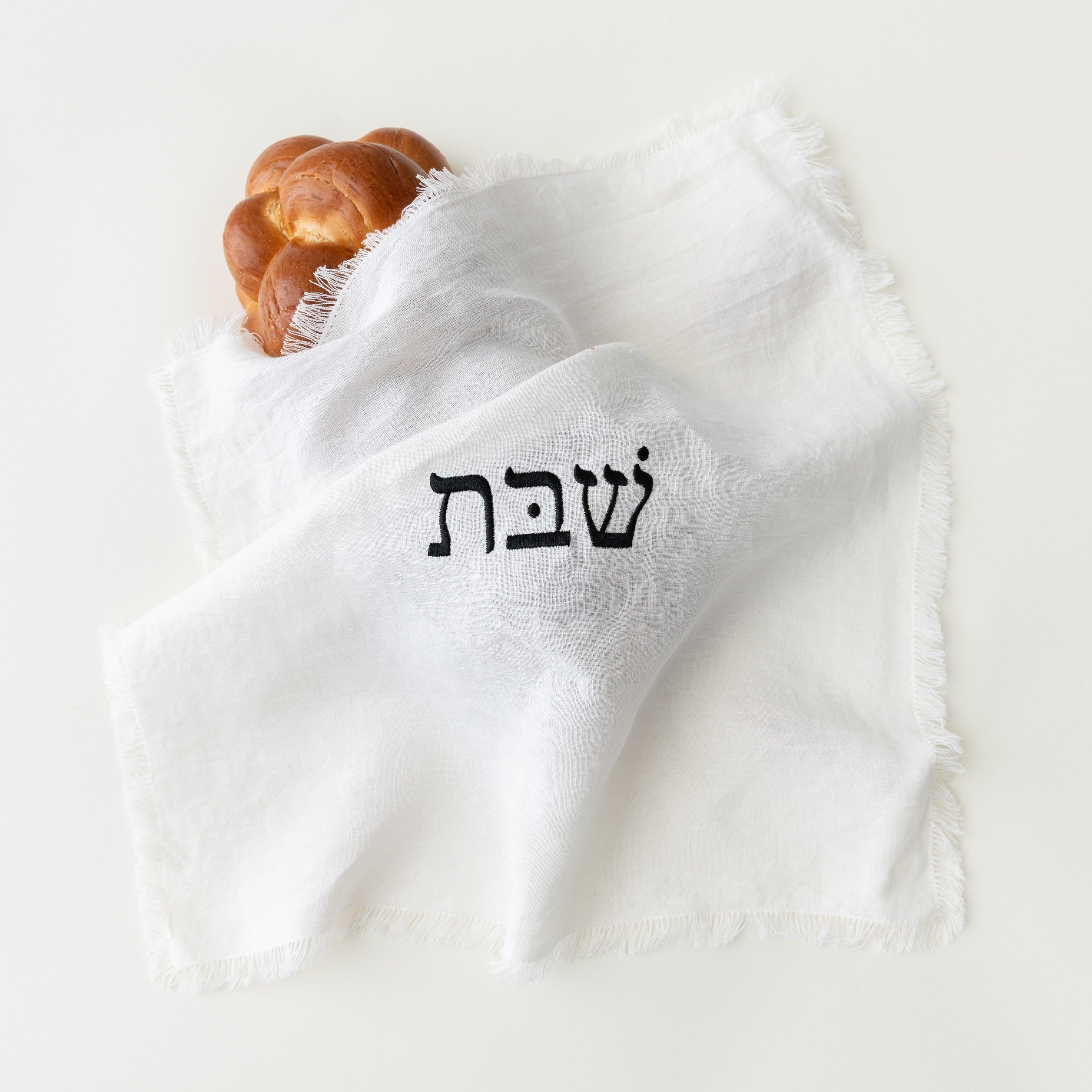
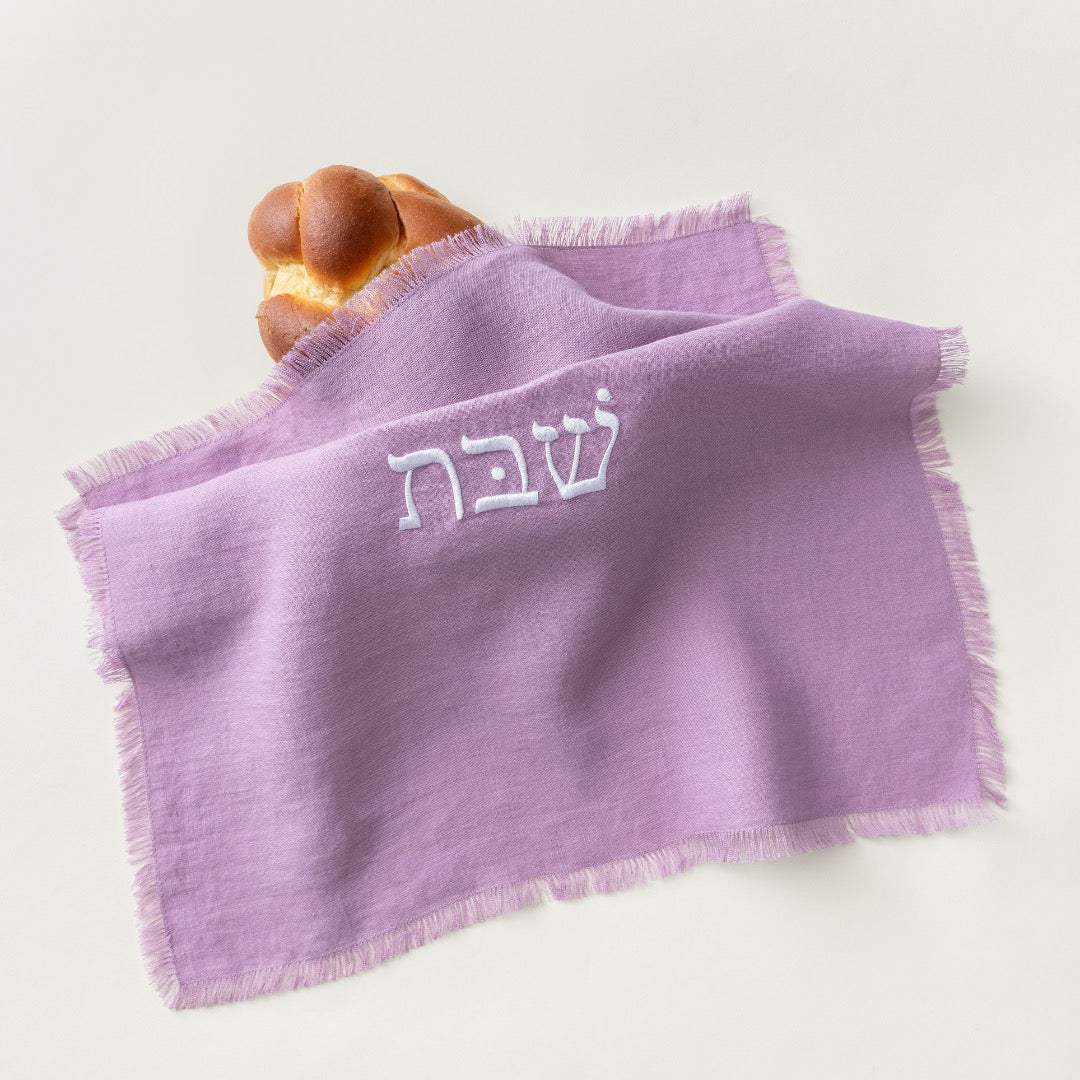
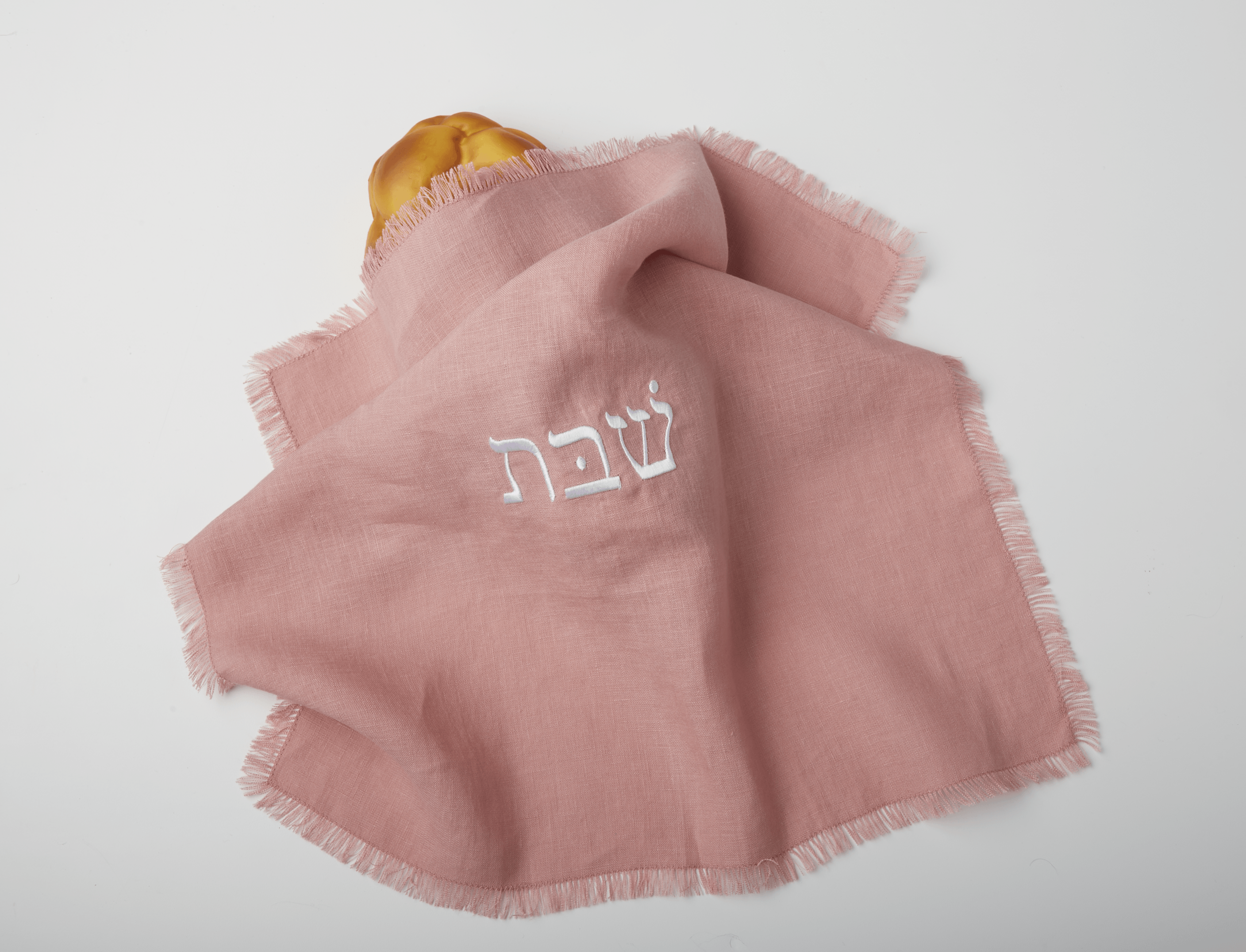
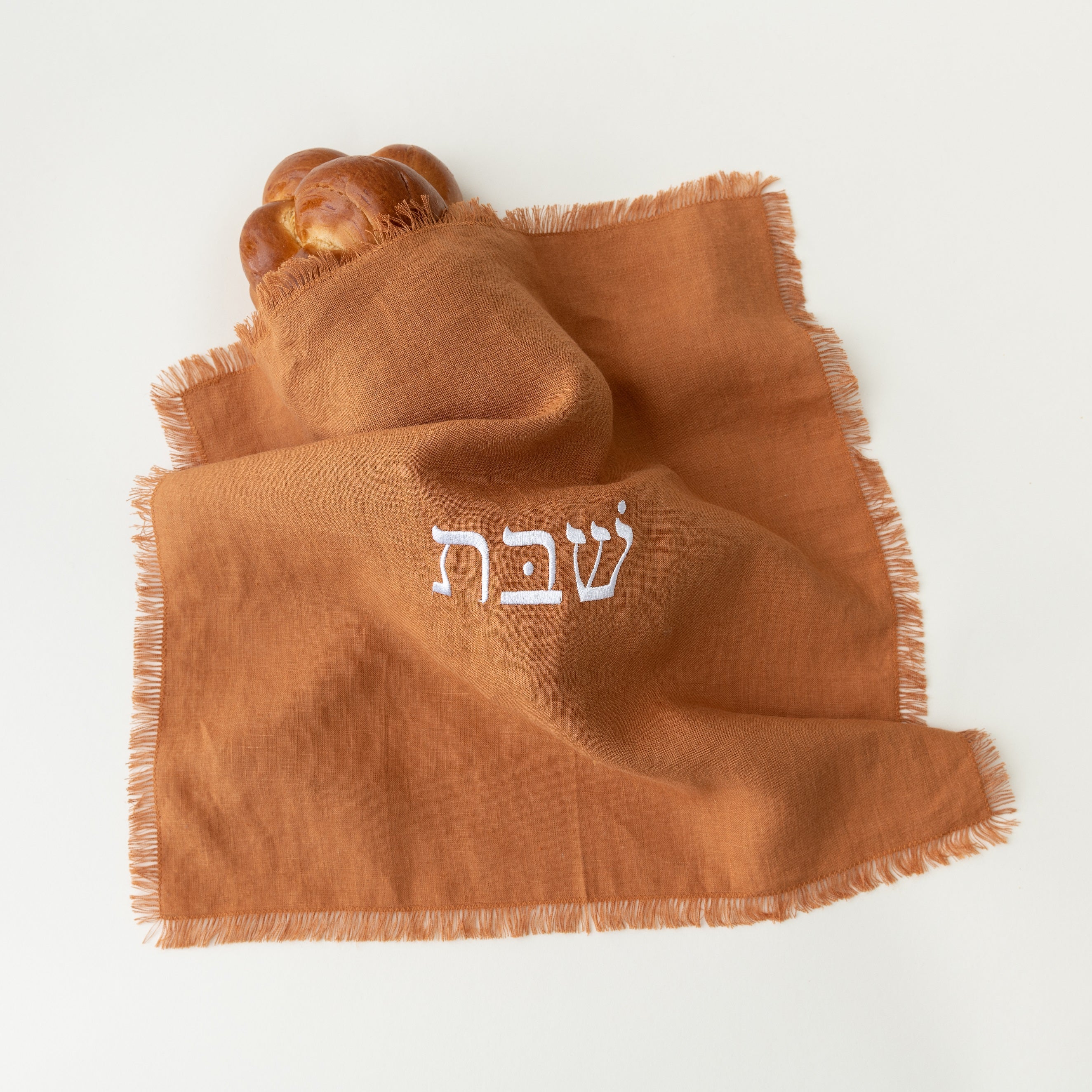
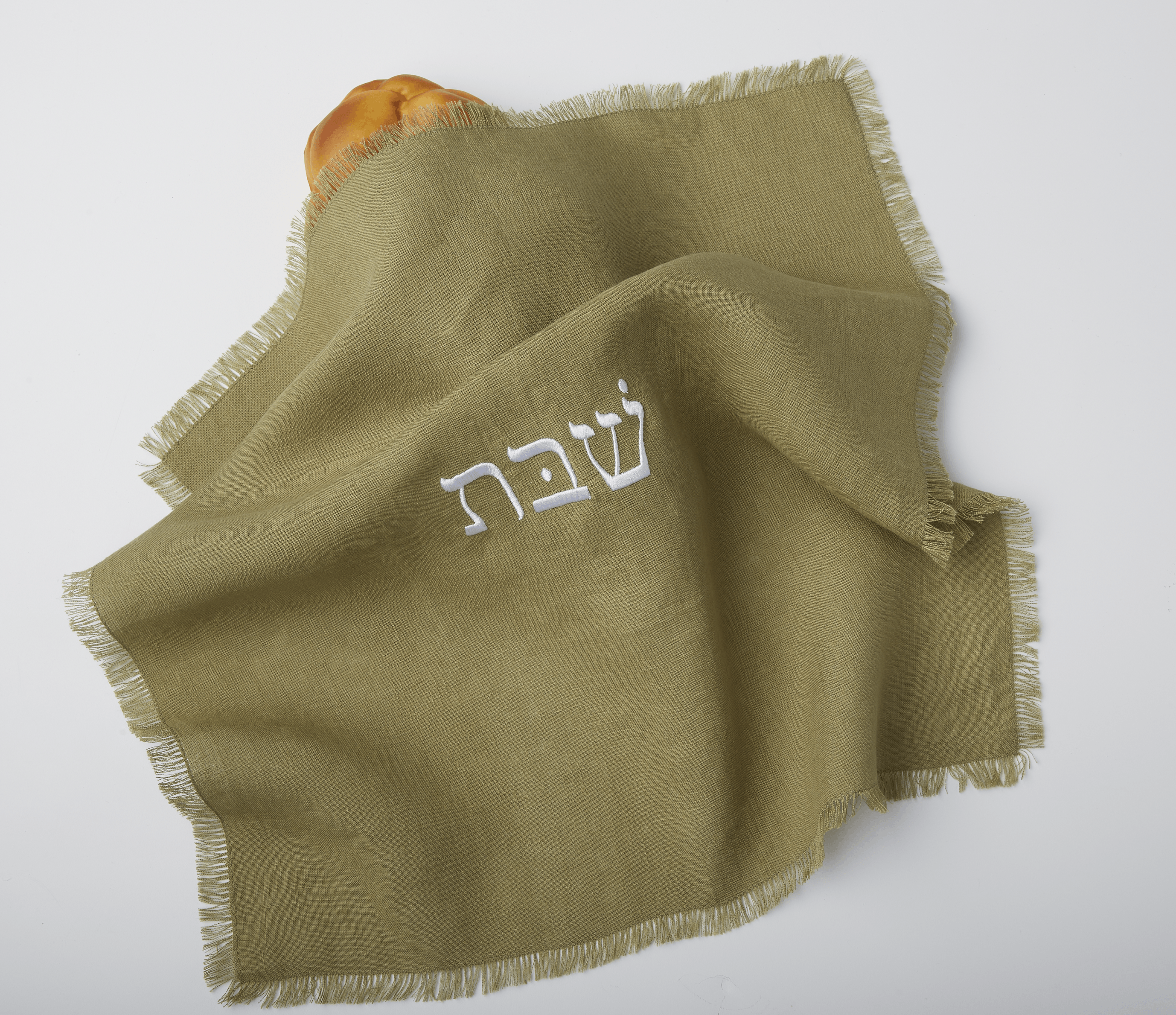
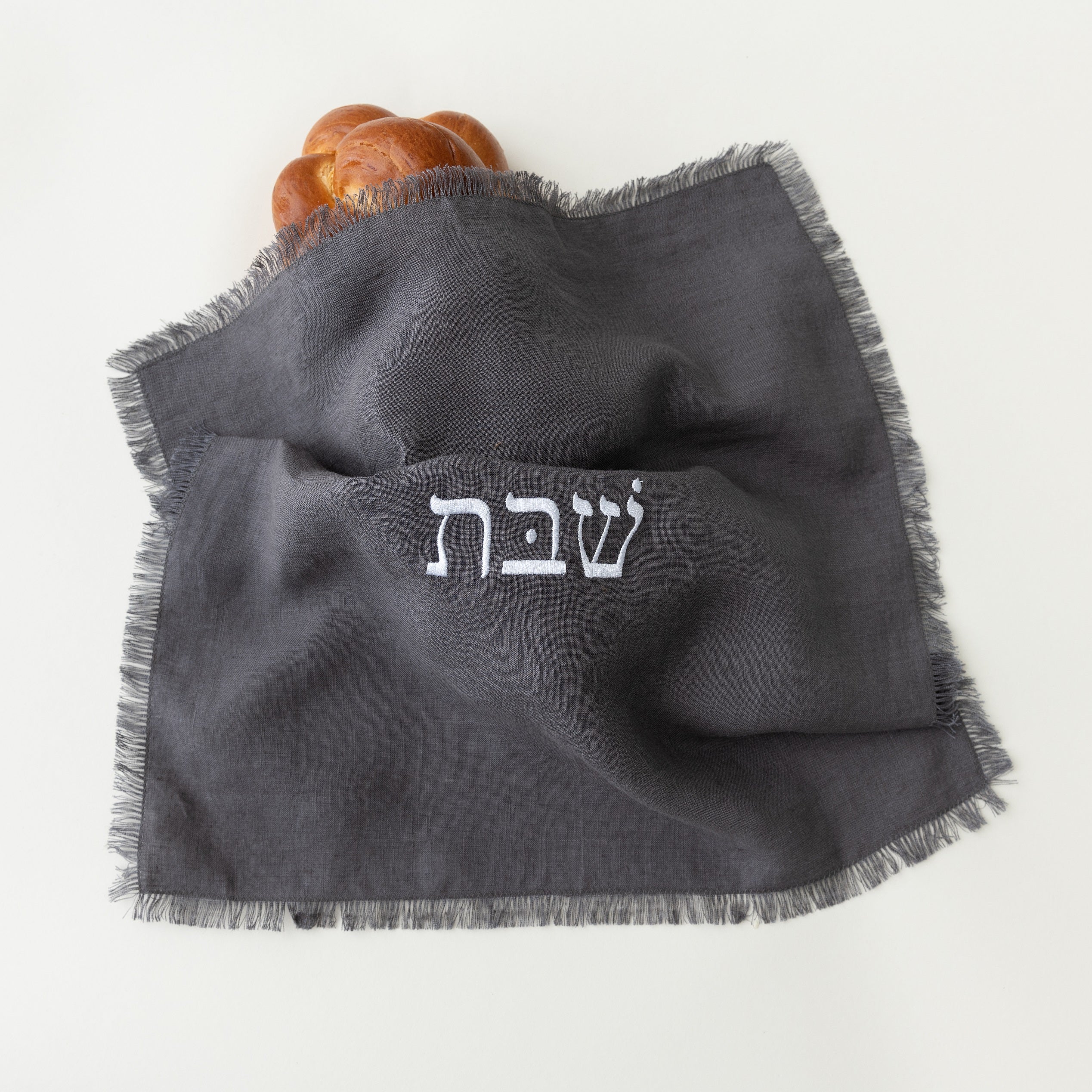
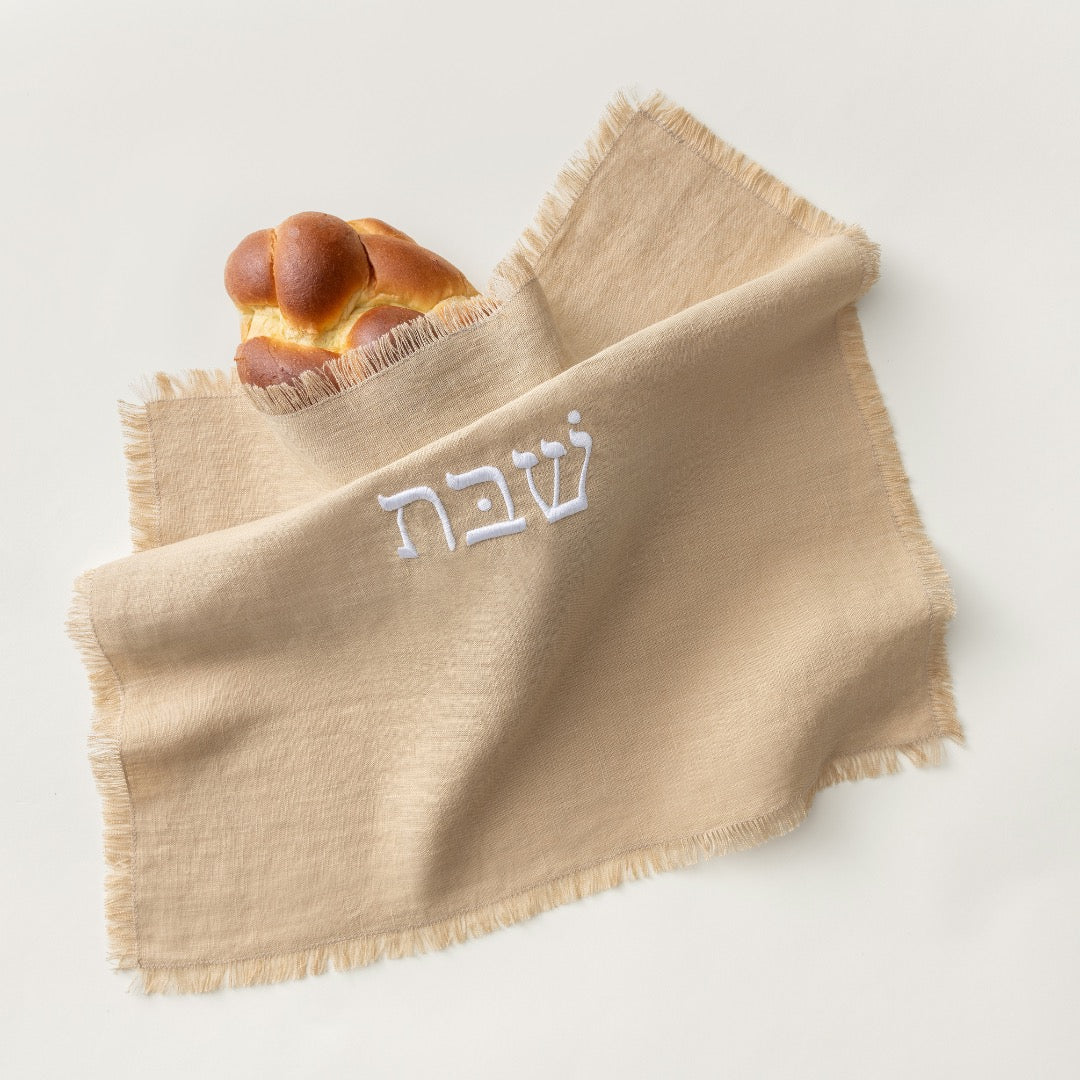
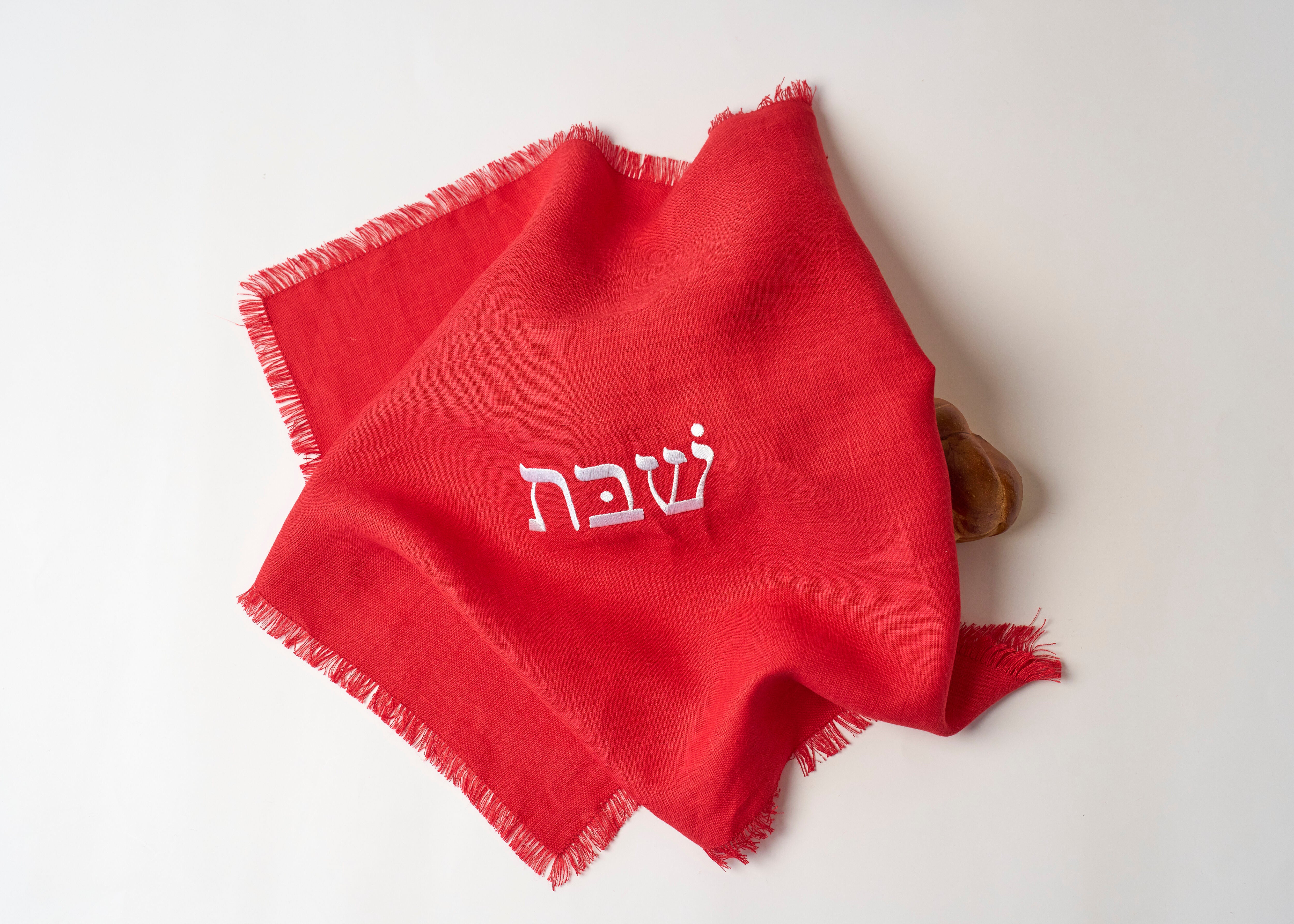
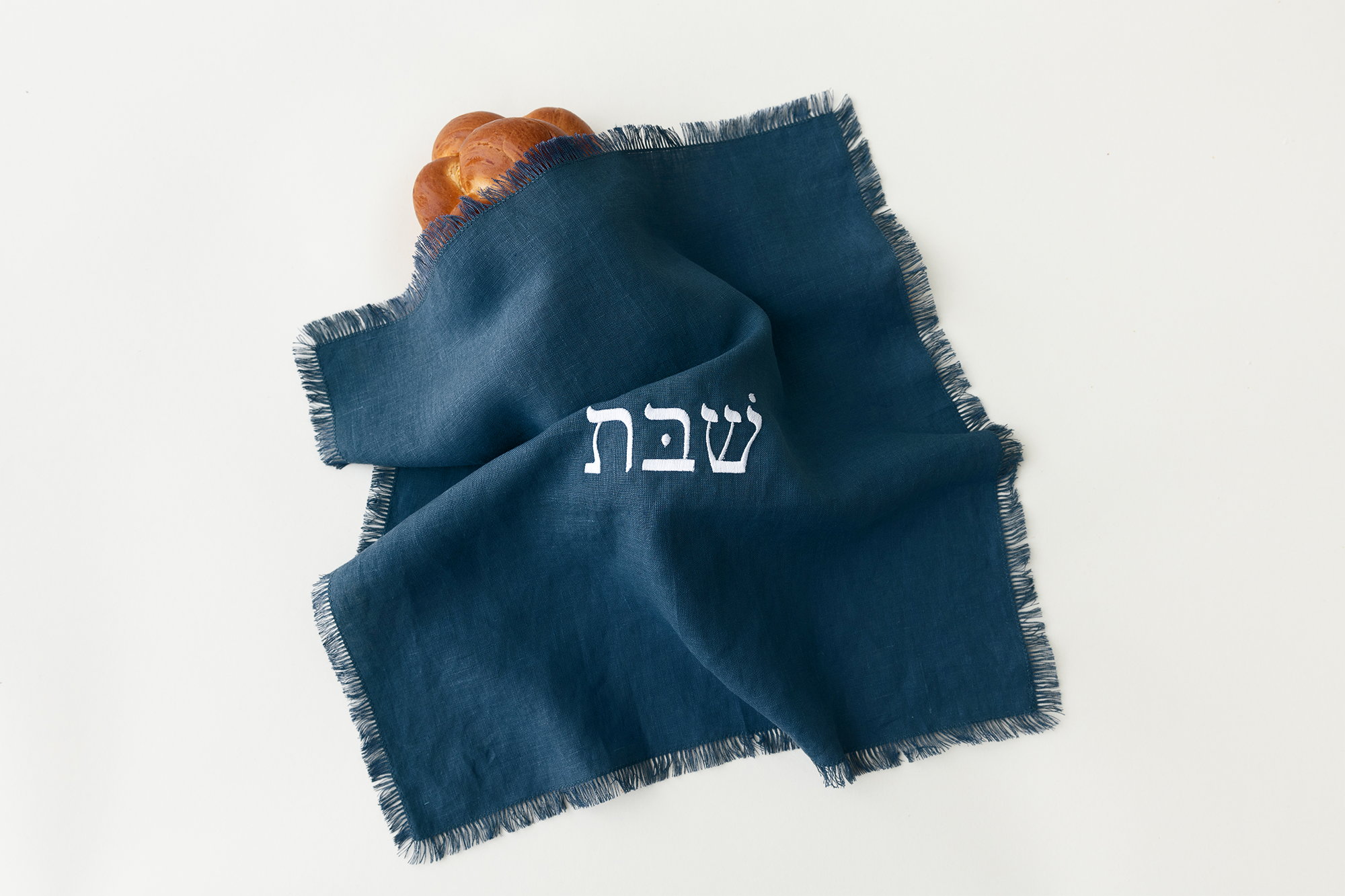
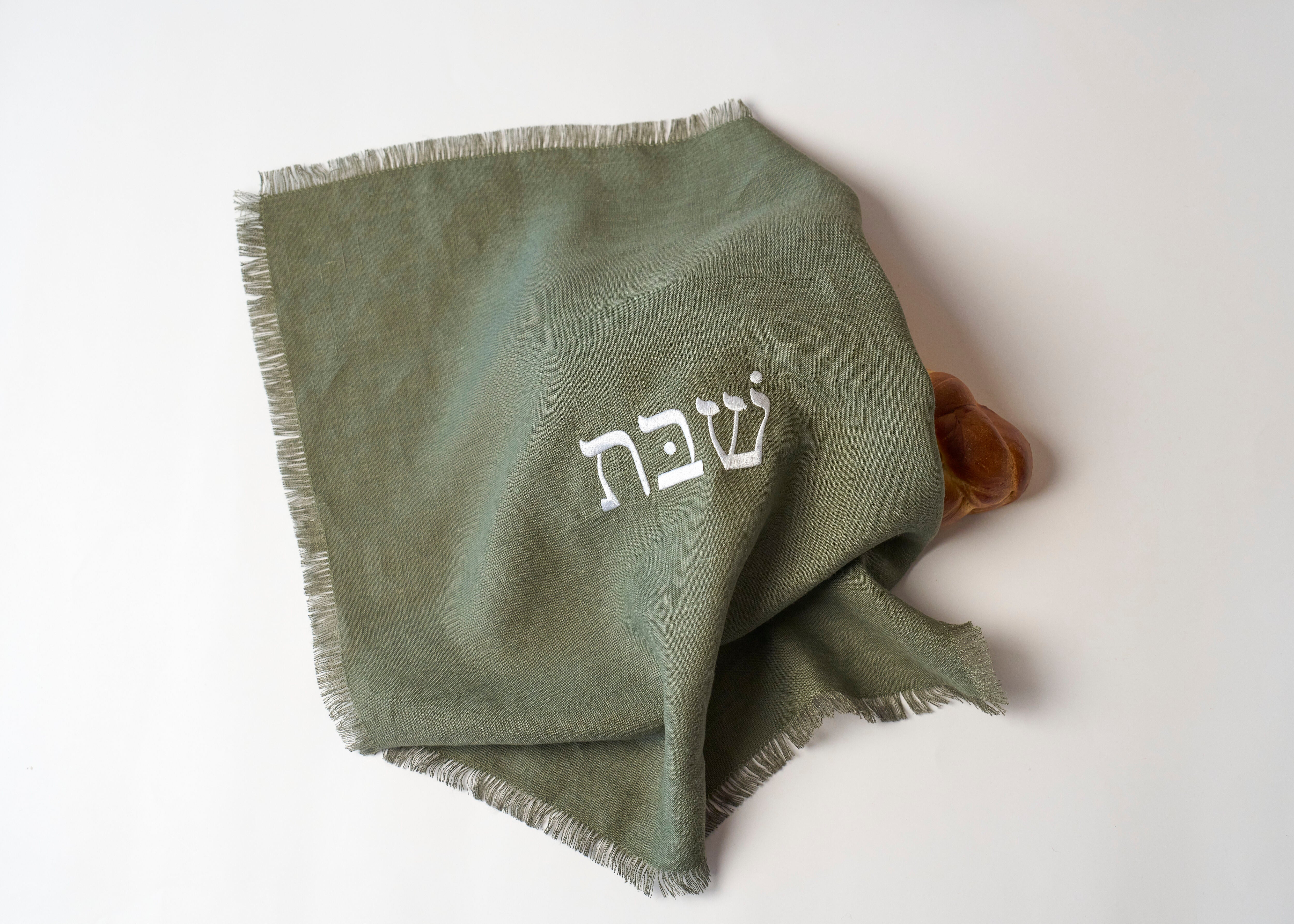
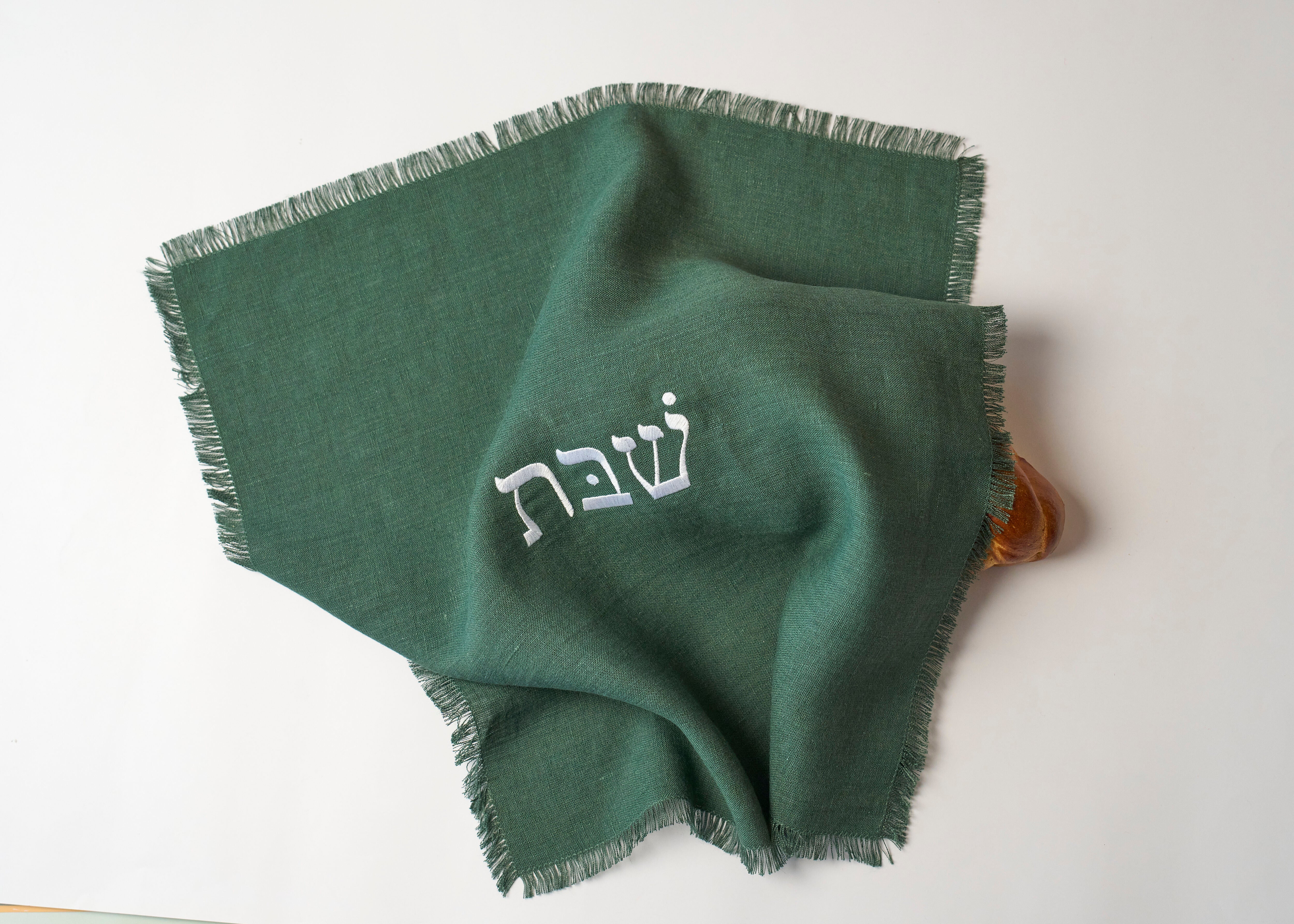
Because of this, it’s traditional to put two loaves of challah on the Shabbat table. Both loaves are covered with a cloth known as a challah cover, which is meant to signify the dew that covered the manna each morning, protecting it until it was discovered and eaten.
Why is Challah Braided?
Its braid is one of the most well-known features of challah, but the braid is simply a tradition, rather than a requirement of Jewish law. The only requirement for challah is that there are two loaves. Otherwise, it can be braided, unbraided, round, loaf-shaped, or have any other features.
That said, braiding is standard when it comes to challah. Some suggest that the braiding signifies unity, as every strand is woven together. It’s also suggested that a three-strand braided challah is meant to signify truth, peace, and justice.

The shape of a challah also varies according to tradition. On the Jewish new year, Rosh Hashanah, it’s common to have a round challah rather than a loaf shape. The round shape has no beginning and no end, symbolizing the cycle of life.
Blessing the Challah: Hamotzi
Before eating the challah, many Jewish people say a blessing known as Hamotzi, which translates to “who brings forth.” This prayer thanks God, “who brings forth bread from the earth.” Before reciting the prayer, we take the challah cover off and lift the challah into the air.
After saying the blessing, the challah is passed around and each person tears off a piece. Some families dip the bread in salt before eating it, another tradition that stretches back to the times of the Holy Temple.
Celebrate Jewish Holidays With Ritual Items from Oneg Home
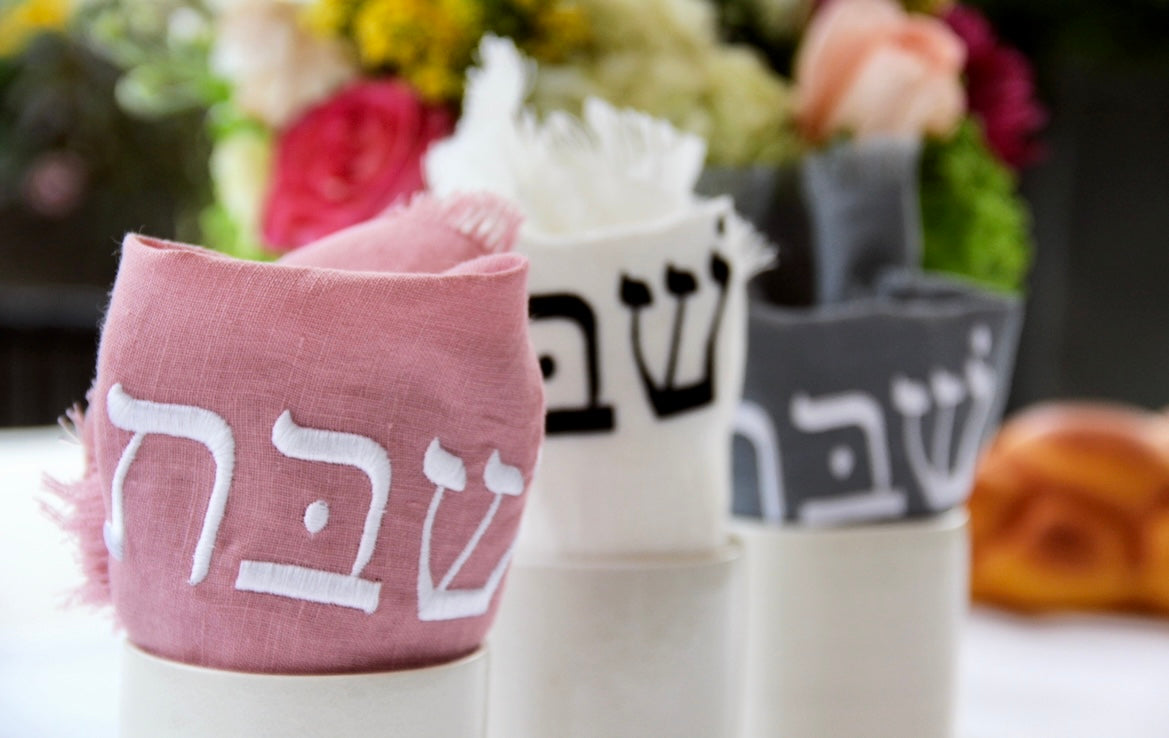
While very little is needed to partake in the tradition of challah, there are some customary ritual items that help with the process. The challah is typically placed on a special plate, which is decorated with Jewish symbols or phrases relating to Shabbat. Then, the challah is covered with a decorative challah cover. Find these and other Jewish religious items at Oneg Home.
Ready to begin your Shabbat practice?