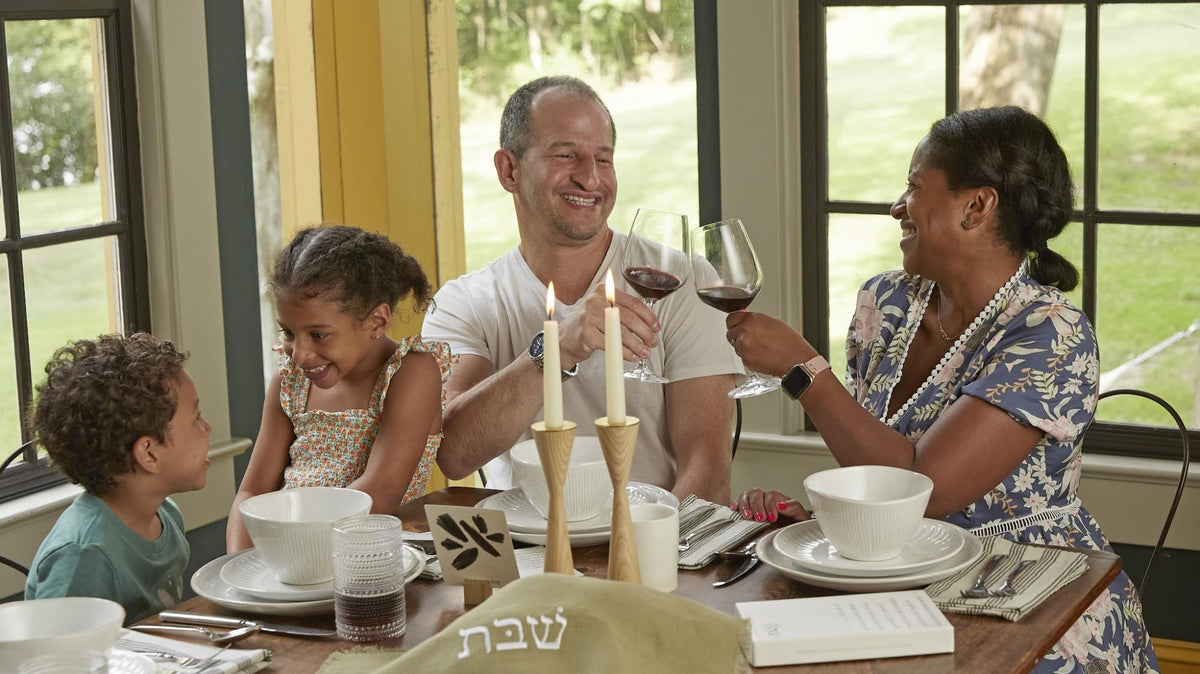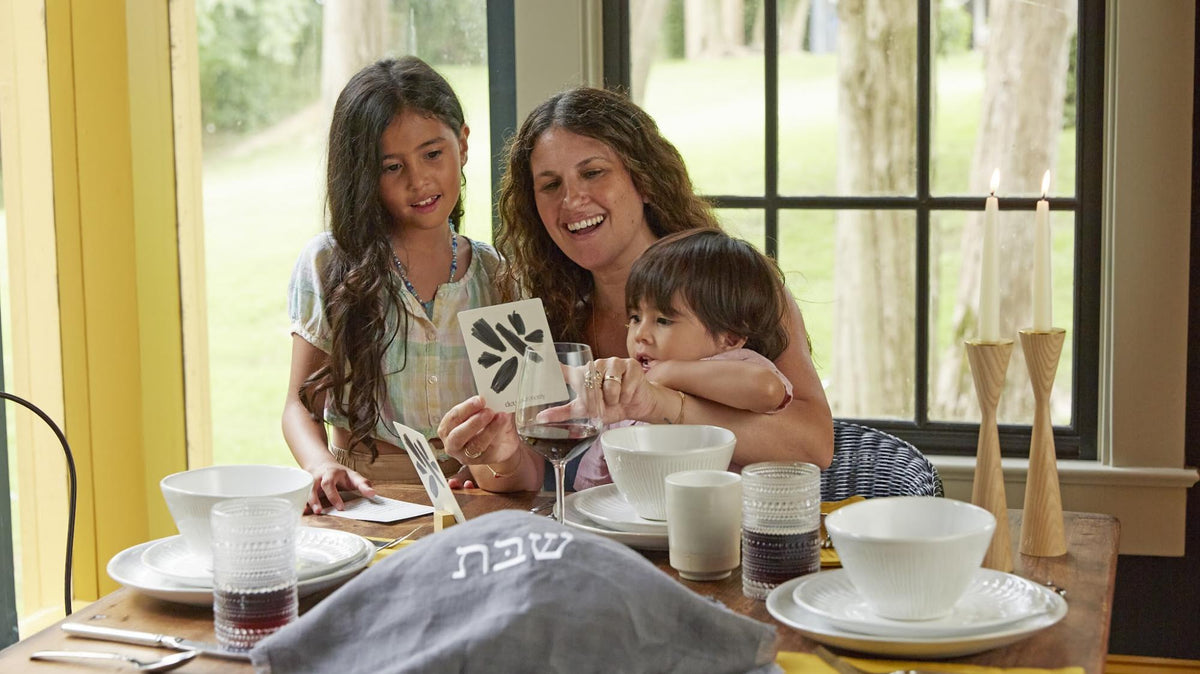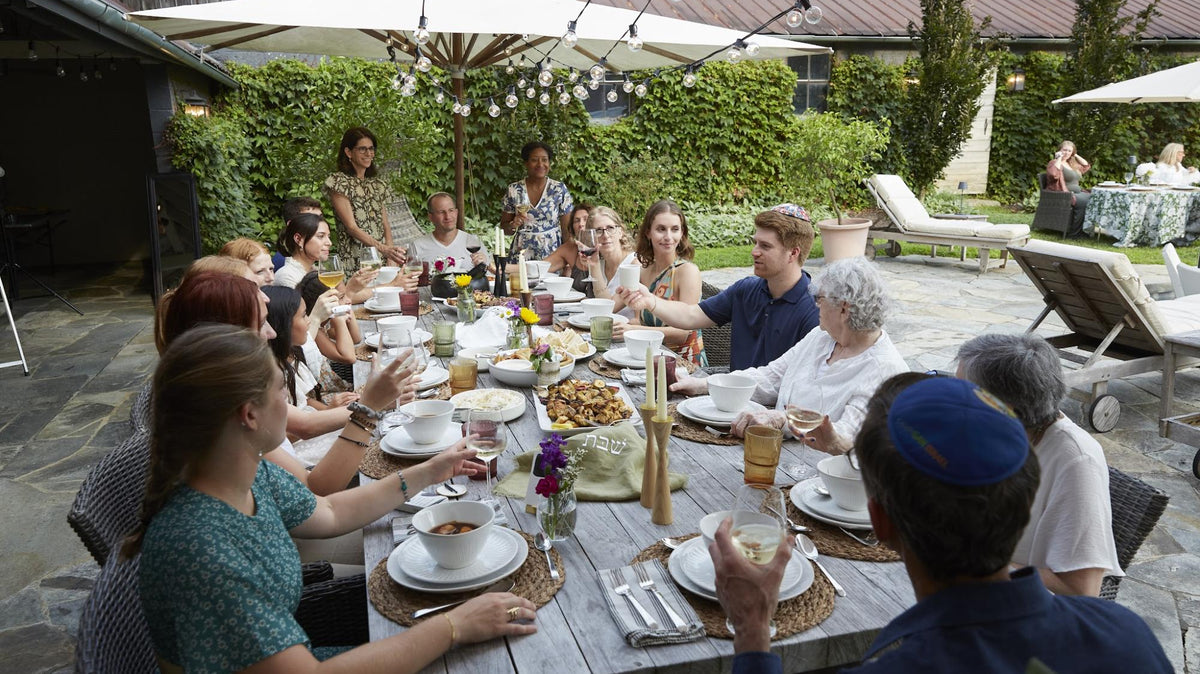

Before every Shabbat dinner comes a special, Friday night ceremony that ushers in this sacred time. Its three blessings transform the evening from an ordinary Friday night into a holy occasion. Each plays its own role: the Shabbat blessing over the candles begins Shabbat, the wine declares it holy, and the bread helps transition into the meal itself.
This guide walks through all three blessings in order: what you say, what it means, and what to do along with it. Read on for a beginner-friendly guide to Shabbat blessings.
The Order of Shabbat Blessings
No matter how observant you are, the Shabbat blessings are always said in a specific order. First, the blessing over the candles, then the wine, and finally the bread.
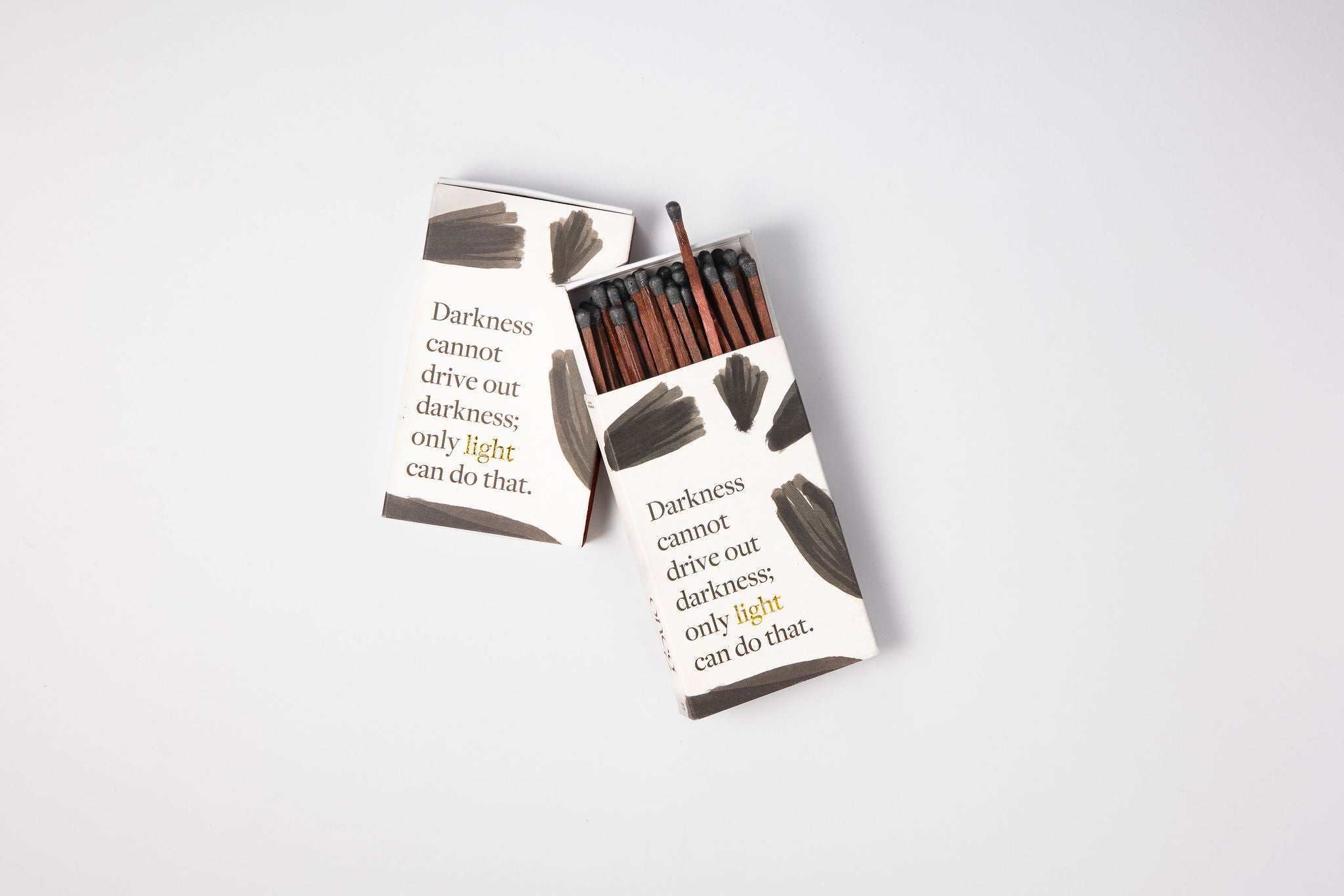
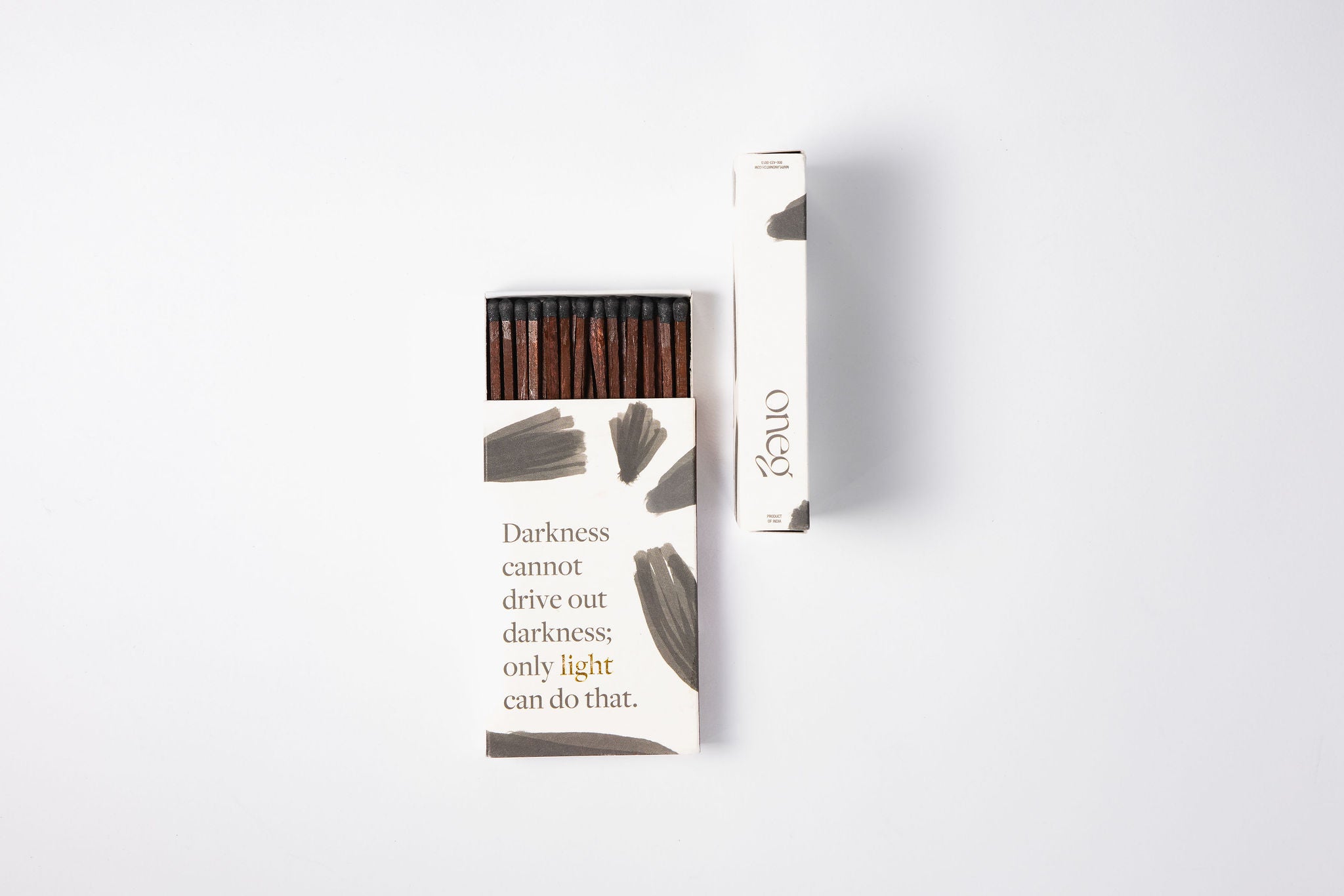
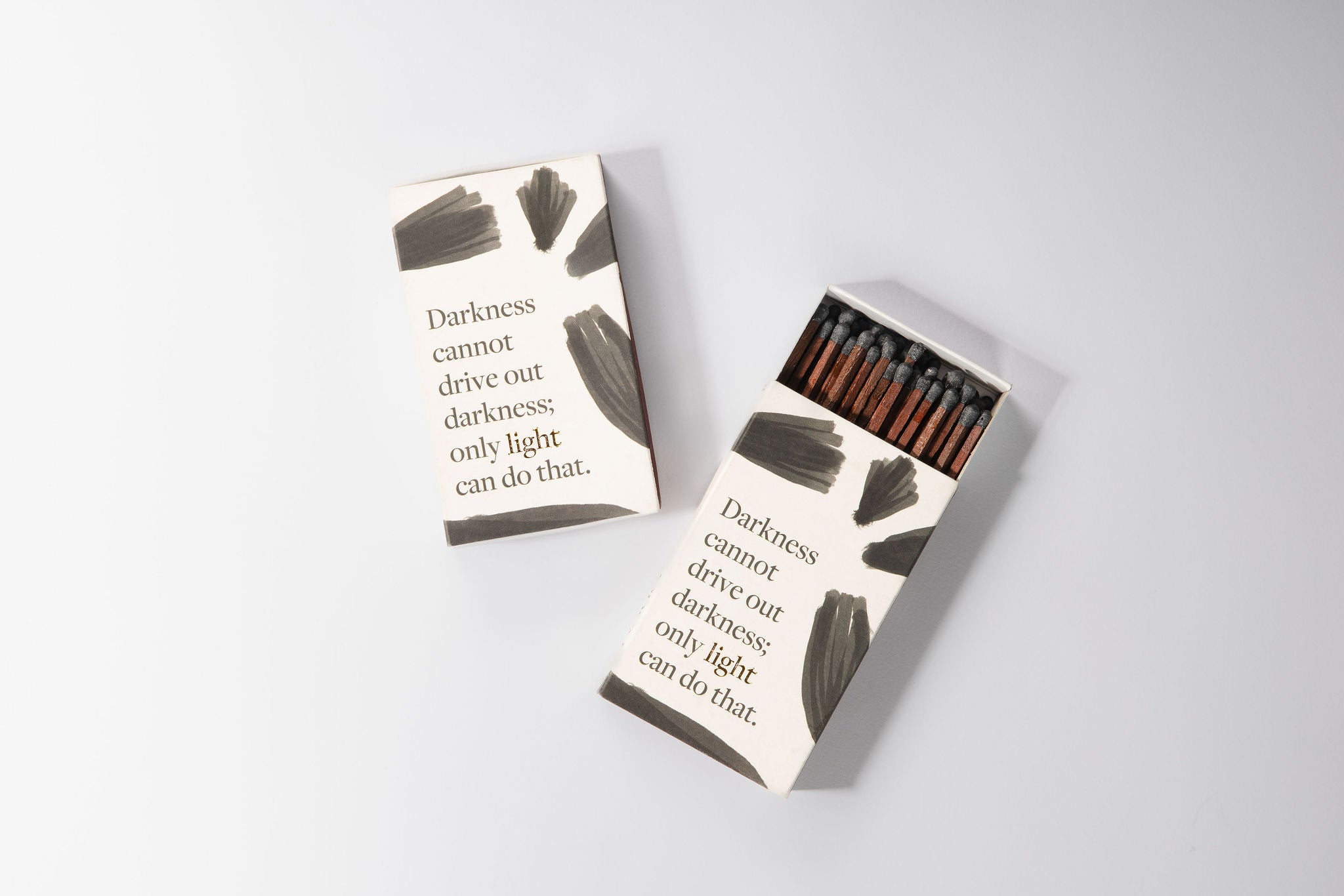
This order is important. The lighting of the candles at the beginning of the Shabbat ritual marks the transition from everyday life into the holy time of Shabbat. For those who keep Shabbat strictly, lighting the candles is the last work that will be done for the next 24 hours.
Similarly, the blessing over the bread, hamotzi, is the last step before indulging in a Shabbat meal. As we tear off and eat a piece of bread, we transition into the next phase of Shabbat.
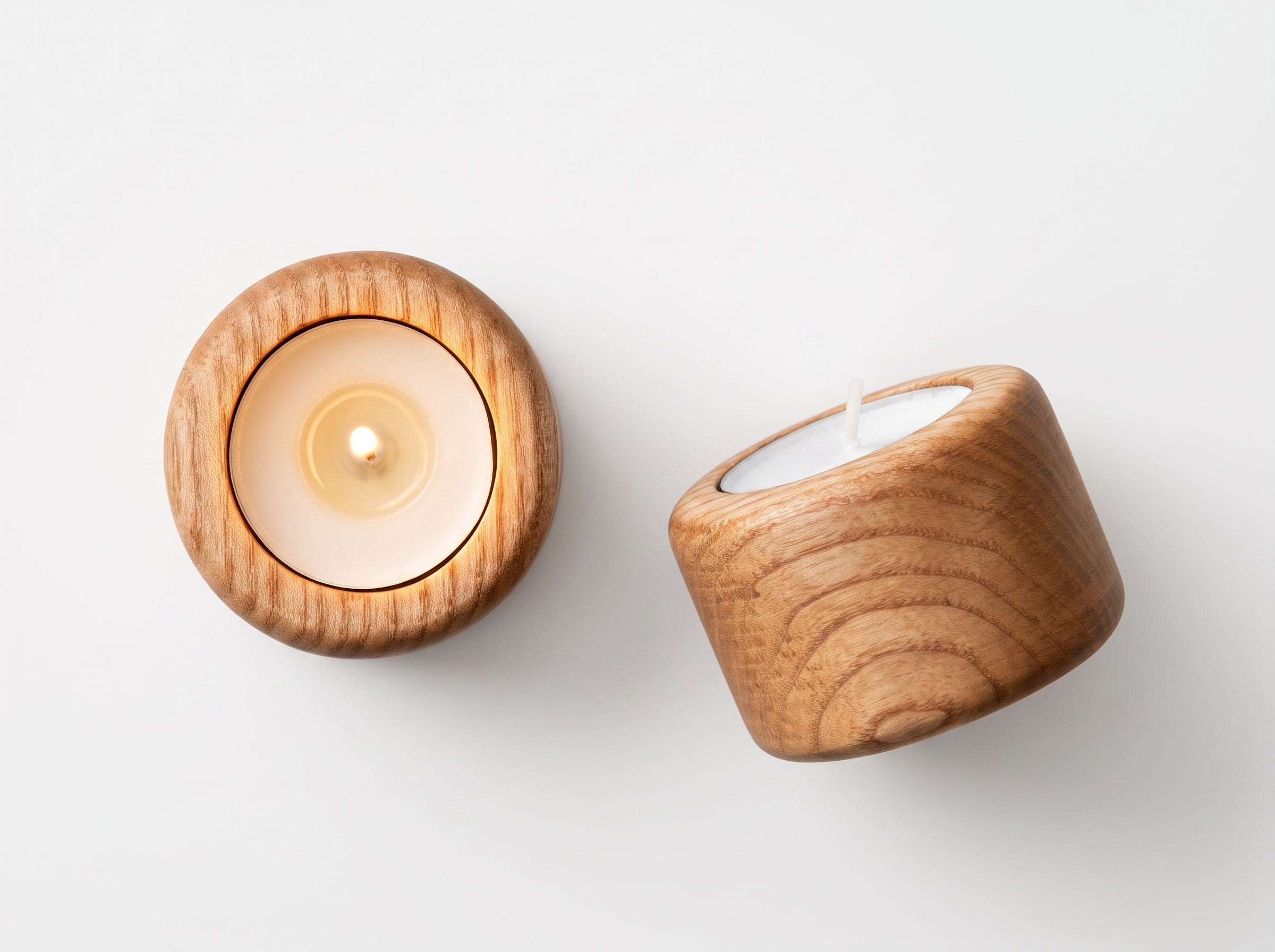
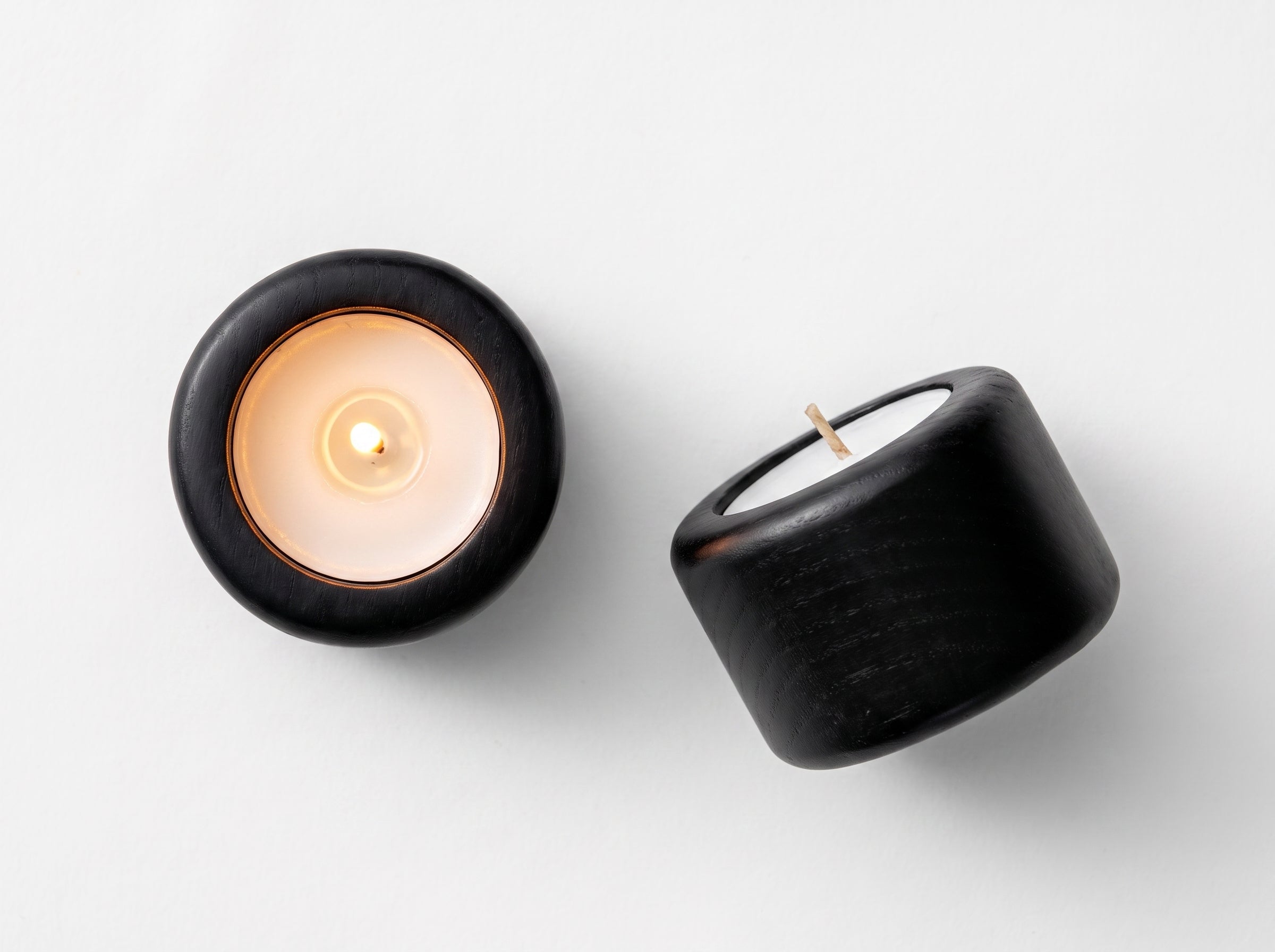
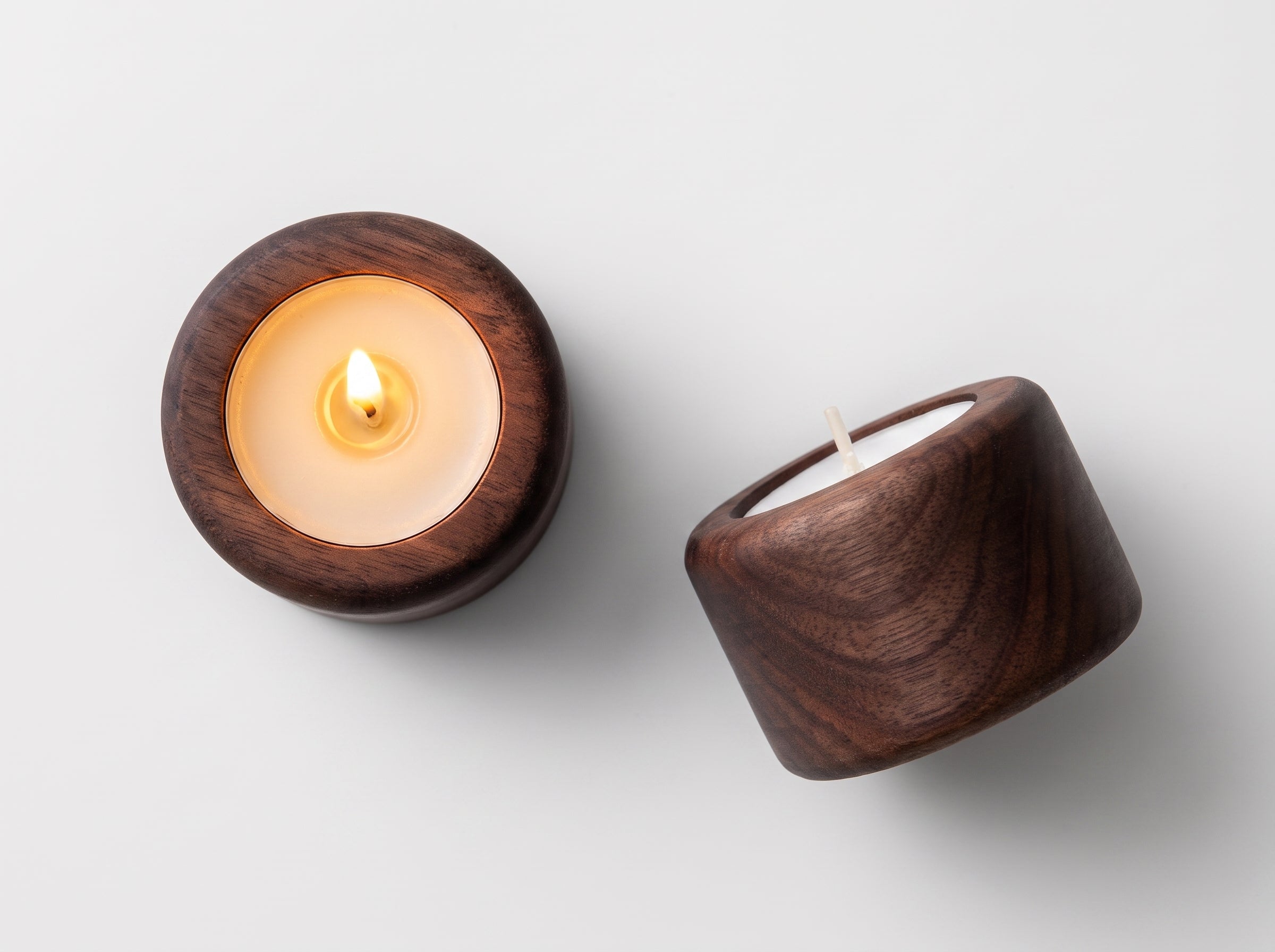
Blessing Over the Candles
The first Shabbat blessing is the blessing over the candles. Just before sundown (9 minutes to be exact), we light the candles and say the blessing.
Traditionally, lighting the candles and reciting the blessing is done by the woman of the household. She lights two candles, one to represent the commandment to remember the Sabbath, and the other to keep it holy. Then, she says the prayer. However, these aren’t hard and fast rules. Anyone who wants to light candles may do so, and they may light as many candles as they’d like as long as there are at least two. In some families, an additional candle is added for every child.
The blessing over the candles is said as follows:
Baruch ata Adonai, Eloheinu Melech ha-olam, asher kidshanu b'mitzvotav vitzivanu l'hadlik ner shel Shabbat.
Blessed are You, God, Ruler of the universe, who has made us holy through the commandments and commanded us to kindle the light of Shabbat.
The order of lighting the candles first, then reciting the blessing after is unusual for Judaism. Most other prayers are recited before taking an action. But this order is purposeful. Because lighting candles is a type of work that’s usually forbidden on Shabbat, it’s essential that the action is completed before Shabbat officially begins at sundown. To ensure the candles aren’t lit during Shabbat, the action is taken first, then the blessing is said.
Kiddush: Blessing Over the Wine
After the lighting of the candles comes Kiddush, a prayer that’s recited over a glass of wine or grape juice. The word Kiddush translates to “sanctification,” and that’s exactly the purpose of this Shabbat blessing. It declares that Shabbat is holy and sets it apart from the other days of the week.
The Kiddush prayer is as follows:
Baruch ata Adonai, Eloheinu melech ha-olam, borei p'ri hagafen.
Blessed are You, Lord our God, Ruler of the Universe, who creates the fruit of the vine.
Wine is significant in Jewish tradition. It’s generally associated with joy and celebration. Reciting the Kiddush while drinking wine on Shabbat elevates the experience from a simply joyous occasion to a sacred one. That said, grape juice is often used as a substitute for kids or those who don’t drink alcohol. It’s more about the experience than the exact drink that’s consumed.

Hamotzi: Blessing Over the Bread
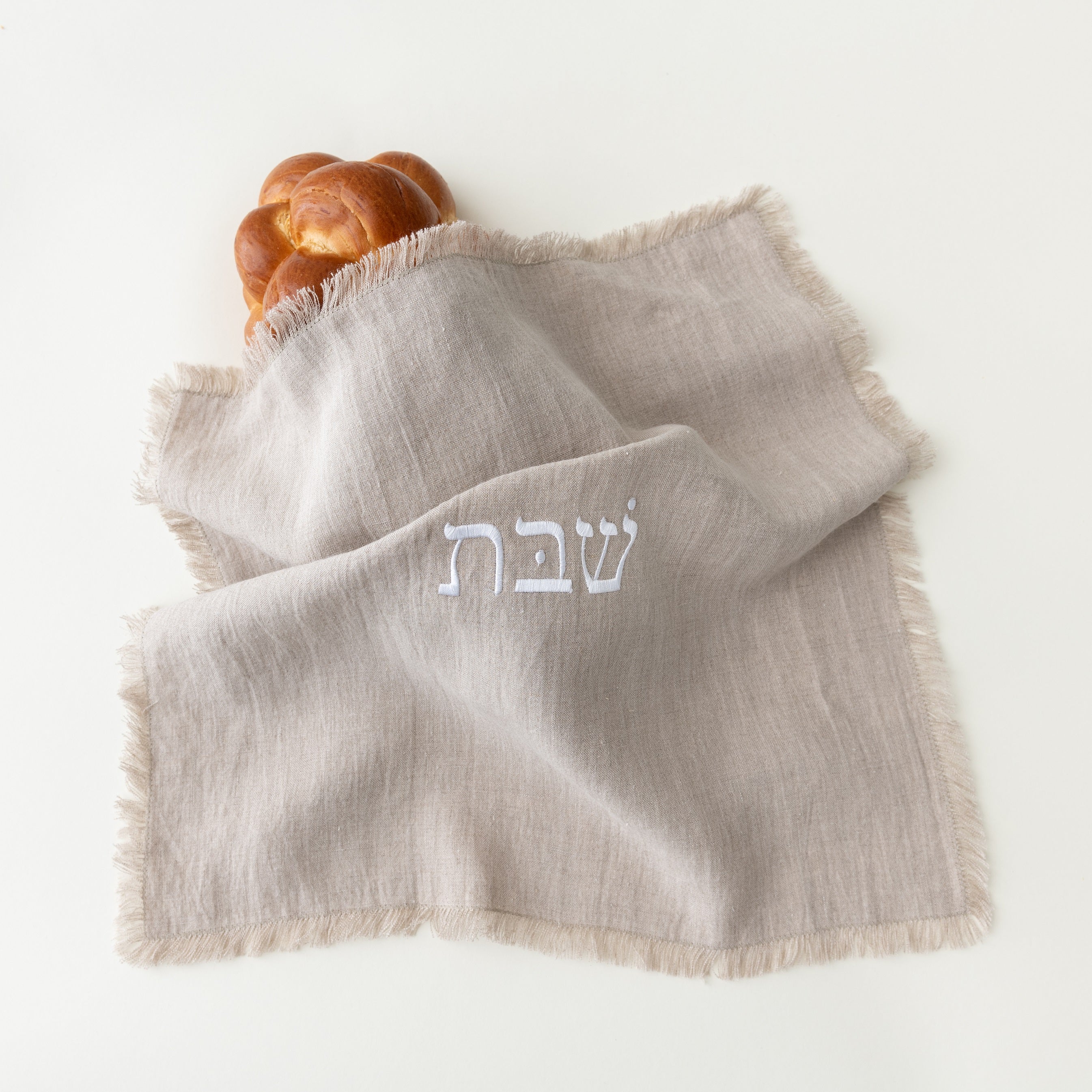
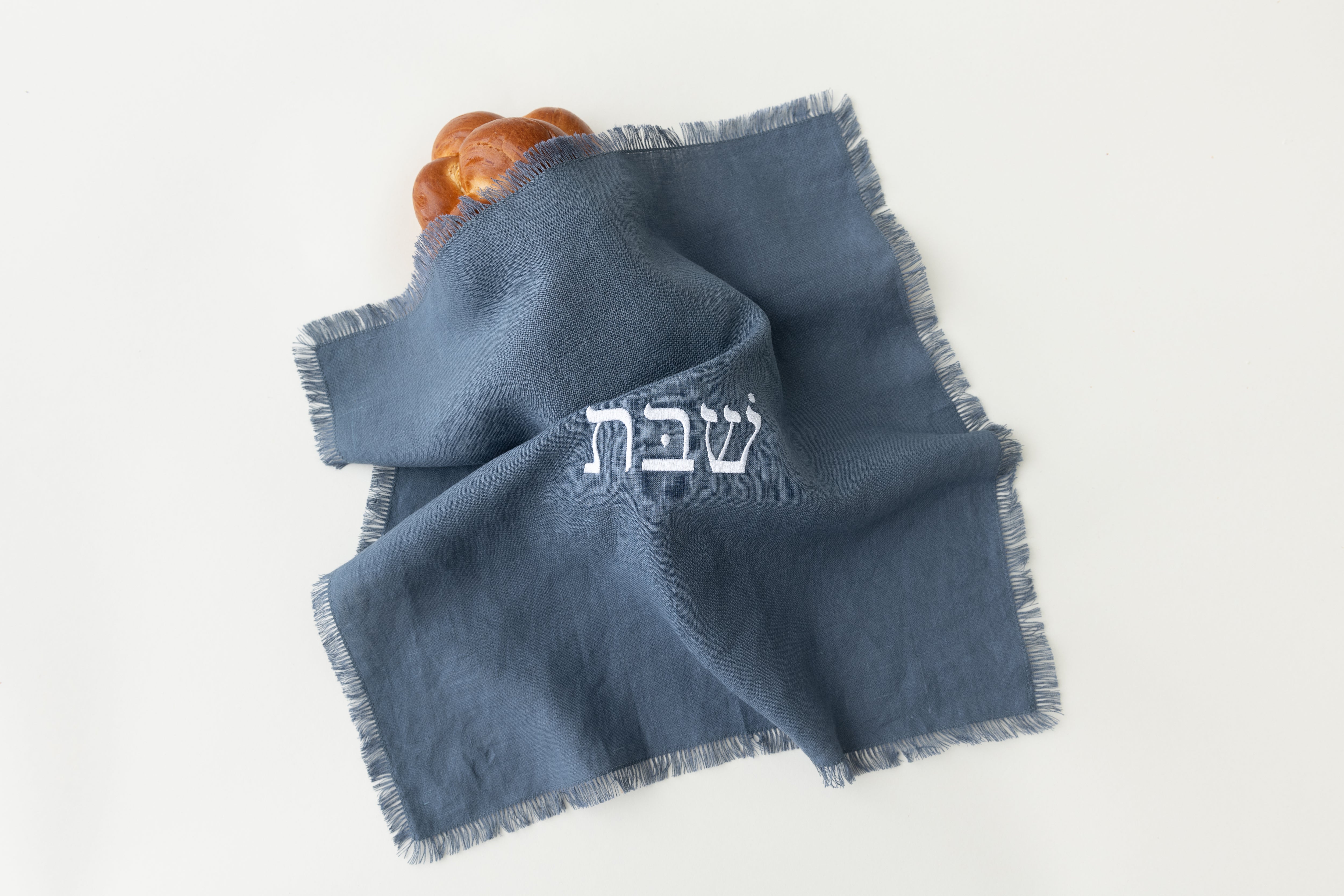
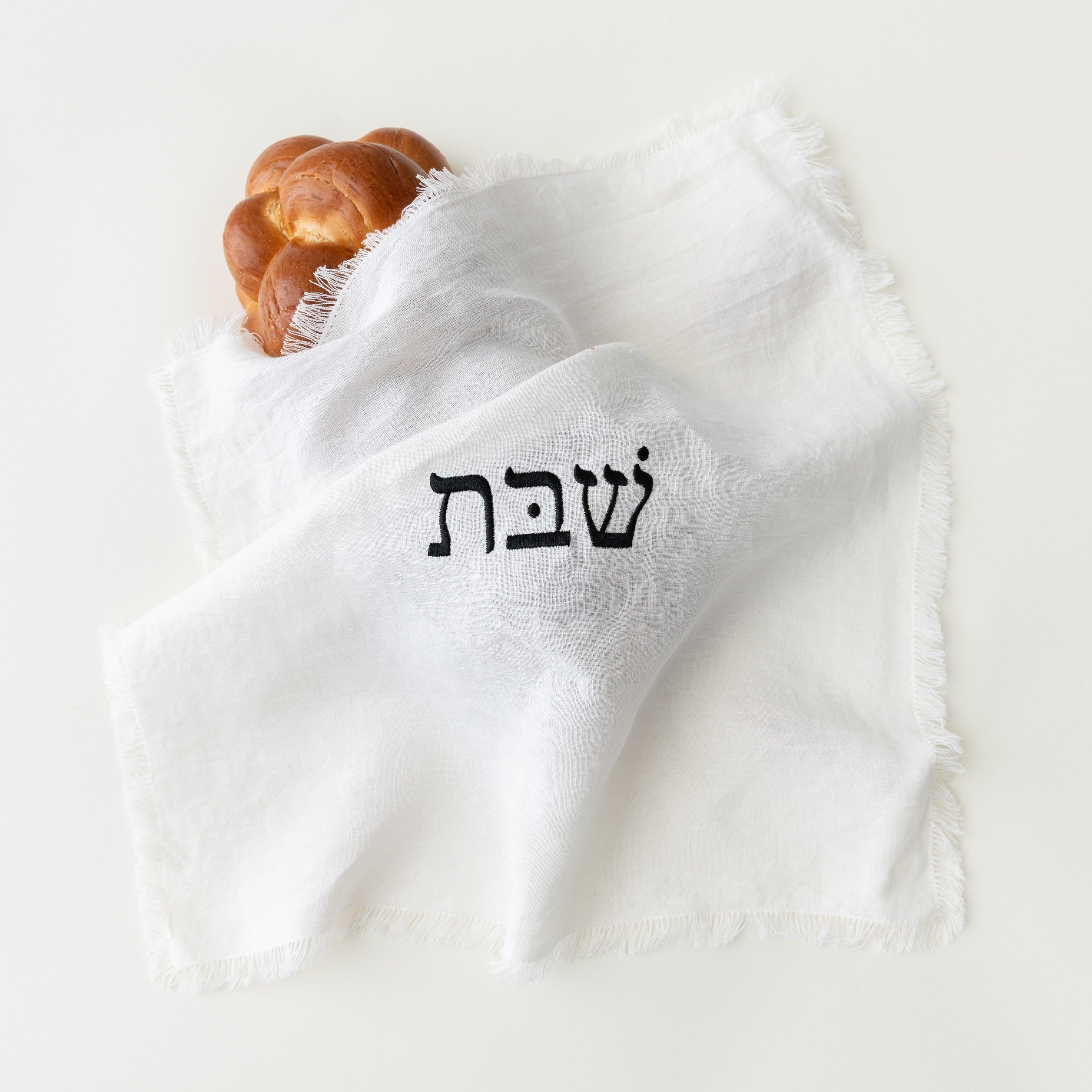
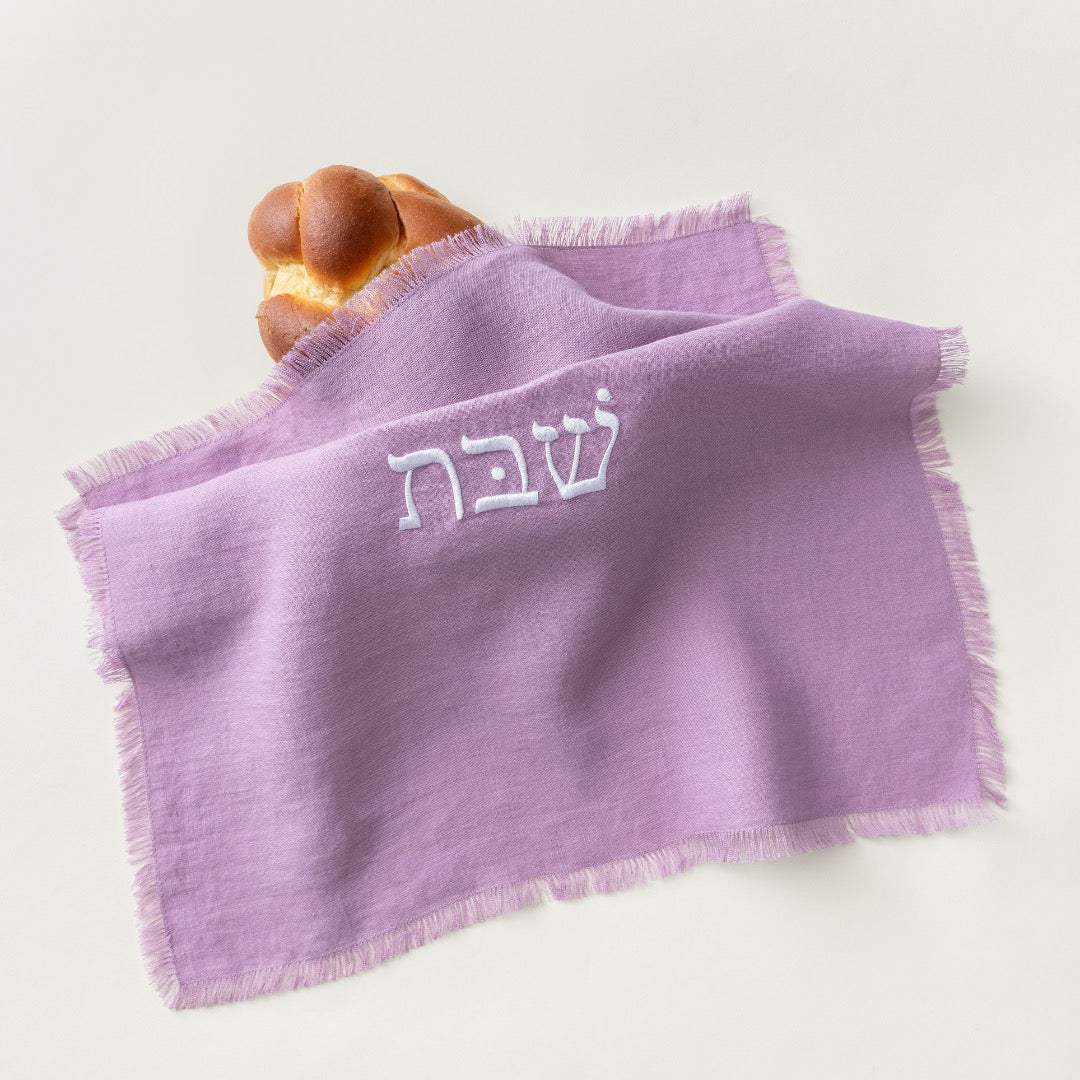
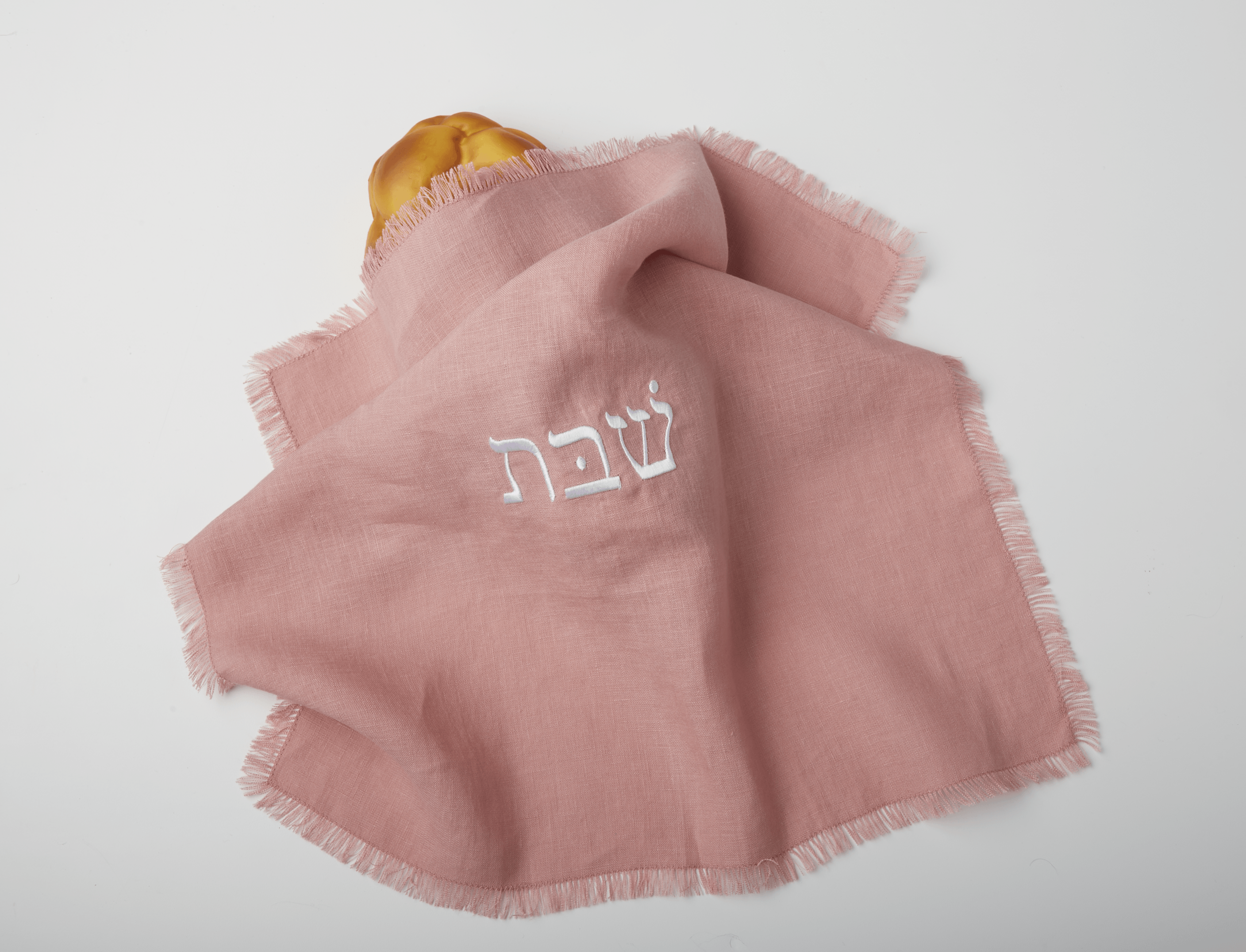
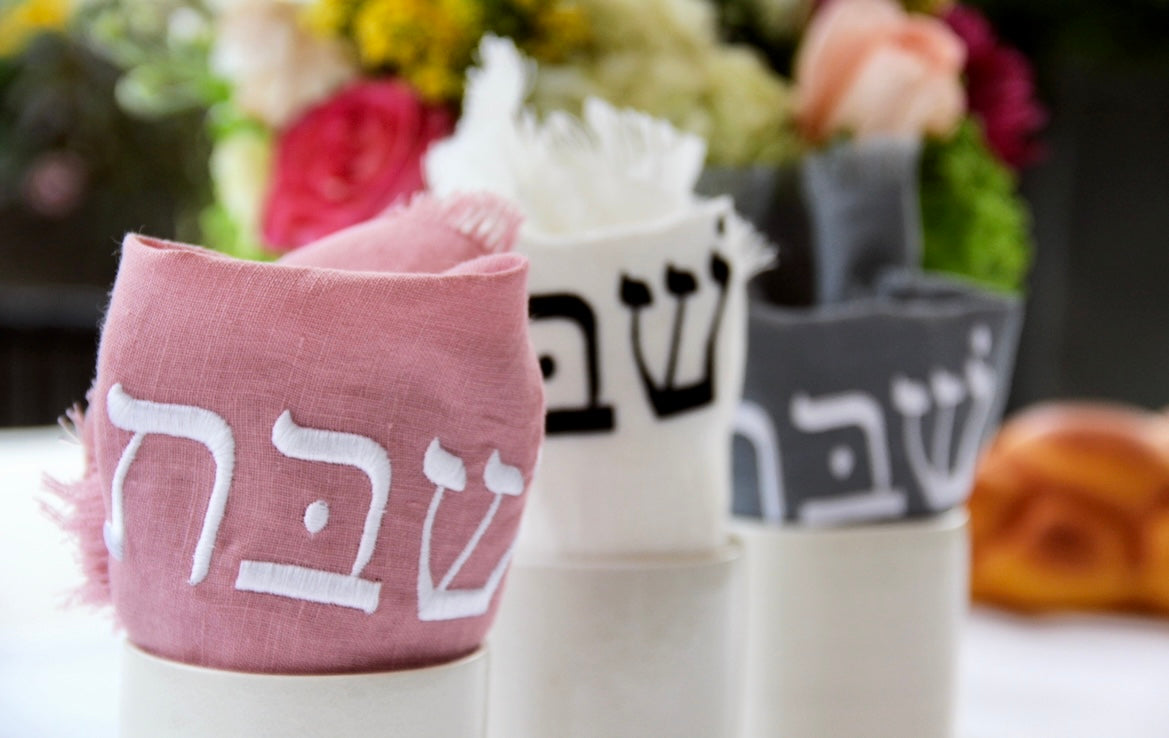
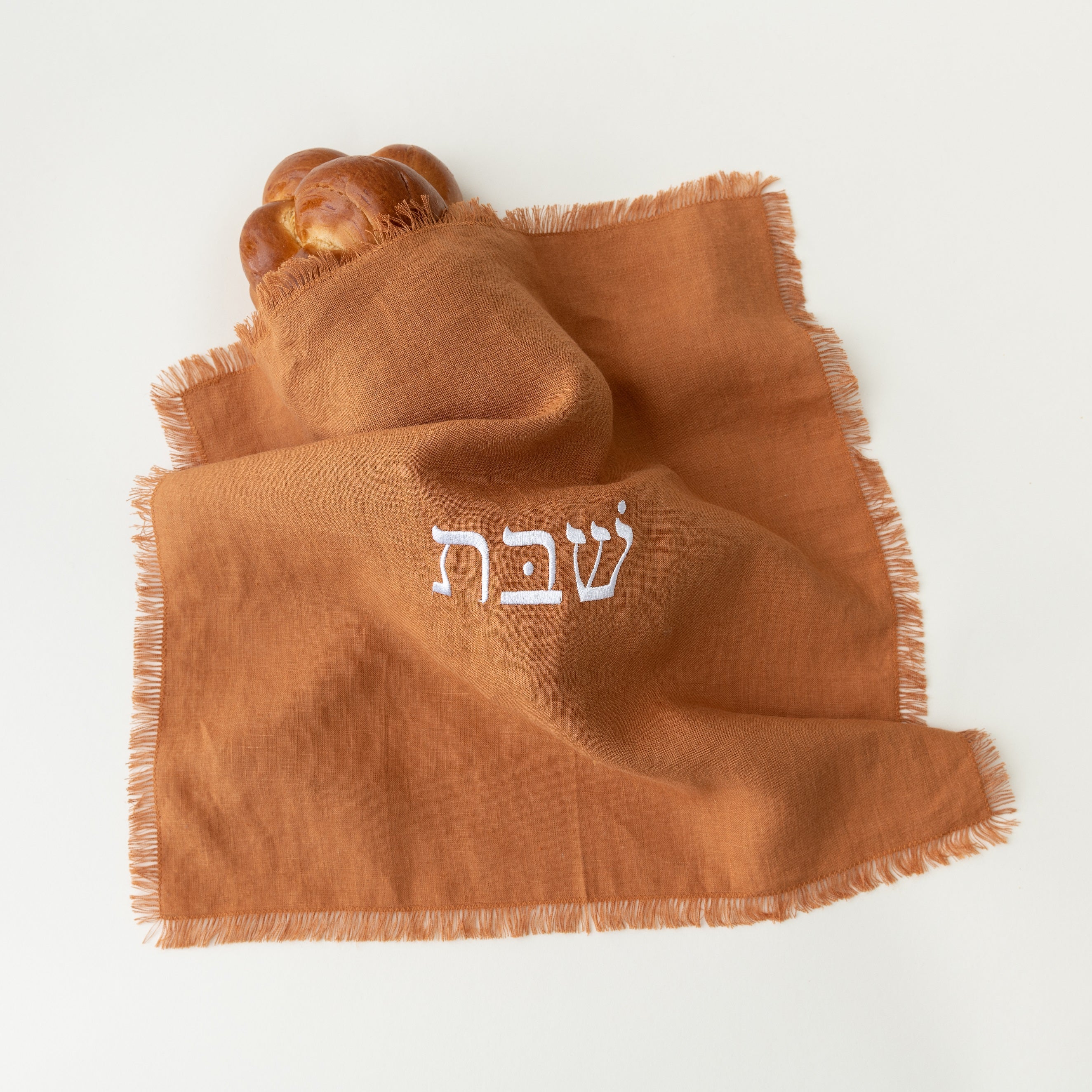
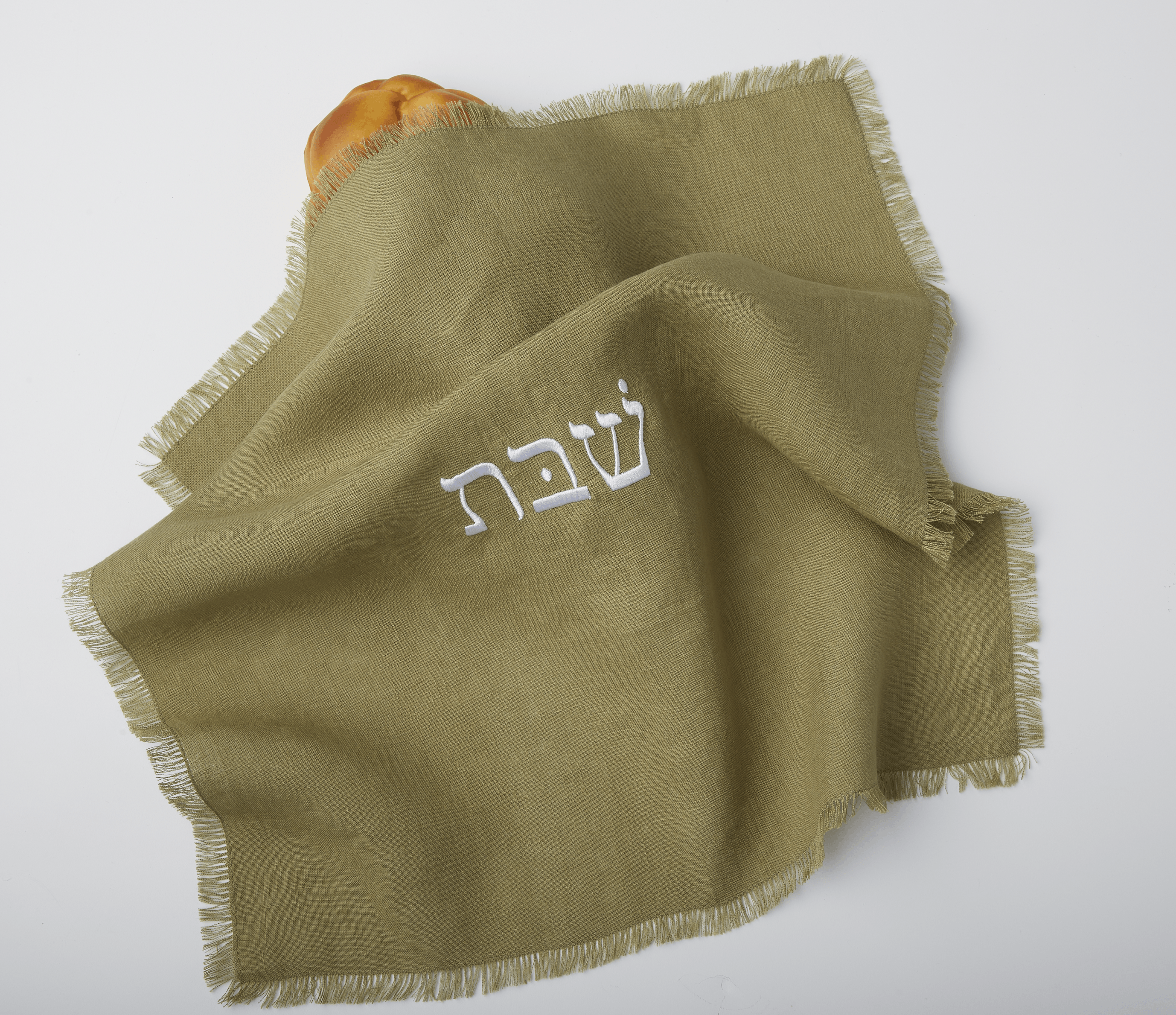
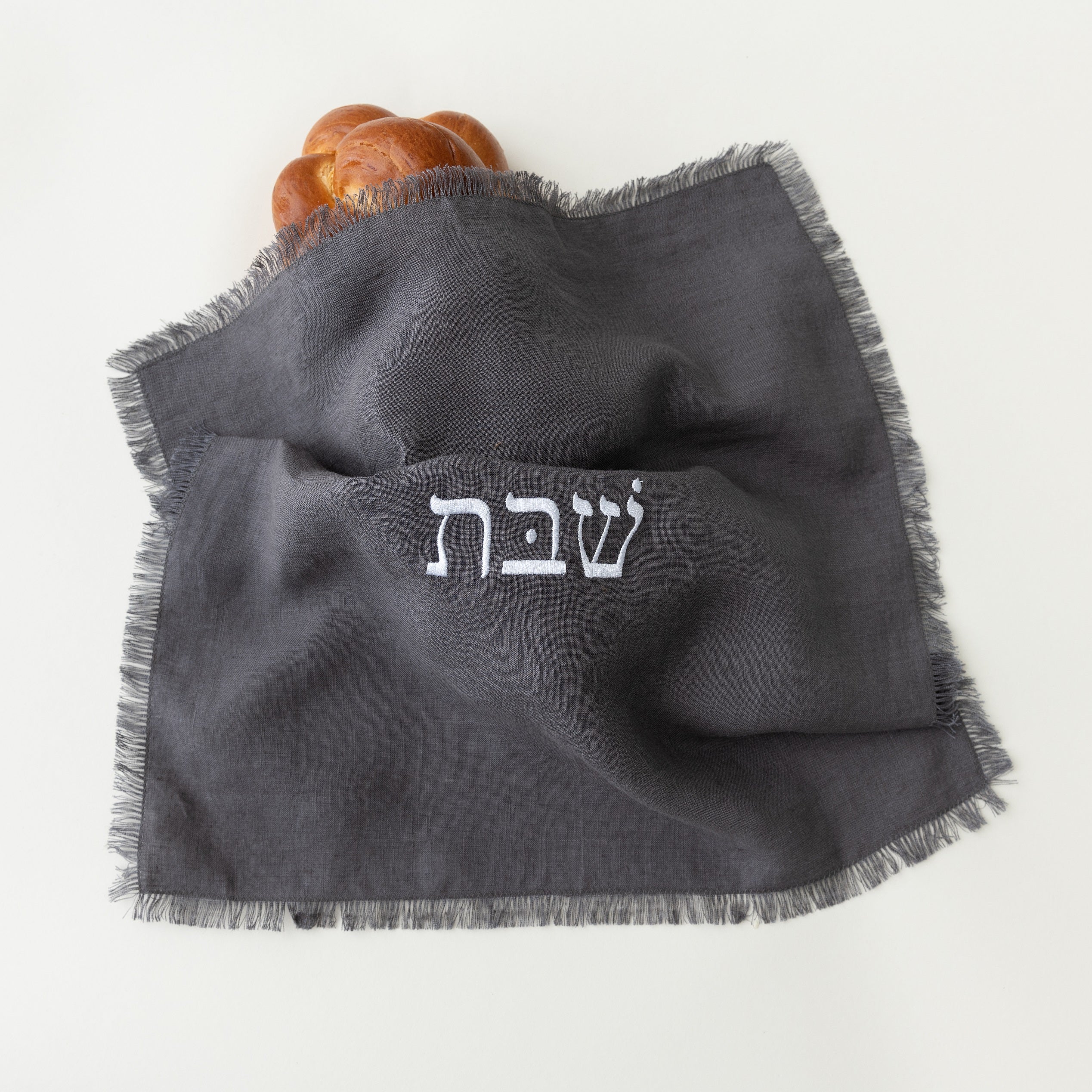
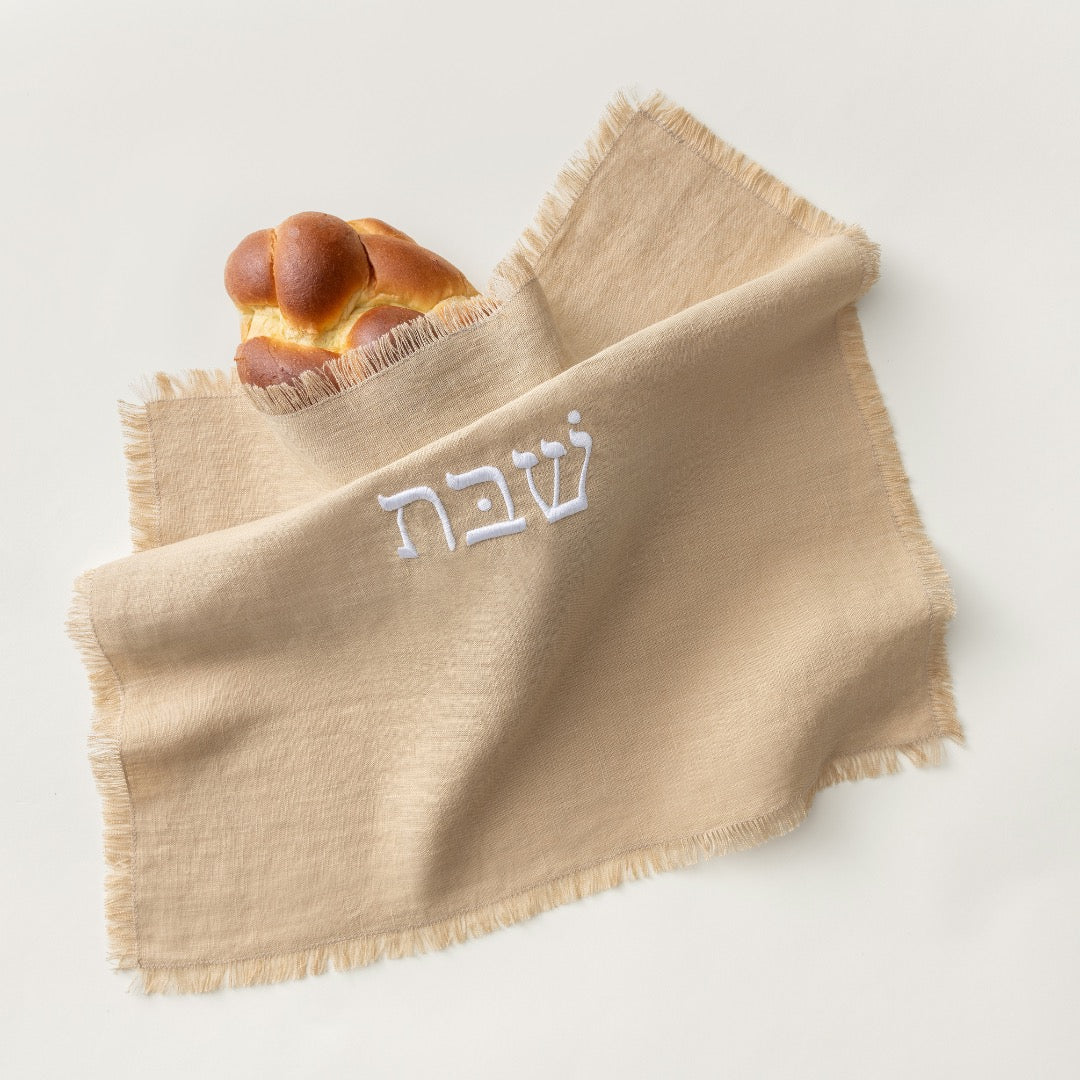
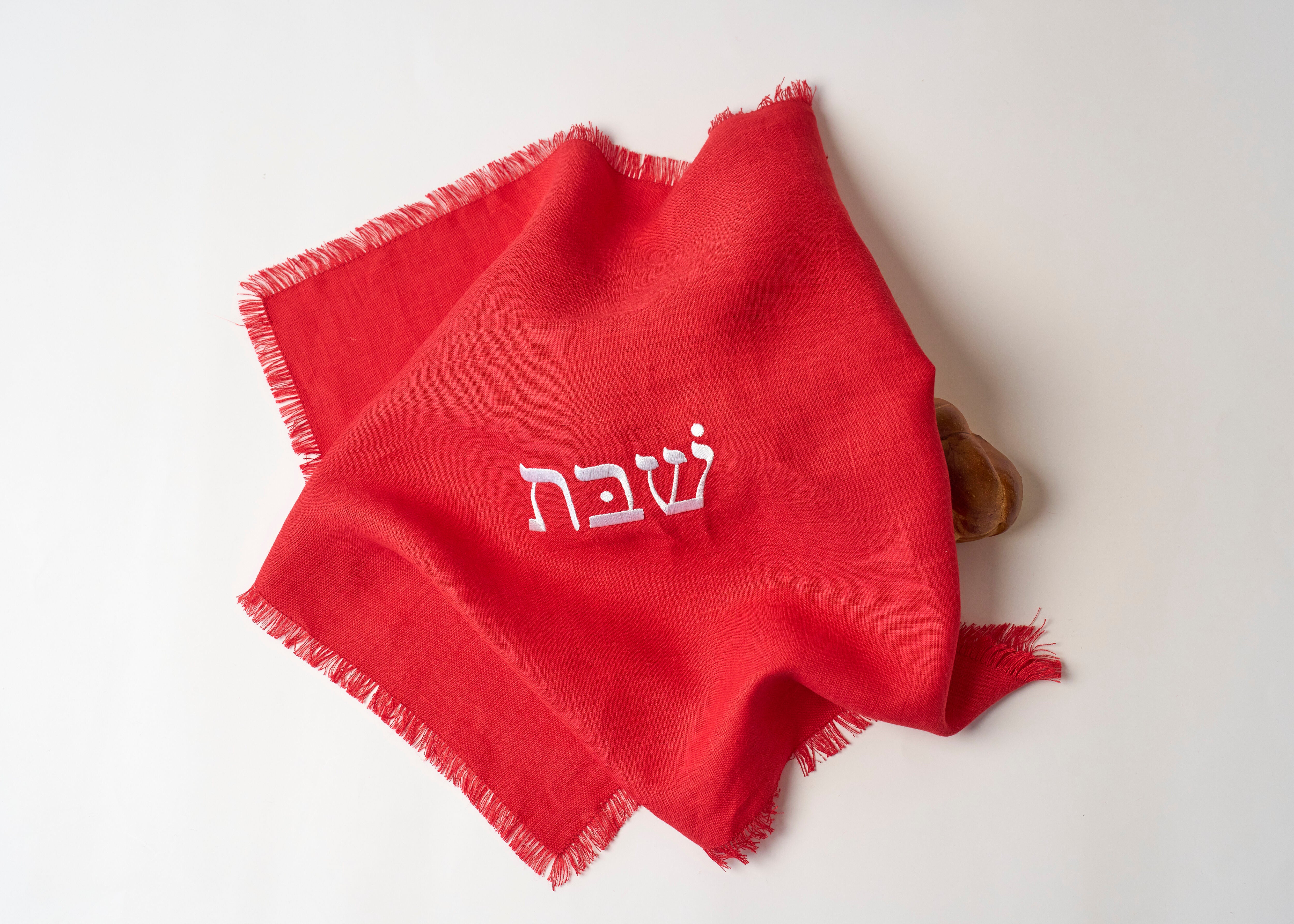
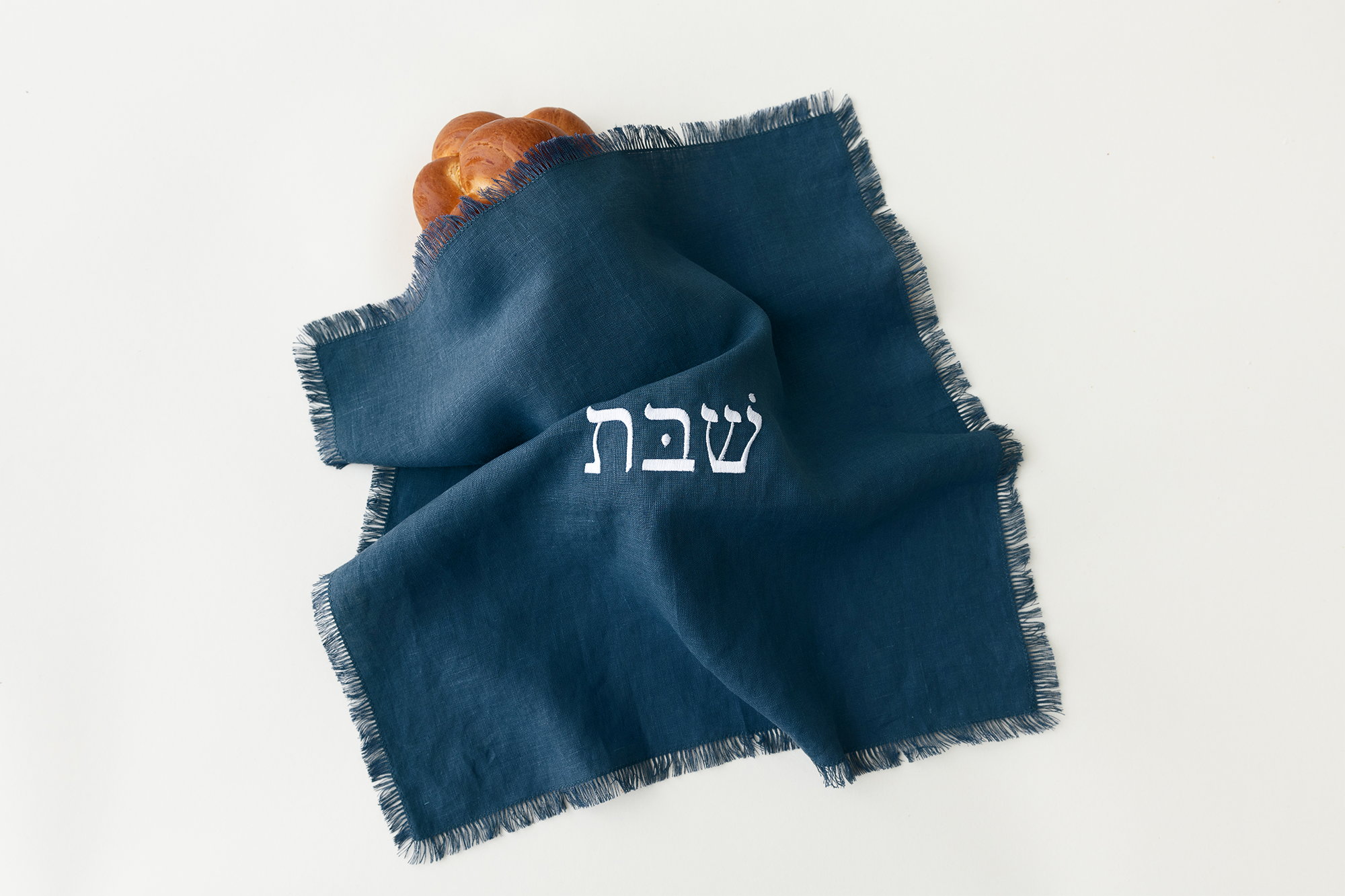
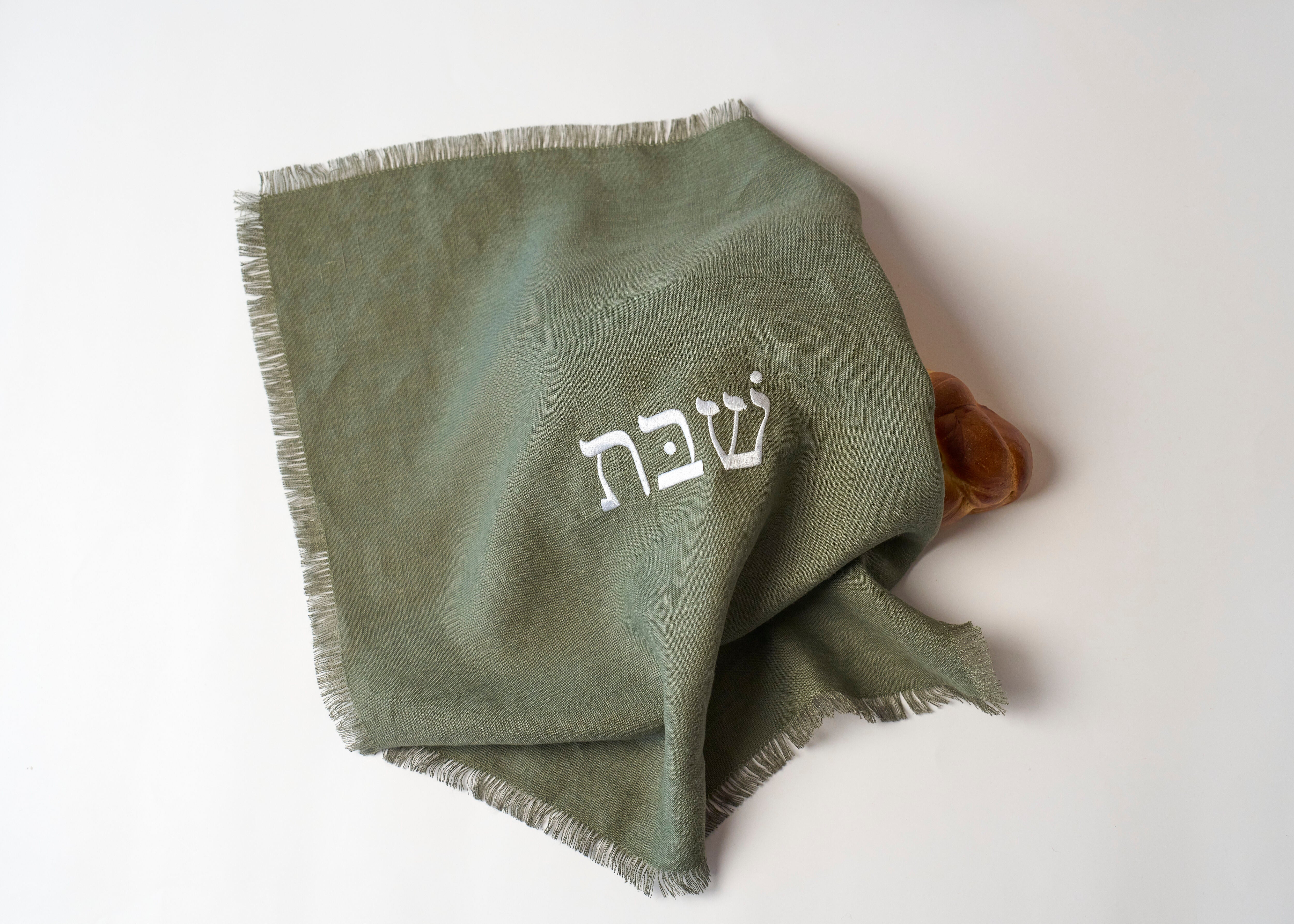
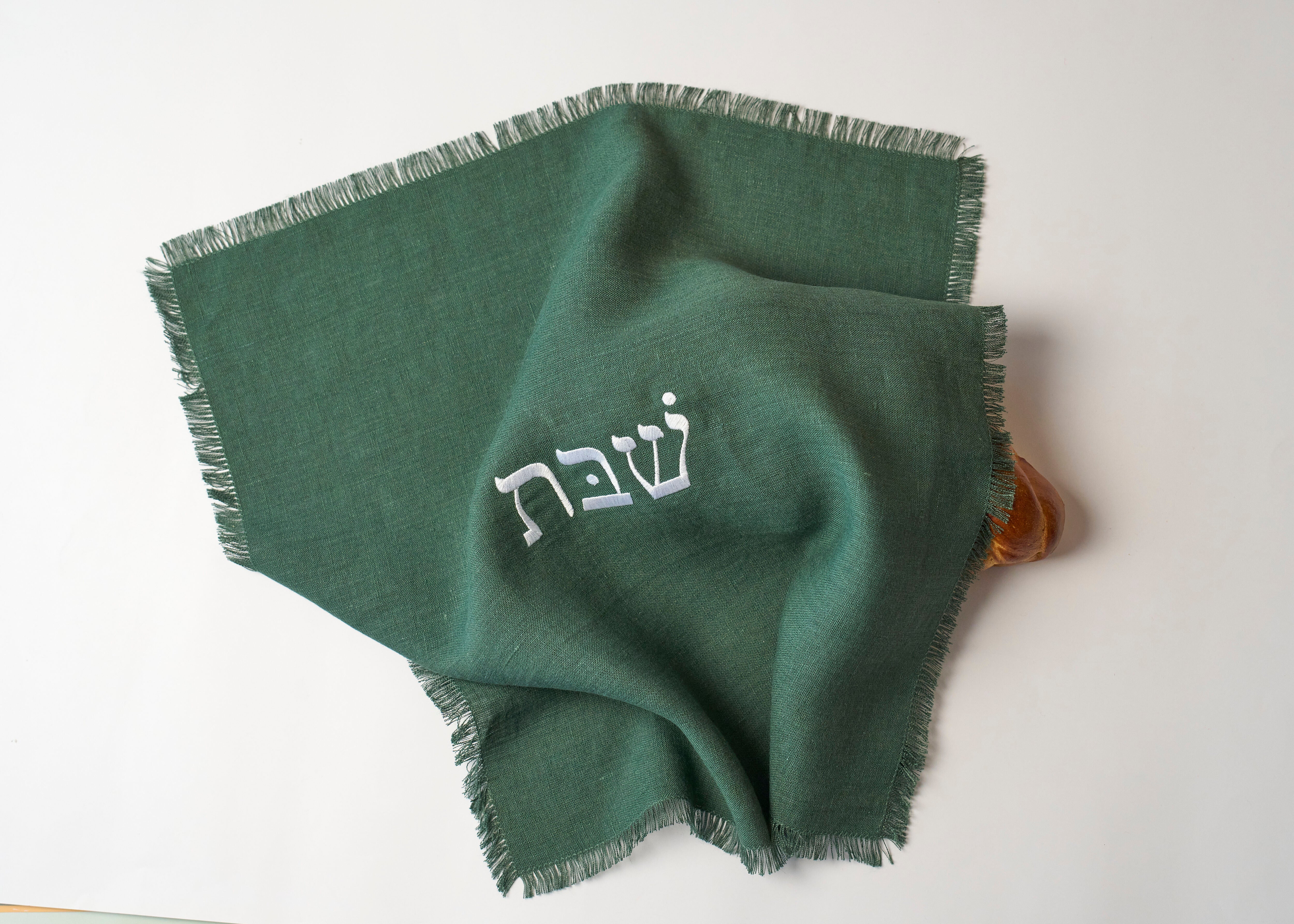
The final Shabbat blessing is hamotzi, the blessing over the challah. This is a braided egg bread consumed on Shabbat and other Jewish holidays. The challah remains covered by a decorative piece of cloth until it’s time for hamotzi. Just before reciting this Shabbat blessing, the cover is removed. Then, the person leading the blessing lifts the bread into the air.
Hamotzi is recited as follows:
Baruch ata Adonai, Eloheinu Melech ha-olam, hamotzi lechem min ha'aretz.
Blessed are You, Lord our God, King of the universe, who has brought forth bread from the earth.
According to Jewish tradition, there should always be two loaves of challah on the Shabbat table. This custom is related to a Torah story. While the Israelites were wandering in Egypt, they woke every morning to bread that came from the heavens. They were instructed to only take a single loaf of bread every day, except on Fridays, when they’d take two. The second loaf enabled them to avoid working on Shabbat and therefore keep it holy.
After the Shabbat blessing over the bread is recited, the bread is passed around and each person tears off or cuts a piece. Once everyone has eaten their piece of challah, the meal can begin.
Another unique thing about hamotzi is the way that it thanks God. Rather than thanking God for bread, the prayer thanks God for “bringing forth bread from the earth.” The rabbis teach that this thanks God for the ability to grow and harvest grain, which we can then turn into food. By saying it this way, we bring attention to something that may otherwise be taken for granted.
Celebrate Shabbat with Oneg Home
Taking part in Shabbat isn’t as simple as just reciting blessings. Each prayer has a specific action associated with it, each of which require their own ritual items. While Shabbat can be done using items you find around your home, having special candlesticks, Kiddush cups, and challah covers gives this ritual the significance and respect it deserves.
Elevate your Shabbat blessings with Oneg Home’s Shabbat Box. This all-in-one set contains everything you need to make Shabbat meaningful, from ritual items to a beginner-friendly guide book and conversation cards to spark meaningful discussion at the Shabbat table. Make Shabbat your own with Oneg Home.
Ready to begin your Shabbat practice?