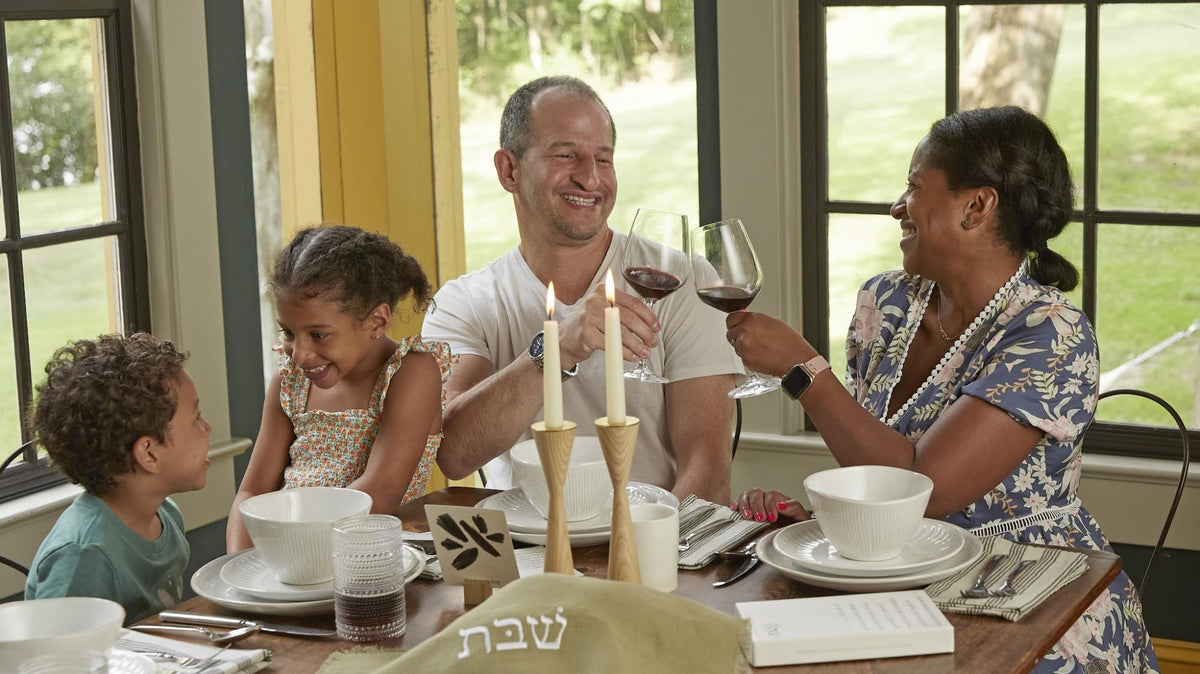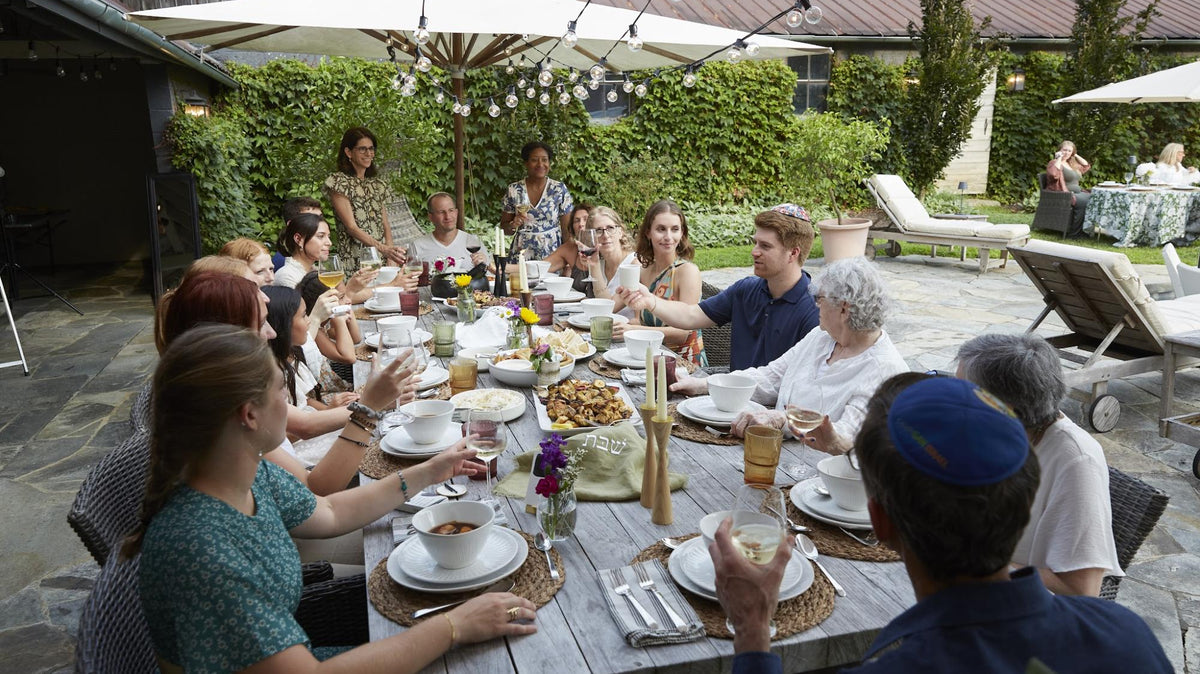

Every Friday night, Jewish families set their Shabbat tables with a collection of objects. They aren’t decorations, but ritual objects. These physical items anchor the core practices of Shabbat, and have done so for thousands of years.
This guide covers the core Shabbat ritual objects: what they are, what they mean, how they’re used, and why they matter. Whether you’re new to Shabbat or are looking to deepen your practice, read on to learn about the core items of the holiday.
The Core Shabbat Ritual Objects
Shabbat has three central rituals: lighting the candles, reciting Kiddush over the wine, and blessing the challah. Each ritual requires its own objects. Together, they form the foundation of Shabbat.
Shabbat Candlesticks
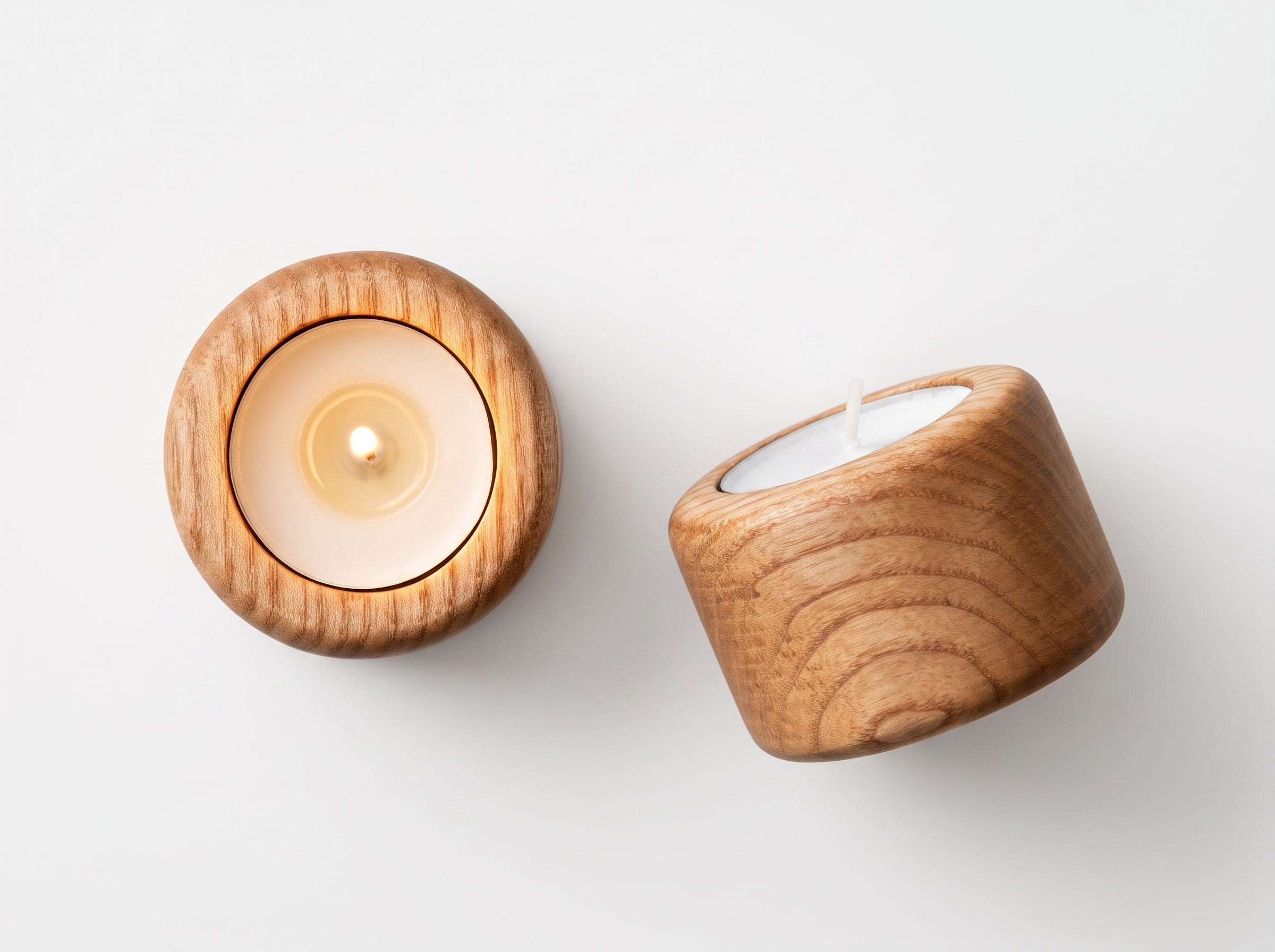
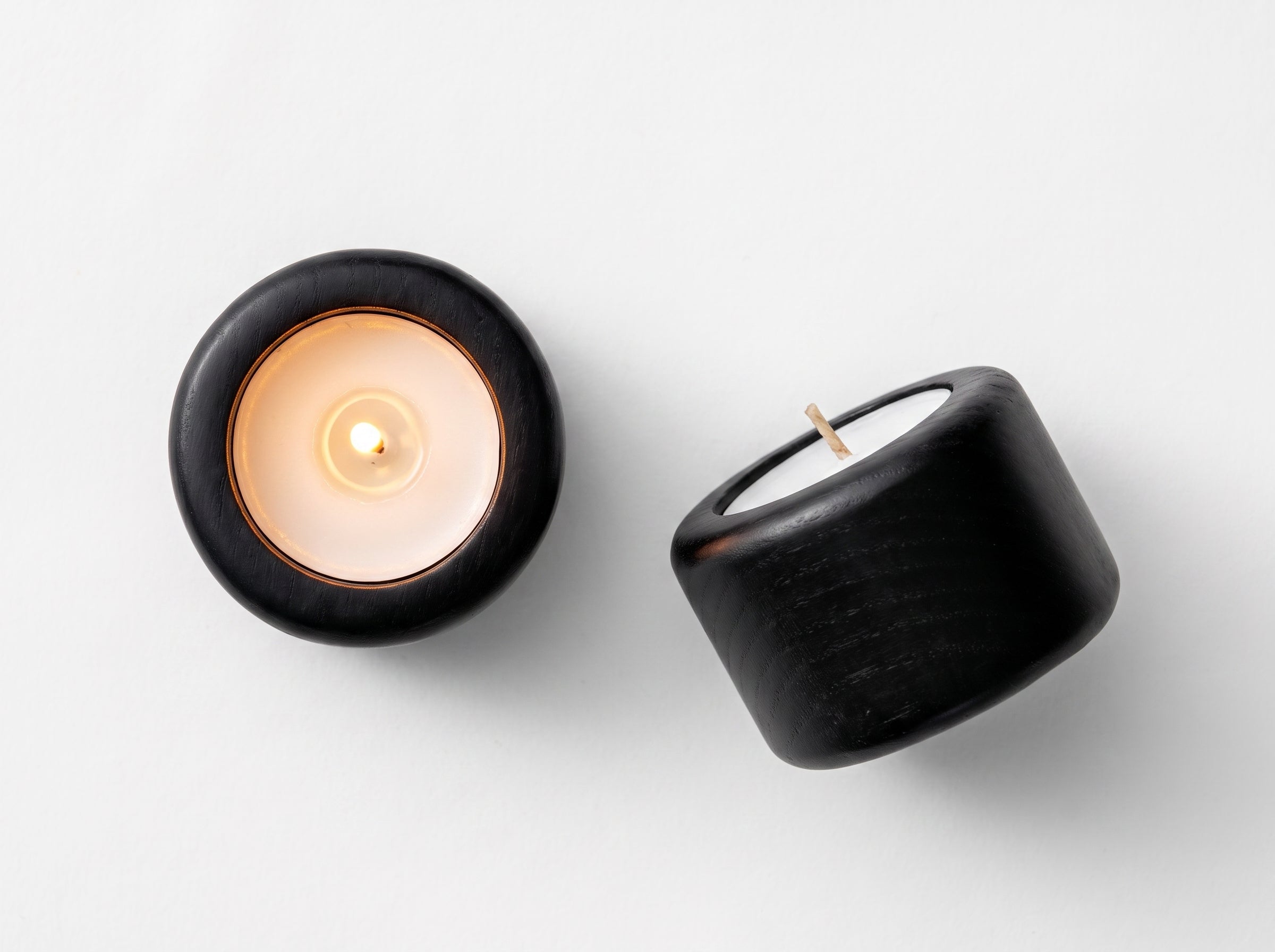
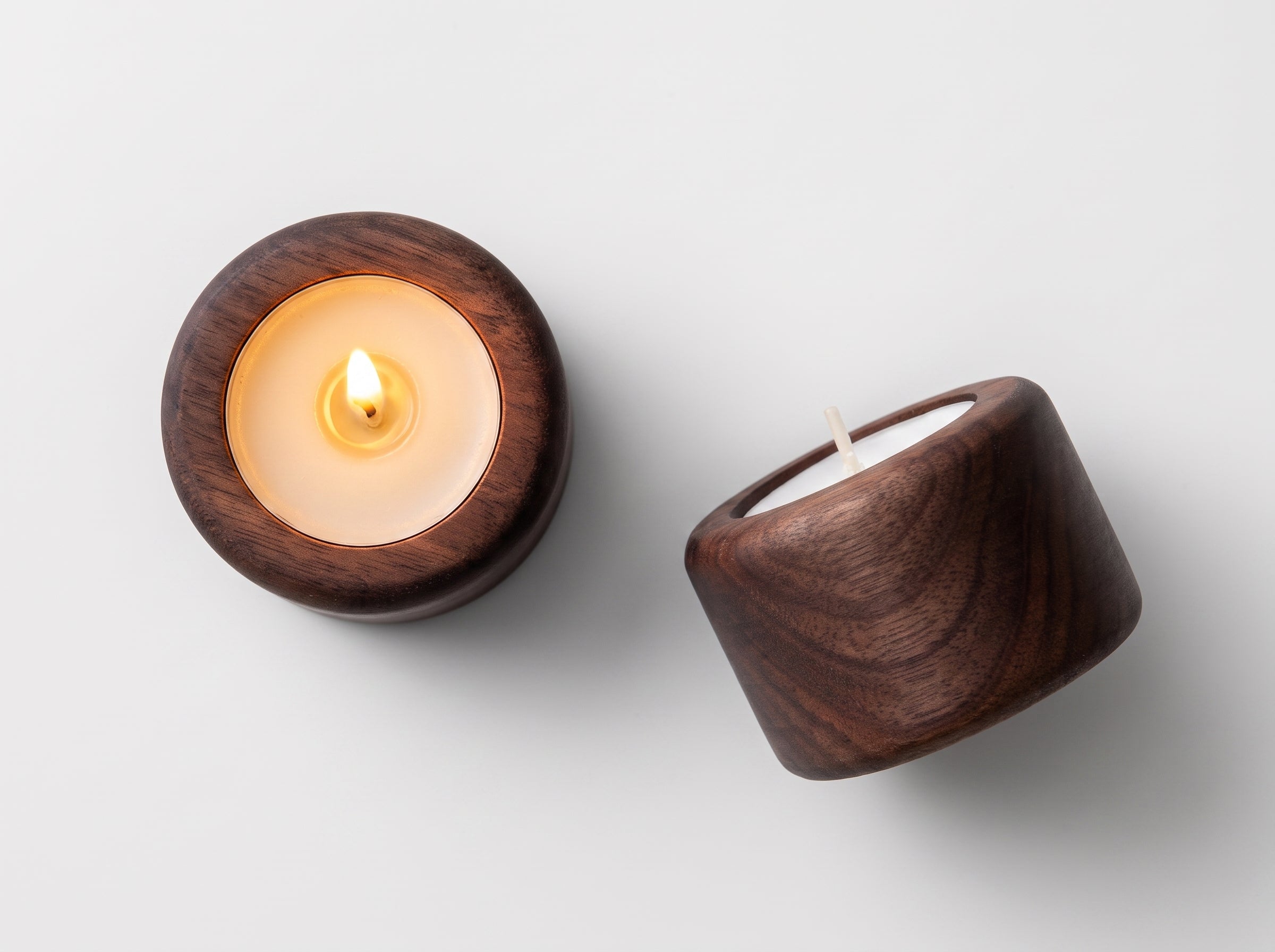
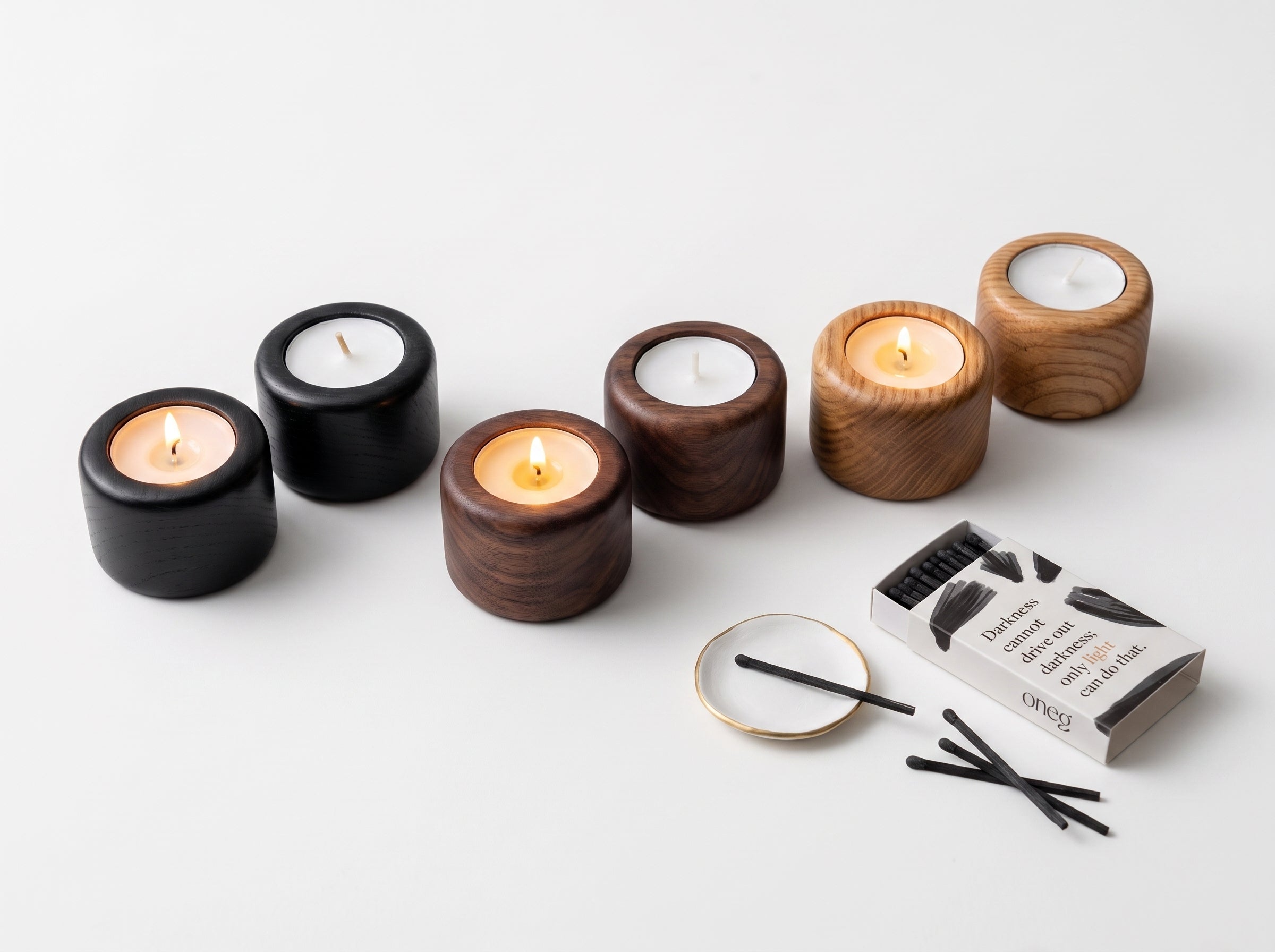
This pair of candleholders is used to hold the Shabbat candles, traditionally lit by the woman of the household just before sundown on Friday.
-
What they mean: Shabbat candlesticks are purely a functional item, but they’re typically decorative or ornate. Choosing something special shows the care and intention that goes into Shabbat and sets it apart from any other day of the week.
-
How they’re used: Traditionally, two Shabbat candlesticks are used. However, some families give each child their own set of candles to light. This involves kids in Shabbat traditions and Shabbat ritual objects from a young age.

Shabbat Candles
These wax, tapered candles are specifically designed to burn for several hours throughout the Shabbat dinner.
-
What they mean: The Shabbat candles usher in Shabbat. When they’re lit, the holy day begins. The light from the Shabbat candles is meant to bring peace and joy into the home. Lighting them also represents two commandments: “zachor,” remembering Shabbat, and “shamor,” observing Shabbat.
-
How they’re used: Candles are lit just before sundown on Friday. The person lighting the candles circles their hands over the flames 3 times, covers their eyes, and recites the blessing over the candles.
Kiddush Cup
The Kiddush cup is a Shabbat ritual object that’s used to hold wine or grape juice during the Kiddush blessing. Traditionally, Kiddush cups are made of silver, but contemporary Kiddush cups can be made from any material.
-
What it means: Kiddush means “sanctification.” It is a blessing recited over the wine or grape juice that sanctifies Shabbat, declaring it holy and setting it apart from everyday life. In Jewish tradition, wine represents joy. The Kiddush cup transforms simple joy into something sacred.
-
How it’s used: After lighting the candles, the Kiddush cup is held while the Kiddush is recited. Finally, everyone drinks from the Kiddush cup. Some families share one Kiddush cup, while others provide a separate Kiddush cup for each family member.
Challah
Challah, a braided egg bread, sits covered on the Shabbat table. After the Kiddush, it is blessed.
-
What it means: Challah represents the manna that fell in the desert each Friday as the Israelites wandered for 40 years. Because of this manna, they didn’t need to gather food on Shabbat. It represents abundance, provision, and the sweetness of rest.
-
How it’s used: After Kiddush, the challah cover is removed, then the blessing over the challah is recited. The bread is then cut or torn and passed around for everyone to eat. Store bought challah is perfectly fine, but many families choose to make their own challah as part of their Shabbat tradition.
Challah Cover
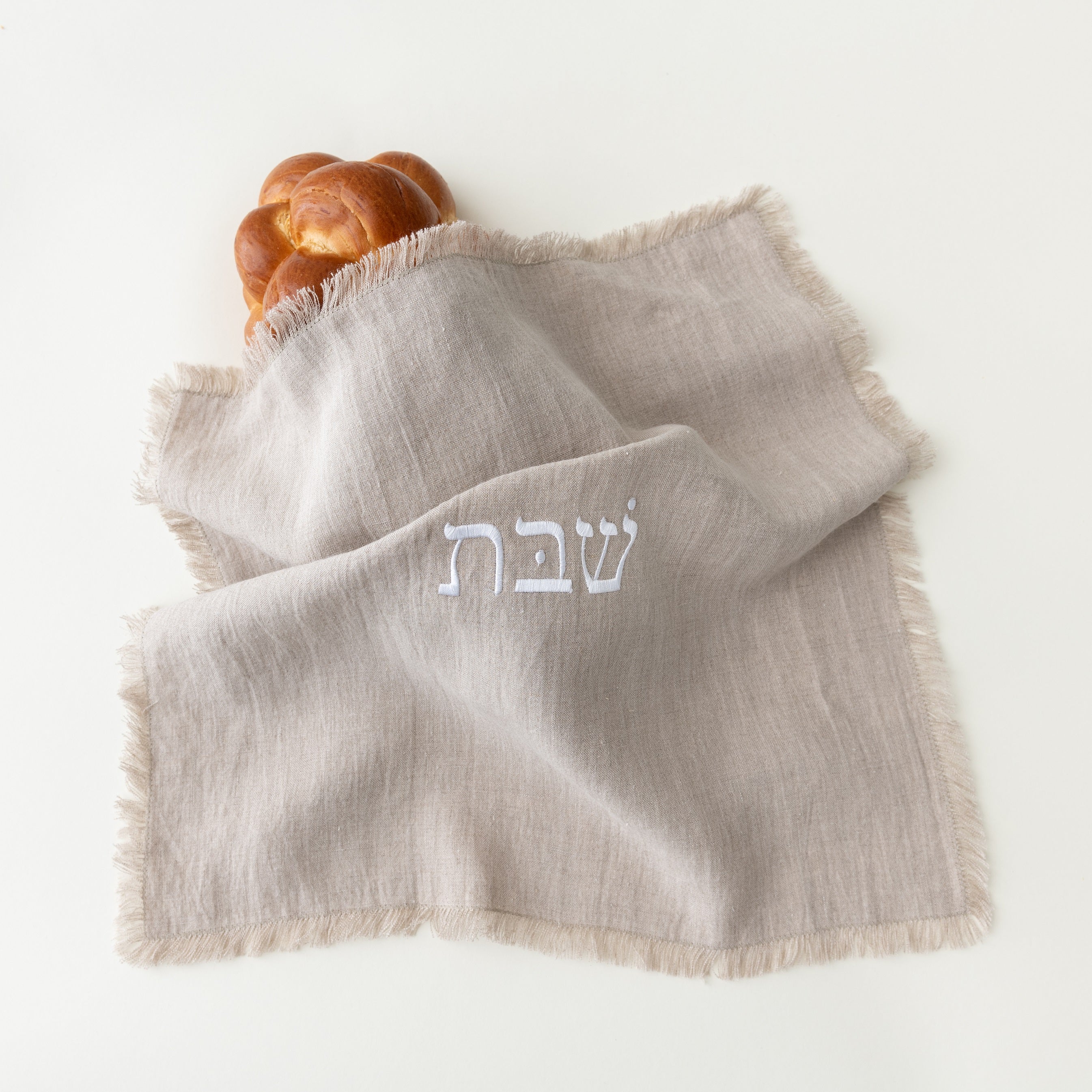
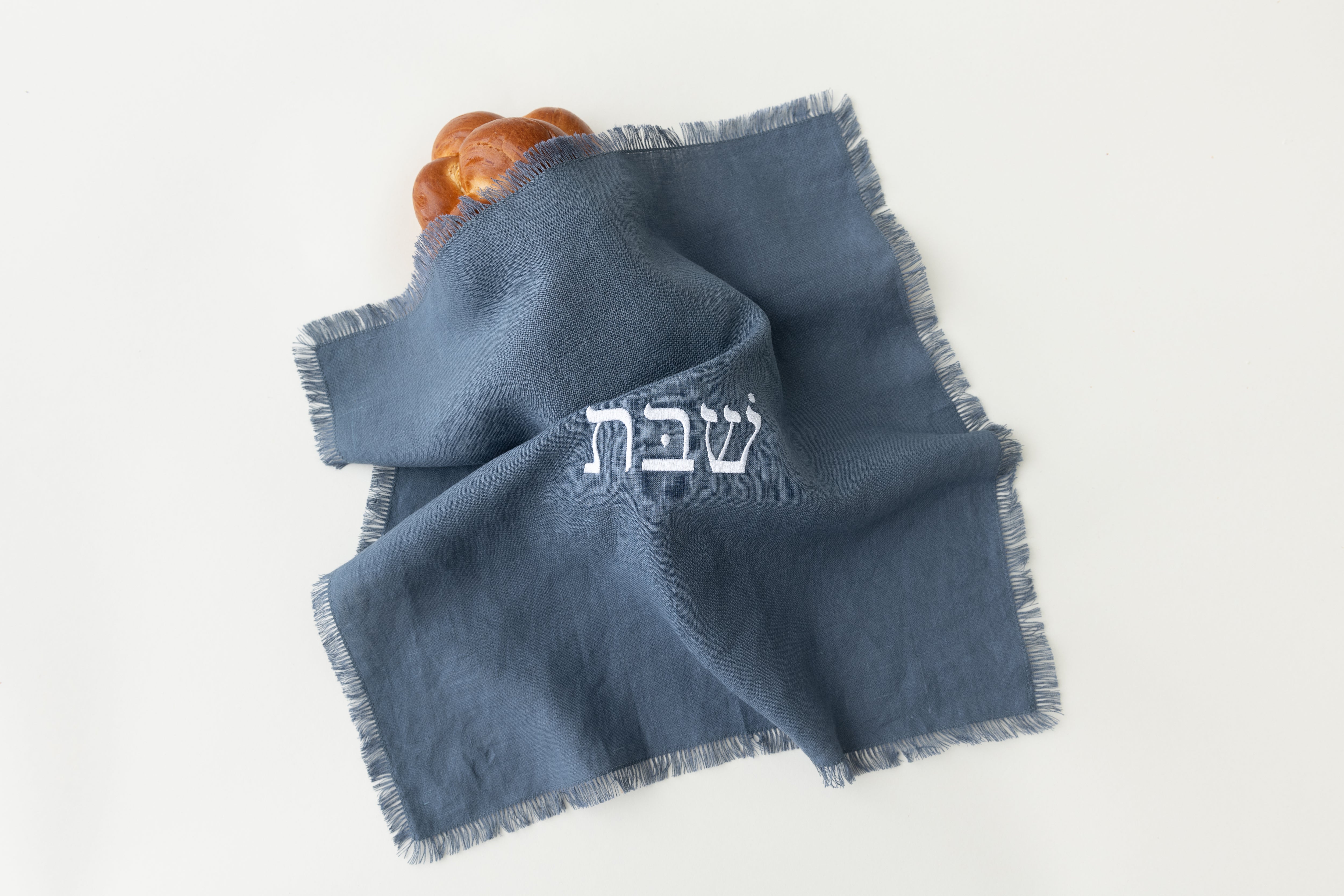
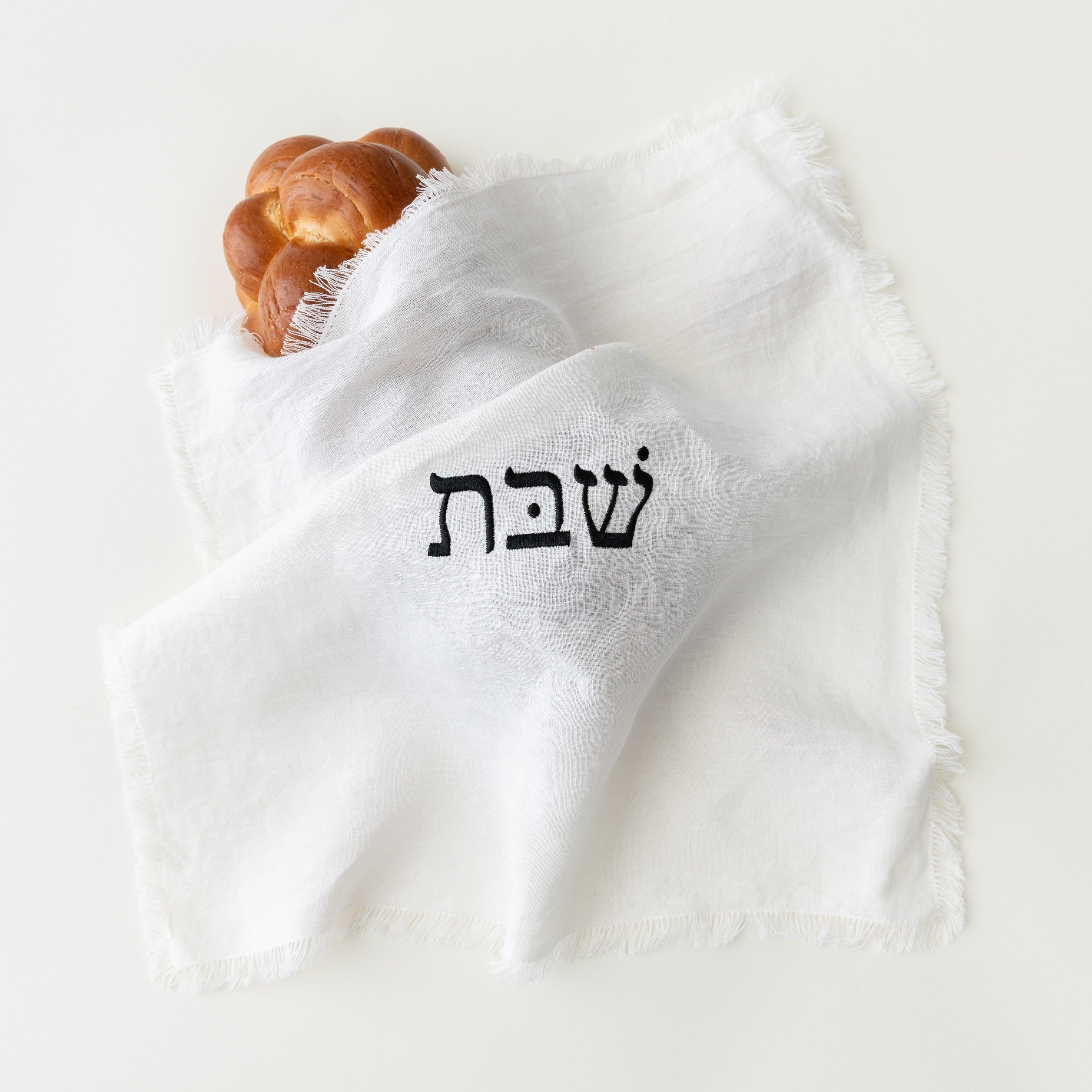
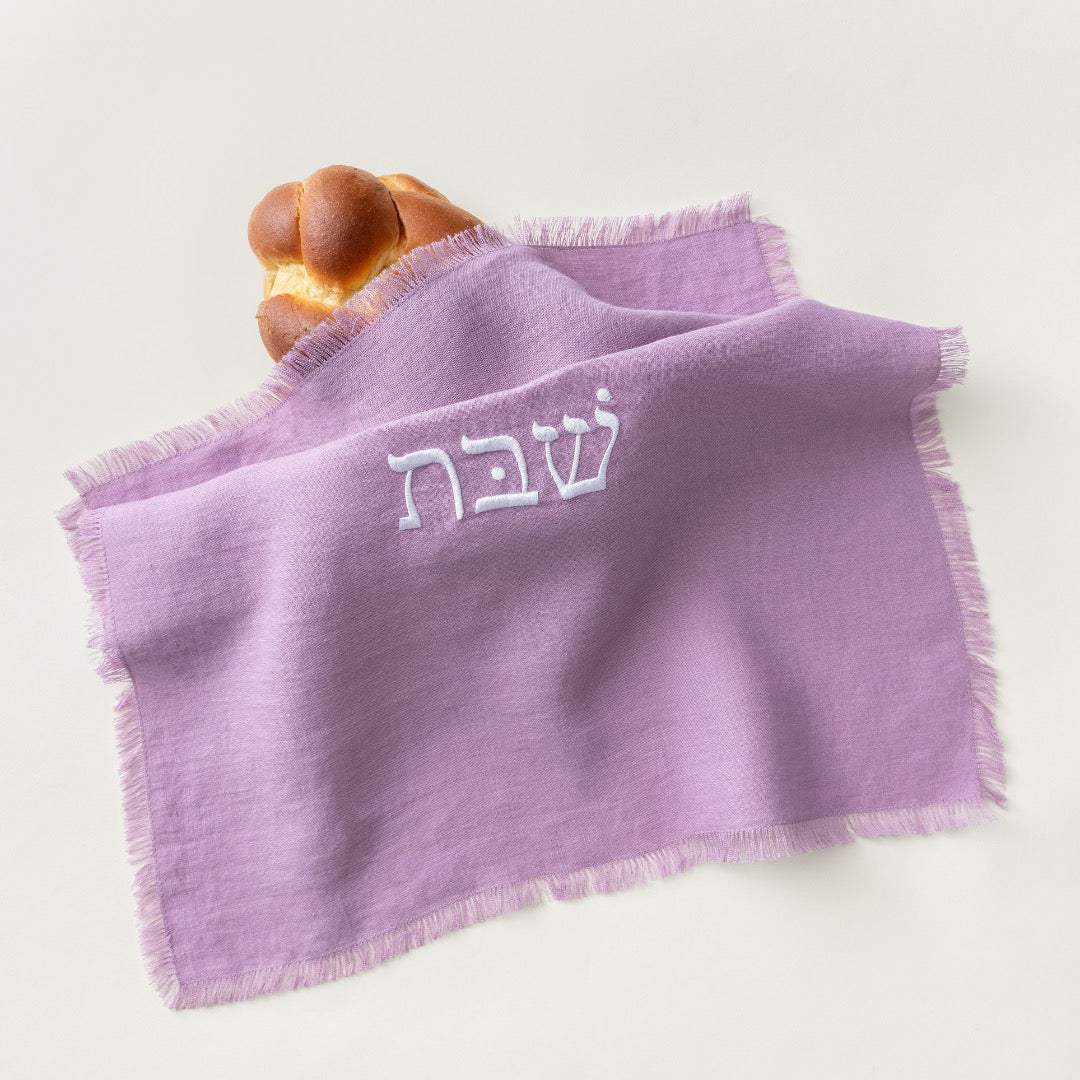
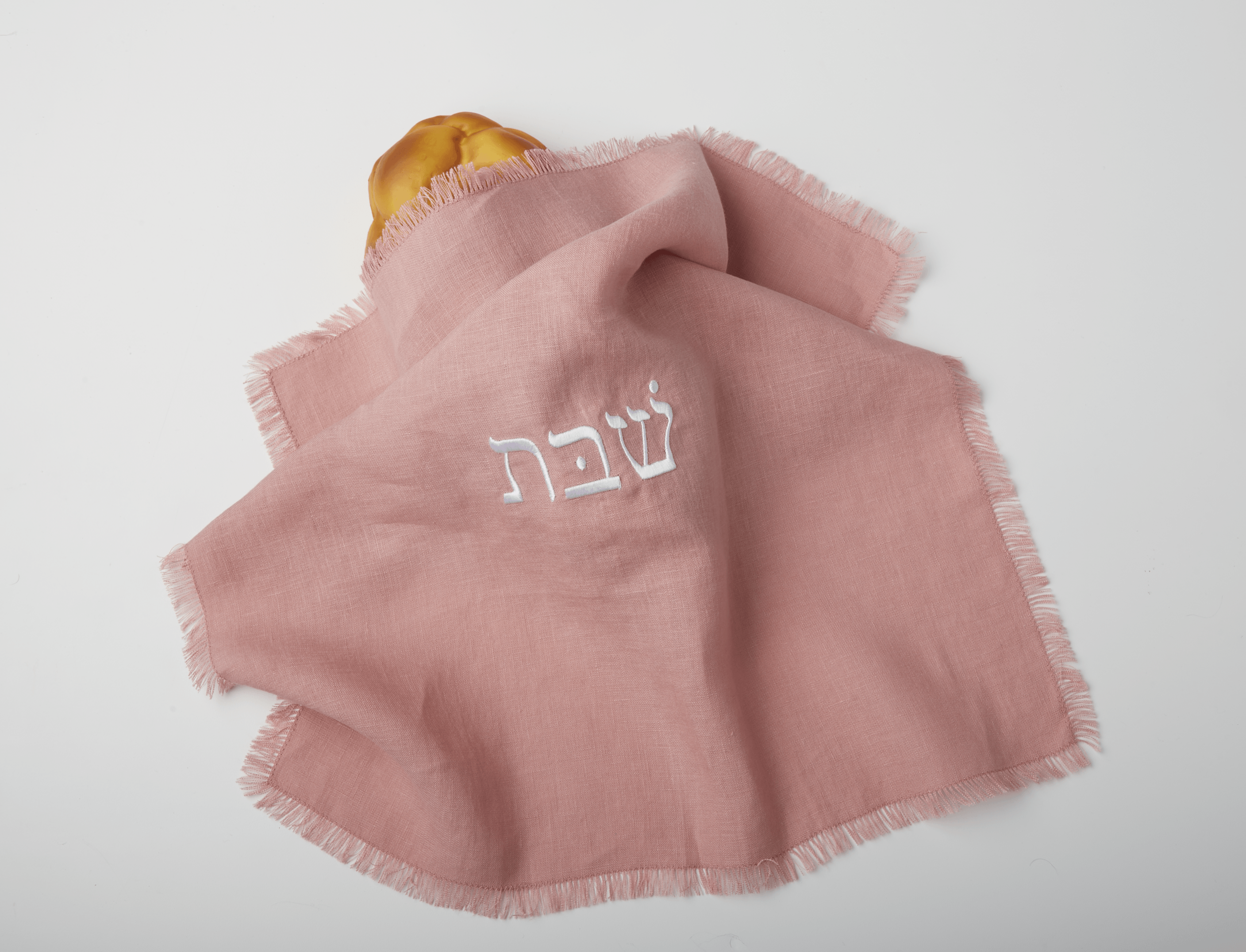
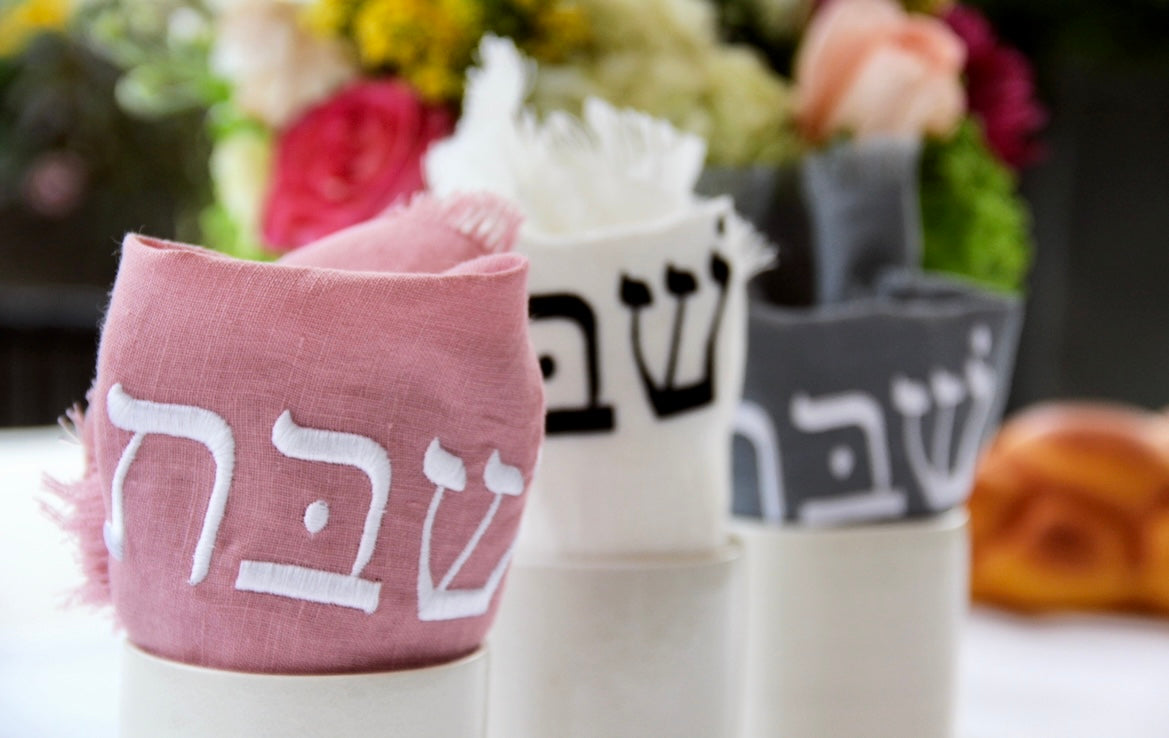
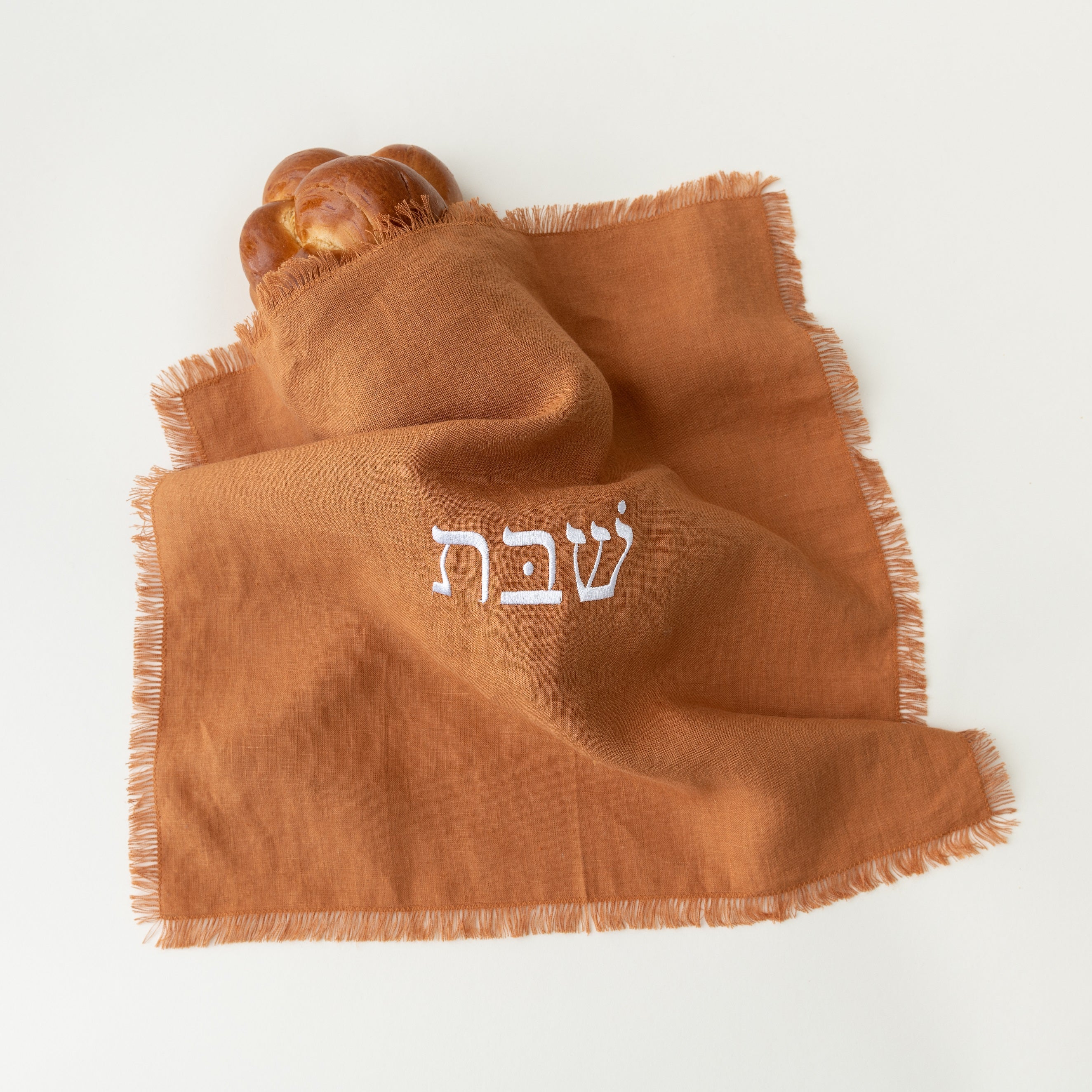
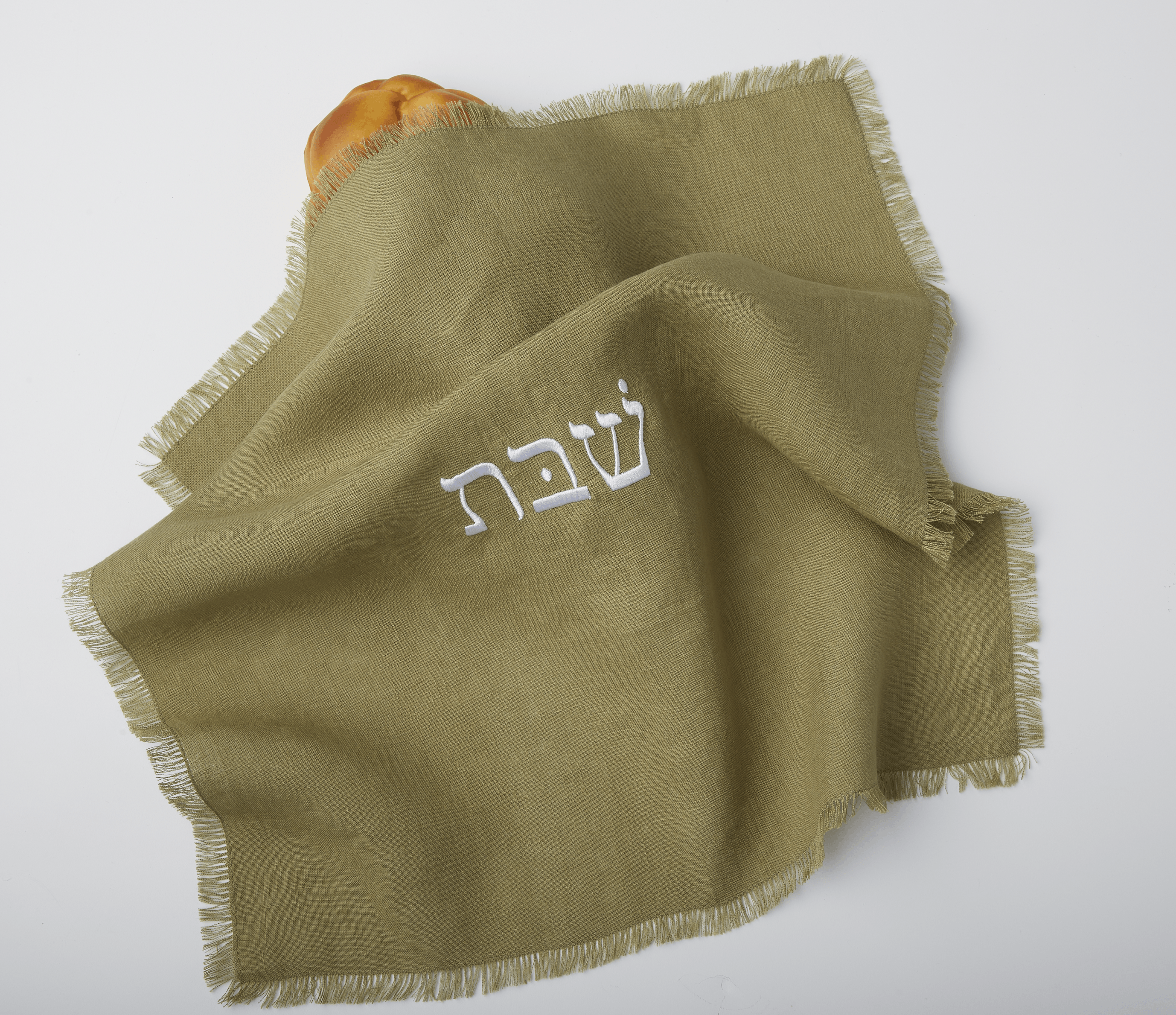
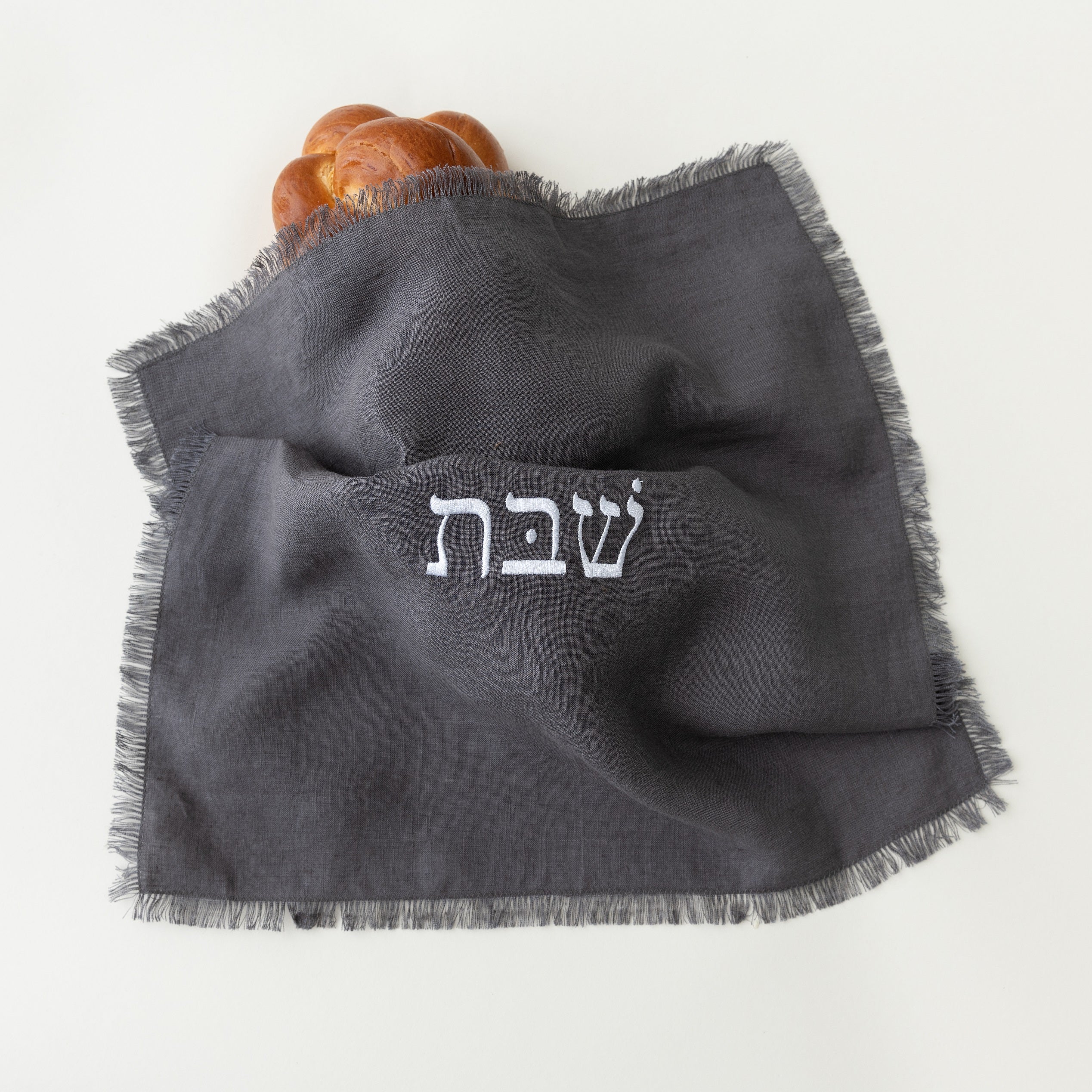
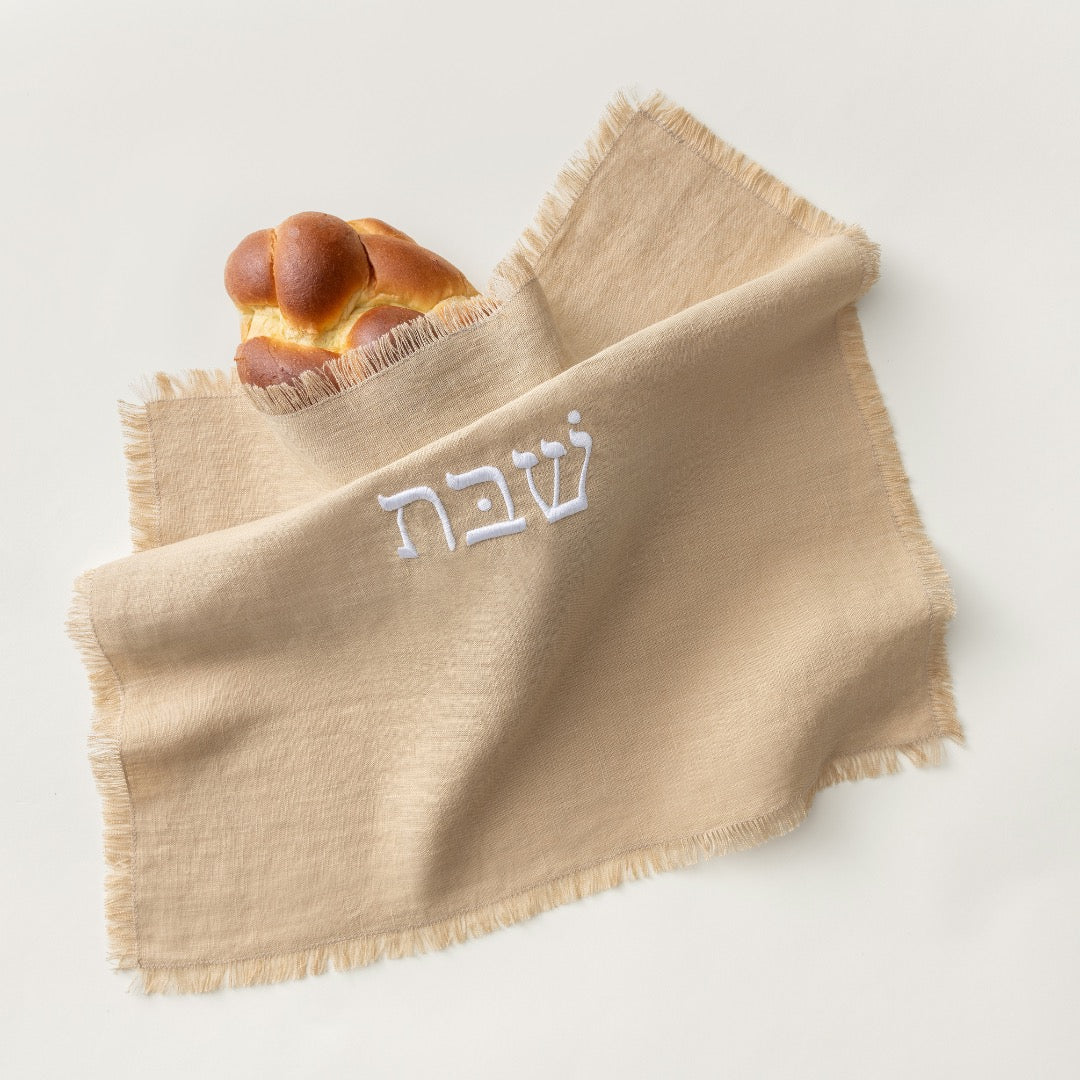
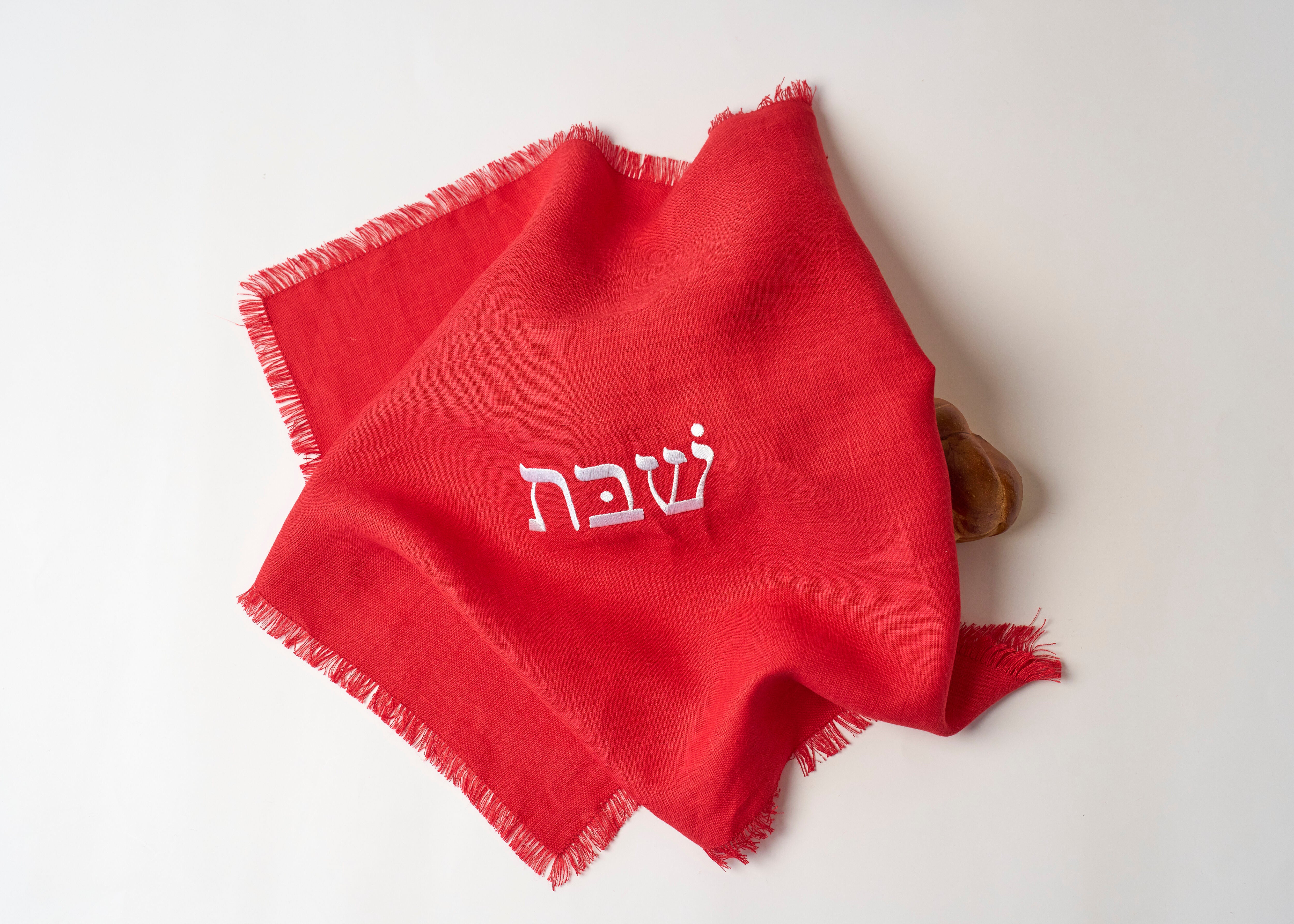
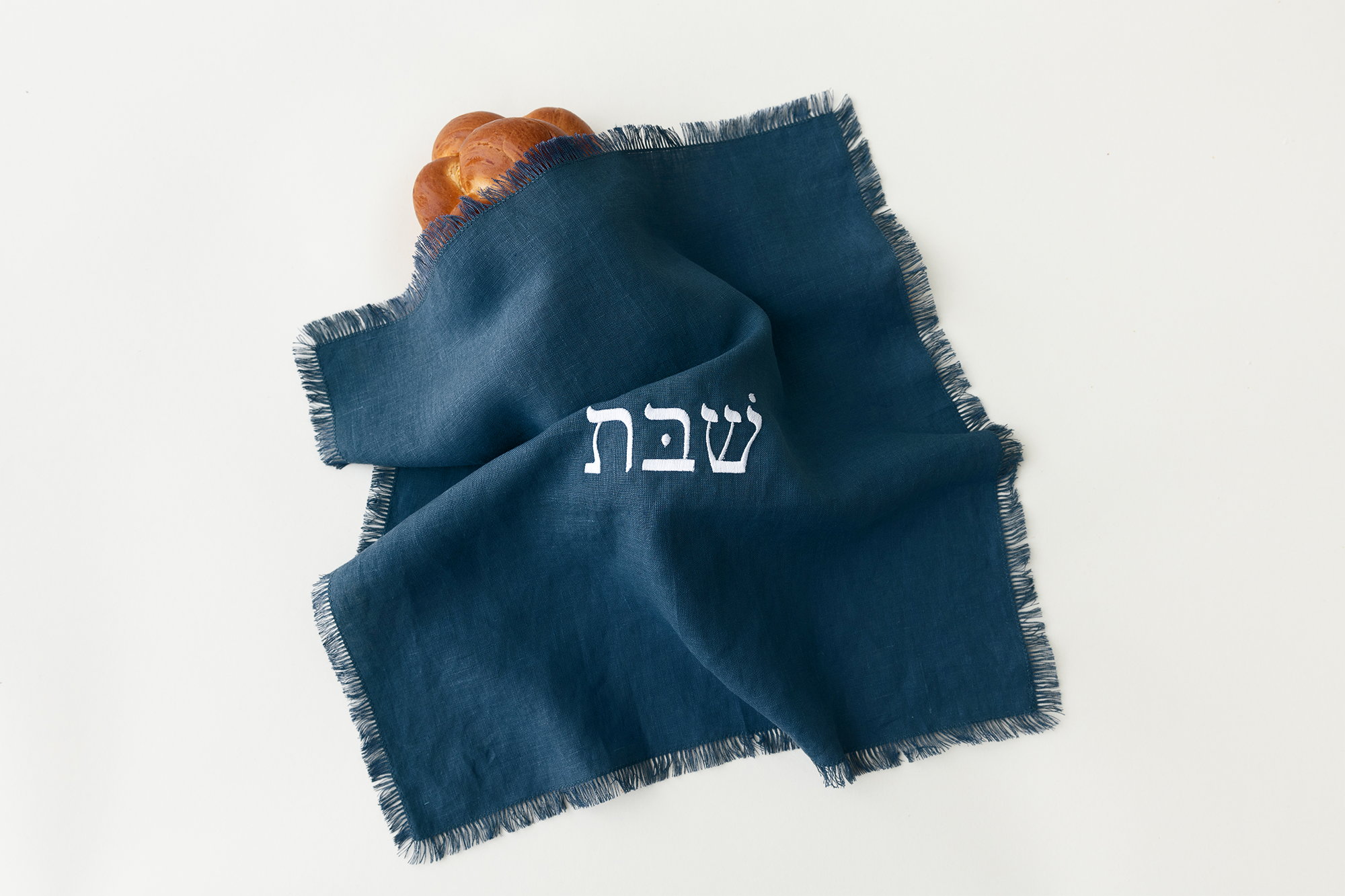
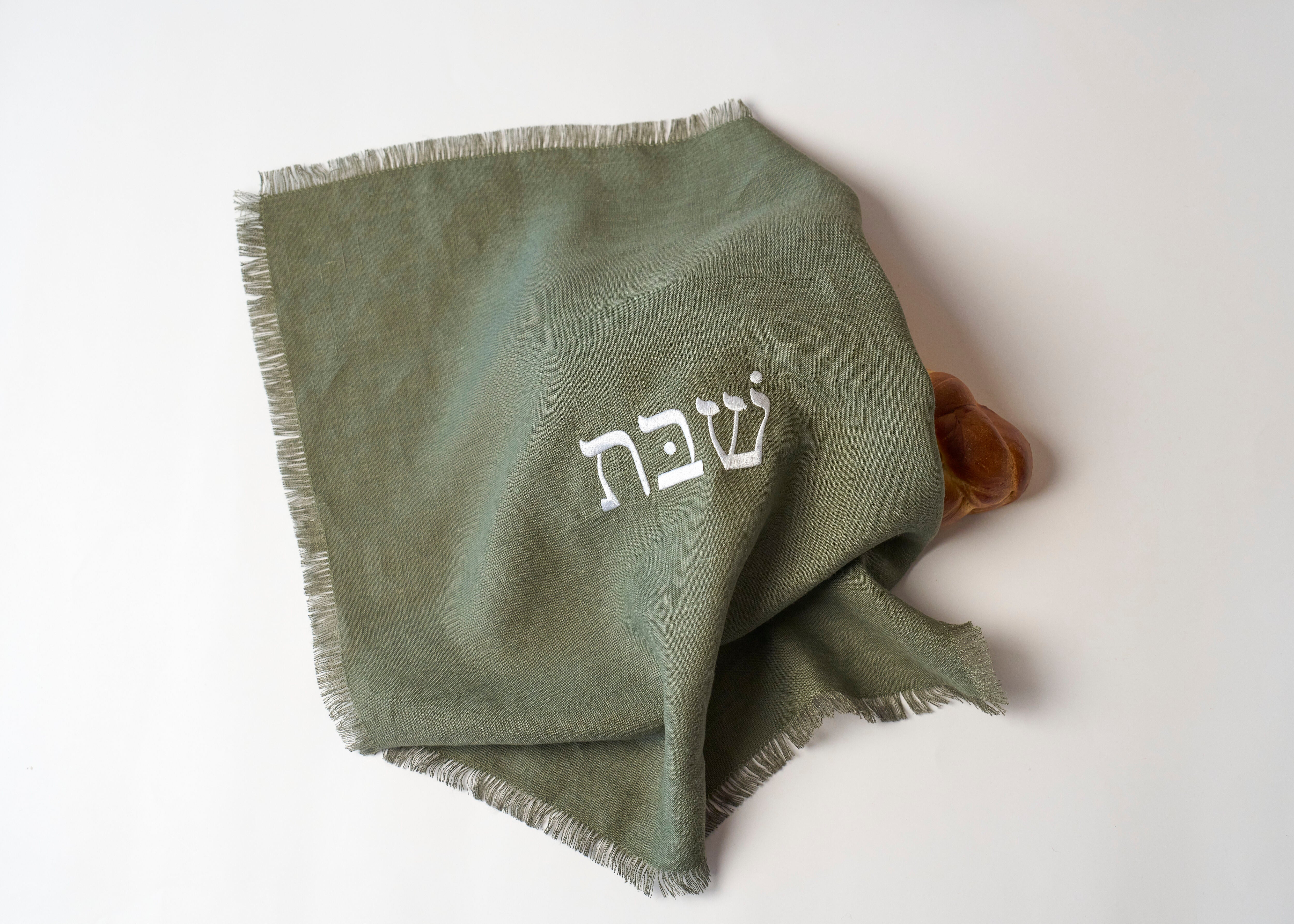
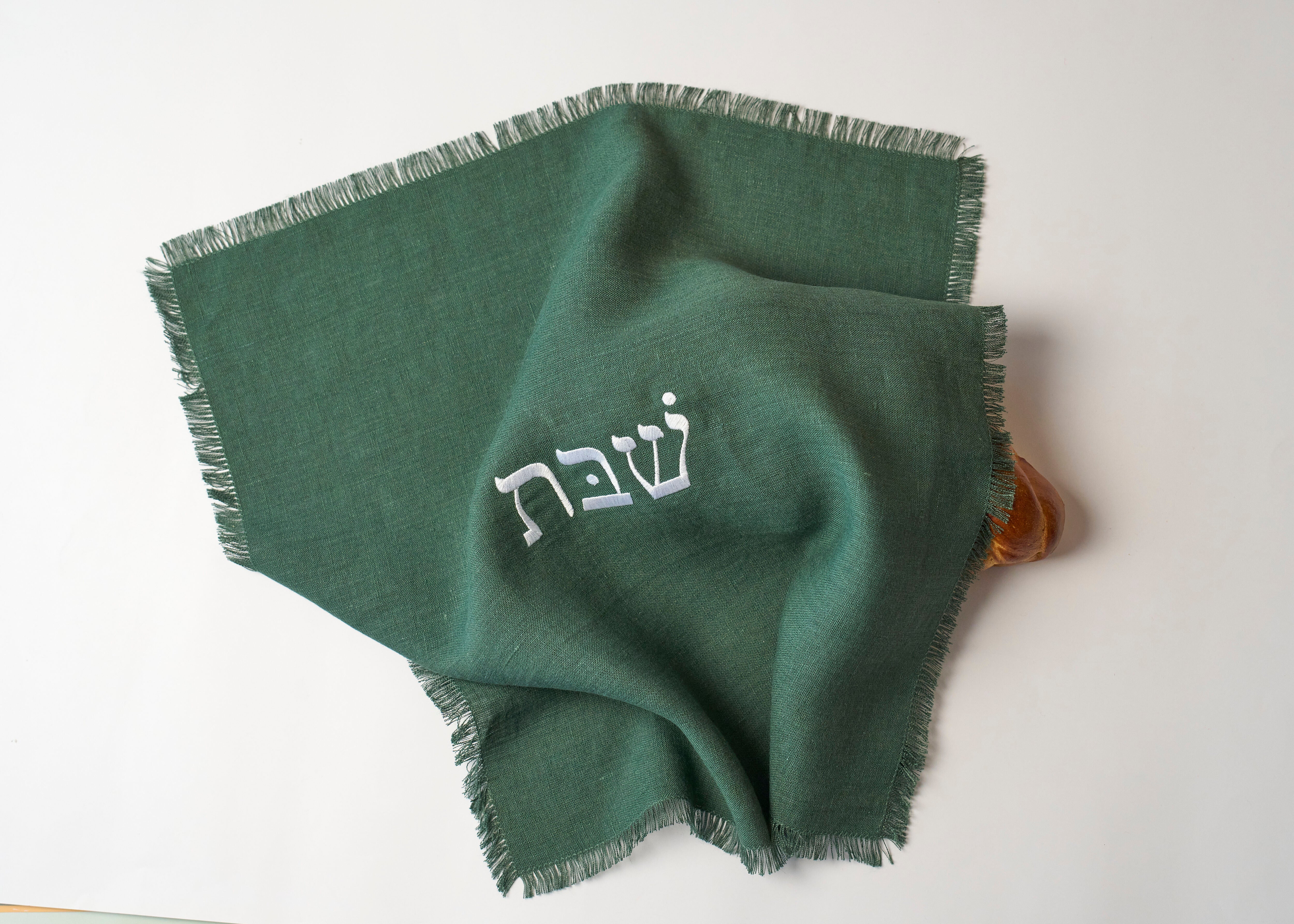
The challah cover is a decorative cloth that is placed over the challah until it is blessed.
-
What it means: According to Jewish tradition, the challah is covered so it won’t be embarrassed that it’s last in the order of blessings. The candles are blessed first, then the wine, and finally the challah. Rather than leaving it exposed, we honor it by covering it until it’s time to bless it.
-
How it’s used: This Shabbat ritual object is simply placed over the loaf of Challah before Shabbat begins. After Kiddush, the challah can be uncovered and blessing recited.
Havdalah Objects

Havdalah is the Saturday evening tradition that ends Shabbat. Just as there is a ceremony that helps us transition into Shabbat, Havdalah helps us transition out.
Havdalah Candle
The Havdalah candle is a braided, multi-wick candle that produces a large flame.
-
What it means: It reminds us of Adam’s discovery of fire, which occurred at the end of the first Shabbat. Adam was terrified of the darkness that began to fall, so God taught him to create fire.
-
How it’s used: It’s lit just before Havdalah begins, then is extinguished after the service in a cup of wine.
B’samim Spice Box
B’samim is a decorative spice box filled with warming spices like clove, cinnamon, and allspice.
-
What it means: It’s believed that smelling these spices helps for an easier transition from the peaceful time of Shabbat back into the hustle of everyday life.
-
How it’s used: The spice box is passed around during the Havdalah ceremony so everyone can smell its sweet spices.
Additional Shabbat Objects Worth Knowing

Beyond these three central rituals, there are a few Shabbat ritual objects that help enrich the holiday by bringing more meaning to its practices and teachings.
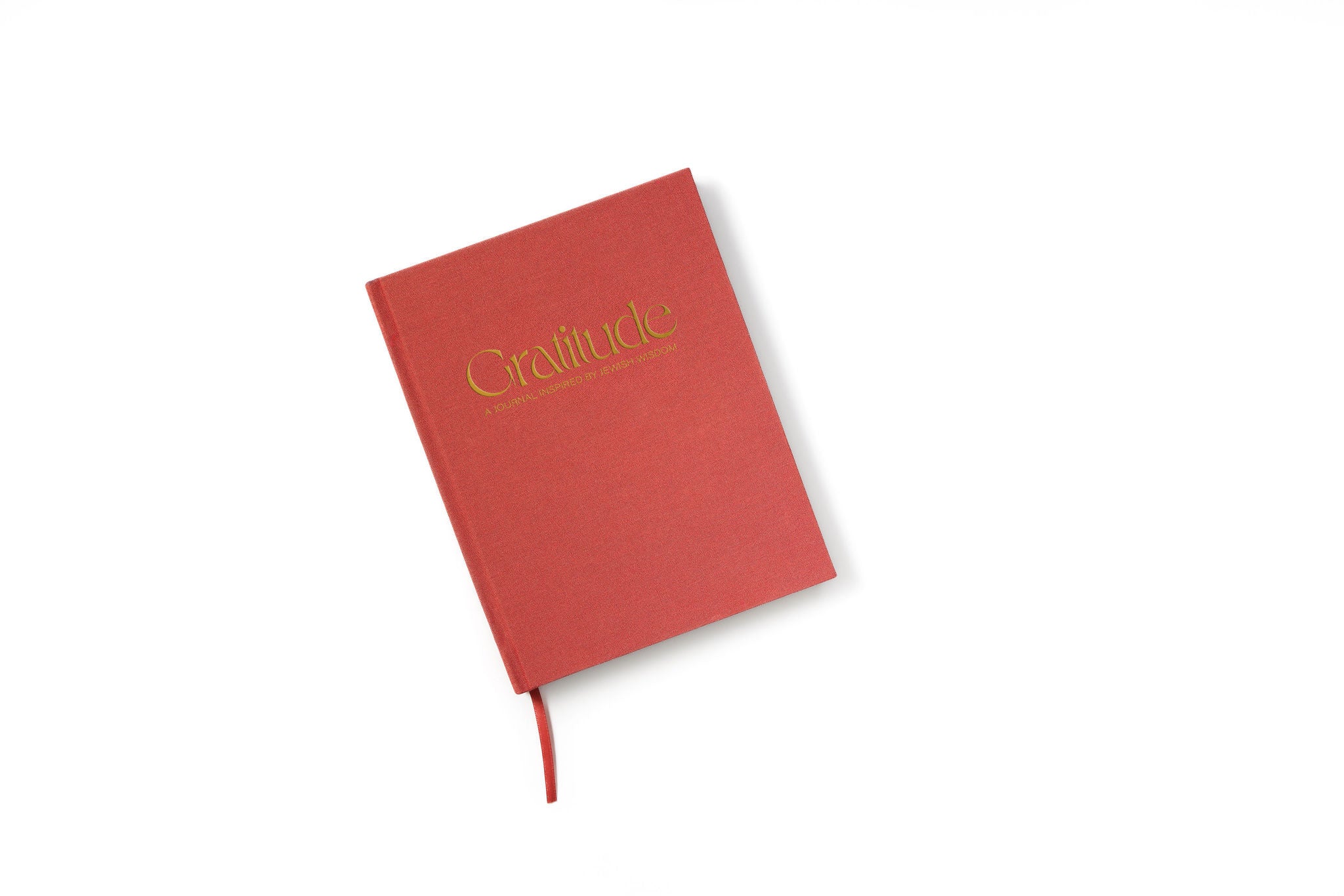
Shabbat Guidebook
This printed guide to the blessings, rituals, and order of Shabbat helps newcomers, interfaith families, or guests who have never attended a Shabbat before. A good Shabbat guidebook should include translations and transliterations of the prayers and step-by-step instructions that explain the meaning of each practice so everyone can follow along.
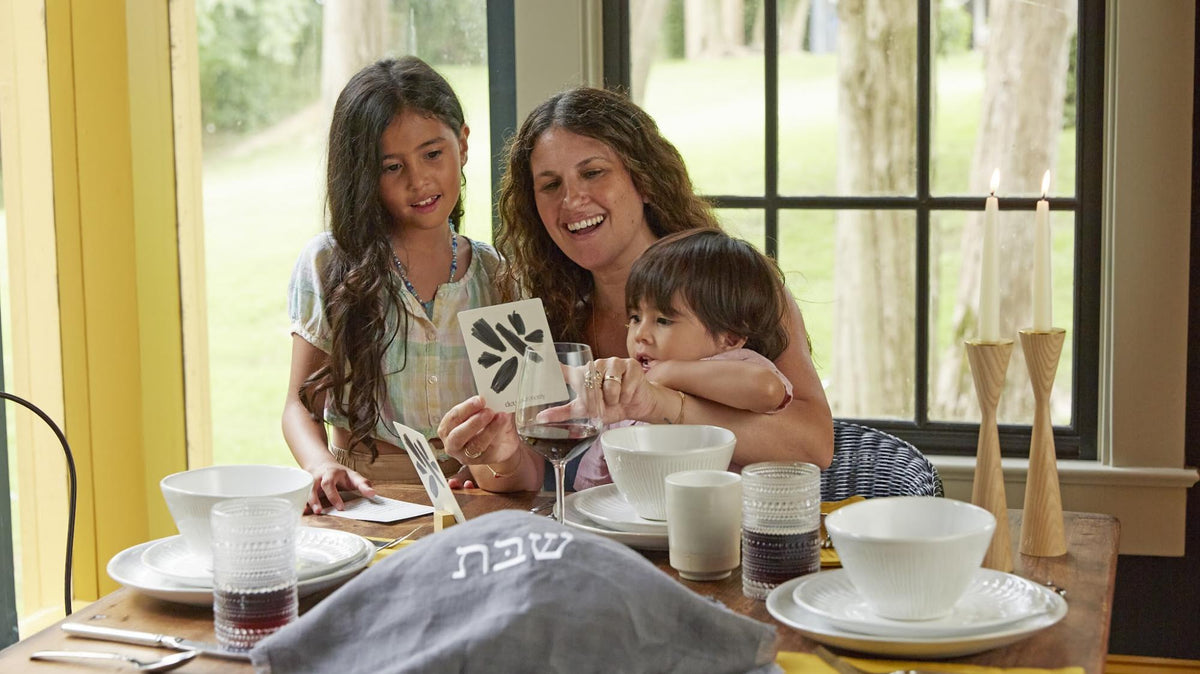
Conversation Cards
Shabbat isn’t just about the ceremony. After the Shabbat rituals, it’s time to eat. Shabbat dinner is about being present, reflecting, connecting, and expressing gratitude. Conversation cards inspired by the weekly Torah portion help guide dinner discussion toward something deeper and meaningful.
How to Choose Shabbat Ritual Objects
There’s no single right way to build your collection of Shabbat ritual objects. Some people inherit objects, others receive them as gifts, and some build collections slowly over the years. Here are a few principles to guide you:
-
Look for things you love: Beautiful Shabbat ritual objects will help you feel more excited about practicing Shabbat. Look for items you’d actually want on your table, whether that’s traditional silver objects or more contemporary items.
-
Start simple: You don’t need to get everything at once. Any of these items can be found in your household. Take the time to build your practice and make it meaningful, and source your Shabbat ritual objects along the way.
Start Your Shabbat Collection with Oneg
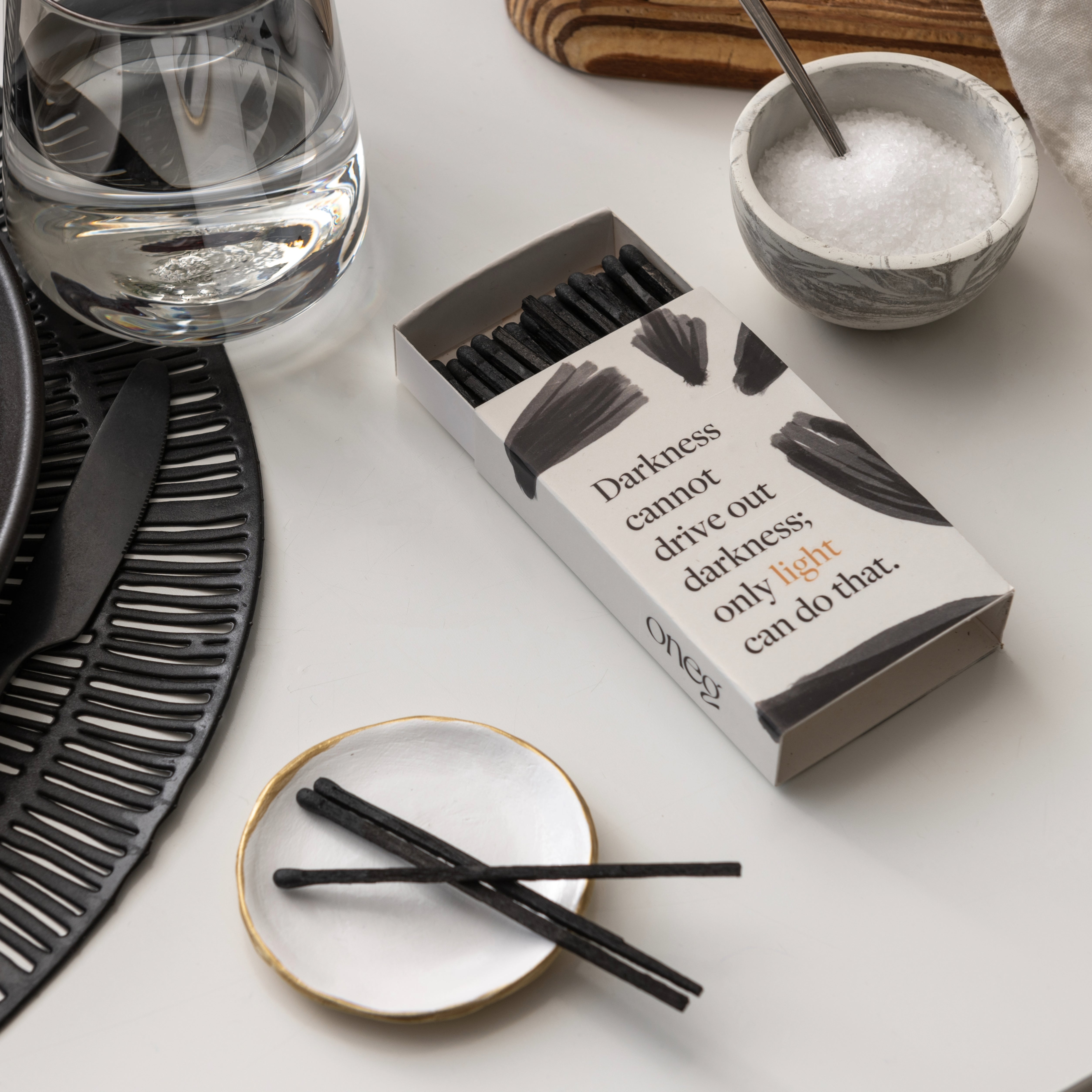
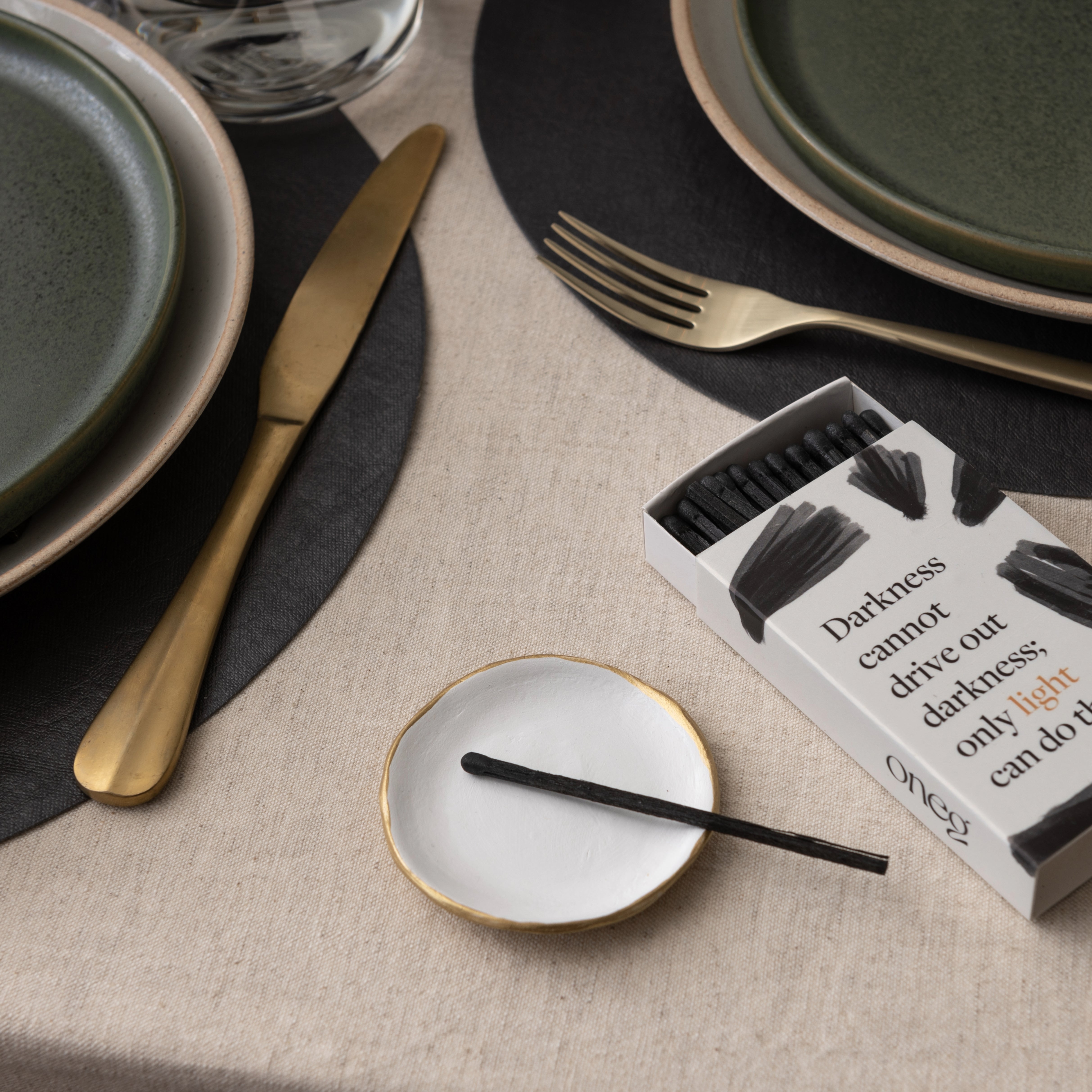
Want to make building your Shabbat ritual objects collection even easier? Oneg’s Signature Shabbat Box includes the core ritual objects for Shabbat, from candlesticks and candles to matches, a kiddush cup, and a challah cover. You’ll also find conversation cards and a guidebook, all in a specially designed box that protects your items.
Ready to begin your Shabbat practice?