
The Jewish holiday calendar doesn’t follow the secular calendar. Instead, it’s based on the lunar-solar calendar, meaning Jewish holiday dates change a little each year. While holidays always wind up in the same seasons, their exact dates move from year to year. Jewish holidays are also celebrated from sundown on one day to sundown on the next.
This guide is for Jewish holidays in 2026. You’ll find this year’s dates, information about each holiday, and notes on how to celebrate it yourself.
Tu B’Shevat: February 1-2
Tu B’Shevat celebrates trees, often referred to as the Jewish “birthday” of trees. The tradition goes back to ancient times. In the Torah, God tells the Jewish people that, when they enter the land of Israel, they couldn’t eat any fruit from a tree for the first three years of its life. To ensure they were following this commandment, farmers designated a specific day as the birthday for all trees. After each tree celebrated three birthdays, its fruit could be eaten.

How to Observe this Jewish Holiday
Today, the holiday is more closely tied to environmentalism and honoring the earth, much like a Jewish Earth Day. It’s an opportunity for environmental advocacy and community service. Many also celebrate the holiday by eating the “Seven Species,” a list of fruits and grains that are symbolic of the land of Israel.
Purim: March 2-3
Purim celebrates the story of the Book of Esther. When the Jewish people were living in ancient Persia, they were under the rule of King Achashverosh, who had an evil advisor named Haman. Haman secretly hatched a plan to wipe out all Jews. Queen Esther, who had hidden her Jewish identity from the King, revealed her Judaism to save the Jewish people. Together with her cousin Mordechai, she foiled Haman’s plot and saved the Jews.
How to Observe this Jewish Holiday
Purim is a celebratory and raucous occasion. The entirety of the Book of Esther is read aloud in a synagogue. Each time Haman’s name is mentioned, we drown the sound out with noisemakers. We also wear costumes, eat hamentaschen, triangular cookies, and give gifts of food known as mishloach manot. Purim is widely considered one of the most fun Jewish holidays, designed to help the congregation connect with one another and celebrate their survival.
Passover
Passover is one of the most significant holidays in the Jewish calendar. It marks the Israelites’ exodus from Egypt and transition from slavery to freedom. Passover is observed for 8 days. During that time, Jews are forbidden from eating leavened bread. Instead, we eat Matzah, an unleavened cracker, to remember the Israelites’ hasty escape which didn’t allow opportunity for their bread to rise.
How to Observe this Jewish Holiday
Passover begins with two ritualistic dinners known as seders. The word “seder” means “order,” and the meal follows a very specific sequence. We read from the Haggadah, a book that retells the story of Passover. At the center of the table is a seder plate, which holds several symbolic foods. As we read through the Haggadah, we eat each food to relive the experiences of our ancestors.
Lag Ba Omer: May 4-5
Lag Ba Omer falls partway through the Omer, a 49-day period between Passover and Shavuot. This is somewhat of a somber time, during which observant Jews don’t celebrate weddings, get haircuts, or listen to live music. It’s meant to observe the death of thousands of Jews in the 2nd century due to a plague.
Lag Ba Omer, celebrated on the 33rd day of the Omer, is a short reprieve. It has several origins. Some say it’s the day the plague stopped, while others say it’s the anniversary of the death of Rabbi Shimon bar Yochai, an ancient mystic. Either way, it’s a single day to celebrate.
How to Observe this Jewish Holiday
Lag Ba Omer is a day for bonfires, barbecues, picnics, and other celebratory activities. It’s largely spent outside in the sun. You can celebrate it by hosting an outdoor meal, heading to the park, or in any other way that celebrates community and brings joy.
Shavuot: May 21-23
Shavuot is the Festival of Weeks. It happens exactly 58 days after Passover. It commemorates the day the Israelites received the Ten Commandments and the Torah at the top of Mount Sinai. In ancient times, Jews from all over would travel to the Temple in Jerusalem on Shavuot, making it a holiday of pilgrimage.
How to Observe this Jewish Holiday
Shavuot is celebrated by intense Torah study. Many stay up all night to read the Torah, a practice known as Tikkun Leil Shavuot, as well as the Book of Ruth, a story of loyalty and love. It’s also customary to eat dairy foods like blintzes, cheese, and other dairy-based meals.
Tisha B’Av: July 22-23
Tisha B’Av is a somber holiday that marks numerous tragedies in Jewish history. The holiday was first created to mourn the loss of the first and second Temples in Jerusalem. Today, it’s also an opportunity to mourn more modern tragedies, like the pogroms in Eastern Europe and the Holocaust.
How to Observe this Jewish Holiday
Tisha B’Av is observed much like Yom Kippur. It’s a day of fasting in which we refrain from physical comforts, like bathing, listening to music, and even sitting in chairs. In synagogue, we read the book of Eicha, which tells the story of the destruction of the Temple. It’s a day for reflection.
Rosh Hashanah: September 11-13
Rosh Hashanah, which literally translates to “head of the year,” is the Jewish New Year. It marks the beginning of the High Holidays, a series of important Jewish holidays.
Rosh Hashanah is equal parts somber and hopeful. It’s taught that, on Rosh Hashanah, God opens the Book of Life and begins determining what the upcoming year will bring for each person. Jewish people have the next 10 days to better themselves, before God seals the Book of Life on Yom Kippur.
How to Observe this Jewish Holiday
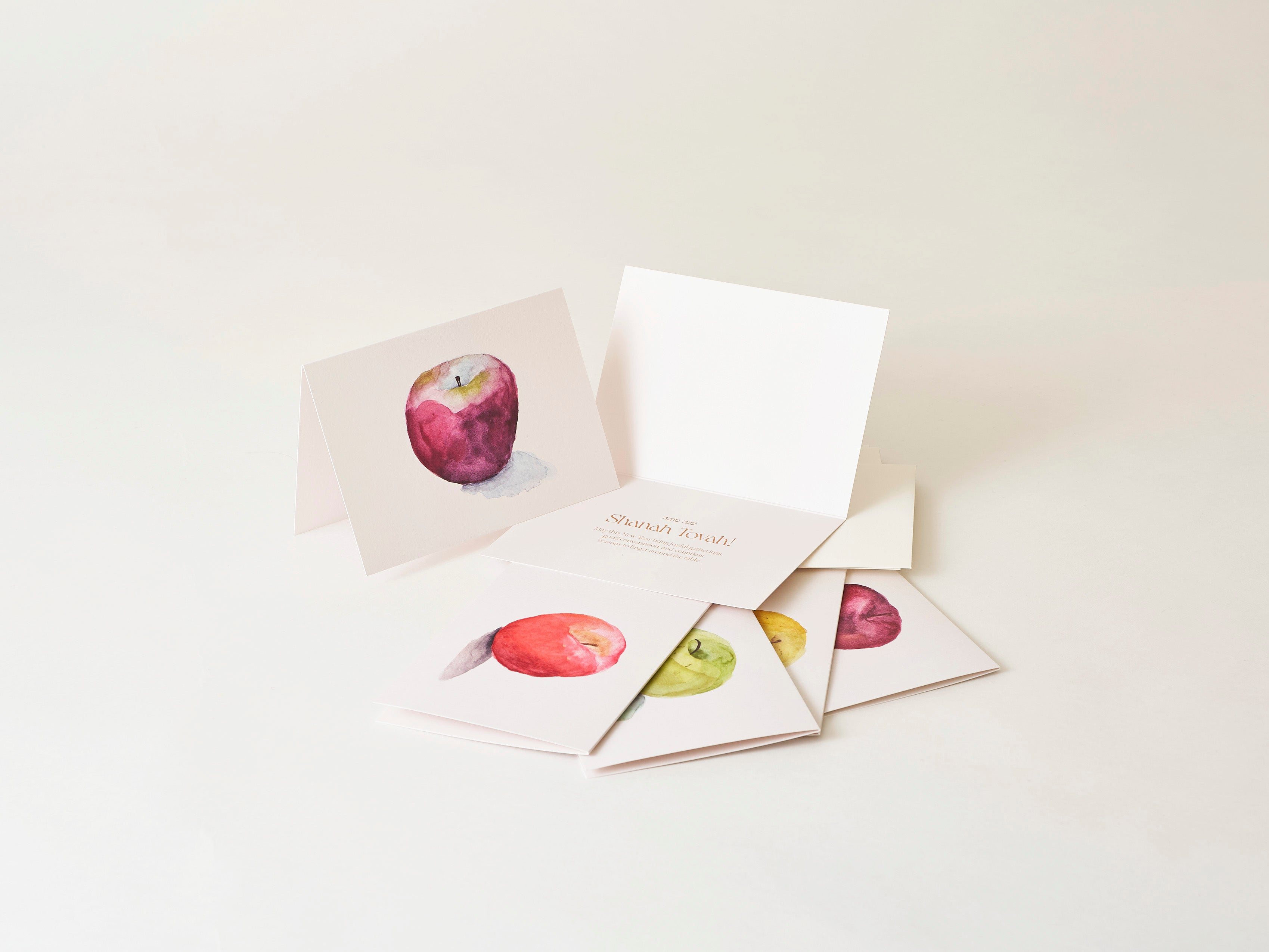
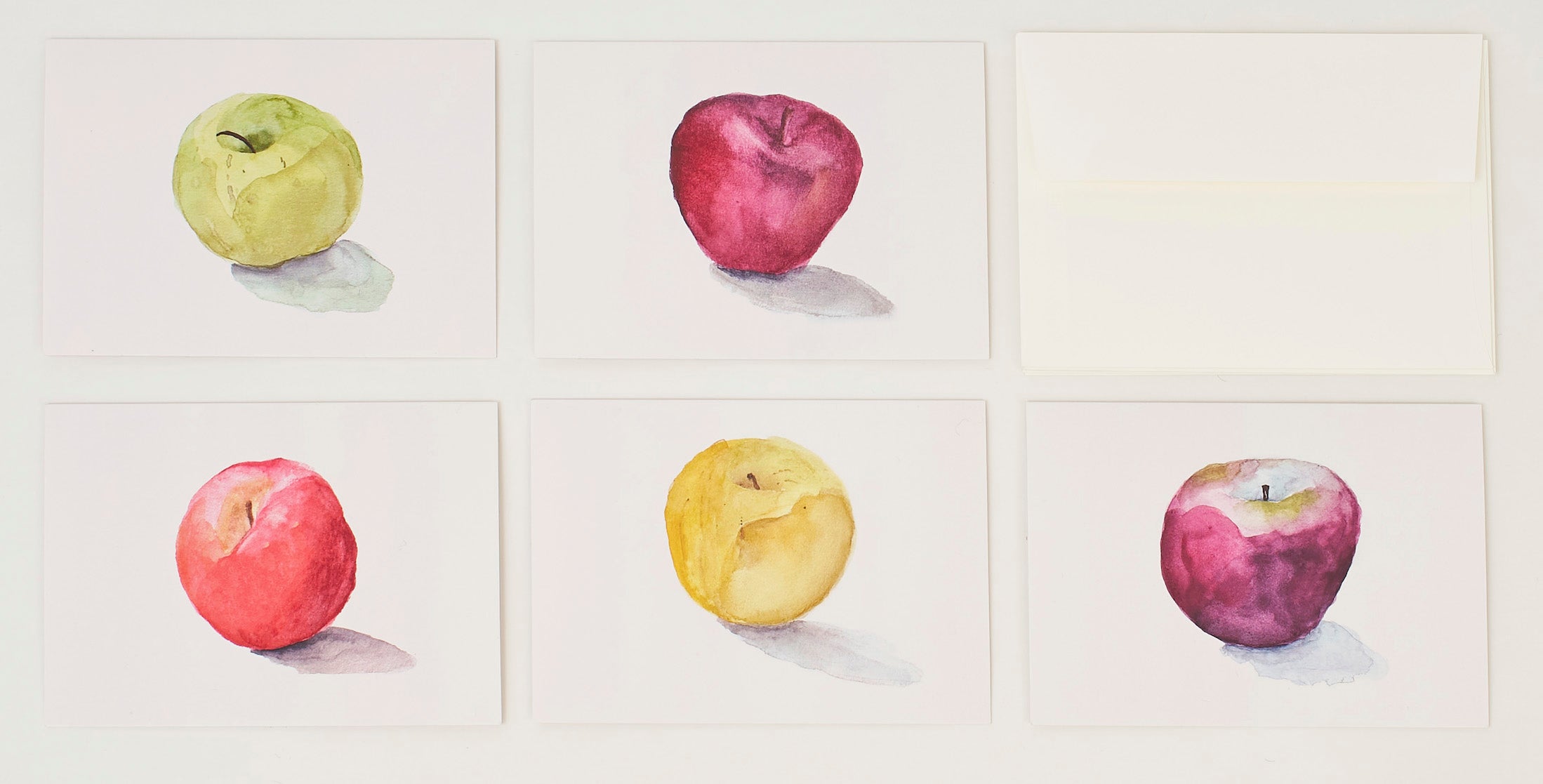
Rosh Hashanah is largely observed in synagogue, with a special service that includes the blowing of the shofar, or ram’s horn. We also eat apples and honey, which symbolizes a sweet new year, and a round challah, which represents the cycle of life.
Yom Kippur: September 20-21
Yom Kippur is considered the holiest day in the Jewish calendar. It’s the day of atonement on which the Book of Life is sealed and everyone’s fate for the next year is set. On Yom Kippur, Jewish people are commanded to repent for their sins in the past year.
How to Observe this Jewish Holiday
The central feature of Yom Kippur is a 25-hour fast, during which we abstain from food and water. Instead, we spend the day in synagogue in prayer. Yom Kippur services are unique and somber. They’re also some of the most highly attended services of the year. At sundown, we break the fast with a celebratory meal of dairy dishes, bagels, and fish.
Sukkot: September 25 - October 2
Sukkot is another pilgrimage festival that commemorates the 40 years Israelites wandered in the desert after their escape from Egypt. It honors God for protecting them in the desert. It also celebrates agricultural harvest.
How to Observe this Jewish Holiday
Sukkot is celebrated in a temporary hut known as a sukkah, which closely resembles the huts the Israelites lived in during their time in the desert. These huts feature roofs made of branches, bamboo, and palm fronds. Meals are enjoyed in the sukkah and some even choose to sleep in it.
The other central ritual of Sukkot involves four different plants: a palm branch, myrtle, willow, and a citrus known as an etrog. The four are held together and waved in all 6 directions while reciting a prayer. It’s considered to be a symbol of God’s presence.
Shmini Atzeret & Simchat Torah: October 2-4
These two holidays, celebrated one after another, are joyous celebrations. Shmini Atzeret, celebrated on the 8th day of Sukkot, is considered a special day shared between God and the Jewish people. Simchat Torah marks the day each year we read the final passage of the Torah, then start the whole thing over again.
How to Observe these Jewish Holidays
Both Shmini Atzeret and Simchat Torah are celebrated with prayer. On Shmini Atzeret, services include special prayers for the deceased and for rain in Israel. During Simchat Torah, we march and dance with the Torah in synagogue to celebrate an end and a beginning.
Hanukkah: December 4-12
Hanukkah is the Festival of Lights. Although it’s probably the most well-known Jewish holiday, it’s actually fairly insignificant religiously speaking. It commemorates the story of the Maccabees, a group of Jewish warriors who recaptured the Temple from the Greek-Syrian empire that desecrated it. When the Maccabees returned to the Temple, they found there was only enough oil to keep the menorah burning for one day. Miraculously, it burned for eight.

How to Observe this Jewish Holiday
To celebrate the miracle of the oil lasting for 8 days, we light 8 candles on a menorah and celebrate for 8 days. We also eat plenty of fried foods like potato pancakes and jelly donuts. Gifts are exchanged and dreidel, a traditional spinning top game, is played.
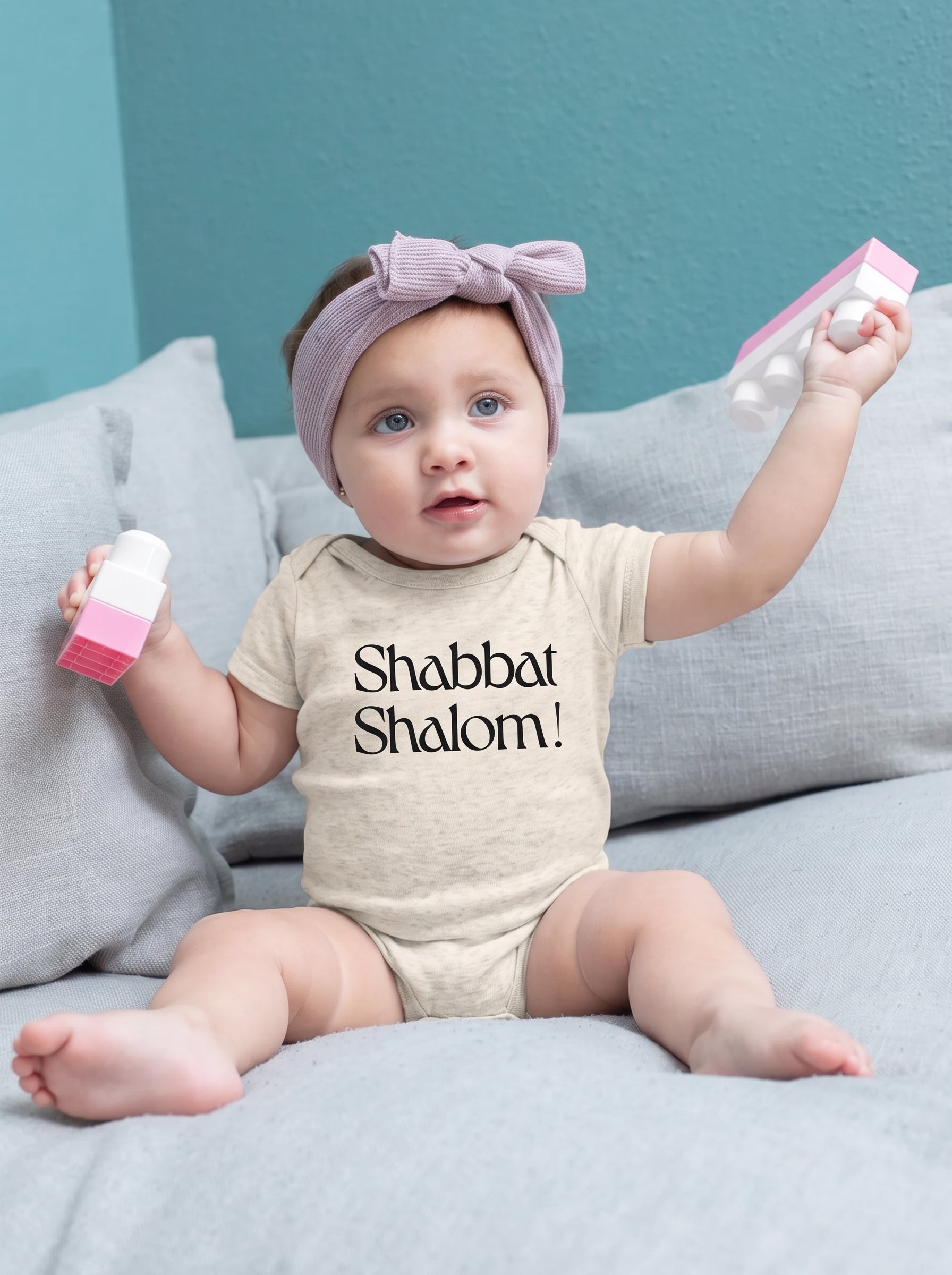
Shabbat: Every Friday
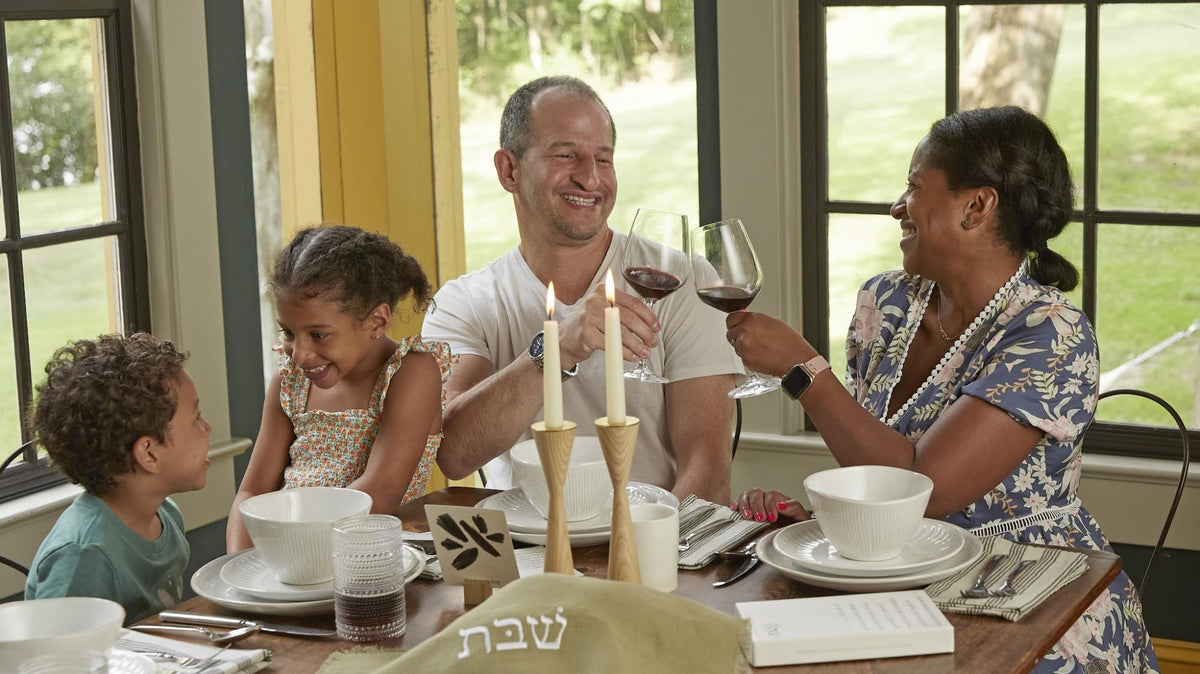
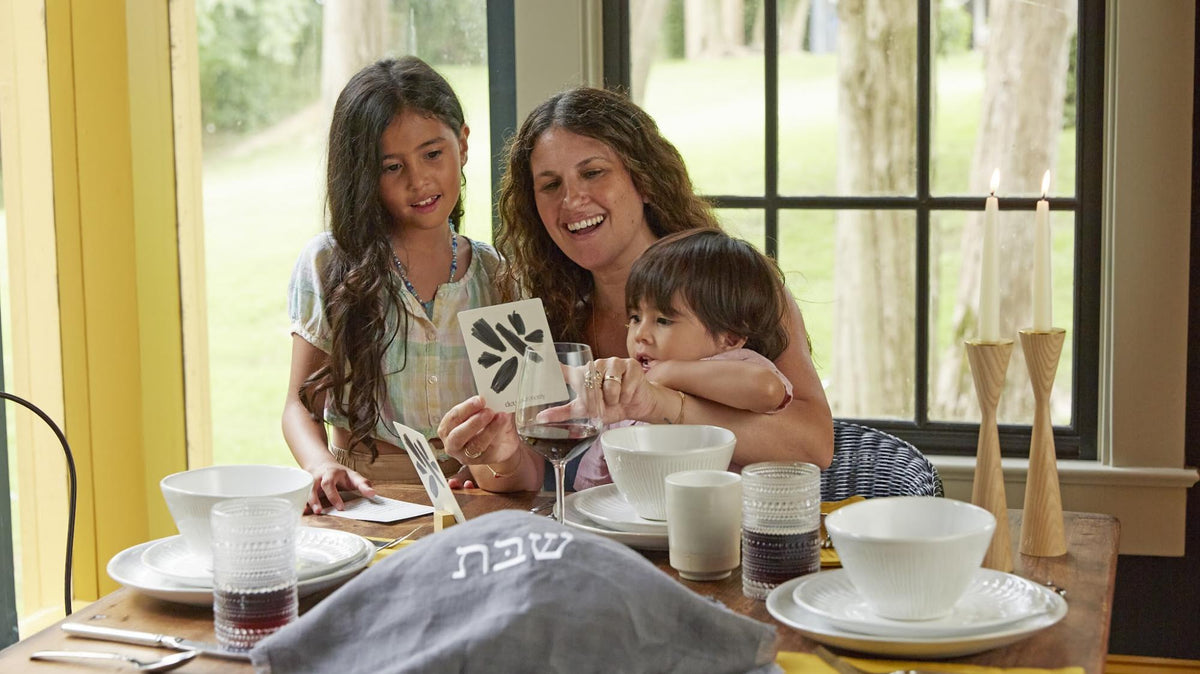
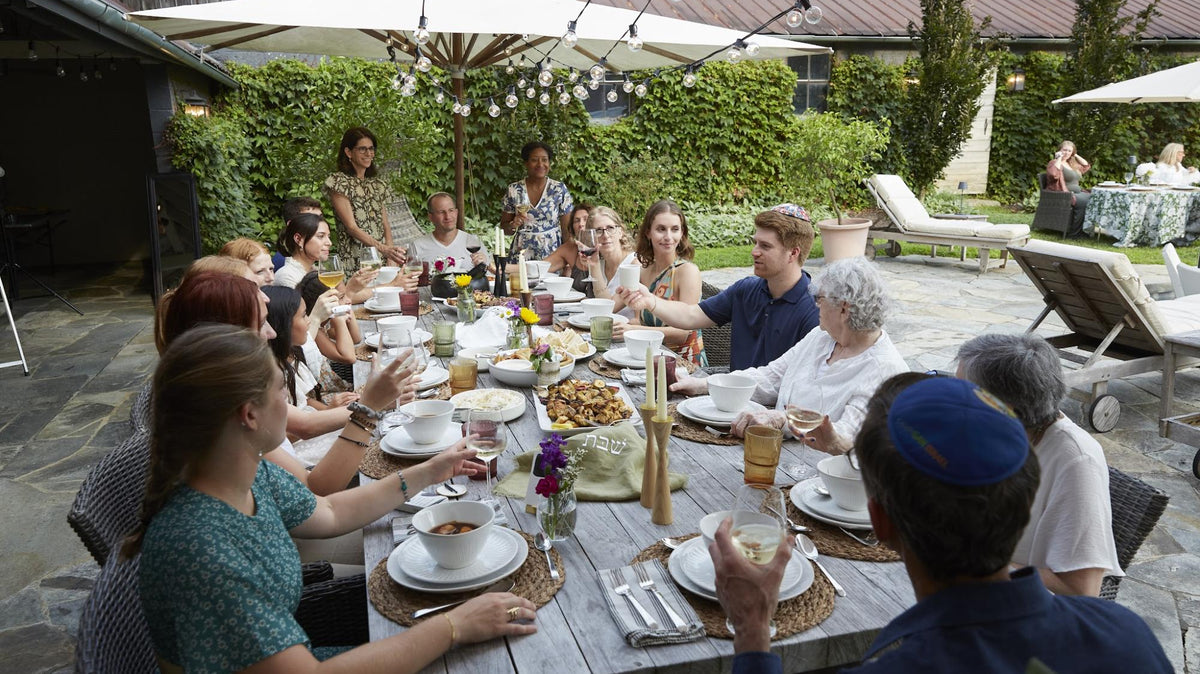
Shabbat is the most common Jewish holiday, celebrated every week from Friday at sundown to Saturday at nightfall. It’s a time to disconnect from everyday life and focus on self-reflection, connecting with one another, and being present. In Jewish tradition, it’s considered the most important holiday
How to Observe this Jewish Holiday
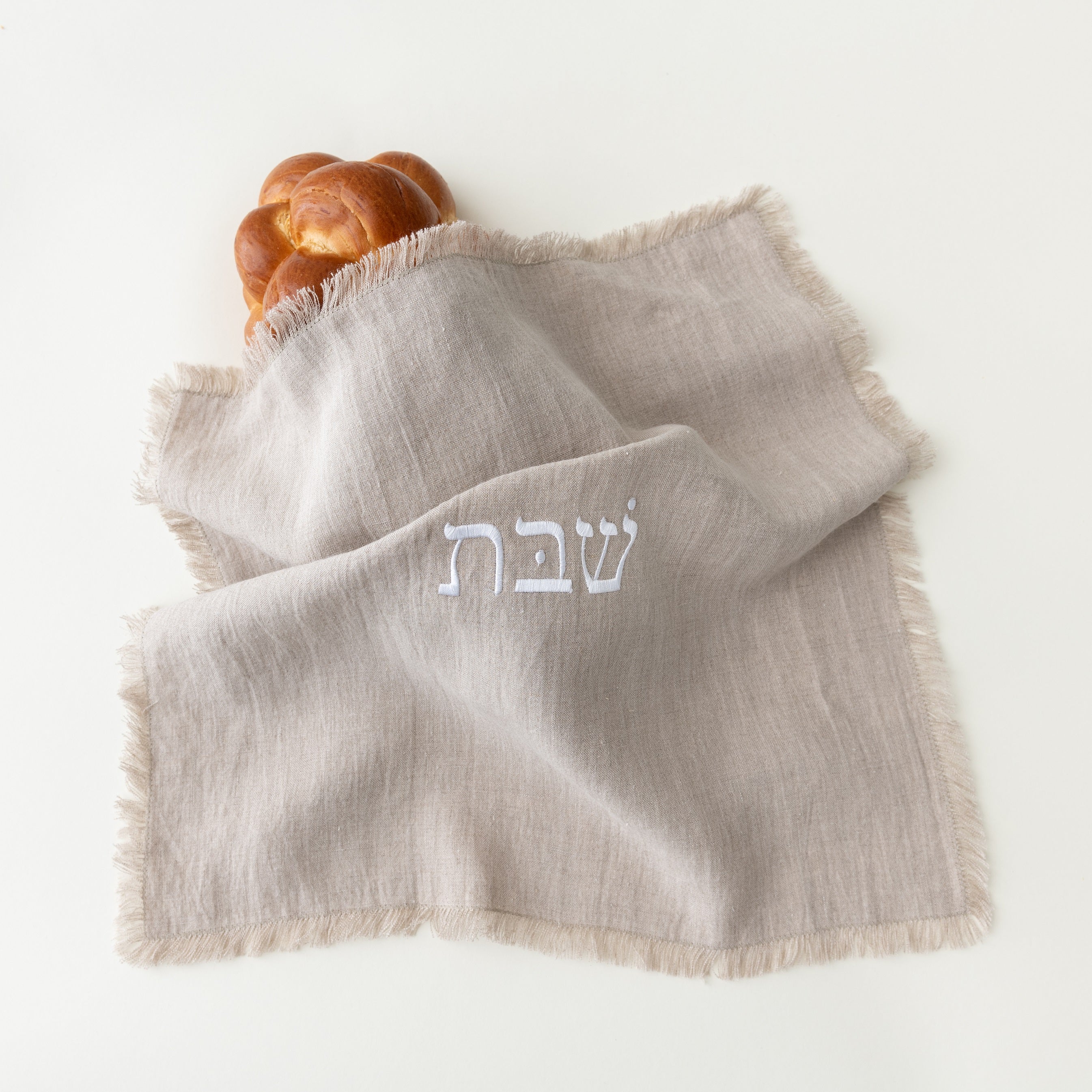
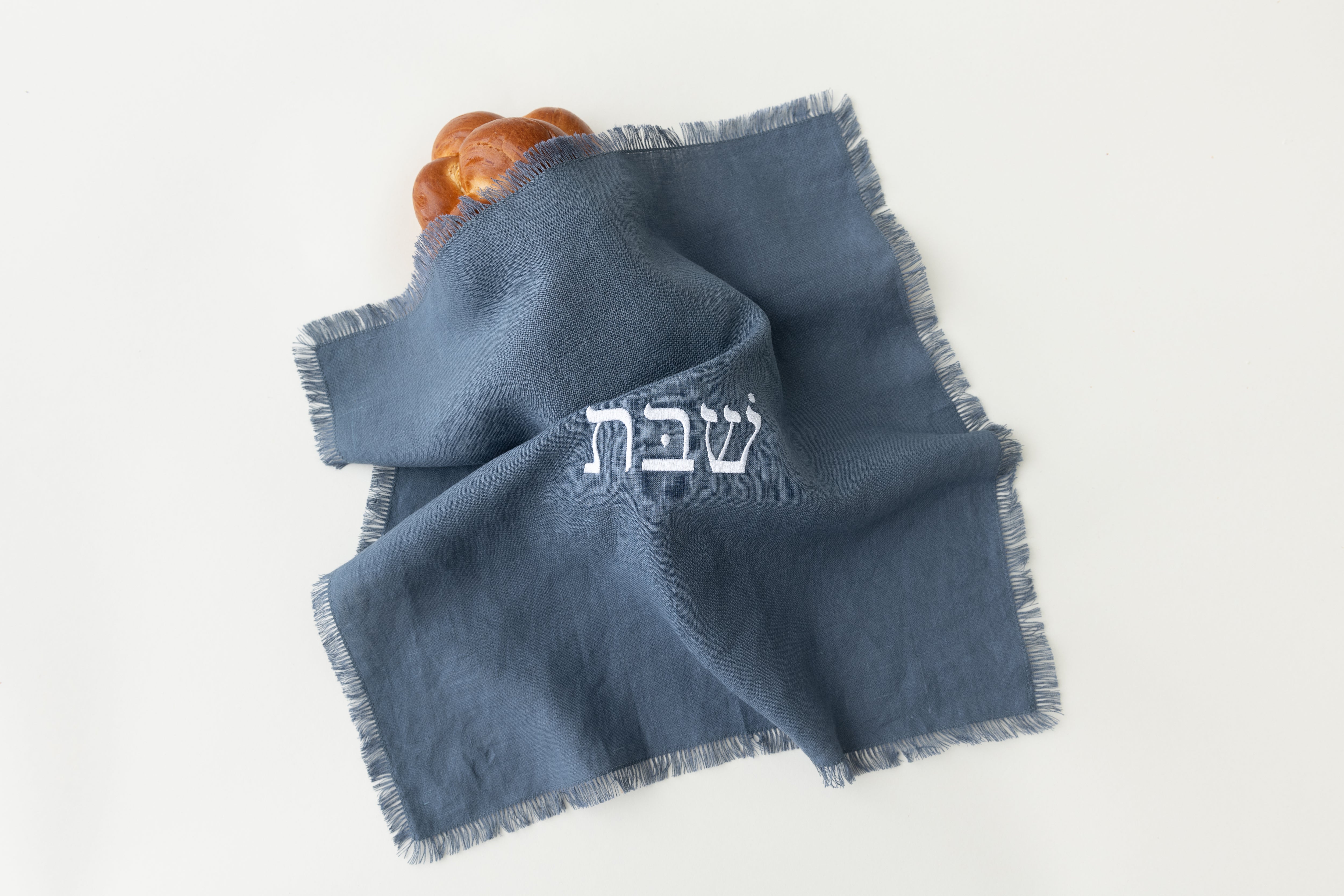
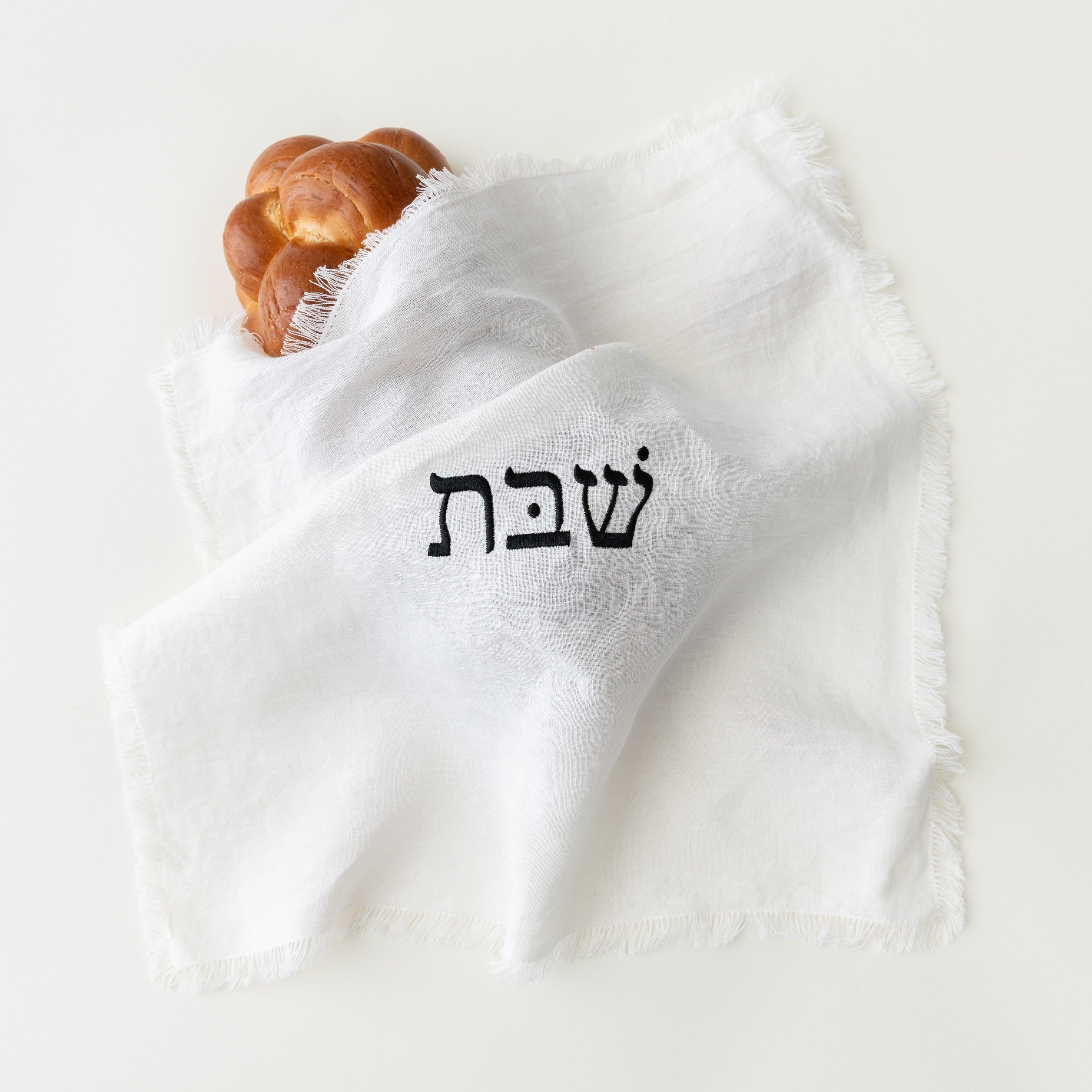
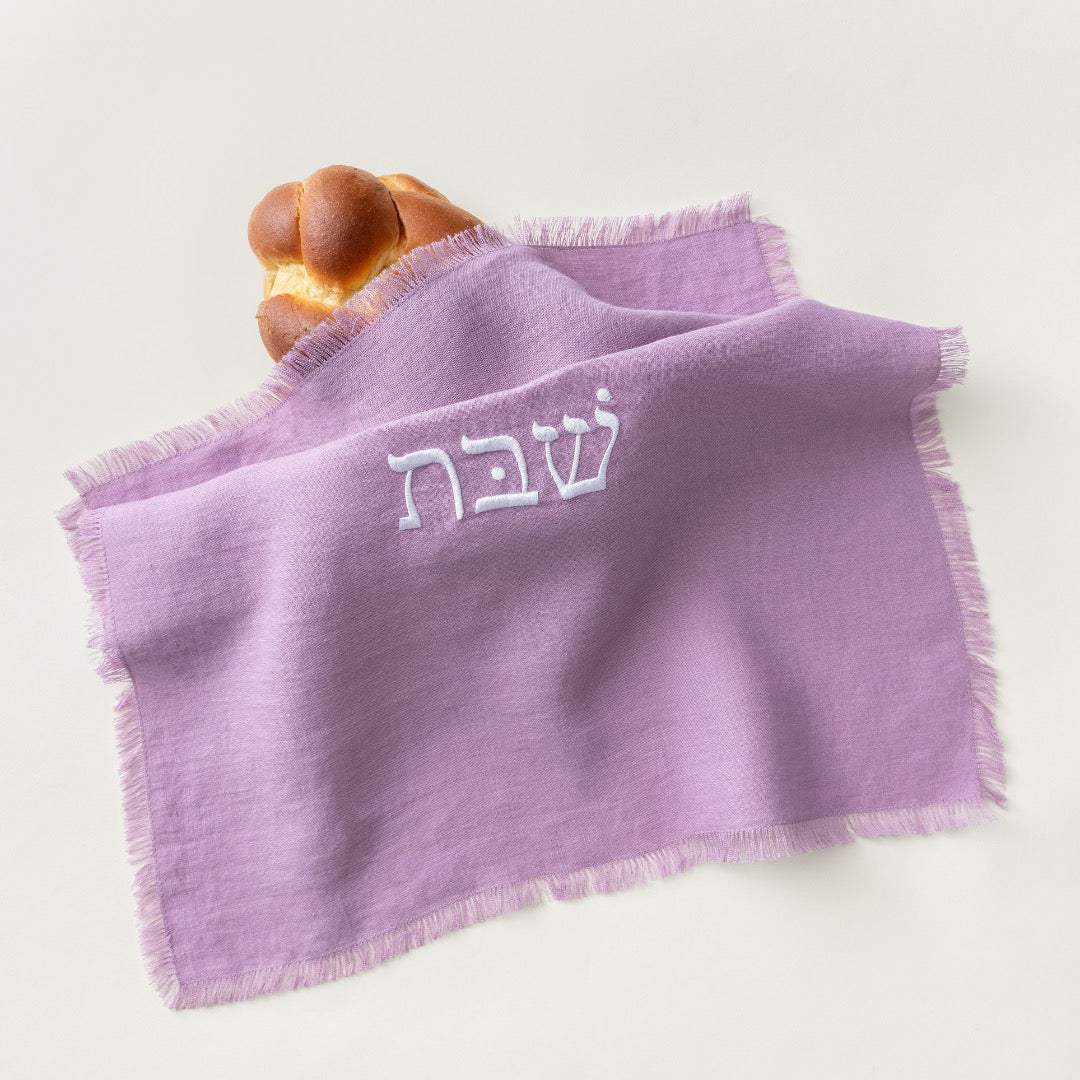
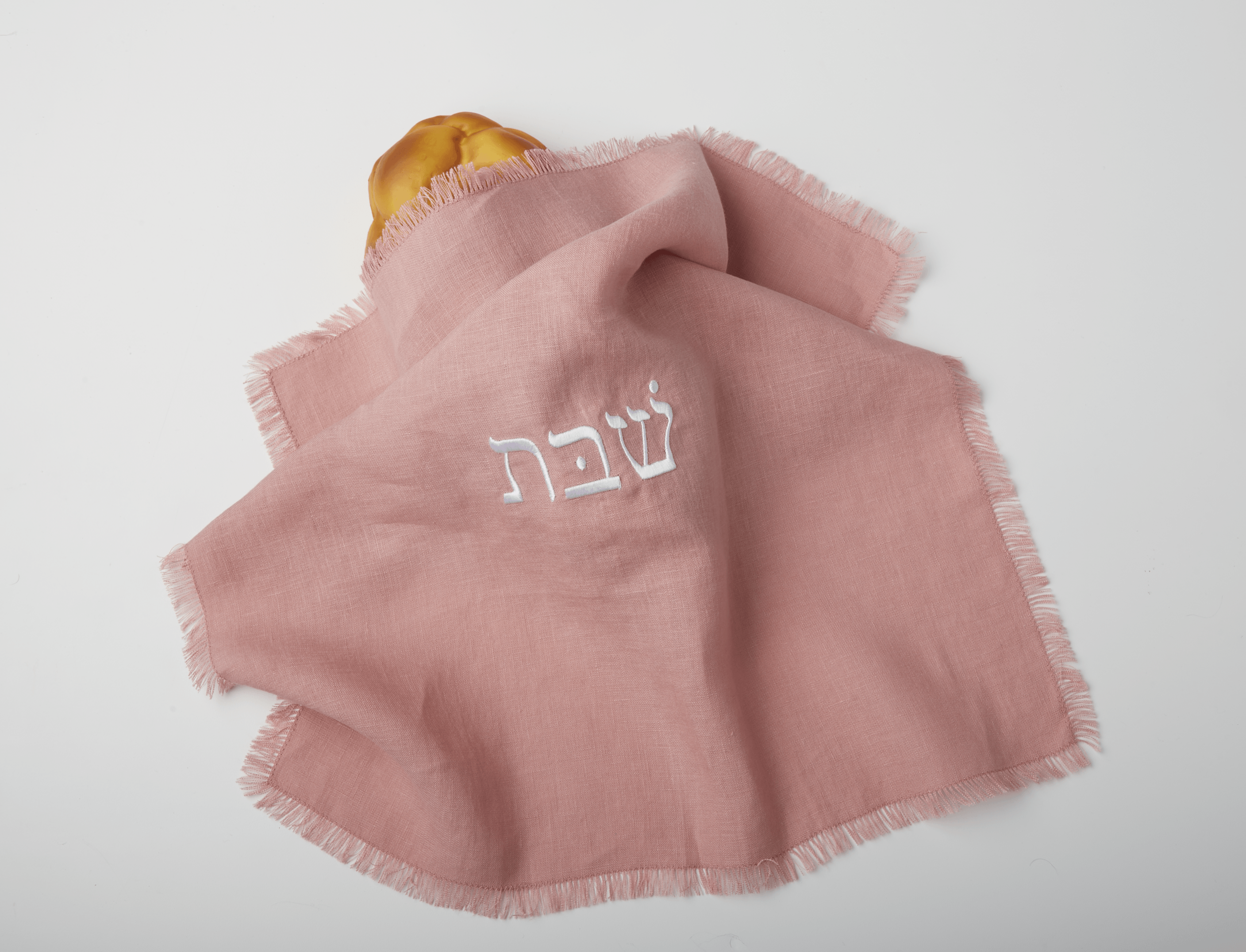
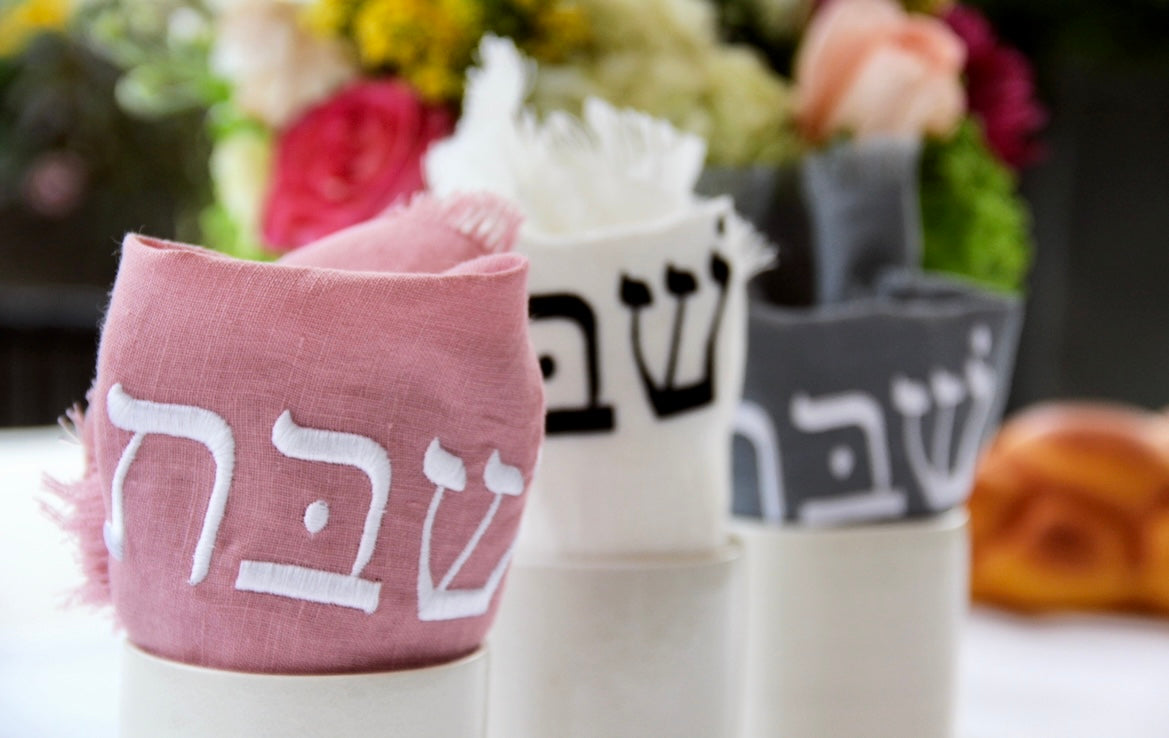
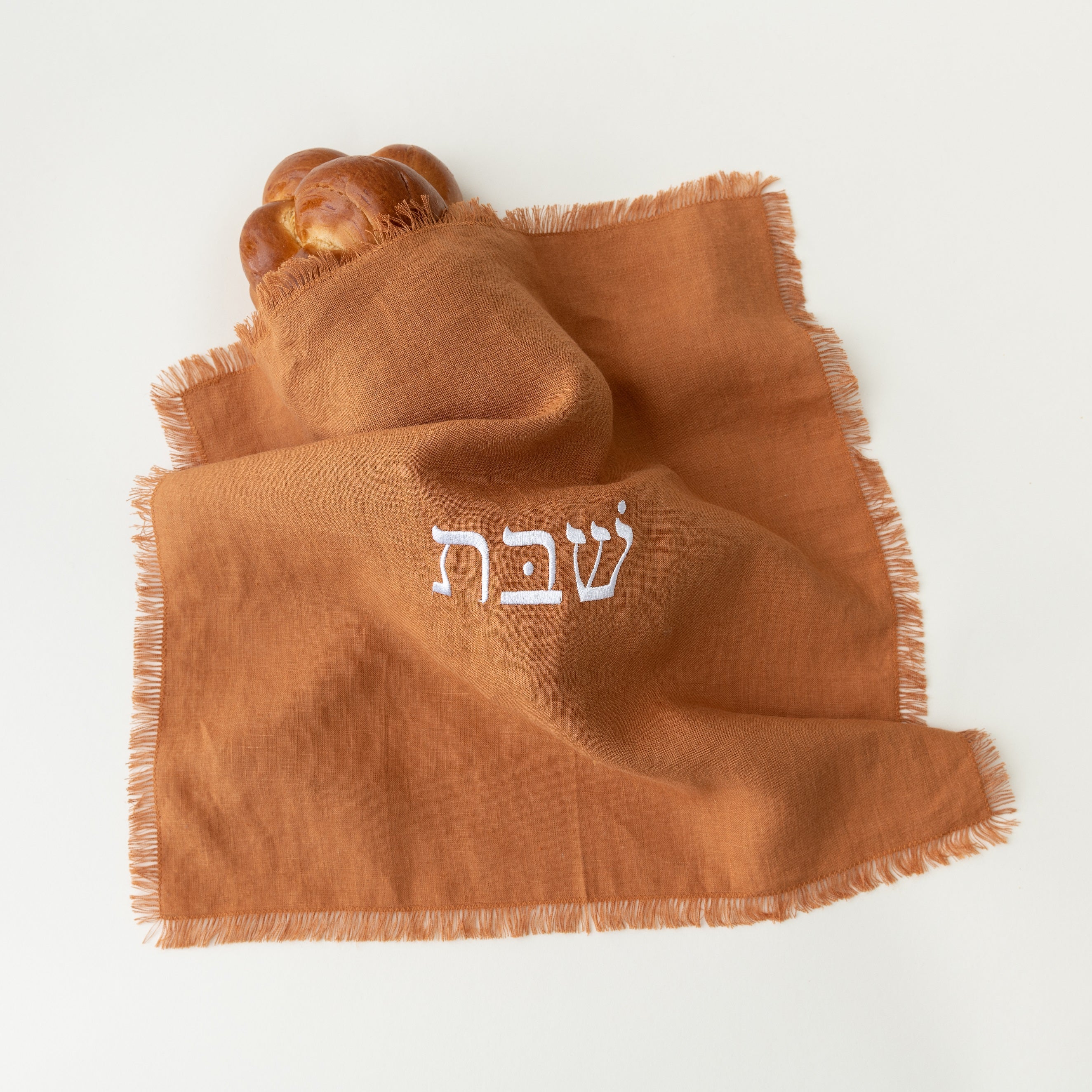
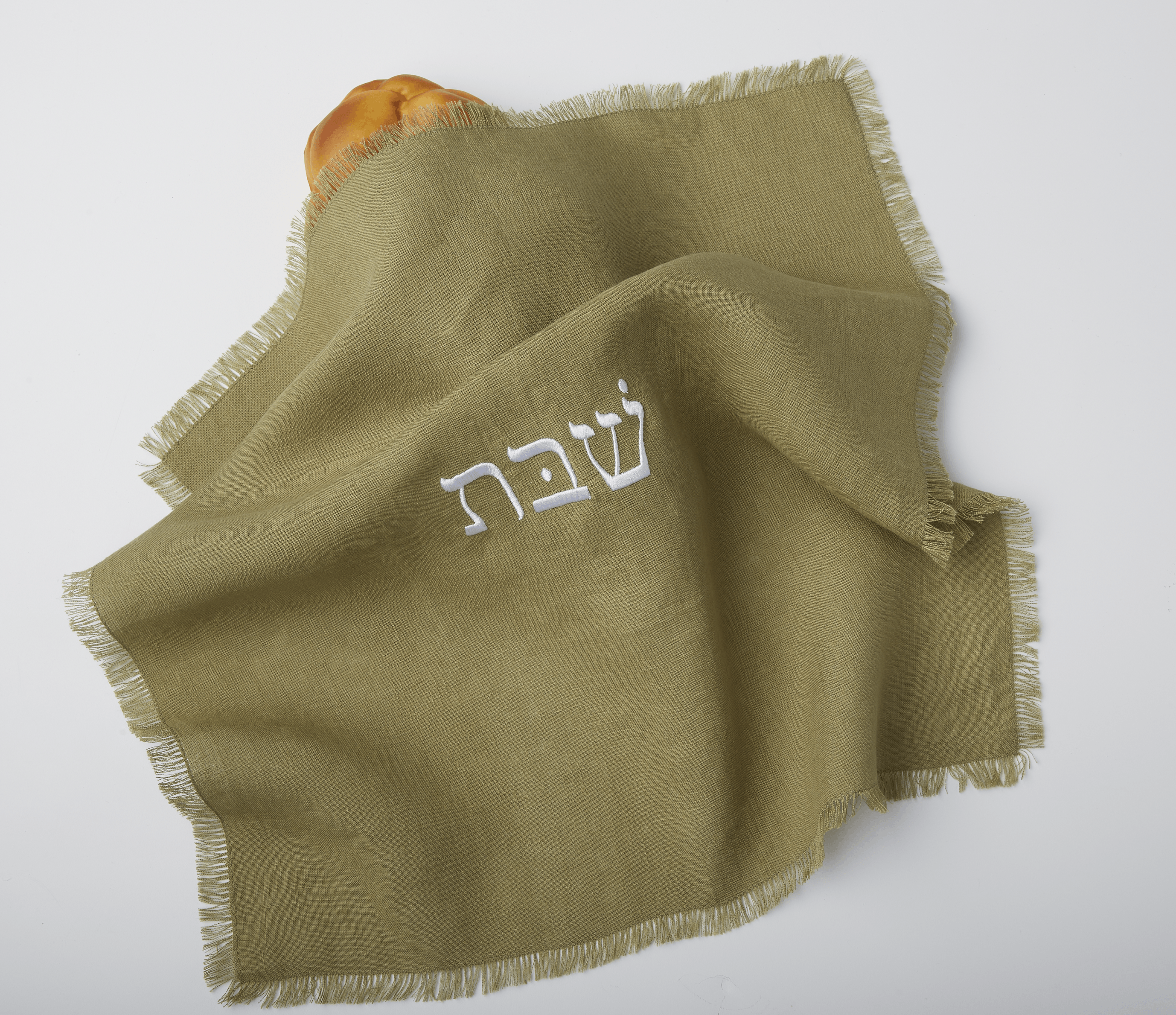
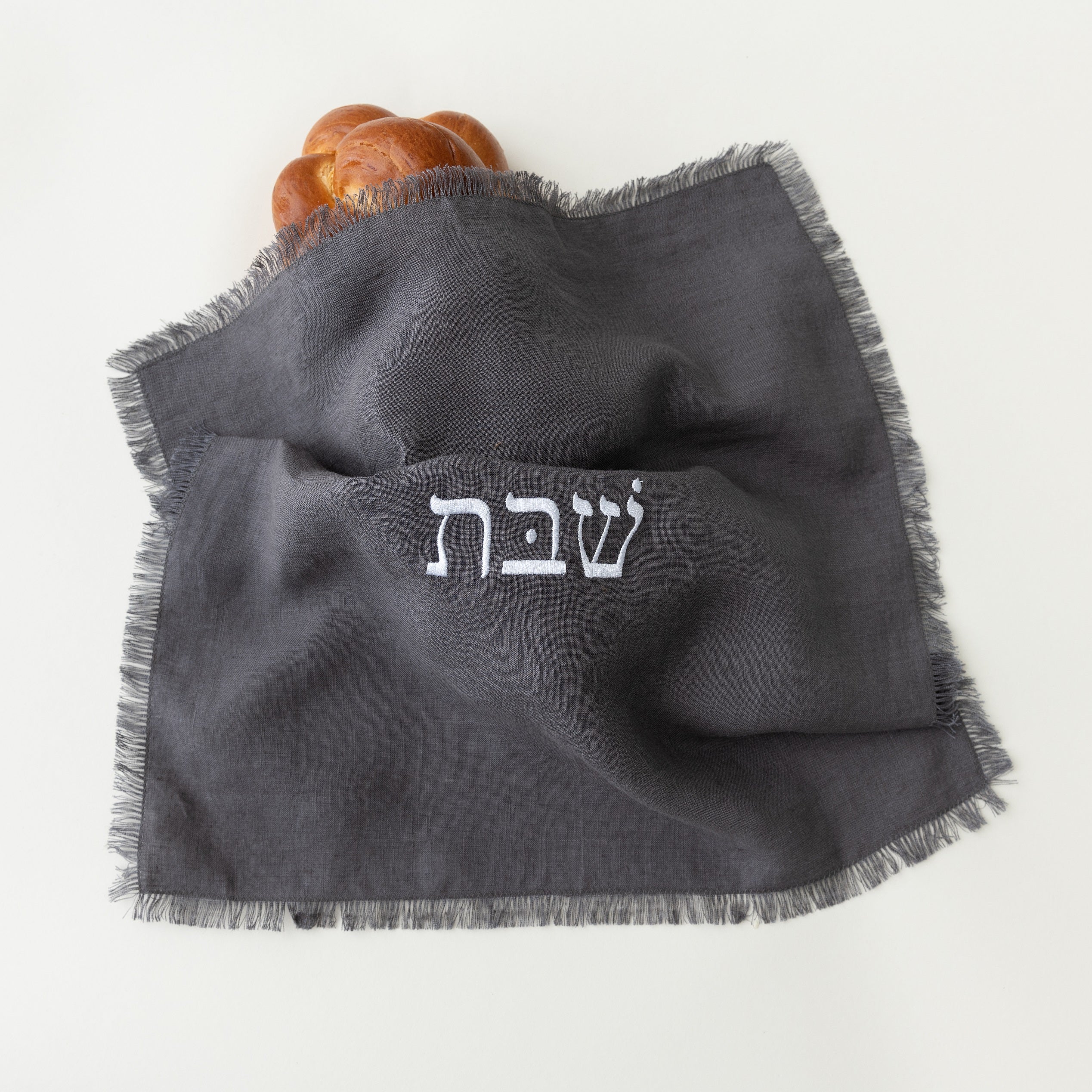
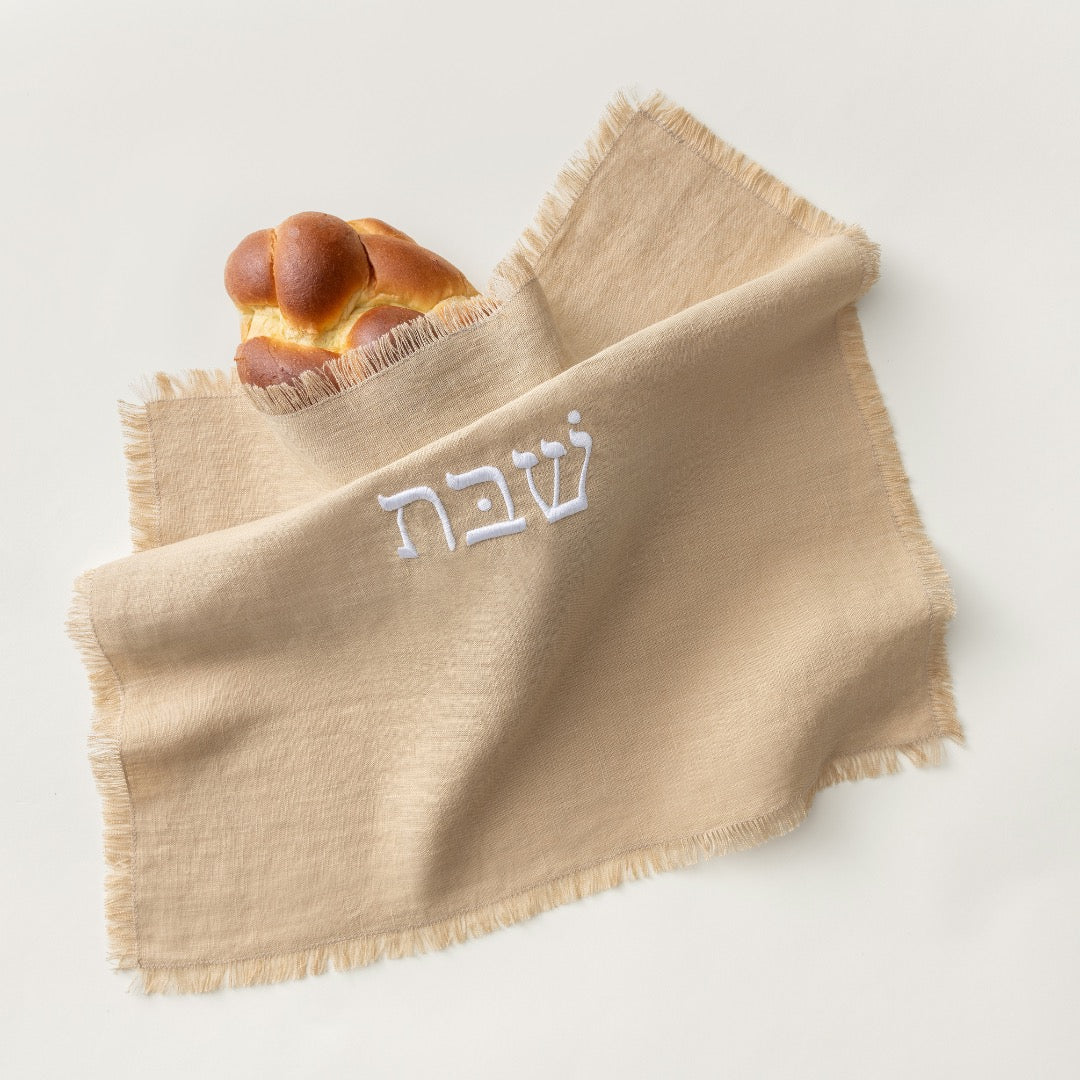
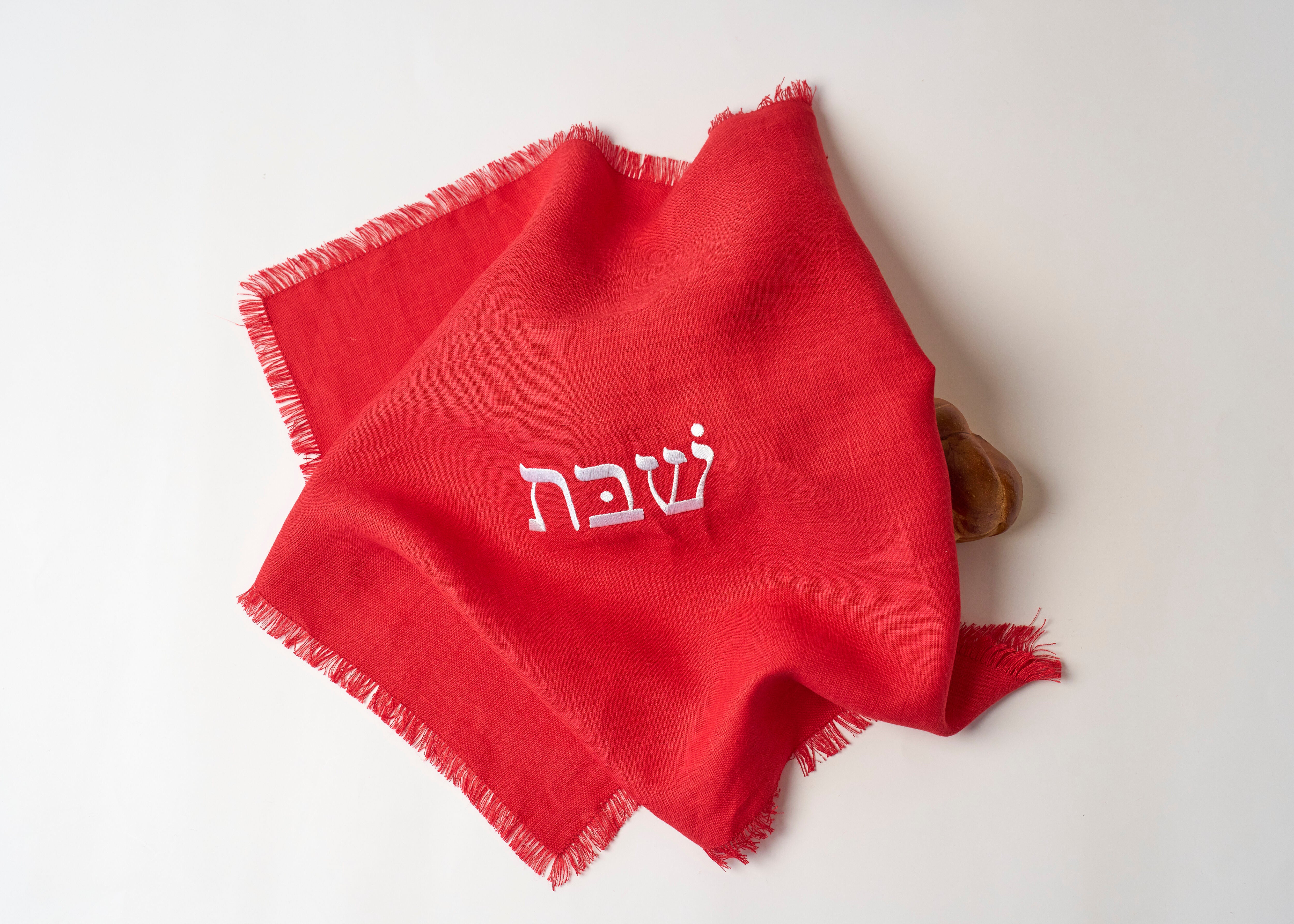
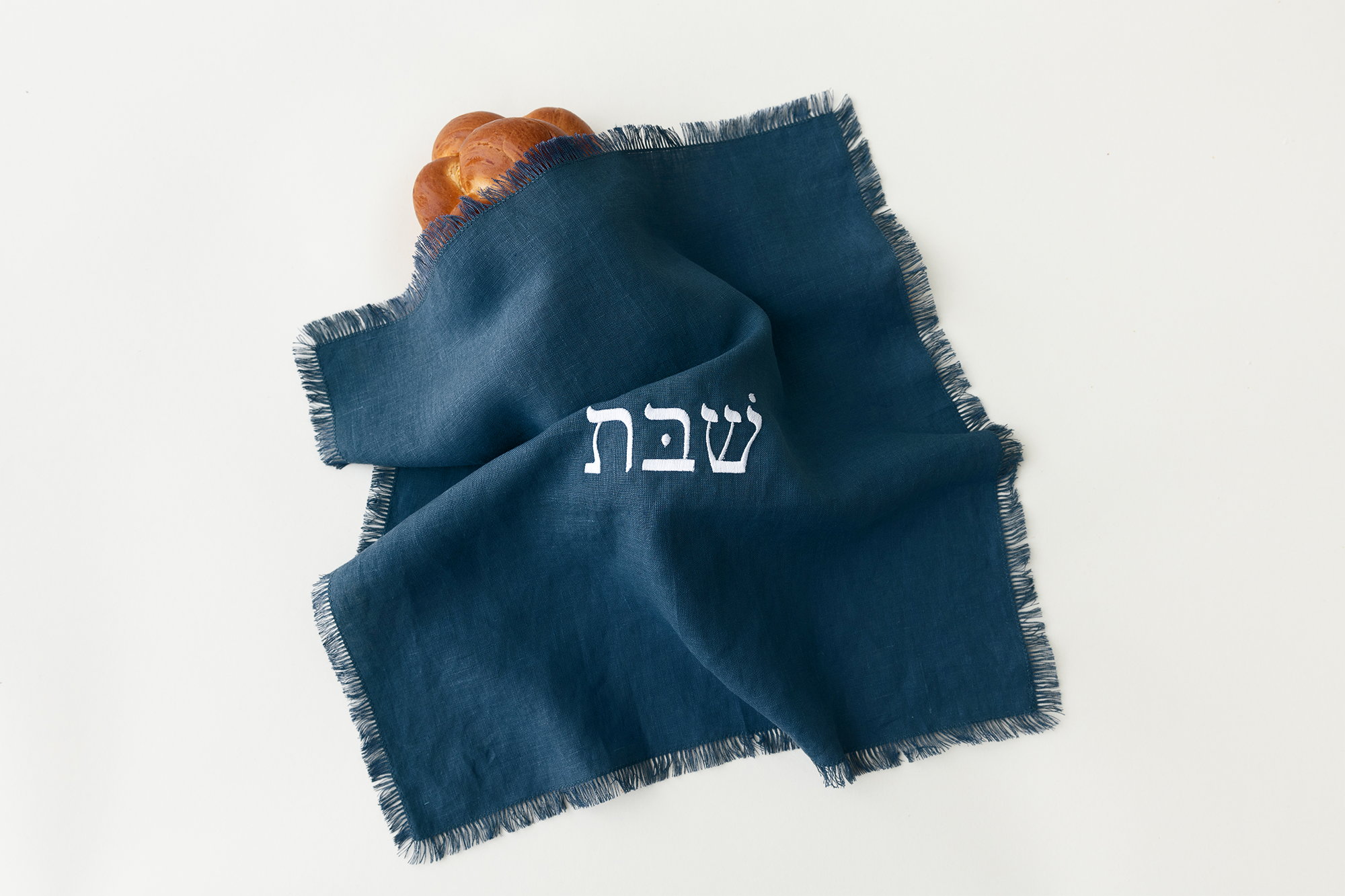
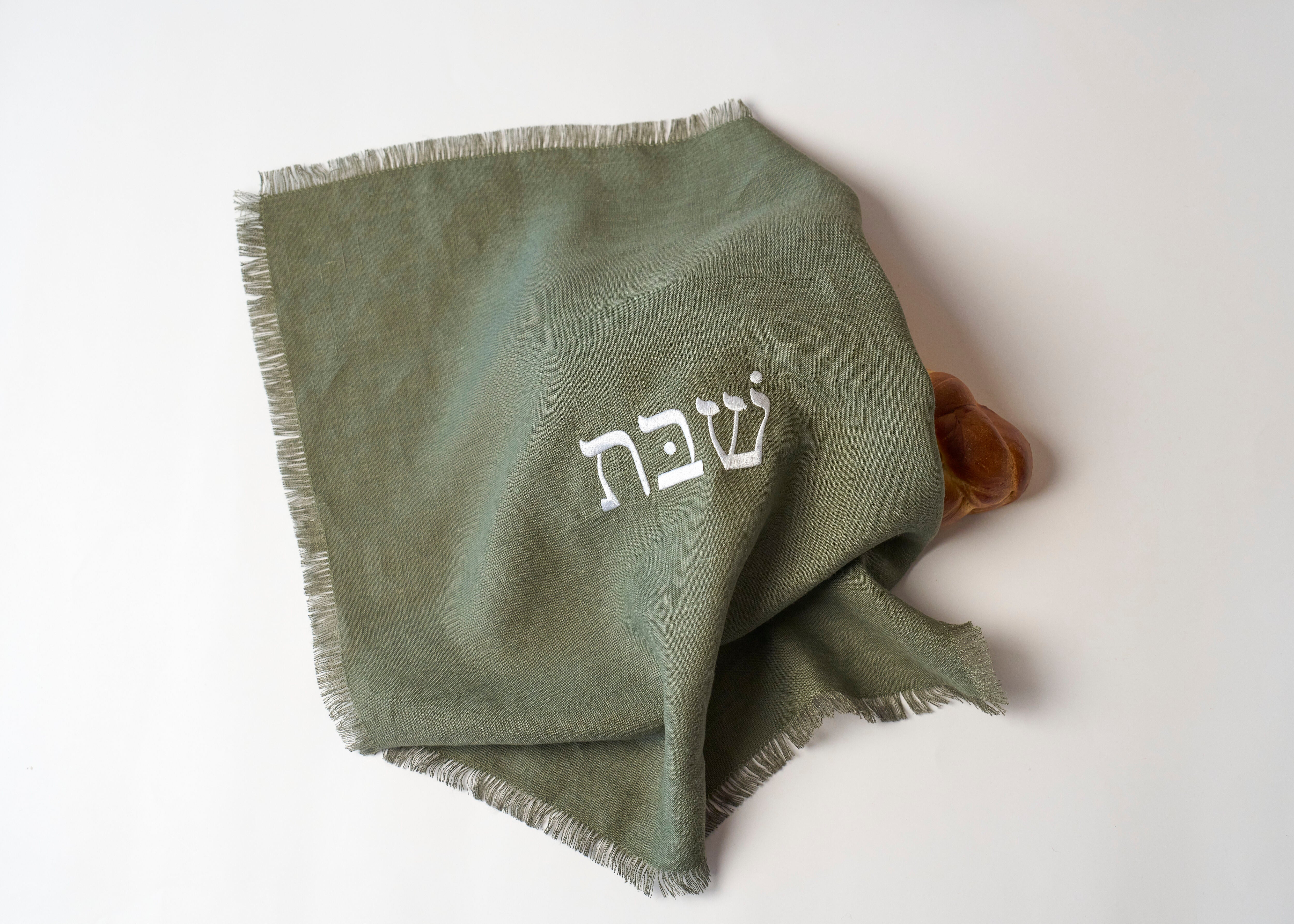
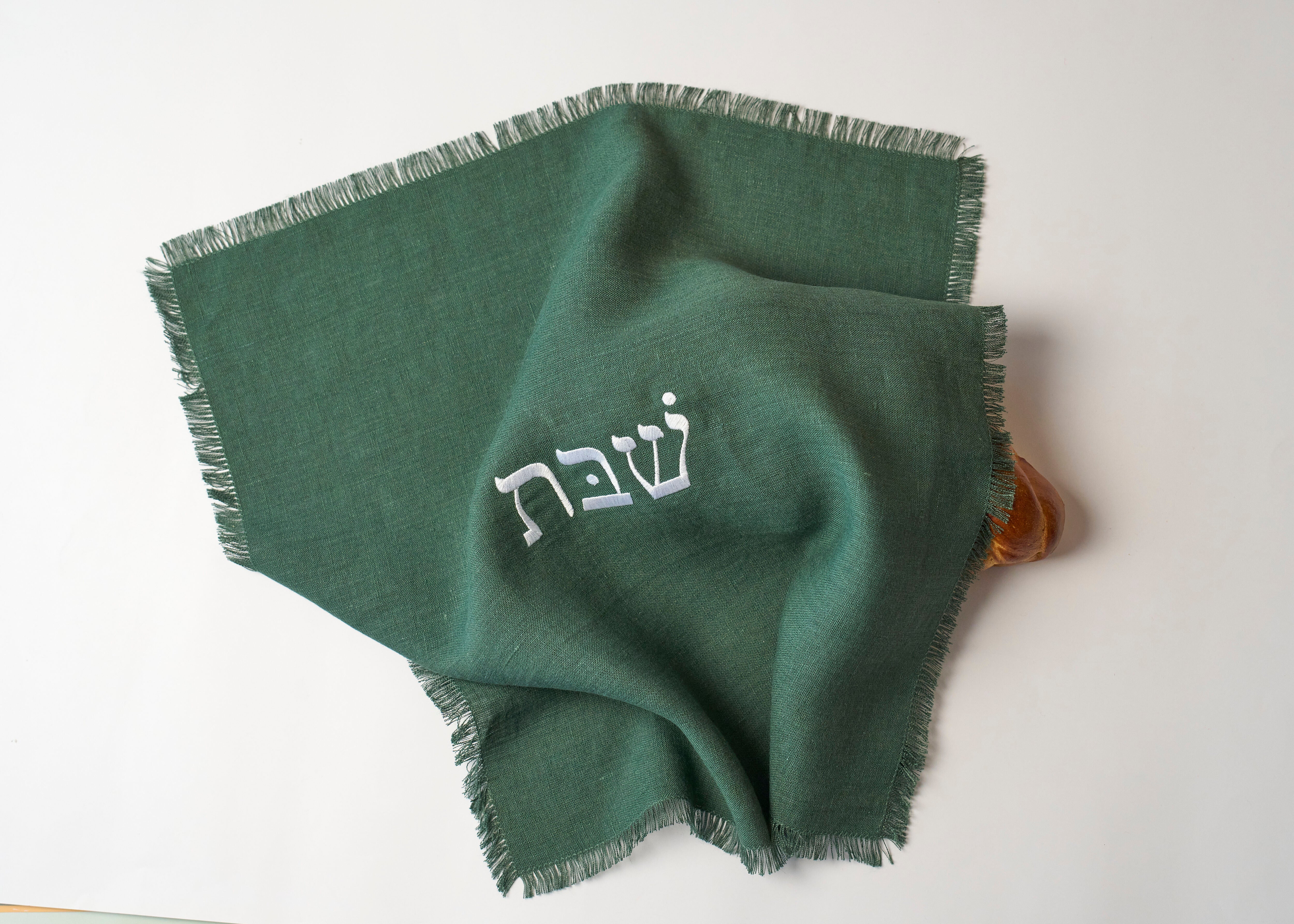
Shabbat is celebrated with a series of traditions. On Friday night, we hold a short ceremony during which we light candlesticks, recite the Kiddush, and eat challah. On Saturday morning we attend religious services. On Saturday night Shabbat ends with a tradition known as Havdalah. Then we transition back into daily life.
Celebrate Each Jewish Holiday with Oneg Home
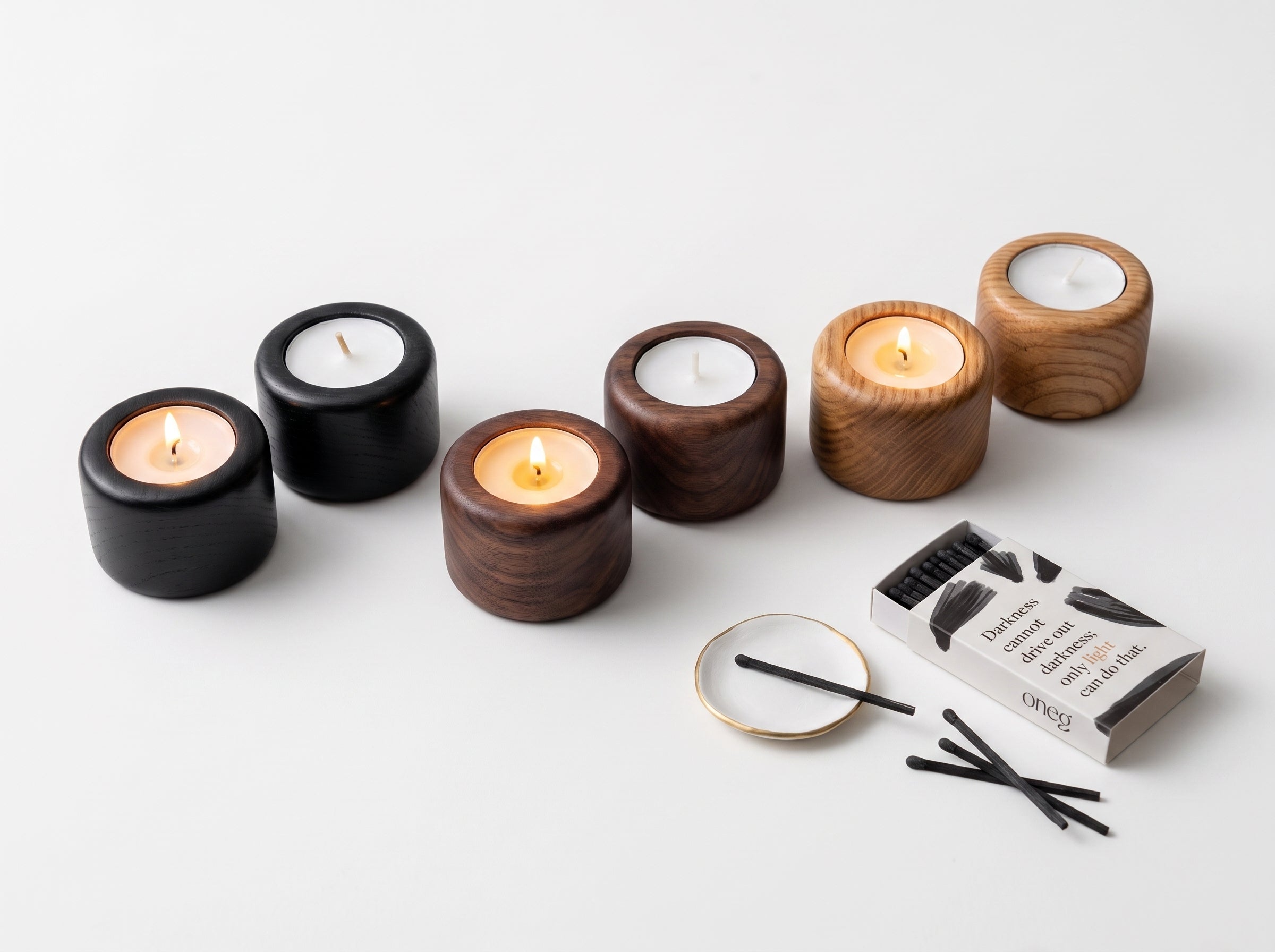
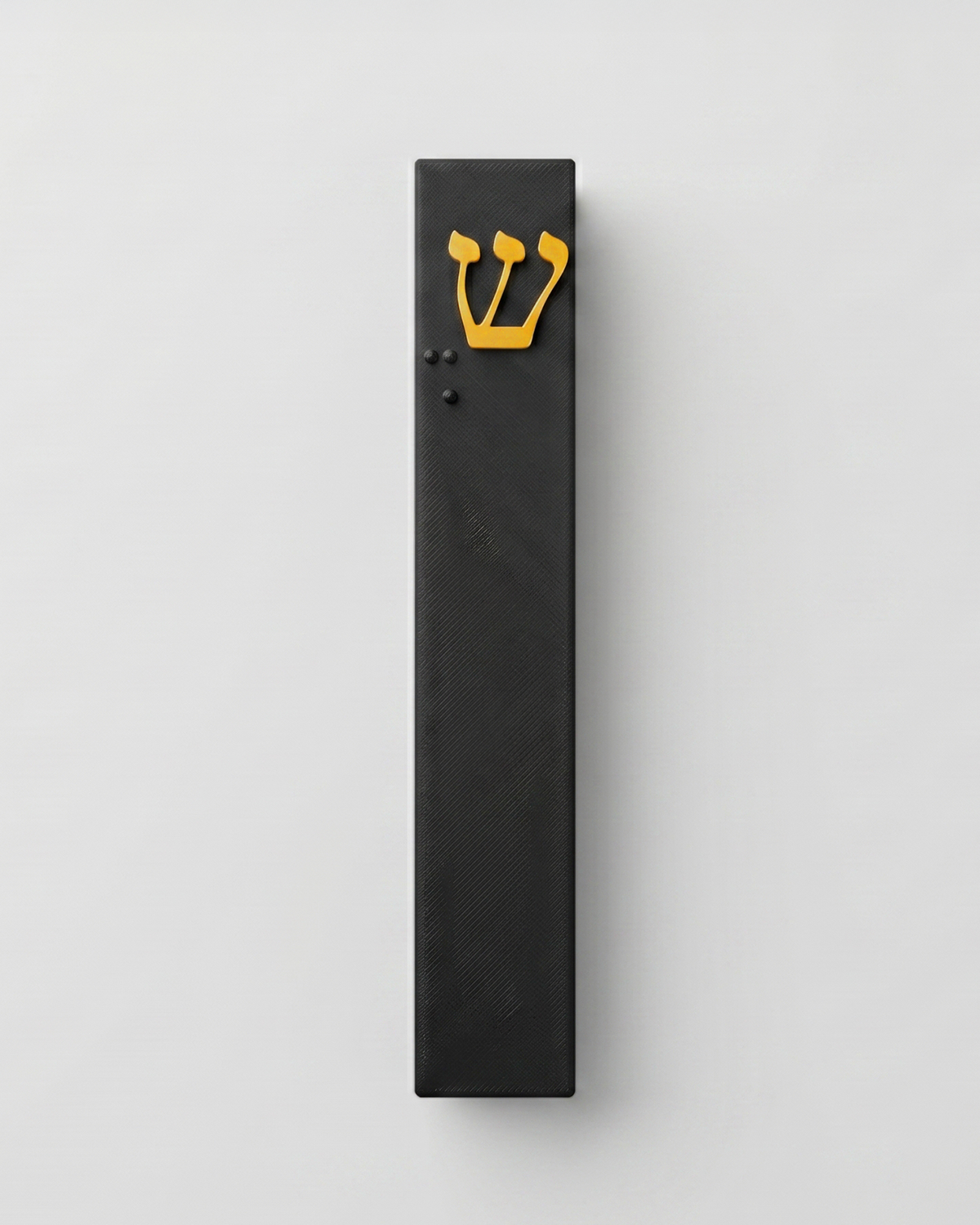
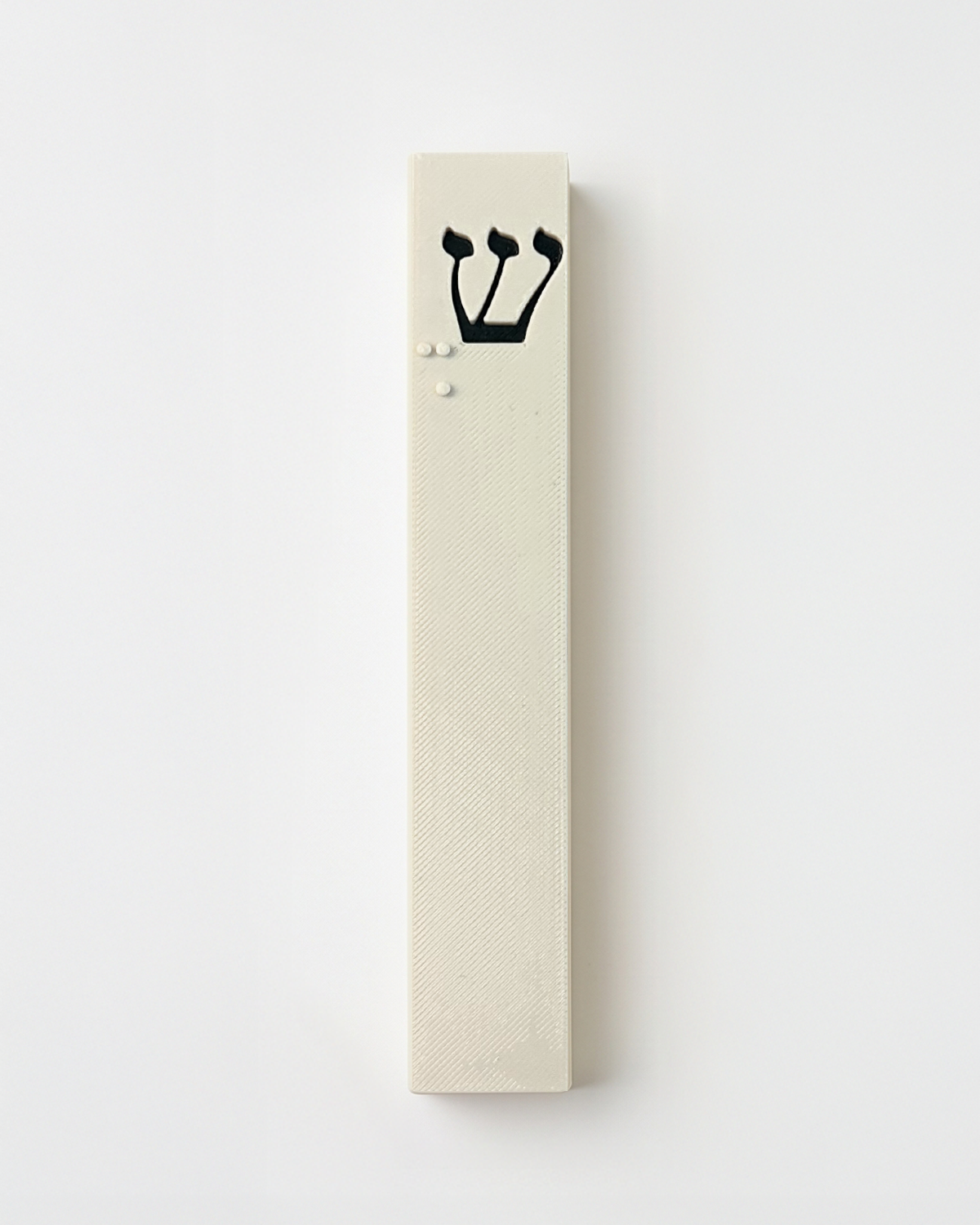
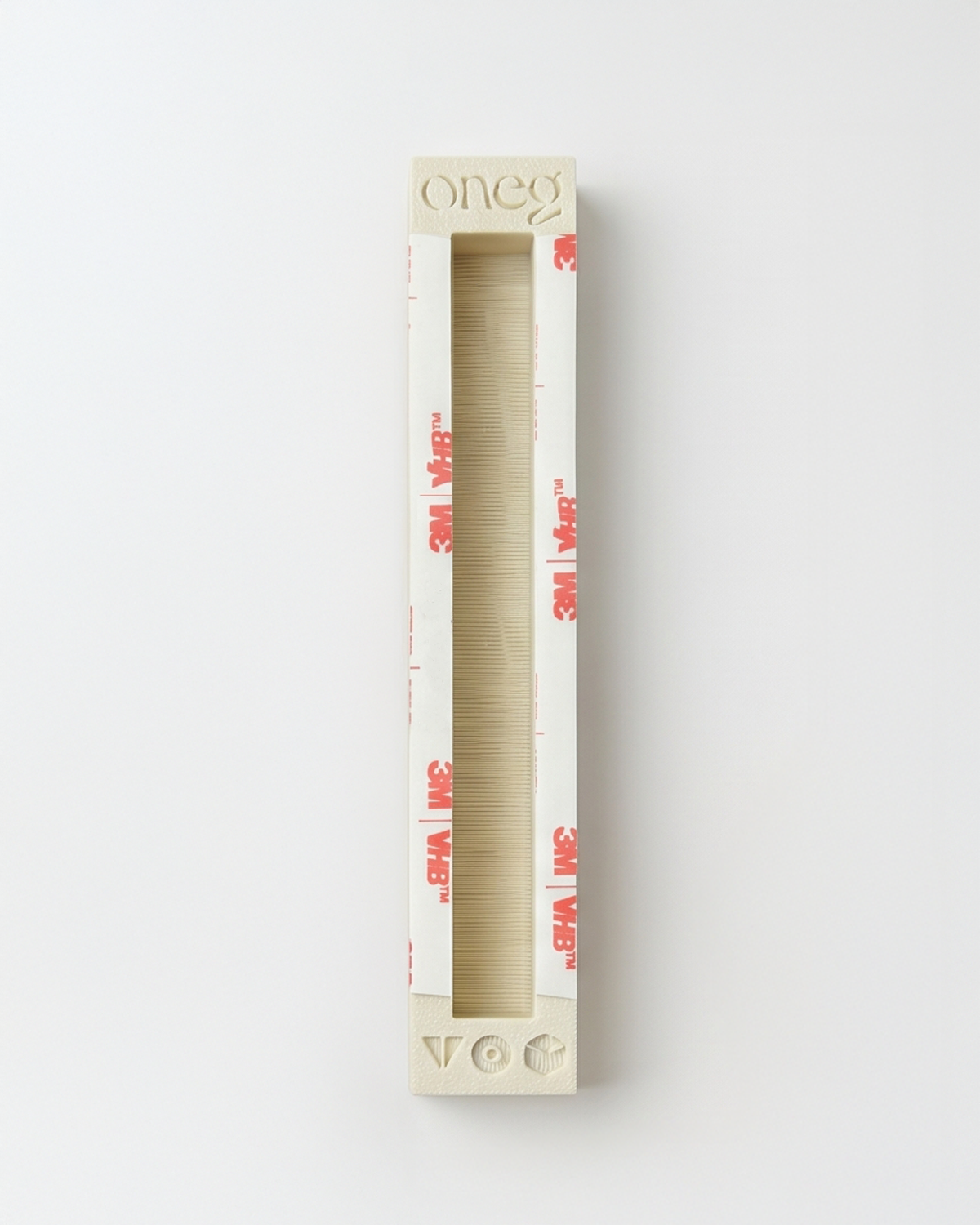
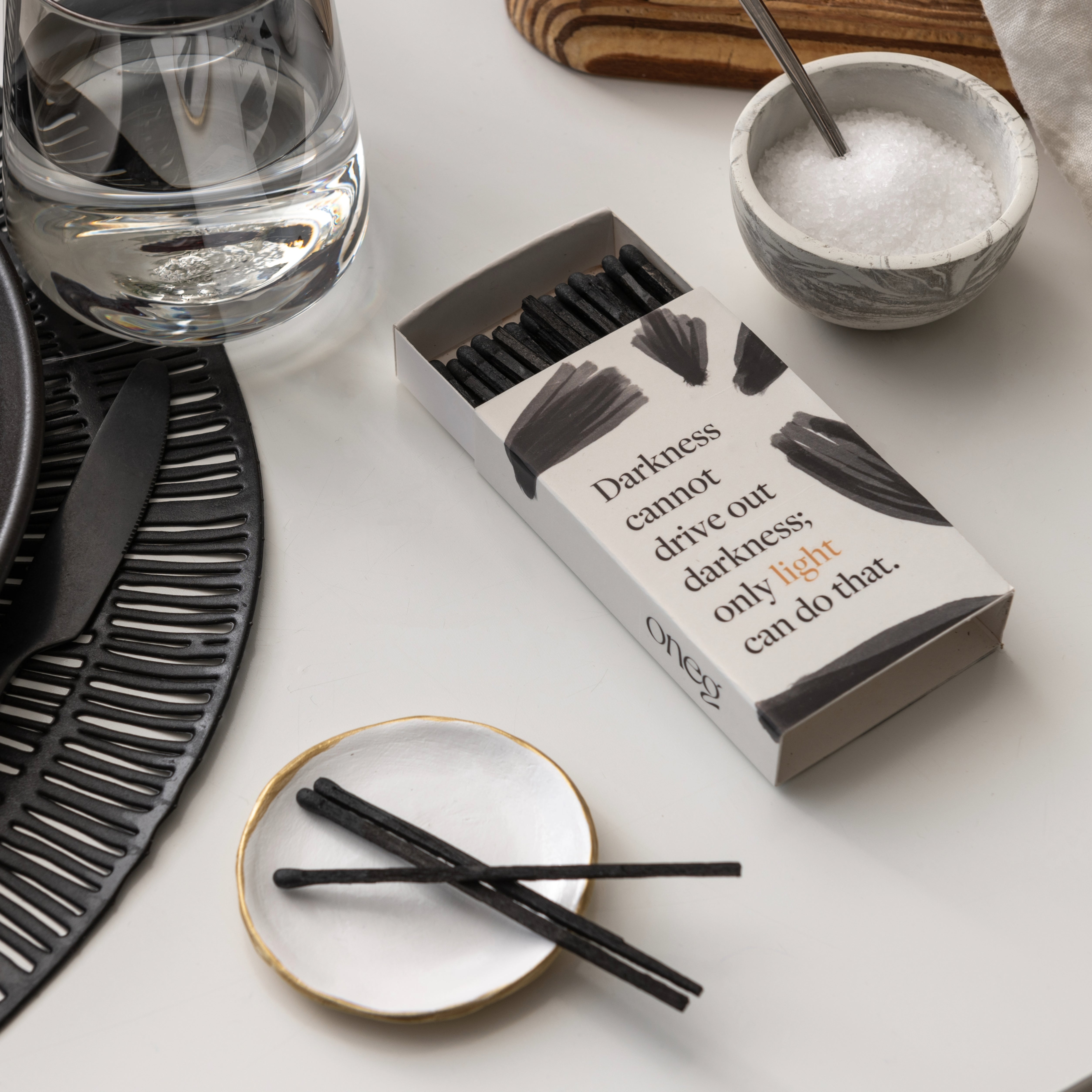
Judaism is an experiential religion. The celebration of each holiday includes several ritual objects that help us relive the experiences of our ancestors. For a contemporary take on important ritual objects, shop Oneg Home. Our selection of modern Judaica will help you build Jewish holiday traditions of your own.
Ready to begin your Shabbat practice?