
Getting Ready for Simchat Torah
Simchat Torah caps off the Sukkot season and marks something distinct: the completion of the annual Torah reading cycle and the start of a brand new one. It falls on the eighth or ninth day of Sukkot, depending on whether you're in Israel or the diaspora, and on your denomination.
Understand What You're Celebrating
The holiday's name literally means "rejoicing in the Torah." The words recited at the end of each book capture the spirit of it well - a reminder that Jewish life is built through ongoing study, action, and mutual support. In services, the final Torah portion is read, and the community immediately turns back to the beginning and reads the story of creation. Finishing and restarting in the same breath is the whole point: a statement that the Torah is never really "done."
Plan the Hakafot
The centerpiece of the holiday is the hakafot - Torah scrolls carried around the sanctuary seven times, with those not carrying a scroll waving flags, singing, and dancing. If you're hosting kids or a home celebration, this is worth prepping for in advance.
-
Make flags. A classic Simchat Torah tradition has children dance with colorful flags - an easy, low-effort craft project to do together beforehand.
-
Assign honors if you're organizing a service. The person called up to read the first portion of Genesis is honored as the chatan Bereshit, and the person who reads the additional holiday portion is the chatan maftir. It's customary for the chatan Torah to invite the whole congregation to a festive Kiddush afterward — so if that's you, plan the spread ahead of time.
Prepare for the Meals
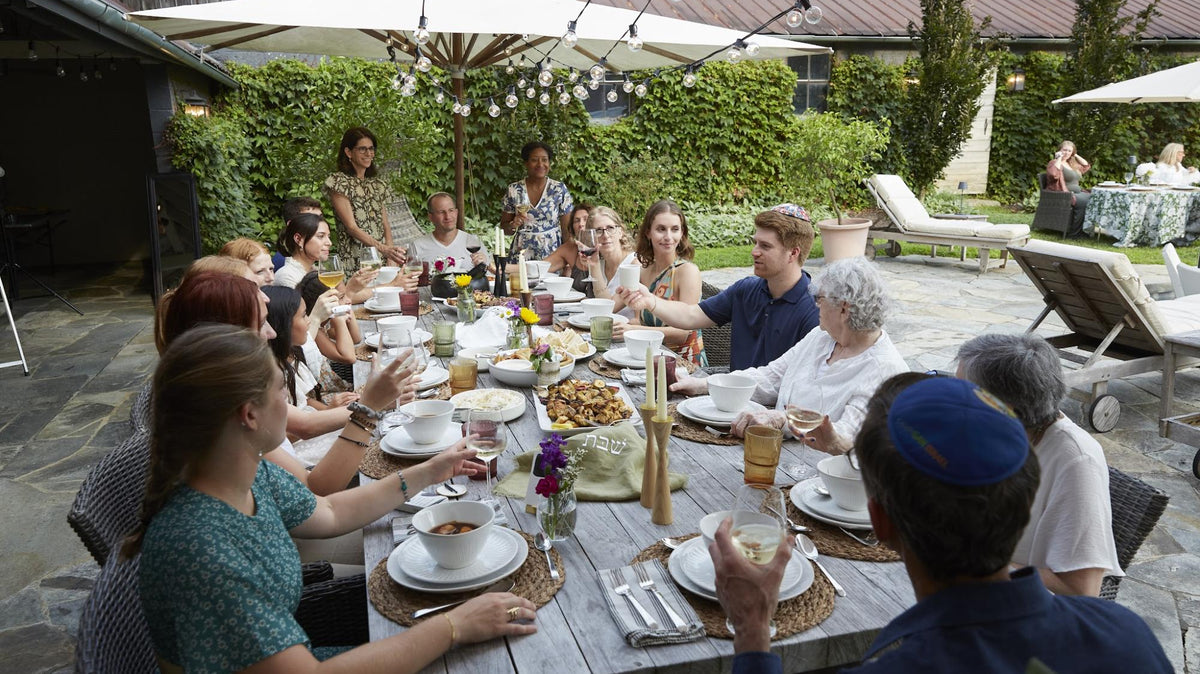
Shemini Atzeret and Simchat Torah together bring at least four festive meals, so it's worth shopping and cooking ahead rather than scrambling day-of. Beyond the usual wine and challah, some families have a custom of serving stuffed cabbage for the occasion. A well-set table also just makes the meals feel like the occasion they are.
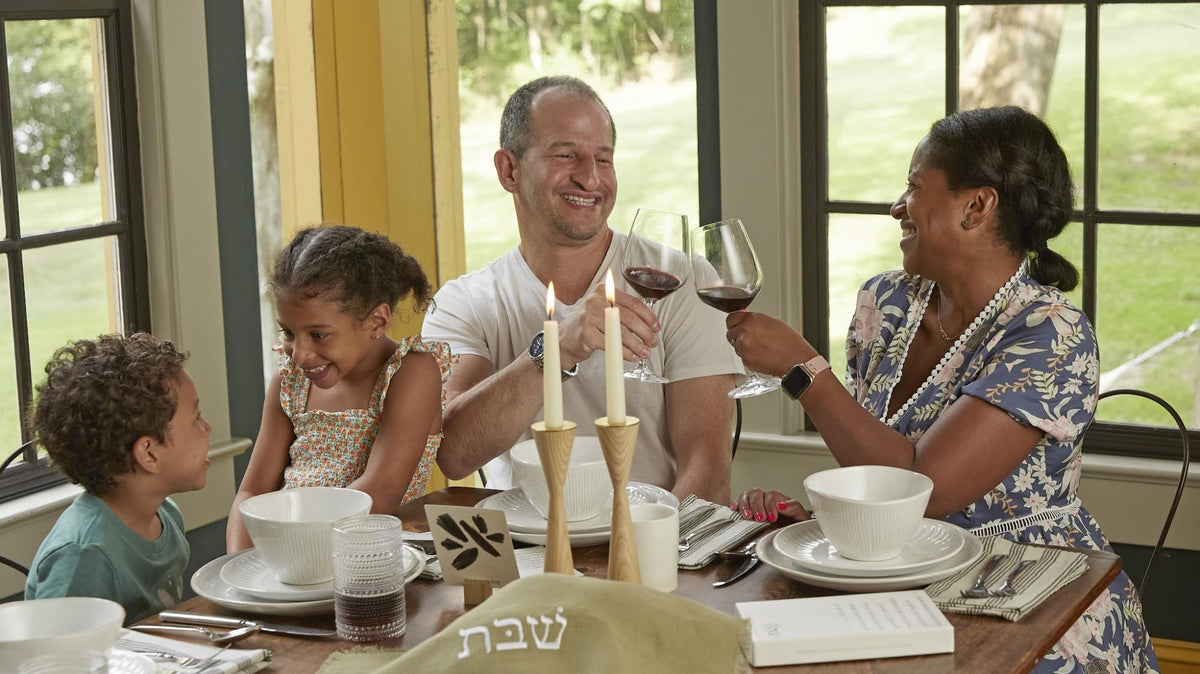
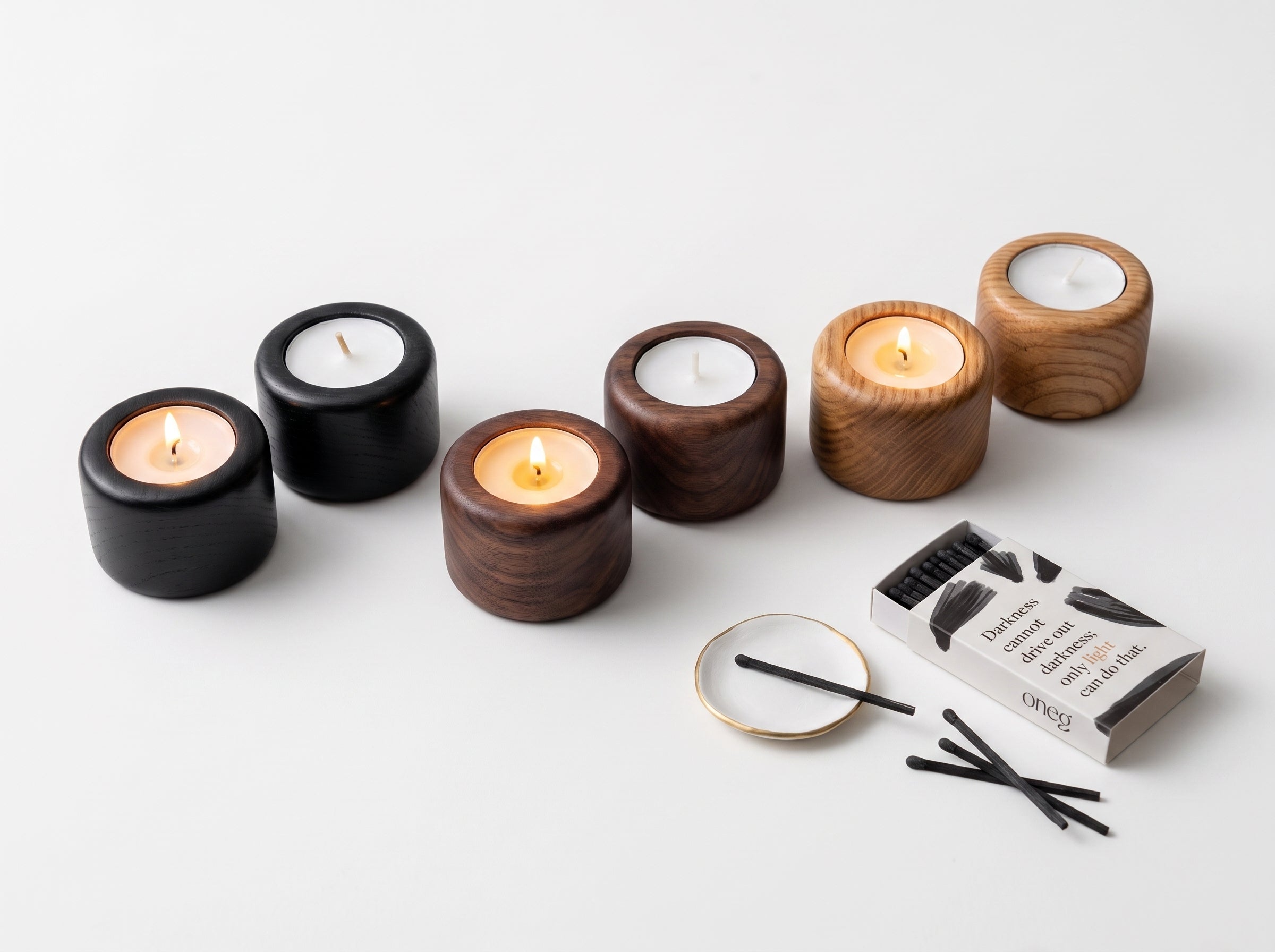
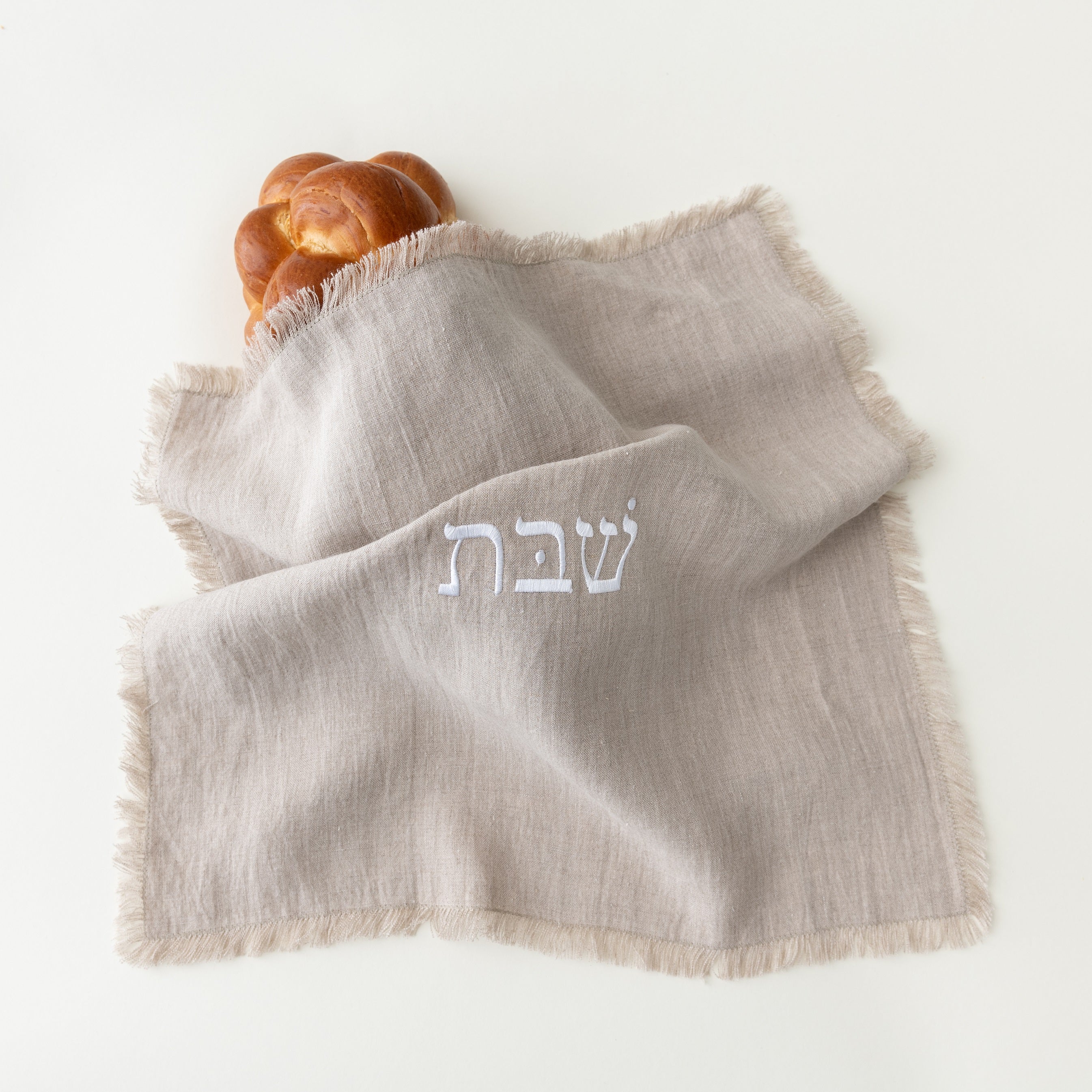
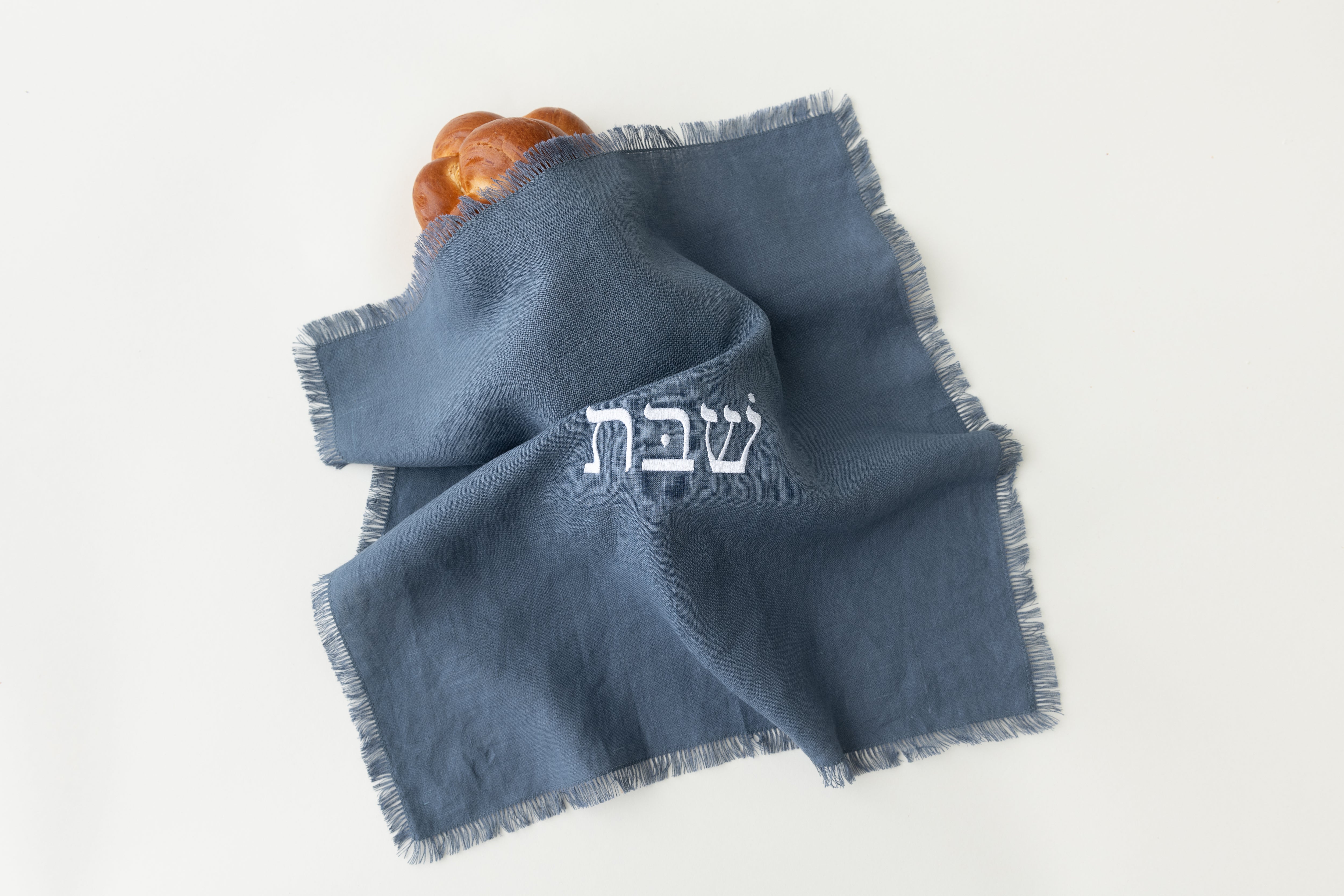
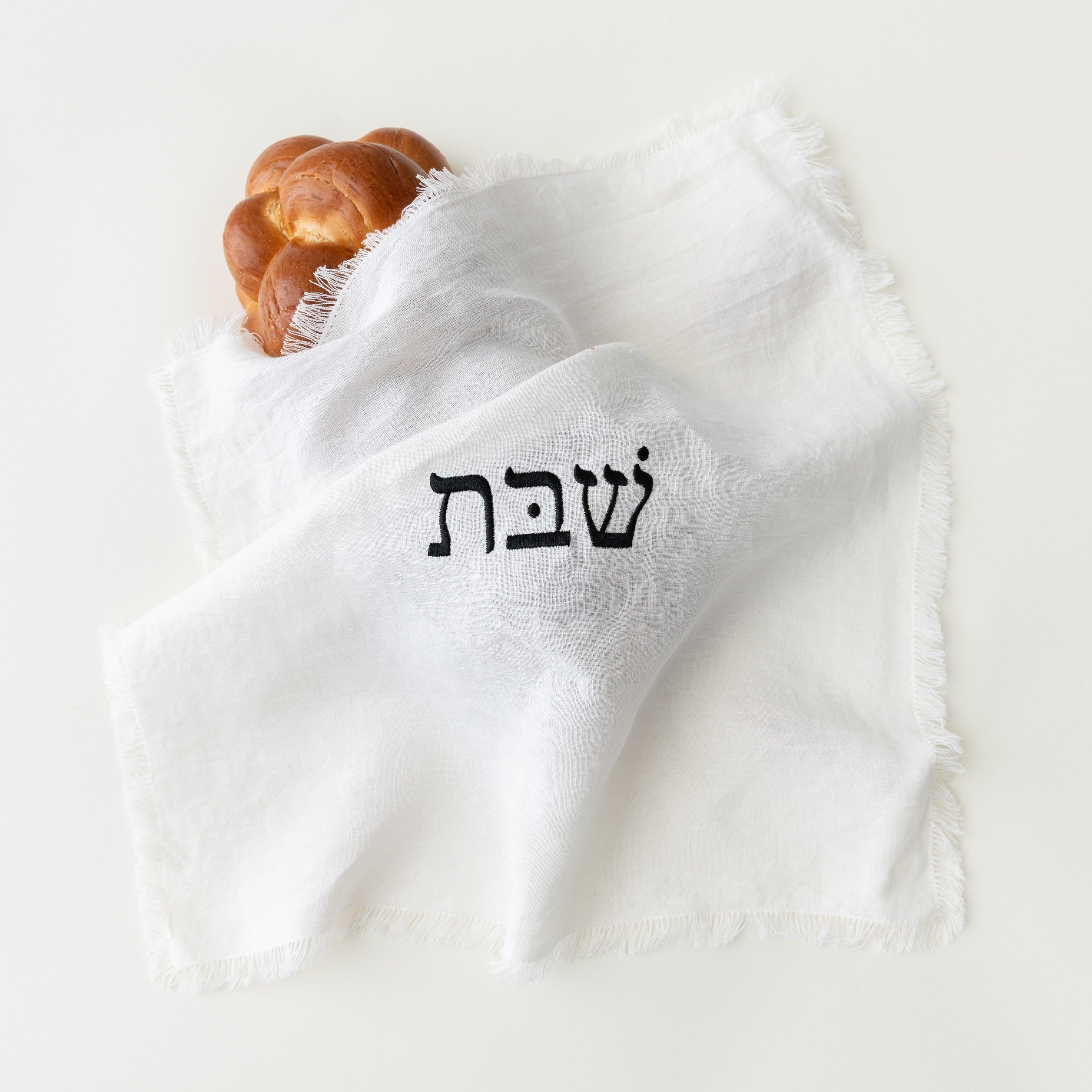
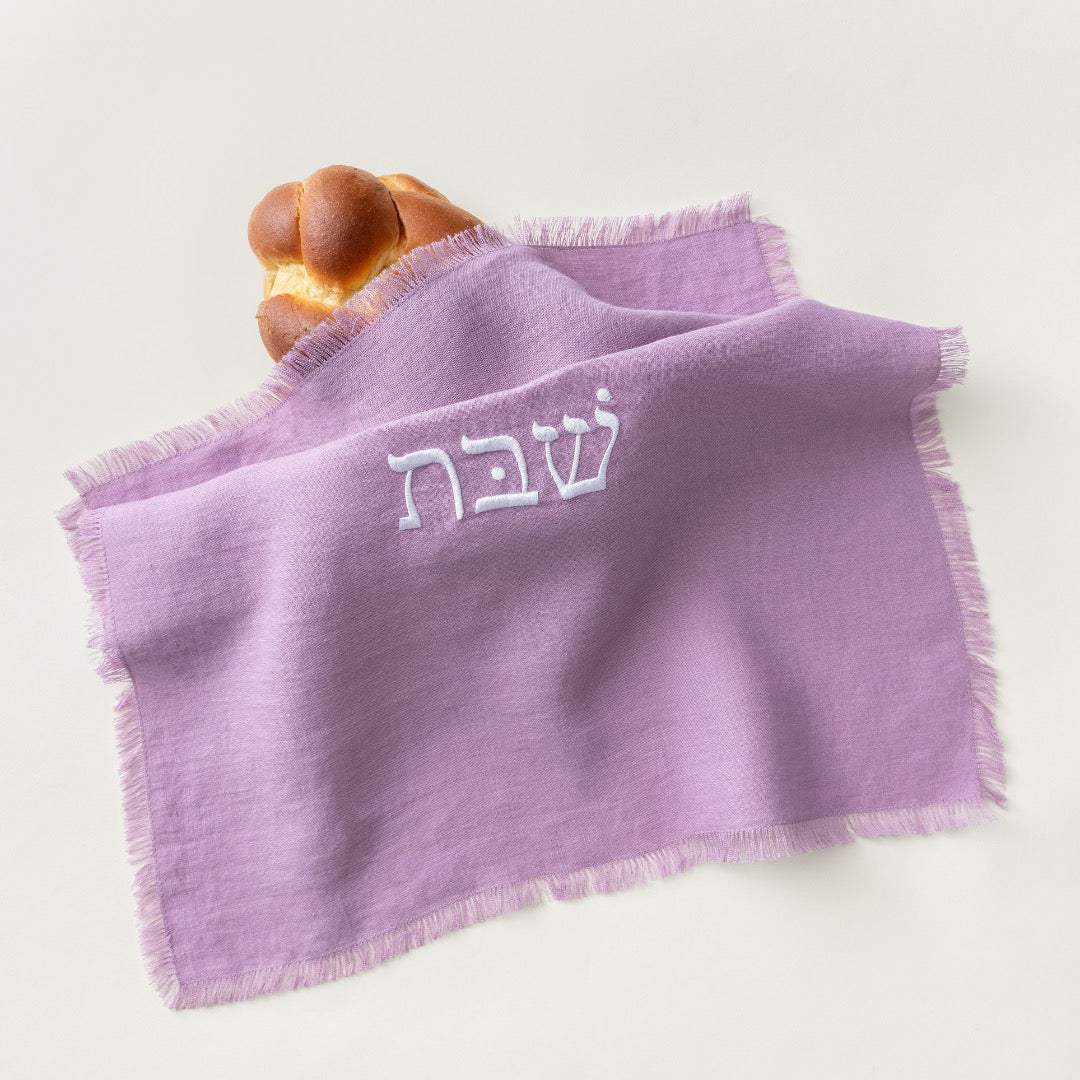
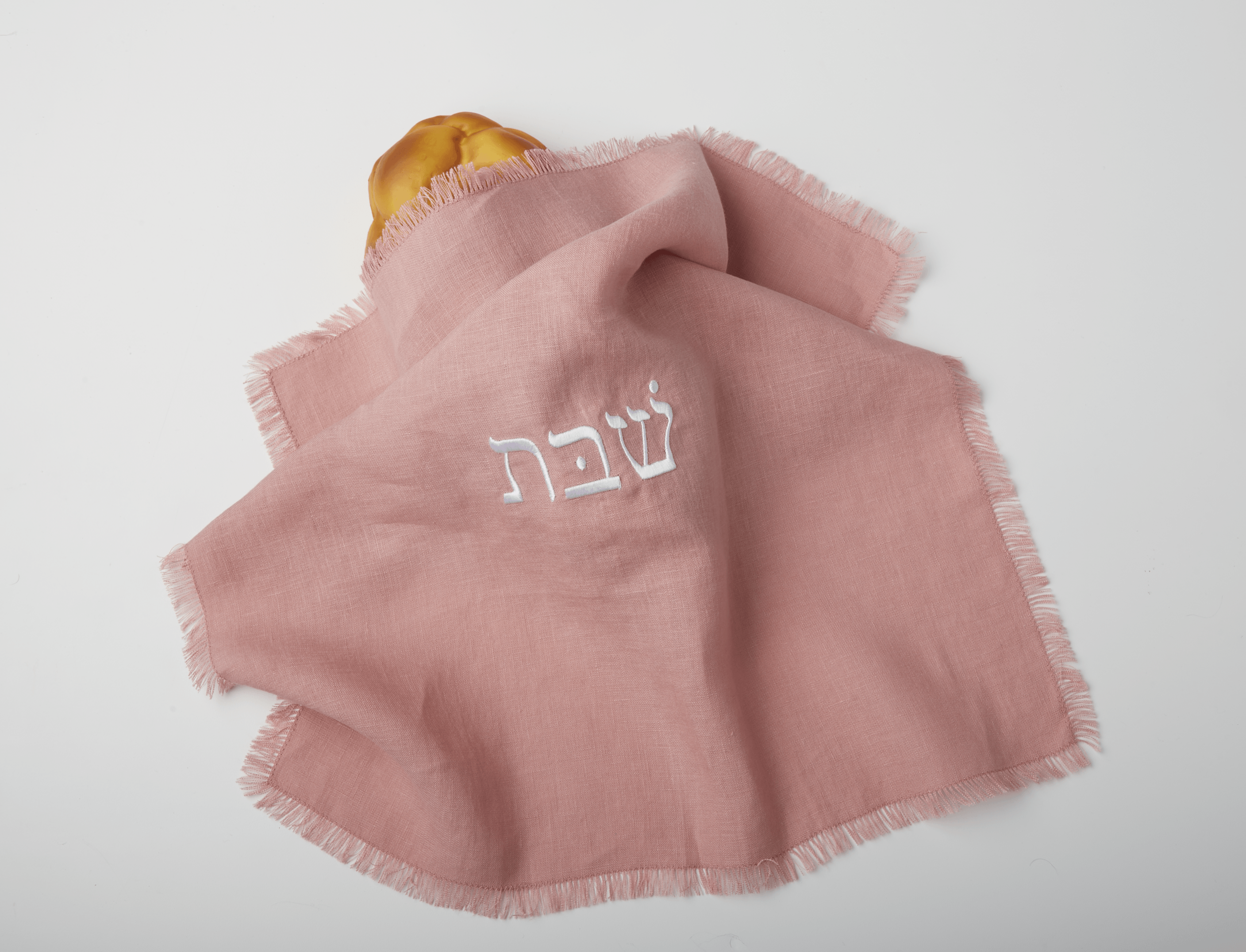
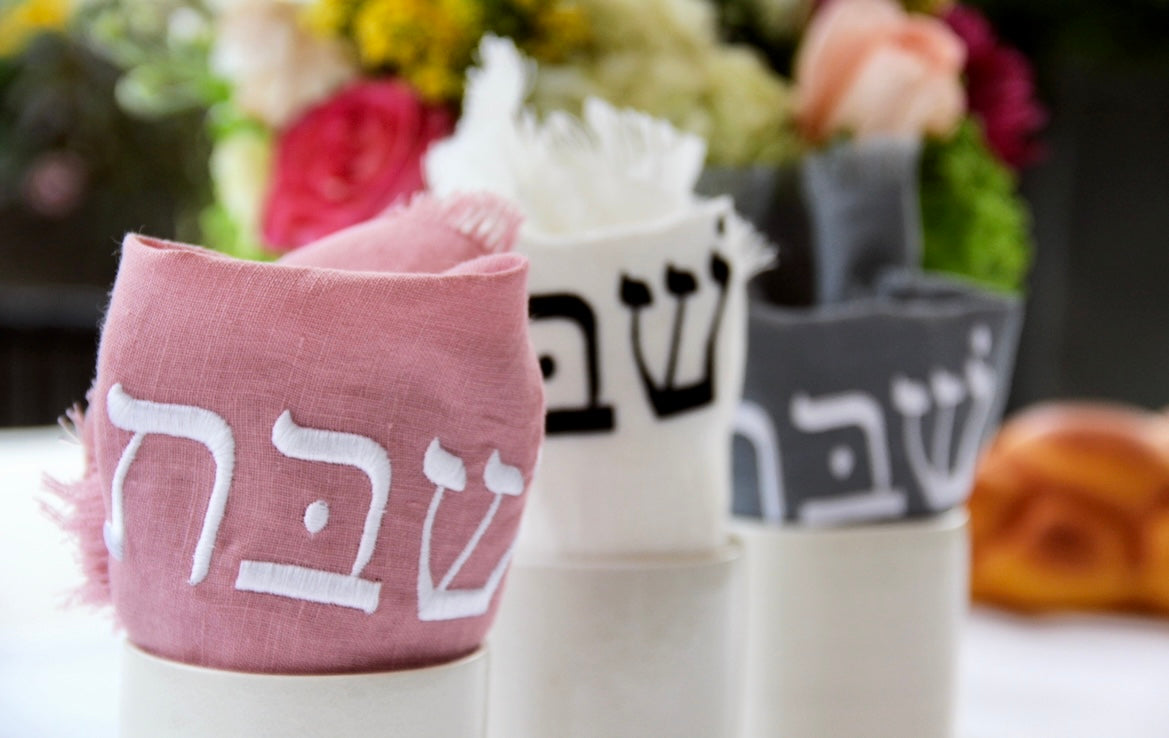
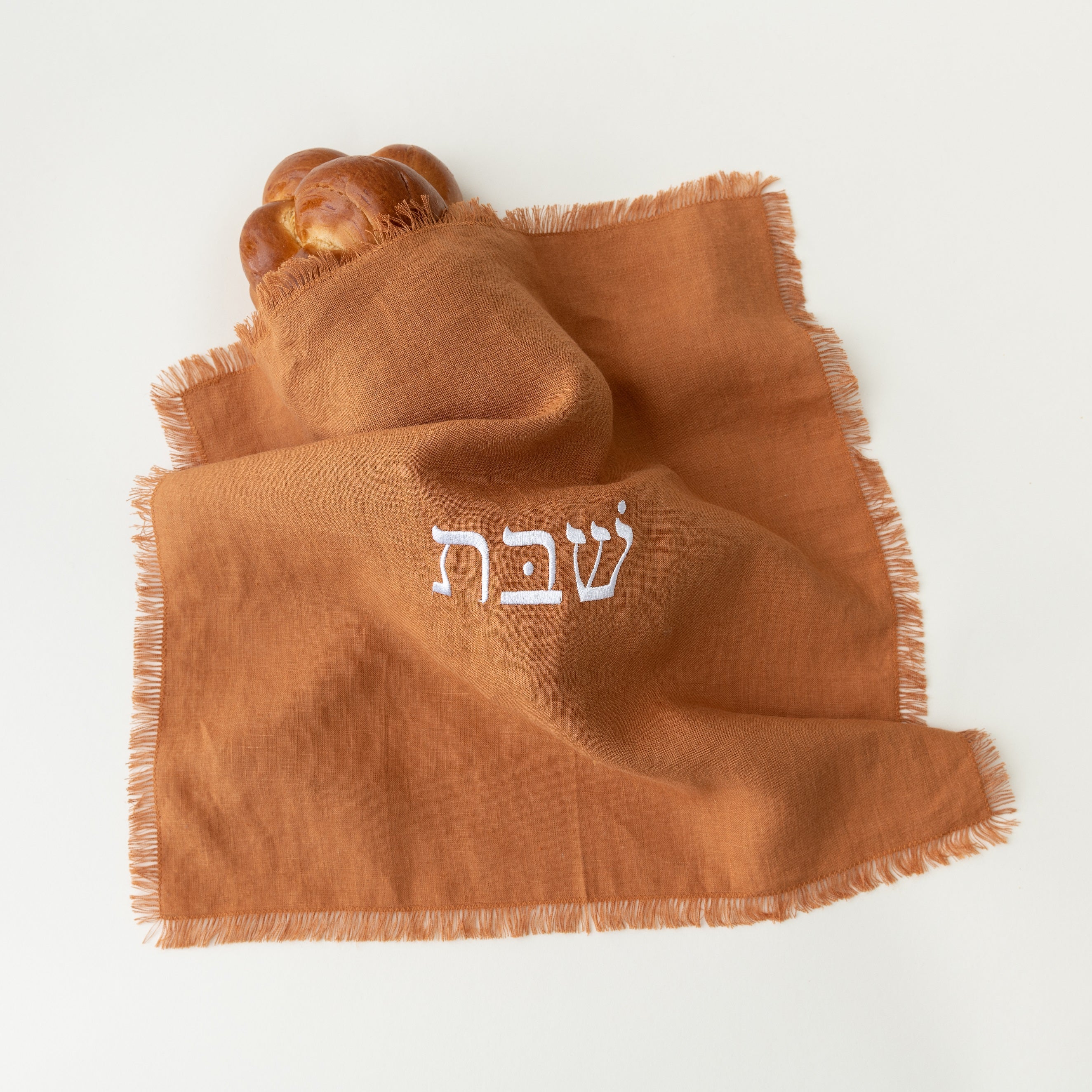
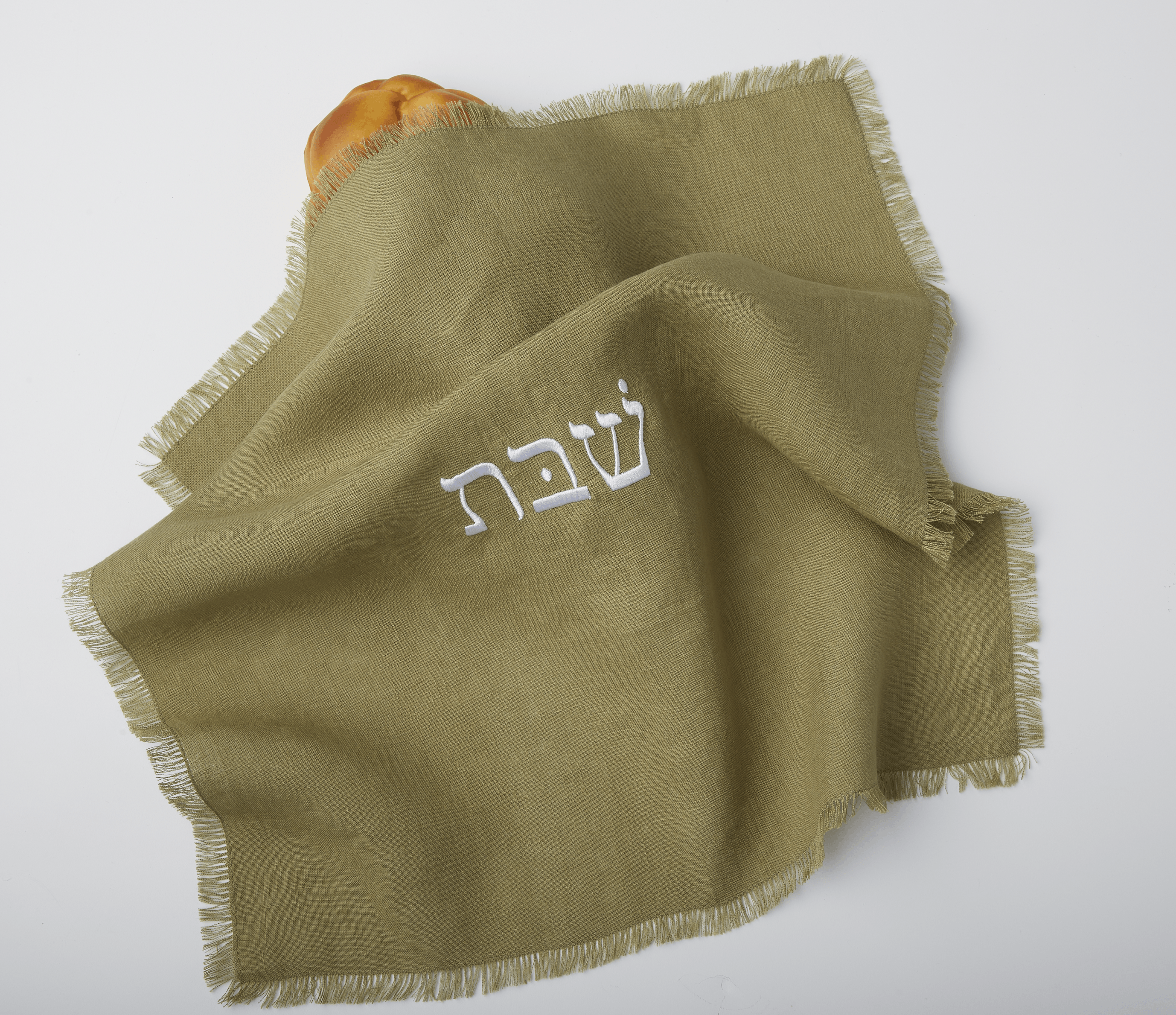
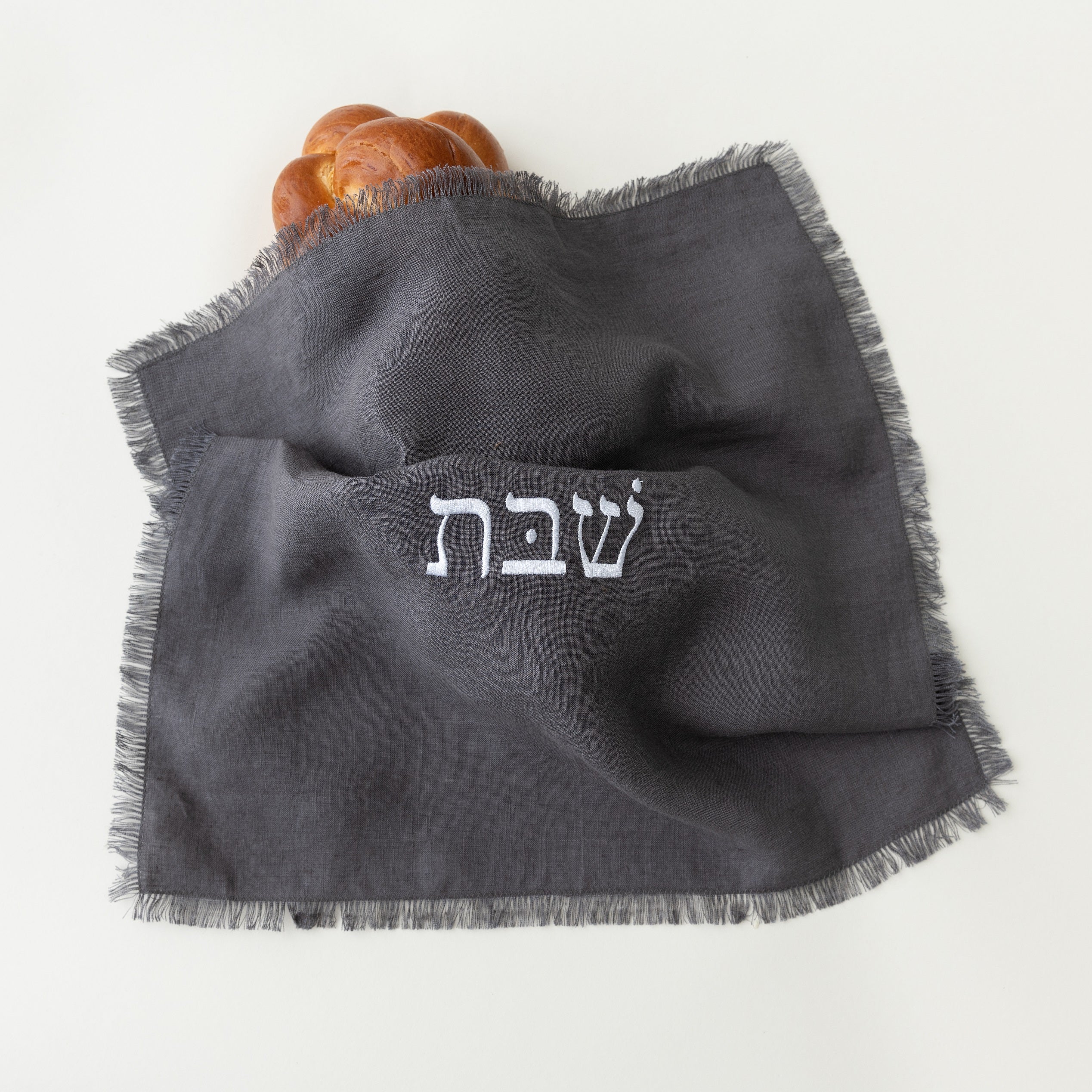
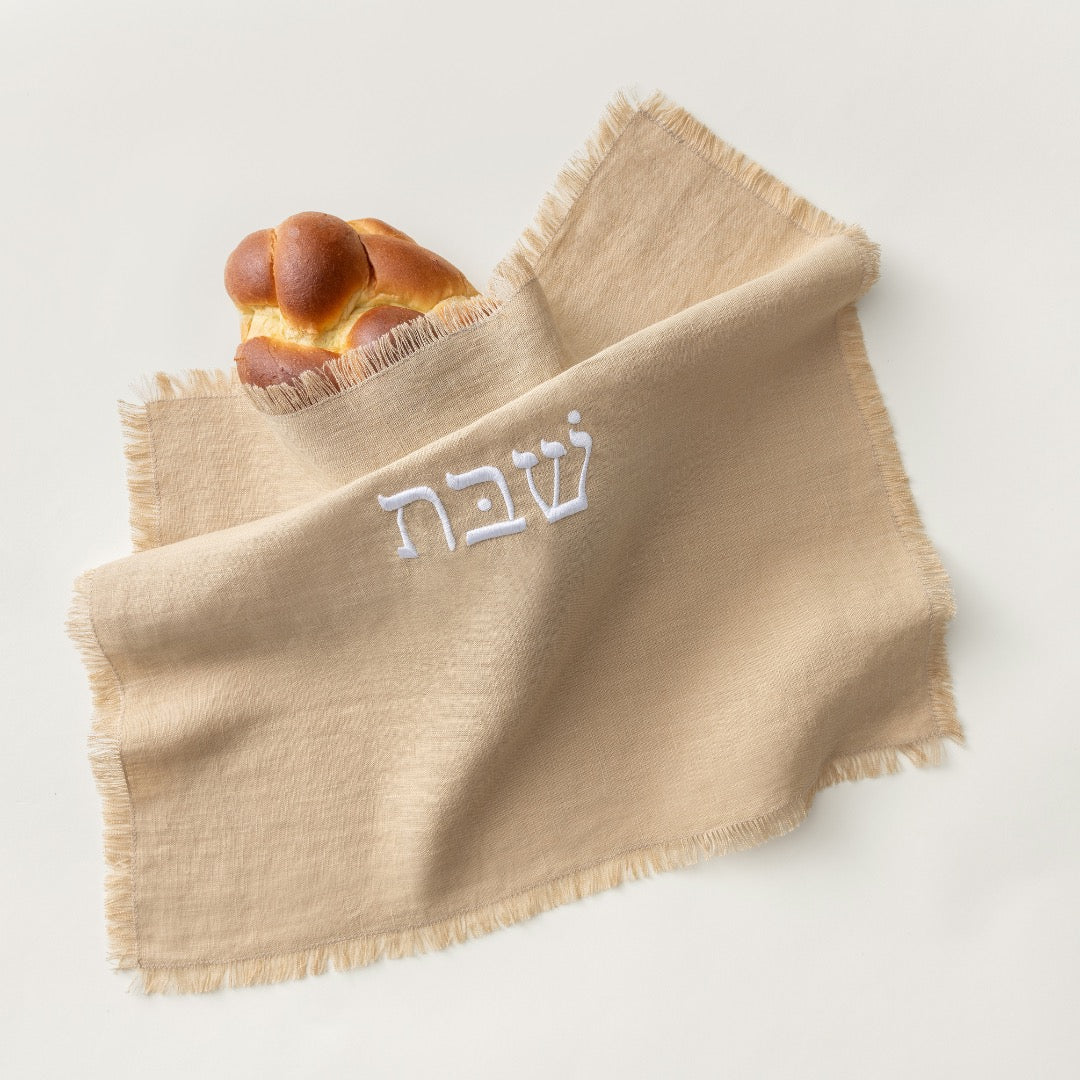
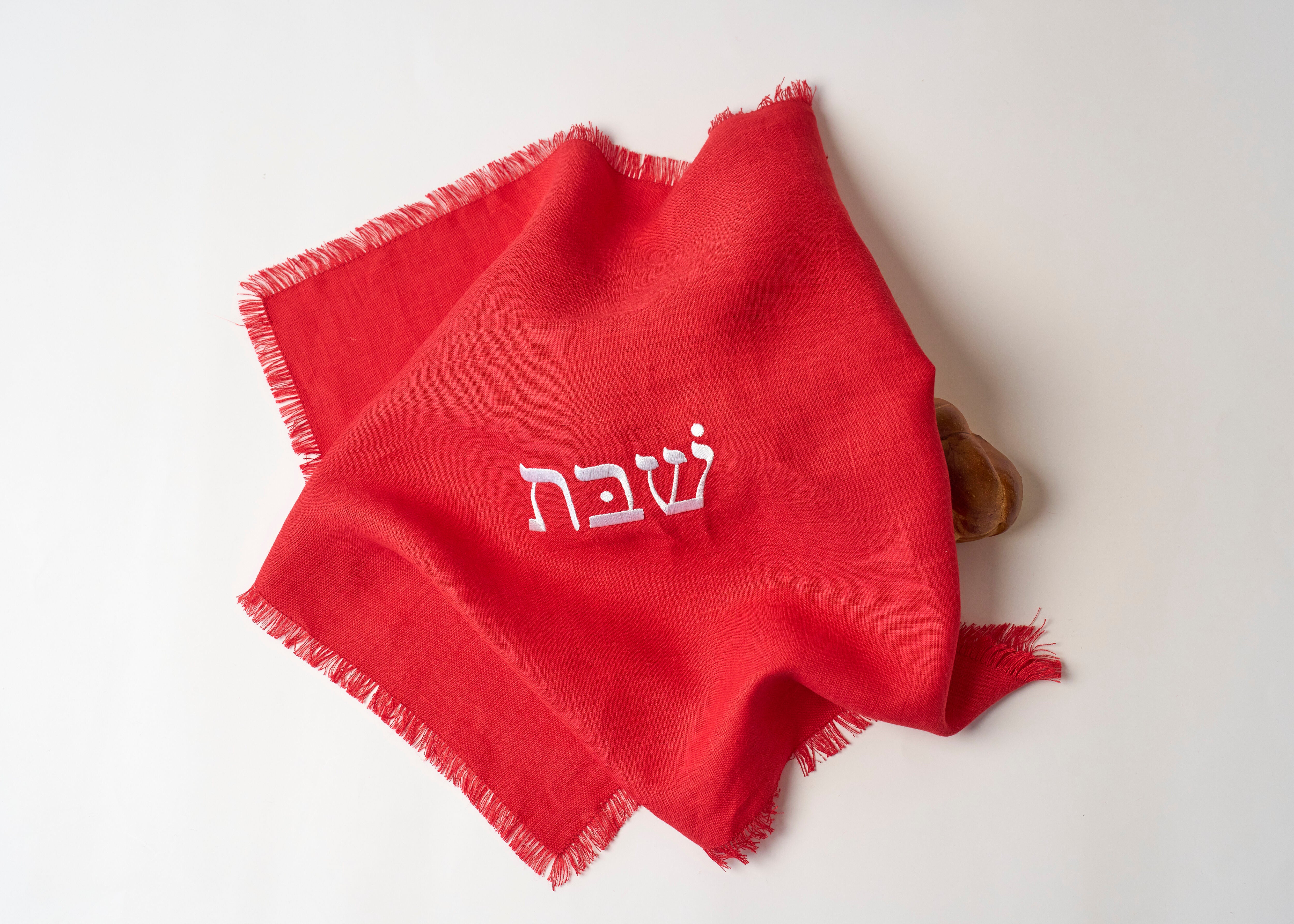
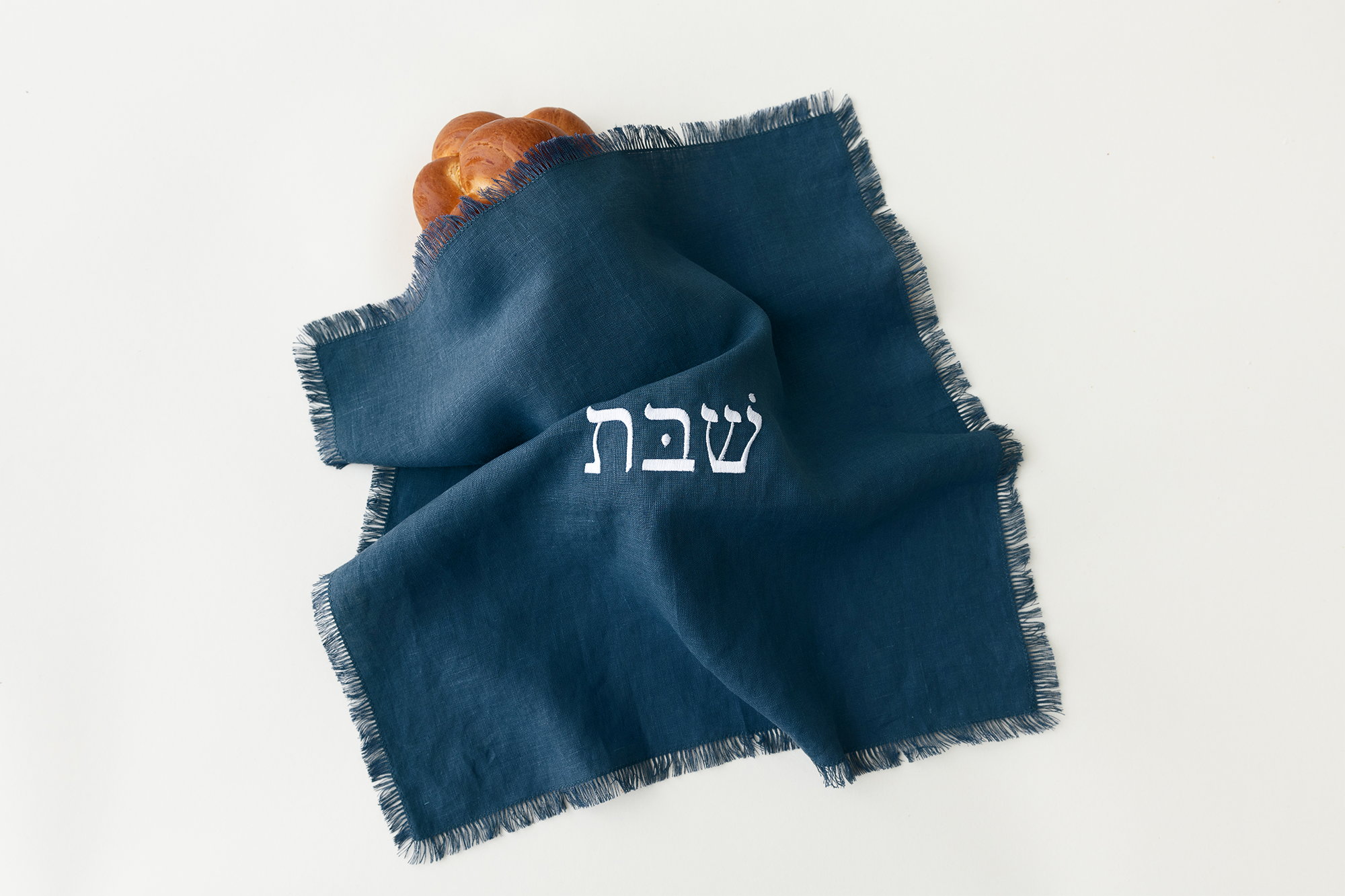
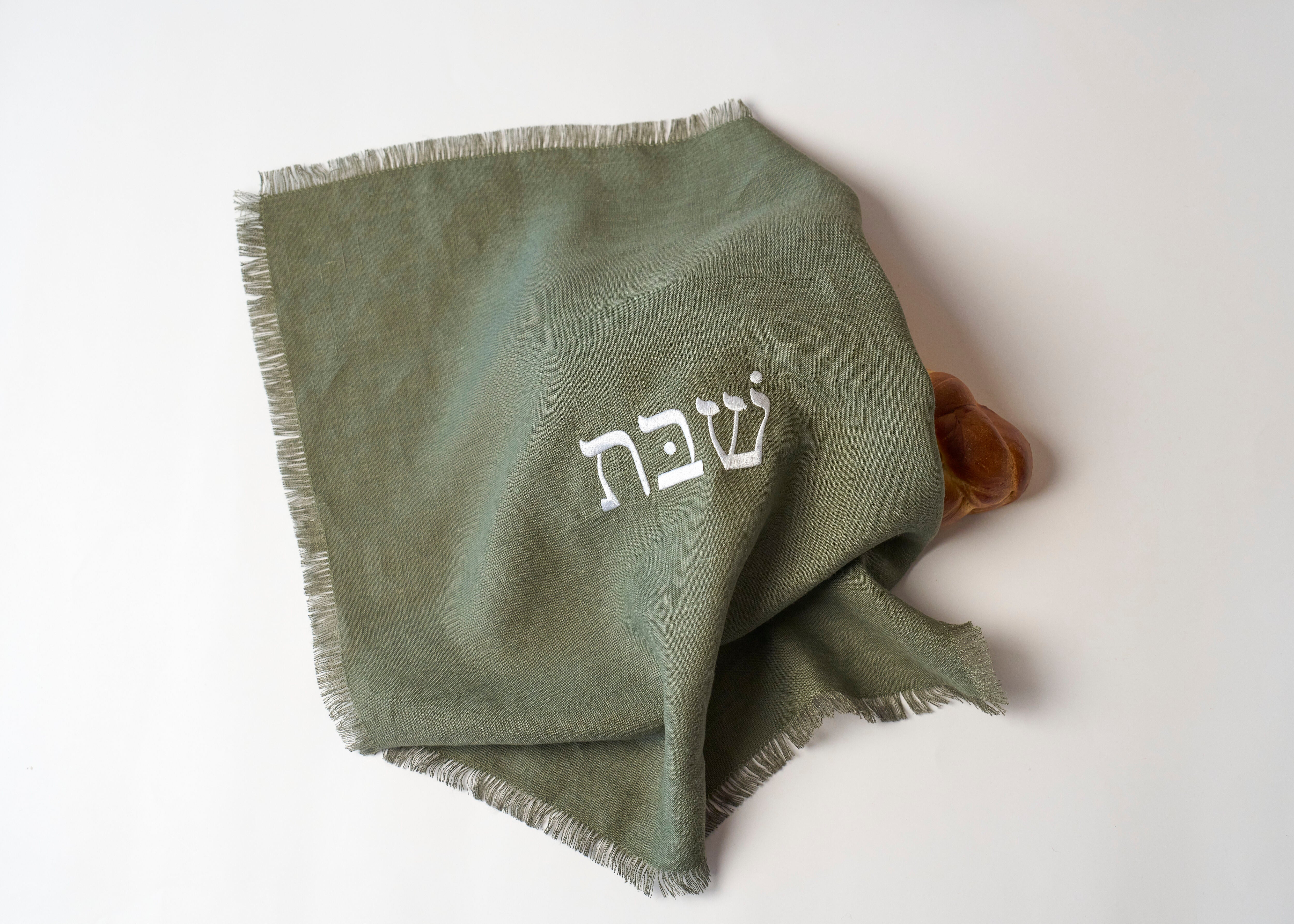
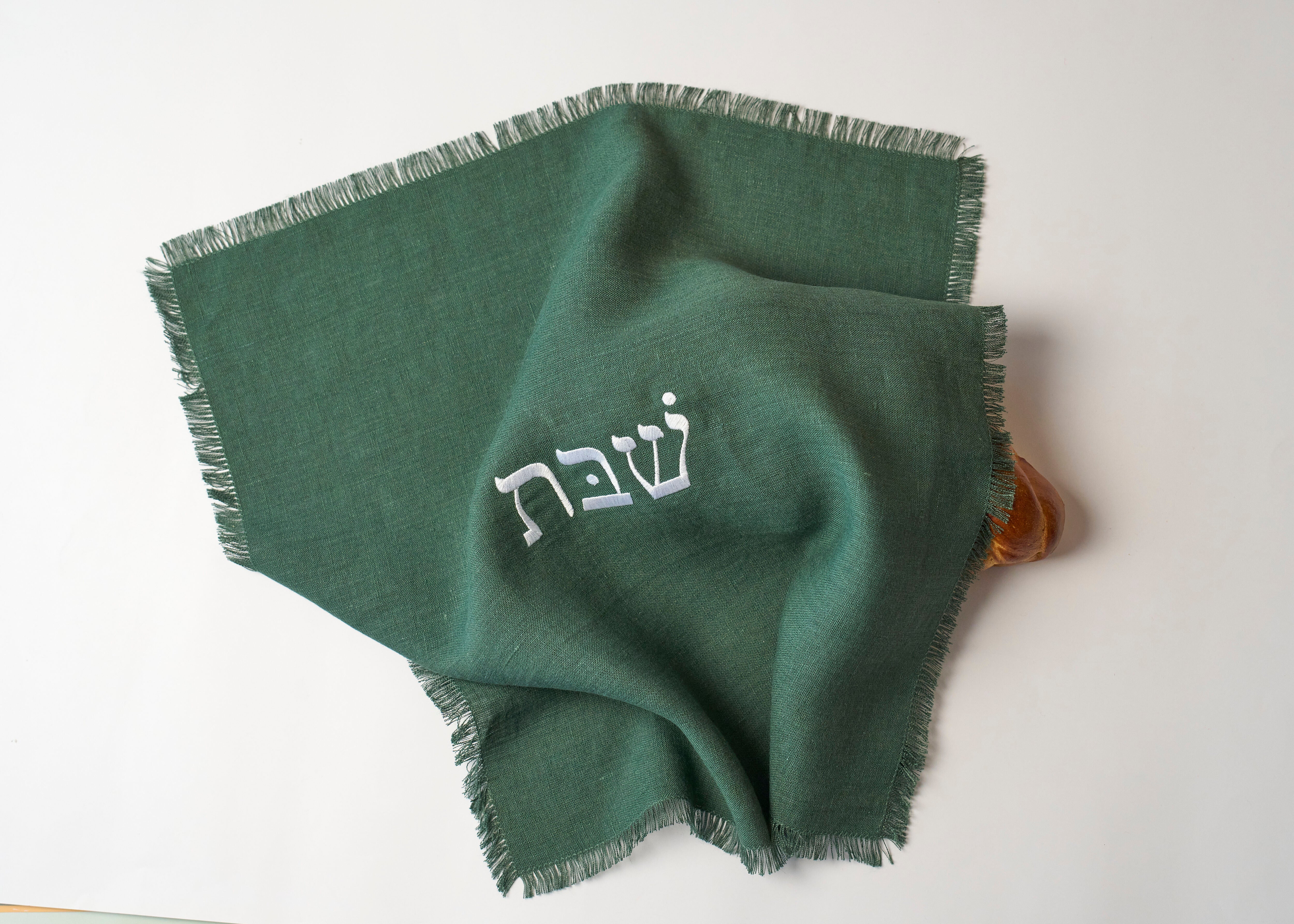
Worth setting out: Oneg's Shabbat Candleholders (https://oneghome.com/collections/high-holidays-gift-guide/products/candleholders) and Handmade Ceramic Kiddush Cup (https://oneghome.com/collections/high-holidays-gift-guide/products/kiddush-cup) are worth pulling out for the extra rounds of Kiddush this holiday calls for, and a Shabbat Challah Cover (https://oneghome.com/collections/shop-all-1/products/challah-covers) dresses up the table for the run of festive meals.
Bring the Joy Home
Not everyone is attending a full hakafot in a sanctuary; plenty of families build their own version at home. The idea is to bring that same Simchat Torah energy into your own space - dancing with a Chumash if there's no scroll on hand, singing, and letting kids parade their flags around the living room. It's also a natural moment to look back at the year that's ending and think ahead to the one beginning.
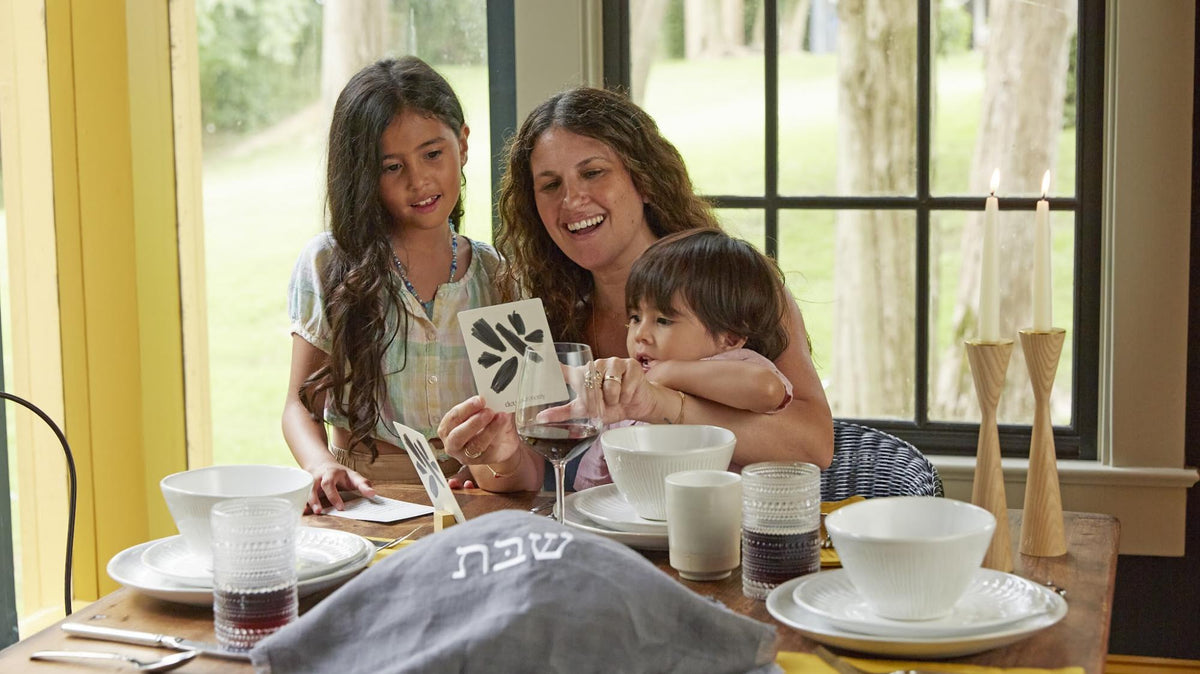
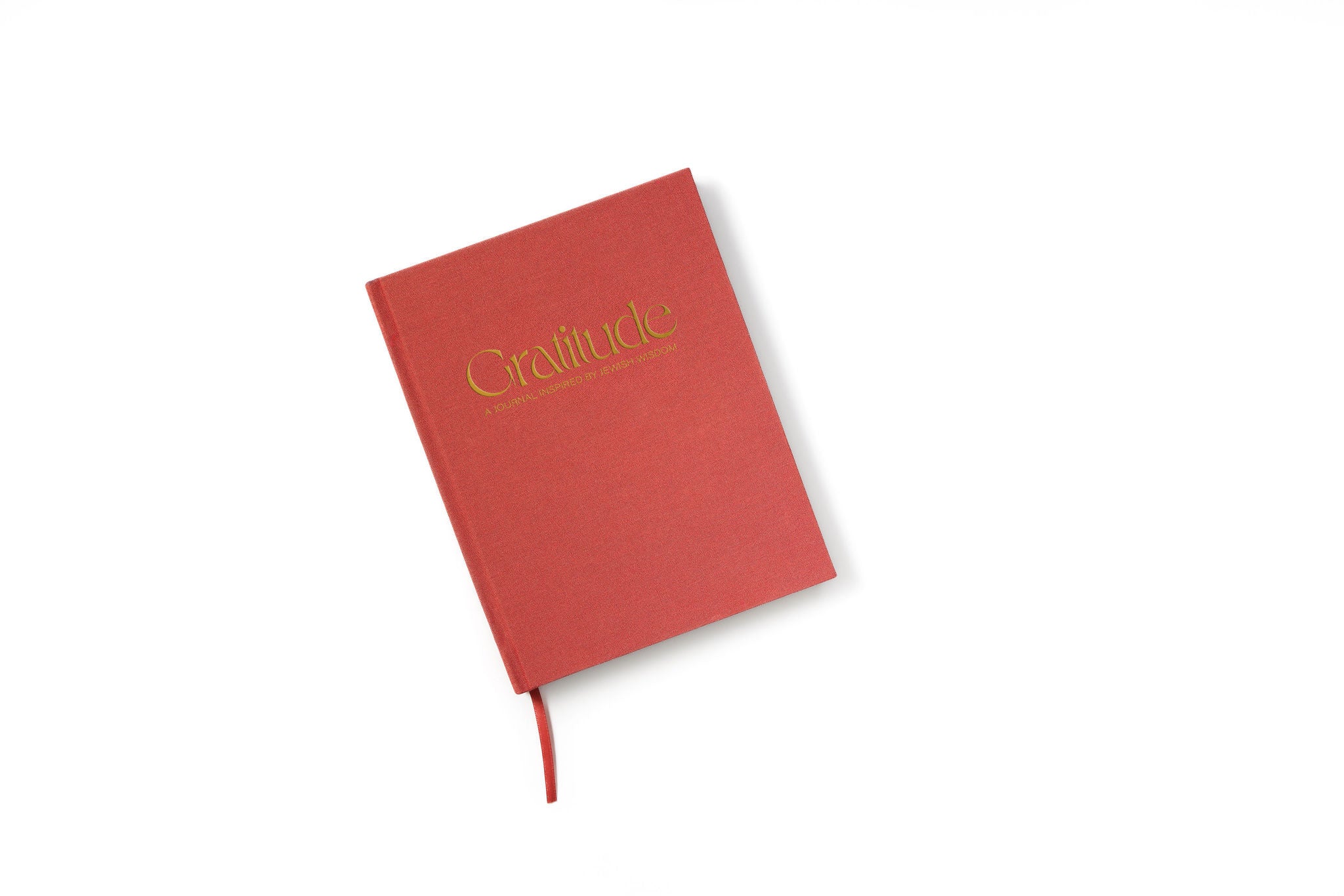
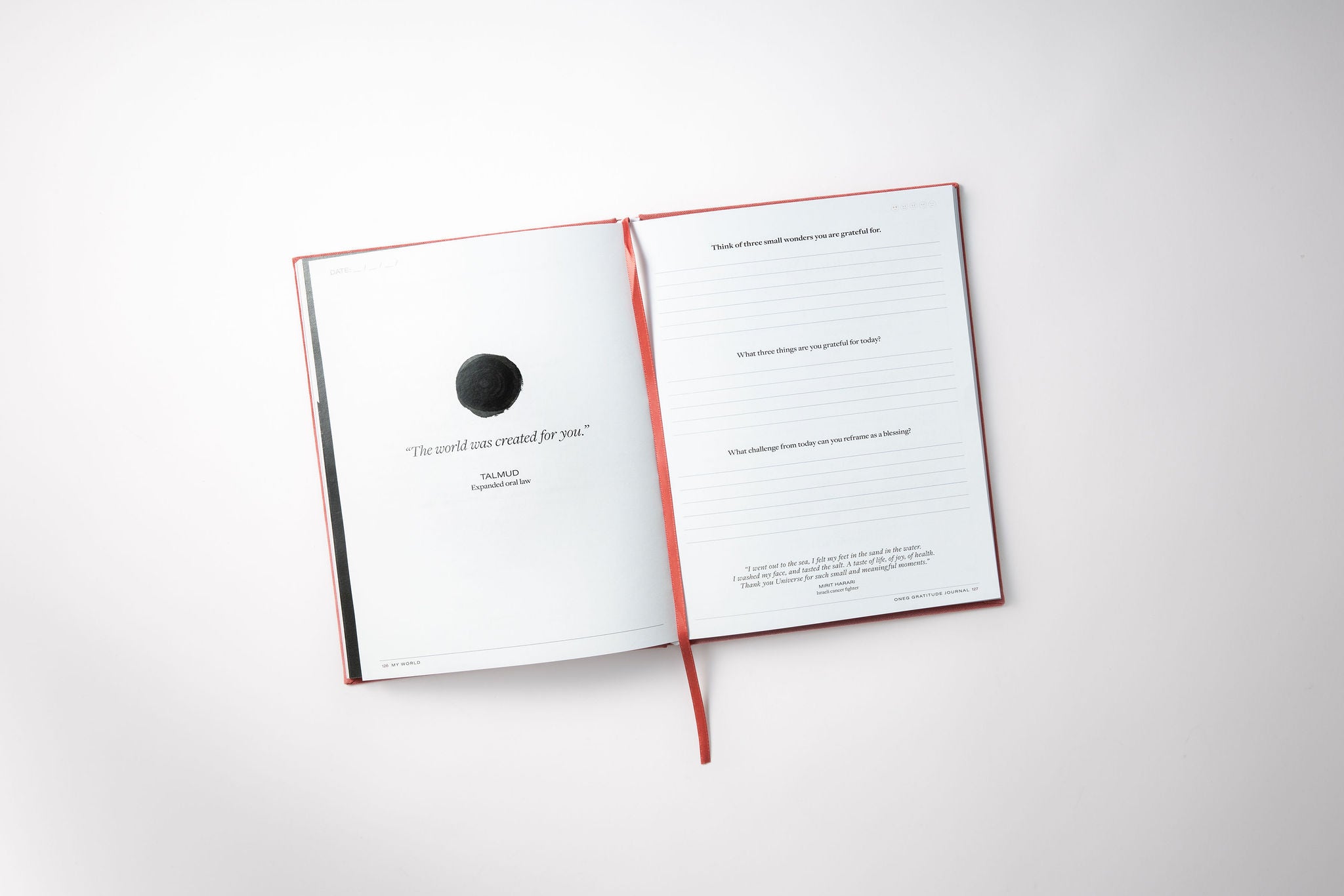
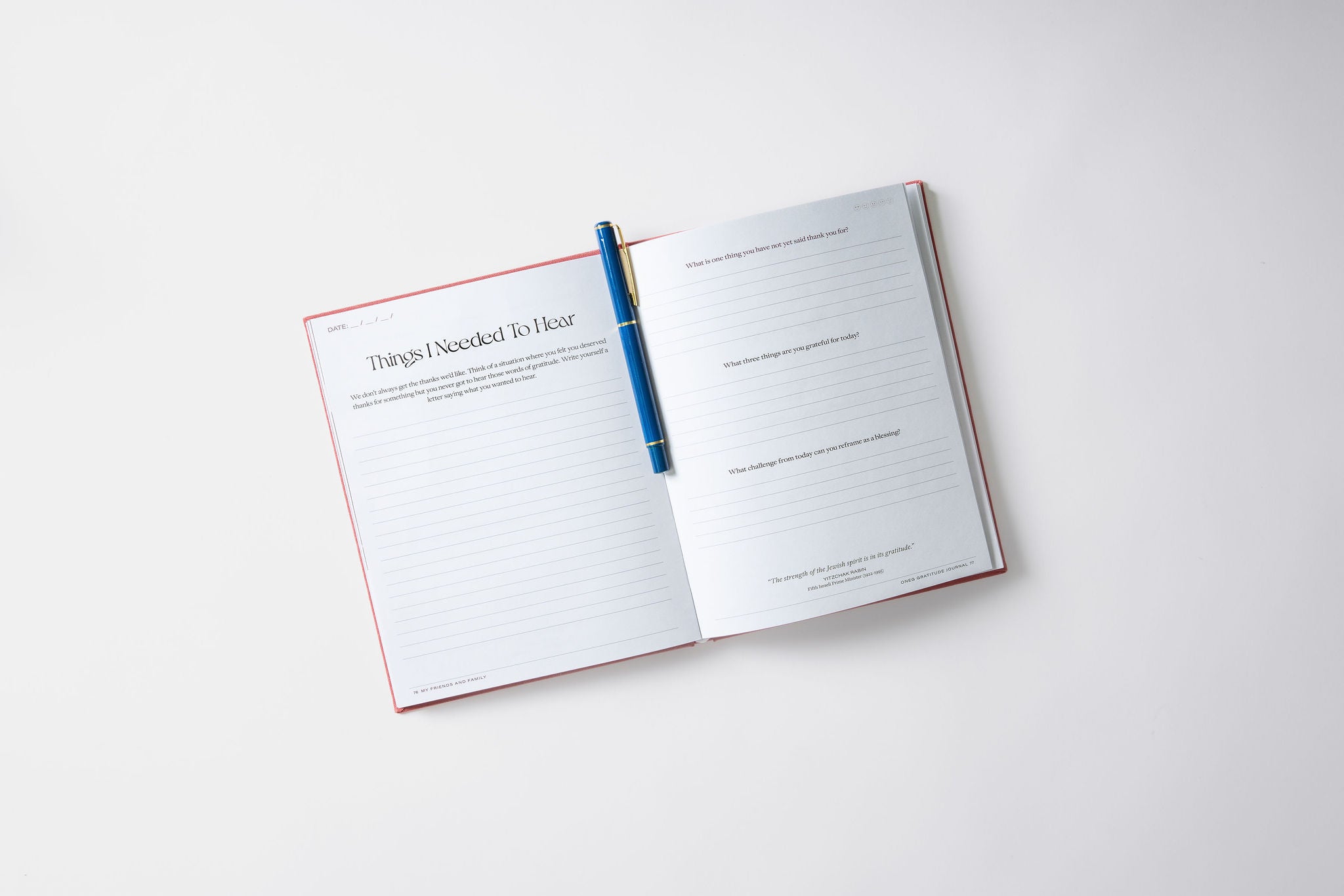
Worth setting out: Oneg's Jewish Gratitude Journal (https://oneghome.com/collections/high-holidays-gift-guide/products/gratitude-journal) pairs well with that kind of reflection, and a set of Shabbat Conversation Cards (https://oneghome.com/collections/high-holidays-gift-guide/products/conversation-cards) can prompt it at the table between courses.
Don't Forget the Practical Stuff
-
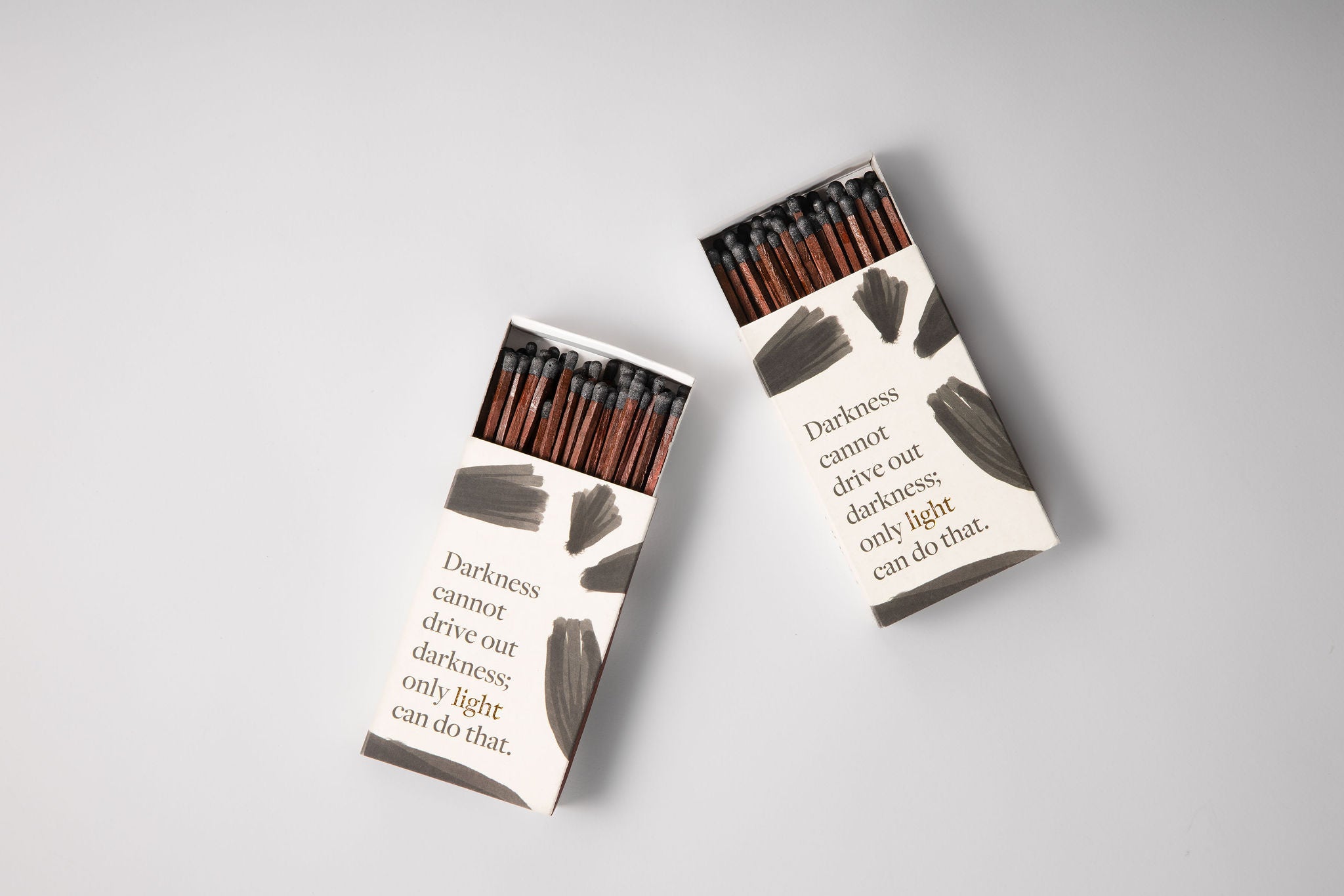
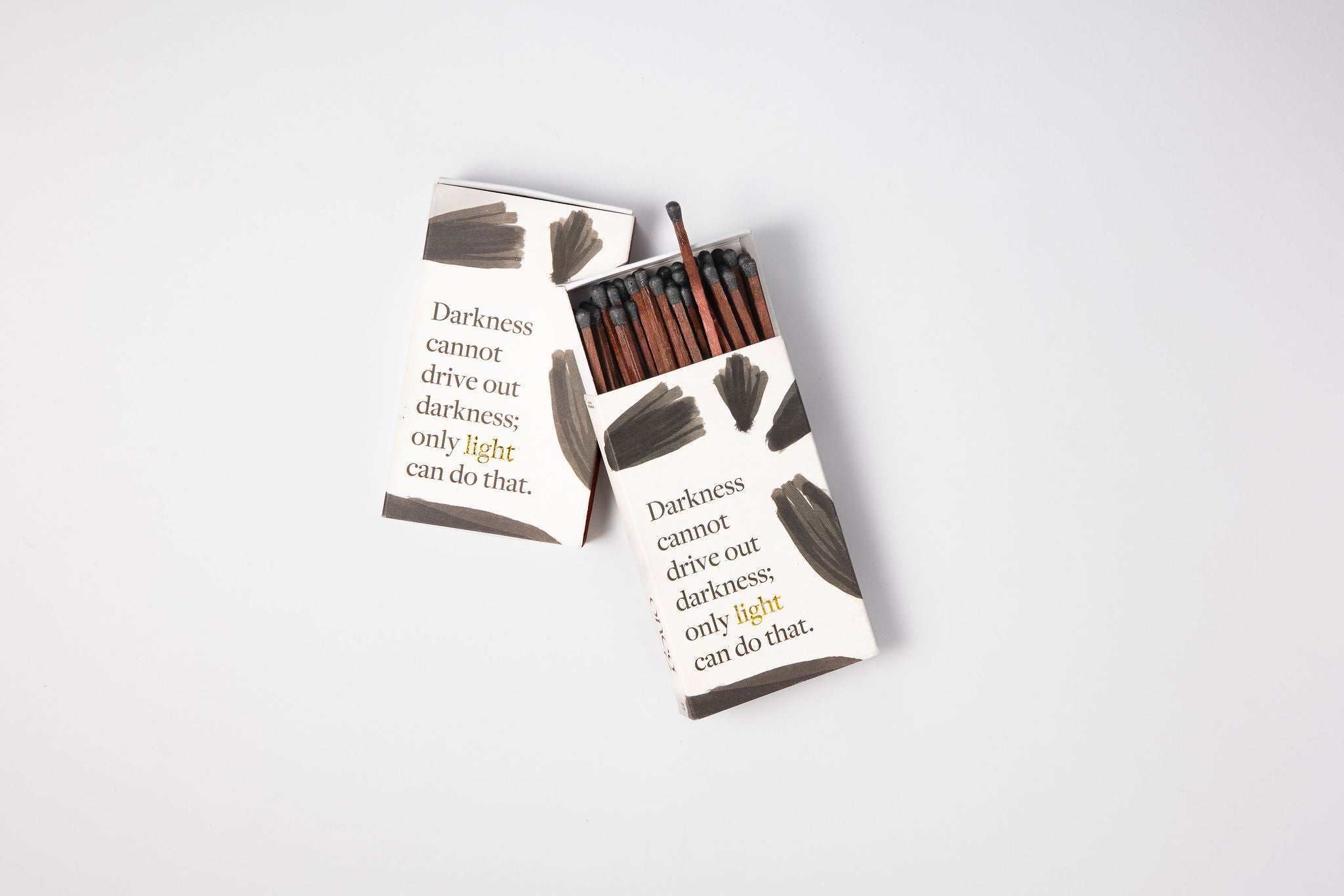
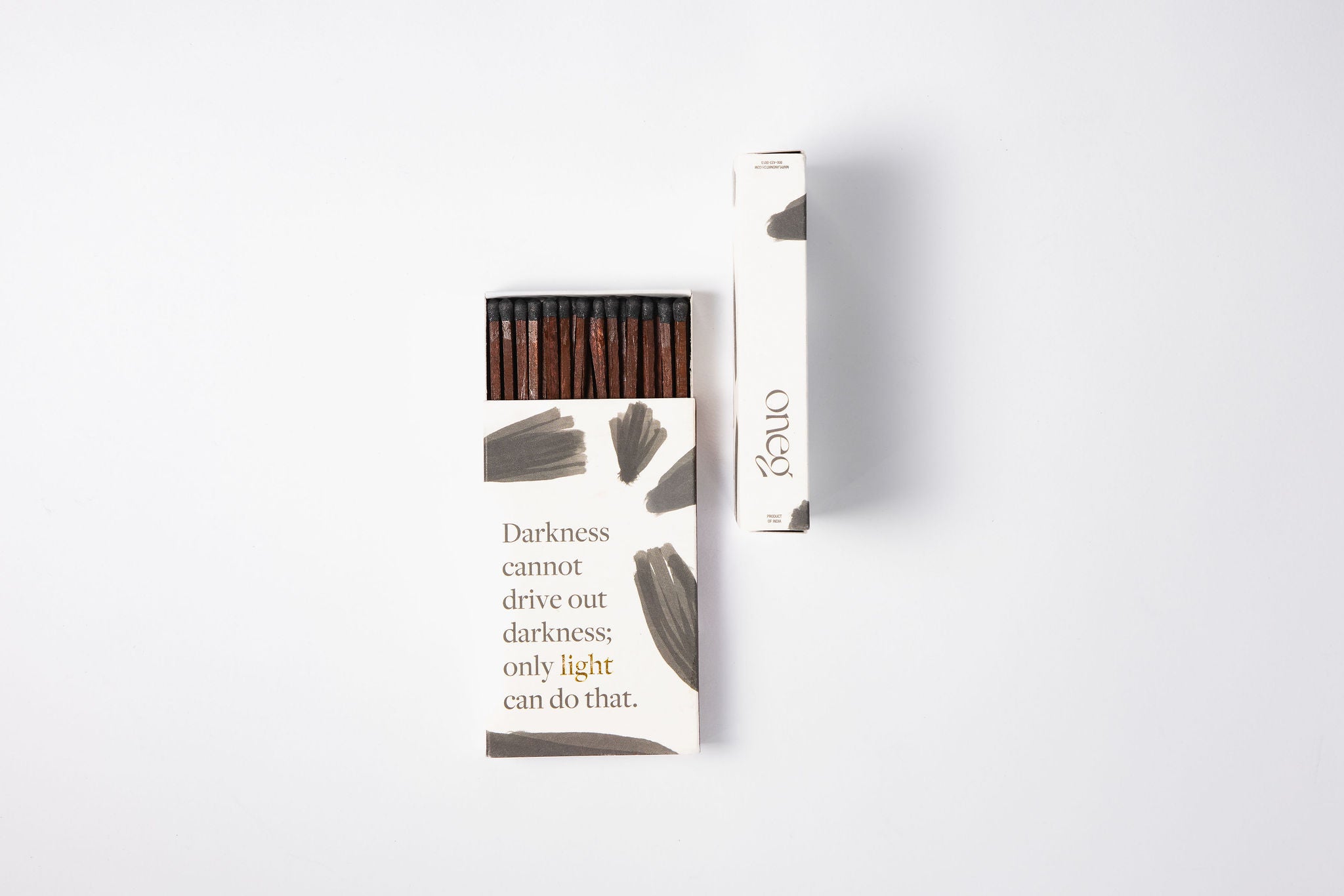
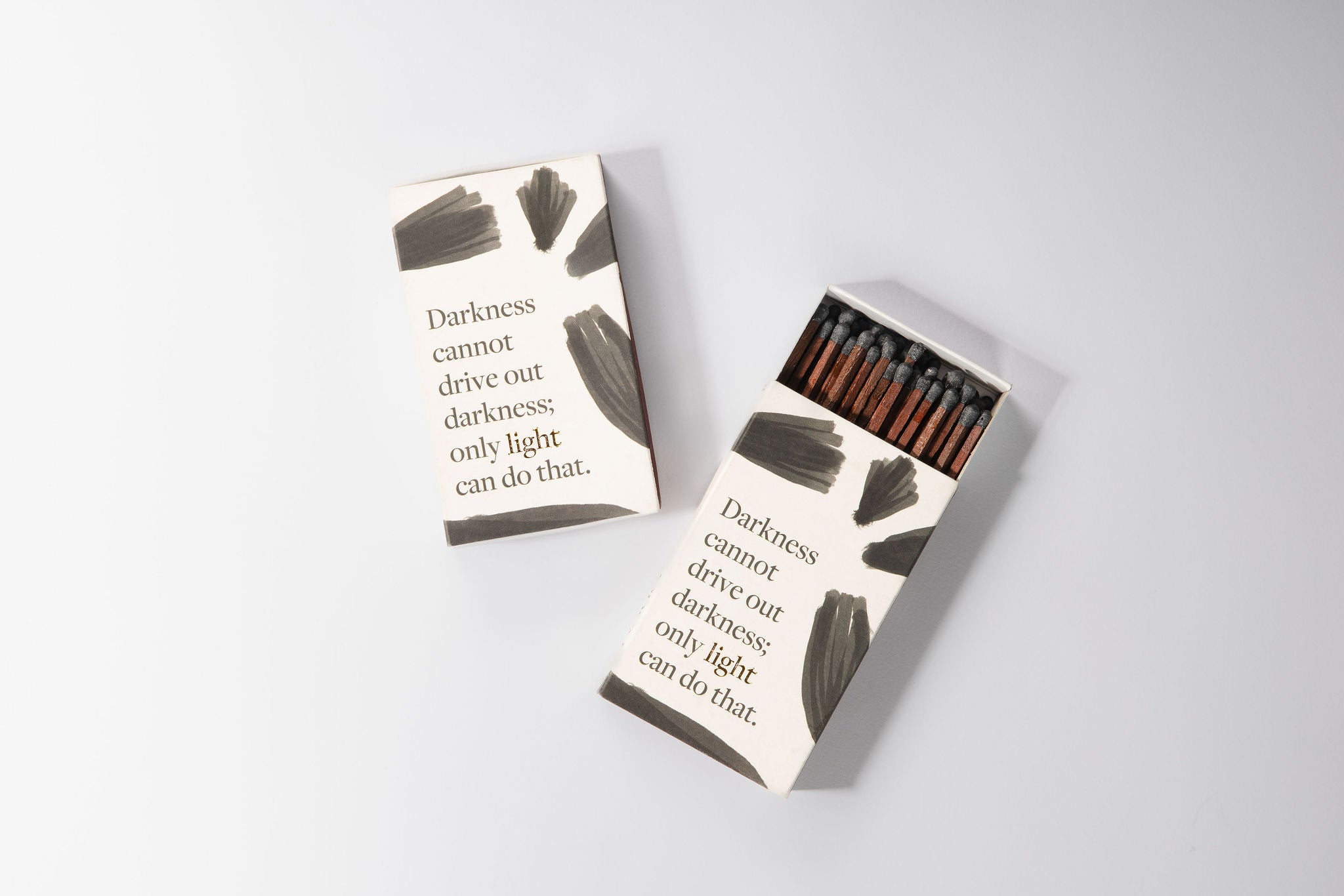
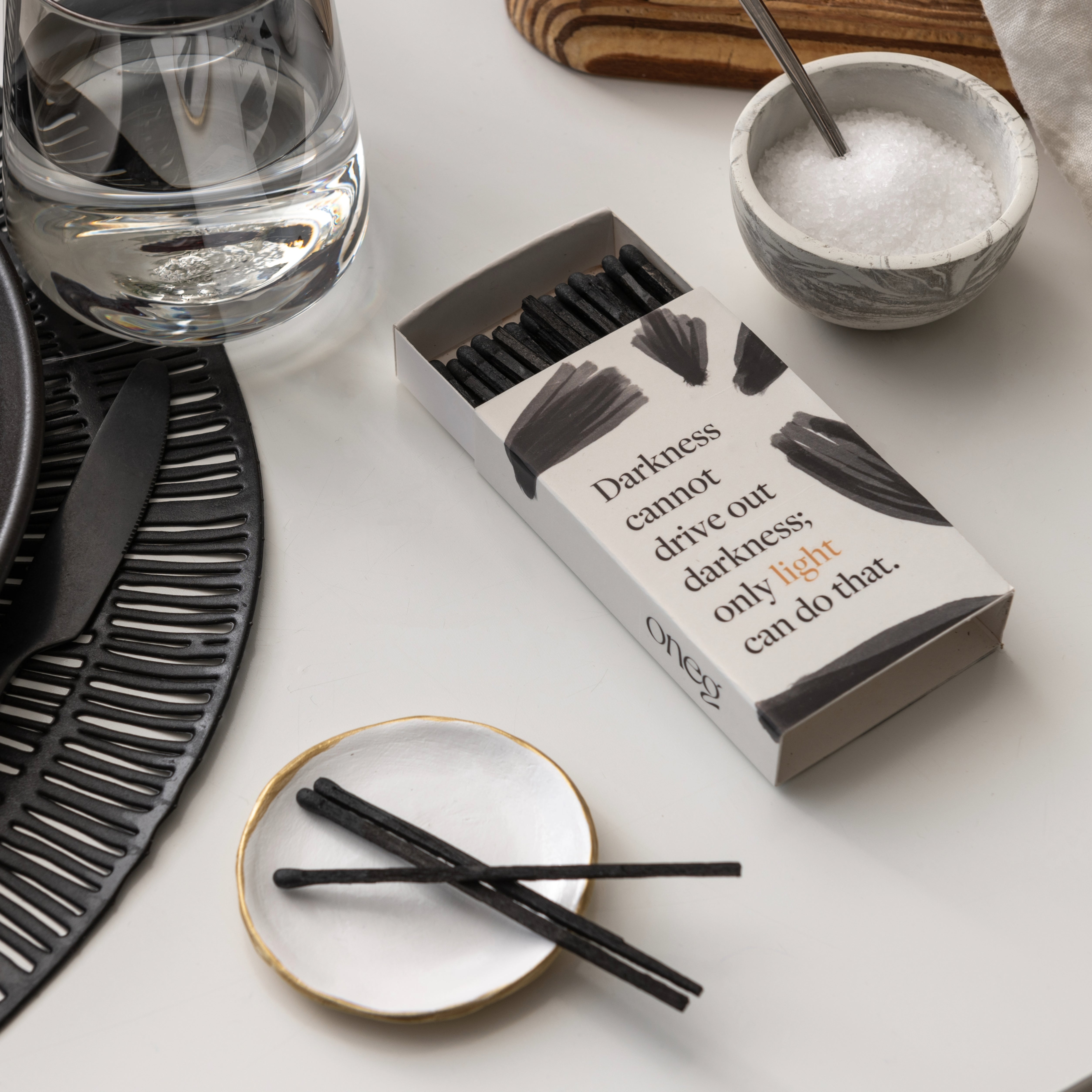
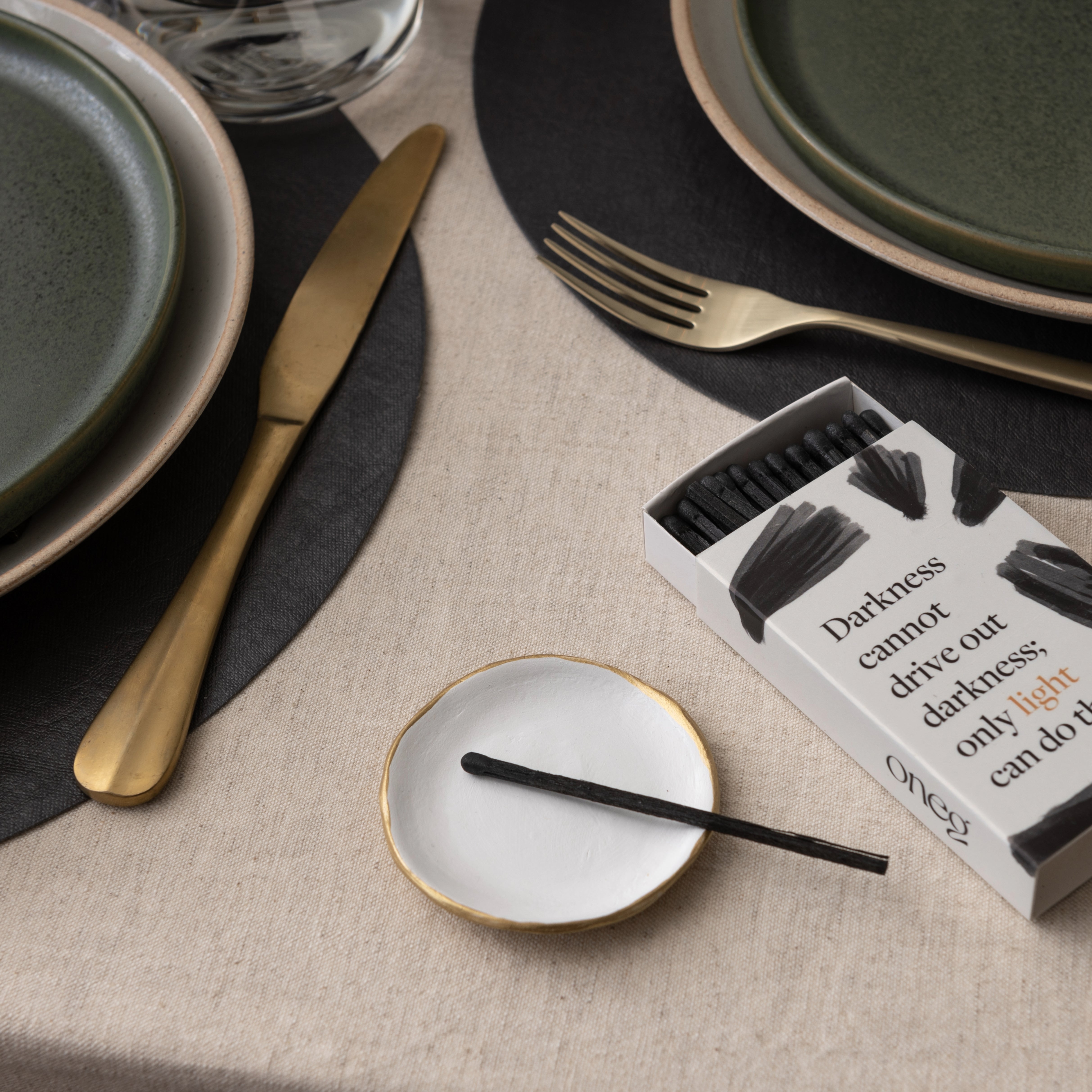
Stock up on candles, matches, and wine or grape juice ahead of the chag, since you won't be able to shop once the holiday starts.
-
If you're closing out your sukkah, some families extend eating in it for one more day before the transition — worth deciding in advance so you're not figuring it out at the last minute.
-
Adults have a lighthearted custom of a responsible "lechaim" before and during services — plan your drinks accordingly.
Chag Sameach - wishing you a joyful Simchat Torah.