
Rosh Hashanah, the Jewish new year, translates to “head of the year.” This yearly holiday is a time for self-reflection and intention setting. It’s celebrated at synagogue and at home, and is considered one of the holiest days on the Jewish calendar.
What is Rosh Hashanah: Key Themes
Rosh Hashanah is the Jewish new year. Unlike the secular new year, which is about partying and celebration, Rosh Hashanah is about introspection, self-reflection, and repentance. Read on to learn more about its key themes.
Fate
Each year, God begins determining our fate on Rosh Hashanah. Those who are righteous are inscribed in the Book of Life, those who are wicked are inscribed in the Book of Death, and those for whom he has not yet made his determination have 10 days until Yom Kippur to right their wrong doings. If they do so, they’ll end up in the Book of Life. It’s said that on Rosh Hashanah, it is written, and on Yom Kippur, it is sealed.
Repentance
The 10-day period beginning with Rosh Hashanah and ending with Yom Kippur is all about repentance. In order to end up in the Book of Life, Jewish people must reflect on their actions over the past year and repent for their wrong doings. If they do so genuinely, they can end up in the Book of Life.
Renewal
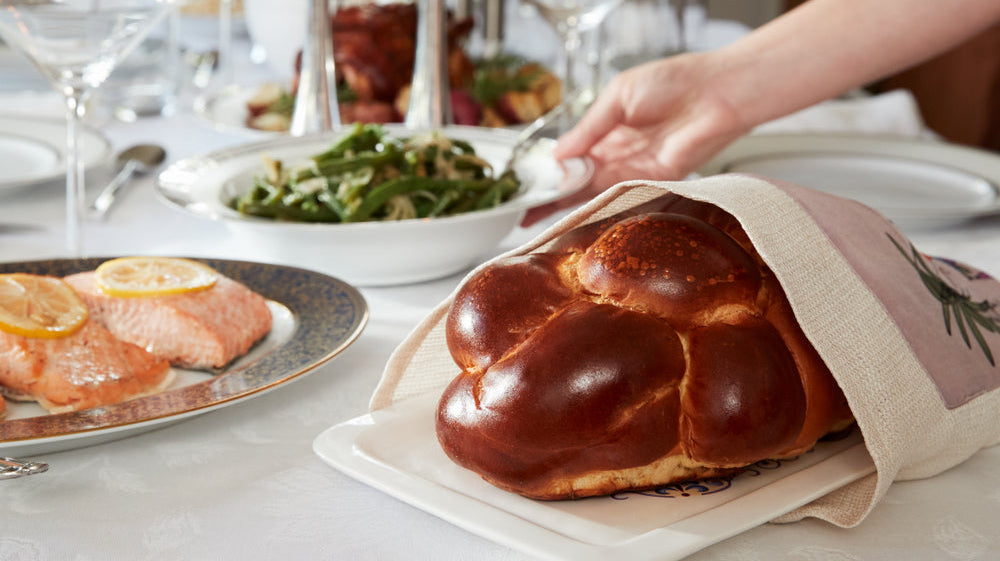
Because Rosh Hashanah marks the beginning of a new year, it’s also about renewal. Like in the secular world, the Jewish new year is a time to set new intentions for the year to come. Many of the foods consumed on Rosh Hashanah celebrate renewal. A special round challah signifies the circle of life. To bring forth a sweet new year, it’s also customary to eat apples dipped in honey.
When and How Long is Rosh Hashanah?
Rosh Hashanah happens according to the Hebrew calendar, which is based on the moon, rather than the secular calendar, which is based on the sun. Rosh Hashanah is celebrated during the Hebrew month of Tishrei, which typically falls in September or October.
Rosh Hashanah is celebrated for two full days, from sundown on the first day to sundown on the third day. The reasoning for this goes back to ancient times. In order to enter a new month, two witnesses had to testify that they saw the new moon. Once it was confirmed, the news then had to travel back into Jewish communities. This process would take time. Because Rosh Hashanah specifically is celebrated on the first of the month, there wasn’t time to hear whether the new month had been established. It was decided that Rosh Hashanah would always be celebrated for two days to ensure everyone celebrated on the correct day.
What to Expect at Rosh Hashanah Services
Rosh Hashanah services are considered some of the holiest of the year. These extended services use a machzor (special prayer book). In addition to the standard Shacharit (Saturday morning services), Rosh Hashanah services include:
-
Torah reading: Rosh Hashanah always aligns with the Torah reading of the birth of Isaac on the first day and the sacrifice of Isaac on the second.
-
Shofar: The blowing of the shofar, a ram’s horn, is central to Rosh Hashanah services. It’s blown several times throughout the day. It’s considered to be a mitzvah (good deed) to hear the shofar blown on Rosh Hashanah
-
Musaf: There is a special Musaf service just for Rosh Hashanah. It’s the longest Musaf of the year and focuses on God and his covenant with the Jewish people.
Tashlich
Tashlich is a special ritual typically held on the afternoon of the first day of Rosh Hashanah. Rather than being held in a synagogue, tashlich is held at a body of water like an ocean, river, lake, or pond. During this ritual, Jewish people symbolically “cast” away the sins of the past year by throwing breadcrumbs into water. The bread symbolizes each sin, and the water washes the sins away. Along with the casting of the sins, special prayers are said.

How to Celebrate Rosh Hashanah at Home
After synagogue, Rosh Hashanah celebrations continue at home with:
-
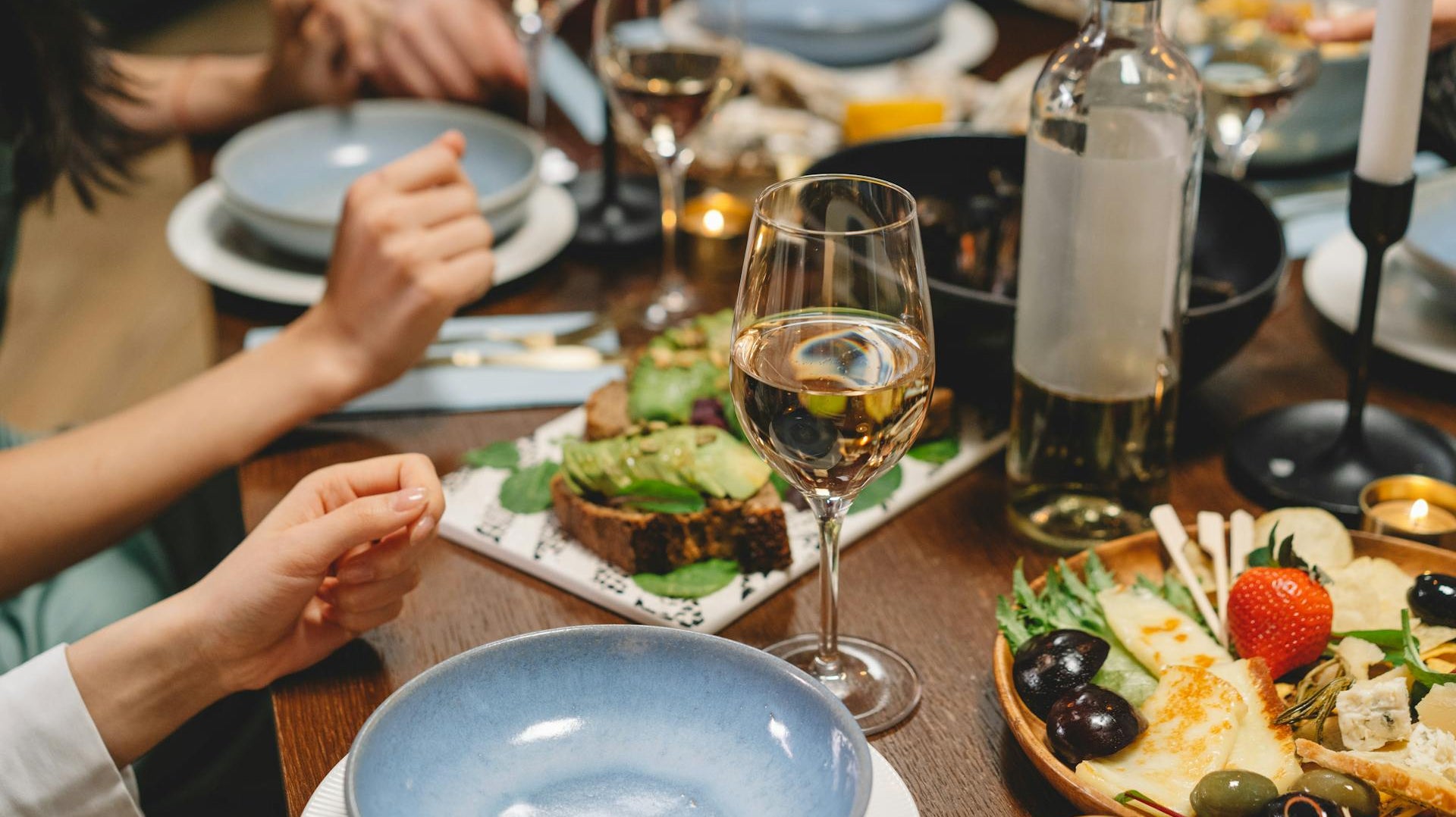
Celebratory meals: Friends and family gather to eat and celebrate the holiday together.
-
Symbolic foods: A number of symbolic foods are eaten on Rosh Hashanah, including a round challah, which represents the cycle of life, apples and honey for a “sweet” new year, and a fish head to celebrate the head of the year.
-
Candle lighting: Like on other Jewish holidays, candle lighting with accompanying prayers is common.
Rosh Hashanah Ritual Items
All Jewish holidays include ritual items, and Rosh Hashanah is no different. Ritual items involved in Rosh Hashanah include:
-
Shofar: This instrument made from a ram’s horn has been around since ancient times. To hear it blown on Rosh Hashanah is considered a good deed.
-
Candle sticks: The lighting of candles on Jewish holidays is believed to usher in the holiness of the day.
-
Kiddush cups: Kiddush gives another opportunity to usher in holy time. Kiddush cups are central in this ritual.
-
Honey jar: A beautiful honey jar is a great way to add the sweetness of the new year to your Rosh Hashanah table.
-
Round challah plate: Because Rosh Hashanah requires a special round challah, it’s important to have a round challah plate to set it on.
Make Rosh Hashanah Meaningful with Oneg Home
For a selection of contemporary Judaica that’s stylish, yet meaningful, meet Oneg Home. Our goal is to provide beautiful items that make Jewish rituals and holidays accessible, celebratory, and meaningful. Shop everything you need for your Rosh Hashanah celebration and more today.
Rosh Hashanah: FAQ
What is Rosh Hashanah?
Rosh Hashanah is the Jewish new year. Unlike the secular new year, its themes revolve around self-reflection, fate, and repentance. Rosh Hashanah is considered to be one of the holiest days of the year.
What do you say on Rosh Hashanah?
On Rosh Hashanah, you can say the following:
-
L’shanah tovah: Translates to “To a good year!”
-
L’shanah tovah u’metukah: Translates to “To a good and sweet year!”
-
L’shanah tovah v’teichateimu: Translates to “To a good year, and may you be inscribed and sealed,” referring to the Book of Life
-
Gut yontif: Translates to “Good holiday”
How do you celebrate Rosh Hashanah?
Rosh Hashanah is celebrated both at synagogue and at home. At synagogue, there is an extended service on both days that includes a Torah reading, the blowing of the shofar, and a special Musaf ceremony. Synagogue is often followed by a celebratory meal at home with friends and family.
How long is Rosh Hashanah?
Rosh Hashanah is 48 hours long. This practice has been around since ancient times, when it was more difficult to know when a new month was starting. Jewish people began celebrating Rosh Hashanah for two days, just in case the first day wasn’t the correct day. This practice is still around today.
Ready to begin your Shabbat practice?