
The Haggadah is the book that guides the Passover seder. Unlike most other holiday texts, this isn’t a prayer book. Instead, the Haggadah is like a script for the holiday. It tells us what to do, what to say, what to eat, and when, so that we can properly celebrate the holiday.
Read on to learn all about this guidebook: what it contains, how to follow it, and how to choose the best Haggadah for your passover table.
What Does “Haggadah” Mean?
“Haggadah” is Hebrew for “telling,” a perfect name for this Passover guidebook, which tells the story of the Israelites’ exodus from Egypt. While telling a story may seem like an uncommon way to celebrate a religious holiday, this is a core facet of Judaism. On Passover, like other Jewish holidays, we eat symbolic foods while telling the story of the Exodus. In doing so, we relive the experience of our ancestors.
This ceremony is known as the seder, which means order. The Haggadah serves as the script for every seder.
History of the Haggadah
The history of the Haggadah stretches back nearly 2,000 years. Many of its passages come from the Torah and the writings of rabbis in the Talmudic period, between 70 and 638 CE. Around the Middle Ages, it became standard to follow a written book during the seder. This is the first known record of a Haggadah.
Today, there are countless types of Haggadot. Haggadot are made according to Jewish movements, social and political issues, knowledge levels, and more. That said, the central texts included in many of them are very similar to those used in the Middle Ages.
What is Inside the Haggadah?
While every Haggadah is different, most include the same core elements:
-
Guidance for the seder: As the guidebook for the evening, Haggadot outline the steps of the evening in order. They explain when to pour wine, wash hands, eat certain foods, and read particular passages.
-
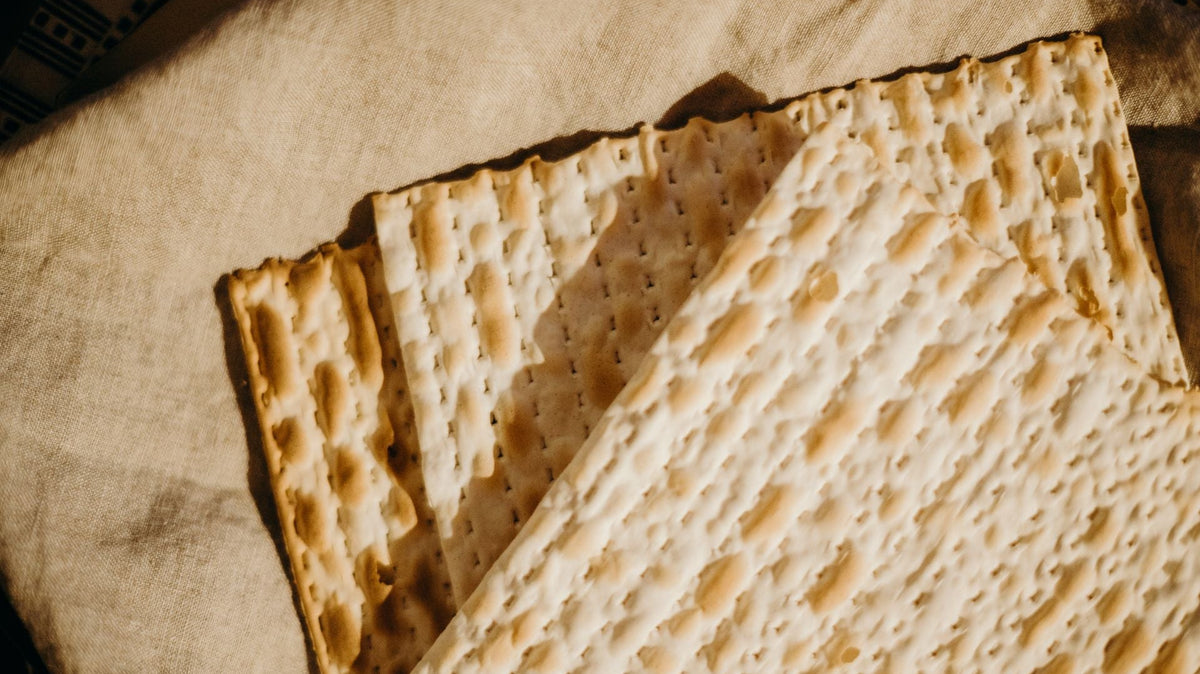
Explanation of the seder foods: The book explains the meaning of every item on the seder plate, including matzah, bitter herbs, and charoset, a mixture of fruit and nuts.
-
Blessings: They include blessings over the four cups of wine, bread, matzah, and other symbolic foods.
-
Magid, the story of the Exodus: The bulk of the Haggadah tells the story of how the Israelites came to Egypt, became enslaved, and were freed.
-
The Four Questions: These call-and-response questions are typically read by the youngest child at the seder.
-
The four sons: This parable tells the story of four different children who ask about the seder in different ways. They represent the four attitudes that we all possess.
-
The ten plagues: One of the best-known parts of the story of Passover, every plague is read out loud and a drop of wine is spilled with each.
-
Songs: The Haggadah is full of songs, the most popular of which is “Dayenu.” This song thanks God, stating that each action he took for the Israelites “would have been enough” on its own. It’s more than 1,000 years old.
Steps of the Passover Seder
Every seder follows 15 distinct steps, outlined by the Haggadah. These steps make up the “order” of the seder.
-
Kiddush: We pour the first glass of wine, say a blessing, and the seder begins.
-
Urchatz: The seder leader washes their hands.
-
Karpas: Next, we dip a green vegetable like parsley into salt water and eat. The green vegetable represents the spring, while the salt water represents tears.
-
Yachatz: Then, we break the middle of three matzot in two. We set the larger half aside and later hide it somewhere in the house for the kids to find.
-
Maggid: We read the story of Exodus and ask the Four Questions. Then, we drink a second glass of wine.
-
Rachtzah: The seder leader washes their hands a second time, this time with a blessing.
-
Motzi: Then, we say the blessing over the bread.
-
Matzah: We say the blessing over the matzah, then eat it.
-
Maror: Next, we eat bitter herbs like horseradish to remind us of the bitterness of slavery.
-
Korech: Then, we make a sandwich of matzah, maror, and bitter herbs. This custom is attributed to the sage, Hillel.
-
Shulchan Orech: Finally, it’s time to eat—but the seder isn’t over yet. During dinner, the kids at the table go on a hunt to find the afikomen.
-
Tzafun: The afikomen is the final food of the seder.
-
Barech: After the meal, we say a blessing and drink a third cup of wine.
-
Hallel: Next, we sing psalms and drink a fourth cup of wine.
-
Nirtzah: Finally, the seder comes to an end. The traditional closing wish is, next year in Jerusalem.

Types of Haggadot
There are many, many types of haggadot. In addition to commercially available haggadot, many families and synagogues choose to make their own haggadot. The options are truly endless. You can choose a Haggadah according to:
-
Language: Some haggadot are only in Hebrew, while others present Hebrew and English together. Others are in English only and say the prayers in transliterations.
-
Length: Some haggadot are designed with certain lengths in mind, like a 1-hour seder, while others include lots of commentary.
-
Style: Some are plain, paperback books, while others are large and illustrated. These haggadot are often geared towards children.
-
Tradition: Haggadot can vary greatly from Orthodox to Conservative and Reform communities.
-
Focus: Some haggadot are made for kids, while others may focus on a certain theme or social issue.
Set the Passover Table with Oneg Home
The Haggadah is just one part of a complete Passover table. From the Kiddush cups to the seder plate, the Passover table is full of ritual objects that help us remember our history and celebrate the holiday. For a collection of beautiful, contemporary Judaica, shop our collection at Oneg Home.