
Hanukkah, the Jewish Festival of Lights, is celebrated at the end of each year. It commemorates the story of the Maccabean revolt, when a small group of Jews defeated an entire army to free the Jewish people from oppression. It also celebrates the miracle of Hanukkah, when the Temple menorah remained lit for 8 days, despite there only being enough oil for one.
Hanukkah is celebrated with a unique set of traditions that allow us to relive the experiences of our ancestors and remain connected to our religion and culture. Read on to learn all about Hanukkah, including the meaning of Hanukkah and the traditions of the holiday.
What is Hanukkah? An Overview
Hanukkah is the Jewish Festival of Lights. It’s an 8-day long celebration that celebrates light overcoming darkness. The meaning of Hanukkah includes religious freedom, the resilience of the Jewish people, and miracles from God.
Hanukkah is celebrated according to the Hebrew calendar, so its date changes each year. It’s held on the 25th day of the month of Kislev, which typically falls between late November and late December on the Gregorian calendar.
The Meaning of Hanukkah: The Story Behind the Holiday
As with most Jewish holidays, Hanukkah celebrates a historical event in Jewish history. It reminds us of the story of the Maccabean revolt.
In the 2nd century BCE, the Jews lived in Judea under the Syrian-Greek ruler Antiochus IV. In an attempt to push idol worship on the Jewish people, Antiochus IV outlawed Jewish worship and practices like Shabbat, circumcision, and Kosher dietary practices. Then, he overtook the ancient Jewish Temple in Jerusalem and sent his army to kill thousands of Jews.
Soon, a Jewish resistance group known as the Maccabees formed to protect the Jewish people. Though there were only a few Maccabees, they miraculously defeated Antiochus’s army and won the Jewish people’s freedom.
After their victory, the Maccabees returned to the Temple to reclaim it for the Jewish people. Upon their arrival, they discovered there was only a single day’s worth of oil to light the Temple menorah. However, a miracle occurred. The menorah burned for 8 days, until the Maccabees found new oil to sustain the menorah. This miracle was a sign from God that he would protect and take care of the Jewish people.

Core Hanukkah Traditions and Their Symbolism
Each Hanukkah, we practice traditions that remind us of Hanukkah’s meaning, the story of the Maccabean revolt, and the miracle of light. Read on to learn the primary traditions of Hanukkah and why they’re celebrated.
Lighting the Menorah
The central tradition of Hanukkah is the practice of lighting the menorah. This candleholder has space for 8 candles, representing the 8 days the oil burned, and one helper candle known as the shamash.
First, the shamash is lit, then it’s used to light the other candles. On the first day of Hanukkah, we light one candle, on the second, two, and so on until all 8 candles are lit. Along with the lighting of the candles, we sing prayers that thank God for the miracle of Hanukkah.
Eating Fried Foods
Fried foods offer another way to commemorate the Hanukkah miracle. They, too, remind us of the oil that lasted for 8 days, when it should have only lasted one. Latkes, fried potato pancakes, and sufganiyot, or jelly-filled donuts, are all common foods eaten on Hannukah.
Playing Dreidel
Dreidel is a game that’s played during Hannukah. It uses gelt, chocolate coins, and a spinning top, which is also known as a dreidel. On the sides of the dreidel are the Hebrew letters nun, gimmel, hay, and shin. They stand for the phrase, “Nes gadol haya shah”, which means “A great miracle happened here.”
During Antiochus’s outlawing of Judaism, children studied Torah in secret. When the authorities passed by, the Jewish children would hide their studies by pretending to play a game with a spinning top, instead. We play the same game on Hanukkah to remember them.
Giving Gifts
In past times, Jews gave gelt, chocolate coins, on Hannukah. In modern day, we give gifts, too. Gift giving on Hanukkah is partially an American tradition because of its proximity to Christmas, but it also helps celebrate the joy of Hanukkah and Jewish freedom.+
Shop Exclusive Hanukkah Items with a Purpose
At Oneg, our vision is to create meaningful experiences that connect us to ourselves and to each other with carefully curated products. Discover our exclusive offerings that not only enhance your celebrations but also contribute to a cause close to our hearts.
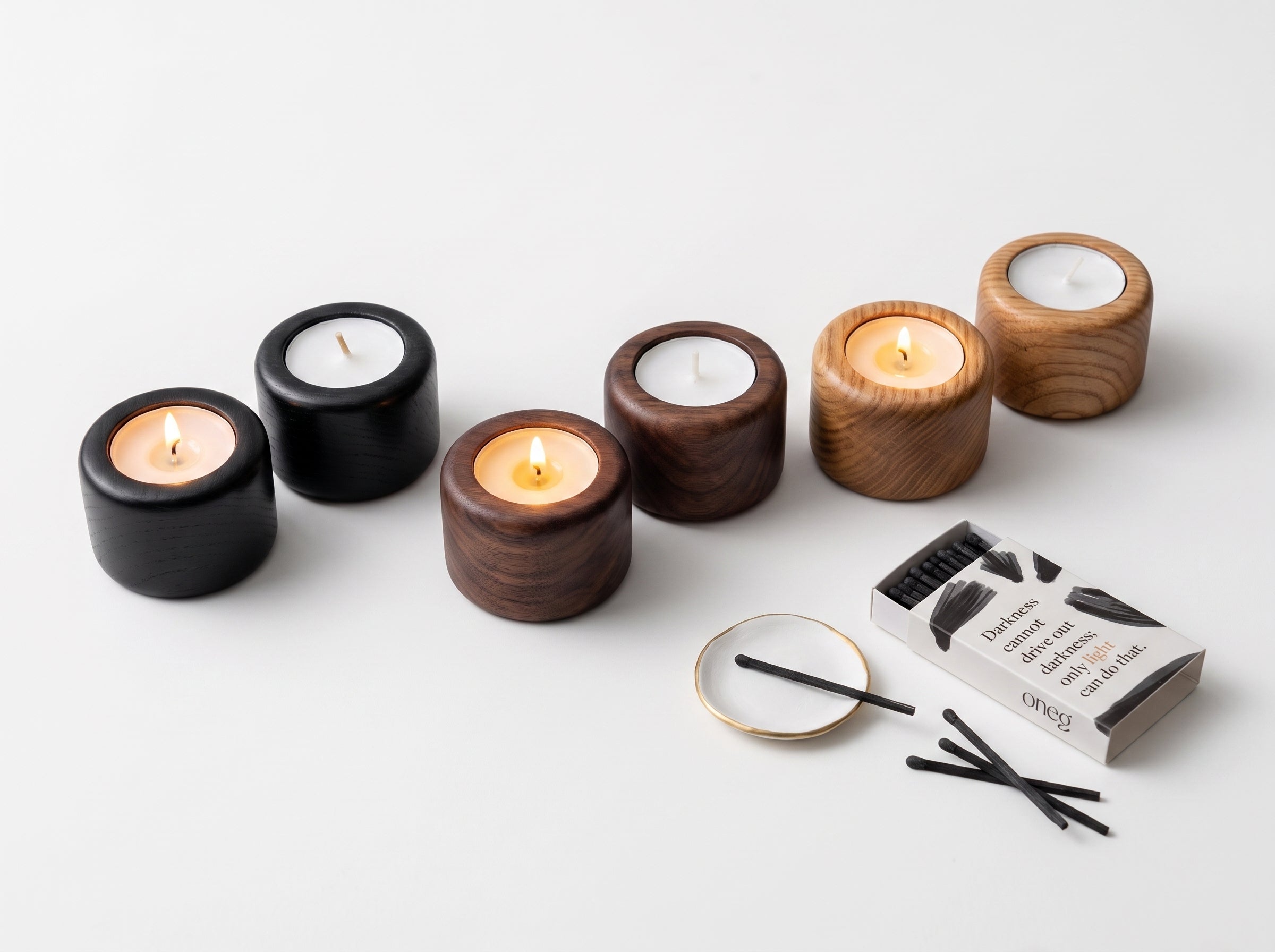
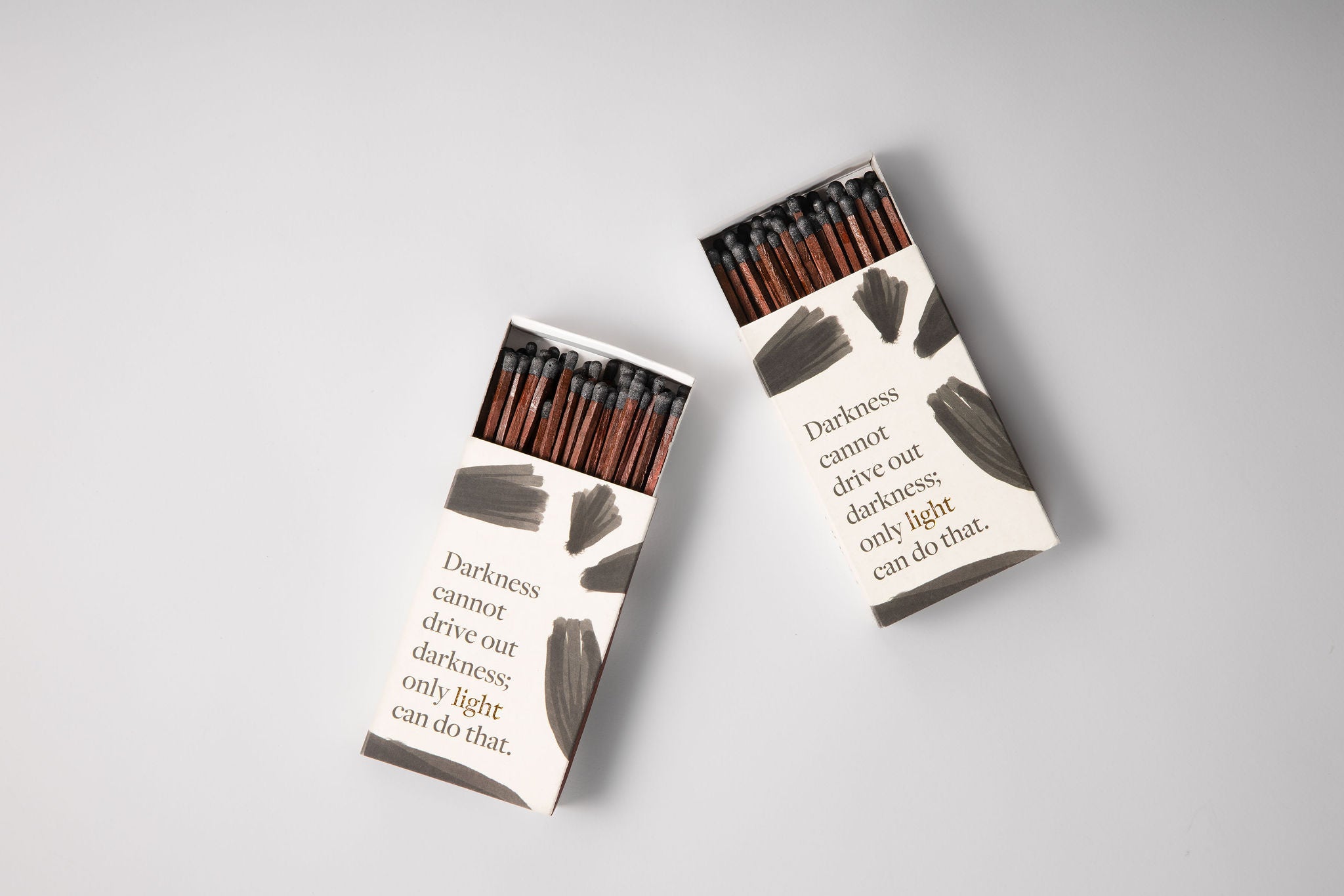
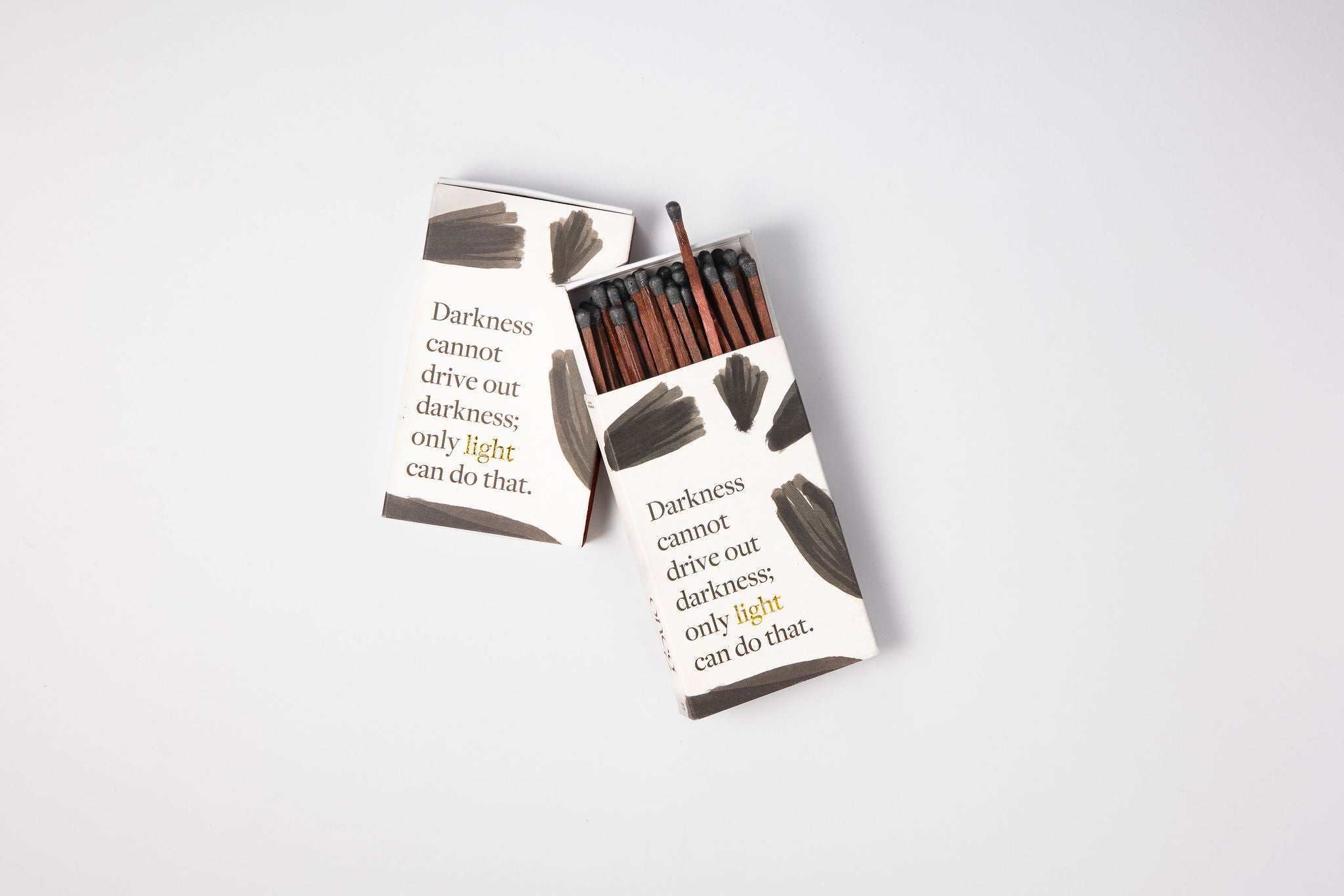
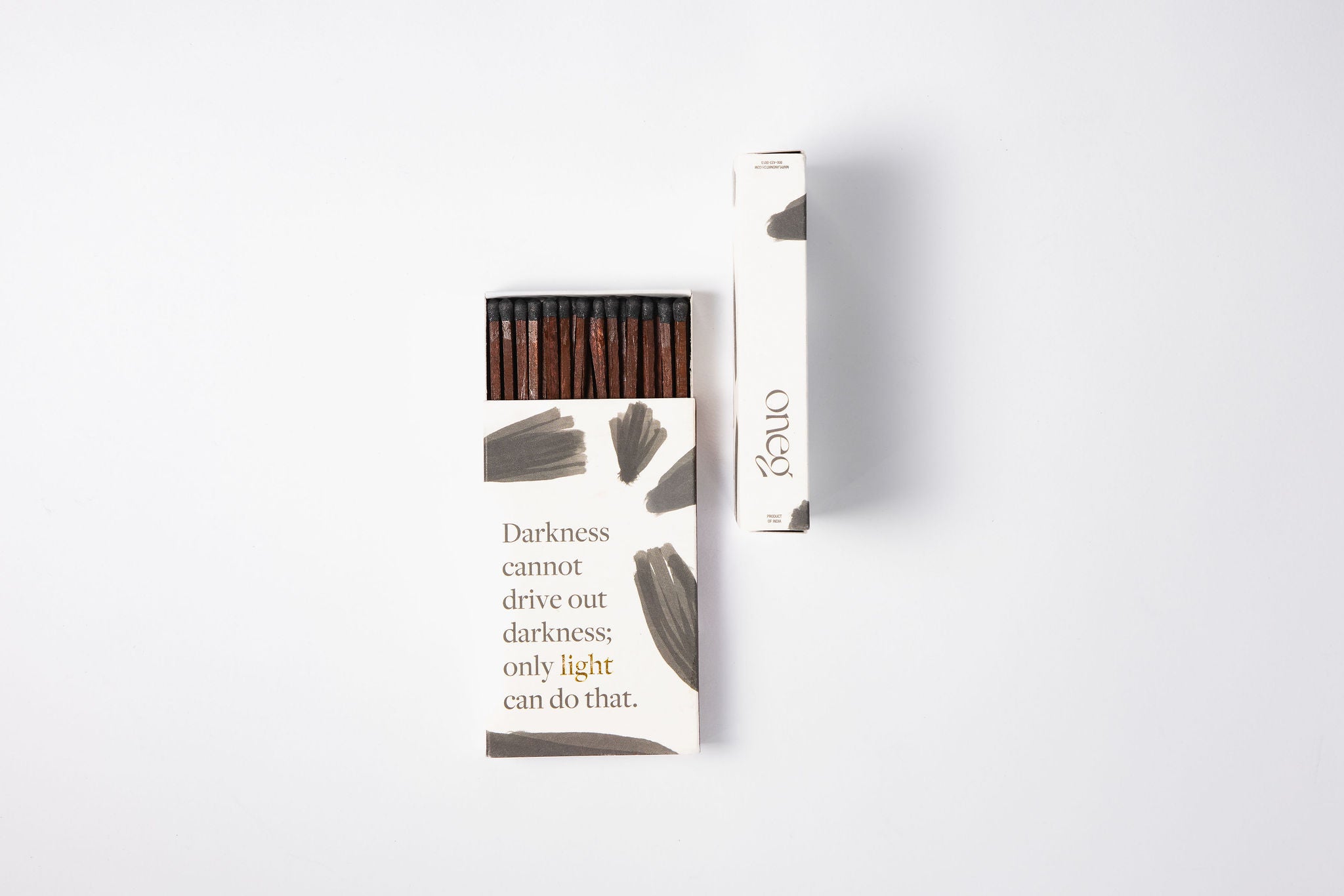
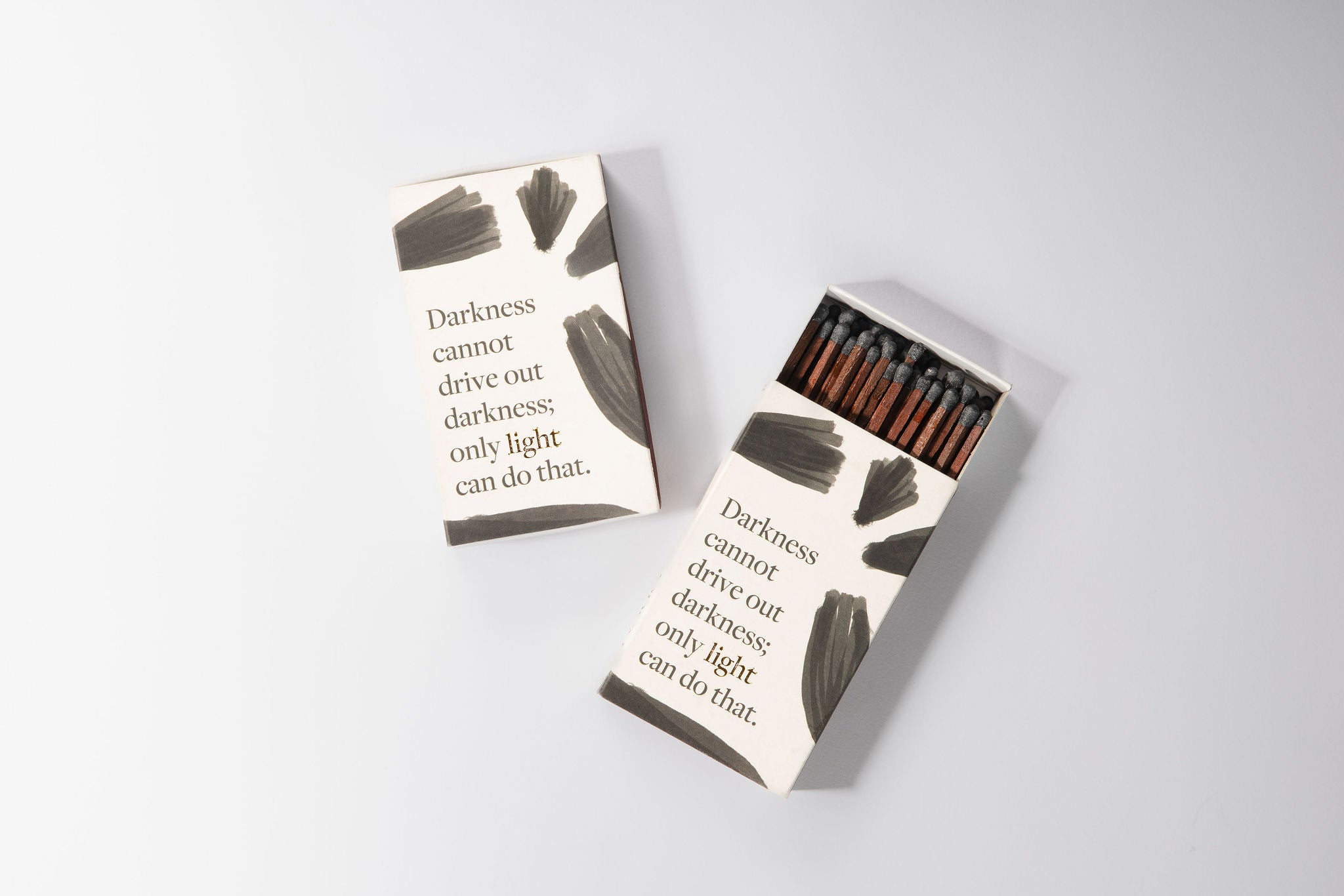
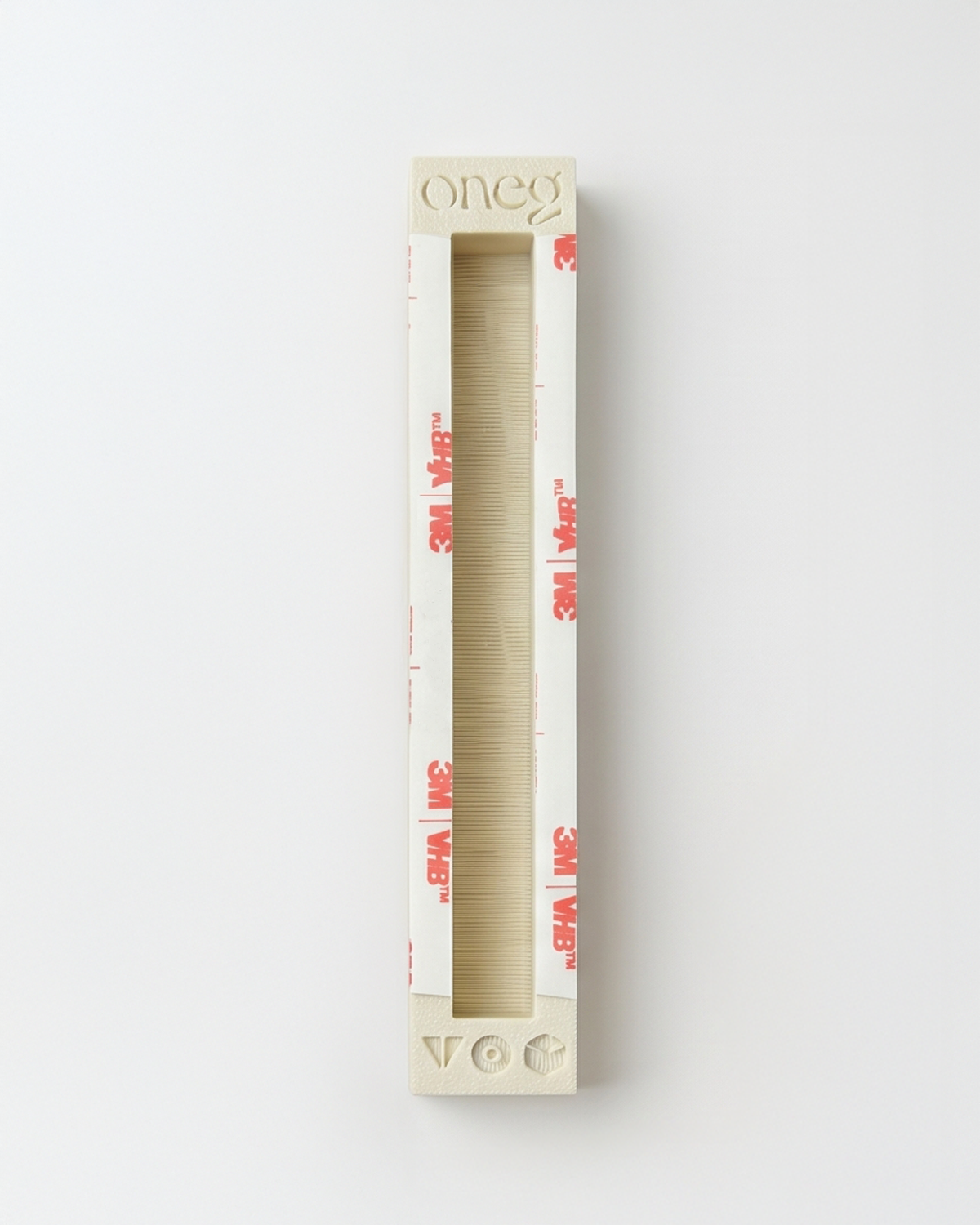
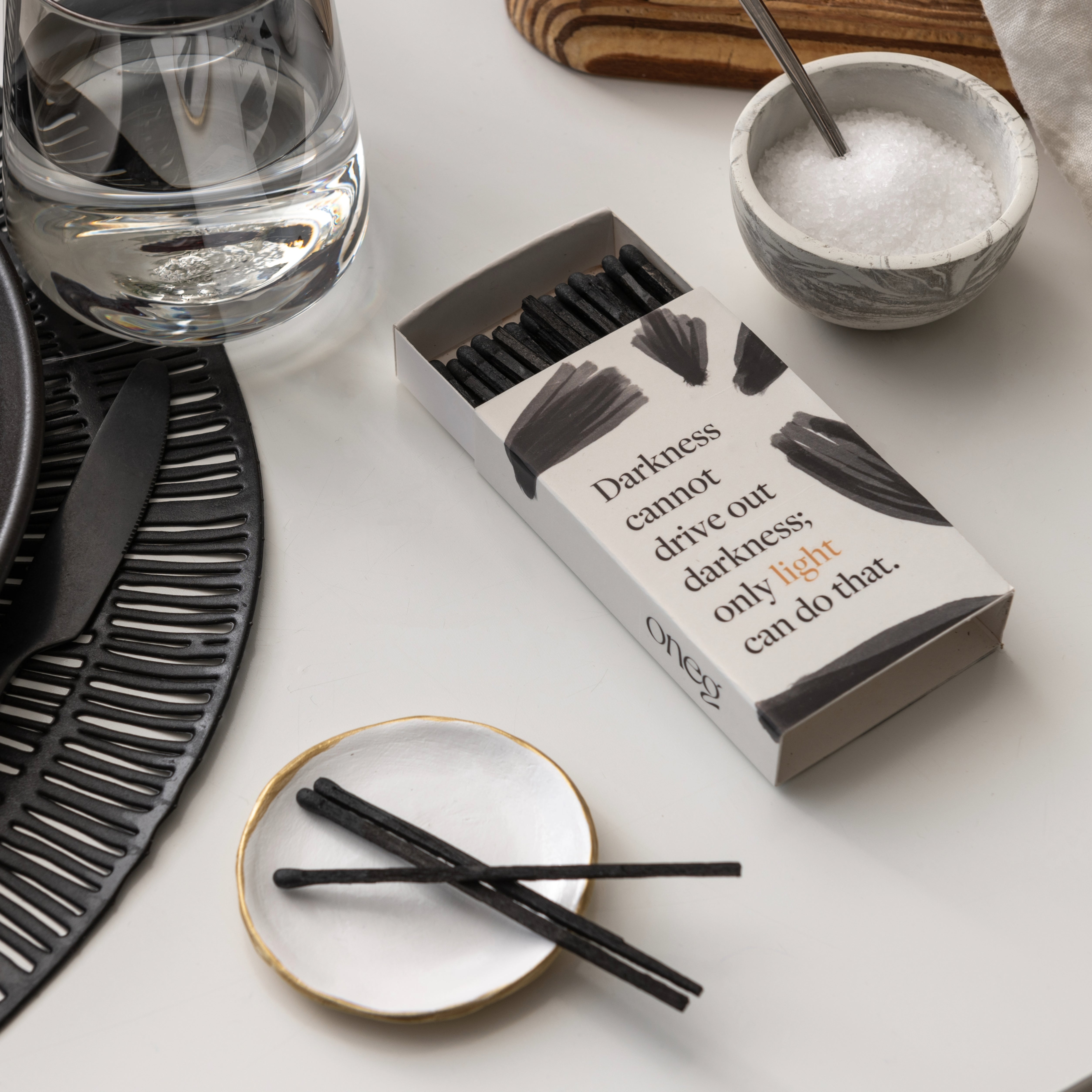
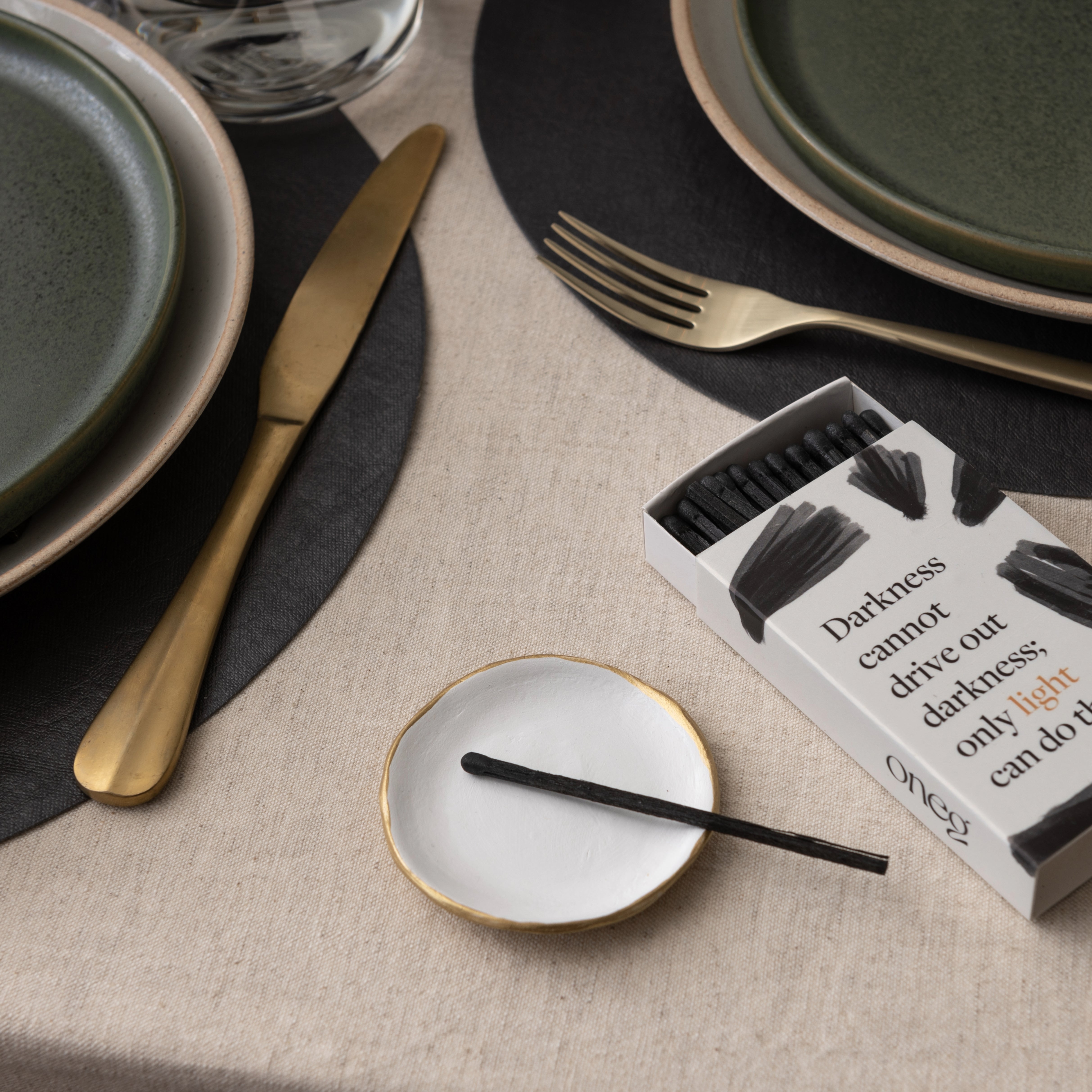
For everything you need to light the candles, shop our beautiful cast iron menorah and candles set, with a minimal yet striking design. It includes a built-in drip tray to catch wax drips. Then, browse our matchbox bundle and match dish. Or, shop our handwoven Star of David necklace and gift sets for the perfect gift to spread Hanukkah joy. Each piece is a testament to the richness of our traditions and the beauty of our shared heritage.
What makes these offerings even more meaningful is our commitment to giving back. Oneg is donating 10% of its net proceeds from all our products to Thank Israeli Soldiers, a longtime partner with the IDF providing critical support to soldiers and their families at this challenging time. It's our way of expressing gratitude and standing in solidarity with those who protect and serve Israel.
A Message of Gratitude from Oneg’s Founder
Shalom, Oneg Community!
As we approach the beautiful festival of Hanukkah, I find myself reflecting on the significance of light in times of darkness.. This year, more than ever, I believe in the power of spreading joy and light.
As the founder of Oneg, I want to express my deepest gratitude to each and every one of you who has been part of our journey. Your support has allowed us to grow, create, and give back. We look forward to meeting new friends too. Let’s come together, celebrate the Festival of Lights, and spread the joy and meaning of Shabbat.
Wishing you and your loved ones a Hanukkah filled with love, light, and moments of Oneg.
With warmth and gratitude,
Jeanie
Founder, Oneg
SHOP FOR HANUKKAH NOW

Frequently Asked Questions About Hanukkah
What Is the Hanukkah Miracle?
The Hanukkah miracle occurred when the Maccabees defeated Antiochus’s army and reclaimed the Temple and Jerusalem. When they entered the Temple, there was only a single day’s worth of oil to keep the menorah lit. Miraculously, that oil lasted for 8 days.
What Is the Meaning of Hanukkah?
The meaning of Hanukkah is rededication, both of the ancient Temple and of our own spirits. The holiday reminds us that even small lights can push back darkness. It's a time to honor faith, perseverance, and the miracles found in everyday moments.
Why is Hanukkah celebrated for 8 days?
We celebrate Hanukkah for 8 days to remember each of the 8 nights the menorah continued to burn, despite there being only enough oil for a single night. By lighting our own menorah each night, we can re-live the experiences of our ancestors and remain connected to them.
Why is light important during Hanukkah?
Light represents hope and miracles during Hanukkah. Each night, adding another candle to the menorah shows how light grows when shared. The tradition encourages us to bring brightness into dark seasons and to be sources of warmth for others.
How do families typically celebrate Hanukkah?
Families celebrate Hanukkah by lighting the menorah together each night, singing songs, and sharing meals with traditional foods like latkes and sufganiyot. Many exchange gifts, play dreidel, and gather loved ones to enjoy the warmth of the season.
What makes a thoughtful Hanukkah gift?
A thoughtful Hanukkah gift reflects the spirit of the holiday. Items that bring light, warmth, or togetherness feel especially meaningful. Consider gifts that spark connection, like beautiful Judaica, cozy home items, or something that creates shared memories.
Ready to begin your Shabbat practice?