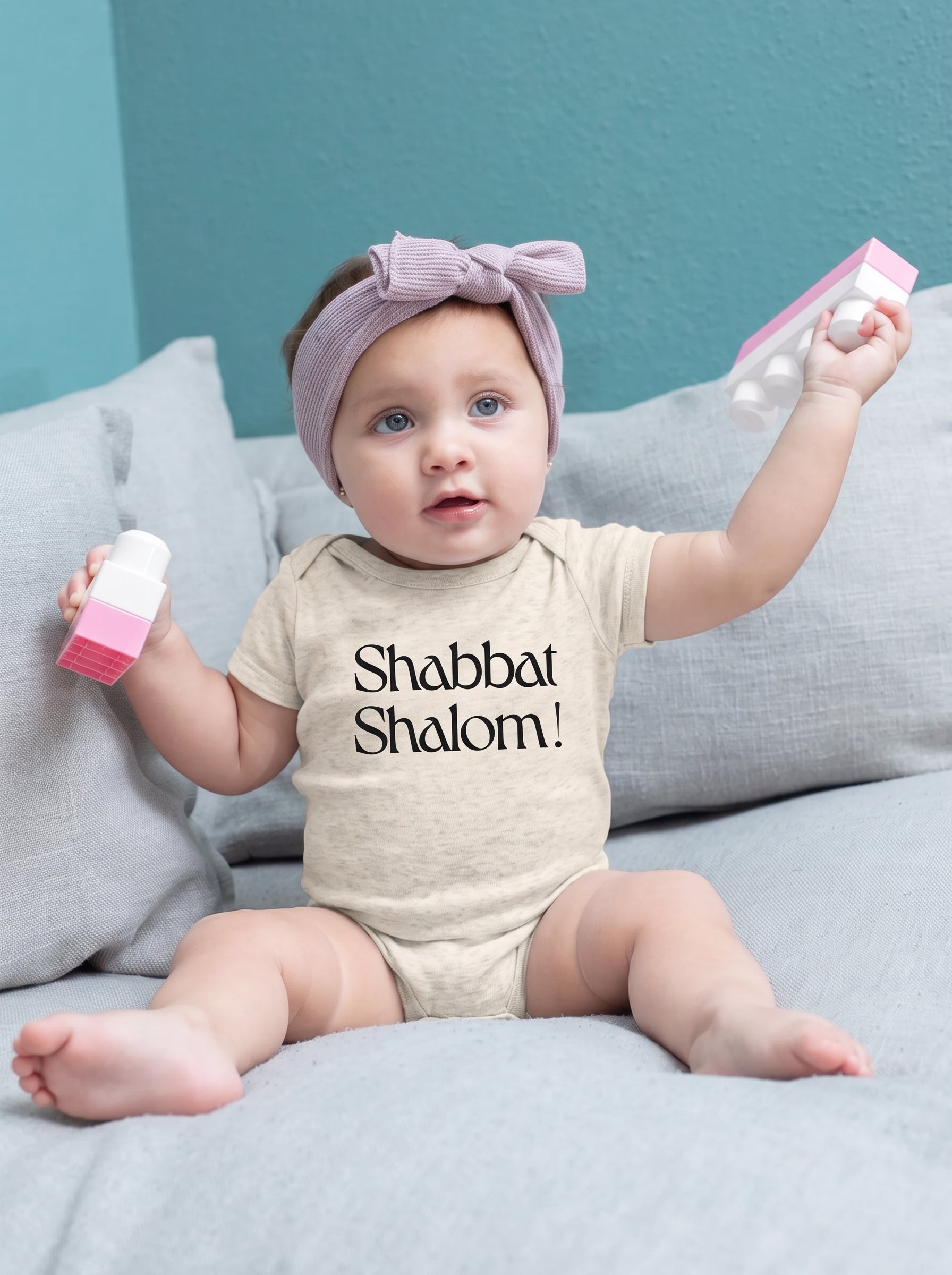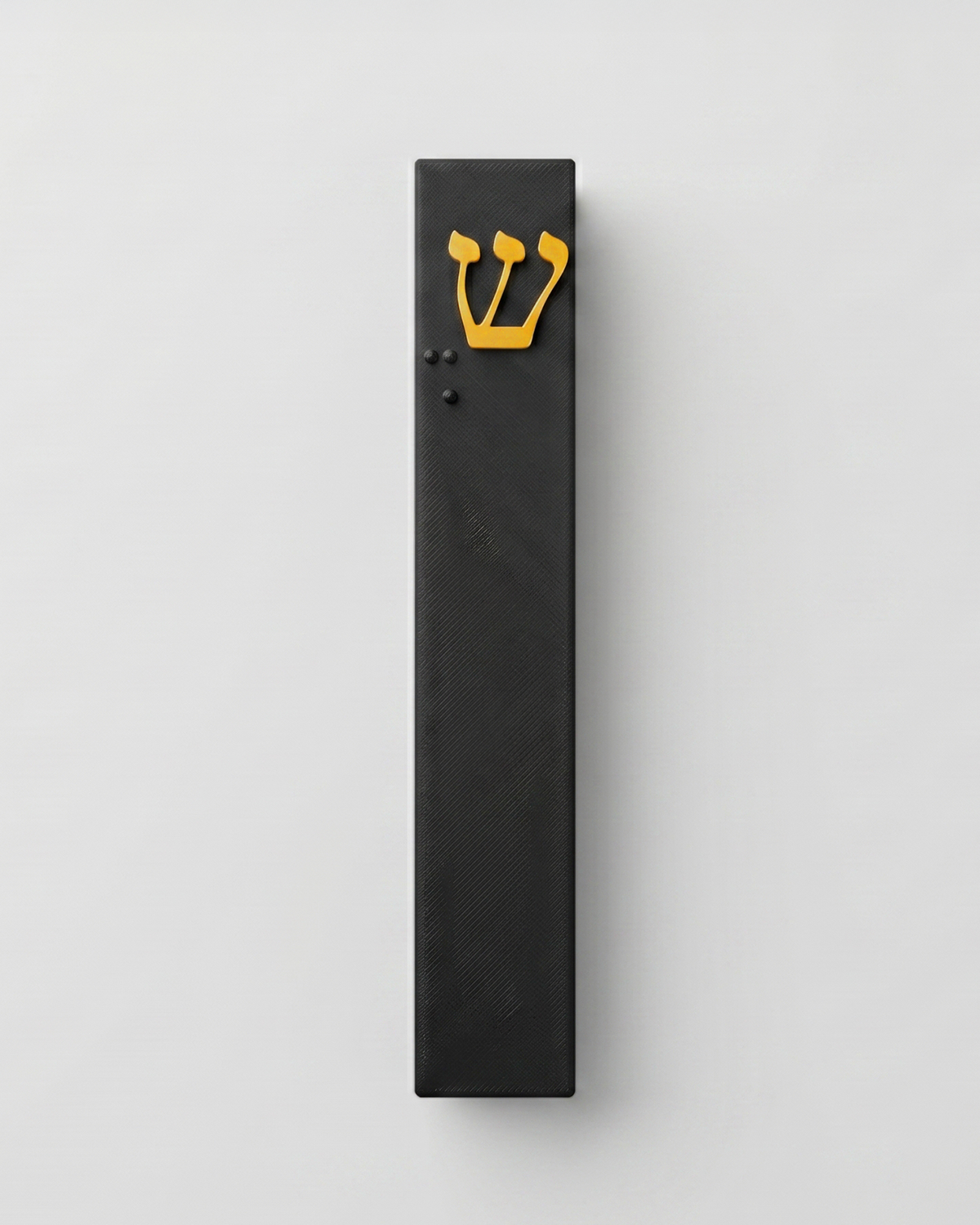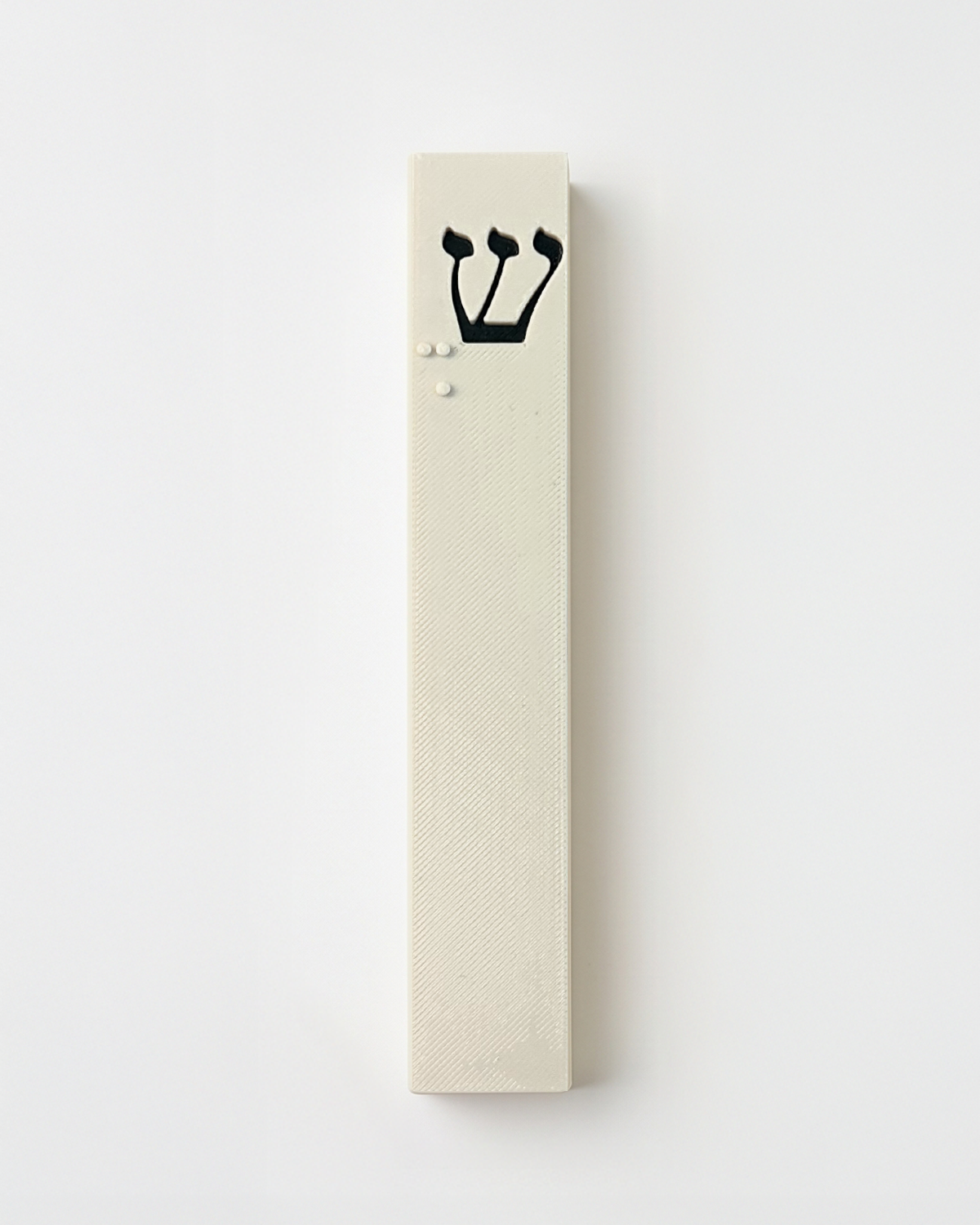

Shabbat is the Jewish day of rest. It’s a weekly ritual that provides an opportunity to reflect, and reset for the week ahead. Shabbat is celebrated with a series of practices and prayers that make the holiday special.
Read on to learn all about Shabbat, including what Shabbat is, why it matters, and how to do Shabbat at home.
What is Shabbat
Shabbat is the Jewish holy day of rest. It happens each week from sundown on Friday to sundown on Saturday. Jewish people use Shabbat as a time to step away from the chaos of everyday life and spend time relaxing, reflecting, and connecting with the community.
History of Shabbat
This tradition has its roots in the creation of the world. The Torah teaches that God built the world in one week. On days one through six he created different elements of the world, and on the seventh day he rested. Shabbat commemorates this story of creation by giving Jewish people the opportunity to rest on the seventh day of each week.
Why Shabbat Matters
The significance of Shabbat is different for every person. People may celebrate Shabbat because of:
-
Religious significance: Some people focus on the religious aspects of Shabbat. The Torah teaches that God commands the Jewish people to celebrate Shabbat as one of the Ten Commandments. God freed the Jewish people from slavery in Egypt, and in return they must celebrate the holiday each week.
-
Ritualistic practice: For others, Shabbat offers a rejuvenating ritual. It provides a break from work, media, technology, and more and a chance to turn inwards and focus on oneself.
-
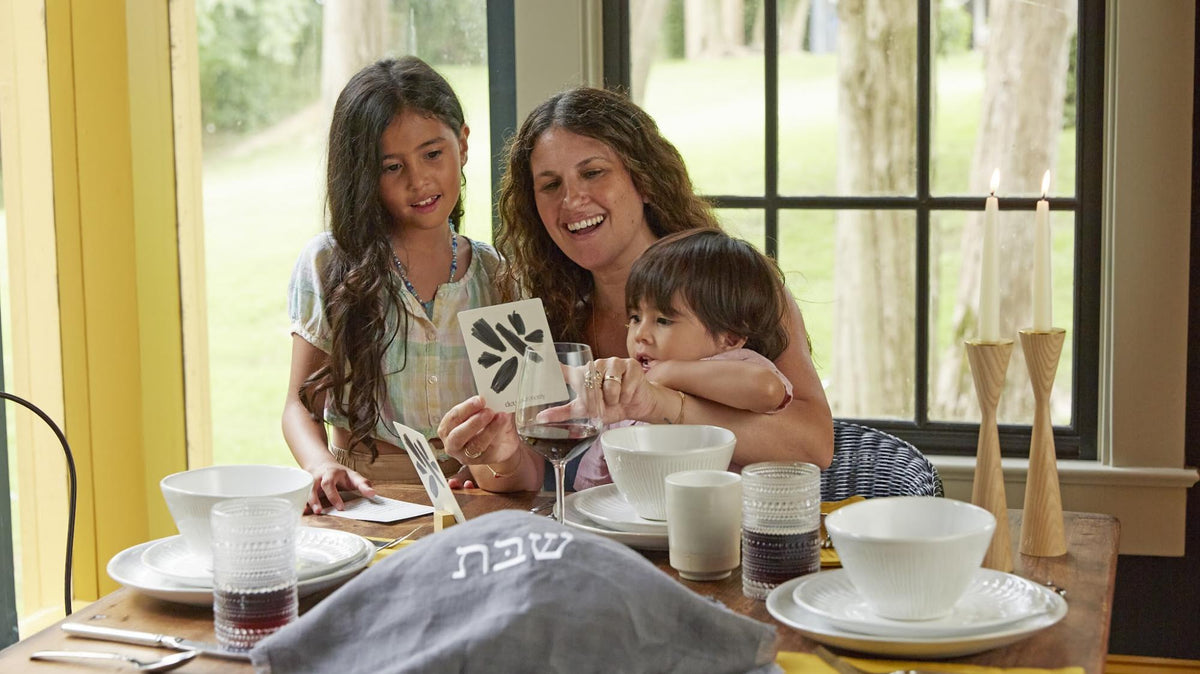
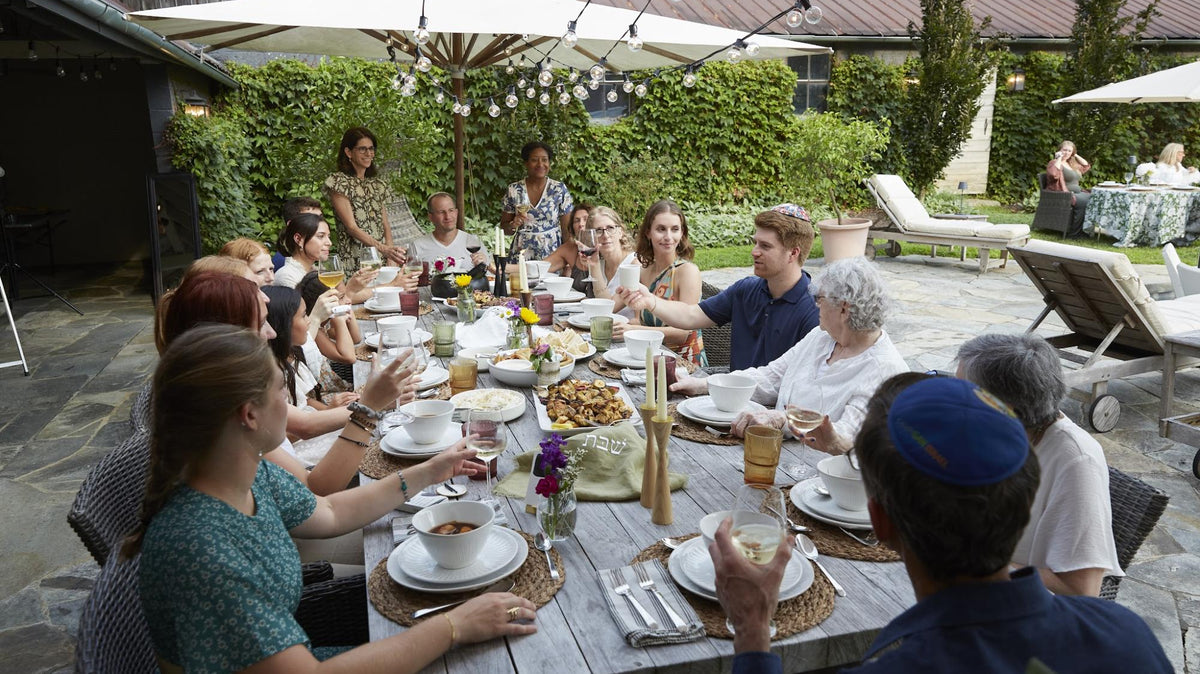
Community building: Community is a central part of Judaism, and for many Shabbat is a chance to gather with the community and celebrate together. Friends and family may pray together, share a meal, or simply spend time in one another’s presence.
How to Prepare to Do Shabbat
Just as people may have differing interpretations of Shabbat, the way people celebrate Shabbat can vary greatly, too. For the ultra-religious, Shabbat may mean no cooking, using electricity, riding in cars, and more. For others, Shabbat may be treated as a weekly reset from life.
Preparing for Shabbat is different for everyone. Those who observe the Sabbath strictly may get ready to do Shabbat with the following tasks:
-
Setting light timers: The Torah teaches that, during Shabbat, one may not “create or destroy.” In some interpretations, this means that electricity cannot be turned on or off during the Sabbath. As a workaround, many Jewish people set timers for their lights or use other workarounds to avoid manually turning on or off electricity.
-
Cooking food for the Sabbath: Similarly, many observant people refrain from cooking food during the Sabbath. To prepare for Shabbat, they’ll cook a large amount of food ahead of time to eat throughout the holiday.
-
Cleaning the home: The Torah also teaches that the home should be cleaned in preparation for Shabbat to allow the peace of mind needed to be present for the holiday.
-
Turning off technology: Before Shabbat begins, many turn off their phones, TVs, computers, and more.
Others may do just a few of these things, while some may simply mentally prepare for the holiday. How you prepare to do Shabbat is totally up to you.

Welcoming Shabbat
When the sun goes down, it’s time to begin. To celebrate Shabbat, begin with a series of rituals that “welcome” the Sabbath. They include:
-
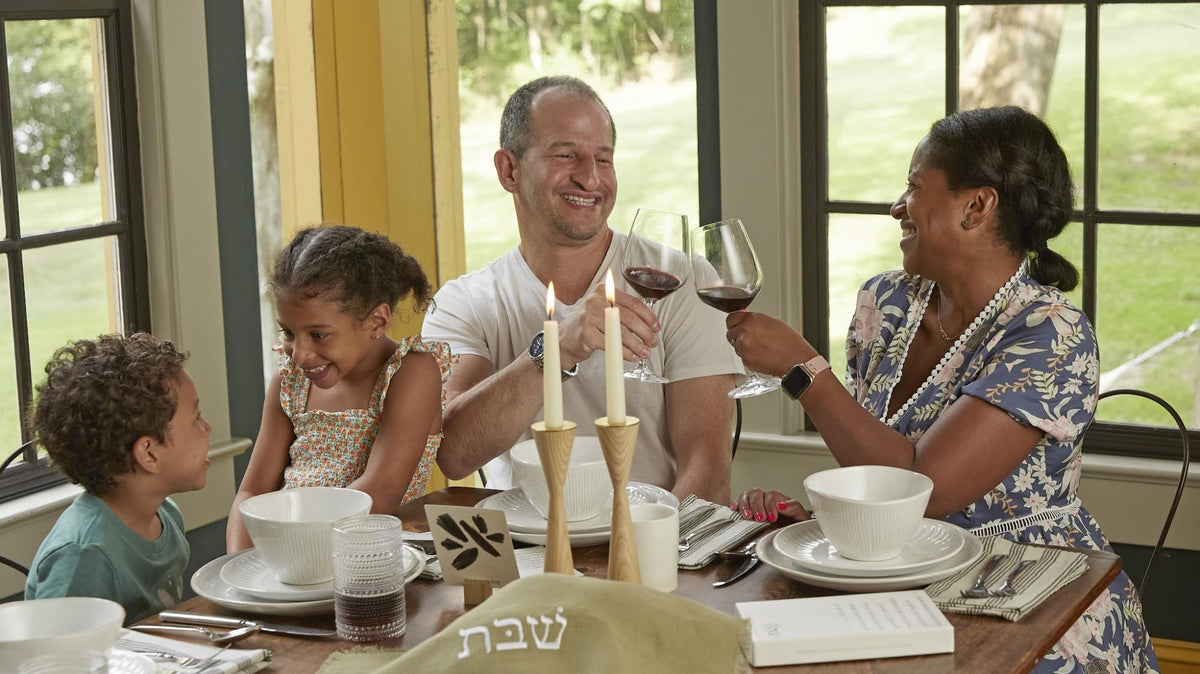
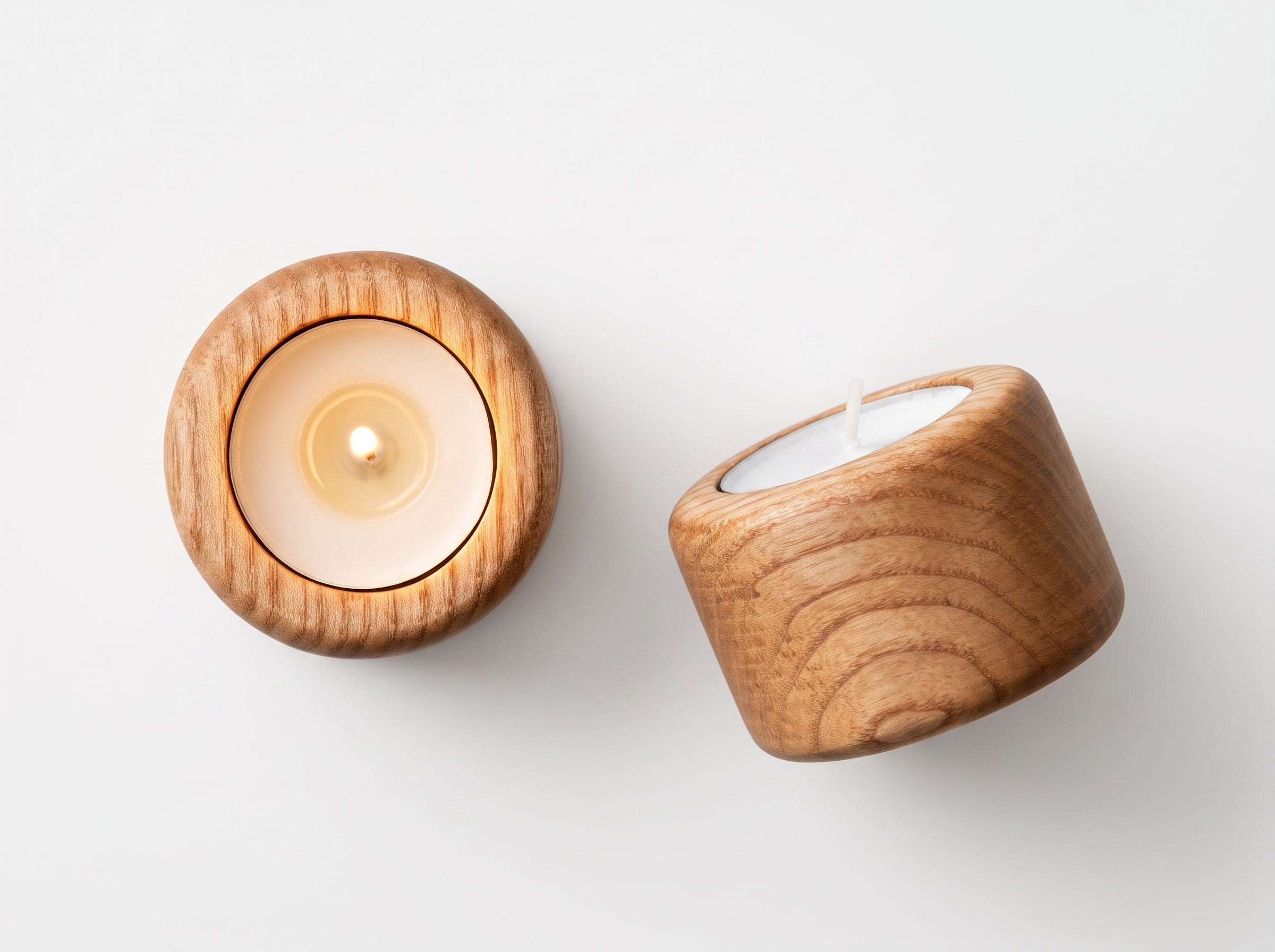
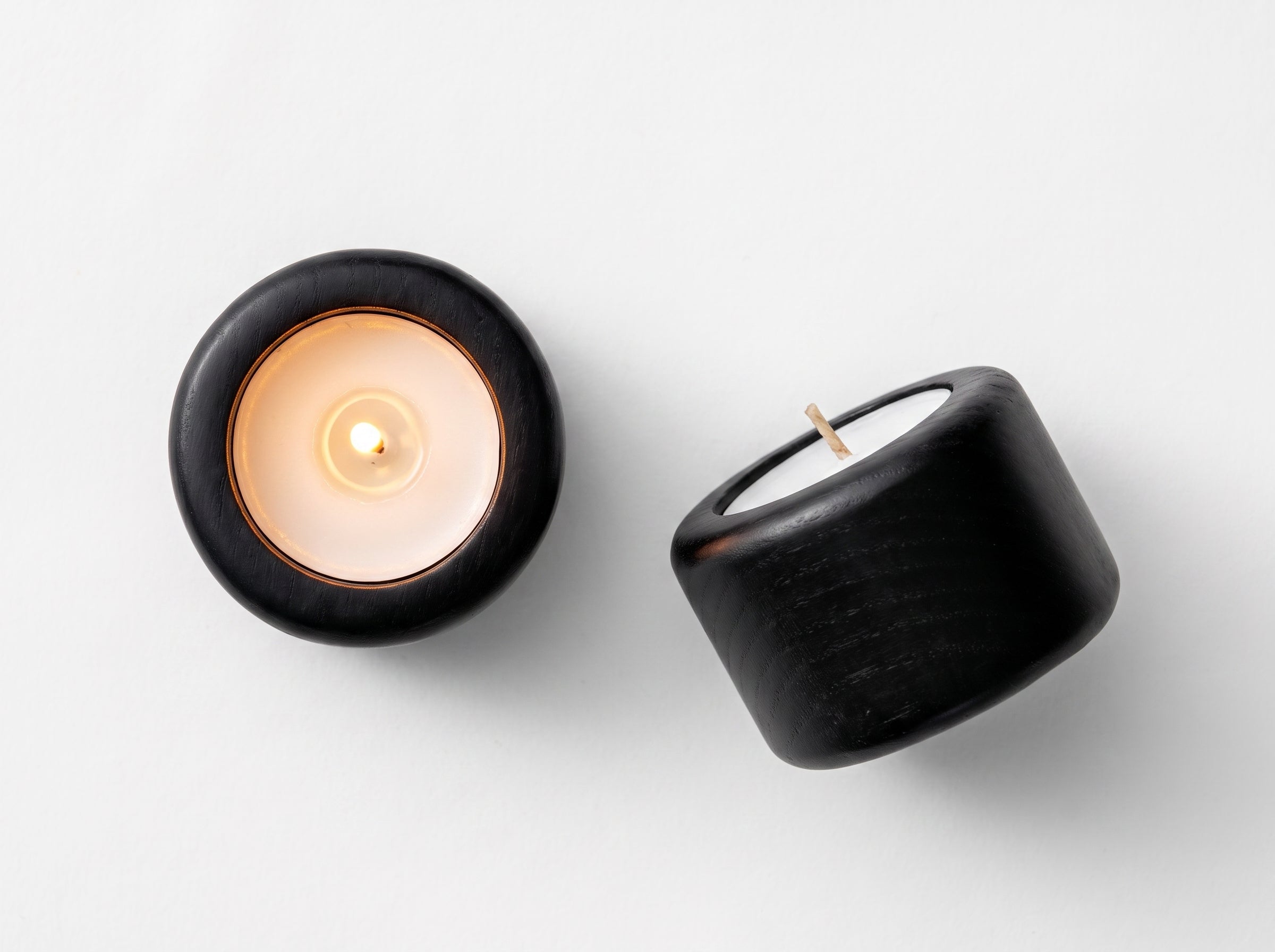
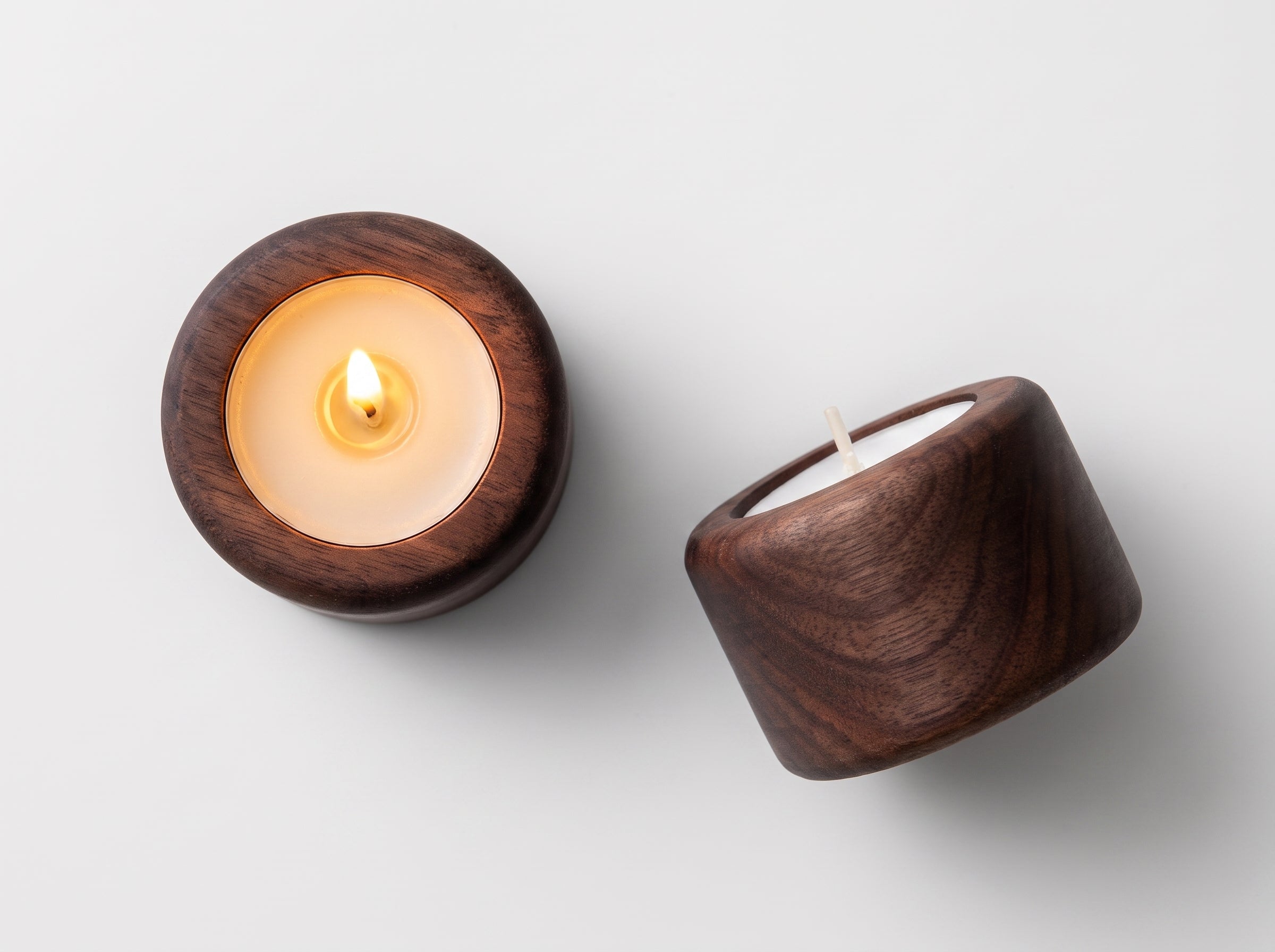
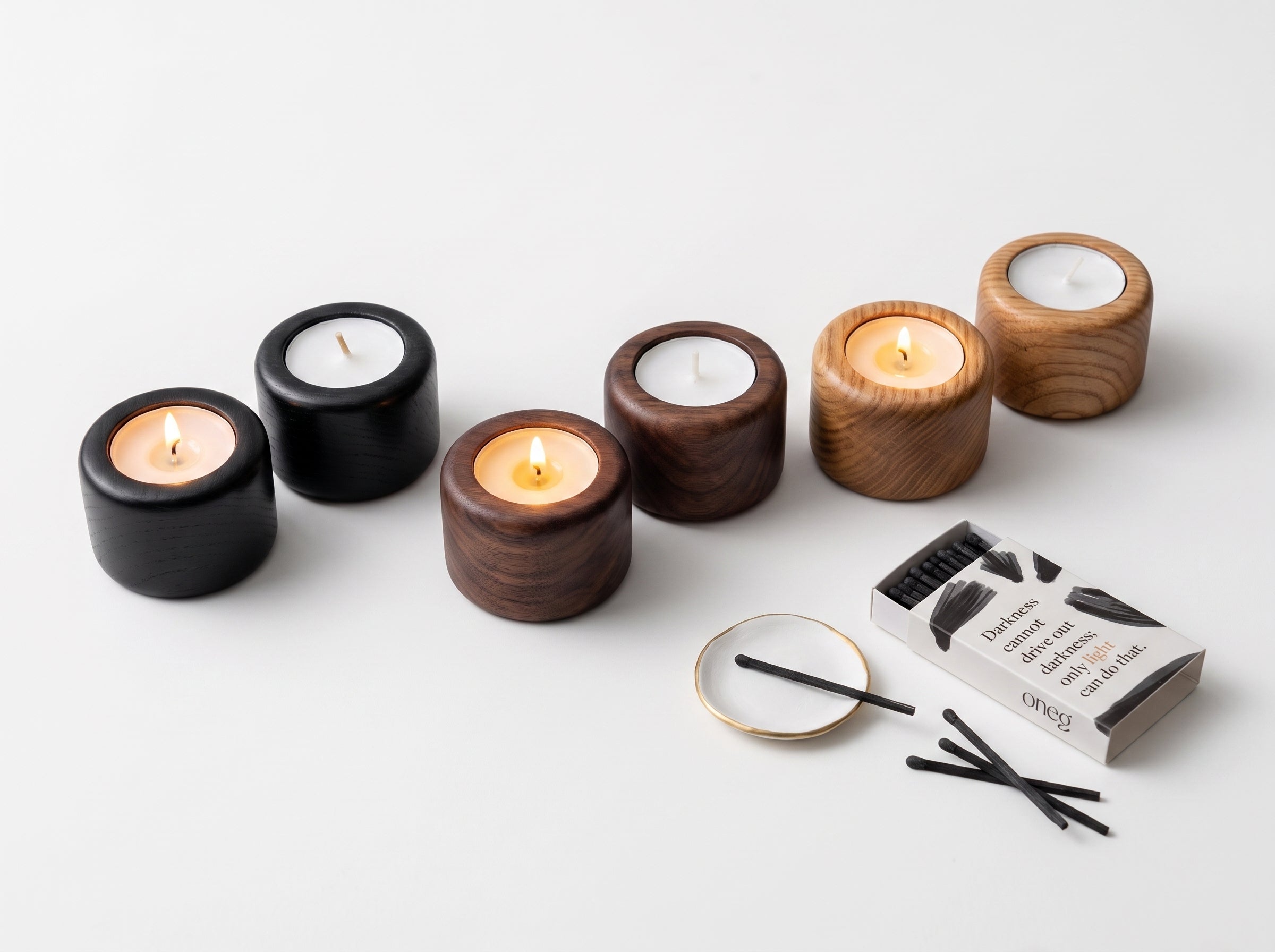
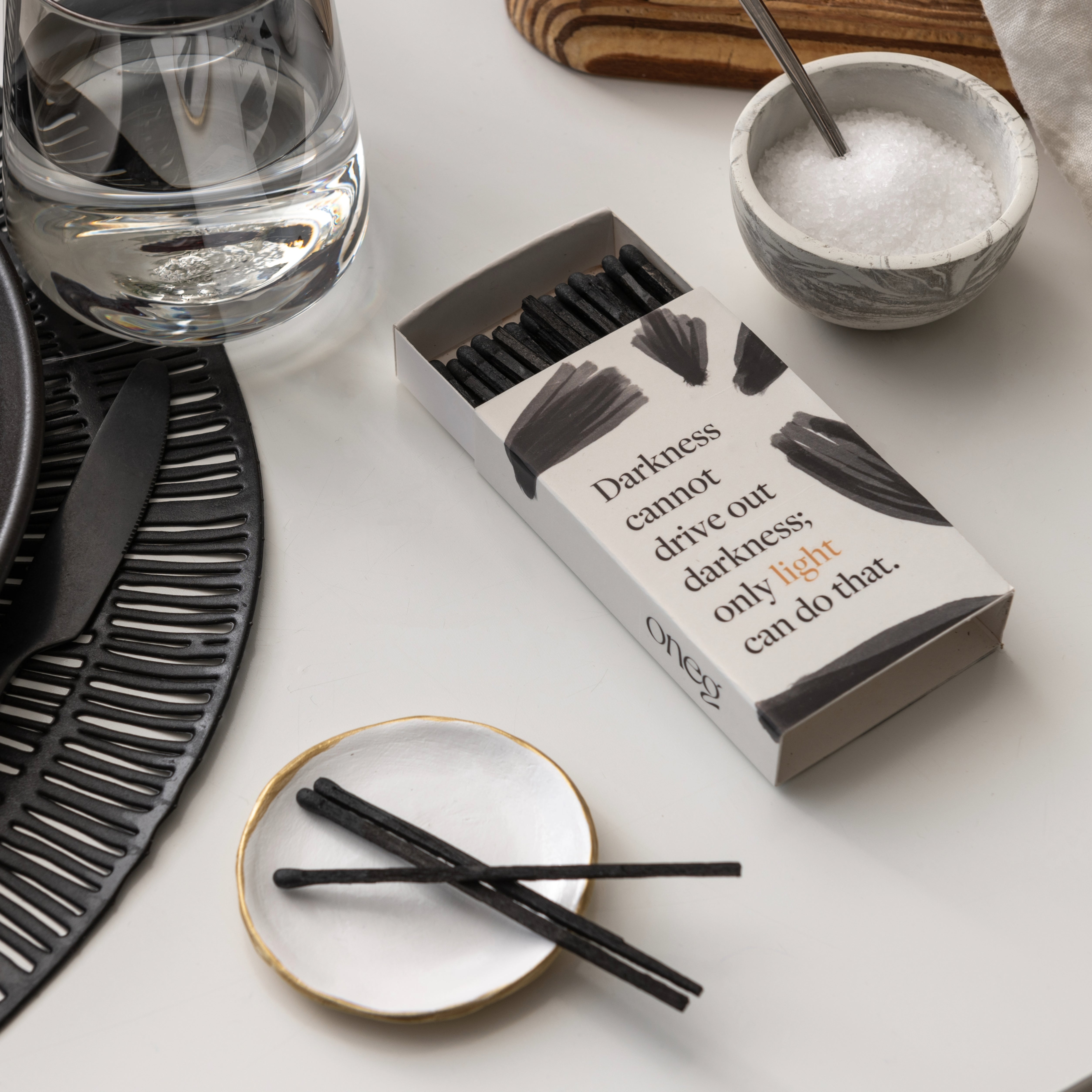
Lighting candles: First, Jewish people light two Shabbat candles just as the sun goes down. These two candles represent the commandments to remember and keep the Sabbath. The lighting is accompanied by a prayer that thanks God for the commandment to light Shabbat candles.
-
Drinking wine: Next comes the Kiddush. This is a glass of wine and accompanying prayer that sanctifies the holiday. The wine is drunk from a special cup known as a Kiddush cup.
-
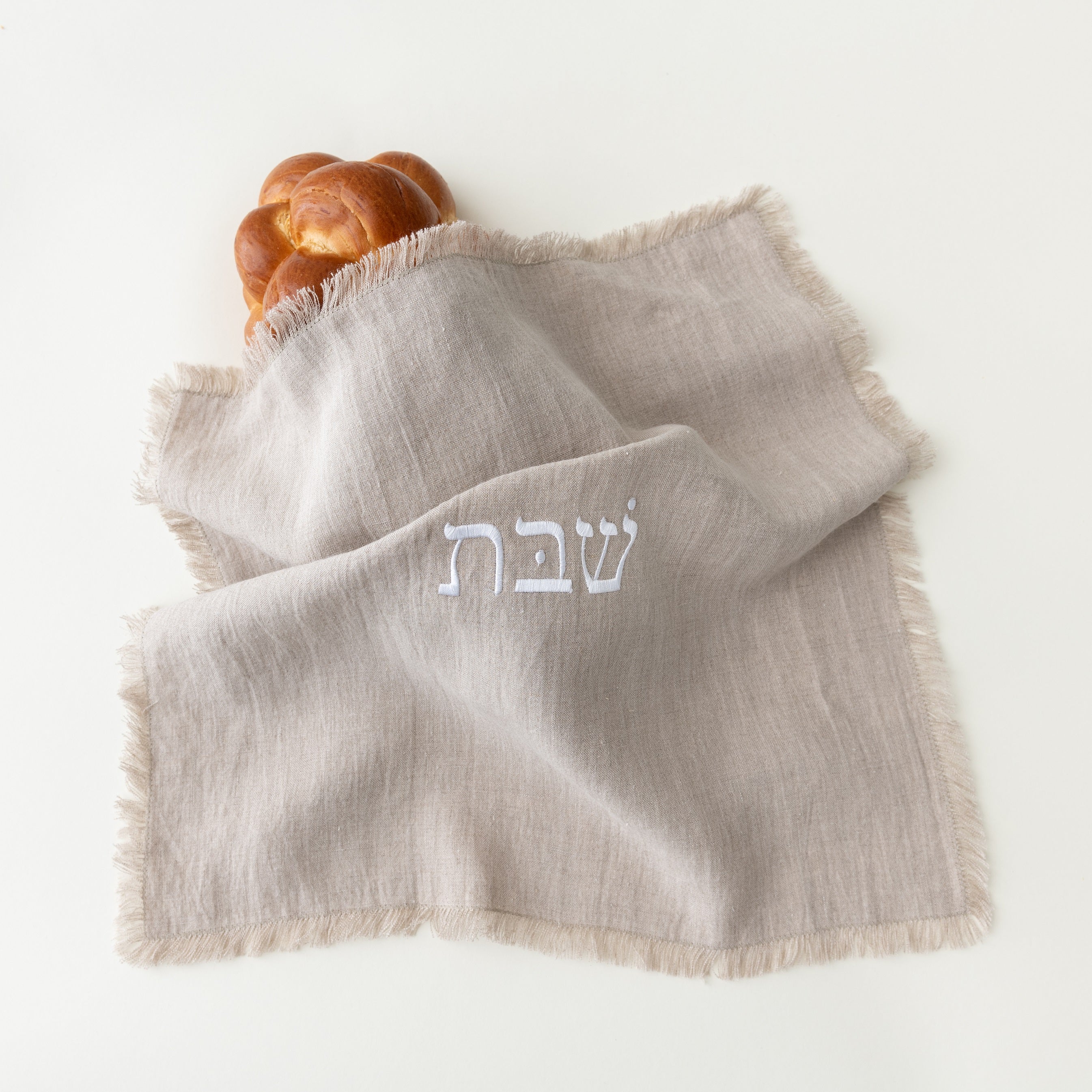
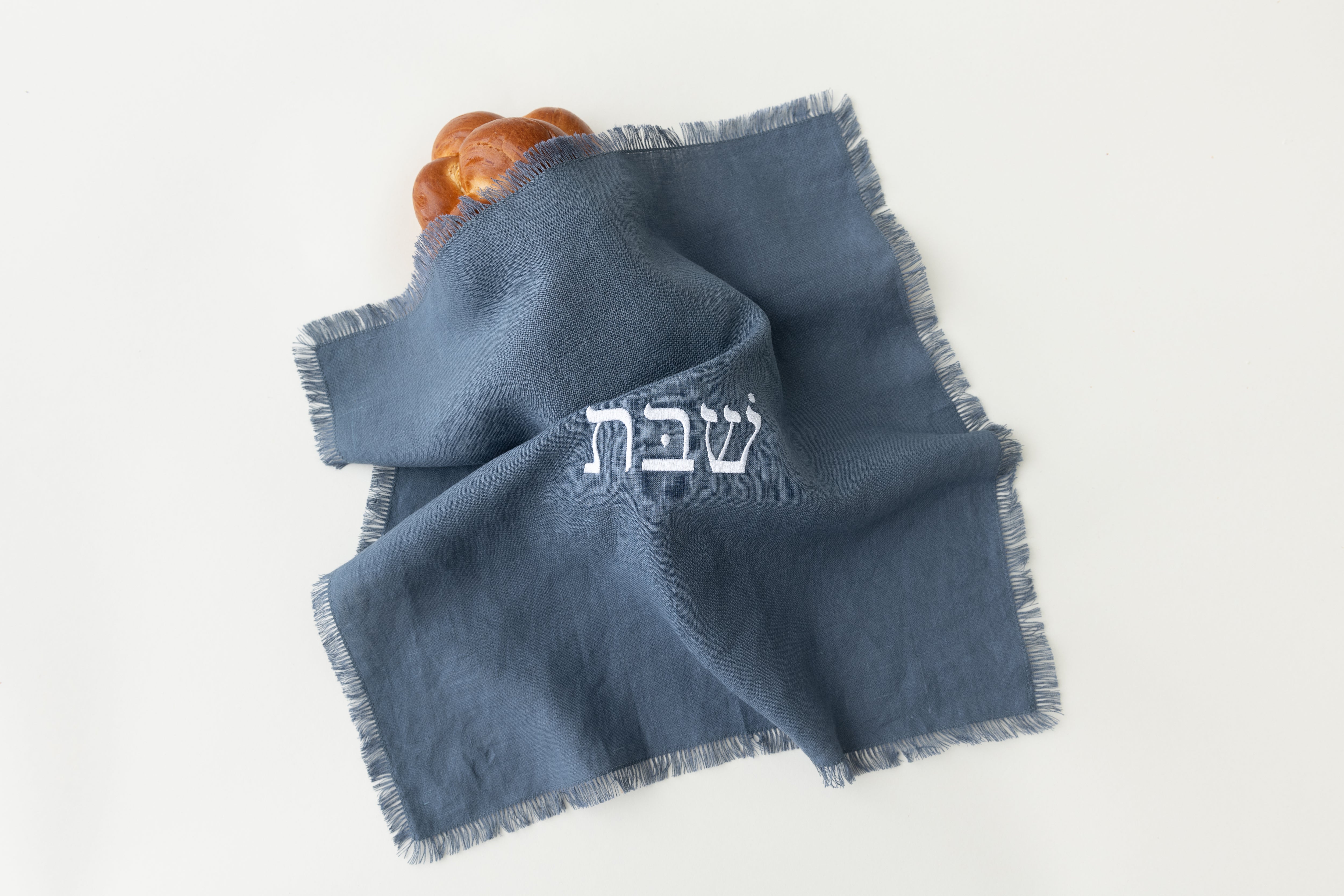
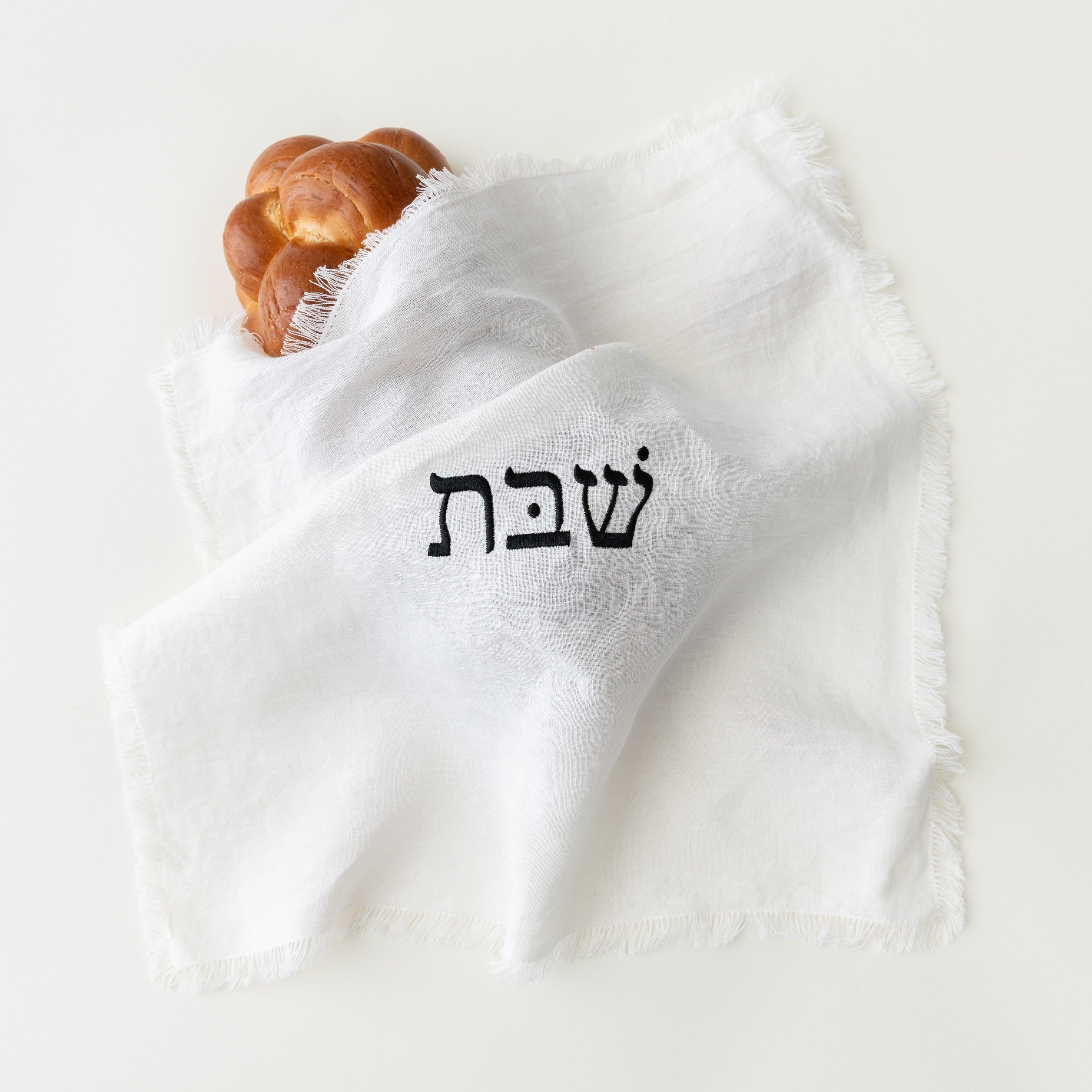
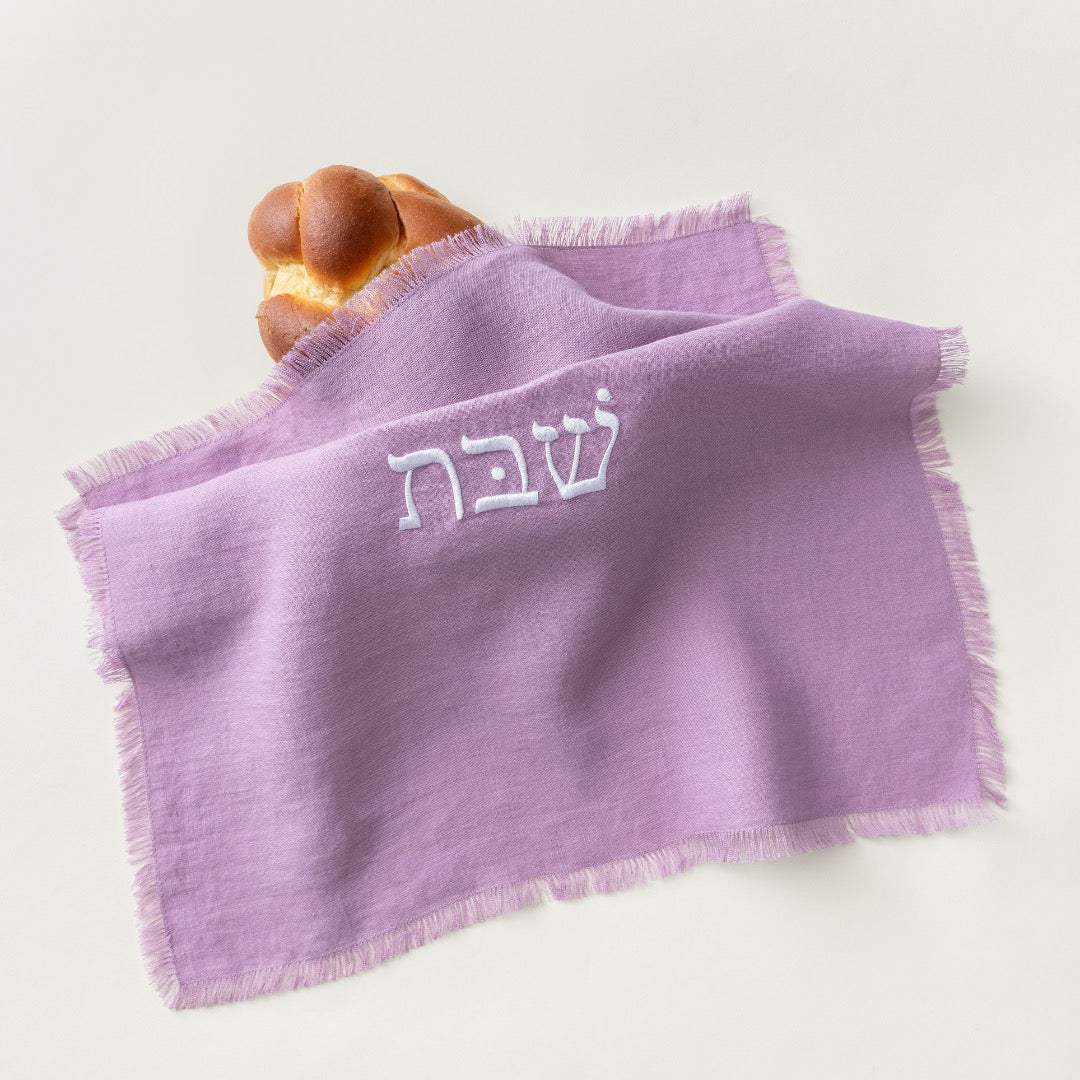
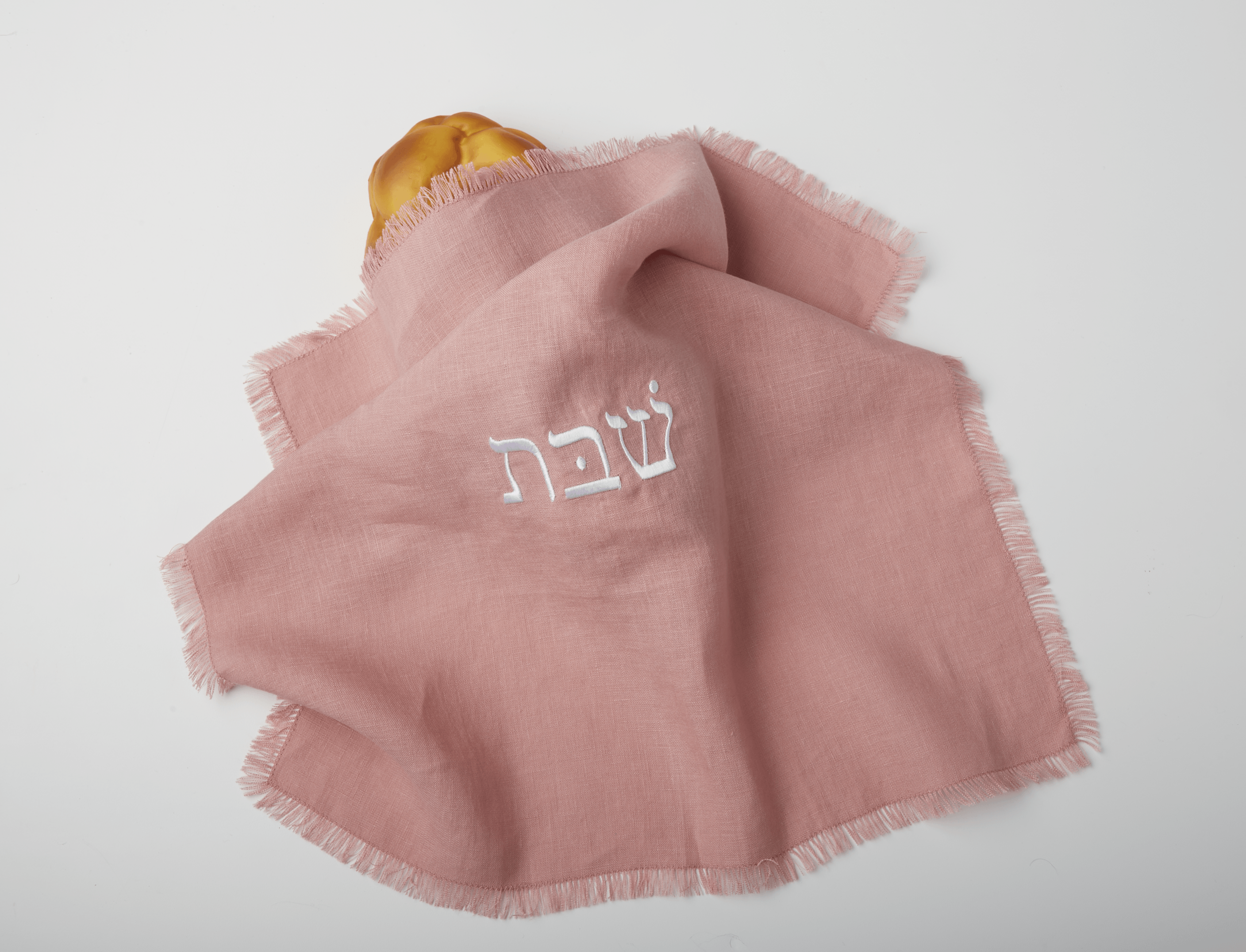
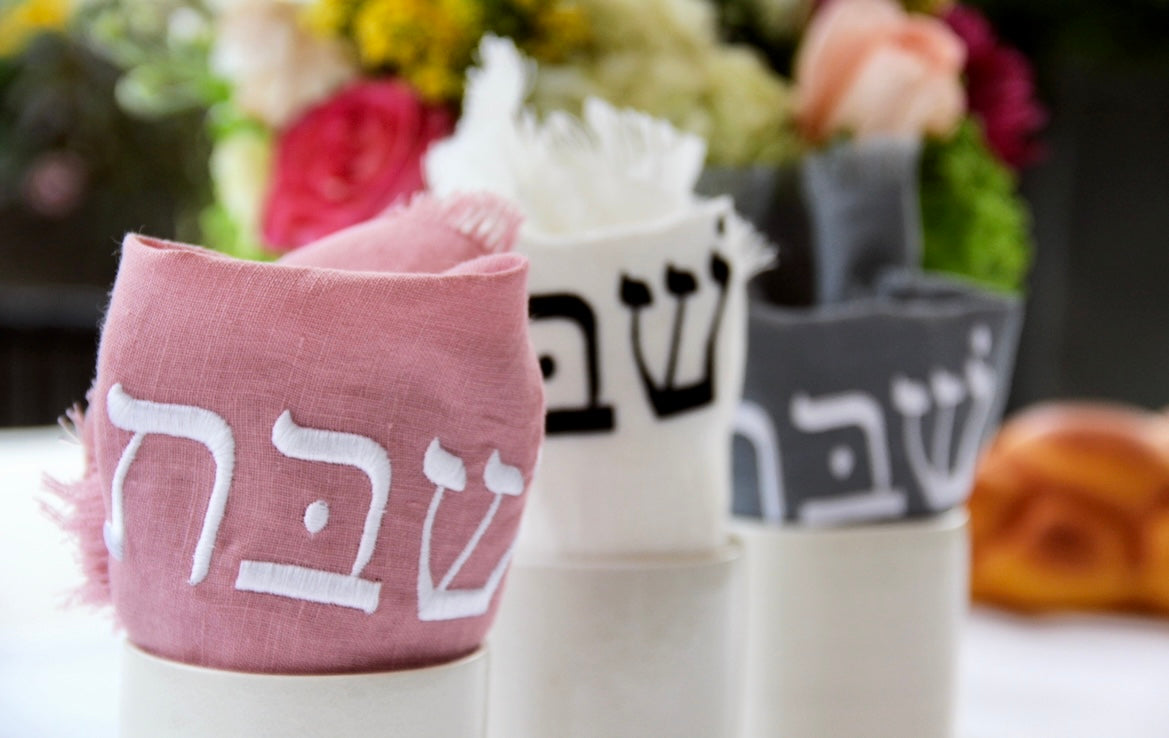
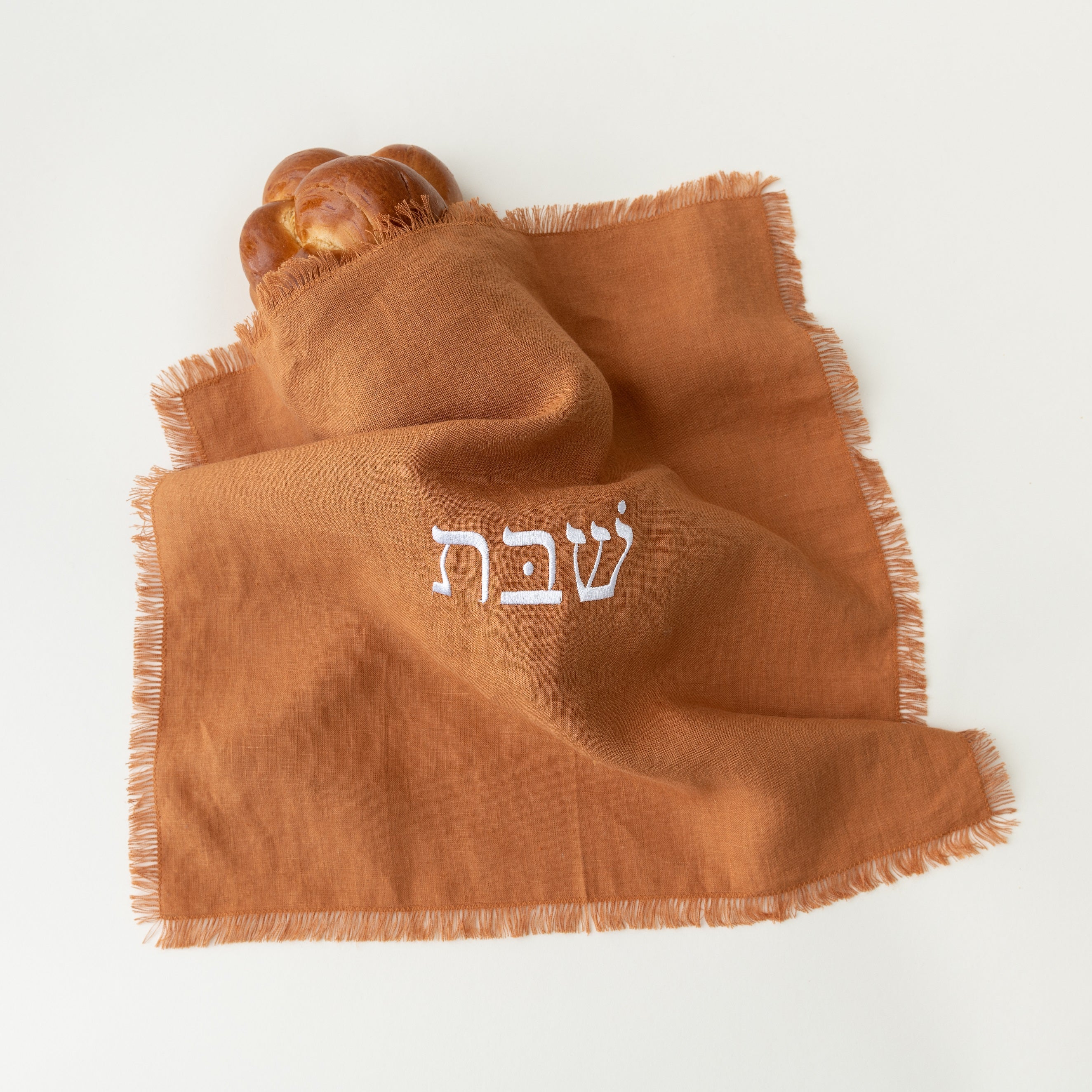
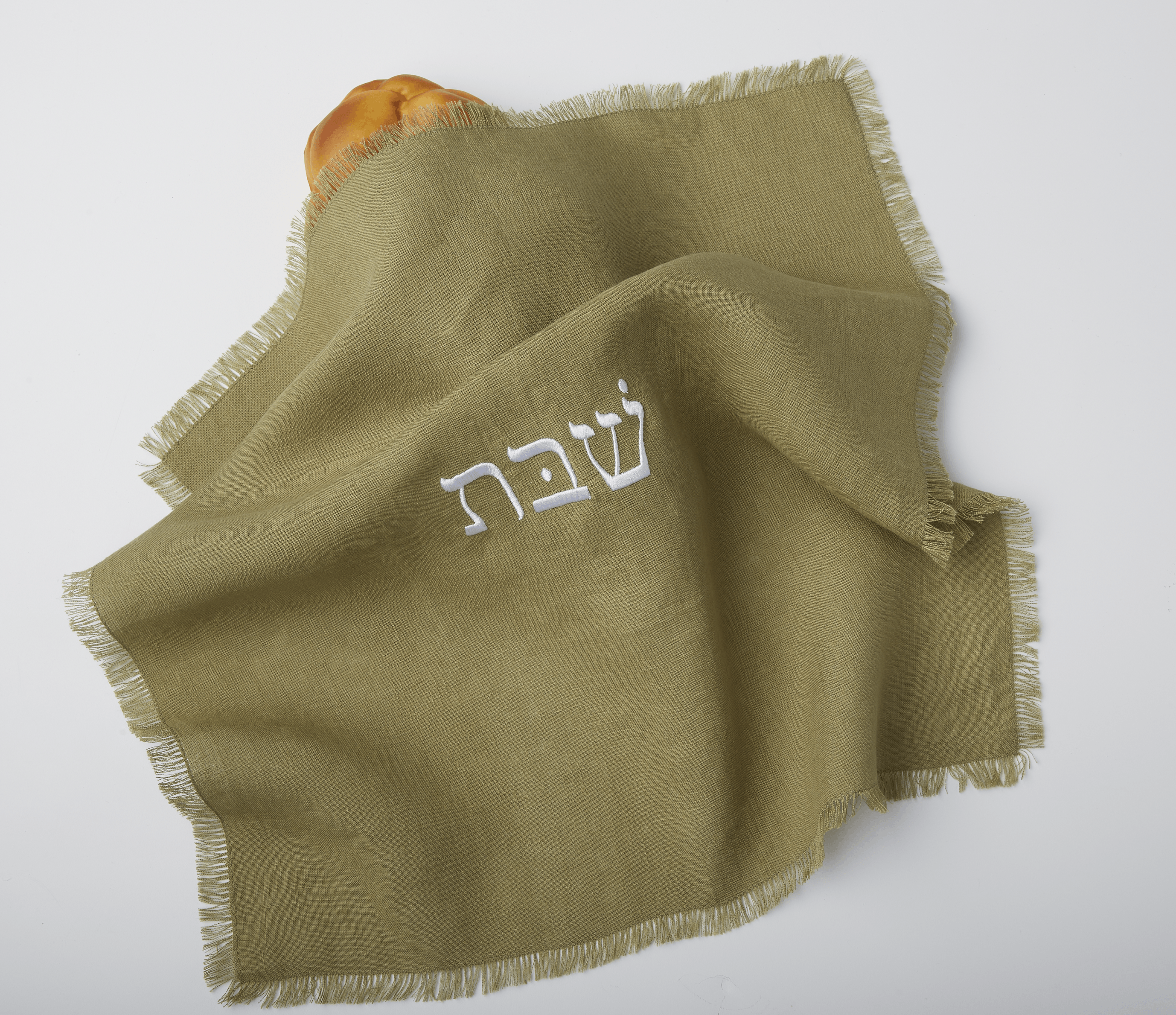
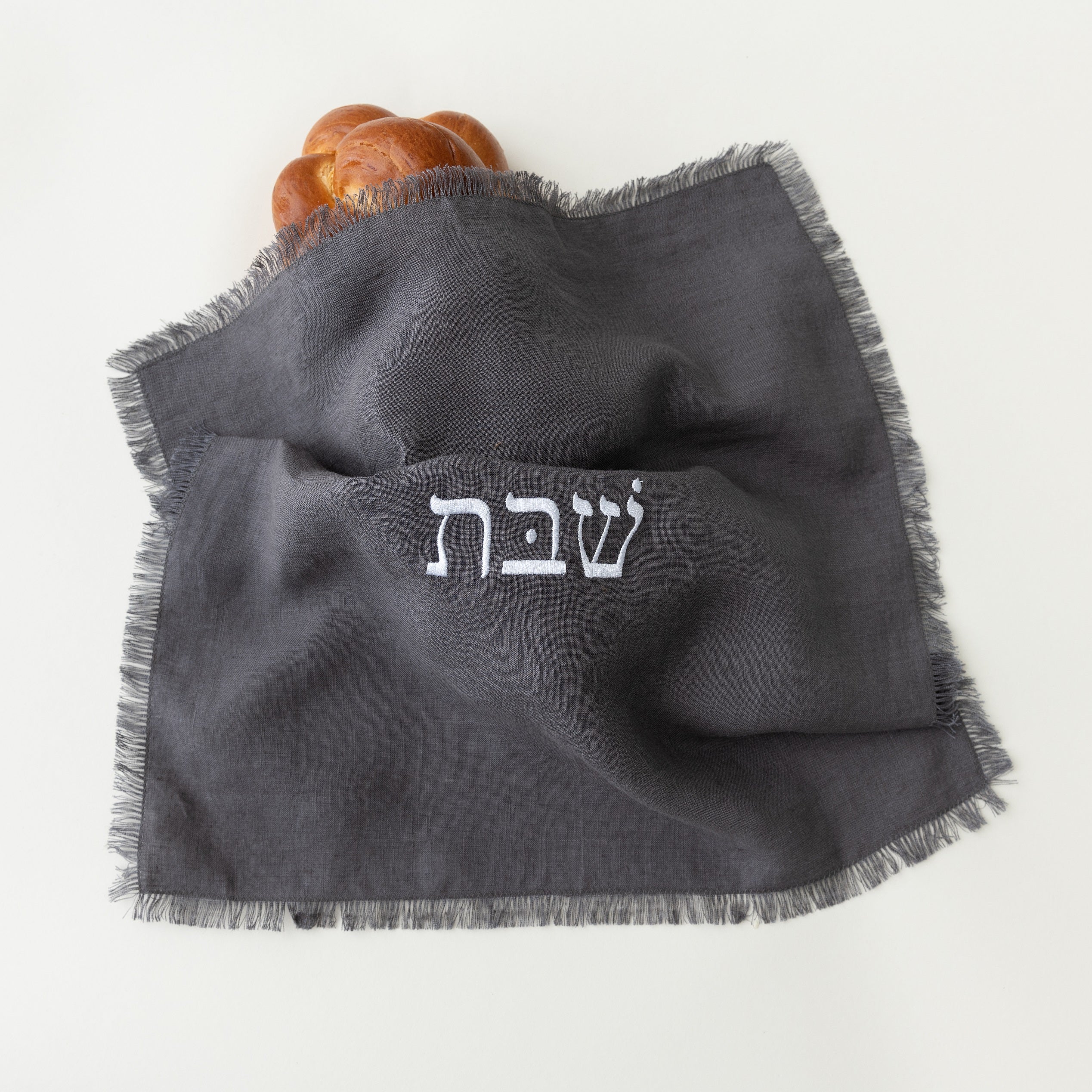
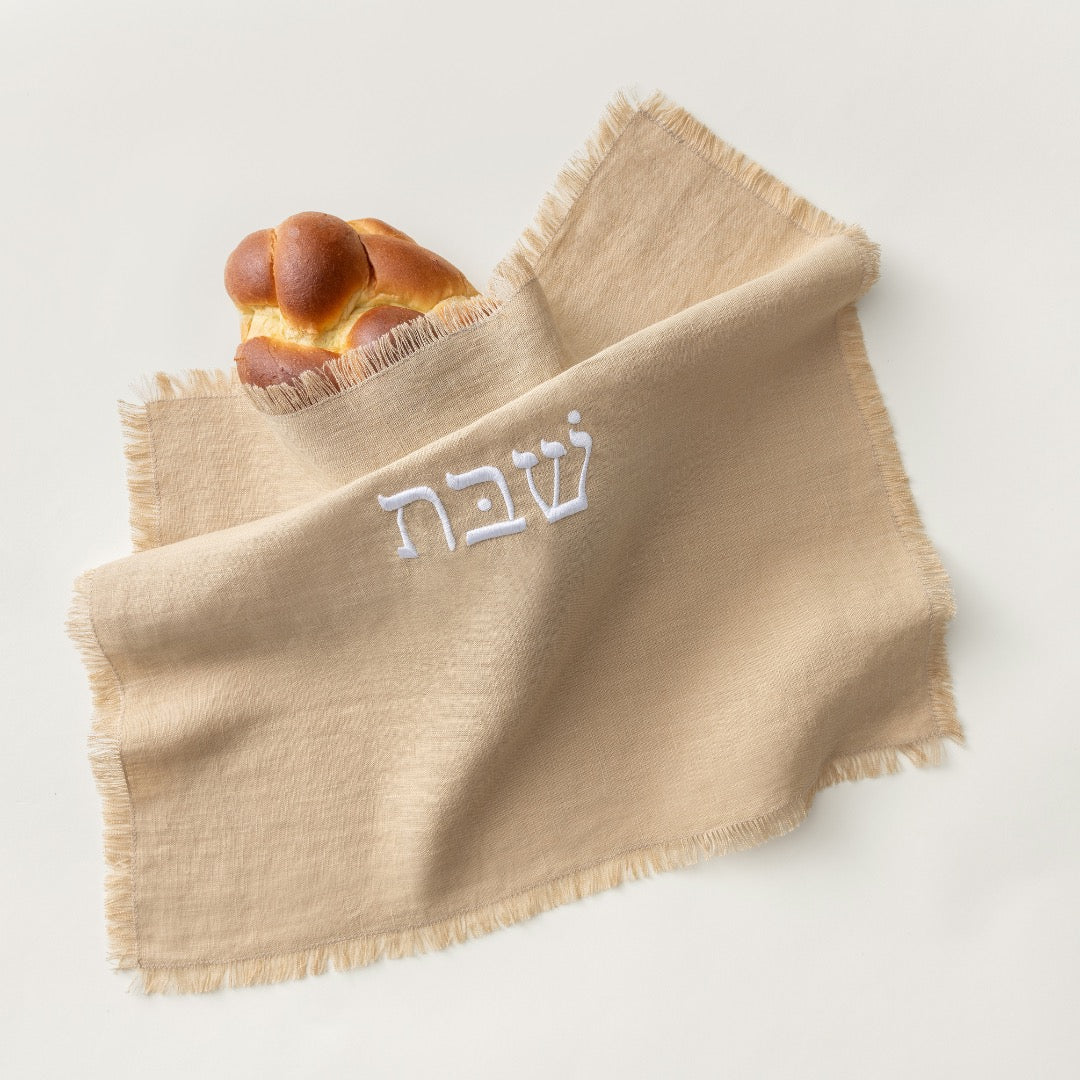
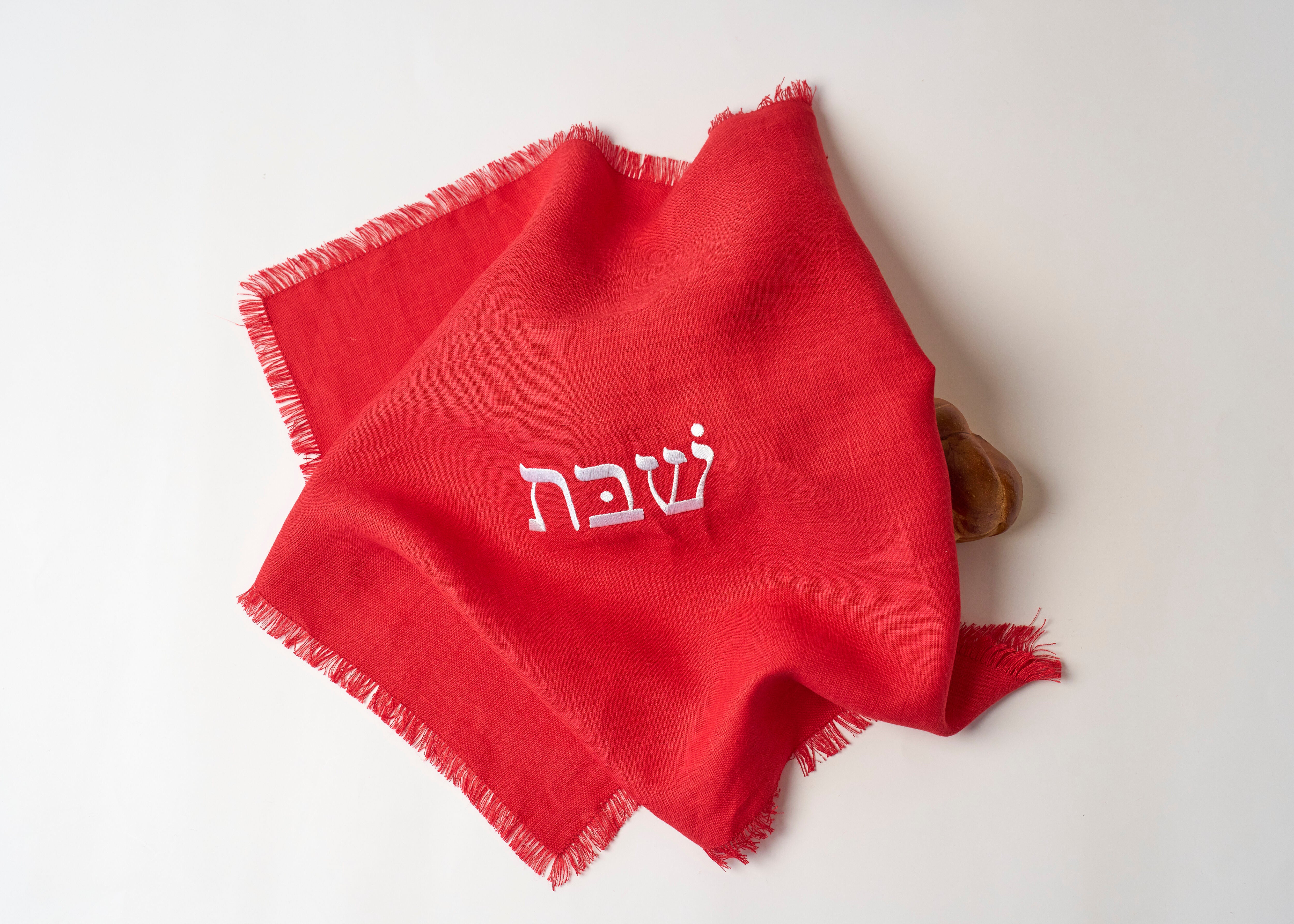
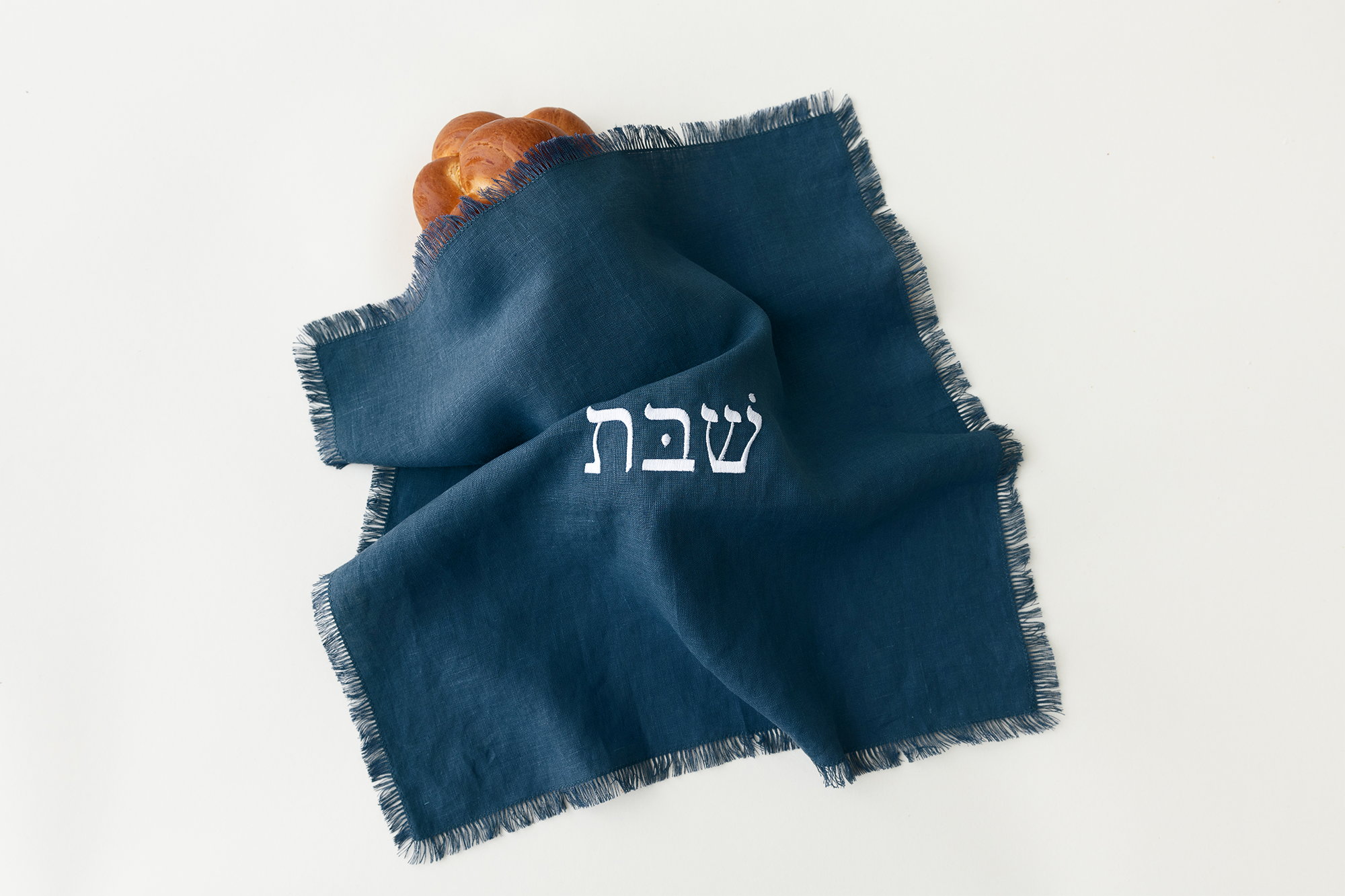
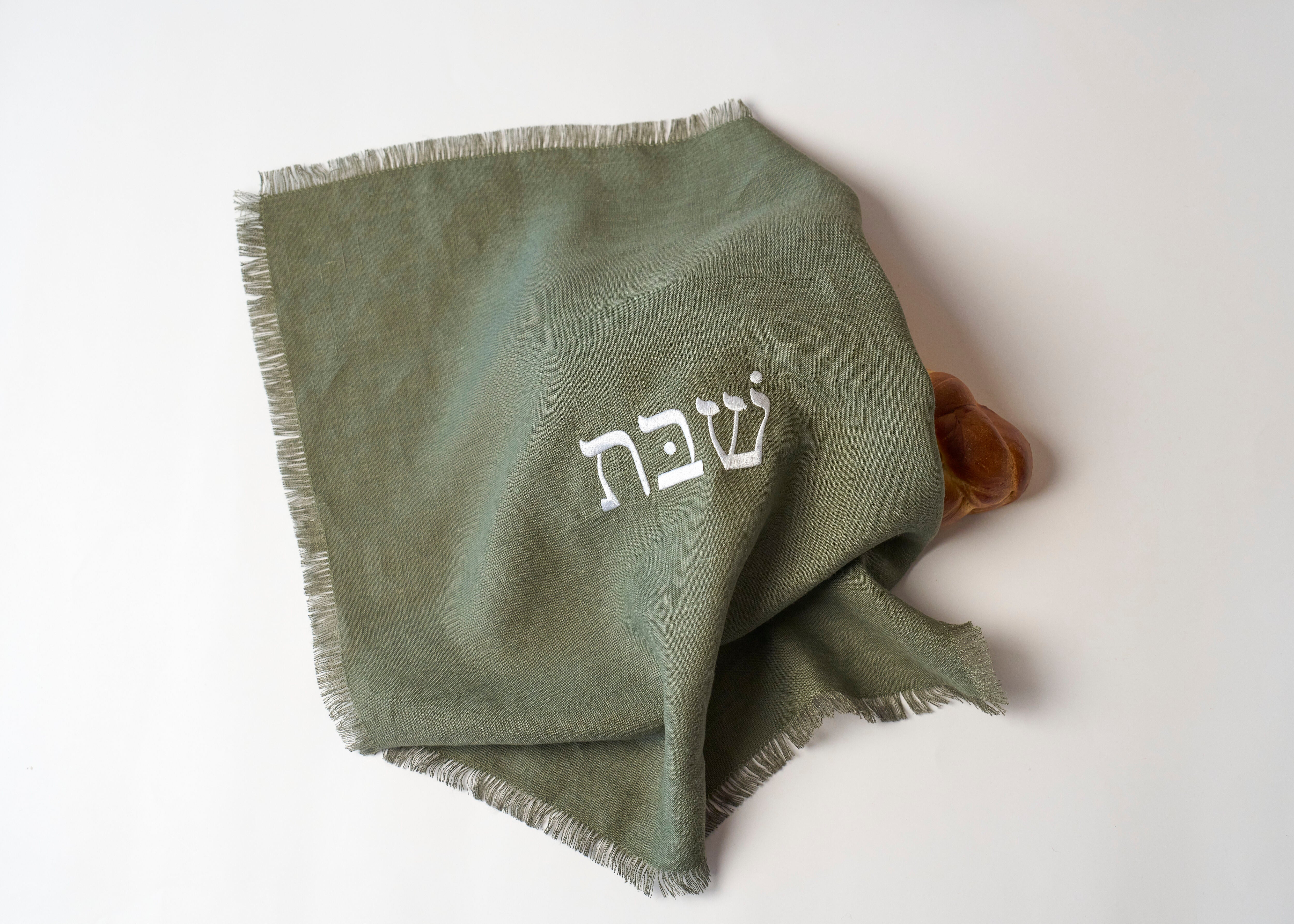
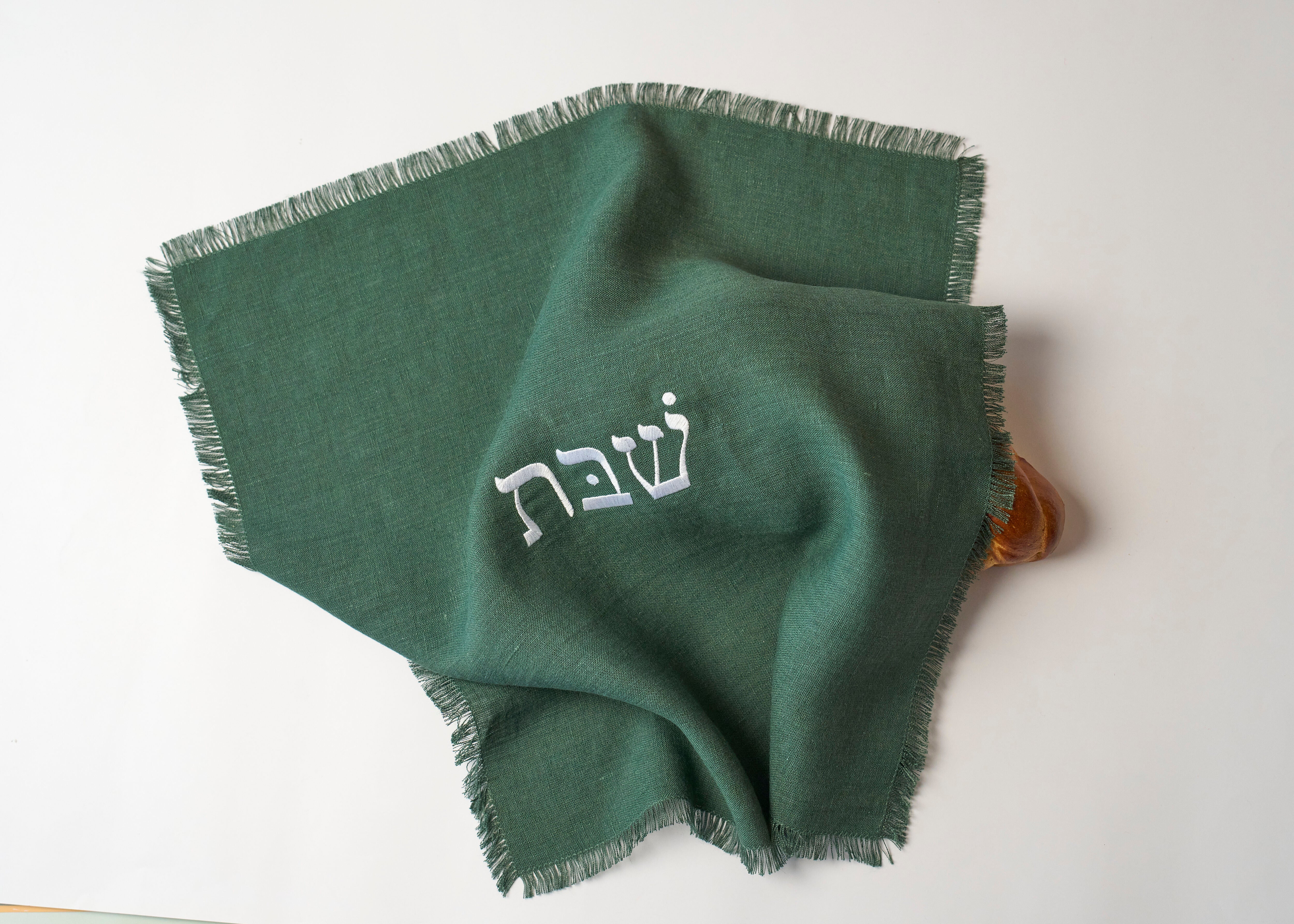
Eating challah: Challah is a special, braided egg bread eaten on Shabbat. It’s placed on the table and covered with a special cover known as a challah cover. As with the other two rituals, a prayer is said while eating Challah.
These rituals are followed by a Shabbat dinner. While there’s no specific meal to have in order to do a Shabbat dinner, traditional meals include roasted chicken, stews, and other slow-cooked foods. Shabbat dinner is a time to connect away from phones, TVs, and other distractions.
Keeping the Sabbath
Shabbat rituals and dinner are only the first step to doing Shabbat. The rest of the 24-hour period is used as a spiritual pause from life. Some people may celebrate Shabbat by attending religious services at synagogue, while others may spend time at home with family and friends. Anything that gives a sense or renewal and rejuvenation can be used to celebrate Shabbat.
How to End Shabbat
When Shabbat is over, many people choose to commemorate its end with a ritual known as Havdalah. Havdalah happens after sundown on Saturday night. It serves as a transition from Shabbat into the week ahead. Follow these rituals to end Shabbat:
-
Reciting the blessings: Havdalah begins by reciting the Havdalah blessings. These are said to bless several ritualistic items used to celebrate the end of Shabbat.
-
Blessing the wine cup: The Kiddush wine cup is once again filled and a blessing is said over it. The wine cup is held up for all to see.
-
Blessing the spices: Another blessing is said over a bag of sweet spices that are meant to gently wake up the senses to day-to-day life. As the blessing is said, the spices are passed around for everyone to smell.
-
Blessing the candle: Next, a special candle known as a havdalah candle is lit and a blessing is said. Each person holds a hand up to the lit candle.
-
Drinking the wine: Once blessings are finished, each person takes a sip from the Kiddush cup.
-
Extinguishing the candle: Finally, the candle is extinguished in the remaining Havdalah wine, marking the end of Shabbat.
Make Shabbat Special With Oneg Home
Shabbat gives Jewish people an opportunity to rest and reset. Some may observe the holiday strictly, while others may make their own rituals and tradition for a restoration. No matter how you do Shabbat, its ritualistic items like candles, a kiddush cup, and more are vital to accessing the beauty of the holiday Shop traditional Shabbat items with a modern aesthetic from Oneg Home.
Ready to begin your Shabbat practice?